
Funny Bucket Hats: A Vertical-Specific Sourcing Guide
For brand owners, wholesalers and procurement teams entering the custom headwear category, funny bucket hats: a vertical-specific sourcing guide is one of the highest-leverage decisions you will make. Get it right and your unit economics, retail story and reorder cycle all improve. Get it wrong and you carry the cost for years.
Baseball Hats for Men
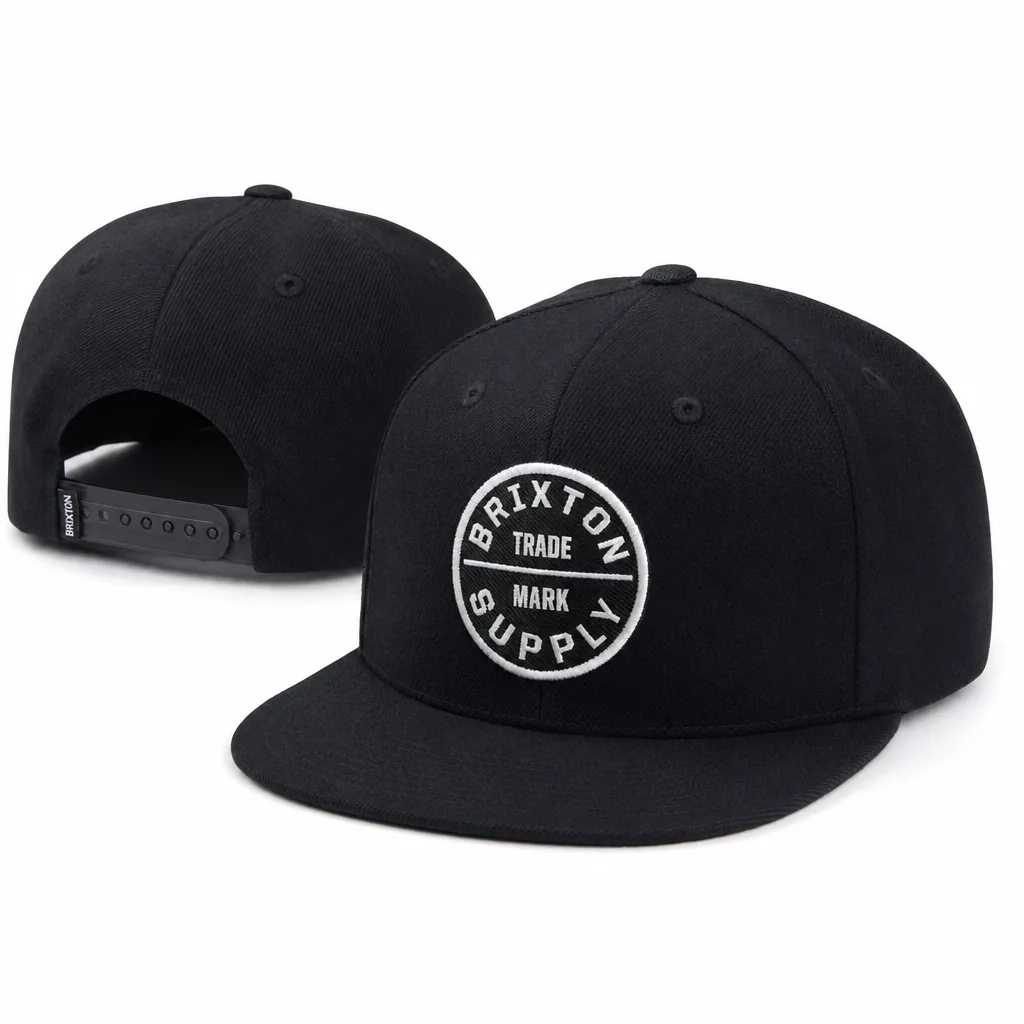
Baseball hats for men are usually built as a six-panel cap with a curved PE or cardboard visor, a cotton twill or poly-cotton crown, and a front structure that can be either buckram-backed or soft-unstructured depending on the look. On the factory floor, the sequence is straightforward: fabric cutting, panel stitching, visor board insertion, seam taping, embroidery or patch application, then washing, shaping, and final trimming. CrownsForge's standard practice is to lock the spec before production, because small changes in crown height, visor length, or front buckram weight can make the same style feel like a premium streetwear cap or a cheap giveaway. For buyers, that means asking for measurable details, not vague terms: 58-60 cm head circumference, 7-7.5 cm brim, 280-350 gsm cotton twill, 4-row visor stitching, and color targets matched to Pantone TCX with Delta-E under 2.
The spec sheet should also cover closure type, embroidery density, sweatband material, and shrinkage limits, especially if the cap will be sold alongside funny bucket hats or used in the same seasonal program as bucket hats festival drops. A clean factory quote usually starts around 500 pcs per color per style for custom work, though stock blanks can go lower; realistic FOB pricing in China is often $1.80-$3.20 for a plain cotton twill cap, $3.50-$5.50 with flat embroidery or a woven patch, and higher if you add garment wash, sand wash, or specialty trims. If a buyer wants a festival bucket hat, rave bucket hat, or a brighter festival bucket hats capsule later, the same supplier should already understand print registration, colorfastness, and trim consistency, which saves time when the line expands from a basic baseball cap into novelty seasonal headwear. That is where a primark bucket hat-style price target can mislead people: the factory can hit it, but only if the design is kept simple and the construction standard is controlled tightly.
The main quality failures are easy to spot if you know where to look: crooked front panels, visor asymmetry, puckering around the center seam, loose thread at the back closure, and color inconsistency between dye lots. Inspect the sweatband stitching for skipped stitches, check the brim curve for repeatability, and pull a few caps across size range to confirm the closure actually holds 56-62 cm without distortion. For bulk orders, ask for pre-production samples, a mid-line inspection, and AQL 2.5 final inspection on visual defects, measurements, and embroidery placement; if the cap has foam front panels or high-density stitching, add a wash test so the shape does not collapse after the first rinse. The broader sourcing point is simple: if the factory can control a men's baseball cap well, it usually has the discipline to handle funny bucket hats too, because both categories live or die on pattern accuracy, finishing, and repeatability rather than just the artwork on top.
Custom Baseball Team Hats
Custom baseball team hats are usually built in a six-panel crown with a buckram front, stitched eyelets or laser-cut perforation, and a curved or flat PE visor depending on the league standard. The cleaner factories will specify shell fabric by construction first, not just color: 100% brushed cotton twill at 260-300 gsm for a classic hand feel, polyester twill when you need better colorfastness and lower shrink, or wool-blend for a heavier retro look. For team work, request pantone-matched panels, visor, and underbill, plus 3D puff embroidery on the front, flat embroidery on the side, and a woven label or silicone patch if you want lower needle density. A proper tech pack should call out crown height, panel stitch count, sweatband width, seam tape, closure type, and the exact logo placement in millimeters. The same discipline that keeps funny bucket hats from drifting off spec matters here, because a baseball cap with a bad bill curve or mismatched navy will get rejected faster than a festival bucket hat with a loose brim stitch.
Typical MOQ is 100 to 300 pieces per colorway for stock fabric and 500+ if you want custom-dyed cloth or special trims; pricing usually lands around $3.20 to $6.50 FOB for basic embroidery caps, then rises with complex patches, woven labels, or imported snapbacks. The failures buyers should inspect are predictable: crooked front panels, inconsistent crown symmetry, thread tension issues, oil stains from the machine head, loose back straps, and embroidery that distorts the crown because the backing was undercut. Ask for pre-production samples, then a size-controlled inline check and a final AQL 2.5 inspection with 10-15 percent sampling; that catches most problems before carton packing. If you are comparing baseball caps against funny bucket hats for a drop, the sourcing logic is the same: define the art, lock the material, and reject vague factory answers. That is how you avoid ending up with a product that feels closer to a Primark bucket hat than a properly produced retail item, whether it is for a baseball roster, a bucket hats festival promo, or a rave bucket hat launch.
Baseball Hats Canada
Baseball hats for Canada are usually built on the same production line as U.S. domestic programs, but the buyer specs need to be tighter because the market expects clean shape and cold-weather durability. A normal build starts with 100% cotton twill or 100% polyester, 180-280 gsm, fused front panels, buckram, pre-curved EVA or cardboard-reinforced visor, and a self-fabric strap or tri-glide closure. For licensed team work or retail programs, ask for Pantone TCX color control, embroidery stitch count by panel, and shrinkage limits after wash. MOQ is typically 300-500 pcs for a simple blank cap and 800-1,500 pcs for custom applique, woven labels, or multi-location embroidery. Ex-works pricing usually lands around $2.20-$4.80 depending on structure, stitch density, and trim quality, with screen print cheaper and 3D embroidery or patchwork moving the price fast. Compared with funny bucket hats, the baseball cap has less fabric surface but more shape risk, so you pay for consistency, not just decoration.
The defects buyers need to inspect are predictable and boring, which is why they keep showing up. Check crown symmetry, visor curve, sweatband stitch quality, inner seam tape, eyelet placement, and whether the front panels collapse after packing. Thread tension errors show up as puckering around logos, and low-grade buckram gives you a soft forehead instead of a clean profile. On production runs, we normally require inline checks plus final AQL 2.5 inspection, especially if the order includes contrast stitching, custom closure hardware, or tonal embroidery. If the cap is meant for bucket hats festival channels or streetwear resale, the visual standard is harsher than a corporate promo order; buyers compare it against a primark bucket hat, a rave bucket hat, or festival bucket hats sold at volume, even when the product is completely different. That is why sampling matters more than promises, and why a factory should show actual stitch-out photos, not just a flat mockup.
The sourcing decision is really about channel fit. If the goal is retail, sports licensing, or Canadian promo distribution, baseball caps usually give you lower freight risk and simpler size handling than funny bucket hats, because the silhouette packs flatter and the closure system absorbs more head-size variation. But if the brand is built around festival bucket hat drops, novelty graphics, or seasonal streetwear, the bucket shape can sell better because the surface area supports larger prints and weird trims. CrownsForge’s standard practice is to quote both constructions side by side, then compare landed cost, lead time, and defect exposure instead of treating them as the same cap family. In practice, a decent baseball cap factory should be able to explain pattern block differences, visor insert options, and carton loading efficiency, because those details affect duty, damage rate, and sell-through. Buyers who ignore those details usually end up overordering the wrong silhouette and paying for it later.
Fitted Hats with Patches
Fitted hats with patches are built very differently from the printed or embroidered novelty caps most buyers lump together under funny bucket hats. The patch is usually cut from woven twill, felt, PU leather, or PVC, then stitched, heat-applied, or placed on a Velcro or hook-and-loop panel before the crown is blocked and the sweatband is installed. For structured 6-panel caps, I want the factory to specify crown height, panel reinforcement, buckram type, visor board thickness, and patch attachment method up front. CrownsForge standard practice is to sample the patch art separately on a Tajima or Barudan machine before bulk sewing, because thread density, edge satin width, and backing choice change how the front panel sits and whether the cap keeps its shape after packing. For a clean commercial result, ask for Pantone TCX matching on the crown fabric, Delta-E under 2.0 on the patch, and a pre-production sample with actual sweatband, sticker, and closure hardware, not a flat art proof.
Typical MOQ for a custom fitted patch cap is usually 300 to 500 pieces per colorway if the patch is embroidered or woven, and 1,000 pieces if you want custom molded PVC or metal hardware. Factory pricing often lands around $3.20 to $6.50 FOB for simple embroidered patches on cotton twill, then climbs to $7 to $11 when you add structured buckram, sandwich visors, woven labels, and a custom inside tape package. The cost swings hard on stitch count and embellishment complexity, so a quote without patch size, stitch density, and backing spec is not useful. Buyers comparing festival bucket hats, a festival bucket hat program, or even a primark bucket hat-style basic often miss that fitted caps carry more tooling and labor risk because size grading and crown tension have to stay consistent across the run. If your retail price is under $20, keep the decoration simple and spend the money on cleaner sewing and better fabric handfeel instead of oversized patches.
The main defects to inspect are patch lift, crooked placement, puckered front panels, uneven brim curve, and size drift between cartons. On a live line, I check whether the patch is centered within 2 mm, whether topstitching is even at 7 to 8 stitches per inch, and whether the sweatband seam is flat enough that it will not irritate the forehead after a full day of wear. For bulk inspection, AQL 2.5 is standard, but I would tighten the criticals on logo alignment and size tolerance to plus or minus 1/8 inch on fitted bands. This matters for funny bucket hats and other novelty headwear because buyers often focus on artwork and ignore construction, then end up with returns from a rave bucket hat or festival bucket hats program that looked fine in photos but failed on fit. If the assortment includes both caps and bucket silhouettes, choose one decoration logic and one QC standard, or the line will drift and the whole order becomes expensive to sort.
Bucket Hats Festival
For bucket hats festival orders, the build is simple on paper but easy to get wrong in production. A decent factory should quote 100 percent cotton twill at 220 to 260 gsm for a softer drape, or 100 percent nylon taslan around 90 to 110 gsm if you want a lighter rave bucket hat with better packability. Ask for a 6-panel crown, 5 to 6 cm brim, 3 to 4 rows of brim stitching, and a sweatband that is at least 25 mm wide. For decoration, embroidery on Tajima, Barudan, or ZSK heads is still the cleanest option for funny bucket hats because it holds registration better than cheap heat transfer when the design has dense outlines or small text. If you are comparing a Primark bucket hat sample against a custom factory sample, check the crown depth and brim stiffness first; those two details usually decide whether it looks retail-ready or disposable.
The specs you request should be written like a production sheet, not a mood board. Give the factory Pantone TCX references for every panel, lining, and thread color, then define target tolerance with Delta-E under 2.0 for critical brand colors. For festival bucket hats, I would ask for shrinkage under 3 percent after washing, colorfastness at grade 4 or better, seam slippage under 6 mm, and formaldehyde and azo compliance if the hats are going into EU or UK retail. Our standard practice is to sample with a sealed fit block, confirm brim edge binding or topstitch spacing, and approve strike-offs before bulk cutting. If you want a reversible or patchwork funny bucket hat, insist on a stitched placement map because loose appliques and mirrored seams are where budget factories cut corners.
MOQ and pricing are usually more sensible than buyers expect if the spec stays standard. For a basic bucket hats festival program, 300 to 500 pieces per color is a realistic MOQ at most China factories, with unit prices around USD 2.20 to 4.80 FOB depending on fabric, embroidery count, and whether you need printed lining or woven labels. A complex rave bucket hat with all-over print, reversible construction, or 3D embroidery can move into USD 5.50 to 8.50 FOB quickly. The quality issues worth inspecting are uneven brim width, twisted side seams, puckered embroidery, weak sweatband attachment, and color migration from printed lining. If you are deciding how funny bucket hats fit into a larger sourcing plan, treat them as an accessory program that rewards low-risk construction: stable fabric, clean embroidery, and AQL 2.5 inspection will usually beat chasing the cheapest quote by 30 cents and then paying for rejects later.
Festival Bucket Hat
A solid festival bucket hat usually starts as a 100% cotton twill or 210D/300D polyester shell, depending on whether the buyer wants a soft retail hand feel or faster dry time on a rave bucket hat. For funny bucket hats, the print method matters more than most buyers expect: all-over sublimation works on polyester, while screen print or heat transfer is safer on cotton when the artwork has flat color blocks and sharp outlines. A normal factory spec should call out fabric weight, crown height, brim width, lining, seam allowance, panel count, sweatband material, and logo placement, plus pantone targets in TCX or TPX if color accuracy matters. The safer production route is to request a sewn sample, then a pre-production sample with all trims, because small changes in brim stiffness or thread tension can make bucket hats festival-ready on paper but awkward on head.
Typical MOQ for festival bucket hats is 300 to 500 pieces per colorway for standard blanks, and 800 to 1,500 pieces if you want custom woven labels, printed underbrims, or special trims like cord locks and chin straps. Factory pricing is usually in the $1.20 to $3.80 FOB range for simple cotton or polyester builds, then climbs to $4.50 to $6.50 when you add embroidery, pigment print, contrast binding, or structured foam brims. Buyers comparing a primark bucket hat-style value target against a licensed streetwear drop should separate blank cost from decoration cost, because decoration often doubles the landed price on small runs. For funny bucket hats, the real sourcing question is not just cost; it is whether the factory can hold registration, stitch count, and color consistency across multiple sizes and sales channels.
The most common quality failures are boring but expensive: crooked topstitching, puckering around the brim seam, wrong crown depth, weak colorfastness after a 40 C wash, and off-center prints that make the hat look cheap in photos. If you are buying festival bucket hats for resale, inspect seam strength, thread trimming, brim symmetry, and whether the sweatband stretches out after one use, because those issues show up fast in live-event wear. Ask for AQL 2.5 inspection on critical defects, and specify shrinkage limits, usually under 3% on cotton after wash. Our standard practice is to verify embroidery on Tajima or Barudan heads and check thread density against the art file before bulk approval. When buyers treat a festival bucket hat as part of the broader funny bucket hats category, the sourcing decision becomes clearer: prioritize graphic impact, head fit, and wash durability first, then decide whether the style is closer to a novelty item or a repeatable core SKU.
Working with CrownsForge for funny bucket hats programs
For funny bucket hats programs, the main risk is not the silhouette, it is whether the artwork survives production without drifting off spec. Our standard practice at CrownsForge is to start with a 2 to 3 day tech-pack check, then turn first samples in 7 to 10 days for simple embroidery or woven labels, and 10 to 14 days when the cap needs all-over printing, patchwork, or custom lining. For first-time buyers, I usually push one round of shape sample plus one pre-production sample, because the difference between a clean festival bucket hat and a cheap-looking one is often just 3 to 5 mm in crown height, brim edge tension, and stitch density. MOQ is flexible by decoration method: 100 to 300 pieces for stock fabric with local embroidery, 300 to 500 pieces for custom fabric runs, and split-color programs can often be mixed across size or print variants if the carton plan is locked early. For funny bucket hats, that flexibility matters more than a theoretical low price.
Decoration is where most festival bucket hats either look intentional or fall apart. We use Tajima, Barudan, and ZSK embroidery heads for direct embroidery, plus heat transfer, screen print, woven patches, chenille patches, silicone badges, and sublimated panels when the art needs sharper edges or heavier color blocking. If the design is closer to a rave bucket hat with neon gradients, I would usually avoid dense satin stitches and move to sublimation on polyester twill or nylon, because thick thread can distort the panel and push Delta-E beyond what a buyer accepts on repeat orders. For streetwear customers comparing a Primark bucket hat to a premium private-label version, the practical difference is usually fabric weight and trim quality: 130 to 180 gsm cotton twill for basic programs, 210D to 420D nylon for more structured shapes, and tighter brim binding when the hat needs to survive travel, heat, and packed festival use.
Compliance and order control are what de-risk the run after the sample is approved. We can support sedex-audit-cap-supplier-guide.html">BSCI 2.0, Sedex SMETA 4-Pillar, and standard material declarations for REACH and azo-free requirements, with color checks done against Pantone TCX under controlled lighting so buyers do not discover shade drift after carton arrival. For volume programs, I prefer a written QC plan with AQL 2.5 for major defects and 4.0 for minor defects, plus inline checks at cutting, stitching, and finishing instead of waiting for final inspection to catch a bad seam allowance or crooked label. The order-management workflow should be boring: artwork sign-off, lab dip or strike-off approval, size spec lock, pre-production sample, then shipment by PO split. That is the difference between a clean reorder of funny bucket hats and a one-off scramble that burns margin on chargebacks, rework, and air freight.
Frequently Asked Questions
Do you support sustainability certifications?
Yes. We work with GOTS organic cotton, GRS-certified recycled polyester, OEKO-TEX Standard 100 fabrics, and are BSCI and Sedex audited. Certification documentation can be provided per order.
Can I order a sample before bulk production?
Yes. We strongly recommend approving a pre-production sample before mass production. Samples are charged at 35 to 60 USD each plus express shipping, fully refundable against confirmed bulk orders over 500 pieces.
What logo decoration techniques do you offer?
3D puff embroidery, flat embroidery, woven patch, leather patch, PVC patch, screen printing, sublimation, applique and laser etching, all in-house with no subcontracting.
What file format should I send for my logo?
Vector files (AI, EPS, PDF) are ideal. High-resolution PNG or JPG at 300 dpi on transparent background works as a fallback. Provide Pantone color references for accurate reproduction.
What is the minimum order quantity (MOQ) for custom hats?
Our standard MOQ is 100 pieces per design and color, with sampling available from 1 piece. For complex multi-color logos or premium fabric upgrades, the MOQ can be lowered with a small per-piece surcharge.
What should buyers know about rave bucket hats?
When evaluating rave bucket hats, the key considerations are construction quality, decoration capability, MOQ flexibility and lead time. Cover everything buyers ask about baseball hats for men: how it's manufactured, what specs to request from a factory, typical MOQ and pricing, common quality issues to inspect for, and how this ties back to the broader funny bucket hats sourcing decision. Cover everything buyers ask about custom baseball team hats: how it's manufactured, what specs to request from a…
What should buyers know about bucket hat men?
When evaluating bucket hat men, the key considerations are construction quality, decoration capability, MOQ flexibility and lead time. Cover everything buyers ask about baseball hats for men: how it's manufactured, what specs to request from a factory, typical MOQ and pricing, common quality issues to inspect for, and how this ties back to the broader funny bucket hats sourcing decision. Cover everything buyers ask about festival bucket hat: how it's manufactured, what specs to request from a factory,…
What should buyers know about nike bucket hats for men?
When evaluating nike bucket hats for men, the key considerations are construction quality, decoration capability, MOQ flexibility and lead time. Cover everything buyers ask about baseball hats for men: how it's manufactured, what specs to request from a factory, typical MOQ and pricing, common quality issues to inspect for, and how this ties back to the broader funny bucket hats sourcing decision. Cover everything buyers ask about custom baseball team hats: how it's manufactured, what specs to request from a…
What should buyers know about cool bucket hats for guys?
When evaluating cool bucket hats for guys, the key considerations are construction quality, decoration capability, MOQ flexibility and lead time. Cover everything buyers ask about baseball hats for men: how it's manufactured, what specs to request from a factory, typical MOQ and pricing, common quality issues to inspect for, and how this ties back to the broader funny bucket hats sourcing decision. Cover everything buyers ask about custom baseball team hats: how it's manufactured, what specs to request from a…
Looking for a reliable hat manufacturer in China?
CrownsForge has produced custom hats for 800+ brands across 40 countries. From 100-piece launches to 100,000-piece retail programs, we deliver on time and on spec.
Get in touchRelated guides
Private Label vs White Label Caps: Which Model Fits Your Brand?
Read article →
FOB vs CIF vs DDP: Incoterms Compared for Hat Imports
Read article →
Sustainable Custom Hats: Eco-Friendly Materials, Recycled Fabrics & Certifications
Read article →We hope this guide demystifies funny bucket hats: a vertical-specific sourcing guide and helps you move forward with confidence. If you have questions specific to your project, our English-speaking sales engineers are one message away.