
Sustainable Custom Hats: Eco-Friendly Materials, Recycled Fabrics & Certifications
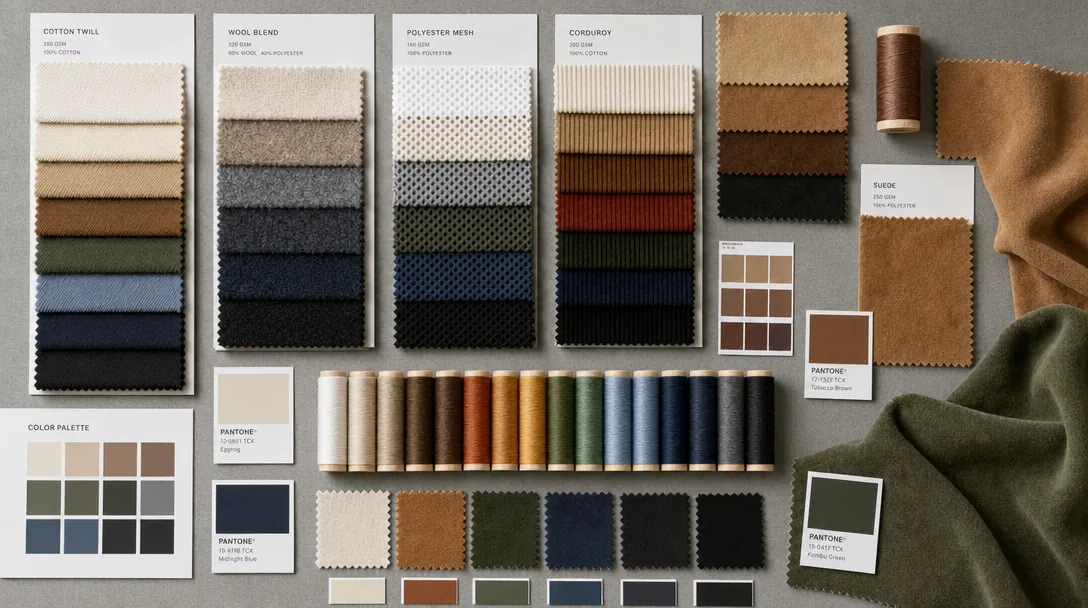
Every week, our sales team answers detailed questions about sustainable custom hats: eco-friendly materials, recycled fabrics & certifications. We wrote this guide so that wholesalers, streetwear brands, corporate buyers and promotional resellers can compare options with full information, and avoid the traps that show up only after production has started.
Why sustainability matters in headwear
Sustainability in headwear is no longer a branding extra; it is becoming a procurement filter. Buyers asking for sustainable custom hats are usually reacting to three pressures at once: end-customer expectations, retailer compliance requirements, and the fact that textile rules are tightening in the EU and U.S. around chemical reporting, traceability, and claims substantiation. If a cap is sold as “eco,” someone upstream will eventually ask for fiber content documentation, dye certificates, and proof that the recycled content claim is real, not just hangtag copy. In practice, that means mill certs, transaction certificates for recycled inputs, and a paper trail that can survive a retailer audit. Without that, the marketing story falls apart fast.
On the factory floor, the material choice changes everything: cut waste, seam stability, hand feel, shrinkage, and even how embroidery sits on the crown. Recycled polyester hats made from rPET can work well for structured six-panel caps and performance styles, but you still need to watch for filament variation, color consistency, and Delta-E drift between lots. An organic cotton cap gives a softer hand and a more natural story, but it can shrink more after washing and usually needs tighter control on fabric width and panel relaxation before cutting. Our standard practice is to match fabric spec to use case instead of forcing one material to fit every silhouette; a signature jacquard bucket hat in organic cotton and recycled polyester, for example, behaves very differently from a bonded golf cap or a foam-front trucker.
For brands, sustainability is also a sales tool because it gives a product a reason to exist beyond color and logo placement. A sustainable hat manufacturer has to support that story with specifics: GRS or RCS for recycled content, GOTS for organic cotton where applicable, OEKO-TEX Standard 100 for chemical safety, and factory audits such as sedex-audit-cap-supplier-guide.html">BSCI 2.0 or Sedex SMETA 4-Pillar when buyers want social-compliance backing. The strongest programs I’ve seen are the ones that tie material choice to a real market position—streetwear labels using deadstock-like aesthetics, sports teams wanting lower-impact merch, or retailers needing FSC-certified packaging and cleaner labeling. When the claims are traceable and the construction is solid, sustainable custom hats stop being a trend and become a repeatable product line.
Organic cotton options
GOTS-certified cotton is the cleanest path if you want sustainable custom hats that can survive a real procurement review, but it comes with constraints that buyers usually underestimate. A proper GOTS chain means the cotton is certified from fiber to finished fabric, and every wet process has to stay inside the approved chemical list. In practice, that narrows your Pantone matching range because low-impact reactive dyes behave differently from standard vat or pigment systems. Expect slightly softer, more muted shades, especially on deep reds, bright neons, and dark navy, and plan for lab dip approval before cutting. For an organic cotton cap, I usually tell buyers to allow Delta-E 1.5 to 2.5 as realistic rather than chasing a perfect showroom match.
The bigger issue is cost, not just certification paperwork. GOTS organic cotton typically runs 20 to 40 percent above conventional combed cotton depending on yarn count, weave, and country of origin, and the premium rises again if you want brushed twill, heavy canvas, or a structured front panel with firm buckram. On FOB terms, that can add roughly $0.40 to $1.20 per piece for a 5,000-piece order before embroidery or labeling. If you are comparing eco-friendly caps, don’t look only at fabric price; factor in tighter yield control, longer dye approval cycles, and the fact that some mills will only run minimums in full container lots. A sustainable hat manufacturer should be able to show GOTS transaction certificates, not just a fabric swatch with a logo.
Organic cotton also has a different product sweet spot than recycled polyester hats. It breathes better, feels less synthetic, and works well for unstructured dad caps, washed twills, and premium retail programs where hand-feel matters more than abrasion resistance. It is not the best choice for sweat-heavy sports builds or for a signature jacquard bucket hat in organic cotton and recycled polyester unless the blend ratio is chosen carefully, usually 60/40 or 50/50, to balance drape and durability. Our standard practice is to separate the sustainability story by end use: organic cotton for premium lifestyle pieces, recycled polyester for performance, and mixed fabrics only when the customer accepts the tradeoff between compliance, color range, and cost.
Recycled polyester (rPET, REPREVE®)
Recycled polyester is the workhorse material behind a lot of credible sustainable custom hats, but only when the feedstock is traceable and the yarn spec is honest. In cap production, rPET made from post-consumer bottles can match virgin polyester on tensile strength, abrasion resistance, and colorfastness if the filament quality is controlled properly. We usually see 75D to 150D yarns used for panels, visors, and back straps, with similar shrinkage behavior after heat setting, so pattern blocks and seam tension do not need to be redesigned just because the fiber is recycled. For buyers comparing sustainable custom hats against standard polyester styles, the practical difference is not performance loss; it is whether the mill can prove the resin source and keep batch variation within tolerance.
GRS certification is the part that separates real recycled polyester hats from vague “eco-friendly caps” claims. Global Recycled Standard paperwork should follow the fiber from the recycler to the yarn mill, then to the fabric mill and final cut-and-sew stage, with transaction certificates for each lot. On the factory floor, we check for consistent shade lots, GSM, and finishing behavior because recycled yarn can show slightly wider dye uptake if the input stream is mixed. A serious sustainable hat manufacturer should be able to show lot-level traceability, signed lab dips, and testing for formaldehyde, azo, and colorfastness, not just a hangtag. For a signature jacquard bucket hat in organic cotton and recycled polyester, the recycled component has to be documented separately or the sustainability claim falls apart during buyer QA.
From a costing standpoint, recycled polyester usually adds a small premium rather than a major one. In Yiwu, I see raw fabric costs for GRS-certified rPET twill or mesh landing roughly 8% to 18% above comparable virgin polyester, depending on order size, dyed color, and whether the mill is using REPREVE®-grade feedstock or generic bottle flakes. That premium is easier to justify on larger programs because recycled content helps with retail storytelling and retail compliance, but it does not excuse sloppy construction. For sustainable custom hats, the real value is that rPET can be sewn, embroidered, bonded, and washed like standard poly without changing the production line; if a supplier says otherwise, they are usually hiding weak sourcing or poor QA rather than a material limitation.
Hemp and natural fiber blends
Hemp sounds simple on paper, but in cap making it is still a niche input, not a mainstream commodity. Most mills offer hemp blends in the 10% to 30% range because 100% hemp fabric is too stiff for many hat constructions and can shrink unevenly after washing if the finishing is poor. For sustainable custom hats, the practical route is usually hemp blended with organic cotton or recycled polyester, using a woven twill or canvas around 220 to 320 gsm. That gives you the rugged, dry hand-feel buyers expect without turning the crown into cardboard. If you want a cleaner, more stable silhouette, a hemp-cotton twill at roughly 16s/2 or 21s yarn count is easier to sew than a loose plain weave.
Supply is the real bottleneck. Compared with standard cotton or recycled polyester hats, hemp fabric often has longer lead times because the spinning and finishing capacity is limited, and color consistency can drift between lots. I have seen shade variation of Delta-E 2.0 to 3.5 on natural-dyed hemp blends, which is acceptable for some streetwear programs but risky for team or corporate orders. A serious sustainable hat manufacturer will insist on lab dips before bulk, then cut panels from the same dye lot. For an organic cotton cap or hemp blend, expect higher wastage at cutting if the fabric relaxes after steaming; 5% to 8% extra yardage is not unusual.
The best use case is where the hand-feel matters more than a perfectly smooth surface. Hemp gives caps and bucket hats a coarse, lived-in texture that reads premium on washed, garment-dyed styles, especially a signature jacquard bucket hat in organic cotton and recycled polyester where hemp can be used as a small percentage for texture. But it is not the cheapest path, and it is not the softest. If the brief needs a soft, polished finish for eco-friendly caps, recycled polyester with brushed cotton or organic cotton lining is usually safer. Hemp is worth specifying when the customer wants honest texture, durability, and a visibly natural look, not when they want the lowest FOB or the easiest production run.
Trims and packaging
Trims are where a lot of so-called sustainable custom hats quietly fail. A cap body can be recycled polyester or an organic cotton cap, but if you still use virgin plastic buckles, PVC patches, and mixed-material tags that go straight to landfill, the footprint is worse than buyers expect. For eco-friendly caps, I prefer recycled POM snapbacks, nickel-free metal buckles where the style allows, and woven labels made from recycled polyester yarn or organic cotton tape. If the design includes a signature jacquard bucket hat in organic cotton and recycled polyester, the trim package should be matched to the fabric story, not treated as an afterthought. Otherwise you end up with a product that looks sustainable on the spec sheet and inconsistent in the hand.
FSC-certified hangtags are one of the easiest wins, but they need proper execution. I have seen buyers approve FSC paper and then specify UV coating, plastic string, and laminated inserts, which makes sorting harder and undermines recyclability. Our standard practice is a 300-350 gsm kraft or FSC board hangtag, soy-based ink, and cotton or paper string instead of polyester cord. For sustainable custom hats, the hangtag should carry only the essential information: fiber content, origin, care instructions, and any certification claim that can be documented. If you are selling recycled polyester hats in Europe or the U.S., keep the claim language tight and avoid vague terms like “green” or “eco” unless you can back them up with supplier certificates and traceability records.
Packaging is where freight cost and sustainability intersect, so there is no point choosing a compostable polybag that falls apart in humid transit or a kraft carton that crushes at the corners. For FOB shipments, I usually specify low-density compostable polybags at 30-40 microns for dust protection, then bundle cartons in 5-ply kraft outer boxes with at least 120KPA burst strength for export. If the buyer wants retail-ready packaging, one-color printing on uncoated kraft board is safer than complex laminated boxes, and it still looks clean when stacked in warehouse conditions. A sustainable hat manufacturer should also check whether the destination market actually accepts compostable film in municipal waste streams; in many places it is only an industrial-composting material, so the claim has to be accurate rather than decorative.
Certifications and audits
For sustainable custom hats, the first thing I check is whether the supplier can prove the claim with scope documents, not just a hangtag. GOTS matters when the body fabric is truly organic cotton and the wet processing is controlled; GRS is the one you want for recycled polyester hats when the recycled content needs chain-of-custody from pellet to yarn to finished cap. OEKO-TEX Standard 100 is different again: it does not mean the cap is organic or recycled, it means the finished textile has been tested for harmful substances, which is useful for sweatbands, lining, and kids' programs. A real sustainable hat manufacturer should be able to show transaction certificates, license numbers, and the exact style names covered, especially for a signature jacquard bucket hat in organic cotton and recycled polyester where blended content is easy to mislabel. If they cannot tie the certificate to the factory and the specific order, the paper is decoration, not compliance.
For factory audits, BSCI and Sedex are about labor and management systems, not fabric chemistry. BSCI 2.0 checks working hours, wages, fire safety, dormitory conditions, and subcontracting control; Sedex SMETA 4-Pillar goes further if the buyer wants environmental and business ethics coverage in addition to labor. WRAP is still accepted by many importers for apparel and headwear, but I treat it as one signal, not the whole picture. On the floor, I want to see payroll samples, age verification, needle control, machine guarding, and emergency drills that actually happened, not just a binder prepared for auditors. For eco-friendly caps, the audit trail should also match the production route: dyed yarn lots, cutting records, embroidery or appliqué subcontracting, and final carton traceability. That is the difference between a compliant order and a greenwashed one.
A buyer should ask for the certificate numbers, scope dates, and the exact color or construction limits before approving sustainable custom hats. GOTS and GRS each have scope rules, and if the mill or sewing factory falls outside the certified chain, the claim breaks. We usually advise clients to match the certification to the material choice first: organic cotton cap for skin-contact basics, recycled polyester hats for performance or structured panels, and OEKO-TEX when the focus is chemical safety rather than fiber origin. If a factory claims every style is certified, that is usually false; the honest answer is that certification applies to specific yarns, fabrics, facilities, and transaction documents. The safest procurement process is simple: request certificates, verify them against the issuing body’s database, and make sure the packing list, invoice, and style code all describe the same hat.
Telling the sustainability story to retail buyers
Retail buyers do not just want a claim that your sustainable custom hats are “eco-friendly”; they want a paper trail that survives vendor onboarding, QA review, and legal scrutiny. The first thing I ask for is fiber evidence: GRS certificates for recycled polyester hats, GOTS or OCS for an organic cotton cap, and transaction certificates that tie the yarn lot to the finished bulk PO. If the supplier cannot map fabric roll numbers to cut tickets and packing cartons, the sustainability story is too weak for chain stores. For recycled content, buyers increasingly want exact percentages by component, not a vague 100% recycled claim that ignores sweatbands, labels, or plastic snaps. A serious sustainable hat manufacturer should also be ready with dyehouse wastewater reports, azo-free compliance, and OEKO-TEX Standard 100 where applicable, because retailers often treat those as the minimum paperwork set before they even discuss margin.
Traceability is where many factories fall apart. A decent file should show raw material origin, spinning mill, knitting or weaving mill, dyehouse, cut-and-sew batch, and final inspection lot, with dates and lot codes that match the carton marks. For a signature jacquard bucket hat in organic cotton and recycled polyester, I would expect a material breakdown by panel, lining, tape, and thread, plus any deviations from the approved lab dip or Pantone TCX target. If you are sourcing at scale, ask for AQL 2.5 inspection results, shrinkage test data, colorfastness to washing and perspiration, and photo evidence of the production stage, not just finished goods shots. Retail buyers know that sustainability claims become much more credible when they are attached to measurable manufacturing controls instead of brand copy.
The storytelling assets should be built from factory reality, not stock language. The best package includes a one-page material spec sheet, a chain-of-custody summary, certification copies, and a short visual timeline showing the recycled bottle-to-yarn or organic cotton field-to-fabric path. If the buyer is placing on-shelf or online, add clean product photography, a fiber-content callout, and a concise claim guide that tells marketing teams what they can say without overstating anything. Our standard practice is to separate verified facts from brand language, because retailers will rewrite claims the moment legal asks for substantiation. That is especially important for sustainable custom hats sold through department stores or licensed programs, where packaging, hangtags, and PDP copy all need to tell the same story without contradictions.
Frequently Asked Questions
Which shipping methods do you support?
We support FOB, CIF and DDP shipping. Air express for samples and small orders, sea LCL for 100 to 500 pieces, sea FCL for 5,000+ pieces. Door-to-door DDP available for US, EU, UK, Canada and Australia.
What logo decoration techniques do you offer?
3D puff embroidery, flat embroidery, woven patch, leather patch, PVC patch, screen printing, sublimation, applique and laser etching, all in-house with no subcontracting.
Can I order a sample before bulk production?
Yes. We strongly recommend approving a pre-production sample before mass production. Samples are charged at 35 to 60 USD each plus express shipping, fully refundable against confirmed bulk orders over 500 pieces.
What is the minimum order quantity (MOQ) for custom hats?
Our standard MOQ is 100 pieces per design and color, with sampling available from 1 piece. For complex multi-color logos or premium fabric upgrades, the MOQ can be lowered with a small per-piece surcharge.
What file format should I send for my logo?
Vector files (AI, EPS, PDF) are ideal. High-resolution PNG or JPG at 300 dpi on transparent background works as a fallback. Provide Pantone color references for accurate reproduction.
How does ordering custom hat trucker work?
When evaluating custom hat trucker, the key considerations are construction quality, decoration capability, MOQ flexibility and lead time. Consumer demand, retailer requirements, brand storytelling, regulatory direction. GOTS-certified cotton supply chain, color limitations, premium pricing.
How does ordering baseball cap custom work?
When evaluating baseball cap custom, the key considerations are construction quality, decoration capability, MOQ flexibility and lead time. Consumer demand, retailer requirements, brand storytelling, regulatory direction. GOTS-certified cotton supply chain, color limitations, premium pricing.
How does ordering beanie hats custom work?
When evaluating beanie hats custom, the key considerations are construction quality, decoration capability, MOQ flexibility and lead time. Consumer demand, retailer requirements, brand storytelling, regulatory direction. GOTS-certified cotton supply chain, color limitations, premium pricing.
How does ordering custom embroidered baseball caps work?
When evaluating custom embroidered baseball caps, the key considerations are construction quality, decoration capability, MOQ flexibility and lead time. Consumer demand, retailer requirements, brand storytelling, regulatory direction. GOTS-certified cotton supply chain, color limitations, premium pricing.
Need a low-MOQ test order?
We help emerging brands launch with as few as 100 pieces. Premium fabric, in-house embroidery, retail-ready packaging.
Start a small orderRelated guides
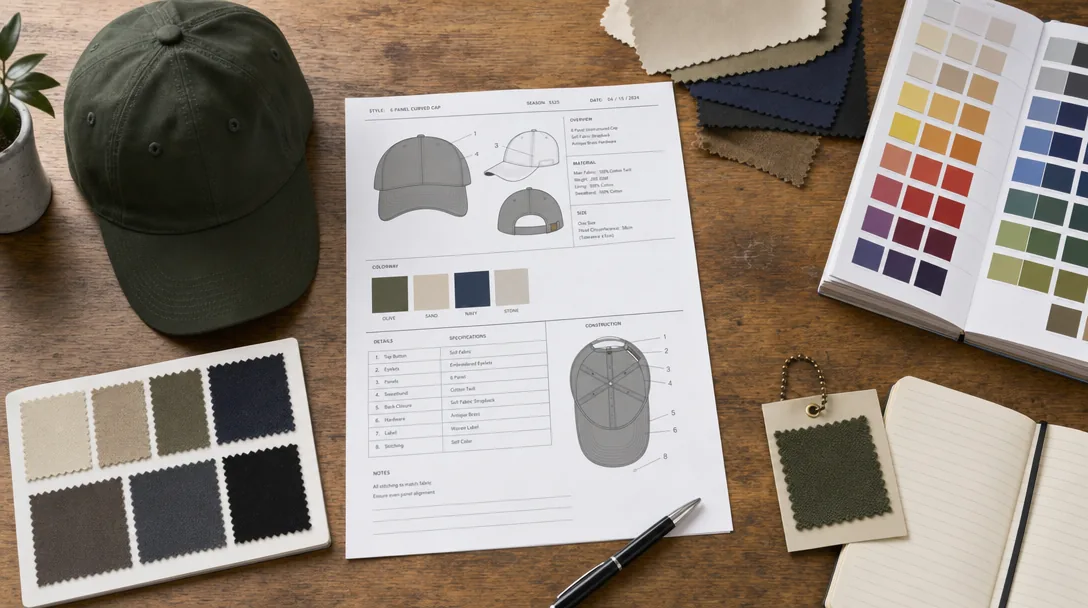
Hat Quality Inspection Checklist: 32 Points Every Importer Should Verify
Read article →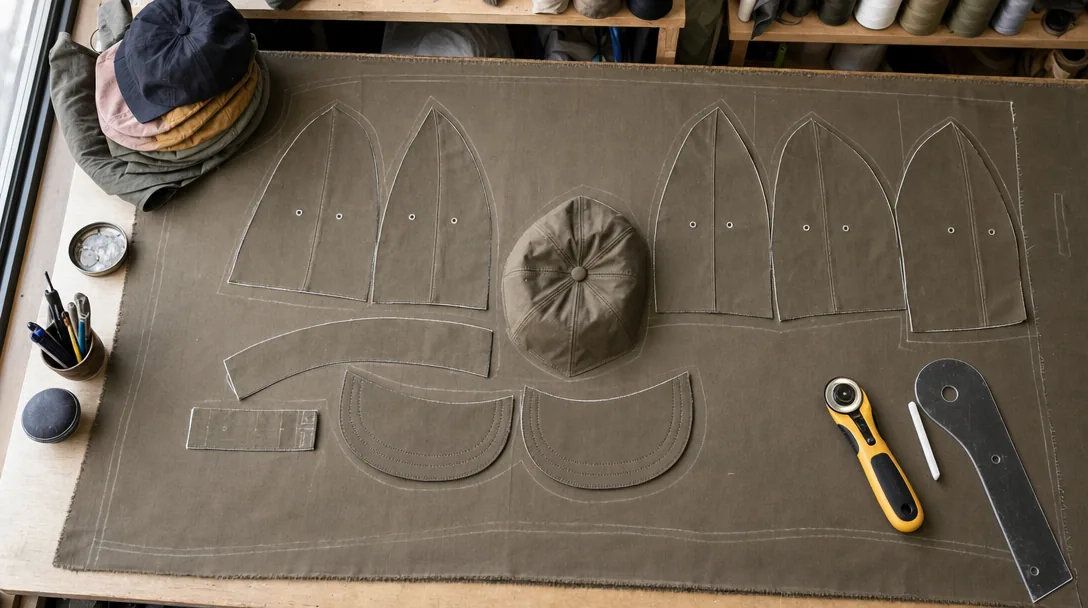
Cap Defect Catalog: 32 Production Issues to Inspect For
Read article →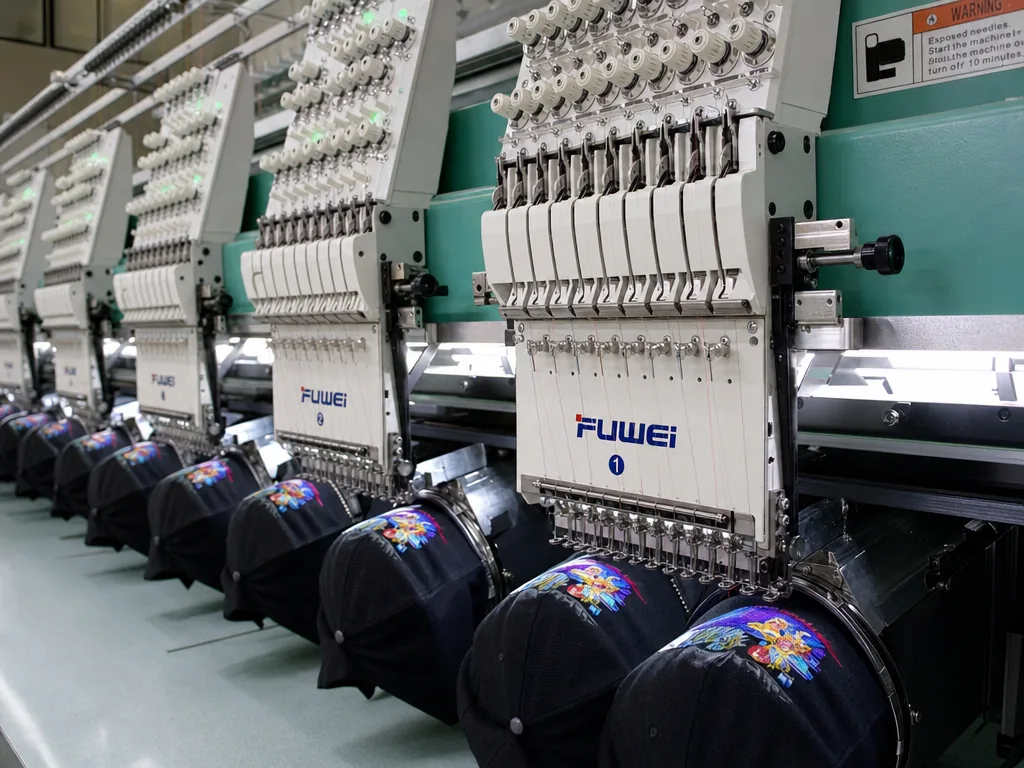
Embroidery Stitch Count & Thread Density: A Cost-and-Quality Reference
Read article →We hope this guide demystifies sustainable custom hats: eco-friendly materials, recycled fabrics & certifications and helps you move forward with confidence. If you have questions specific to your project, our English-speaking sales engineers are one message away.