
Esports Team Caps: Manufacturing Specs for Pro and Amateur Gaming Brands - 2026 Buyer's Guide
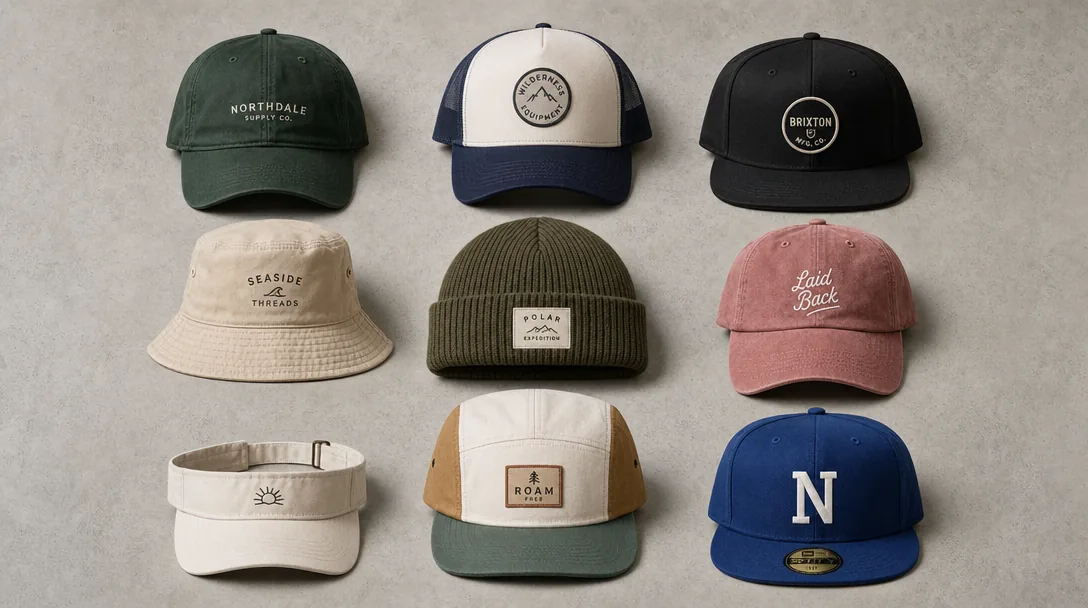
Esports Team Caps: Manufacturing Specs for Pro and Amateur Gaming Brands - 2026 Buyer's Guide is one of the most-asked questions we receive from international buyers, and for good reason. With dozens of factories competing for your order and an alphabet soup of technical terms in every supplier quote, even experienced importers can feel lost. This guide consolidates what we have learned producing custom hats for clients in 40+ countries.
Why esports headwear is the fastest-growing team-sport vertical
Headwear is beating jerseys in esports because the margin structure is better and the size risk is almost nonexistent. At 300 to 1,000 units, a solid esports team cap usually costs $6.80 to $14.50 FOB China depending on shell fabric, closure, and decoration package: about $6.80 to $8.20 for a 6-panel 260 gsm brushed cotton twill dad cap with flat embroidery, $8.40 to $10.90 for a 380 gsm acrylic-wool snapback with 3D embroidery, and $9.20 to $14.50 for a polyester performance trucker with sublimated underbrim or multilayer applique. Decoration is where buyers lose control of cost. A clean 8,000-stitch front logo on Tajima or Barudan heads is usually manageable; add satin border applique, woven loop labels, metallic thread, or all-over underbrim print and the cap can jump by $1.20 to $2.80 fast. Retail pricing still lands comfortably around $28 to $45, sometimes higher for collab drops, so the gross margin survives even when sell-through is uneven. The other reason an esports team cap wins is operational: one adjustable SKU replaces a full apparel size curve. Jerseys and hoodies look premium, but they tie up cash in XS and 3XL, and return rates climb when fit, sleeve length, or fabric hand feel miss the mark. Caps avoid most of that inventory drag. A snapback or tuck strap covers the majority of head sizes from roughly 56 to 60 cm, and post-sale complaints are usually limited to embroidery execution, crown shape, or color mismatch rather than fit failure. On the factory floor, that means fewer variables to manage and cleaner forecasting for short tournament runs, streamer merch, and sponsor-linked capsules. For buyers trying to test demand without carrying dead stock, headwear is simply the safer instrument.
Esports merch cycles are brutally short, and that is exactly why caps are growing faster than cut-and-sew uniforms. A football crest can sit unchanged for three seasons; an esports team cap often sells hardest around a roster reveal, playoff qualification, LAN final, or creator signing, then cools off within 45 to 60 days. That short demand window favors products with low development friction and fast replenishment. A proven body block in 260 gsm cotton twill, 240 to 280 gsm polyester twill, or 380 gsm wool-acrylic can move from approved artwork to bulk cutting much faster than a custom jersey program that needs grading, sublimation layout approval, and full size-set confirmation. If the logo changes mid-season, replacing a front embroidery file is far cheaper than rewriting an entire apparel spec pack. The strongest growth is not only at the top-tier franchise level; it is coming from college teams, amateur orgs, LAN operators, and creator communities ordering 144 to 288 pieces per colorway. That volume works when a factory runs shared crown patterns, stocked buckram, and standard closures, then customizes through embroidery, woven labels, inner taping, and underbrim print. The quality standard still has to be real because every defect is photographed at close range on stream. Our standard practice is AQL 2.5 final inspection with stitch density checks, embroidery pull testing, crocking tests on dark panels, and color approval against Pantone TCX references, while printed underbrims should hold Delta-E under 1.5 to the signed standard. In esports, a cap is not background merch; it sits on camera, under LED lighting, inches from the audience.
Sublimation vs embroidery for esports cap branding
Sublimation is the right spec when the esports team cap has to carry jersey-level artwork rather than a single chest-logo equivalent. Neon gradients, motion blur, halftones, anime linework, and sponsor lockups with 6 to 12 brand colors reproduce cleanly on 100% polyester microfiber or interlock knit because the ink penetrates the fiber instead of sitting on top. The factory should print before cutting, then use panel registration marks so artwork lands correctly across the front crown and side panels; otherwise seam drift will break straight lines and type. On white-base polyester, a realistic target is Pantone-referenced output within Delta-E 2.0 to 3.0 under D65 lighting, but only if the fabric is stable enough for the heat cycle. In practice, 140 to 180 gsm fabric with even yarn tension gives better edge definition, less ghosting, and fewer shade shifts after pressing at roughly 190 to 205 degrees C. The commercial advantage is weight and surface performance. A sublimated esports team cap stays flat, breathable, and light because there is no thread buildup, no backing, and no extra seam bulk from patch application. That matters for player-issue caps worn during four-hour scrims, LAN events, or stage appearances under broadcast lighting, where heat retention and forehead pressure become real complaints. The limitation is perceived value: sublimation looks technical, not premium, unless the silhouette and fabric are strong. On basic 5-panel polyester, buyers often read it as promotional product. On a well-made cut-and-sew cap with laser eyelets, moisture-wicking sweatband, and clean taping, it reads much closer to performance retail.
Embroidery wins when the logo needs texture, depth, and immediate shelf presence. A raised 3D front hit on brushed cotton twill, poly-cotton chino, or a fused buckram front panel feels more expensive the second someone picks it up, which is why embroidered caps still dominate higher-margin fan merch. The technical limits are not subtle. Thin strokes below about 0.8 mm usually close up, small counters fill in, and gradients have to be simplified into thread blocks or converted to applique. On Tajima, Barudan, or ZSK heads, a typical front logo for an esports team cap runs 6,000 to 12,000 stitches; once you add side embroidery, metallic thread, or EVA foam for 3D puff, trim cost can climb by $0.35 to $1.20 per cap and run time slows enough to affect delivery. The best buying decision is usually SKU-based, not ideological. Use sublimated polyester for player issue, jersey-matched drops, and sponsor-heavy designs where exact artwork matters; use embroidery for snapbacks, A-frame truckers, and retail capsules where tactile value drives sell-through. Hybrid construction is often the smartest middle ground: sublimated crown panels with a woven patch, or a clean embroidered front logo with printed undervisor art. Our standard practice is to flag seam breaks, stitch density, and color-conversion risks before digitizing, because most failed first samples come from forcing embroidery onto artwork that should have stayed printed. If the cap has to match a full kit, sublimation is safer. If it has to justify a higher retail price on its own, embroidery usually sells better.
Performance vs lifestyle: two product lines for one team
Separate the line at the tech pack stage: one performance esports team cap for players, coaches, and event crews, and one lifestyle SKU built for retail sell-through. One compromise cap usually fails both tests. A 300 gsm cotton twill body with buckram front panels looks right on shelf but runs hot under stage lights; a 150 gsm poly shell with a soft crown packs well for travel but feels cheap at a $40 merch table. For performance, the workable spec is usually 140-170 gsm polyester microfiber or interlock, 75D-100D yarn, with a 25-30 mm moisture-management sweatband, laser-perforated side panels or rear vents, and a low-profile 5-panel or 6-panel crown with minimal buckram. Sublimation is the cleanest decoration method here because it adds virtually no hand feel, carries sponsor lockups and full-panel gradients without stitch buildup, and avoids the front-panel distortion you get when somebody forces 8,000-12,000 stitches into a lightweight shell.
If the cap has to sit next to jerseys on camera, color control has to be tighter than most merch buyers expect. Approve the print against Pantone TCX references, set critical shades at Delta-E 2.0 or better, and check under 5600K light as well as LED event lighting; reds and violets are where drift shows first. A realistic landed factory target for a performance esports team cap is about $4.30-7.60 at 300-500 pieces, depending on closure, underbill print, seam taping, and whether each region gets unique sponsor art. The lifestyle line should be built like streetwear: 260-320 gsm cotton twill or CVC twill, structured front panels with 0.35-0.45 mm buckram, and either a flat visor or a controlled 8-10 mm pre-curve. That fabric can carry 3D puff embroidery, satin-stitch crests, or twill appliqué without puckering. On our floor, foam logos run more consistently on Tajima or Barudan heads than on lower-grade clones, especially when the artwork has tight corners or small counters. Keep inspection at AQL 2.5 with special attention to center-front alignment, visor symmetry, and embroidery placement, because buyers notice a crooked logo from two feet away faster than any fabric spec.
Limited-edition tournament drops: MOQ and timing
For a limited-edition tournament drop, 300 to 500 pieces is the practical range where an esports team cap still looks custom without getting crushed by fixed setup cost. Under 250 units, the same charges keep showing up whether you run 120 caps or 400: 3D puff and flat embroidery digitizing, woven label loom setup, underbill screen setup, barcode sorting, and split-carton packing. The smartest structure is one silhouette, one fabric, and one closure, then change only the front logo and one side hit. On a 400-piece order, a 6-panel structured snapback in 270 gsm brushed cotton twill or 220 gsm recycled poly twill typically lands around $4.30 to $7.60 FOB Zhejiang, depending on stitch count, appliqué, and trim complexity. Break that into four colorways at 100 each and the risk goes up fast: more shade-band variation, more trim reconciliation, and more chances for mixed-size or mixed-color cartons during final packing. Small-run tournament drops usually fail at the artwork stage, not on the sewing line. Once an esports team cap is stitched with a hard date like “Seoul Major 10.18.26,” that inventory is dead the moment a sponsor lockup, event title, or match schedule changes. I do not recommend date embroidery unless characters are at least 4.5 mm high with a satin column no narrower than 0.8 mm; below that, buckram-backed panels tend to fill in after capping and steam shaping. On Tajima or Barudan machines with 40 wt polyester thread, tiny white numerals on black poly twill often look clean on-screen and bloom in production, especially under LED arena lighting. If the date matters commercially, put it on a woven tab, printed seam tape, or heat-transfer patch, and keep the primary embroidery focused on the logo and team identity.
Lead time is driven by approvals, not sewing speed. If artwork is complete and the factory has a reserved slot before the August-to-October rush, 28 to 35 calendar days from art approval to cargo departure is realistic for an esports team cap order. A tight schedule usually means 2 to 3 days for tech-pack and construction review, 3 to 5 days for digital mockups and Pantone TCX or coated color sign-off, 5 to 7 days for one pre-production sample, then 10 to 14 days for cutting, embroidery, sewing, finishing, needle control or metal detection if required, and final inspection at AQL 2.5. Transit is the variable that catches buyers off guard: courier can reach North America in 3 to 7 days, while standard airfreight plus truck delivery more often runs 12 to 18 days after departure, assuming customs documents are clean. The safest buying method is one sealed approval sample and one hard art-freeze date before bulk cutting. Once logo files, Pantone references, placement tolerances, care labels, and barcode stickers are signed off, even a small sponsor revision can cost 5 to 8 days because embroidery programs, woven labels, carton marks, and packing lists all need to be remade. For a 400-piece drop, I would also budget a 2 to 3 percent overrun for seeding, media kits, and warranty replacements; otherwise one damaged carton can wipe out your launch buffer. Freight math matters too: 500 structured caps packed 25 pieces per inner typically weigh only 85 to 95 kg net, but express moves on volumetric weight, so delivered cost can swing by roughly $1.10 to $2.40 per cap depending on crown height, carton dimensions, and whether you use cap inserts to protect shape.
Licensing and IP protection for esports IP
The non-negotiable point with esports IP is timing: the NDA and IP-use agreement should be signed before anyone opens a tech pack, not after sampling starts. For an esports team cap program, that document should define exactly who owns artwork, who can approve strike-offs, whether the factory may show blanked-out samples internally, and what happens to source files after the PO closes. Serious buyers also list every controlled asset in the appendix—AI/EPS logo files, Pantone TCX or coated references, embroidery digitizing files, woven label artwork, hangtag dielines, even player-signature graphics used on limited drops. If that list is vague, leakage usually happens through "temporary" WhatsApp forwards and freelance digitizers, not through the cutting line itself. A capable gaming cap manufacturer will lock permissions by role, so merchandisers can view approved PDFs while only prepress staff can access layered source art.
The safer practice is to keep manufacturing IP off the factory floor in printable form. Our standard practice is to store logo files, color standards, and tech packs on encrypted file servers with access logs, then issue only task-specific outputs to the relevant department: a Tajima or Barudan embroidery machine gets the run file, the cutting team gets a marker without licensed branding details, and QC checks against approved digital references on controlled devices. That matters because the highest-risk leakage points are not always obvious; they are sample-room printouts, unsecured USB transfers to ZSK heads, and old email attachments sitting on personal laptops. For custom esports headwear, especially fast-turn Twitch cap merch and event drops, buyers should ask whether the factory uses file version control, two-factor login for artwork folders, and timed deletion rules for superseded revisions. If the answer is "we keep everything in a shared desktop folder," walk away.
Licensing control also needs to cover overrun prevention and brand misuse after production. A pro gaming cap supplier handling licensed esports merch hat orders should define tolerance and destruction rules in writing: for example, all rejects with visible branding are cut or defaced, extra woven patches are counted back, and surplus shell stock cannot be converted into unauthorized runs later. On higher-risk licensed projects, I recommend reconciling trims by quantity—patches, inner labels, hologram stickers, and custom tape—because finished caps can be copied only if all identity components remain loose in inventory. It is also smart to tie final shipment release to document closure: approved carton count, AQL 2.5 inspection record, and written confirmation that non-retained assets were archived or deleted per contract. That level of discipline is what separates a reliable supplier from a factory that simply knows how to sew hats.
Sustainability is now a buyer concern in esports too
Sustainability screening now happens before sampling, especially for DTC esports brands that publish material claims on Shopify product pages and get challenged on Reddit or Discord the same day a drop goes live. For an esports team cap, the most credible starting point is not a vague “eco fabric” claim but GRS-certified rPET twill or microfiber in the 140-220 gsm range, with a transaction certificate tied to the shipment, a recycled content declaration, and mill test data for colorfastness to rubbing, perspiration, and washing. If those documents are missing, the claim is weak no matter what the hangtag says. Buyers also need to understand where recycled input stops: shell fabric may be GRS, while buckram, sweatband foam, brim insert, snap closure, and sewing thread remain conventional unless specified line by line on the BOM.
Color control is where recycled programs usually fail on branded headwear. rPET lots can vary more than virgin polyester in both undertone and surface luster, so matching sponsor colors or team jerseys needs tighter approval discipline. On factory runs, Delta-E under 1.5 against approved Pantone TCX references is a practical target for body fabric; embroidered logos should be checked separately because polyester thread reflects differently under LED stage wash and streaming studio light. Neons, optical whites, and blue-black shades are the usual problem colors, and I would not approve them from lab dips alone. Ask for cuttings from bulk fabric and a light-box check under D65 and TL84 before final sign-off, otherwise the cap that looked correct in the office can read greenish or washed out on camera.
Packaging is the easiest sustainability gain because it is measurable, cheap, and less risky than overclaiming the cap itself. FSC Mix outer cartons from Zhejiang mills usually add around 3% to 6% over standard corrugate, while replacing printed polybags with paper belly bands or a single recycled paper insert typically costs $0.08-$0.18 per unit at 1,000 pieces depending on print coverage. Dropping individual polybags altogether, using one-color carton marks, and moving SKU labels to the master-carton level can also reduce cube, which matters more to landed carbon than decorative eco messaging. Our standard practice is to quote each change separately so buyers can see whether the real win is material substitution or freight efficiency.
Buyers should stay skeptical of broad sustainability language unless the supplier breaks down recycled content by component and backs labor compliance with current audit records such as sedex-audit-cap-supplier-guide.html">BSCI 2.0 or Sedex SMETA 4-Pillar. A cap with an rPET shell but conventional PE brim board, EVA sweatband foam, virgin ABS snap, and standard woven label is only partially improved, and that is fine as long as it is stated accurately. In real costing, switching from virgin polyester twill to certified rPET usually adds about $0.22-$0.48 per esports team cap at 1,000 pieces, while recycled closures or bio-based visor materials add more and often extend lead time by 7-15 days because the trim supply chain is less stable. The practical advice is simple: secure traceable shell fabric first, fix packaging second, and avoid inflated claims that your compliance team cannot defend.
Frequently Asked Questions
Can I order a sample before bulk production?
Yes. We strongly recommend approving a pre-production sample before mass production. Samples are charged at 35 to 60 USD each plus express shipping, fully refundable against confirmed bulk orders over 500 pieces.
Do you support sustainability certifications?
Yes. We work with GOTS organic cotton, GRS-certified recycled polyester, OEKO-TEX Standard 100 fabrics, and are BSCI and Sedex audited. Certification documentation can be provided per order.
What logo decoration techniques do you offer?
3D puff embroidery, flat embroidery, woven patch, leather patch, PVC patch, screen printing, sublimation, applique and laser etching, all in-house with no subcontracting.
What file format should I send for my logo?
Vector files (AI, EPS, PDF) are ideal. High-resolution PNG or JPG at 300 dpi on transparent background works as a fallback. Provide Pantone color references for accurate reproduction.
What is the minimum order quantity (MOQ) for custom hats?
Our standard MOQ is 100 pieces per design and color, with sampling available from 1 piece. For complex multi-color logos or premium fabric upgrades, the MOQ can be lowered with a small per-piece surcharge.
What's the MOQ for custom baseball cap no minimum?
When evaluating custom baseball cap no minimum, the key considerations are construction quality, decoration capability, MOQ flexibility and lead time. Major esports orgs now sell more merchandise than mid-tier traditional sports teams. Hats are the entry-level product (impulse purchase, low size complexity, high margin). Sublimation allows full-color jerseys-style graphics that match team kit. Embroidery limits color count but signals premium retail. Most esports brands use both — sublimation for performance line,…
What's the MOQ for custom bucket hat no minimum?
When evaluating custom bucket hat no minimum, the key considerations are construction quality, decoration capability, MOQ flexibility and lead time. Major esports orgs now sell more merchandise than mid-tier traditional sports teams. Hats are the entry-level product (impulse purchase, low size complexity, high margin). Sublimation allows full-color jerseys-style graphics that match team kit. Embroidery limits color count but signals premium retail. Most esports brands use both — sublimation for performance line,…
What's the MOQ for custom embroidered baseball caps no minimum?
When evaluating custom embroidered baseball caps no minimum, the key considerations are construction quality, decoration capability, MOQ flexibility and lead time. Performance line: polyester moisture-wicking, sublimated, $25-35 retail. Lifestyle line: cotton twill structured, embroidered, $35-55 retail. Cross-sell at tournament events. Major esports orgs now sell more merchandise than mid-tier traditional sports teams. Hats are the entry-level product (impulse purchase, low size complexity, high margin).
What should I know about wholesale baseball caps made in usa?
When evaluating wholesale baseball caps made in usa, the key considerations are construction quality, decoration capability, MOQ flexibility and lead time. Major esports orgs now sell more merchandise than mid-tier traditional sports teams. Hats are the entry-level product (impulse purchase, low size complexity, high margin). Sublimation allows full-color jerseys-style graphics that match team kit. Embroidery limits color count but signals premium retail. Most esports brands use both — sublimation for performance line,…
What team does Caps play for?
Rasmus Borregaard Winther (Danish pronunciation: [ˈʁɑsmus ˈboːɐkɒˀ ˈve̝nˀtɐ] ; born 17 November 1999), better known by his in-game name Caps, is a Danish professional League of Legends player for G2 Esports.
What is the meaning of team cap?
Team cap meaning, in plain terms A team cap is a cap designed for a group, often customized with: a team logo or emblem. team name or slogan. colors that match your identity. names, numbers, or roles (optional, but extra cool)
How many people can be on an esports team?
The standard is five active players, such as for League of Legends teams. That said, there is pretty much no limit on how many back-ups and non-starters that a team can keep. Back to the point: the structure of an eSports team varies. There is no single layout, just like traditional sports.
Ready to start your custom hat project?
Send us your tech-pack, sketch or even just an inspiration photo. We will respond with a detailed quotation and digital mock-up within 24 hours.
Request a free quoteRelated guides
First Custom Hat Order: 10 Mistakes That Cost First-Time Buyers Money
Read article →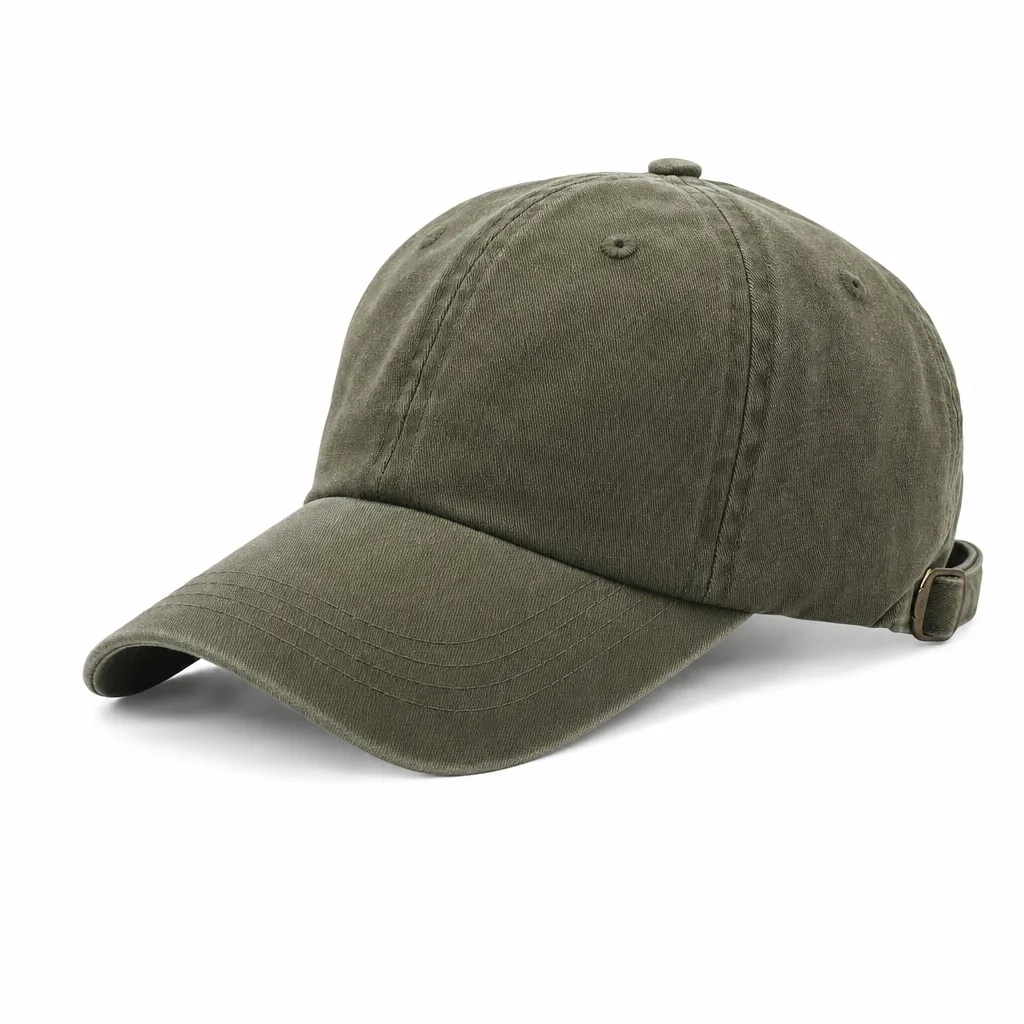
Buckram vs Foam vs Unstructured: Cap Crown Construction Compared
Read article →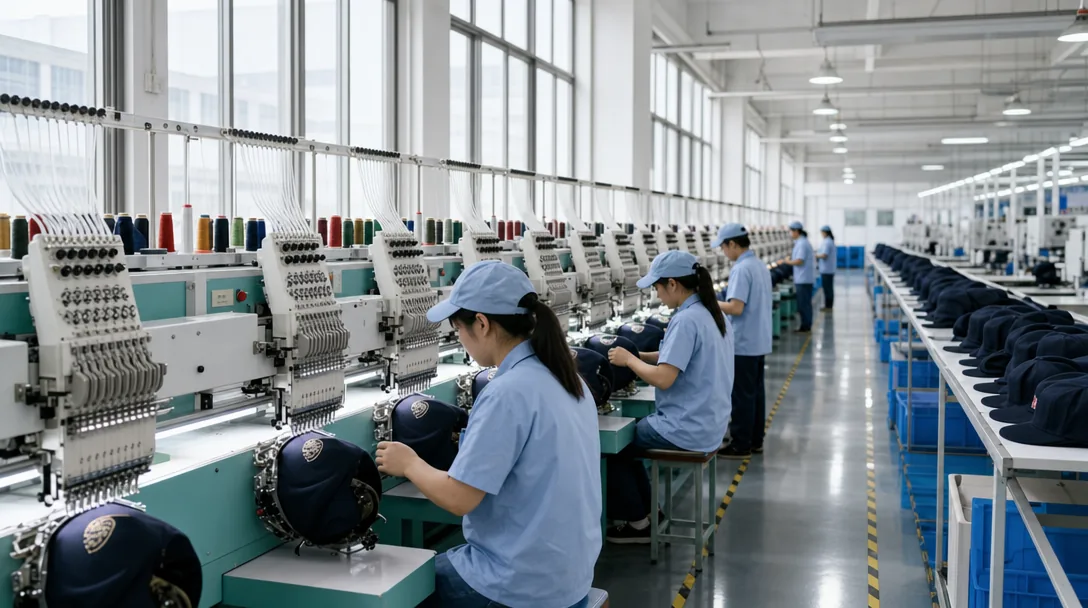
Country Hats For Men Export Shipping Checklist for Custom Hat Buyers
Read article →We hope this guide demystifies esports team caps: manufacturing specs for pro and amateur gaming brands - 2026 buyer's guide and helps you move forward with confidence. If you have questions specific to your project, our English-speaking sales engineers are one message away.