
First Custom Hat Order: 10 Mistakes That Cost First-Time Buyers Money
Every week, our sales team answers detailed questions about first custom hat order: 10 mistakes that cost first-time buyers money. We wrote this guide so that wholesalers, streetwear brands, corporate buyers and promotional resellers can compare options with full information, and avoid the traps that show up only after production has started.
Mistake 1: Skipping the pre-production sample (PPS)
A digital mock-up is not proof of a buildable hat. The first custom hat order usually goes sideways when a first time hat buyer assumes the art file, Pantone callout, and a few seller messages are enough to lock the job. They are not. A pre-production sample (PPS) is the only point where you verify crown height, visor curve, stitch density, panel alignment, sweatband spec, closure type, and whether the embroidery actually sits where the artwork says it should. I’ve seen too many new hat brand mistakes start with “it looked fine on screen” and end with 500 caps that are technically correct on paper but wrong in hand.
Skipping PPS to save 7–10 days is a false economy. If bulk production starts without approval, every defect becomes a chargeback argument, not a factory problem. The usual PPS fee is about $40–$80, and many factories credit it back on orders over 500 pieces; that is cheap insurance compared with reworking a full lot. On a first cap order from China, this step also catches common cap import errors like mismatched panels, bad seam tension, off-center patches, and logo distortion after washing. Even for a New Era cap custom name job, where buyers think the brand is simple, the sample is where you confirm exact placement before the machine runs 1,000 units.
The money loss is not just the sample fee; it is freight, time, and opportunity cost. If bulk arrives wrong, you may still pay ocean or air shipping, customs handling, and storage while you decide whether to sell, rework, or scrap inventory. That is why experienced buyers treat PPS approval as a hard gate, not a formality. For custom hat ordering mistakes, this is the easiest one to avoid because the control point is clear: approve the physical sample only after checking fit, color against Pantone TCX, embroidery under proper lighting, and finishing details against the tech pack. If you want to move fast, move fast after the sample, not before it.
Mistake 2: Ordering 1,000 pieces on first run
The biggest trap for a first time hat buyer is chasing the 1,000-piece price break before they have any sell-through data. On paper, the unit cost drops nicely once you move from 200 to 1,000 pieces, but that discount is meaningless if 40% to 60% of the inventory sits in a warehouse for nine months. In hat production, the real cost is not just COGS; it is cash tied up in dead stock, storage, markdowns, and the second round of shipping when you realize the color is wrong or the fit is off. I have seen new hat brand mistakes where the buyer saved $0.70 to $1.20 per cap and then lost far more clearing unsold product at wholesale or offloading it to friends and family.
For a first cap order from China, 200 to 300 pieces is usually the smarter test volume because it gives you enough units to sample different channels without overcommitting cash. At that scale, you can test one or two crown shapes, a single embroidery placement, and a practical colorway before scaling. It also exposes the real common cap import errors early: Pantone mismatch, underfilled embroidery, stiff buckram that customers hate, or a sweatband that bleeds dye after one wash. If the design is strong, the repeat order can move to 1,000-plus with better leverage on trims, sewing efficiency, and freight consolidation, but only after you have evidence that the market actually wants the cap.
The worst version of custom hat ordering mistakes is assuming that a good-looking mockup means a strong reorder. A New Era cap custom name, for example, may sound like an easy sales win, but licensing-style aesthetics do not fix weak demand or bad fit. In practice, I would rather see a buyer place 250 units, sell through 70% in one season, and then scale with a cleaner spec sheet than force a 1,000-piece run and discover the style is wrong for their audience. Our standard practice is to recommend smaller first runs unless the buyer already has retail data, athlete orders, or confirmed pre-sales. That is the difference between controlled learning and expensive guessing.
Mistake 3: Sending only digital color references
A monitor is a bad place to judge color. For a first time hat buyer, RGB screenshots, Instagram posts, and factory screen grabs are the fastest way to get a shade that looks “close enough” in the lab but wrong under daylight, store lighting, or stadium sun. Fabric is not paper: cotton twill, brushed cotton, acrylic wool blends, and polyester each take dye differently, and embroidery thread adds another layer of mismatch because a navy thread on a black screen can read as charcoal once stitched. If you are doing a first cap order from China, send a physical Pantone TCX chip or, better yet, a clean cap sample with the target color marked in writing. That gives the dye house something real to match, not a visual guess pulled from a phone.
In production, I expect 2 to 3 lab dip rounds when the buyer only sends digital references. Sometimes it takes more if the base fabric is not the same as the reference, or if the buyer is asking for an exact match to a branded item like a New Era cap custom name style. That delay is not just annoying; it can add 5 to 10 days before cutting even starts, and if the buyer rejects the bulk shade after approval, the reorder cost is real. These are classic custom hat ordering mistakes: people think the color is “obvious” on screen, then discover the first bulk lot sits 1.5 to 3.0 Delta-E away from the target when compared under standard light.
The practical fix is simple: build color approval into the tech pack, not into email. Send one physical reference per color, note the Pantone TCX code, and specify whether the match should be checked on the crown fabric, visor fabric, thread, or back closure. For overseas production, especially on a first cap order from China, this step prevents common cap import errors like approving a sample in one light source and rejecting the shipment later under retail lighting. The buyers who save money are not the ones who skip samples; they are the ones who give the mill and dye house a real target the first time.
Mistake 4: Underspecifying decoration
“Embroidered logo” is not a specification; it is an invitation to guess. For a first time hat buyer, that usually means the factory will choose the easiest interpretation, not the one that matches your brand standard. You need to define the decoration method first: flat embroidery, 3D puff, appliqué, woven patch, rubber patch, or heat transfer. If you want a New Era cap custom name style on a front panel, say whether the letters should stand off the crown with foam underlay or stay flat. A tech-pack that only says “logo on front” often triggers a sample revision because the buyer imagined a 55 mm wide mark while the factory stitched a 70 mm version that looked oversized on a low-profile crown.
Placement needs real dimensions, not vibes. Put the logo center point in x/y terms from the crown seam, visor edge, or side panel seam, and give the finished width and height in millimeters or centimeters. I also want thread colors specified by Pantone TCX or Pantone solid references, with a note on acceptable Delta-E if color matching matters across batches. If you are using more than one thread color, list the exact color count and where each color goes, because “multicolor” can turn into six colors very fast. These are classic custom hat ordering mistakes because every missing detail creates one more sample round, and each round costs time, freight, and embroidery setup labor.
If stitch density matters, say so. A dense 3D puff logo for streetwear usually needs a different underlay and stitch count than a simple flat sports mark, and the wrong digitizing will either collapse the foam or make the logo look too heavy. Our standard practice is to confirm the stitch file logic before production, because one vague line in the artwork spec can create a full revision cycle and expose common cap import errors later when the buyer rejects the goods for looking “off.” For a first cap order from china, the cheapest move is not to approve a sample you do not like; it is to document the decoration exactly once and avoid paying twice for corrections.
Mistake 5: Ignoring compliance until after production
If you are a first time hat buyer, compliance is not a paperwork issue you can clean up after the goods arrive. For U.S. kids’ hats for ages 12 and under, CPSIA testing is mandatory, and a realistic budget is $200 to $400 per SKU with 7 to 10 days for the lab turnaround if the trim, fabric, and print package are straightforward. The problem is that many custom hat ordering mistakes happen because buyers only ask about compliance after the bulk order is already sewn, embroidered, and packed. At that point, if the lab flags lead, phthalates, or a noncompliant decoration component, you are not “fixing” anything — you are paying for a second production run and eating the launch delay.
For EU sales, REACH SVHC compliance matters even on something as simple as a cotton twill cap with a polyurethane patch or a screen-printed closure. The factory needs to know the target market before material approval, because certain adhesives, coatings, pigments, and synthetic trims can trigger common cap import errors when the shipment is already booked. I have seen new hat brand mistakes where a buyer approved a clean sample, then switched to a different buckle, sweatband, or patch adhesive to save a few cents and accidentally changed the compliance status. That is how a first cap order from china turns into a warehouse hold, a re-test, or a canceled drop.
France adds another layer with AGEC traceability, which means you need a paper trail on material origin, composition, and environmental claims before retail launch, not after. This matters even for a product like a new era cap custom name style order if you are selling into the EU through a distributor, marketplace, or brand-owned store. The practical fix is simple: confirm target countries before sampling, collect declarations from every trim supplier, and lock the spec sheet before production. Our standard practice is to flag compliance at quotation stage, because the cost of one missed test run is usually higher than the margin on the first PO.
Mistake 6: Skipping IP/NDA protection
If your artwork is novel, licensed, or built around a protected team mark, do not send it “just to get a quote” without an IP/NDA in place. A proper NDA and IP clause should cover who owns the embroidery file, whether the factory can reuse the pattern, and whether sample photos can appear in a catalog or on Alibaba. For a first time hat buyer, this is not legal theater; it is the cheapest way to stop custom hat ordering mistakes before they turn into a fight over ownership or a leaked design. The paperwork should be signed before you share high-resolution art, tech packs, Pantone callouts, or stitch maps.
Reputable factories sign these documents all the time. In practice, a legitimate supplier for a first cap order from china will usually accept a basic mutual NDA within 24 to 48 hours, then move on to sampling. The factories that stall, argue that “everyone uses the same artwork,” or try to pressure you into sending files first are the same ones that create common cap import errors later: unauthorized overruns, wrong logo use, or private designs showing up in another buyer’s line. That is especially risky if you are producing a licensed sports style or something that reads like a new era cap custom name treatment, where rights holders pay attention.
The fix is simple: use a short agreement that names the buyer, factory, design files, and intended products, and state clearly that no production, subcontracting, or photo use is allowed without written approval. Our standard practice is to keep the IP language separate from the purchase order so the terms are not buried after payment. If the supplier pushes back hard on signing, treat it as one of the new hat brand mistakes that costs real money later, because the problem usually is not the document itself but what they plan to do with your artwork once it leaves your inbox.
Mistake 7: Wiring 100% upfront
For a first time hat buyer, the payment term matters as much as the spec sheet. Standard factory practice for a custom cap run is 30% deposit to start materials and embroidery programming, then 70% balance against the B/L copy after shipment. That structure is boring, but it is the normal way to protect both sides: the factory buys twill, buckram, thread, and labels, while the buyer keeps leverage until cargo is on the water. If someone pushes for 100% upfront, especially on a first cap order from China, that is not a standard commercial term. It is a credit risk shift disguised as “policy,” and it shows up often in custom hat ordering mistakes.
A 50% deposit is not automatically wrong, but it should be treated as negotiable, not assumed. I have seen new hat brand mistakes where the buyer accepted a large upfront payment because they were chasing a tight launch date, then had no leverage when the seller missed the embroidery approval, changed the crown shape, or substituted lower-grade fabric. On a New Era cap custom name project or any licensed-style order, the buyer should ask for a proforma invoice, confirm the Incoterm, and tie balance payment to a copy of the bill of lading, not to a vague “ready to ship” photo. If the supplier refuses that, the risk is usually higher than the price suggests.
Trade Assurance on Alibaba is the simplest backstop for newer buyers because it gives you a paper trail on payment release, delivery date, and product spec disputes. It will not solve every problem, but it reduces the worst common cap import errors, especially when the buyer cannot inspect in person. Our standard practice is to keep payment terms aligned with shipment documents and never ask a customer to wire the full amount before production unless there is an exceptional reason and both sides understand the risk. For a first time hat buyer, the safe rule is simple: 30/70 is normal, 50% is a negotiation point, and 100% upfront is a red flag.
Mistake 8: Underestimating freight + duties
The fastest way a first time hat buyer blows up margin is by treating FOB as if it were landed cost. A $4.00 FOB cap out of Ningbo or Shanghai rarely stays $4.00 by the time it reaches a U.S. warehouse. On a typical first cap order from China, you still need origin trucking, export docs, ocean freight or airfreight, customs clearance, U.S. duty, Merchandise Processing Fee, Harbor Maintenance Fee for ocean, port drayage, palletization, and final-mile delivery. For a 1,000-piece order packed at 24 caps per carton, I usually see a realistic landed range of $5.50 to $7.00 per cap depending on carton volume, freight season, and fabric category. Buyers who set retail off FOB alone end up with a fake margin that disappears the moment the broker invoice arrives.
Duty classification matters more than most new hat brand mistakes lists admit. A brushed cotton twill 6-panel, a recycled polyester performance cap, and a wool-blend structured cap can carry different duty treatment depending on HTS classification, country of origin, and whether trims shift the essential character. Then add MPF on formal entries and HMF on ocean shipments, plus customs bond, examination risk, and broker fees that can easily add another $350 to $900 per shipment before the cartons even leave the port. If you are using a private mold, metal badge, or oversized box, dimensional weight can make air shipments especially painful. One common cap import error is quoting a customer on a retail program before checking whether the cap will move by LCL, FCL, or express; the freight logic changes the unit economics completely.
The practical fix is simple: build a landed-cost sheet before approving bulk, not after PP sample signoff. For each SKU, calculate FOB price, expected CBM, transit mode, U.S. duty rate, broker cost, domestic trucking, and a shrinkage reserve of at least 1% to 2% for damages or short receipt. Our standard practice at CrownsForge is to model three scenarios for buyers: base ocean, peak-season ocean, and emergency air top-up, because a first time hat buyer usually underestimates what one delayed vessel does to replenishment cost. If you are trying to sell against a licensed look or a new era cap custom name concept, your margin needs to survive the expensive scenario, not the optimistic one. A cap that looks profitable at $4.00 FOB can be mediocre business once fully landed, especially on small runs under 1,200 pieces.
Mistake 9: Not asking for a video factory tour
A 5-minute live or recorded video walk-through is one of the cheapest fraud filters you can use on a first cap order from China. I want to see the cutting tables, embroidery floor, sewing line, and final QC benches in one pass, not a staged lobby shot with a sample wall. If a supplier claims they make 50,000 pieces a month but cannot show you multiple Tajima or Barudan heads running, thread racks, bundle tags, and packed cartons moving through the line, that is a soft-fail. For a first time hat buyer, this single request removes a lot of custom hat ordering mistakes before money changes hands.
The video should be practical, not cinematic: raw footage, no cuts if possible, and someone physically walking the route while naming each department. I look for fabric rolls, cutting dies, panel alignment, embroidery registration, seam trimming, sweatband attachment, ironing, and a real QC station with AQL 2.5 bins or pass/fail cards. If they show only one sample cap with a clean logo, that tells you nothing about production discipline. A real factory can also show different product categories, like dad caps, snapbacks, 5-panels, and a New Era cap custom name project, because fake traders usually cannot keep multiple constructions straight.
The bigger point is that fraud risk is not just about whether the factory exists; it is about whether the person answering your messages actually controls production. Video forces that reality into view. It also exposes common cap import errors early, such as claiming one facility while subcontracting embroidery, sewing, and packing across three buildings with no QC ownership. CrownsForge’s standard practice is to send buyers a simple line walk-through with timestamps and a direct shot of work-in-progress, because a real factory does not get nervous when you ask to see how hats are actually made. For any first time hat buyer, that hesitation is often the most useful signal you will get.
Mistake 10: Not building a relationship for repeats
The cheapest custom hat order is almost never the first one. Tooling, embroidery digitizing, woven label setup, carton spec confirmation, and color approvals all sit on the first PO, so a 300-piece test run can carry the same admin burden as a 3,000-piece repeat. If you are a first time hat buyer, the smart move is not to chase the lowest unit price on day one, but to place a small first batch that proves fit, stitching quality, and color consistency. Once the factory sees a realistic repeat path, you usually get better treatment on thread matching, rush slots, and price breaks because the setup cost gets spread over future orders. That is simple manufacturing math, not sales talk.
A lot of custom hat ordering mistakes happen because buyers treat every order like a one-off transaction. On a first cap order from China, factories have to spend time on sample revisions, packing labels, HS code checks, carton marks, and sometimes export compliance documents before production even starts. If you disappear after the first shipment, the factory has no reason to prioritize your file later, and you lose leverage on the next round. I have seen new hat brand mistakes where the buyer argued over a $0.18 embroidery upcharge on the first order, then paid more later because they had no history, no approved spec sheet, and no production notes to reuse.
Build the relationship before you need scale. Keep your spec sheet stable, save approved Pantone TCX references, repeat the same crown profile and closure spec, and give clear feedback on what worked and what did not. That is how you avoid common cap import errors on repeat shipments: fewer sample rounds, fewer misunderstandings on logo size, fewer surprise packing changes. Even something like a new era cap custom name order is easier the second time if the factory already knows your preferred stitch density, label placement, and carton breakdown. Factories invest more in buyers they expect to see again, and the first time hat buyer who plans for a second and third PO usually gets the real savings, not the one-time quote.
Frequently Asked Questions
How long does production take?
Sampling takes 7 to 12 days. Bulk production runs 20 to 30 days depending on quantity, fabric availability and decoration complexity. Inspection and packing adds another 3 to 5 days before shipment.
What file format should I send for my logo?
Vector files (AI, EPS, PDF) are ideal. High-resolution PNG or JPG at 300 dpi on transparent background works as a fallback. Provide Pantone color references for accurate reproduction.
What logo decoration techniques do you offer?
3D puff embroidery, flat embroidery, woven patch, leather patch, PVC patch, screen printing, sublimation, applique and laser etching, all in-house with no subcontracting.
Which shipping methods do you support?
We support FOB, CIF and DDP shipping. Air express for samples and small orders, sea LCL for 100 to 500 pieces, sea FCL for 5,000+ pieces. Door-to-door DDP available for US, EU, UK, Canada and Australia.
What is the minimum order quantity (MOQ) for custom hats?
Our standard MOQ is 100 pieces per design and color, with sampling available from 1 piece. For complex multi-color logos or premium fabric upgrades, the MOQ can be lowered with a small per-piece surcharge.
How does ordering baseball cap custom embroidery work?
When evaluating baseball cap custom embroidery, the key considerations are construction quality, decoration capability, MOQ flexibility and lead time. Pantone codes on a monitor look different than on dyed fabric. Always send a physical Pantone TCX chip or a printed cap sample with the target color. Without a physical reference, expect 2-3 rounds of dye lab dip adjustment before bulk. $4.00 FOB cap can land at $5.50-$7.00 after ocean, customs broker, duty, MPF/HMF, last-mile. Always estimate landed cost before committing…
How does ordering custom embroidered trucker hat work?
When evaluating custom embroidered trucker hat, the key considerations are construction quality, decoration capability, MOQ flexibility and lead time. 'Embroidered logo' on a tech-pack isn't enough. Spec: technique (3D puff vs flat), placement (x/y cm from edges), dimensions, color count + Pantone refs, stitch count if available, thread brand preference. Each ambiguity adds a revision round. First-time buyers often try to save 7-10 days by going straight to bulk after seeing a digital mock-up. Without PPS approval, every…
How does ordering custom embroidered hats new era work?
When evaluating custom embroidered hats new era, the key considerations are construction quality, decoration capability, MOQ flexibility and lead time. 'Embroidered logo' on a tech-pack isn't enough. Spec: technique (3D puff vs flat), placement (x/y cm from edges), dimensions, color count + Pantone refs, stitch count if available, thread brand preference. Each ambiguity adds a revision round. First-time buyers often try to save 7-10 days by going straight to bulk after seeing a digital mock-up. Without PPS approval, every…
How does ordering custom bucket hat embroidery work?
When evaluating custom bucket hat embroidery, the key considerations are construction quality, decoration capability, MOQ flexibility and lead time. 5-minute video walk-through of cutting, embroidery, sewing and QC areas eliminates 90% of supplier-fraud risk. Any factory that resists is a soft-fail. First-time buyers often try to save 7-10 days by going straight to bulk after seeing a digital mock-up. Without PPS approval, every bulk-production defect is your problem to live with. Sample fee ($40-$80) refundable against…
Ready to start your custom hat project?
Send us your tech-pack, sketch or even just an inspiration photo. We will respond with a detailed quotation and digital mock-up within 24 hours.
Request a free quoteRelated guides
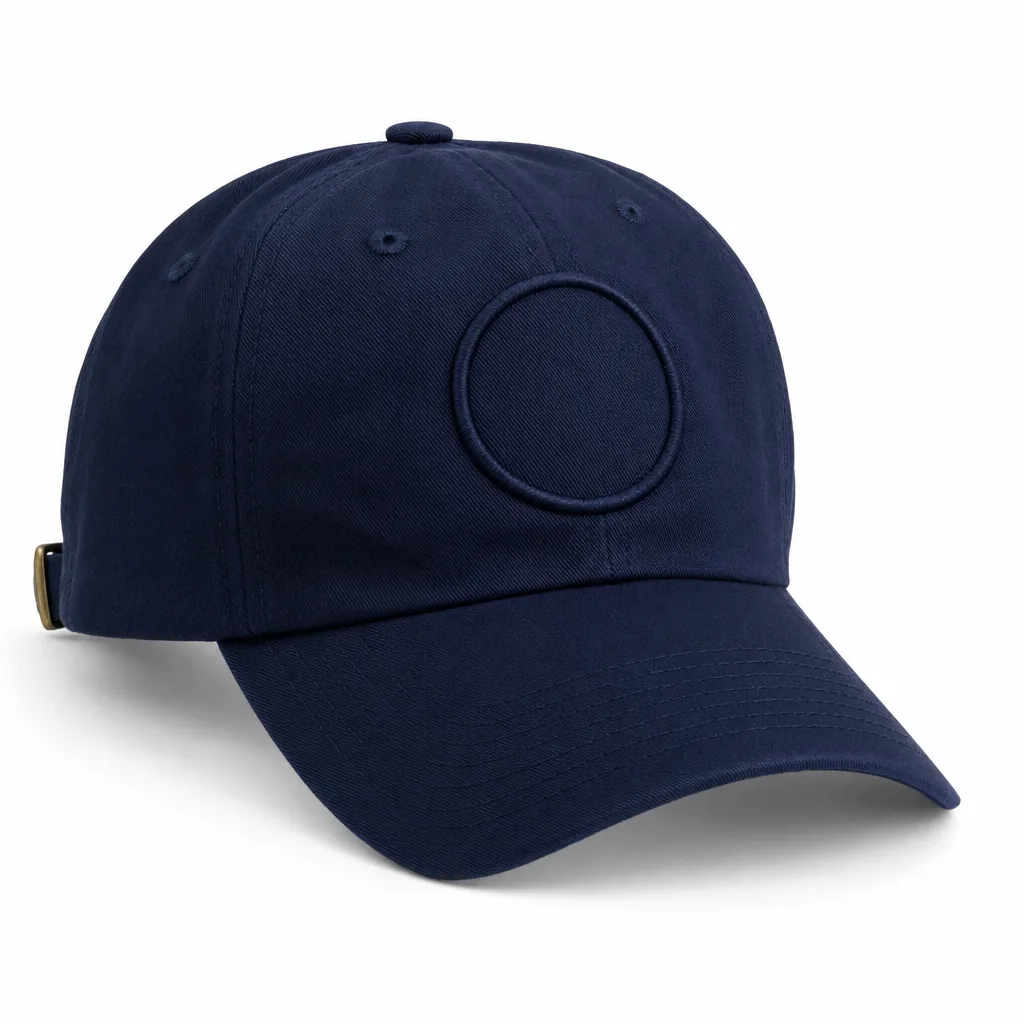
How to Choose a Custom Baseball Cap Manufacturer in China — 2026 Buyer's Guide
Read article →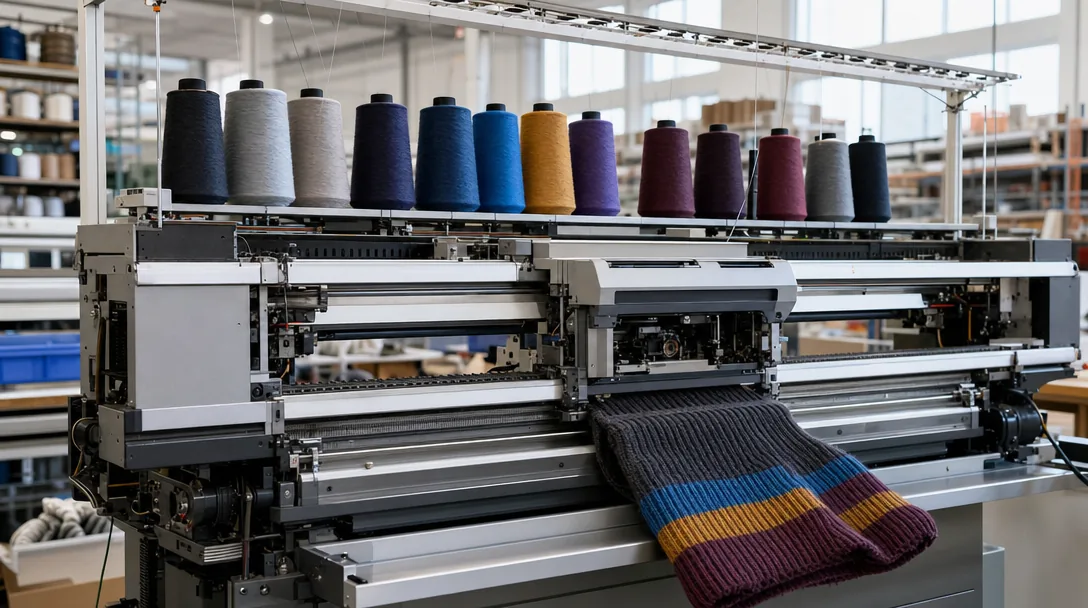
Winter Beanie & Knit Cap Manufacturing: The Complete Wholesale Guide
Read article →
Negotiating with a China Hat Manufacturer: 12 Tactics That Actually Work
Read article →We hope this guide demystifies first custom hat order: 10 mistakes that cost first-time buyers money and helps you move forward with confidence. If you have questions specific to your project, our English-speaking sales engineers are one message away.