
Country Hats For Men Export Shipping Checklist for Custom Hat Buyers
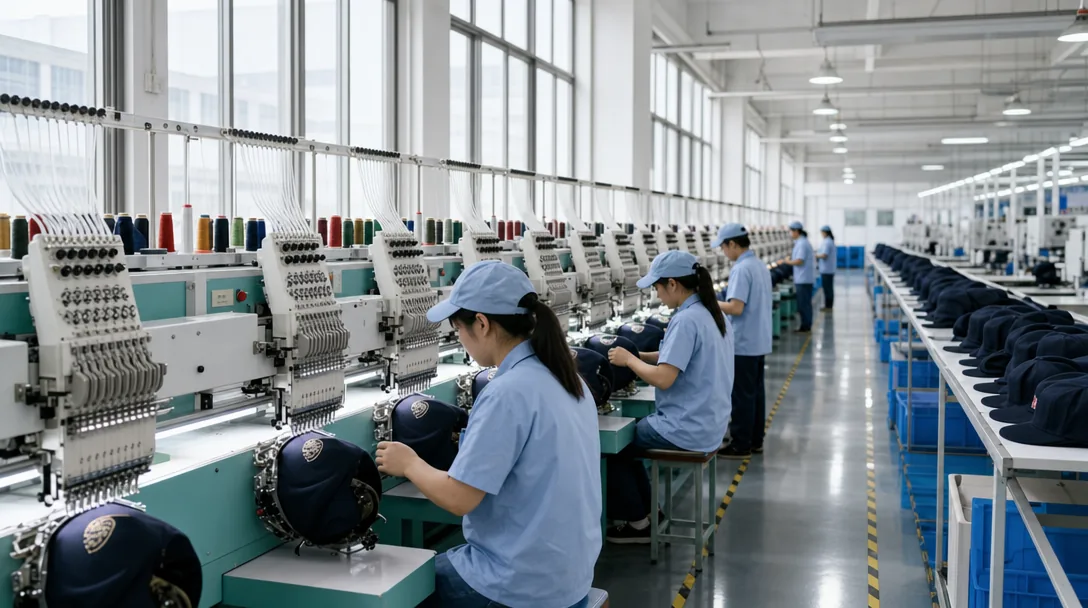
Country Hats For Men Export Shipping Checklist for Custom Hat Buyers is one of the most-asked questions we receive from international buyers, and for good reason. With dozens of factories competing for your order and an alphabet soup of technical terms in every supplier quote, even experienced importers can feel lost. This guide consolidates what we have learned producing custom hats for clients in 40+ countries.
Why country hats for men export shipping checklist needs a separate sourcing plan
A buyer searching for a country hats for men export shipping checklist is usually not looking for a fashion mood board; he is trying to prevent a landed-cost surprise. Country hats for men often combine structured trucker shapes, rope trim, camo or washed cotton, leather patches, flag embroidery, and sometimes licensed ranch, rodeo, music, or outdoor graphics. That mix changes sourcing because each decoration method has its own failure points: PU leather patches can crack under heat-transfer pressure, 3D puff embroidery on a 5-panel front needs foam height controlled around 2.0–3.0 mm, and camo fabric lots can drift outside Delta-E 1.5 even when the supplier says the same Pantone TCX reference. Generic cap sourcing treats the hat as one SKU; export sourcing treats it as fabric, trims, decoration, packaging, carton cube, labeling, and customs data moving together.
The big difference from ordinary bulk custom trucker hats is that export orders punish vague specifications. A 5,000-piece run of custom bulk trucker hats can change by USD 0.25–0.60 per cap depending on whether the front panel is 260 gsm brushed cotton twill, 16-wale corduroy, or 100% polyester foam. Embroidery pricing also moves fast: a small flat logo under 6,000 stitches may add USD 0.18–0.35, while a large western-style patch plus merrow edge can add USD 0.55–1.20. Lead time is affected by decisions made before sampling: dyed-to-match mesh usually adds 7–10 days, custom metal buckles add 12–18 days, and Barudan or Tajima embroidery capacity must be booked earlier during March–June promo season. Our standard practice at CrownsForge is to freeze fabric, Pantone TCX color, stitch file, carton mark, and HS code before PP sample approval, not after bulk production starts.
Compliance is where the country hats for men export shipping checklist needs a separate sourcing plan from a normal domestic reorder. If the buyer is selling through retail chains, the custom hat manufacturer may need sedex-audit-cap-supplier-guide.html">BSCI 2.0 or Sedex SMETA 4-Pillar documentation, restricted-substance declarations, nickel-free buckle confirmation, and fiber content labels that match destination rules. For the U.S., most cotton or polyester caps fall under HS 6505, but leather patches, wool blends, or children’s sizing can trigger extra documentation questions. For bulk custom embroidered hats, AQL 2.5 inspection should include needle damage, loose thread, embroidery registration, sweatband stitching, crown symmetry, and carton drop-test condition, not just logo appearance. FOB Ningbo keeps freight transparent, but DDP can hide risk if the supplier under-declares value or uses the wrong consignee data. The sourcing plan should decide Incoterms, carton dimensions, barcode labeling, polybag language, and inspection timing before deposit, because fixing those after vessel booking costs more than the hats saved.
Factory capability checks before quoting
Factory capability should be verified before price, because country hats for men often combine heavy front panels, high-stitch embroidery, leatherette patches, rope trims, and mesh backs that expose weak production control fast. Ask the custom hat manufacturer what embroidery heads they run, not just “we can embroider.” Tajima, Barudan, and ZSK machines handle 3D puff and small lettering differently; a 5 mm serif letter that looks clean on a flat twill sample may close up on brushed cotton or foam-backed trucker fronts. For bulk custom embroidered hats, I want to see stitch-density limits, thread brand, backing type, and whether they can keep logo placement within ±2 mm across production. Patch work needs the same discipline: woven patch, PVC, genuine leather, PU leatherette, sublimated patch, and heat-transfer badge all require different adhesive, edge finishing, and press temperature controls.
Fabric and construction checks should include panel shape, gsm, color tolerance, and closure inventory before the supplier issues a quote. A proper country hats for men export shipping checklist should confirm whether the cap is 5-panel foam trucker, 6-panel structured, unstructured dad cap, or mid-profile snapback, because each pattern changes fabric yield and carton volume. For bulk custom trucker hats, common specs are 280–320 gsm cotton twill fronts, 100–120 gsm polyester mesh backs, 3 mm braided rope, and plastic snapback closure; switching to brass buckle, Velcro, or elastic Flexfit-style band changes both labor and testing. I would also ask for Pantone TCX or TPX matching process, acceptable Delta-E, and whether the factory controls shrinkage after steam blocking. If they cannot explain crown height, visor curve, buckram stiffness, and sweatband material, they are quoting decoration only, not manufacturing.
Sample room capability and audit readiness separate real factories from trading offices. Before approving custom bulk trucker hats, confirm the sample room can cut new panels, digitize embroidery in-house, make patch molds or patch strike-offs, and deliver a pre-production sample with the same machines planned for bulk. Our standard practice at CrownsForge is to keep the PP sample sealed with buyer approval tags, then inspect production against AQL 2.5 for major defects and AQL 4.0 for minor defects. Audit documents also matter: BSCI 2.0, Sedex SMETA 4-Pillar, payroll records, needle-control logs, metal detection records for children’s or licensed programs, and restricted-substance compliance should be available before deposit. Communication is part of capability: the merchandiser should answer in spec language, provide photo updates at cutting, embroidery, sewing, and packing, and flag risks before they become late shipments.
MOQ, pricing and sample approval
MOQ is where many custom hat programs either stay profitable or quietly lose money. For country hats for men, a realistic factory MOQ is usually 300 pieces per style/color for foam trucker caps, 500 pieces for washed cotton twill, and 1,000 pieces when you need custom-dyed fabric, private mold buckles, or special woven labels. Bulk custom trucker hats look cheap on a quote sheet, but the real cost sits in setup: embroidery digitizing is typically $30–$80 per logo, woven patch molds run $50–$120, leather patch dies cost $70–$150, and screen print screens are about $25–$45 per color. At 300 pieces, a structured 5-panel trucker with front embroidery often lands around $3.20–$4.80 FOB Ningbo/Shanghai; at 1,000 pieces it may drop to $2.35–$3.60 depending on mesh denier, sweatband quality, and closure. A serious country hats for men export shipping checklist should lock these cost drivers before freight is calculated.
Pre-production sample approval is not a courtesy step; it is the control point before money gets trapped in bulk production. Our standard practice at CrownsForge is to make a PPS using actual crown fabric, visor board, mesh, button, eyelets, sweatband, closure, and final decoration method, not substitute materials from the sample room. Pantone matching should be specified in Pantone TCX for fabric and Pantone C/U for print or embroidery thread, with an acceptable Delta-E tolerance agreed in writing, usually under 1.5 for brand-critical colors and under 2.0 for promotional work. For bulk custom embroidered hats, stitch density matters more than buyers expect: a dense 3D puff logo on a Barudan or Tajima head may need 0.36–0.42 mm stitch spacing, while flat embroidery on twill is often cleaner at 0.40–0.45 mm. If the logo is too small, satin columns under 1.2 mm will break, pucker, or close up after steaming.
Trims and packaging should be approved together with the PPS, because they affect both landed cost and carton efficiency. Custom bulk trucker hats may include woven size tabs, printed seam tape, branded snapbacks, hangtags, UPC stickers, silica gel, individual polybags, or plastic-free kraft bands; each item changes labor time and export documentation. A common export pack is 25 pieces per inner polybag, 100 pieces per carton, with carton size around 62 x 45 x 38 cm and gross weight near 11–13 kg for truckers. For a custom hat manufacturer, the safe lead time after PPS approval is 25–35 days for standard bulk custom embroidered hats, 35–45 days with custom-dyed fabric or molded trims, and 45–60 days during pre-holiday congestion. Buyers should add 3–5 days for AQL 2.5 inspection, 2–4 days for booking and customs, 25–35 days ocean to the U.S. West Coast, or 5–8 days by air if margins allow.
Quality inspection and shipping risk
Quality risk should be closed before the hats leave the sewing floor, not argued about after the vessel sails. For country hats for men, I usually set final random inspection at AQL 2.5 for major defects and AQL 4.0 for minor defects, with 100% checking on approved sample points such as front panel height, visor curve, snapback function, sweatband cleanliness, and embroidery placement. Measurement tolerance should be written on the tech pack: crown height ±5 mm, visor length ±3 mm, embroidery position ±2 mm from center, and woven/printed label placement ±3 mm. For bulk custom trucker hats, mesh tension and foam-panel collapse are common failures because low-grade 100–120 gsm foam looks fine in photos but creases badly in cartons. If the buyer approved a 160 gsm buckram front or 5-panel foam trucker construction, the inspector must cut one retained sample to confirm the internal material, not just check the outside shape.
Color and embroidery issues create the most expensive disputes because they are visible in retail photos. Fabric color should be matched against Pantone TCX or TPX under D65 light, with Delta-E normally kept under 1.5 for solid cotton twill and under 2.0 for washed canvas or pigment-dyed fabric. Colorfastness tests should include dry/wet rubbing at Grade 4 or better, especially on dark brown, black, forest green, and red country hats for men that may touch white sweatbands. For bulk custom embroidered hats, defects to reject include loose bobbin thread, bird-nesting, puckering around dense fills, broken satin borders, skipped stitches, and logos tilted more than 2 degrees. Tajima, Barudan, and ZSK heads can all produce clean work, but only if the digitizing uses the right stitch density; a 3D puff logo on twill usually needs 0.38–0.42 mm density and proper underlay, while fine flat embroidery may run closer to 0.32–0.36 mm.
Shipping risk is mostly paperwork discipline. Carton markings should show PO number, style code, color, quantity, carton number, gross/net weight, and country of origin; mismatched carton labels are a fast way to create warehouse chargebacks. The country hats for men export shipping checklist should also confirm polybag warning text, barcode format, inner-pack ratio, silica gel requirement, and whether the buyer wants retail hangtags attached or packed separately. FOB Ningbo/Shanghai is cleaner when the buyer controls consolidation, but DDP is often safer for small custom bulk trucker hats orders under 300 cartons because duty, customs entry, and last-mile delivery are priced into one landed cost. Our standard practice at CrownsForge is to keep the approved sample, thread chart, Pantone record, packing photos, carton label file, inspection report, and final commercial invoice together for reorder documentation. Without that file, a reorder six months later becomes a guessing game instead of a controlled repeat order from a custom hat manufacturer.
Buyer checklist for the next RFQ
The fastest way to get a firm quote is to send a complete tech pack before asking for unit price. For a country hats for men export shipping checklist, I want to see cap type first: 5-panel foam trucker, 6-panel structured cotton twill, low-profile dad cap, or rope cap. Add fabric callouts such as 100% cotton twill 260 gsm, polyester mesh 110 gsm, waxed canvas 10 oz, or corduroy 16-wale. Give crown height in cm, brim type, closure, eyelets, sweatband material, and whether the front panel needs buckram. If you are quoting bulk custom trucker hats, say whether the mesh is standard polyester, recycled rPET, or nylon, because the price difference can run $0.18–$0.45 per cap at 1,000 pcs. Include target FOB Ningbo/Shanghai or DDP destination, because freight can change the landed cost more than the embroidery itself.
Artwork files decide whether the quote is real or just a guess. Send vector logo files in AI, EPS, or PDF, plus a flat PNG mockup showing logo position and size in millimeters. For embroidery, include stitch type expectations: flat embroidery, 3D puff, chain stitch, felt patch, woven patch, leather patch, or appliqué. If you have a previous sample, send front, side, inside label, back closure, and brim underside photos with a ruler in the frame. A custom hat manufacturer should also ask for Pantone TCX or Pantone C references, not phone-screen colors; our standard practice at CrownsForge is to allow Delta-E under 1.5 for dyed fabric approvals when buyers provide a physical color chip. For bulk custom embroidered hats, tell us the stitch count if you have a DST file; otherwise we estimate after digitizing for Tajima, Barudan, or ZSK heads.
Before production pricing, give quantity by color and size, packing method, compliance needs, and inspection level. For custom bulk trucker hats, a 144 pcs trial run, 500 pcs, 1,000 pcs, and 5,000 pcs order do not share the same cost structure because cutting loss, embroidery setup, carton utilization, and export handling spread differently. State whether you need woven labels, hang tags, UPC stickers, polybags, retail boxes, carton marks, Amazon FBA labels, or team-license hologram stickers. If the shipment is for a retailer, mention AQL 2.5/4.0, BSCI 2.0, Sedex SMETA 4-Pillar, CPSIA, Prop 65, or REACH requirements before quoting, not after sampling. The country hats for men export shipping checklist should also include target delivery date, destination ZIP/postcode, Incoterm, and whether samples must match bulk fabric lot. Missing any of these usually turns a 24-hour quote into three rounds of email cleanup.
Working with CrownsForge
The first control point in a country hats for men export shipping checklist is not the vessel booking; it is the approved sample. For country hats for men, we usually lock four things before bulk cutting: crown shape, front-panel stability, decoration tolerance, and carton plan. A typical trucker order might use 100% cotton twill at 220–260 gsm for the front, 100–120 gsm polyester mesh, and a 5-panel foam or structured 6-panel profile depending on the buyer’s retail positioning. For color, I do not trust screen photos; we match fabric and thread against Pantone TCX or physical swatches, with Delta-E under 1.5 for core brand colors when the fabric mill can support it. CrownsForge’s standard practice is to run one fit sample, one pre-production sample with final embroidery or patch, and then a sealed reference sample that QC keeps on the inspection table during bulk production.
Decoration must be engineered before production, especially on bulk custom trucker hats where the front panel shape changes how stitches sit. For bulk custom embroidered hats, we digitize by cap type, not just by logo file, because a 3D puff design that works on brushed cotton can distort badly on foam-backed polyester. Tajima, Barudan, and ZSK heads all run cleanly if the digitizing is right, but thread breaks increase fast when buyers push tiny serif text under 4 mm or thick satin columns over 8 mm. For custom bulk trucker hats, I prefer to confirm stitch count, backing type, needle size, and hooping method during sampling, then record them in the production tech pack. A normal left-chest-style flat embroidery mindset does not work on curved hat panels; the pull compensation and center-out stitch sequence need to be set for the cap frame.
Final export coordination should be treated as a checklist with evidence, not a chain of emails. For the country hats for men export shipping checklist, we tie inline QC, final AQL inspection, packing, labels, and freight documents to the same PO number. Our usual final inspection level is AQL 2.5 for major defects and 4.0 for minor defects, checking embroidery placement, loose threads, oil marks, sweatband stitching, snapback function, carton drop damage, and barcode accuracy. A custom hat manufacturer handling FOB Ningbo or Shanghai should prepare commercial invoice, packing list, HS code review, carton marks, booking confirmation, and, when required, BSCI 2.0 or Sedex SMETA 4-Pillar audit files for retailer compliance. For DDP shipments, I also want landed-cost confirmation before production starts, because duty, remote-area delivery, and dimensional weight can change the real cost more than the hat body itself.
Frequently Asked Questions
How long does production take?
Sampling takes 7 to 12 days. Bulk production runs 20 to 30 days depending on quantity, fabric availability and decoration complexity. Inspection and packing adds another 3 to 5 days before shipment.
Can I order a sample before bulk production?
Yes. We strongly recommend approving a pre-production sample before mass production. Samples are charged at 35 to 60 USD each plus express shipping, fully refundable against confirmed bulk orders over 500 pieces.
What file format should I send for my logo?
Vector files (AI, EPS, PDF) are ideal. High-resolution PNG or JPG at 300 dpi on transparent background works as a fallback. Provide Pantone color references for accurate reproduction.
Do you support sustainability certifications?
Yes. We work with GOTS organic cotton, GRS-certified recycled polyester, OEKO-TEX Standard 100 fabrics, and are BSCI and Sedex audited. Certification documentation can be provided per order.
What logo decoration techniques do you offer?
3D puff embroidery, flat embroidery, woven patch, leather patch, PVC patch, screen printing, sublimation, applique and laser etching, all in-house with no subcontracting.
How does ordering custom embroidered trucker hat work?
When evaluating custom embroidered trucker hat, the key considerations are construction quality, decoration capability, MOQ flexibility and lead time. Explain the buyer intent behind country hats for men export shipping checklist, when it differs from generic hat sourcing, and what decisions affect cost, lead time and compliance. Cover embroidery, patch, fabric, panel construction, closure options, sample room capability, audit readiness and communication checks.
What should I know about custom trucker hats bulk?
When evaluating custom trucker hats bulk, the key considerations are construction quality, decoration capability, MOQ flexibility and lead time. Explain the buyer intent behind country hats for men export shipping checklist, when it differs from generic hat sourcing, and what decisions affect cost, lead time and compliance. Describe how CrownsForge manages country hats for men export shipping checklist programs with sampling, decoration, QC and export coordination.
What's the MOQ for custom embroidered trucker hats no minimum?
When evaluating custom embroidered trucker hats no minimum, the key considerations are construction quality, decoration capability, MOQ flexibility and lead time. Explain the buyer intent behind country hats for men export shipping checklist, when it differs from generic hat sourcing, and what decisions affect cost, lead time and compliance. Describe how CrownsForge manages country hats for men export shipping checklist programs with sampling, decoration, QC and export coordination.
What should I know about custom rope hat wholesale bulk?
When evaluating custom rope hat wholesale bulk, the key considerations are construction quality, decoration capability, MOQ flexibility and lead time. Explain the buyer intent behind country hats for men export shipping checklist, when it differs from generic hat sourcing, and what decisions affect cost, lead time and compliance. Cover embroidery, patch, fabric, panel construction, closure options, sample room capability, audit readiness and communication checks.
Looking for a reliable hat manufacturer in China?
CrownsForge has produced custom hats for 800+ brands across 40 countries. From 100-piece launches to 100,000-piece retail programs, we deliver on time and on spec.
Get in touchRelated guides
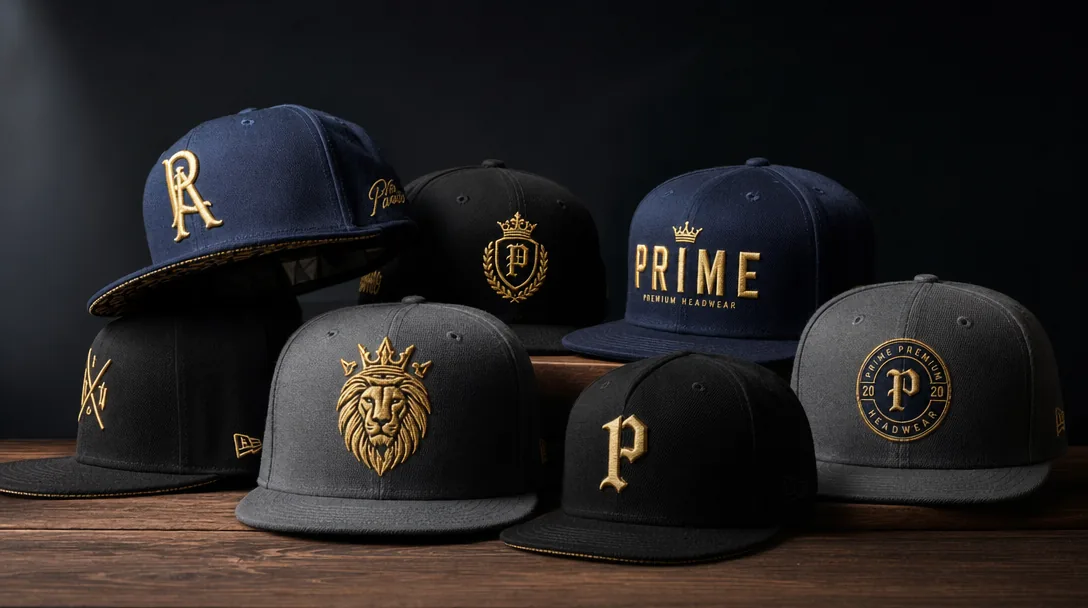
Custom Rope Hat Wholesale Bulk: A 2026 B2B Sourcing Guide
Read article →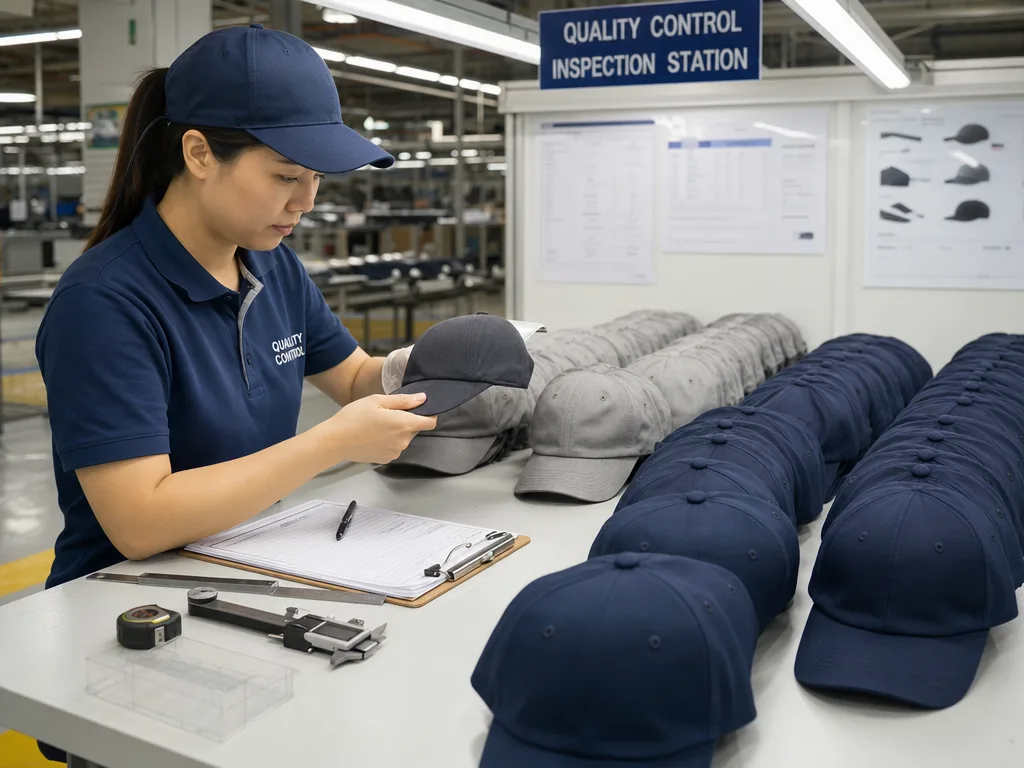
Custom Cap Material Trim Card: What Buyers Should Request
Read article →
Festival Bucket Hats Decoration QC Checklist for Custom Hat Buyers
Read article →Sourcing custom hats does not have to be complicated. With the right manufacturing partner, clear specifications and a small upfront investment in sampling, you can launch a retail-quality product in 30 to 45 days.