
Custom Rope Hat Wholesale Bulk: A 2026 B2B Sourcing Guide
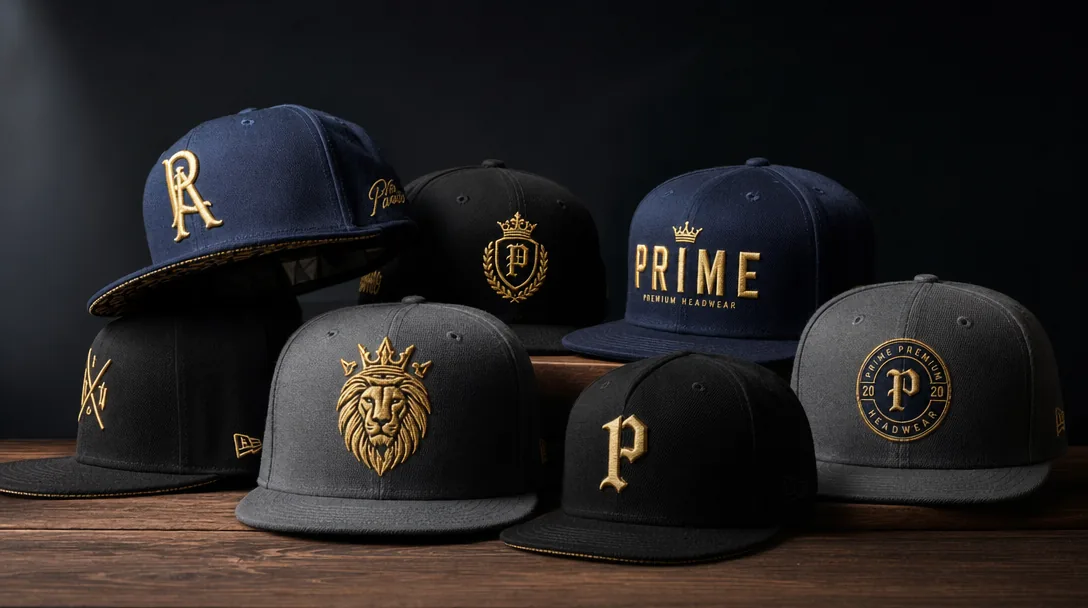
Custom Rope Hat Wholesale Bulk: A 2026 B2B Sourcing Guide is one of the most-asked questions we receive from international buyers, and for good reason. With dozens of factories competing for your order and an alphabet soup of technical terms in every supplier quote, even experienced importers can feel lost. This guide consolidates what we have learned producing custom hats for clients in 40+ countries.
Woven Label Beanie Custom Bulk
A woven label beanie is a different build from a cut-and-sew cap, but the sourcing logic is the same: lock the spec before you ask for price. For a real woven-label beanie, I want the buyer to define yarn count, fiber blend, gauge, cuff height, label size, and stitch density. Most factories run 12G or 7G circular knitting machines for acrylic or acrylic-wool blends, then link the crown, wash, block, and apply the woven label by flatlock or zigzag depending on the label position. If you want a premium hand feel, ask for 100% acrylic 2/28NM or a 70/30 acrylic-wool blend at around 220–280 gsm finished weight; cheaper beanies often look fine at first but pill after two washes. For a woven label beanie custom bulk order, the label should be polypropylene or damask woven, not a flimsy satin tag that frays at the edge. Request Pantone matching for the label background and thread if brand color accuracy matters, and ask for a pre-production sample with the exact wash and labeling method, not a mockup sewn by hand.
MOQ usually starts at 300–500 pieces per color for a standard woven label beanie, though 100–200 pieces is possible if the factory is already knitting stock yarn and you accept a surcharge. In China, a plain beanie with a 1-color woven label typically lands around USD 2.10–3.80 FOB depending on yarn cost, gauge, and whether the label is stitched on one side or centered on the cuff; airfreight can easily add another USD 0.60–1.20 per piece on a small order. The defects I inspect first are uneven crown shaping, loose linking at the top seam, label skew more than 3 mm, shade variation between dye lots, and pilling from low-twist yarn. The same discipline applies when you compare a woven label beanie custom bulk program against a custom leather patch hat low minimum or a custom waterproof cap manufacturer quote: if the factory cannot show you yarn certificates, color tolerances, and a clear QC checkpoint list, the quoted price is not real.
From a sourcing standpoint, the beanie question should be part of your broader headwear mix, not a separate panic buy. Buyers often bundle winter goods with custom rope hat wholesale bulk for the same retail launch cycle, and the factories that can manage both usually have better trim control, faster artwork approval, and more realistic lead times. If your line also includes a laser perforated performance cap custom or a reflective trim running cap bulk, the technical ask changes, but the logic stays the same: demand clear material specs, sample approval, and AQL 2.5 inspection with measured tolerances for stitching, branding placement, and color consistency. Our standard practice is to separate knitwear and structured cap production in the quoting stage so the buyer sees where cost is actually coming from, instead of getting a blended number that hides weak QC. If a supplier cannot explain why a beanie costs USD 2.40 while a rope cap costs USD 4.10, they probably do not understand their own production flow.
Custom Leather Patch Hat Low Minimum
A custom leather patch hat low minimum is usually a six-panel cotton twill or polyester-cotton cap with a sewn-on PU, genuine leather, or microfiber patch on the front crown. The patch is die-cut, then laser-engraved, debossed, or embossed, and stitched with 301 lockstitch or edge-topstitch depending on the look. For a serious factory quote, ask for patch thickness in mm, leather type, edge finish, stitch count around the patch, crown fabric gsm, sweatband material, and whether the cap is structured with buckram or foam. If the supplier can show a Tajima or Barudan embroidery setup plus a clean patch application line, that usually means they understand mixed-decoration caps rather than just selling blanks. For buyer-side color control, request Pantone TCX or Pantone C matching on the crown fabric and a Delta-E target under 2.0 for patch color consistency.
Typical MOQ for a custom leather patch hat low minimum is 50 to 200 pieces per colorway, but the real pricing hinges on whether the factory has stock blanks or must cut and sew the entire cap. In Yiwu, a standard 5-panel or 6-panel cap with a basic PU patch often lands around USD 2.20 to 3.80 FOB at 100 to 300 pcs, while genuine leather, molded rubber backing, or complex patch shapes can push it to USD 4.20 to 6.50. Buyers should be skeptical of ultra-low quotes that ignore setup cost, because die tooling, patch artwork prep, and thread matching eat margin fast. Our standard practice is to separate patch tooling, cap construction, and decoration into line items so the buyer can compare a true custom leather patch hat low minimum quote against a woven label beanie custom bulk or a custom waterproof cap manufacturer quote without apples-to-oranges confusion.
The main quality failures are sloppy edge burn on laser-cut patches, wrinkling where the patch sits on an uneven front panel, weak adhesive under a heat-applied patch, and color shift between approved sample and bulk run after PU coating changes. Inspect stitch density around the patch, pull-test the patch corners, and check for needle marks bleeding through lightweight fabrics. If the cap includes performance features like a laser perforated performance cap custom crown or reflective trim running cap bulk detail, make sure the patch placement does not block ventilation or distort the reflective tape line. This matters when you are deciding whether to source one mixed program under custom rope hat wholesale bulk or split it into separate SKUs: a leather patch cap may be cheaper on paper, but if the factory is also doing a custom waterproof cap manufacturer build, you need tighter QC, clearer spec sheets, and AQL 2.5 inspection on both appearance and functional performance.
Custom Waterproof Cap Manufacturer
A real custom waterproof cap manufacturer starts with the fabric, not the logo. For rainwear caps, I want 2.5L or 3L laminated polyester with a 5,000 mm to 10,000 mm hydrostatic head, plus fully taped seams on the crown panels and brim insert. If the factory is only offering coated twill, that is a different product category and it will wet out faster at the stitching lines. Ask for seam tape width, needle hole control, and whether the sweatband is a closed-cell foam or terry-backed mesh, because water migration usually starts at the internal seams and sweatband junction, not the outer shell. For a custom waterproof cap manufacturer, a proper spec sheet should call out fabric denier, laminate type, DWR standard, crown height, brim construction, and whether the closure is Velcro, plastic snap, or TPU strap.
For MOQ and pricing, the market is fairly consistent: 300 to 500 pieces per color per style is common for true custom development, while 1,000 pieces gives you better fabric allocation and lower unit cost. On FOB Ningbo or Shanghai, a basic waterproof 5-panel often lands around $3.80 to $6.20 depending on seam taping, printed or woven branding, and packaging; add $0.35 to $0.90 for reflective trim running cap bulk details, and another $0.40 to $0.80 if you want laser perforated performance cap custom panels with precision-cut vents and backing mesh. If you are comparing this to a custom rope hat wholesale bulk program, the decision comes down to channel fit: rope hats move faster in golf, resort, and heritage streetwear, while waterproof caps are more specialized and usually need a tighter buyer brief to avoid dead stock.
The quality failures I inspect first are delamination at the brim, skipped tape at seam intersections, crooked front panels after heat pressing, and bad color matching between shell, rope, and underbrim. For logos, embroidery density matters because too many stitches can punch through a waterproof laminate; sometimes a woven patch or a custom leather patch hat low minimum approach is safer than direct stitch. I also check for hydrostatic failure after cold cracking, because some PU laminations pass initial spray tests but peel after one wash cycle. CrownsForge’s standard practice is AQL 2.5 general inspection with extra checks on water ingress, tape adhesion, and dimensional stability, and I would apply the same discipline when comparing a waterproof cap factory against a supplier offering woven label beanie custom bulk or broader custom rope hat wholesale bulk programs. If the factory cannot document lab test results, seam tape specs, and carton compression tolerance, I treat the quote as a sample price, not a bulk sourcing price.
Laser Perforated Performance Cap Custom
A laser perforated performance cap custom order starts with the shell fabric, not the holes. For real summer performance, spec a 100% polyester or nylon blend with 110–150 gsm, UV 50+ if the line is sports-facing, and ask whether the factory is using CO2 laser cutting on finished panels or perforation before panel assembly. The cleaner process is laser after panel cutting but before crown sewing, because it keeps hole placement consistent across each panel. For a six-panel cap, I usually request 1.8–2.5 mm perforations in a mapped zone across the side and rear panels, with the front panel kept solid if you want logo stability for embroidery or heat-transfer. If the supplier says “laser breathable” but cannot show a hole-density spec, that is usually just marketing, not process control.
MOQ is commonly 300–500 pcs per colorway for a true custom laser perforated performance cap custom run, with pricing around USD 3.20–5.80 FOB for basic 5-panel or 6-panel construction, rising to USD 6.50–8.50 if you add taped seams, bonded visor inserts, reflective piping, or a sweat-wicking inner band. Request Pantone TCX or Pantone C references for shell and trim, seam puckering tolerance, and logo application method up front; embroidery on perforated zones can distort, so many buyers move the mark to a solid front panel or use a woven patch. If the program needs broader assortment planning, this SKU often sits beside a custom waterproof cap manufacturer order or a reflective trim running cap bulk style because the same buyer wants one breathable summer hat family with different use cases.
The main quality failures are easy to spot if you know where to look: burnt edges around holes, inconsistent hole spacing between left and right panels, weak crown structure after washing, and visor warping from heat during laser cutting. I also inspect for oil stains from machine rails, loose thread tails at the perforation border, and color shift after 24-hour light exposure, especially on bright neons and dark navy. AQL 2.5 is standard for general inspection, but for performance caps I tighten the functional checks: strap pull test, sweatband adhesion, and ventilation symmetry. In a broader sourcing plan, buyers often bundle this with a custom leather patch hat low minimum or even a woven label beanie custom bulk program, but don’t mix performance and fashion specs in one PO unless the factory is disciplined. CrownsForge’s standard practice is to lock the sample against the final laser map before bulk cutting, because once the holes are in the fabric, you cannot repair a bad layout with better stitching.
Reflective Trim Running Cap Bulk
Reflective trim running caps are usually built on a 5-panel or unstructured 6-panel crown, then finished with a 1/4" to 3/8" retroreflective tape sewn into the visor edge, side seams, or rear adjuster. The tape itself is typically glass-bead or microprismatic material rated for nighttime visibility, and the factory should tell you the exact reflectivity spec in candelas/lux/m², not just call it “high visibility.” For production, I’d ask for the base fabric GSM, the tape supplier, stitch count per inch, and whether the cap is cut-and-sewn or molded first and then trimmed. If you are already sourcing custom rope hat wholesale bulk, this style usually sits in the same factory lane as a custom waterproof cap manufacturer or a laser perforated performance cap custom program, so it is smart to consolidate if you want better fabric utilization and lower setup charges.
For bulk, a realistic MOQ is 300 to 500 pcs per colorway if the factory already stocks reflective tape, but 1,000 pcs is where pricing gets materially better. On a standard polyester running cap with sublimated panels or plain woven fabric, FOB China pricing often lands around $2.20 to $4.80 depending on tape width, lining, sweatband spec, and closure type; add $0.25 to $0.60 for PU sealed reflective trims or heat-transfer logos. If you want more premium detailing, such as a woven label beanie custom bulk style woven label on the sweatband or a custom leather patch hat low minimum look on a side panel, expect extra setup and slower sampling. CrownsForge’s standard practice is to lock Pantone TCX color targets, ask for Delta-E under 2.0 on the reflective binding contrast fabric, and approve strike-off plus preproduction sample before bulk cutting.
The failures I see most often are not dramatic; they are small and expensive. Reflective tape gets puckered because the stitching tension is too high, seam allowances are uneven, or the factory uses tape that delaminates after wash testing. Ask for a 3-cycle home wash test at 30°C, a crocking check, and a bend test on the visor edge so the tape does not crack at the corners. Also inspect for symmetry: reflective bands should sit within 1.5 mm across left and right panels, and the closure should not block the reflective area. If you are choosing between a reflective trim running cap bulk program and a broader custom rope hat wholesale bulk order, weigh the compliance and decoration needs together; reflective tape adds functional value, but it also raises QC pressure, so the right factory is the one that can do AQL 2.5 inspection cleanly and document every material lot.
Working with CrownsForge for custom rope hat wholesale bulk programs
For custom rope hat wholesale bulk programs, the real risk is not the production run — it is the sample stage. Our standard timeline is 7–10 days for a first proto when the crown structure is straightforward, and 10–14 days if you need a revised rope color, contrast stitching, or a nonstandard visor curve. MOQ flexibility matters here: we can usually start from 200–300 pieces for a simple six-panel rope cap, then scale once the bill of materials is locked. That is a different game from a woven label beanie custom bulk order, where knit gauge and trim placement are forgiving; rope hats are less tolerant of bad spec sheets, especially around crown height, visor board stiffness, and rope diameter. If you are comparing us to a custom leather patch hat low minimum program, the key difference is that rope hats need tighter tolerances on alignment, because a 1.5 mm off-center rope reads sloppy immediately at retail. Decoration is handled in-house with Tajima and Barudan embroidery heads for structured fronts, plus heat-transfer and patch applications when the design calls for cleaner art edges. For specialty builds, we also run embossed PU patches, woven labels, silicone badges, and laser-cut appliqué; that is useful if the same buyer is sourcing a custom waterproof cap manufacturer spec or a laser perforated performance cap custom line alongside rope hats. We do not push one decoration method on every order. A 3D puff logo looks wrong on a low-profile rope cap, while a flat stitch lockup usually survives shipping and unpacking better. For reflective trim running cap bulk projects, we switch thread and tape suppliers early because retroreflective materials can change color under flash photography and need approval before mass cutting.
On compliance, the baseline is not negotiable: fabric and trim specs need to be documented, carton marks need to match the packing list, and if a buyer asks for audited production we can work within sedex-audit-cap-supplier-guide.html">BSCI 2.0 and Sedex SMETA 4-Pillar requirements through the factory system. For U.S. and EU buyers, the practical de-risking comes from color control and shipment traceability. We ask for Pantone TCX references where possible, then validate lab dips against target shade with a Delta-E tolerance typically kept under 2.0 for body fabric and under 1.5 for branded trims. That sounds technical because it is; most failed bulk rope hat orders start with vague color language like “off-white with a vintage feel” and end with a claim dispute. Our standard practice is to freeze all critical points — crown shape, rope type, sweatband, closure, decoration size, and carton pack ratio — before PPS approval. The order-management workflow is built to keep first-time buyers from over-ordering on faith. Once the sample is approved, we issue a production checklist with line-item confirmation on fabric gsm, stitching density, label position, and packaging format, then share inline photo checkpoints before bulk trim-cutting and again before final carton close. That is where we catch problems that would otherwise only appear at AQL 2.5 inspection: warped visor inserts, weak bar tacks, or mismatched closure hardware. Lead time for a normal custom rope hat wholesale bulk order is usually 25–35 days after deposit and sample sign-off, with FOB and DDP options depending on destination and customs sensitivity. If the program is scaling, we can split the order by colorway or decorate one base body into multiple SKUs without restarting the entire development cycle, which is how brands move from test orders into repeat replenishment without blowing up inventory.
For buyers comparing multiple headwear categories, this workflow is why rope hats can be less risky than they look. A single approved base spec can support seasonal color updates, team licensing runs, and promo programs without reinventing the fit every time. We keep archived patterns and decoration files so repeat orders do not depend on a designer remembering what happened six months ago. That matters when a brand is balancing a custom leather patch hat low minimum drop, a woven label beanie custom bulk reorder, and a custom waterproof cap manufacturer line in the same season. Each category has its own failure points; rope hats usually fail on structure and trim discipline, not on logo complexity. If you control those variables early, the bulk run behaves predictably, which is the whole point of working with a factory instead of gambling on a trading-company guess.
Frequently Asked Questions
What is the minimum order quantity (MOQ) for custom hats?
Our standard MOQ is 100 pieces per design and color, with sampling available from 1 piece. For complex multi-color logos or premium fabric upgrades, the MOQ can be lowered with a small per-piece surcharge.
What logo decoration techniques do you offer?
3D puff embroidery, flat embroidery, woven patch, leather patch, PVC patch, screen printing, sublimation, applique and laser etching, all in-house with no subcontracting.
Can I order a sample before bulk production?
Yes. We strongly recommend approving a pre-production sample before mass production. Samples are charged at 35 to 60 USD each plus express shipping, fully refundable against confirmed bulk orders over 500 pieces.
What file format should I send for my logo?
Vector files (AI, EPS, PDF) are ideal. High-resolution PNG or JPG at 300 dpi on transparent background works as a fallback. Provide Pantone color references for accurate reproduction.
Which shipping methods do you support?
We support FOB, CIF and DDP shipping. Air express for samples and small orders, sea LCL for 100 to 500 pieces, sea FCL for 5,000+ pieces. Door-to-door DDP available for US, EU, UK, Canada and Australia.
How does ordering custom hat leather patch work?
When evaluating custom hat leather patch, the key considerations are construction quality, decoration capability, MOQ flexibility and lead time. Cover everything buyers ask about custom leather patch hat low minimum: how it's manufactured, what specs to request from a factory, typical MOQ and pricing, common quality issues to inspect for, and how this ties back to the broader custom rope hat wholesale bulk sourcing decision. Cover everything buyers ask about woven label beanie custom bulk: how it's manufactured,…
What's the MOQ for custom dad hat low minimum?
When evaluating custom dad hat low minimum, the key considerations are construction quality, decoration capability, MOQ flexibility and lead time. Cover everything buyers ask about custom leather patch hat low minimum: how it's manufactured, what specs to request from a factory, typical MOQ and pricing, common quality issues to inspect for, and how this ties back to the broader custom rope hat wholesale bulk sourcing decision. Cover everything buyers ask about woven label beanie custom bulk: how it's manufactured,…
What should I know about custom cuffed beanie bulk wholesale?
When evaluating custom cuffed beanie bulk wholesale, the key considerations are construction quality, decoration capability, MOQ flexibility and lead time. Cover everything buyers ask about woven label beanie custom bulk: how it's manufactured, what specs to request from a factory, typical MOQ and pricing, common quality issues to inspect for, and how this ties back to the broader custom rope hat wholesale bulk sourcing decision. Cover everything buyers ask about custom leather patch hat low minimum: how it's manufactured,…
What should I know about custom golf cap rope bulk?
When evaluating custom golf cap rope bulk, the key considerations are construction quality, decoration capability, MOQ flexibility and lead time. Cover everything buyers ask about custom waterproof cap manufacturer: how it's manufactured, what specs to request from a factory, typical MOQ and pricing, common quality issues to inspect for, and how this ties back to the broader custom rope hat wholesale bulk sourcing decision. Cover everything buyers ask about laser perforated performance cap custom: how it's…
Looking for a reliable hat manufacturer in China?
CrownsForge has produced custom hats for 800+ brands across 40 countries. From 100-piece launches to 100,000-piece retail programs, we deliver on time and on spec.
Get in touchRelated guides
Custom Made Trucker Hat: The 2026 Sourcing & Manufacturing Playbook
Read article →Sports Team Caps & Uniform Headwear: Bulk Manufacturing for Clubs and Schools
Read article →Fisherman Beanie Wholesale Custom: A 2026 B2B Sourcing Guide
Read article →If you are ready to take the next step on custom rope hat wholesale bulk: a 2026 b2b sourcing guide, our team can put a tailored quotation and digital mock-up in your inbox within 24 hours. Send the inquiry form on our contact page or message us directly on WhatsApp.