
Festival Bucket Hats Decoration QC Checklist for Custom Hat Buyers
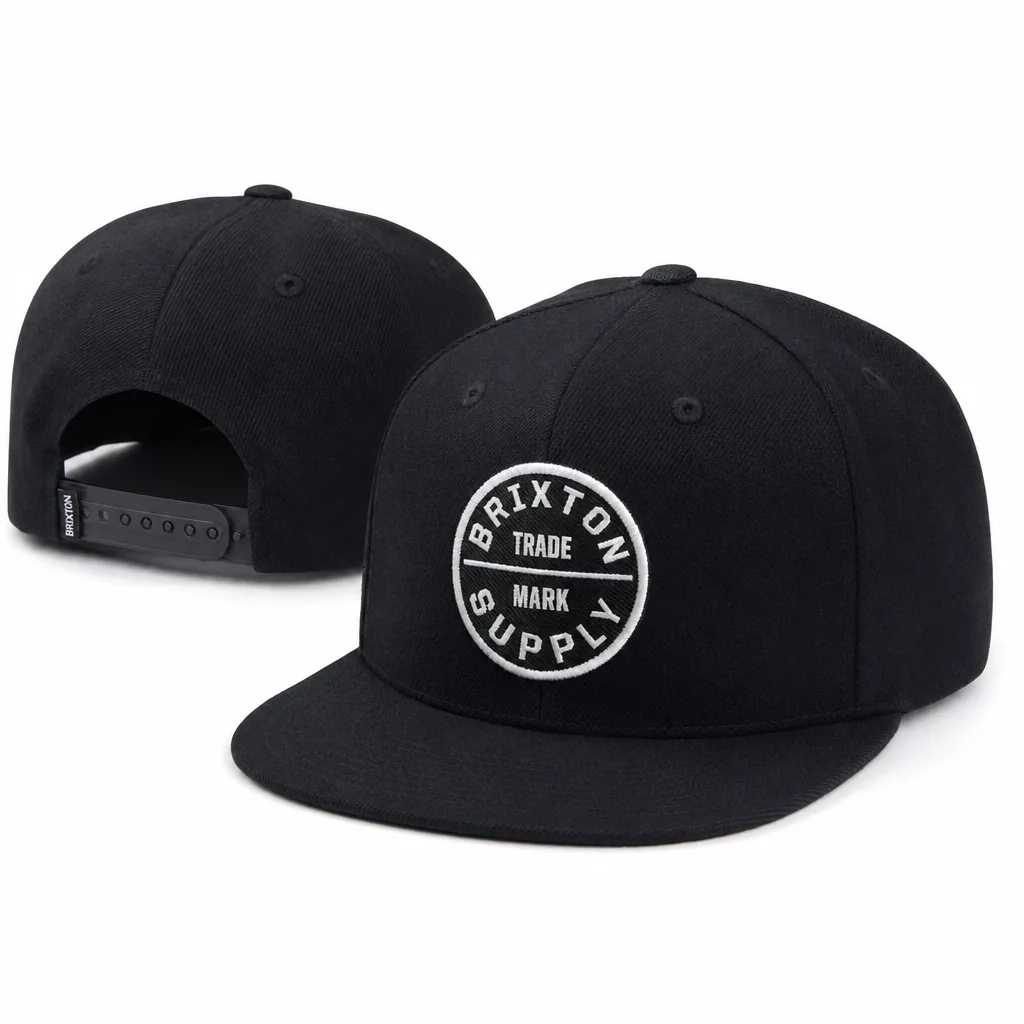
For brand owners, wholesalers and procurement teams entering the custom headwear category, festival bucket hats decoration qc checklist for custom hat buyers is one of the highest-leverage decisions you will make. Get it right and your unit economics, retail story and reorder cycle all improve. Get it wrong and you carry the cost for years.
Why festival bucket hats decoration qc checklist needs a separate sourcing plan
A festival bucket hats decoration qc checklist deserves its own sourcing plan because the decoration risk is higher than the sewing risk. A plain 160 gsm cotton twill bucket hat can pass shape, brim width, and size tolerance checks, then still fail commercially if the puff embroidery cracks, the woven patch bleeds after rain, or the reflective heat transfer lifts after one sweaty weekend. Festival orders are usually color-heavy, logo-heavy, and deadline-driven; buyers are not just sourcing headwear, they are sourcing photo-visible merchandise for a fixed event date. That is different from generic bucket hats for men or a basic retail ladies bucket hat UK program where repeat replenishment can absorb small corrections. For festival bucket hats, I want decoration trials locked before bulk cutting: Pantone TCX or TPX references, thread cards, patch backing, heat-press temperature, dwell time, and wash/rub test method. If the artwork uses neon colors, metallic thread, or gradients, the supplier should confirm Delta-E tolerance and decoration limits before quoting, not after the deposit is paid.
Cost changes fast when decoration is treated properly. A basic blank bucket hat in 260 gsm washed cotton may sit around US$1.80–2.60 FOB Yiwu at 1,000 pieces, but add 10,000-stitch Tajima or Barudan embroidery and the unit cost can move up US$0.35–0.70 depending on thread count, backing, and trims. A 3D puff logo costs more because foam height, needle density, and cap-panel stability must be tested; on soft bucket crowns, bad digitizing makes the logo sink or wrinkle. Woven labels, sublimated panels, PVC patches, chenille patches, and heat transfers also change lead time because each has a separate approval route. A 90s bucket hat with all-over print needs fabric printing before cutting, usually adding 5–8 days, while embroidered stock-color fabric can move faster. Fitted hats women collections often require tighter size grading and softer lining, which affects how decoration sits on the crown. Our standard practice at CrownsForge is to run a pre-production sample using the actual bulk fabric, not a convenient substitute, before issuing bulk approval.
Compliance decisions also belong in the sourcing plan, not the final inspection report. If the festival is tied to a licensed music act, alcohol sponsor, university, or sports team, the order may require sedex-audit-cap-supplier-guide.html">BSCI 2.0, Sedex SMETA 4-Pillar, restricted-substance declarations, and needle control records. Decoration materials are where compliance surprises appear: PVC patches can raise phthalate questions, metallic inks may need heavy-metal testing, and black elastic sweatbands sometimes fail colorfastness to perspiration. For inspection, I would separate sewing AQL from decoration AQL: use AQL 2.5 for major defects like wrong logo placement, loose patch edges, thread breaks across letters, heat-transfer peeling, and visible color mismatch beyond agreed tolerance. The festival bucket hats decoration qc checklist should define measurement points too: logo centerline from front seam, patch tilt tolerance within 2 mm, brim width within ±3 mm, and carton labeling tied to SKU/color/size. Without that plan, buyers save a few cents at quotation stage and lose weeks in rework, air freight, or rejected event merchandise.
Factory capability checks before quoting
Capability should be checked before price, because decoration choices on festival bucket hats can break production faster than fabric cost ever will. For embroidery, ask the factory which machines they run, not just “can you embroider?” Tajima, Barudan, and ZSK heads handle dense logos differently, and a 12,000-stitch front logo on 260 gsm cotton twill behaves differently from the same file on 150D polyester. A serious supplier should review your artwork for stitch count, thread color matching, backing type, needle size, and whether the design needs flat embroidery, 3D puff, appliqué, or woven patch instead. For patches, confirm edge treatment, minimum readable text size, merrow border thickness, heat-press temperature, and whether adhesive is only positioning glue or the final bond. This is where a festival bucket hats decoration qc checklist starts: decoration method, substrate, tolerances, and failure points must be approved before quoting.
Fabric and construction checks matter just as much as logo work, especially when buyers compare bucket hats for men, a 90s bucket hat silhouette, or a softer ladies bucket hat UK retail fit. Ask for gsm, fiber composition, shrinkage data, color standard, and lab-dip control using Pantone TCX with Delta-E targets, normally under 1.5 for solid dyed cotton and under 2.0 for recycled polyester. Panel construction should be confirmed with a physical reference: two-panel crown, four-panel crown, stitched brim rows, brim width, crown depth, sweatband type, lining, eyelets, and whether the hat needs a chin cord, toggle, hidden size adjuster, elastic back, or no closure at all. Bucket hats are usually not “fitted” like caps, but some buyers still brief fitted hats women sizing; then the factory needs graded patterns, not one generic 58 cm mold stretched across all sizes.
Sample room capability is the quickest way to separate a trading desk from a factory that can control production. Ask how many pattern makers and sample sewers are in-house, whether embroidery digitizing is done internally, and how long a first sample really takes after artwork approval; for most custom bucket hats, 5–7 working days is realistic, while complex appliqué or washed fabric may need 10–12. Our standard practice at CrownsForge is to keep sample comments in a measurement-and-decoration sheet, with photo callouts for stitch density, patch placement, brim symmetry, and thread tails, then lock the approved sample as the bulk reference. Audit readiness also belongs in the quote stage: BSCI 2.0, Sedex SMETA 4-Pillar, payroll records, chemical storage, needle control, and AQL 2.5 inspection history tell you whether the supplier can support licensed, retail, or event merchandise. Good communication is measurable: clear tech-pack questions within 24 hours, not vague “yes, possible” replies.
MOQ, pricing and sample approval
MOQ is driven less by the bucket shape and more by fabric dyeing, decoration setup, and trim purchasing. For festival bucket hats in stock cotton twill or polyester, a practical MOQ is 100–300 pieces per color, but custom Pantone-dyed fabric usually starts at 500–1,000 pieces because the mill will not run a small vat economically. A 90s bucket hat in washed 10 oz cotton twill may need 300 pieces just to keep the wash lot consistent; recycled polyester at 150–180 gsm can sometimes run lower if the color is available. Decoration charges should be separated from unit price: flat embroidery digitizing is typically US$35–80 per logo, woven patch tooling US$50–120, metal badge mold US$120–250, and sublimated all-over print sampling US$60–150 depending on panel complexity. A serious festival bucket hats decoration qc checklist should record these costs before sample approval, because buyers often compare FOB unit prices while ignoring setup amortization.
Pricing bands change quickly once decoration becomes dense or multi-position. A plain cotton bucket hat may quote around US$2.20–3.40 FOB Yiwu at 500 pieces, while front embroidery with 8,000–12,000 stitches adds roughly US$0.25–0.55, and a raised 3D puff logo can add US$0.40–0.80 because Tajima, Barudan, or ZSK heads run slower and need tighter thread control. For bucket hats for men with a deeper crown, make sure the embroidery frame clears the seam; logos placed too close to the brim often distort after blocking. For fitted hats women or a ladies bucket hat UK program, confirm head circumference grading, usually 56–58 cm for women’s retail and 58–60 cm for unisex. Our standard practice at CrownsForge is to approve stitch density in the PPS, not just the digital mockup: satin columns over 7 mm need split stitches, fine lettering below 4.5 mm height should be rejected or converted to woven label.
PPS approval should lock the physical standard for color, trims, packaging, and workmanship. Pantone matching must specify the book, such as Pantone TCX for fabric or Pantone C for printed ink, with an agreed Delta-E tolerance; for hats I accept Delta-E under 1.5 for solid-dyed panels and under 2.0 for washed goods because enzyme wash shifts shade. The PPS should include care label content, hangtag gsm, drawcord or chin strap type, eyelet finish, inside seam tape width, polybag warning print, carton size, and barcode placement if going to retail. For promotional festival bucket hats, a basic individual polybag is US$0.03–0.06, custom hangtag US$0.05–0.12, and FSC paper belly band US$0.08–0.18. Realistic lead time is 5–7 days for embroidery artwork and sample, 7–12 days for PPS with corrected trims, and 25–40 days for bulk after deposit and PPS sign-off. A festival bucket hats decoration qc checklist should also define AQL 2.5 inspection points before production starts, not after cartons are packed.
Quality inspection and shipping risk
The biggest shipping risk on festival bucket hats is not the sewing line; it is approving decoration without a measurable inspection rule. I use AQL 2.5 for major defects and AQL 4.0 for minor defects on bulk lots, with a tightened plan if the first shipment is above 3,000 pieces or uses heavy embroidery, puff print, or tie-dye fabric. Measurement tolerance should be written before production: crown height ±5 mm, brim width ±4 mm, circumference ±6 mm for adjustable styles, and ±3 mm for sized bucket hats for men or fitted hats women. For decoration QC, the inspector should check 100% of golden samples and pull random bulk pieces under the AQL table, comparing thread color to Pantone TCX or Madeira/Isacord codes with a Delta-E target under 1.5 for solid logos.
Embroidery defects need factory-floor language, not vague comments like “logo not good.” On Tajima, Barudan, or ZSK heads, common failures are thread breaks, skipped stitches, bird-nesting on the back side, loose satin columns, distorted small lettering under 4 mm, and registration shift between fill stitch and outline. For a 90s bucket hat with front embroidery, I reject logos that are off-center by more than 3 mm from the center seam or tilted more than 2 degrees. Colorfastness matters more for festival use because sweat, rain, sunscreen, and UV exposure punish cheap dyes. Ask for ISO 105-X12 rubbing test at grade 4 dry and grade 3-4 wet, plus perspiration resistance at grade 4 where possible. A festival bucket hats decoration qc checklist should also include print adhesion after 3M tape pull and light stretch on the brim seam.
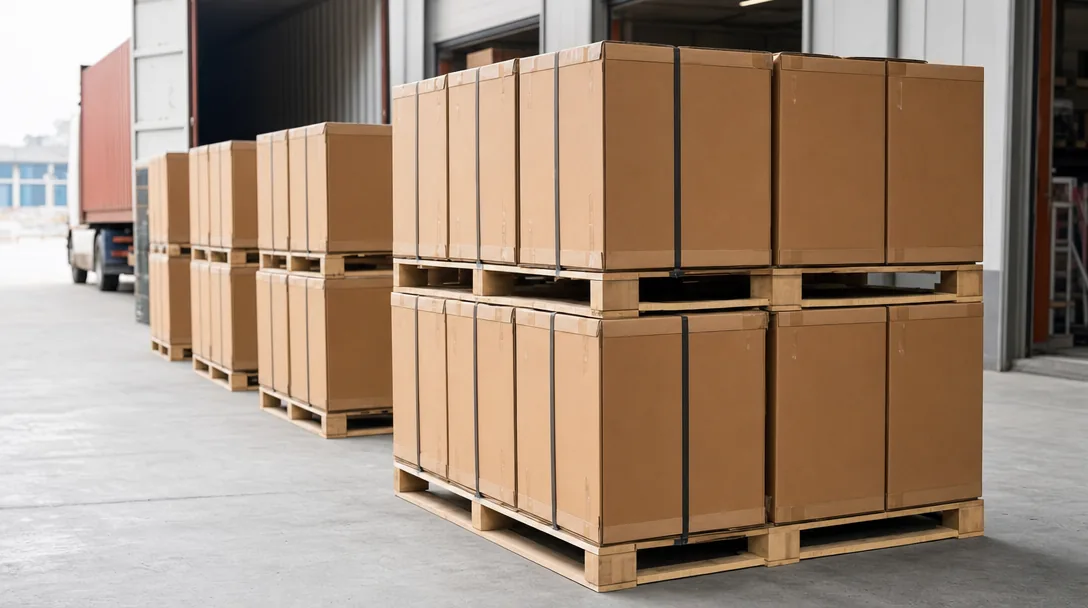
Carton control is where many otherwise acceptable orders become warehouse problems. Carton marks should show PO number, SKU, color, size ratio, quantity, gross/net weight, carton dimensions, country of origin, and any Amazon FBA or retailer routing label requirements. I prefer 50 pieces per export carton for standard cotton twill bucket hats, polybagged by 1 piece or 10 pieces depending on the buyer’s distribution plan; overpacking to 100 pieces can deform brims during sea freight. FOB Ningbo or Shanghai is cleaner when the buyer already has a forwarder, but DDP is safer for new importers who do not want to manage HS code 6505, duty, customs bond, and last-mile delivery. For reorders, CrownsForge keeps approved samples, embroidery DST files, Pantone references, fabric gsm records, carton layout, and inspection photos so a ladies bucket hat UK reorder does not drift from the first shipment.
Buyer checklist for the next RFQ
A firm RFQ starts with a complete decoration pack, not a mood board. Send vector artwork in AI, PDF, or EPS, plus any stitch files if you already own them; DST alone is not enough because it hides thread color intent and scaling notes. For embroidery, specify flat, 3D puff, chain stitch, chenille, or appliqué, and mark exact placement in millimeters from the brim seam and side panel seam. For print, state whether you expect screen print, heat transfer, silicone patch, woven label, or sublimation, because the setup cost can swing from $35 for a simple woven label mold to $120–$180 for multi-color screen plates. Include Pantone TCX or TPX references, not “cream” or “washed black,” and accept a Delta-E tolerance such as under 1.5 for logo color and under 2.0 for dyed fabric. This is the core of a festival bucket hats decoration qc checklist because decoration failures usually begin before sampling, when placement and color language are vague.
Send the physical hat spec with the same discipline as the logo file. Confirm crown height, brim width, panel count, circumference range, sweatband type, drawcord requirement, eyelet quantity, and whether the hat is unstructured, quilted, reversible, or packable. If you are quoting festival bucket hats for mixed retail sizing, give size breaks such as S/M 56–58 cm and L/XL 58–60 cm; “one size fits all” causes trouble when the order includes bucket hats for men and fitted hats women in the same campaign. Fabric must be named by construction and weight: 10 oz cotton canvas, 220 gsm twill, 75D polyester taslan, ripstop nylon, or terry cloth. Photos help, but only if they show inside seams, brim stitching rows, label positions, and how the hat sits on a head form. For a 90s bucket hat silhouette, send side-view references with brim droop angle; that detail affects fusing, stitch tension, and packing shape.
Before asking for FOB, DDP, or landed pricing, provide quantity by color and design, target delivery date, destination ZIP or port, packaging rules, and compliance needs. A 300-piece order with six embroidery colors and individual polybags prices very differently from 3,000 pieces packed 50 per export carton. State whether you require AQL 2.5 final inspection, BSCI 2.0 or Sedex SMETA 4-Pillar factory eligibility, CPSIA, REACH, or nickel-free metal trims. If the buyer is selling a ladies bucket hat UK range, UKCA labeling, fiber composition, and importer address format should be confirmed before bulk labels are woven. Our standard practice at CrownsForge is to quote only after receiving artwork, tech pack, quantity matrix, packaging brief, and shipping terms, then issue a sample invoice with digitizing, mold, and courier fees separated. That keeps the festival bucket hats decoration qc checklist tied to real cost, instead of a low placeholder price that changes after sampling.
Working with CrownsForge
The fastest way to keep a festival bucket hats decoration qc checklist useful is to lock the sample before anyone talks about mass production. At CrownsForge, our normal route is a 2-step sample: first a blank fit sample to confirm brim drop, crown depth, panel symmetry, sweatband width, and size grading; then a decorated PP sample with the real artwork, thread, patch, woven label, or print. For festival bucket hats, I do not approve decoration from a PDF alone. We match fabric to Pantone TCX or lab-dip targets, measure Delta-E under D65 light, and check shrinkage after steam blocking or wash testing depending on the fabric. A cotton twill bucket at 220–260 gsm behaves very differently from recycled polyester taslan at 110–140 gsm, especially when you add puff embroidery or a PVC patch. For buyer categories like bucket hats for men, fitted hats women, or a ladies bucket hat UK program, the checklist must also define head circumference tolerance, usually +/-0.5 cm for fitted sizing and +/-1.0 cm for adjustable or relaxed festival styles.
Decoration QC starts before the hat reaches the sewing line because bad digitizing cannot be inspected into a good product later. For embroidery, we run stitch files on Tajima, Barudan, or ZSK heads and check stitch density, underlay, pull compensation, thread breaks, and backing type before approving bulk. A flat 2D logo on cotton twill may run clean at 0.35–0.40 mm stitch spacing, but a 3D puff logo on a 90s bucket hat needs wider satin columns, foam cut behavior testing, and strict trimming control around curves. For screen print or heat transfer, the checklist should include crocking, peel strength, curing temperature, and edge registration; for woven patches, it should include merrow border tension, patch placement tolerance, and needle damage around the brim seam. Realistic decoration adders can range from US$0.25 for a small woven side label to US$1.80–3.50 for large multi-position embroidery, depending on stitch count, color changes, and MOQ.
Bulk inspection has to be written like an export document, not a mood board. A proper festival bucket hats decoration qc checklist should define incoming fabric checks, inline inspection points, final AQL, carton marking, barcode placement, and shipping document handover. For most branded festival orders we use AQL 2.5 for major defects and AQL 4.0 for minor defects, with zero tolerance for wrong logo, wrong colorway, mold, sharp metal contamination, or mixed cartons. Inline QC usually checks 10–20 pieces per operator bundle after cutting, panel joining, brim stitching, decoration, and final pressing; waiting until final inspection is how buyers discover crooked embroidery across 8,000 units. Export coordination also matters: FOB Ningbo or Shanghai normally needs 7–10 days after final QC for booking and loading, while DDP to the US or UK can run 18–35 days by sea depending on consolidation and customs. If the program needs BSCI 2.0 or Sedex SMETA 4-Pillar support, audit scope and factory name must be confirmed before PO issuance, not after production starts.
Frequently Asked Questions
Do you support sustainability certifications?
Yes. We work with GOTS organic cotton, GRS-certified recycled polyester, OEKO-TEX Standard 100 fabrics, and are BSCI and Sedex audited. Certification documentation can be provided per order.
Can I order a sample before bulk production?
Yes. We strongly recommend approving a pre-production sample before mass production. Samples are charged at 35 to 60 USD each plus express shipping, fully refundable against confirmed bulk orders over 500 pieces.
What logo decoration techniques do you offer?
3D puff embroidery, flat embroidery, woven patch, leather patch, PVC patch, screen printing, sublimation, applique and laser etching, all in-house with no subcontracting.
What file format should I send for my logo?
Vector files (AI, EPS, PDF) are ideal. High-resolution PNG or JPG at 300 dpi on transparent background works as a fallback. Provide Pantone color references for accurate reproduction.
What is the minimum order quantity (MOQ) for custom hats?
Our standard MOQ is 100 pieces per design and color, with sampling available from 1 piece. For complex multi-color logos or premium fabric upgrades, the MOQ can be lowered with a small per-piece surcharge.
How does ordering custom fitted hats for men work?
When evaluating custom fitted hats for men, the key considerations are construction quality, decoration capability, MOQ flexibility and lead time. Explain the buyer intent behind festival bucket hats decoration qc checklist, when it differs from generic hat sourcing, and what decisions affect cost, lead time and compliance. Describe how CrownsForge manages festival bucket hats decoration qc checklist programs with sampling, decoration, QC and export coordination.
What should buyers know about bucket hat men?
When evaluating bucket hat men, the key considerations are construction quality, decoration capability, MOQ flexibility and lead time. Explain the buyer intent behind festival bucket hats decoration qc checklist, when it differs from generic hat sourcing, and what decisions affect cost, lead time and compliance. Describe how CrownsForge manages festival bucket hats decoration qc checklist programs with sampling, decoration, QC and export coordination.
What should buyers know about nike bucket hats for men?
When evaluating nike bucket hats for men, the key considerations are construction quality, decoration capability, MOQ flexibility and lead time. Explain the buyer intent behind festival bucket hats decoration qc checklist, when it differs from generic hat sourcing, and what decisions affect cost, lead time and compliance. Describe how CrownsForge manages festival bucket hats decoration qc checklist programs with sampling, decoration, QC and export coordination.
What should buyers know about kangol bucket hat 90s?
When evaluating kangol bucket hat 90s, the key considerations are construction quality, decoration capability, MOQ flexibility and lead time. Explain the buyer intent behind festival bucket hats decoration qc checklist, when it differs from generic hat sourcing, and what decisions affect cost, lead time and compliance. Describe how CrownsForge manages festival bucket hats decoration qc checklist programs with sampling, decoration, QC and export coordination.
Looking for a reliable hat manufacturer in China?
CrownsForge has produced custom hats for 800+ brands across 40 countries. From 100-piece launches to 100,000-piece retail programs, we deliver on time and on spec.
Get in touchRelated guides
Embroidery Hats Machine: When to Use It, Costs, and What to Ask Your Factory
Read article →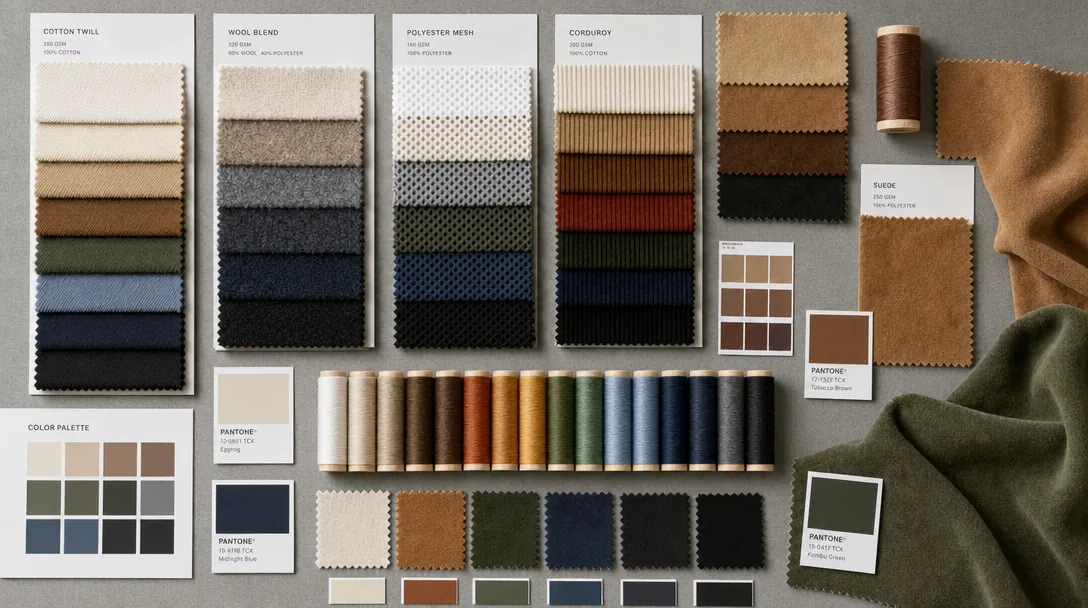
Black Beanie Hat: Properties, Costs and How to Spec It Right
Read article →
Custom Hat Trucker: The 2026 Sourcing & Manufacturing Playbook
Read article →We hope this guide demystifies festival bucket hats decoration qc checklist for custom hat buyers and helps you move forward with confidence. If you have questions specific to your project, our English-speaking sales engineers are one message away.