
Custom Hat Trucker: The 2026 Sourcing & Manufacturing Playbook
Custom Hat Trucker: The 2026 Sourcing & Manufacturing Playbook is one of the most-asked questions we receive from international buyers, and for good reason. With dozens of factories competing for your order and an alphabet soup of technical terms in every supplier quote, even experienced importers can feel lost. This guide consolidates what we have learned producing custom hats for clients in 40+ countries.
Custom Embroidered Hat
A custom embroidered hat starts with three decisions the factory cannot fix later: crown structure, embroidery method, and fabric stability. For a custom hat trucker, the usual build is a foam or cotton front panel with 100% polyester mesh back, then logo embroidery on the front before final assembly. If you want clean stitches, ask for a digitized file in DST or EMB format, target stitch density around 0.35 to 0.45 mm, and confirm the backing type: cutaway for dense logos, tearaway for lighter designs. On production floors, the difference between a decent custom made trucker hat and a cheap one is usually not the thread brand; it is whether the factory matched the logo size to the panel shape and kept tension stable on Tajima, Barudan, or ZSK heads. Buyers should also specify panel height, visor curve, sweatband material, and closure type because those details change fit, hand feel, and freight cube.
For a custom trucker hat, typical MOQ at a serious factory is 300 to 500 pieces per colorway, though some will quote 100 to 200 if you accept a setup fee and limited thread colors. In China, a plain embroidered trucker custom hat usually lands around USD 2.20 to 4.80 FOB depending on cap body, stitch count, and packaging; a more complex custom trucker hats program with patchwork, 3D puff, woven label, or private polybag often moves into the USD 4.50 to 7.50 range. What you should ask for is not just price but the full spec sheet: crown depth in cm, panel count, mesh gsm, visor board type, closure, embroidery area in mm, thread color references, and approved Pantone TCX matches for the fabric. If the factory cannot give you a preproduction sample with measured tolerances, they are not ready for volume.
The inspection failures I see most often are distorted embroidery, puckered front panels, off-center logos, weak stitching at the sweatband, and color drift between sample and bulk. For a custom embroidered hat, the practical checks are simple: compare logo placement against a centerline, measure crown symmetry, pull-test the closure hardware, and inspect mesh holes for contamination or shade variation under daylight. Ask for AQL 2.5 at minimum on visual defects, and if the order is retail-bound, require carton drop testing and needle detection for any sewn-in accessories. These controls matter because a custom hat trucker is not just an embroidery job; it is a sourcing decision across fabric, fit, decoration, and logistics. If the factory controls embroidery but buys unstable front panels, you still get a bad hat.
Custom Embroidered Hats
A custom hat trucker with embroidery starts with the blank, not the stitch file. For a real production run, you want the factory to lock down crown structure, front panel backing, mesh denier, visor sandwich color, and stitch density before digitizing. On a 5-panel or 6-panel custom made trucker hat, the front foam or buckram needs to match the logo size; a large center-front logo usually needs 75-110 mm width and a density around 0.40-0.45 mm stitch length equivalent to avoid puckering. If you are specifying embroidery, ask for the actual cap body spec: cotton twill or poly-cotton front, 100% polyester mesh at 130-180 denier, curved or flat EVA visor, and whether the sweatband is brushed cotton or polyester. For color control, insist on Pantone TCX for fabric and thread references, and ask for lab dips or thread cards, not just screenshots. Our standard practice is to sample the cap first, then approve the embroidery placement on an actual sewn hat, because a flat embroidery proof lies about how the crown will distort.
Most factories will quote custom trucker hat embroidery at different tiers: a simple 1-color front logo on 300-500 pcs often lands around $1.80-$3.20 FOB Yiwu, while a more complex custom trucker hats order with 3-5 thread colors, side embroidery, or a woven patch can move into $3.50-$5.50 depending on fabric and trim. Typical MOQ for a serious factory is 300 pcs per colorway, though some will accept 100-150 pcs if you pay a sampling surcharge or use stock blanks. For hat trucker custom programs, request a written spec sheet covering crown height, panel count, mesh type, closure style, visor curve, embroidery size, and acceptable Delta-E tolerance, because “close enough” is how buyers get stuck with off-shade reorders. If your order is for promotions or sports licensing, also ask whether the factory can support carton labeling, barcode stickers, and polybag warnings without outsourcing the packing.
Quality problems on embroidered truckers are usually visible before they become expensive: thread tension too tight causes tunneling, wrong stabilizer causes the front panel to collapse, and bad digitizing gives you broken lettering on small text under 4 mm. Inspect the first article for stitch registration, backing clean-up, edge trimming, and whether the embroidery sits centered relative to the visor seam, not just the center of the crown. Run AQL 2.5 on the bulk lot if the run is over 1,000 pcs, and check for loose threads, skipped stitches, mesh burns from hooping, and inconsistent panel symmetry. When buyers compare a custom embroidered hat against a simpler custom hat trucker with a printed patch, embroidery costs more, but it also exposes factory weakness faster; that is why a clean sample from a Tajima, Barudan, or ZSK head matters. If the factory cannot hold a 1.5-2.0 mm placement tolerance on the sample, the broader sourcing risk is not the decoration method, it is the process control.
Custom Hat Embroidery
For a custom hat trucker, embroidery quality is decided long before the cap reaches the sewing line. The factory should digitize the logo specifically for curved front panels, not reuse a flat file from a T-shirt or hoodie program. On trucker styles, the biggest technical split is foam-front versus non-foam cotton or poly front: 5 mm EVA-backed foam needs lower stitch density and wider underlay, while brushed cotton twill or 600D poly can hold tighter satin columns and cleaner small text. Buyers should ask for the stitch count, backing type, thread brand, needle size, and machine setup—typically Tajima, Barudan, or ZSK multi-head machines running 120D rayon or 40 wt polyester thread. If your logo includes Pantone-matched brand colors, ask the supplier how they control shade tolerance; thread is never a perfect Pantone TCX match, so an approved color card or physical strike-off matters more than a PDF. On high-volume custom made trucker hat programs, I always recommend requesting a pre-production sample sewn on the actual shell fabric, because embroidery behaves differently on a cut panel than on loose swatches.
The right spec sheet saves more money than negotiating the last $0.05. A buyer should define logo position from center front, finished embroidery width and height in millimeters, maximum thickness tolerance, whether 3D puff is required, and whether the back hit or side hit must align to seam references. For 3D puff on a custom trucker hat, the cleanest results usually come from block letters at 3 to 5 mm stroke width; thin serifs, gradients, and distressed artwork look bad once foam is trapped under satin stitches. Typical MOQ for custom trucker hats with standard flat embroidery is 144 to 300 pcs per colorway, though some factories will do 48 to 100 pcs with a setup surcharge. In China today, flat embroidery on a 5-panel mesh-back trucker usually adds about $0.18 to $0.45 per location, while 3D puff is more often $0.35 to $0.80 depending on stitch count and trims. Digitizing is often charged at $20 to $60 per logo unless the order volume justifies waiving it. At CrownsForge, our standard practice is to separate embroidery pricing by location and complexity because a simple 6,000-stitch front logo and a dense 14,000-stitch side panel are not the same manufacturing load.
Most embroidery claims come from issues buyers could have screened at inline inspection: center-off logos, birdnesting on the back, thread breaks causing gaps, puckering around the front panel, foam exposure on 3D puff, and poor thread trim on the inside sweatband area. For factory QC, I would inspect against an AQL 2.5 major standard, but embroidery placement on branded retail programs often needs a tighter internal tolerance—usually plus or minus 2 mm for front logos and plus or minus 3 mm for side hits. Also check cap-to-cap consistency under D65 light, because thread sheen can make tone shifts look worse on black mesh or white foam fronts. If the embroidery is too dense, the panel will collapse or wave after packing; if it is too loose, fills will sink into textured twill and outlines will look jagged. This matters to the broader hat trucker custom sourcing decision because embroidery is not just decoration—it affects panel material choice, carton packing method, lead time, and even freight cost when structured crowns need better insert support. A factory that understands embroidery engineering will usually also make better calls on visor shape, snapback assembly, and final presentation of the trucker custom hat.
Custom Made Trucker Hat
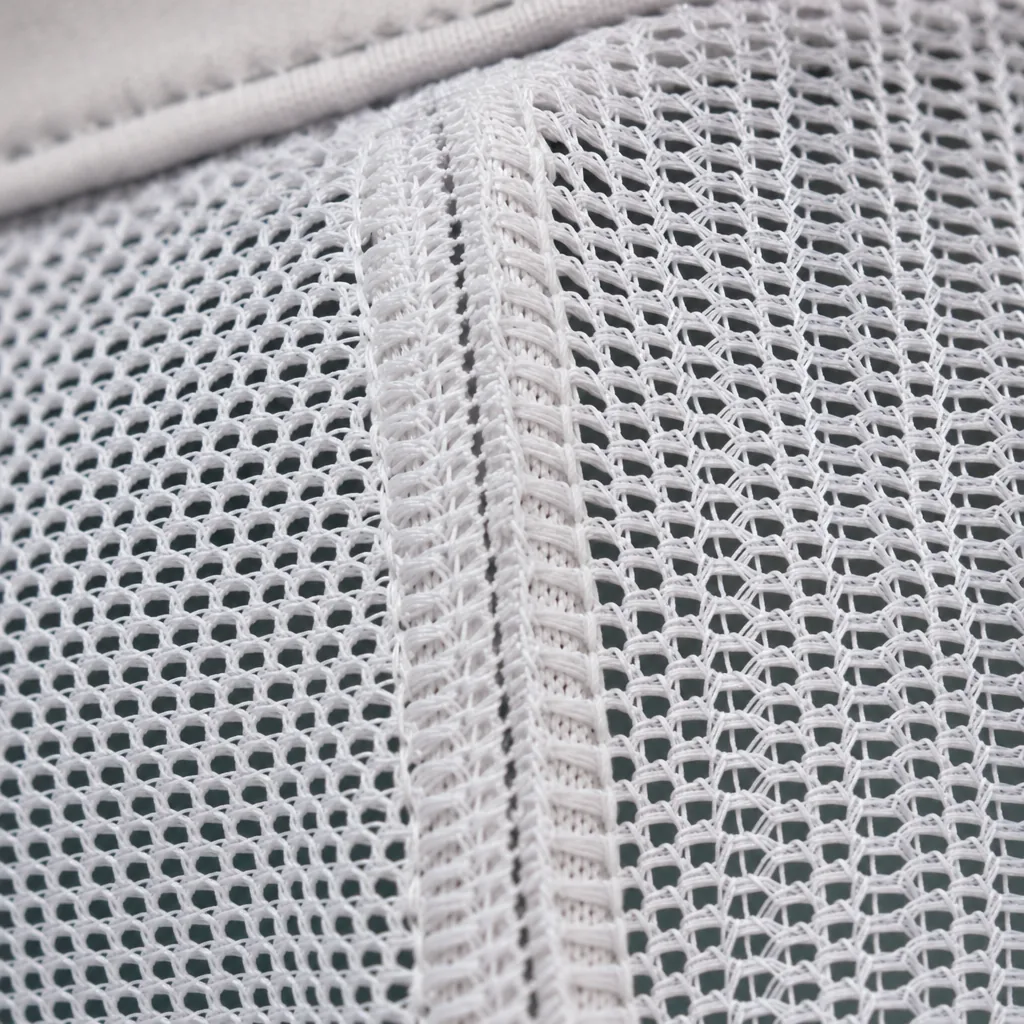
A custom made trucker hat is a mixed-material product, so the manufacturing risk sits in the handoff points: front panel structure, mesh crown, brim curvature, closure fit, and decoration registration all have to line up. The standard build is a 5-panel or 6-panel cap with a 100% polyester foam front, nylon or poly mesh back, pre-curved PE brim insert, sweatband, and a plastic snapback closure. Better programs specify each component up front: 5 mm foam density, 120–160 gsm front fabric lamination, 18x14 or 20x9 mesh construction, brim sandwich thickness around 2.8–3.2 mm, and snap closure grade with pull-test requirements. If the artwork includes embroidery, ask what machine head the factory is using—Tajima, Barudan, and ZSK all run cleanly, but small text under 4.5 mm and satin columns below 1.2 mm need digitizing adjustments or they will sink into foam. For a custom hat trucker program, the front panel seam position matters too; centered logos often sew cleaner on 5-panel silhouettes because there is no center seam splitting the design.
Buyers who send only a logo and color name usually get avoidable mistakes. The factory should receive a full tech pack: silhouette, crown height, visor shape, closure type, panel count, fabric composition, mesh color, sweatband spec, top button color, seam tape print, embroidery stitch count, applique material, and target Pantone TCX references. If color matching matters, set an acceptable Delta-E tolerance—under 1.5 for dyed twill is realistic, but on foam and mesh components from different mills, under 2.0 is more practical. MOQ for a custom trucker hat is commonly 144 to 300 pieces per colorway for standard materials, while fully custom dyed fabrics or molded patches can push the threshold to 500 or 1,000 pieces. In Yiwu and nearby cap clusters, a basic embroidered custom trucker hats order often lands around $2.20 to $4.80 FOB China depending on stitch count, fabric quality, and packaging; woven patch, rubber badge, inside taping print, and retail inserts will move that closer to $5.50 to $7.00.
Inspection is where a hat trucker custom order is won or lost. The recurring defects are warped brims, asymmetrical crown shape, mesh tearing at seam joins, loose top-button attachment, uneven sweatband stitching, snapback mismatch, and embroidery distortion on foam fronts. I tell buyers to approve a sealed pre-production sample, then inspect bulk at AQL 2.5 with special attention to logo position tolerance within plus or minus 2 mm, visor curve consistency across cartons, stitch density on fills, and carton compression damage after 24 hours stacking. For patch applications, check heat-press bonding temperature and dwell time records; weak bonding shows up after freight when containers hit 50–60°C. Our standard practice at CrownsForge is to run in-line inspection after panel stitching and again after decoration because that is where most custom made trucker hat failures first become visible. This is why the broader custom hat trucker sourcing decision is not just about unit price—it is about whether the supplier controls decoration, sewing, and final QC as one process instead of three disconnected subcontractors.
Custom Trucker Hat
A custom hat trucker is built in two different worlds: the front panels and the mesh back. The front is usually 100% cotton twill, brushed cotton, or polyester/cotton blend, while the back is polyester mesh in 180-300 denier depending on how stiff you want the crown to feel. In the factory, the real control points are crown shape, buckram weight, visor sandwich construction, and the sweatband spec. If a buyer wants a clean custom trucker hat, I ask for panel count, crown height, brim curve, mesh hole size, closure type, and whether the front needs structure or a soft unstructured look. That sounds basic, but half the rejections I see come from vague tech packs that only say “classic trucker” and leave the factory to guess. For a proper custom made trucker hat, you also need Pantone TCX references for fabric and thread, plus a target Delta-E tolerance if color match matters across repeat orders.
Typical MOQ for a custom trucker hat is 300-500 pieces per colorway if you want factory-friendly pricing, but small programs can go lower if the design is simple and the buyer accepts a higher unit cost. On ex-factory pricing, basic 5-panel or 6-panel custom trucker hats usually land around USD 1.20-2.20 each for plain embroidery and standard plastic snapback; add USD 0.30-0.80 for 3D puff, woven labels, or custom taping, and more if you want private mold patches or special wash treatments. A custom trucker hat with a high-density embroidered front, Barudan or Tajima stitching, and decent mesh usually needs a clear digital proof and stitch-count control, or the quote will be meaningless. The cheapest hat trucker custom programs almost always skip proper interlining, use thin visor board, and overcut the mesh, which is why they look fine on a sample but collapse after packing and shipping.
Quality inspection should focus on the things buyers actually notice in hand: symmetrical crown, straight visor stitching, no skipped stitches at the center front, consistent snap placement, and clean trim on the mesh edges. I also check for sweatband puckering, loose thread ends inside the crown, and print or embroidery misalignment beyond 2 mm, because that’s where a supposedly good custom trucker hat starts looking commercial-grade instead of premium. For production control, ask the factory for size tolerance, seam allowance, and an AQL 2.5 inspection plan on visual and functional defects, plus carton drop-pack testing if the order is going freight. In the broader custom hat trucker sourcing decision, the cheap route usually saves 20-30 cents and costs you a full reorder later; the better route is to lock specs, approve a pre-production sample, and treat the first bulk run like a pilot lot before scaling custom trucker hats across colors or team programs.
Custom Trucker Hats
A custom hat trucker is usually built from 5 or 6 panels, with the front two panels in foam, structured cotton twill, or midweight polyester, and the back in 100% polyester mesh at 3.5 to 5 oz. The real manufacturing work starts at the pattern table: crown height, front panel stiffness, visor curve, and sweatband spec all affect fit and resale quality. If you are ordering a custom made trucker hat, ask the factory to quote by exact fabric composition, mesh gram weight, buckram type, closure style, and decoration method, because those variables move cost more than the logo itself. A decent factory should also confirm thread spec, seam allowance, and whether the front panel is laminated or unlaminated, since cheap foam backing can collapse after heat pressing or long transit.
For a custom trucker hat, the minimum useful spec sheet should include Pantone TCX or Pantone C references, logo size in millimeters, embroidery stitch count, closure type, and inside tape or label position. On the production floor, a trucker custom hat typically goes through panel cutting, embroidery or patch application, crown assembly on flat-bed or post-bed machines, visor stitching, eyelet setting, mesh attachment, and final shape pressing. For embroidery, Tajima, Barudan, or ZSK heads are standard; for patches, ask whether the factory is using merrowed borders, laser-cut PU, or woven sew-on labels. Typical MOQ in China is 200 to 300 pieces per colorway for a simple blank-base decoration, but 500 to 1,000 pieces is more realistic if you want multiple colors, custom packaging, or a fully custom mold logo on the closure. Pricing usually lands around USD 2.20 to 4.80 FOB for standard 5-panel and 6-panel custom trucker hats, with premium foam fronts, woven patches, or heavy embroidery pushing higher.
The failures I inspect most often are crooked front panels, weak crown symmetry, bad mesh tension, off-center logos, and inconsistent visor curve between cartons. Ask the factory for AQL 2.5 inspection at minimum, and check every pilot sample against the approved PPS for crown height, brim length, and color under D65 light, because a 1.5 to 2.0 Delta-E shift is enough to make a production run look mismatched on shelf. Also watch for sweatband bleed, loose thread tails, weak snapback teeth, and carton crush damage, especially if the hats are packed without crown inserts. The broader sourcing decision is simple: if your custom hat trucker program depends on a low price, keep the spec standard and control only decoration; if you need a more premium custom trucker hats line, pay for better mesh, stronger backing, and tighter QC, because the cost difference is usually less than one dollar but the retail perception changes a lot.
Working with CrownsForge for custom hat trucker programs
The fastest way to de-risk a custom hat trucker program is to lock the sample path before talking bulk price. For first-time buyers, we usually split development into three gates: digital mockup in 24 to 48 hours, blank-fit or stock-material proto in 5 to 7 days, and full pre-production sample in 7 to 12 days after artwork, Pantone TCX references, and trim approvals are frozen. If the front panel uses specialty foam, 3D embroidery over 2 mm EVA, or imported mesh in a specific denier, add 2 to 4 days because those variables affect needle penetration, crown shape, and carton compression. MOQ should not be treated as a fixed slogan; a practical entry point is 144 to 300 pieces per colorway for stock fabrics, while fully custom closures, woven label packs, and proprietary camo prints usually push the efficient MOQ to 500 or 1,000 pieces. That structure works for a custom made trucker hat launch because you can validate fit and decoration without swallowing dead stock on day one.
Decoration capability matters more than most buyers realize because trucker caps fail in production at the seams between materials, not in the artwork file. On a typical custom trucker hat, we may combine Tajima or Barudan flat embroidery on the side panels, 3D puff on the foam front, screen print under the bill, woven loop labels, rubber PVC patches, and heat-transfer size tags inside the sweatband. Each technique has its own tolerance window: 3D puff loses edge definition below roughly 0.8 mm line width, woven patches outperform direct embroidery for small text under 4 mm cap height, and sublimation only makes sense on polyester-compatible components, not cotton twill fronts. For scale-up custom hat trucker orders, our standard practice is to run pre-line checks on thread color matching within commercial Delta-E tolerance, verify stitch count against digitized files from ZSK/Tajima-compatible software, and pull in-line inspection samples by lot so we catch crown distortion, snapback misalignment, or mesh shading before final packing.
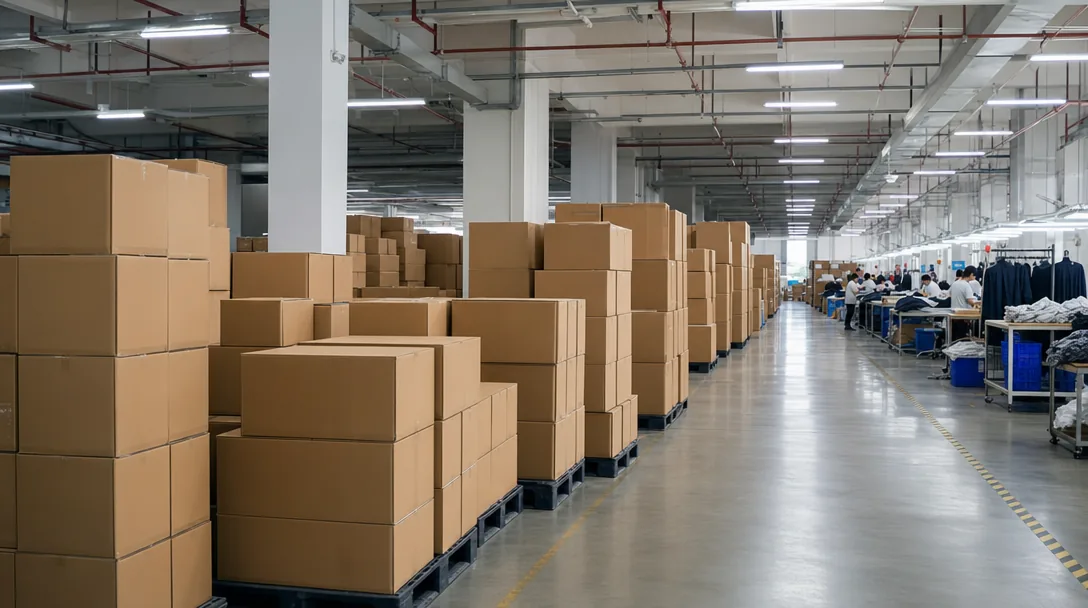
Compliance and order management are where many overseas cap programs either become repeatable or become expensive. Buyers asking for retail-ready custom trucker hats should expect documentary control from PO to vessel booking: approved BOM, signed pre-production sheet, carton marks, barcode placement map, and final AQL 2.5 inspection records with major/minor defect counts. Factory credentials also need to match your channel; sedex-audit-cap-supplier-guide.html">BSCI 2.0 and Sedex SMETA 4-Pillar are the usual baseline for EU and US retail, while CPSIA tracking labels, California Proposition 65 awareness, and REACH chemical controls matter once you add prints, rubber badges, or coated fabrics. On the logistics side, a 500-piece hat trucker custom order can move by express in roughly 5 to 8 days door-to-door, but most brands scale better on FOB Ningbo or Shanghai with ocean transit of 18 to 35 days depending on lane and season. The reason the workflow matters is simple: when approvals are timestamped and revision-controlled, a trucker custom hat reorder can often skip weeks of confusion and go straight into material booking and line planning.
Frequently Asked Questions
Do you support sustainability certifications?
Yes. We work with GOTS organic cotton, GRS-certified recycled polyester, OEKO-TEX Standard 100 fabrics, and are BSCI and Sedex audited. Certification documentation can be provided per order.
What logo decoration techniques do you offer?
3D puff embroidery, flat embroidery, woven patch, leather patch, PVC patch, screen printing, sublimation, applique and laser etching, all in-house with no subcontracting.
What is the minimum order quantity (MOQ) for custom hats?
Our standard MOQ is 100 pieces per design and color, with sampling available from 1 piece. For complex multi-color logos or premium fabric upgrades, the MOQ can be lowered with a small per-piece surcharge.
What file format should I send for my logo?
Vector files (AI, EPS, PDF) are ideal. High-resolution PNG or JPG at 300 dpi on transparent background works as a fallback. Provide Pantone color references for accurate reproduction.
Can I order a sample before bulk production?
Yes. We strongly recommend approving a pre-production sample before mass production. Samples are charged at 35 to 60 USD each plus express shipping, fully refundable against confirmed bulk orders over 500 pieces.
How does ordering custom embroidered patch hat work?
When evaluating custom embroidered patch hat, the key considerations are construction quality, decoration capability, MOQ flexibility and lead time. Cover everything buyers ask about custom embroidered hat: how it's manufactured, what specs to request from a factory, typical MOQ and pricing, common quality issues to inspect for, and how this ties back to the broader custom hat trucker sourcing decision. Cover everything buyers ask about custom embroidered hats: how it's manufactured, what specs to request from a…
How does ordering custom embroidery patches for hats work?
When evaluating custom embroidery patches for hats, the key considerations are construction quality, decoration capability, MOQ flexibility and lead time. Cover everything buyers ask about custom embroidered hats: how it's manufactured, what specs to request from a factory, typical MOQ and pricing, common quality issues to inspect for, and how this ties back to the broader custom hat trucker sourcing decision. Cover everything buyers ask about custom hat embroidery: how it's manufactured, what specs to request from a factory,…
What's the MOQ for custom embroidered trucker hats no minimum?
When evaluating custom embroidered trucker hats no minimum, the key considerations are construction quality, decoration capability, MOQ flexibility and lead time. Cover everything buyers ask about custom embroidered hats: how it's manufactured, what specs to request from a factory, typical MOQ and pricing, common quality issues to inspect for, and how this ties back to the broader custom hat trucker sourcing decision. Cover everything buyers ask about custom embroidered hat: how it's manufactured, what specs to request from a…
How does ordering custom leather patch trucker hat work?
When evaluating custom leather patch trucker hat, the key considerations are construction quality, decoration capability, MOQ flexibility and lead time. Cover everything buyers ask about custom embroidered hat: how it's manufactured, what specs to request from a factory, typical MOQ and pricing, common quality issues to inspect for, and how this ties back to the broader custom hat trucker sourcing decision. Cover everything buyers ask about custom embroidered hats: how it's manufactured, what specs to request from a…
Looking for a reliable hat manufacturer in China?
CrownsForge has produced custom hats for 800+ brands across 40 countries. From 100-piece launches to 100,000-piece retail programs, we deliver on time and on spec.
Get in touchRelated guides
10 Questions to Ask a Cap Manufacturer on Your First Call
Read article →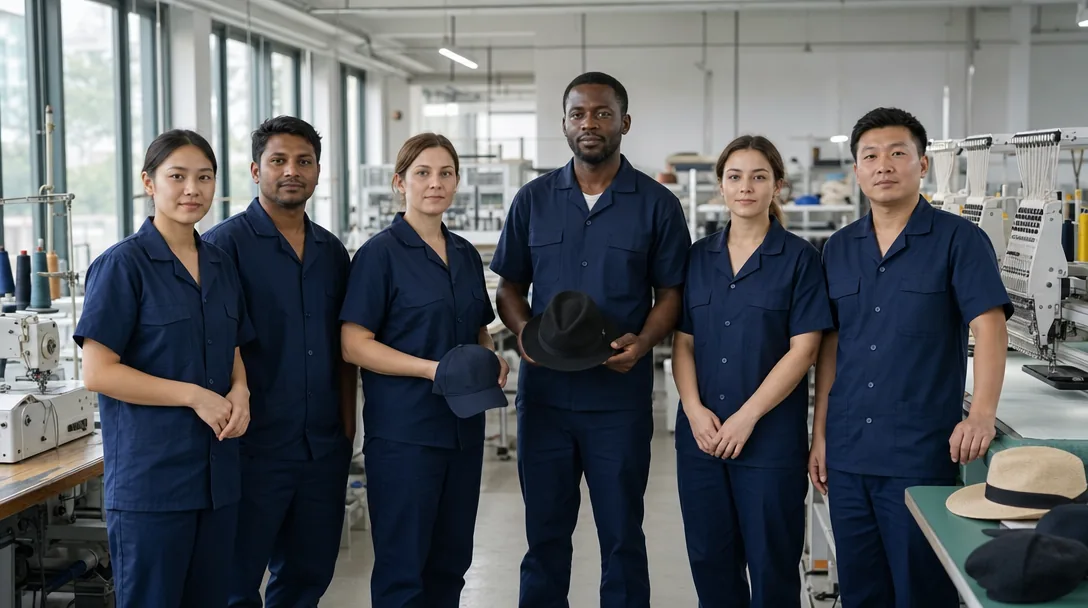
BSCI vs Sedex SMETA: Which Audit Does Your Cap Supplier Actually Need?
Read article →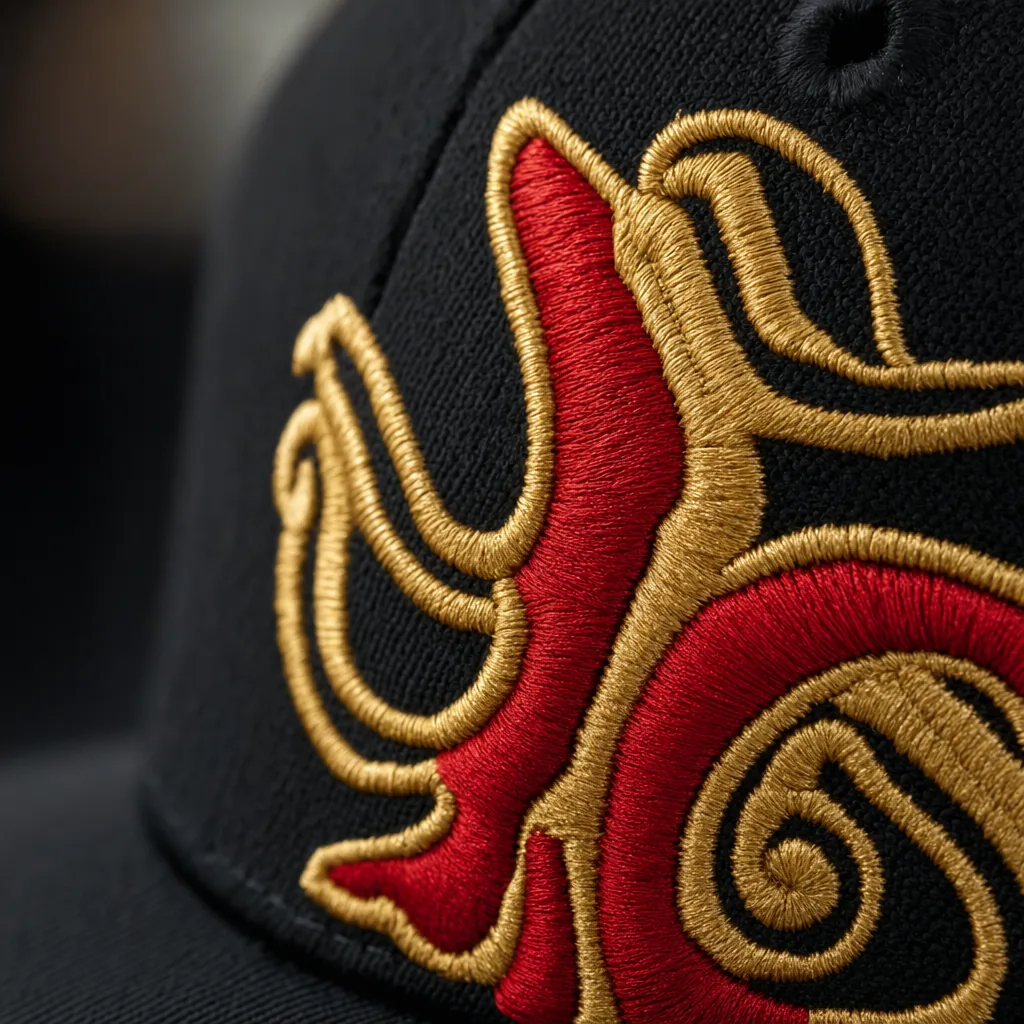
9 Cap Decoration Techniques Compared: Embroidery, Patches, Printing & More
Read article →We hope this guide demystifies custom hat trucker: the 2026 sourcing & manufacturing playbook and helps you move forward with confidence. If you have questions specific to your project, our English-speaking sales engineers are one message away.