
10 Questions to Ask a Cap Manufacturer on Your First Call
10 Questions to Ask a Cap Manufacturer on Your First Call is one of the most-asked questions we receive from international buyers, and for good reason. With dozens of factories competing for your order and an alphabet soup of technical terms in every supplier quote, even experienced importers can feel lost. This guide consolidates what we have learned producing custom hats for clients in 40+ countries.
Question 1: What's the actual lead time from artwork approval to shipment?
On the first call, I also want to hear what can actually move the schedule. If they say blank cap stock is already in house, that is useful. If they need to source 280 gsm cotton twill, 100% polyester mesh, or a custom 3D puff patch, the timeline changes immediately. Any serious interview hat manufacturer should be able to tell you which steps are the critical path: fabric dyeing, applique approval, embroidery sampling, or final carton booking. Good factories also know how AQL 2.5 affects dispatch, because a lot of “fast” suppliers lose three days just fixing defects found at final inspection.
This is where questions for hat manufacturer become less about politeness and more about risk control. Ask whether the quoted 35-45 days is FOB, because a supplier who mixes production time with ocean transit is not being precise. Ask what happens if color approval takes two rounds, or if the first sample needs a stitch-density change from 4.0 mm to 3.5 mm. Those are real delays. If they cannot answer with specifics, the cap supplier qualification is weak, and you should assume the date is flexible in the wrong direction.
Question 2: Which embroidery machines do you run?
The machine list tells you more than the sales pitch. If a cap supplier says they do embroidery but cannot name the actual brands and head counts, that is a red flag in a first call hat factory conversation. A serious custom hat manufacturer should be able to tell you whether they run Tajima, SWF, ZSK, or Barudan, and whether the line is built around 15-head units for volume or single-head machines for sampling and small runs. That detail matters because a 15-head machine can keep a 500-piece order moving at a predictable pace, while single-head setups are better for approval samples, corrections, and specialty placements. One of the simplest vetting cap supplier questions is whether the machine list is in-house or “supported by partners,” because that usually tells you if the real production is under one roof or being split out.
For questions for hat manufacturer calls, I always want to hear how they match machine type to the job. Caps with structured fronts, 3D puff, side logos, and repeat orders need different setup discipline than flat stock embroidery. A factory that actually runs the equipment will talk about needle counts, hoop sizes, digitizing limits, and how they handle thread breakage, not just say “we have many embroidery machines.” If you are trying to interview hat manufacturer options properly, ask how many heads are dedicated to hats versus garments, how many sampling machines they keep free, and what their daily capacity is at normal stitch counts. A real cap supplier qualification answer sounds specific: machine brand, head count, operator skill, and how they control consistency across runs. Generic answers usually mean subcontracting or thin in-house capacity, which is where quality drift starts.
Question 3: Can I do a video factory tour right now?
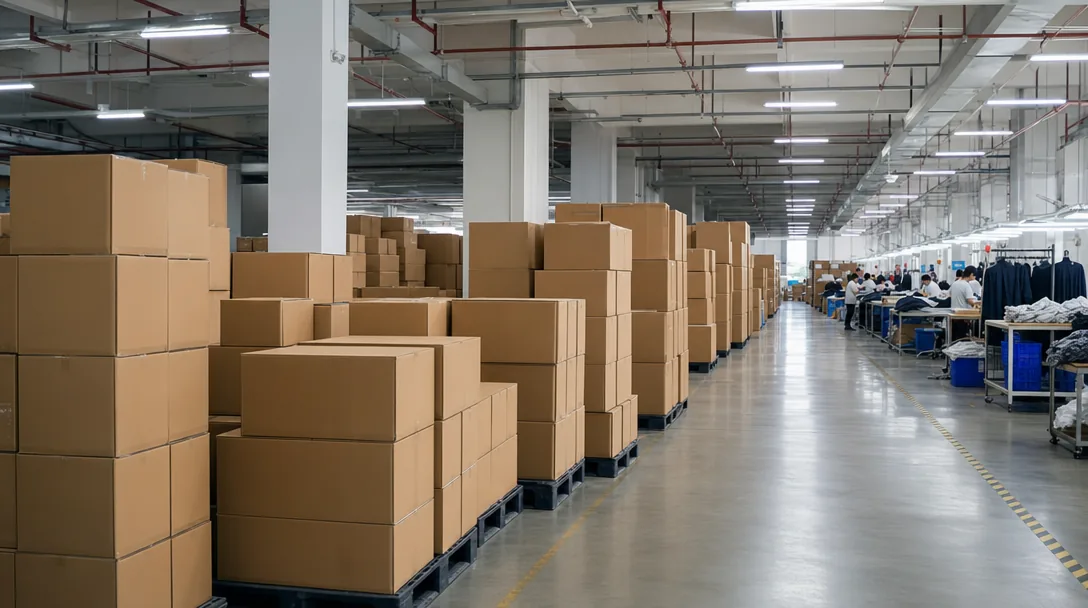
A real custom hat manufacturer should not hesitate when you ask for a live video factory tour. If they can do it the same day, or with only 24 to 48 hours’ notice, that usually means the factory is actually operating and they are confident enough to show the cutting room, sewing line, embroidery floor, QC table, and packing area without staging it. In a proper first call hat factory check, that matters more than polished sales talk. I’ve seen too many “manufacturers” who only want to send edited clips from a showroom while the production floor is somewhere else or nonexistent. For questions for hat manufacturer screening, the ability to walk you through the real workflow is one of the fastest cap supplier qualification tests you can use.
The best interview hat manufacturer question is not just “Can I see the factory?” but “Can you show me the whole production path live, from panel cutting to packing?” A good supplier should be able to point the camera at fabric rolls, panel cutting tables, embroidery machines like Tajima or Barudan heads, stitching lines, QC checkpoints, and finished goods waiting for carton packing. If they dodge the QC area or suddenly lose connection every time you ask to see work in process, that is a warning sign. In vetting cap supplier questions, transparency is not a nice-to-have; it is how you separate a real factory from a trading middleman.
A credible live tour also tells you whether the factory understands volume control. On a real floor, you should see organized WIP racks, thread management, needle and bobbin control, shade separation for Pantone TCX lots, and inspectors checking against AQL 2.5 before packing. Our standard practice is to walk buyers through these areas live because it forces both sides to talk about actual production, not brochures. If the supplier cannot give you that access, you should treat it as a negative signal in your questions for hat manufacturer list. A factory with clean processes usually wants to show them; excuses usually mean there is something to hide.
Question 4: Which compliance audits do you currently hold and when do they expire?
For a first call hat factory screening, this is one of the fastest cap supplier qualification checks you can make. A real custom hat manufacturer should answer with the exact audit scheme, the issuing body, the scope, the site name, and the expiration date. A strong response sounds like this: sedex-audit-cap-supplier-guide.html">BSCI 2.0 audit by amfori, valid through October 2026, and Sedex SMETA 4-Pillar audit by SGS through December 2026. If they only say “we are working on it,” “it expired last year,” or “we used to have it,” treat that as a soft-fail. On questions for hat manufacturer calls, audit status is not a nice-to-have; it tells you whether the factory can survive a real buyer compliance review without scrambling.
Ask for the audit ID and verify it yourself before you move forward. In practice, the audit number should match the factory legal entity, address, and reporting period, because recycled certificates and trading-company paperwork are common in this market. For vetting cap supplier questions, I also want to know whether the audit covered the actual production site, not just an office or a sister company. If they cannot produce the PDF immediately, that usually means the audit is not current or not owned by the facility you would be buying from. In an interview hat manufacturer call, a clean answer saves days of back-and-forth and tells you they understand what serious buyers check.
The reason this matters is simple: compliance history affects how a factory handles chemicals, labor records, subcontracting, and traceability when orders get busy. A shop that can quote a valid BSCI 2.0 or Sedex SMETA 4-Pillar audit usually has at least basic discipline around HR files, working hours, and restricted substances, which reduces risk on overseas PO releases. It does not guarantee perfect quality, but it is a strong signal that the factory knows how to pass external scrutiny. If you are building a shortlist from questions for hat manufacturer calls, this is one of the few items that can be verified in under five minutes and tell you whether the supplier is real, current, and ready for export work.
Question 5: What's your MOQ and how does it scale?
MOQ is one of the fastest ways to tell whether you’re talking to a real factory or a broker making up numbers on the fly. For custom caps, the clean answer is usually 100 pieces per color/design as the standard MOQ, with a 50-piece sample run available if you accept a higher per-piece cost. If someone on a first call hat factory says “any quantity” without explaining how production is actually grouped, that’s a red flag. On a real line, you need enough volume to justify embroidery digitizing, thread setup, panel cutting, buckle sourcing, and carton packing without losing your shirt on labor.
The better questions for hat manufacturer qualification are not just “What’s your MOQ?” but “How does your price change at 100, 300, 1,000, and 5,000 pieces?” A disciplined custom hat manufacturer should be able to quote clear tiers, because their cost structure changes with labor efficiency, fabric utilization, and trim buying. For example, a six-panel cotton twill cap might be $5.20 at 100 pieces, $4.40 at 300, $3.65 at 1,000, and $3.10 at 5,000, depending on embroidery coverage and finishing. If the numbers are fuzzy, the supplier probably has no real cap supplier qualification process and is improvising margin.
In vetting cap supplier questions, watch whether they separate sample pricing from bulk pricing. A 50-piece trial run should cost more per unit because setup time is spread over fewer caps, and that’s normal. What matters is whether they explain the delta honestly and can name the drivers: embroidery stitch count, structured versus unstructured crown, washed versus raw fabric, and special trims like woven labels or metal buckles. At CrownsForge, our standard practice is to give tiered pricing with explicit assumptions so buyers can compare apples to apples instead of getting a quote that changes after the first PO. That kind of detail is what you want when you interview hat manufacturer candidates, because pricing discipline usually reflects production discipline too.
Question 6: What's your sample fee policy?
A serious custom hat manufacturer will give you a clear sample fee policy on the first call, not a vague “we can do free samples.” For most basic 6-panel caps, I expect to hear USD 40 to 80 per sample depending on fabric, embroidery coverage, wash treatment, and whether the crown needs a new pattern. If the hat includes 3D puff embroidery, applique, contrast sandwich visors, or a complex closure like metal buckle plus woven label, the cost goes up because the sample room is burning real labor and materials. In a proper first call hat factory conversation, the sample fee should also spell out what is included: digitizing, thread, buckram, seam tape, and shipping are often separate line items.
What matters more than the number is whether the factory explains the refund logic. A good policy is sample fee credited back on an order above 500 pieces, sometimes 300 if the buyer is repeat and the spec is straightforward. That is one of the most useful questions for hat manufacturer screening because it tells you whether the supplier understands cap supplier qualification or just wants to bait you with a fake low price. Free samples on first contact are usually a red flag: either they are pulling from someone else’s production, recycling stock made for another buyer, or they have no real cost control. In my experience, honest factories quote the sample, show the breakdown, and do not pretend labor is free.
When you interview hat manufacturer teams, ask how many revisions are included before the fee changes. One round of revision is normal if the original spec is clear; after that, you should expect another USD 15 to 30 for a new strike-off or corrected sample, especially if Pantone TCX matching, Delta-E control, or embroidery density needs adjustment. For vetting cap supplier questions, I also ask whether the sample will be made on the same machines used in bulk — Tajima, Barudan, or ZSK heads for embroidery, not a separate hobby setup. That answer tells you whether the sample is meaningful or just a pretty prototype that cannot be repeated in production.
Question 7: What payment terms do you offer?
For a first call, the payment answer tells you more than the price quote. A solid custom hat manufacturer will usually say 30% deposit to release materials and start production, then 70% balance against the B/L copy before original documents are released. If they can also accept Trade Assurance, that is a practical sign they understand export workflows and buyer protection. In our experience, Net-15 or Net-30 terms are reasonable only after a customer has completed at least three clean orders with no dispute on quality, carton counts, or shipment timing. That is the standard kind of answer you want in questions for hat manufacturer screening, because it shows they can grow with you instead of forcing every order into a cash-only model.
If a factory asks for 50% upfront, that is not automatically a deal breaker, but it should come with a clear reason: special fabrics, custom-dyed yarn, or expensive accessories that cannot be reused. What you do not want is 100% upfront with no trade platform support, no pro forma invoice detail, and no clear production schedule. That is where first call hat factory vetting gets real. A serious supplier can explain exactly how your deposit is used, what triggers balance payment, and whether samples, plates, and digitizing are charged separately. In a proper interview hat manufacturer conversation, that level of clarity matters more than a cheap FOB number.
For cap supplier qualification, I look for three things: payment structure, document discipline, and willingness to put terms in writing. If they avoid discussing B/L copies, inspection timing, or whether they accept escrow-style protection, they are not ready for larger POs. The best vetting cap supplier questions are boring and specific, because bad factories hate specifics. Ask when the deposit is due, whether balance can be linked to inspection results, and whether terms change after repeat orders. If they answer cleanly, you are talking to a real exporter; if they dodge, you have learned enough in one call to move on.
Question 8: Who is my project manager and how do I reach them?
The answer you want is a specific person, not a department. On a proper first call hat factory setup, you should get the project manager’s full name, direct email, WhatsApp number, and time zone, plus their normal working hours. If the supplier can’t tell you who owns your order from sampling through shipment, that is a bad sign for cap supplier qualification. In our shop, the workable standard is a response within 4 to 12 business hours on workdays; anything slower usually means the job is being bounced between sales and production with no clear owner. That is where revisions get mangled, especially on fit comments, panel seam notes, logo placement, and color changes tied to Pantone TCX or Delta-E targets.
This is one of the most practical vetting cap supplier questions because the project manager is the person who decides whether your tech pack becomes a real cap or just a string of polite emails. If you are only talking to a sales rep, expect translation losses on every round: crown height changes get softened, stitch counts get rounded, and embroidery details get lost between the Tajima or Barudan sample room and the person answering you. A serious custom hat manufacturer will give you a direct contact who can check production status, flag fabric shortages, and explain whether a delay is coming from embroidery digitizing, panel cutting, or packing.
I also recommend asking how that manager handles urgent fixes after approval. A competent contact should know when to loop in the sample room, QC, and shipping, and they should be able to quote lead-time impact without guessing. On the buyer side, this is one of those questions for hat manufacturer vetting that saves real money: one unclear message on thread color, closure type, or carton markings can cost a full remake or miss a shipment window. If the supplier cannot give you a named owner, a reachable channel, and a realistic reply cadence, keep looking; that is a weak signal in any interview hat manufacturer process.
Question 9: What's your defect tolerance / AQL policy?
Ask this early, because defect tolerance is where a lot of otherwise decent factories get vague on purpose. A real answer should name the standard: AQL 2.5 for major defects, usually with a 32-point checklist that covers stitching density, panel symmetry, visor curve, sweatband attachment, label placement, thread trimming, and packaging condition. If they cannot tell you how they classify critical, major, and minor defects, you are not doing cap supplier qualification; you are taking a gamble. In a proper first call hat factory conversation, I expect them to explain whether they inspect 100% inline, then sample at final pack-out, or only do a spot check after production. Those details matter more than a polished sales deck.
The best factories will also tell you what happens when a lot misses the target. For custom hat manufacturer work, I want to hear whether they quarantine the lot, rework at their cost, and issue a photographic QC report per shipment with defect counts by category. That report should show actual photos, not just a green checkmark. If you are doing questions for hat manufacturer vetting on a serious order, ask for the allowable defect rate by carton and by PO, because “we check carefully” means nothing. Refusal to commit to AQL 2.5 is a major red flag, especially if the supplier is handling embroidery, appliqué, or complex wash processing where small errors multiply fast.
Third-party inspection should be normal, not treated like an insult. A credible factory will accept SGS, BV, Intertek, or QIMA at no surcharge, and they should be able to show a clean inspection history under AQL 2.5 or better. On our side, that is standard practice because buyers need a clean paper trail for chargebacks, claims, and repeat orders. When you interview hat manufacturer options, ask whether they allow pre-shipment inspection before final carton sealing and whether they share carton numbers, inspector name, and sampling size. That is the difference between a supplier that understands export work and one that only knows how to quote a low unit price.
Question 10: Can you give me 3 reference customers I can contact?
A serious custom hat manufacturer should be able to give you 3 reference customers, but not always on the spot. A 24 to 48 hour turnaround is normal because they need permission first. If they hand you names immediately with no process, that can be a red flag; if they hide behind “confidential” forever, that is worse. In a first call hat factory conversation, this question tells you whether they actually ship repeat business or just chase inquiries. For your questions for hat manufacturer list, this is one of the few that separates polished sales talk from real operating history.
Ask for references in your own buyer segment, not random names to pad confidence. If you are streetwear, you want streetwear brands; if you are a promo reseller, you want promo accounts; if you are a sports licensee, you want team or league work. That is basic cap supplier qualification. The best vetting cap supplier questions are specific: who buys similar constructions, similar trims, similar volumes, and similar timeline pressure? A factory that has only done 500-piece local gift caps may not understand 20,000-piece repeat programs with Pantone TCX matching, woven labels, and AQL 2.5 inspection demands.
When you interview hat manufacturer references, ask about consistency, communication, and problem handling, not just whether the caps looked good in photos. Did the supplier hit shade targets within Delta-E tolerance? Did they correct embroidery density on Tajima or Barudan heads without arguing? Did they handle rework, carton labeling, and FOB timing cleanly? Good references should be willing to talk about real issues, because every factory has them. What matters is whether the custom hat manufacturer fixed them fast and documented the correction. If a supplier cannot produce 3 references after a reasonable permission window, treat that as a data point, not an excuse.
Frequently Asked Questions
How long does production take?
Sampling takes 7 to 12 days. Bulk production runs 20 to 30 days depending on quantity, fabric availability and decoration complexity. Inspection and packing adds another 3 to 5 days before shipment.
What logo decoration techniques do you offer?
3D puff embroidery, flat embroidery, woven patch, leather patch, PVC patch, screen printing, sublimation, applique and laser etching, all in-house with no subcontracting.
What file format should I send for my logo?
Vector files (AI, EPS, PDF) are ideal. High-resolution PNG or JPG at 300 dpi on transparent background works as a fallback. Provide Pantone color references for accurate reproduction.
What is the minimum order quantity (MOQ) for custom hats?
Our standard MOQ is 100 pieces per design and color, with sampling available from 1 piece. For complex multi-color logos or premium fabric upgrades, the MOQ can be lowered with a small per-piece surcharge.
Do you support sustainability certifications?
Yes. We work with GOTS organic cotton, GRS-certified recycled polyester, OEKO-TEX Standard 100 fabrics, and are BSCI and Sedex audited. Certification documentation can be provided per order.
What should buyers know about cotton twill army cap kangol?
When evaluating cotton twill army cap kangol, the key considerations are construction quality, decoration capability, MOQ flexibility and lead time. Good answer: '7-10 days sampling, 22-28 days bulk, 3-5 days inspection and packing. Total order-to-FOB 35-45 days.' Vague answer ('around a month'), or impossibly short ('2 weeks total'), means the factory either doesn't track it or is lying to win the order. Good answer names brands: Tajima, SWF, ZSK, Barudan. Number of heads (15-head machines = high-volume; single-head =…
How does ordering best custom baseball cap work?
When evaluating best custom baseball cap, the key considerations are construction quality, decoration capability, MOQ flexibility and lead time. Good answer: '7-10 days sampling, 22-28 days bulk, 3-5 days inspection and packing. Total order-to-FOB 35-45 days.' Vague answer ('around a month'), or impossibly short ('2 weeks total'), means the factory either doesn't track it or is lying to win the order. Good answer names brands: Tajima, SWF, ZSK, Barudan. Number of heads (15-head machines = high-volume; single-head =…
What should buyers know about kangol bucket hat?
When evaluating kangol bucket hat, the key considerations are construction quality, decoration capability, MOQ flexibility and lead time. Good answer: '7-10 days sampling, 22-28 days bulk, 3-5 days inspection and packing. Total order-to-FOB 35-45 days.' Vague answer ('around a month'), or impossibly short ('2 weeks total'), means the factory either doesn't track it or is lying to win the order. Good answer names brands: Tajima, SWF, ZSK, Barudan. Number of heads (15-head machines = high-volume; single-head =…
How does ordering beanie hat custom work?
When evaluating beanie hat custom, the key considerations are construction quality, decoration capability, MOQ flexibility and lead time. Good answer: '7-10 days sampling, 22-28 days bulk, 3-5 days inspection and packing. Total order-to-FOB 35-45 days.' Vague answer ('around a month'), or impossibly short ('2 weeks total'), means the factory either doesn't track it or is lying to win the order. Good answer names brands: Tajima, SWF, ZSK, Barudan. Number of heads (15-head machines = high-volume; single-head =…
Looking for a reliable hat manufacturer in China?
CrownsForge has produced custom hats for 800+ brands across 40 countries. From 100-piece launches to 100,000-piece retail programs, we deliver on time and on spec.
Get in touchRelated guides
Promotional Hat Pricing Tiers: What $2, $4 and $7 Each Get You
Read article →
Cotton vs Polyester vs Wool: A Cap Fabric Decision Tree
Read article →
Bucket Hat Men: A Vertical-Specific Sourcing Guide
Read article →We hope this guide demystifies 10 questions to ask a cap manufacturer on your first call and helps you move forward with confidence. If you have questions specific to your project, our English-speaking sales engineers are one message away.