
Cotton vs Polyester vs Wool: A Cap Fabric Decision Tree
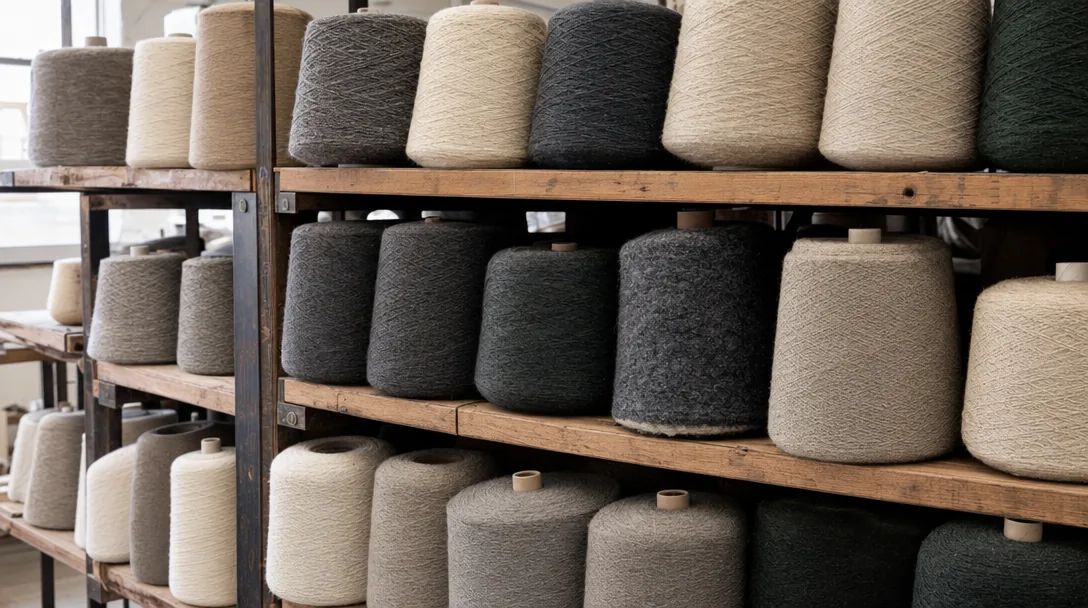
Cotton vs Polyester vs Wool: A Cap Fabric Decision Tree is one of the most-asked questions we receive from international buyers, and for good reason. With dozens of factories competing for your order and an alphabet soup of technical terms in every supplier quote, even experienced importers can feel lost. This guide consolidates what we have learned producing custom hats for clients in 40+ countries.
The three dominant cap fabric families
If you are choosing a cotton vs polyester cap for a standard custom order, you are really choosing between three fabric families that cover about 95% of what leaves a cap factory: cotton woven twill or canvas, polyester woven twill or microfiber performance, and wool blend materials, usually 80/20 acrylic-wool or 100% melton. That is the practical reality of cap fabric selection. Cotton gives a softer hand and a more natural drape, but it can shrink if the fabric was not properly prewashed and it tends to hold sweat marks. Polyester is more stable under heat and washing, and it holds color better when the buyer is picky about pantone matching, but the hand feel can be slick if the yarn denier and weave are not chosen well. Wool blends sit in the middle for structure and premium appearance, especially on classic baseball shapes and varsity-inspired programs.
For a fabric for embroidered cap programs, cotton twill is usually the safest starting point because it takes needle penetration cleanly and does not melt under high-speed embroidery heads like Tajima, Barudan, or ZSK. A standard 280 to 350 gsm cotton twill works well for front panels, while canvas is better when the buyer wants a heavier, more rugged silhouette. Polyester twill around 200 to 260 gsm is common for promotional and sports accounts because it is cheaper to bulk-dye, colorfast, and easier to spec as a moisture wicking cap fabric when the back panels are mesh or perforated. Wool vs cotton hat decisions usually come down to seasonality and image: wool blends read more premium and structured, but cotton is easier for everyday wear and lower-risk sourcing.
Specialty materials like corduroy, denim, suede, and nylon ripstop do exist, but they are still a small slice of the market, maybe 5% of orders, because they add cost, slower cutting, and more rejection points during AQL 2.5 inspection. Denim and corduroy look good on fashion drops, but they are less forgiving in embroidery registration and can distort if the pattern is not stabilized correctly. Nylon ripstop is useful when the buyer wants lightweight utility styling, but it is not the best fabric for custom hats if the goal is clean logos and repeatable bulk production. In practice, the best fabric for custom hats is the one that matches the use case: cotton for hand feel, polyester for durability and color stability, wool blend for premium structure. On the factory floor, that choice is usually made before sample approval, because changing the fabric later changes stitch density, crown behavior, and final fit.
When cotton wins
Cotton twill in the 6.4–7.5 oz range is still the default for streetwear and casual retail because it behaves predictably in production and it feels right on the head. A 100% cotton 20/16 or 21/16 twill has enough body to hold a structured crown, but it is still soft enough for unstructured dad hats and low-profile baseball caps. If you are comparing a cotton vs polyester cap for retail, cotton usually wins when the buyer cares about hand-feel, a less shiny surface, and a more premium “natural” story. It also takes garment washing well, so pigment-dyed or enzyme-washed finishes can create that broken-in look brands want without making the cap feel flimsy.
For embroidery, cotton is forgiving as long as the fabric is not too loose. On a proper 7 oz twill with a decent fusible backing, a 10,000–12,000 stitch front logo will sew cleanly on Tajima, Barudan, or ZSK heads with less puckering than many lightweight synthetics. That is why cotton is often the best fabric for custom hats when the design is a simple front hit, tonal lettering, or a small side mark. The tradeoff is moisture management: cotton absorbs sweat, so it is not the moisture wicking cap fabric you want for running, golf, or other high-output use. It is a better fabric for embroidered cap programs where the cap is worn casually, not abused.
In cap fabric selection, cotton makes the most sense for dad hats, lifestyle brand drops, retail capsules, and any program where “natural” positioning matters more than technical performance. A wool vs cotton hat decision usually comes down to season and price point: wool or wool-blend fabrics feel warmer and more classic for autumn collections, but cotton is easier to source consistently, easier to wash, and usually cheaper at scale. In FOB terms, a standard cotton twill dad hat can land around $1.35–$2.10 depending on wash, closure, and embroidery complexity, while wool-blend versions usually run higher because the fabric and handling costs are less forgiving.
When polyester wins
Polyester wins when the cap has to perform, not just sit on a shelf. In a cotton vs polyester cap comparison, rPET and microfiber polyester are the materials I reach for first on athletic team caps, golf programs, festival merch, and outdoor brand drops because they dry fast, hold shape, and do not soak up sweat the way cotton does. A 100% polyester twill or birdseye knit at 150 to 220 gsm is common for performance crowns; if the buyer wants a softer hand, microfiber polyester around 110 to 130 gsm still gives good drape without feeling plasticky. For cap fabric selection, polyester is usually the safest answer when the brief includes heat, humidity, travel, or repeated wear.
The real advantage is moisture management and color stability. A properly finished moisture wicking cap fabric moves sweat through the yarn structure and dries much faster than cotton, which matters on golf courses, sidelines, and outdoor event crews. Polyester also takes sublimation beautifully, which is why it is the best fabric for custom hats when the design uses all-over graphics, gradients, or bright branding that must stay sharp after washing. With dyed polyester, we can usually hold Pantone TCX targets within Delta-E 2 to 3 if the lot is controlled; sublimated prints can look even cleaner because the color sits inside the fiber, not on top. That is why esports merch and festival collections lean hard toward polyester.
There is a tradeoff, and buyers should be honest about it. Polyester does not feel as naturally breathable as a cotton twill or as warm and textured as a wool vs cotton hat build, so if the brand story is premium lifestyle rather than activewear, polyester can read too technical. But for a fabric for embroidered cap applications, it is still strong: the fabric tension stays stable under Tajima, Barudan, or ZSK heads, puckering is easier to control, and the crown is less likely to shrink around the embroidery after washing. Our standard practice is to spec polyester when the cap needs durability, sweat resistance, and consistent production across 5,000 to 20,000 pieces, especially for sports licenses and outdoor programs where failure shows up fast.
When wool blend wins
When wool blend wins, it usually wins on handfeel and structure, not on breathability. The old-school 80/20 acrylic-wool melton is still the heritage standard for fitted caps and snapbacks because it holds a crisp front panel, hides minor cutting flaws, and gives the crown that dense, premium retail feel buyers expect from sportswear and streetwear. If you’re comparing a cotton vs polyester cap for a polished retail program, melton sits in a different lane: heavier, warmer, less casual, and much better at looking “finished” straight off the line. For cold-weather drops and pro-style silhouettes, it’s often the most reliable fabric for embroidered cap orders because the surface stays stable under dense satin stitch.
From a production standpoint, wool blend caps are forgiving in the right way and demanding in the wrong way. A 12–14 oz melton will take embroidery cleanly on Tajima, Barudan, or ZSK heads, especially for thick logos, chenille-style references, and high-stitch-count emblems, but you still need to control hoop tension and backing so the crown doesn’t pucker. The wool content gives depth and a softer luster than pure polyester, while acrylic helps with cost and abrasion resistance. In my experience, this is often the best fabric for custom hats when the buyer wants a premium, heritage look and can accept a warmer cap body that is not built as a moisture wicking cap fabric.
For cap fabric selection, I tell buyers to use wool blend when the product story is about legacy, team culture, or elevated streetwear rather than summer utility. A wool vs cotton hat comparison usually comes down to seasonality and silhouette: cotton feels more relaxed and breathable, but melton gives you that structured fitted-cap profile that reads expensive at retail. On a factory costing basis, 80/20 melton usually lands higher than standard cotton twill but below some specialty performance blends, and the resale support is better if the branding is strong. If you need a snapback that looks like it came from a real sports-license program or a winter capsule that photographs well, wool blend is the safer call.
Cost differential and retail positioning
Cotton twill 6.4 oz is still the baseline for a reason: it cuts cleanly, sews predictably, and usually keeps the FOB where entry-level custom caps need to be. Moving to premium cotton twill 7.5 oz typically adds about $0.20-$0.40 per piece, mainly because you’re paying for tighter weave, better handfeel, and fewer shade variations between lots. For a cotton vs polyester cap decision, that difference is small on paper, but it matters when you’re ordering 3,000 to 10,000 units and every 10 cents affects margin. Microfiber polyester often comes in only $0.20-$0.50 above baseline too, which is why it is a common answer when buyers want a moisture wicking cap fabric without jumping to a technical sports program. The more visible jump is wool. An acrylic-wool blend usually lands $0.80-$1.20 above cotton twill, and 100% wool melton is typically $1.50-$2.30 higher, before you add structured buckram, taped seams, or specialty lining. That is why a wool vs cotton hat is not really a fabric-only comparison; it is a positioning decision. Wool gives you warmth, density, and a premium drape that reads better in winter collections and heritage streetwear, but it also raises reject risk on brushing, pilling, and color consistency. Recycled polyester with GRS paperwork usually adds $0.40-$0.70, which buyers accept when sustainability claims are tied to the retail story and audited chain-of-custody documents. Retail pricing is where the math stops being linear. A $0.40 fabric upgrade can easily support a $6-$15 MSRP increase if the cap fabric selection is aligned with the brand’s channel: embroidered corporate programs, golf, outerwear, or limited streetwear drops all tolerate different markup structures. In our standard practice, the best fabric for custom hats is not the cheapest material that passes QC; it is the one that survives the intended decoration and retail story. A fabric for embroidered cap applications should be judged by stitch density, crown stability, and colorfastness, because once a Tajima or ZSK head lays 12,000 stitches on a soft crown, the wrong base fabric will telegraph through the whole product.
Decoration receptiveness by fabric
Decoration performance is where cap fabric selection stops being theoretical and starts affecting reject rates. Cotton is the easiest substrate I work with: 100% cotton twill, brushed cotton, and chino all take flat embroidery, 3D puff, woven patches, PVC patches, screen print, and heat-transfer labels without much drama. On a standard 6-panel dad cap, a 40 mm 3D puff logo on the front panel will usually hold its edge well if the fabric is at least 230–260 gsm and the backing is properly stabilized. If you are choosing the best fabric for custom hats and want the widest decoration menu, the cotton vs polyester cap decision is usually decided by hand feel and wash behavior, not by decoration limits.
Polyester behaves differently. Sublimation is only valid on polyester or high-poly blends, and it is the cleanest option when you want full-color graphics without hand-feel buildup; try that on cotton and the image will simply not bond correctly. For a moisture wicking cap fabric, polyester mesh, micro-poly twill, and performance interlock still accept flat embroidery, applique, and woven patches just fine, but the thread tension and underlay need to be set to avoid puckering on low-stretch crowns. In production, I treat polyester as the smarter choice for sports and promo programs where a fabric for embroidered cap also needs fast-dry performance, while cotton remains better when buyers want a more natural surface and broader print compatibility.
Wool melton is a different animal and is one reason a wool vs cotton hat comparison never ends up being purely about warmth. Melton is dense enough that 3D puff embroidery and tight satin-stitch logos look sharp, because the pile is short and the edge definition stays clean; a patch will also work, but the most premium result is usually a small woven label or micro-embroidered crest with tight stitch density. On brushed cotton or brushed wool, I usually reduce top tension slightly and back off presser-foot pressure because the nap can grab thread and distort outlines, especially on curved panels and visor seams. That is the practical side of choosing the best fabric for custom hats: the decoration that looks best is often the one that matches the fabric structure, not just the buyer’s artwork.
Sustainability framing
If you are framing a cotton vs polyester cap decision for retail, sustainability claims need to be specific or they do not hold up under buyer due diligence. Cotton is usually the easiest story to sell, but the premium claim is GOTS organic cotton, not just “natural fiber.” In practice, GOTS fabric often adds about $0.25 to $0.60 per cap depending on weight and weave, and it gives you a defensible chain-of-custody claim on the hangtag and product page. For custom programs, that matters because the best fabric for custom hats is rarely the cheapest fabric; it is the one that matches your margin target, decoration method, and sustainability narrative without creating compliance risk.
For polyester, the standard sustainability angle is GRS-certified recycled polyester (rPET), usually spun from post-consumer bottles or production waste. A well-made 100% rPET twill or mesh can cost only $0.15 to $0.40 more per cap than virgin polyester, but the paperwork matters as much as the handfeel: you need valid transaction certificates, supplier scope certificates, and consistent lot tracing. This is especially important for a fabric for embroidered cap program, because recycled yarns can vary in dye uptake and stitch penetration, so we usually test thread tension and backing before bulk. If the question is moisture wicking cap fabric, rPET performs well when the weave is engineered correctly; it is not automatically breathable just because it is recycled.
Wool has the cleanest premium story for cold-weather headwear, but the wool vs cotton hat choice is less about fashion language and more about end-use. RWS-certified wool gives you humane animal welfare messaging and traceability through the chain, and that can add roughly $0.40 to $1.20 per cap depending on blend, yarn count, and whether the shell is brushed or felted. It reads more upscale than basic cotton twill, but it is also heavier and less forgiving in hot climates. In cap fabric selection, I would treat wool as a seasonal, limited-assortment material: strong for heritage, golf, and workwear buyers, weak for summer promo programs. The sustainability premium is real, but it only works when the product story matches the market temperature and the decoration method.
The practical takeaway is that sustainability should support the selling point, not replace it. GOTS, GRS, and RWS each unlock a premium retail story, but none of them fix bad patterning, weak seam tape, or poor embroidery placement. For an international buyer, the smarter move is to decide first by end use—breathable summer dad cap, structured streetwear cap, or cold-weather wool six-panel—then layer the certification on top. On factory orders, we usually see the strongest sell-through when the material claim, color standard, and decoration are all aligned, with Pantone TCX matching controlled to a Delta-E target under 2.0 and the certification documents ready before shipment. That is what makes the sustainability message credible at shelf level.
Frequently Asked Questions
What file format should I send for my logo?
Vector files (AI, EPS, PDF) are ideal. High-resolution PNG or JPG at 300 dpi on transparent background works as a fallback. Provide Pantone color references for accurate reproduction.
Which shipping methods do you support?
We support FOB, CIF and DDP shipping. Air express for samples and small orders, sea LCL for 100 to 500 pieces, sea FCL for 5,000+ pieces. Door-to-door DDP available for US, EU, UK, Canada and Australia.
Do you support sustainability certifications?
Yes. We work with GOTS organic cotton, GRS-certified recycled polyester, OEKO-TEX Standard 100 fabrics, and are BSCI and Sedex audited. Certification documentation can be provided per order.
What logo decoration techniques do you offer?
3D puff embroidery, flat embroidery, woven patch, leather patch, PVC patch, screen printing, sublimation, applique and laser etching, all in-house with no subcontracting.
What is the minimum order quantity (MOQ) for custom hats?
Our standard MOQ is 100 pieces per design and color, with sampling available from 1 piece. For complex multi-color logos or premium fabric upgrades, the MOQ can be lowered with a small per-piece surcharge.
What's the MOQ for custom embroidered trucker hats no minimum?
When evaluating custom embroidered trucker hats no minimum, the key considerations are construction quality, decoration capability, MOQ flexibility and lead time. Cotton (woven twill or canvas), polyester (woven twill or microfiber performance), and wool blend (typically 80/20 acrylic-wool or 100% melton). 95% of custom caps fall into one of these three families; specialty fabrics (corduroy, denim, suede, nylon ripstop) appear in 5% of orders. Cotton twill 6.4-7.5 oz is the streetwear and casual retail default. Soft hand-feel, takes…
What's the MOQ for custom embroidered baseball caps no minimum?
When evaluating custom embroidered baseball caps no minimum, the key considerations are construction quality, decoration capability, MOQ flexibility and lead time. Cotton (woven twill or canvas), polyester (woven twill or microfiber performance), and wool blend (typically 80/20 acrylic-wool or 100% melton). 95% of custom caps fall into one of these three families; specialty fabrics (corduroy, denim, suede, nylon ripstop) appear in 5% of orders. Cotton twill 6.4-7.5 oz is the streetwear and casual retail default. Soft hand-feel, takes…
How does ordering custom trucker hat near me work?
When evaluating custom trucker hat near me, the key considerations are construction quality, decoration capability, MOQ flexibility and lead time. Cotton (woven twill or canvas), polyester (woven twill or microfiber performance), and wool blend (typically 80/20 acrylic-wool or 100% melton). 95% of custom caps fall into one of these three families; specialty fabrics (corduroy, denim, suede, nylon ripstop) appear in 5% of orders. Cotton twill 6.4-7.5 oz is the streetwear and casual retail default. Soft hand-feel, takes…
What's the MOQ for custom embroidered hats no minimum no setup fee?
When evaluating custom embroidered hats no minimum no setup fee, the key considerations are construction quality, decoration capability, MOQ flexibility and lead time. Cotton (woven twill or canvas), polyester (woven twill or microfiber performance), and wool blend (typically 80/20 acrylic-wool or 100% melton). 95% of custom caps fall into one of these three families; specialty fabrics (corduroy, denim, suede, nylon ripstop) appear in 5% of orders. Cotton twill 6.4-7.5 oz is the streetwear and casual retail default. Soft hand-feel, takes…
Need a low-MOQ test order?
We help emerging brands launch with as few as 100 pieces. Premium fabric, in-house embroidery, retail-ready packaging.
Start a small orderRelated guides
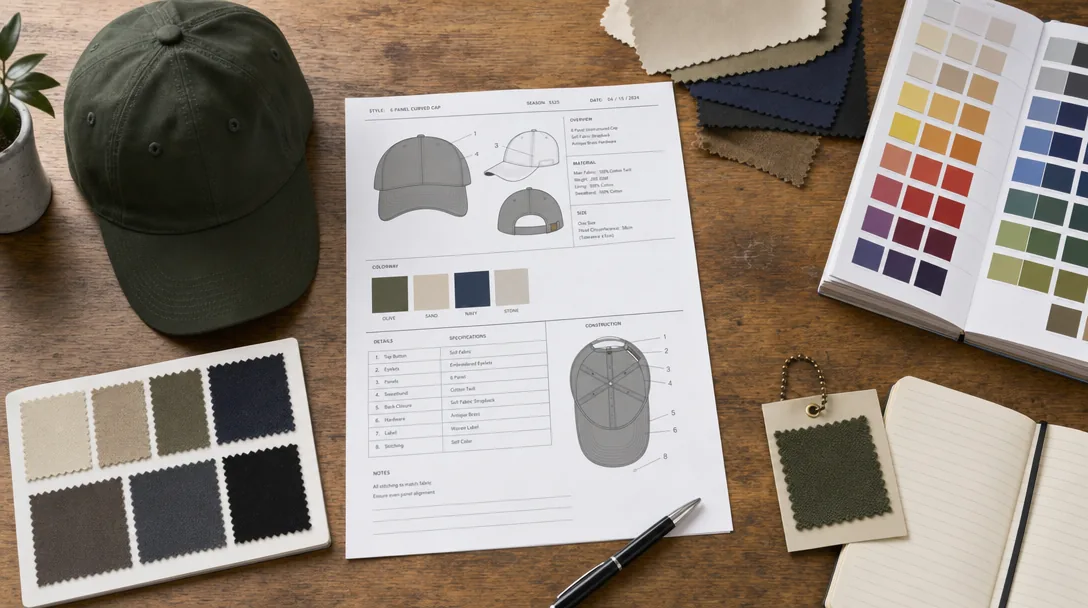
Switching Hat Manufacturers Mid-Program Without Losing Quality
Read article →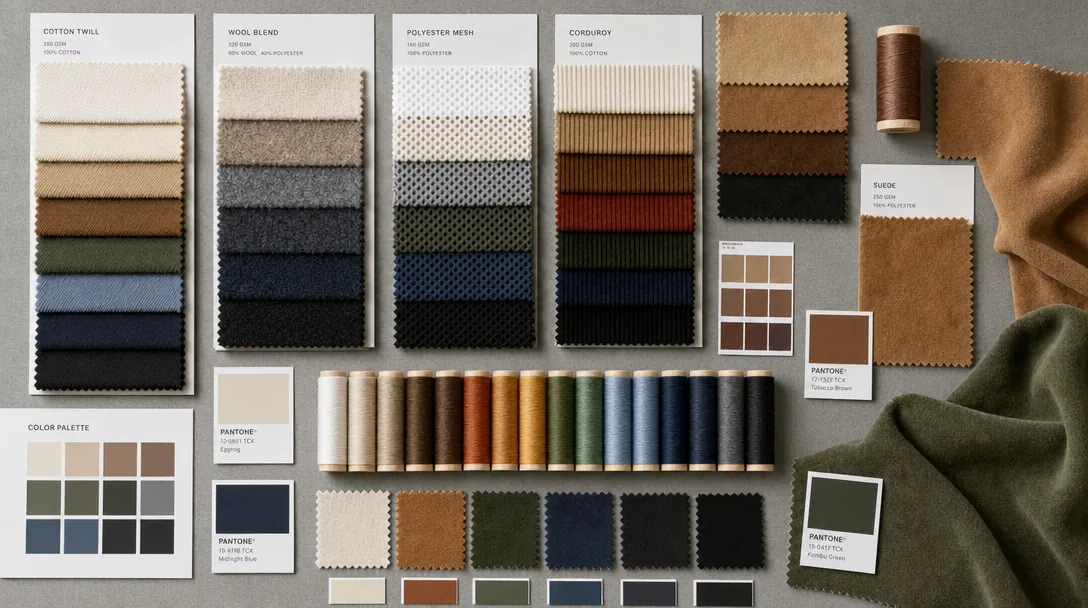
Corduroy Hat Men's: Properties, Costs and How to Spec It Right
Read article →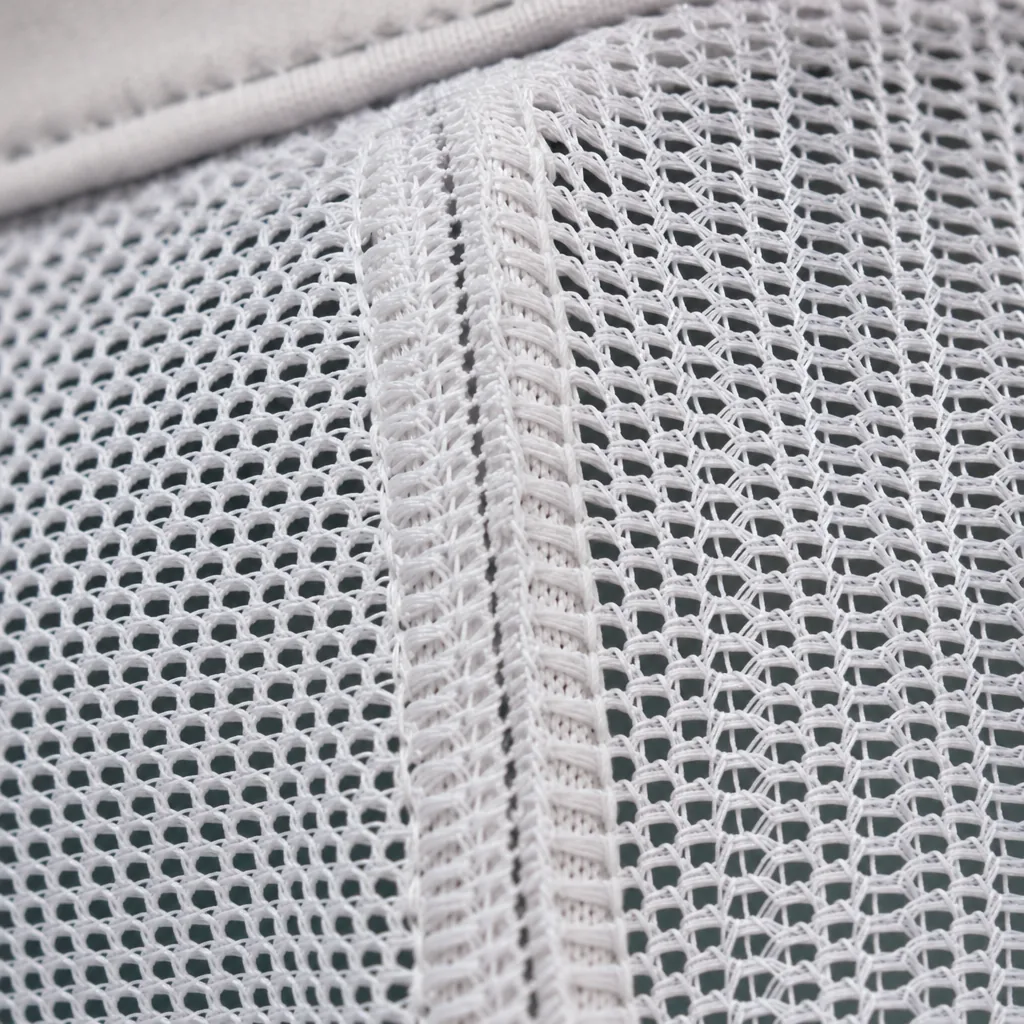
Custom Hat Trucker: The 2026 Sourcing & Manufacturing Playbook
Read article →If you are ready to take the next step on cotton vs polyester vs wool: a cap fabric decision tree, our team can put a tailored quotation and digital mock-up in your inbox within 24 hours. Send the inquiry form on our contact page or message us directly on WhatsApp.