
9 Cap Decoration Techniques Compared: Embroidery, Patches, Printing & More
For brand owners, wholesalers and procurement teams entering the custom headwear category, 9 cap decoration techniques compared: embroidery, patches, printing & more is one of the highest-leverage decisions you will make. Get it right and your unit economics, retail story and reorder cycle all improve. Get it wrong and you carry the cost for years.
3D puff embroidery
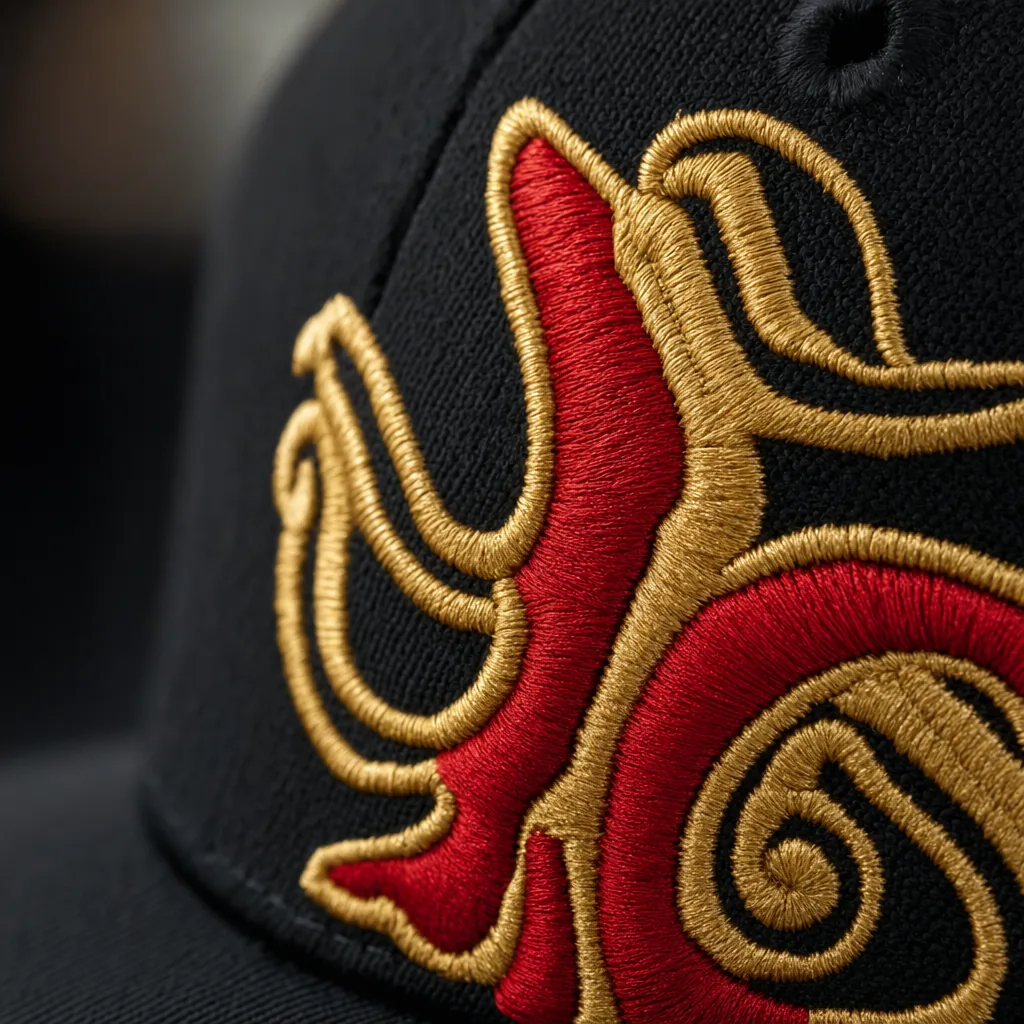
3D puff embroidery is the quickest way to make a cap look more expensive without adding a patch or changing the fabric. The raised effect comes from inserting a low-density foam under satin stitches, usually 2–3 mm thick, so the logo stands off the surface instead of sitting flat. It works best on structured six-panels, especially mid-profile and high-profile crowns, where the front panels have enough stiffness to hold the relief. If the design is block lettering, a simple monogram, or a short team name, this is one of the strongest cap decoration techniques because the shape reads clearly from 3–5 meters away. For a clean result, the digitizing has to leave enough stitch coverage to lock the foam edges; otherwise, the foam will peek through or collapse after a few wears.
On the factory floor, I would not use 3D puff for tiny scripts, thin serifs, or detailed logos with sharp internal counters. Once you drop below about 8–10 mm letter height, the foam and thread bulk start fighting the artwork. Typical production uses 40 wt polyester thread with dense top-stitching, and the foam is cut back after embroidery by heat or manual trimming. Compared with flat embroidery, you usually add USD 0.40–1.20 per cap depending on stitch count, number of colors, and whether the cap needs extra backing. If you are comparing hat customization methods for a streetwear drop or team headwear, puff gives a premium visual hit without the cost of embroidery patch printing or a molded badge, but it does need a structured crown and a simplified layout.
The main failure point is poor digitizing, not the machine. On Tajima, Barudan, or ZSK heads, the stitch angle, pull compensation, and edge sequencing have to be tuned so the foam does not gap at corners. We usually keep 3D puff away from seam crossings, eyelets, and very curved panels because the raised area distorts faster than flat embroidery. If the brand wants more texture, a common alternative is a custom leather patch hat with your logo, but that is a different look entirely: flatter, cleaner, and less athletic. For buyers trying to compare hat decoration options, 3D puff sits in a specific lane — bold, premium, and best when the artwork is simple enough to survive the extra thickness.
Flat embroidery
Flat embroidery is still the benchmark when buyers ask for cap decoration techniques that look clean, hold up in washing, and read well from 3 to 10 meters away. It is stitched directly into the fabric, so there is no glue line, no edge lifting, and no film cracking. On a 280-320 gsm cotton twill five-panel or six-panel cap, a properly digitized logo with 0.35-0.45 mm satin column spacing and correct underlay will stay crisp for years. That is why sports teams, workwear programs, and streetwear brands keep coming back to it when they compare hat decoration methods for repeat production rather than one-off samples.
The look is classic and slightly retro because thread has natural texture; it does not try to imitate print. Polyester embroidery thread at 40 wt is the standard choice for abrasion resistance and colorfastness, and the color match can usually stay within Delta-E 1.5 to 2.0 if the artwork is digitized correctly and the thread chart is handled properly. The main limitation is detail: tiny gradients, photographic shading, and very small text can collapse if the cap crown is too curved or the stitch count is pushed too high. In practice, a clean left-chest-size logo on a cap front is usually 6,000 to 9,000 stitches; beyond that, the cost and puckering risk rise fast.
Flat embroidery also works on more cap constructions than most other custom cap logo options because it tolerates cotton twill, brushed cotton, polyester, nylon, and even washed denim better than rigid patches or heavy screen print. On structured caps, backing and hoop tension matter more than decoration style itself; on unstructured dad hats, the same design needs lighter density so the crown does not pucker. When buyers compare hat decoration for bulk orders, I usually put flat embroidery first for durability and second for perceived value, while embroidery patch printing and a custom leather patch hat with your logo make more sense when the artwork needs a different texture or faster setup.
Woven label patch
Woven label patches are one of the most practical cap decoration techniques when the logo has fine text, thin outlines, or 4 to 8 colors that would look muddy in direct embroidery. A good woven label can hold much tighter detail than satin stitch, usually down to about 0.2 to 0.3 mm line width if the artwork is cleaned up correctly. That makes it a strong option for brand marks, woven badges, and small left-front applications where you want a crisp, retro feel without paying for high-stitch embroidery. For buyers comparing hat customization methods, this is often the sweet spot between visual complexity and unit cost.
From a production standpoint, woven labels are cheaper than many people expect because the artwork is converted into loom files rather than digitized stitch-by-stitch like embroidery. On volume orders, a woven patch can land around $0.18 to $0.45 per piece, depending on size, edge finish, and whether it is sewn flat, merrowed, or heat-applied before final stitching. The best results come on heavier cap fabrics like 260 to 300 gsm cotton twill, washed canvas, or structured 5-panel fronts, where the patch sits flat and does not pucker. If you need compare hat decoration options for a multi-color logo, woven labels usually beat embroidery patch printing on clarity and consistency.
The main limit is texture: woven labels look refined, but they do not have the raised depth of 3D embroidery or the premium hand feel of a custom leather patch hat with your logo. They also need clean edge management, because a loose sew line or bad heat seal can make the patch lift after repeated wear. Our standard practice is to test adhesion on the exact shell fabric and run a wash/abrasion check before bulk production, especially for sports caps or promotional programs that need lower return risk. For brand owners who want clean branding at scale, woven labels are one of the most reliable custom cap logo options when the artwork is detailed and the budget is controlled.
Leather / faux leather patch
Leather and faux leather patches are the easiest way to push a cap out of “promo item” territory and into retail pricing. They carry a premium look because the surface has depth: debossing compresses the grain, engraving gives a cleaner line edge, and UV or screen printing can add color without changing the patch shape. On structured cotton twill or brushed polyester, the patch usually sits better on the front panel than embroidery does, especially when you want a flatter, cleaner silhouette. Among cap decoration techniques, this is one of the better choices when the artwork is simple, bold, and centered on a brand mark or wordmark.
From a production point of view, the material choice matters more than most buyers expect. Genuine leather runs more expensive, often adding $0.60–$1.50 per cap depending on thickness, hide quality, and patch size, while PU faux leather is usually cheaper and more stable for color matching. We typically see 0.8 mm to 1.2 mm thickness work best for caps; thicker patches can curl on curved front panels and create stitch stress. If you need exact branding, keep fine text out of the deboss area because small lettering fills in fast. For compare hat decoration decisions, this method sits between embroidery and woven labels: less tactile than raised stitching, but cleaner for minimalist branding and better for custom cap logo options that need a premium retail feel.
Application is straightforward but unforgiving if the patch is oversized or the cap front is too soft. A heat-applied faux leather patch can lift after repeated washing if the adhesive film is weak, so stitched perimeter attachment is safer for long wear, especially on truckers and dad caps with heavier use. For custom leather patch hat with your logo projects, ask for Pantone-matched print on PU, edge color consistency, and a sample under daylight because black-on-brown can read muddy in photos. Compared with embroidery patch printing, leather patches give you the strongest premium impression at low stitch count, but they are not the best choice for tiny logos, gradients, or highly detailed artwork.
PVC / silicone rubber patch
PVC and silicone rubber patches are the right answer when you need a bold 3D logo that survives weather, abrasion, and rough handling. Among cap decoration techniques, this one gives you the cleanest raised profile without relying on thread density, so small details stay readable at a distance. I’ve seen them hold up well on trucker caps, snapbacks, and promotional headwear that spends months in sun and rain, especially when the patch is molded thick enough to carry depth but not so heavy that it pulls the front panel down. The material choice matters: soft PVC feels more toy-like and glossy, while silicone rubber has a cleaner matte finish and usually looks more premium on streetwear-style programs.
The real advantage is shape control. Unlike embroidery or embroidered patch printing, PVC and silicone can follow freeform outlines, cut-out negative spaces, and multi-level relief that would be expensive or messy in thread. That makes them useful for custom cap logo options where the mark is a symbol, mascot, map outline, or anything with hard edges and small internal shapes. For outdoor brands, sports teams, or event merch, this is one of the few hat customization methods that keeps a strong logo read after repeated flexing. If the client wants a custom leather patch hat with your logo aesthetic but needs more color punch and a tougher surface, rubber patch is often the better tradeoff.
Production is straightforward but not forgiving. The mold must be clean, and the debossed lines need enough width because anything too fine will blur after curing. Typical patch thickness runs about 1.5 to 3.0 mm, with 3D zones pushed higher if the artwork allows it, and attachment is usually heat-seal backing, sewing, or both on higher-end caps. For buyers comparing hat decoration, the practical issue is not just appearance but cost and yield: small runs can be surprisingly expensive because mold setup dominates, while larger orders become efficient fast. If the artwork is simple and the target is durable retail or promo headwear, PVC and silicone are often stronger choices than people expect in the broader mix of cap decoration techniques.
Screen printing on flat brim
Screen printing works best on flat-brim snapbacks and trucker visors when the art is bold, low-detail, and meant to sit on a clean front panel. On a flat surface you can hold registration tightly, so spot colors stay crisp and the ink edge looks intentional instead of fuzzy. I’d use it for one- to three-color logos, large type, numbers, and block graphics where the buyer wants a loud streetwear look. Among cap decoration techniques, this is one of the cheapest ways to get strong visual impact without paying for a stitch file or a woven patch.
The catch is that screen printing is unforgiving on textured fabric and curved panels. On 100% cotton twill or polyester foam fronts, a good plastisol print can run roughly $0.35 to $0.90 per cap at factory scale, but the setup only makes sense if the order is large enough to amortize screens and color separations. If the ink is too heavy, it cracks on the crown fold; if the mesh count is wrong, fine lines fill in. For hat customization methods, this sits in the same lane as transfer work: fast, cheap, and best when the art is simple. A decent factory will check registration against Pantone TCX targets and keep Delta-E under 2.0 for repeat orders.
Compared with embroidery patch printing, screen printing gives a flatter hand feel and a cleaner silhouette, but it does not have the premium texture that buyers expect from a custom leather patch hat with your logo or from raised embroidery. That is why I usually recommend it for promo runs, concert merch, and sports giveaway caps where the price point matters more than long-term abrasion resistance. If you need durability in sun and sweat, use a proper underbase on dark fabric and avoid very thin strokes. When buyers compare hat decoration options, screen printing wins on speed and cost, but it loses once the design needs depth, premium branding, or a more structured custom cap logo options package.
Sublimation print on polyester
Sublimation print on polyester is the only decoration route in cap decoration techniques that can give you full-panel color without adding hand feel or edge build-up. The dye turns into gas under heat and pressure, so it bonds into the polyester fibers instead of sitting on top like plastisol or water-based ink. That means no cracking, no peeling, and no stiff print border, which is why it works well on 100% polyester performance caps, trucker foam fronts with polyester covers, and some recycled PET fabrics. If the cap body is cotton, canvas, wool, or a poly/cotton blend with too little polyester content, the color transfer will be weak or uneven and you should not pretend it is a viable production option.
The main advantage is visual freedom: gradients, photo-level artwork, camouflage, sports graphics, and edge-to-edge patterns all print cleanly, so it sits high on the list when buyers want to compare hat decoration for bold seasonal drops or team merch. In factory terms, the usable fabric has to be white or very light; sublimation does not print white ink, so the base color becomes part of the design. We typically check fabric shrinkage, coating consistency, and heat tolerance before pressing, because a 190-210°C cycle can distort low-grade polyester, especially around seams and laminated brims. For color control, buyers should expect a Delta-E target around 2.0 to 3.0 on approved strikes, but exact matching depends on the fabric lot and the transfer paper profile.
For custom cap logo options, sublimation is not the right answer if you need a premium raised logo or a leather badge look. It is best for all-over graphics, uniform patterns, and lightweight sports hats where breathability matters more than tactile decoration. If you want a custom leather patch hat with your logo, embroidered badge, or 3D puff treatment, those are separate hat customization methods with different labor and cost structures. Sublimation also has a practical limitation on shape: curved crowns and seam-heavy panels can create slight image distortion at the stitch lines, so good pattern engineering matters. On a standard polyester five-panel cap, the decoration cost is usually low compared with embroidery, but setup still requires proper artwork wrapping and color separation if the design spans multiple panels.
Applique stitching
Applique stitching is one of the most reliable cap decoration techniques when you want a bold, old-school athletic look without paying for full embroidered fill. You’re essentially laying one fabric shape over another and locking it down with a satin or zigzag stitch, so the logo reads bigger than its stitch count. On a 5-panel or 6-panel cap, applique works especially well for varsity letters, team marks, and block graphics because it gives dimension at lower thread density than direct embroidery. Compared with flat embroidery, it can cut stitch count by 20% to 40%, which matters on large front panels where dense embroidery can make the crown stiff and hot.
Material choice matters more than most buyers expect. Twill, felt, and brushed cotton are the usual substrates because they cut cleanly and don’t fray excessively under the edge stitch. If you want a clean vintage result, the top layer should usually be 0.8 to 1.2 mm thicker than the base panel so the silhouette stays readable after wash and wear. In factory terms, applique is one of the hat customization methods that tolerates imperfect detail better than fine embroidery, but registration still has to be tight; if the cut line is off by even 1.5 mm, the whole logo looks lazy. That’s why it sits in the middle when you compare hat decoration options for sportswear and heritage brands.
The downside is that applique stitching is not the best choice for tiny text, gradients, or soft-edged artwork. If the design relies on small counters or delicate linework, embroidery patch printing or direct print will usually reproduce it better. Applique also adds seam bulk, so on low-profile crowns you need to check whether the front panel can still fold naturally without a hard ridge. For buyers deciding between custom cap logo options, I usually recommend applique when the goal is a custom leather patch hat with your logo feel, but using fabric instead of leather and keeping the shape simple: letters, shields, numerals, and collegiate marks hold up best.
Laser etching
Laser etching is the cleanest option when you want a tonal mark instead of a loud graphic. On wool caps, the laser burns the surface nap just enough to reveal a darker or lighter contrast, depending on the fiber blend and coating. On genuine leather or suede, it creates a crisp, low-relief logo that looks expensive without adding bulk. For premium streetwear and corporate gifting, this is one of the few cap decoration techniques that reads as deliberate rather than promotional. If the brief is understated luxury, laser etching usually beats embroidery patch printing because it does not fight the texture of the base material.
The process works best on dark wool, brushed cotton, PU leather, and top-grain leather with a stable finish. You need controlled power settings and a test swatch, because overburn will harden the hand-feel or leave a shiny edge that looks cheap. In production, we check logo stroke width at about 0.8 mm minimum, and fine serif details often disappear if the artwork is too delicate. Compared with other hat customization methods, laser etching gives you less color but more restraint, which is exactly why it is popular for luxury caps, golf headwear, and a custom leather patch hat with your logo when the buyer wants no obvious branding.
For custom cap logo options, laser etching is strongest when paired with structured silhouettes and premium trims: wool-blend six-panels, leather strap backs, or matte metal buckles. It is not the right answer for high-visibility promo caps, since there is no Pantone matching and no bright contrast unless the substrate naturally produces it. If you compare hat decoration across the board, this sits near the top for subtlety and durability, but below embroidery for color accuracy and below printed methods for complex gradients. In practice, it is a niche choice, but a very good one when the brief says quiet, sharp, and expensive rather than branded from across the room.
Frequently Asked Questions
Which shipping methods do you support?
We support FOB, CIF and DDP shipping. Air express for samples and small orders, sea LCL for 100 to 500 pieces, sea FCL for 5,000+ pieces. Door-to-door DDP available for US, EU, UK, Canada and Australia.
Do you support sustainability certifications?
Yes. We work with GOTS organic cotton, GRS-certified recycled polyester, OEKO-TEX Standard 100 fabrics, and are BSCI and Sedex audited. Certification documentation can be provided per order.
What file format should I send for my logo?
Vector files (AI, EPS, PDF) are ideal. High-resolution PNG or JPG at 300 dpi on transparent background works as a fallback. Provide Pantone color references for accurate reproduction.
How long does production take?
Sampling takes 7 to 12 days. Bulk production runs 20 to 30 days depending on quantity, fabric availability and decoration complexity. Inspection and packing adds another 3 to 5 days before shipment.
What logo decoration techniques do you offer?
3D puff embroidery, flat embroidery, woven patch, leather patch, PVC patch, screen printing, sublimation, applique and laser etching, all in-house with no subcontracting.
How does ordering custom leather patch hat work?
When evaluating custom leather patch hat, the key considerations are construction quality, decoration capability, MOQ flexibility and lead time. Subtle tonal logos on wool or leather; understated luxury feel. Bold, raised, premium feel; best for block lettering and structured caps.
How does ordering custom embroidery patches for hats work?
When evaluating custom embroidery patches for hats, the key considerations are construction quality, decoration capability, MOQ flexibility and lead time. Bold, raised, premium feel; best for block lettering and structured caps. Detailed, durable, retro feel; works on all cap types.
What's the MOQ for custom leather patch hats no minimum?
When evaluating custom leather patch hats no minimum, the key considerations are construction quality, decoration capability, MOQ flexibility and lead time. Subtle tonal logos on wool or leather; understated luxury feel. Bold, raised, premium feel; best for block lettering and structured caps.
How does ordering baseball cap custom embroidery work?
When evaluating baseball cap custom embroidery, the key considerations are construction quality, decoration capability, MOQ flexibility and lead time. Detailed, durable, retro feel; works on all cap types. Bold, raised, premium feel; best for block lettering and structured caps.
Need a low-MOQ test order?
We help emerging brands launch with as few as 100 pieces. Premium fabric, in-house embroidery, retail-ready packaging.
Start a small orderRelated guides
Camouflage Bucket Hat: Properties, Costs and How to Spec It Right
Read article →
Wool Blend Caps: Manufacturing, Sourcing and Buyer Specifications
Read article →Corduroy Hat: Properties, Costs and How to Spec It Right
Read article →If you are ready to take the next step on 9 cap decoration techniques compared: embroidery, patches, printing & more, our team can put a tailored quotation and digital mock-up in your inbox within 24 hours. Send the inquiry form on our contact page or message us directly on WhatsApp.