
Wool Blend Caps: Manufacturing, Sourcing and Buyer Specifications
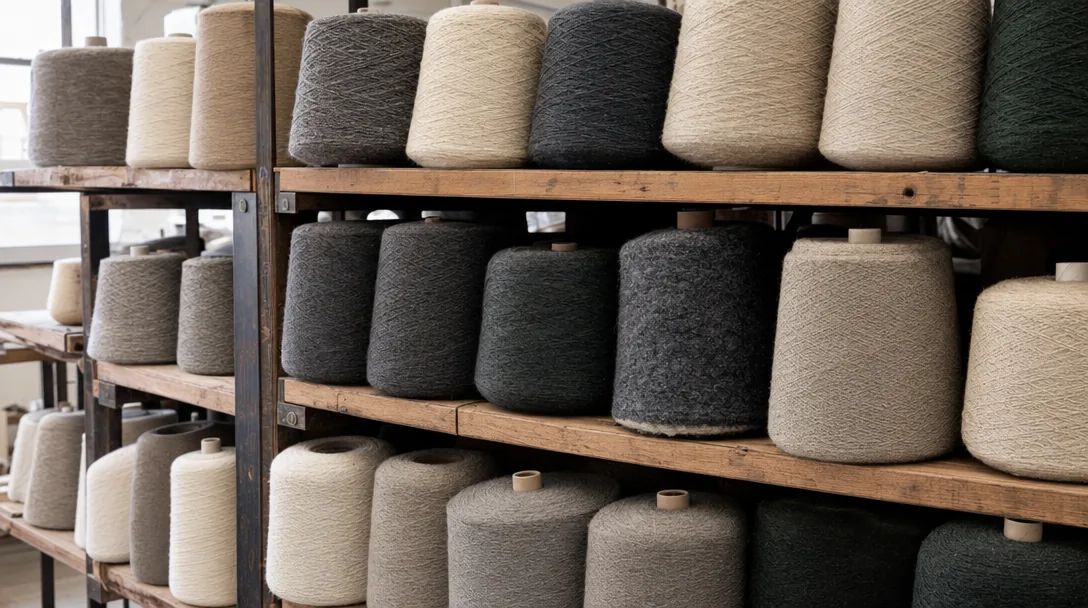
Wool Blend Caps: Manufacturing, Sourcing and Buyer Specifications is one of the most-asked questions we receive from international buyers, and for good reason. With dozens of factories competing for your order and an alphabet soup of technical terms in every supplier quote, even experienced importers can feel lost. This guide consolidates what we have learned producing custom hats for clients in 40+ countries.
The three dominant wool-blend cap fabrics
80/20 acrylic-wool is still the workhorse for sports and streetwear because it balances hand feel, cost, and color stability better than people expect. On a production floor, this blend usually comes in around 320–380 gsm for structured panels, with enough acrylic to reduce shrinkage and enough wool to keep the surface from looking synthetic. For an acrylic wool snapback, the key issue is not just composition but finish: if the fabric is brushed too aggressively, the nap pills after a few wear cycles; if it is too tightly calendared, the cap looks flat and cheap under embroidery. A solid wool blend cap manufacturer will also check shrinkage after steaming and panel cutting, because a 1.5% length drift can throw off crown symmetry on six-panel builds.
100% wool melton is the premium retail choice because it has dense body, a clean surface, and good edge control after cutting, which matters for visors, underbrims, and front panels. A true melton should feel compact, not fluffy; typical weights run 380–450 gsm, and the face needs to hold embroidery without puckering. This is where a wool cap custom order can go wrong if the buyer only spec's fiber content and ignores finishing: low-grade melton can vary by Delta-E 2.0 to 3.5 between dye lots, and you will see it immediately across a production run. As a melton wool cap factory, we usually insist on lab dips, shrinkage pretests, and needle density checks before bulk cutting, especially for darker shades like charcoal, navy, and forest green.
70/30 wool-polyester is the practical option for cold-climate athletic programs because polyester improves abrasion resistance, drying speed, and shape retention when the cap gets wet from snow or sweat. It is less luxurious than melton, but for a winter wool hat manufacturer the performance upside is real: the crown stays stiffer after repeated wear, and the fabric tolerates brushed linings, earflap builds, or bonded fleece inserts better than pure wool. Buyers should pay attention to pilling grade, seam slippage, and colorfastness under perspiration, because those failures show up fast in team and promotional orders. If you are sourcing from a wool baseball cap supplier, ask for actual test data, not just a composition sheet: ASTM pilling ratings, wash shrinkage, and an AQL 2.5 inspection plan are the minimum I would accept before approving bulk.
Why 80/20 acrylic-wool dominates baseball cap retail
80/20 acrylic-wool dominates baseball cap retail because it gives buyers the best compromise between hand feel, price, and production stability. Pure wool looks better on paper, but it is more sensitive to shrinkage, felting, and color variation after wet treatment. A decent 80/20 blend usually lands around 240-320 gsm for crown panels, with enough body to hold a structured front but not so much density that the cap turns stiff. For a wool blend cap manufacturer, that mix is easier to cut, stitch, and block consistently across different production runs, especially when the same style has to work for both blank retail and decorated team orders.
The retail reason is simple: 80/20 is cheaper than 100 percent wool, and it survives real-world wear better. Acrylic lowers fiber cost and improves wash tolerance, while wool still contributes warmth, a softer surface, and the classic matte look buyers expect from an MLB-style cap. In practice, the blend also pills less than some low-grade pure wool fabrics when the yarn is properly spun and the surface is brushed correctly. If you are sourcing from a wool baseball cap supplier, ask for colorfastness to dry and wet rubbing, plus shrinkage data after steam pressing. Those two numbers tell you more than a glossy product photo ever will.
From a decoration standpoint, this blend is forgiving. Embroidery needles pass through it cleanly, thread tension stays stable, and the fabric does not distort as badly as some lightweight synthetics when a front logo is dense. That is why a wool cap custom order with 3D puff, flat embroidery, or applique usually lands better on 80/20 than on harsher wool fabrics. For structured styles, a melton wool cap factory may still use the same face fabric but back it with buckram or fused nonwoven to control the crown, while an acrylic wool snapback often uses the blend for both appearance and cost control. If the buyer wants winter performance, the same logic applies: this is not a technical cold-weather shell, but it is the standard compromise that keeps a winter wool hat manufacturer competitive without pushing retail pricing too high.
Melton wool: premium retail and heritage brands
Melton wool is what buyers usually mean when they say they want a premium, old-school cap. The fiber is fully wool, then heavily milled and napped until the face closes up and the hand feels dense, almost felted. On the factory floor, that finish matters because it hides a lot of minor sewing variation and gives the crown a cleaner silhouette than a loose twill blend. For heritage retail, varsity programs, and limited streetwear drops, it reads expensive immediately, especially in navy, charcoal, forest, and black. A real wool blend cap manufacturer will also understand that melton behaves differently in cutting and pressing: blade drag is higher, seam allowance needs to be controlled, and steam must be managed carefully or the crown can distort.
The cost premium is real and usually justified. Compared with a standard wool-poly blend, 100% wool melton adds about $1.50 to $2.00 per cap in material and labor, sometimes more if the order needs matched color lots or tighter shade control by Pantone TCX. That increase is not just the fabric itself; it also comes from slower cutting, more careful panel handling, and extra QA to keep pilling and surface shine under control. A good melton wool cap factory will test for shrinkage after steaming and confirm hand feel after shaping, because a cap that looks right off the block can still lose its edge after packing or transit. Buyers chasing a wool baseball cap supplier should ask for actual fabric weights, usually around 380 to 480 gsm for proper melton, not vague “premium wool” descriptions.
Where melton makes the most sense is in retail SKUs where margin can absorb the upgrade and the design language depends on texture. Wool cap custom programs with felt applique, chainstitch, or flat embroidery benefit from the dense surface because the stitches sit cleaner and do not sink into the nap as they can on softer blends. For cold-weather assortments, a winter wool hat manufacturer may pair the crown with a brushed lining or light interlining, but for snapbacks the shape is usually better kept crisp with structured front panels and a firmer sweatband. If the buyer wants the same look at lower cost, an acrylic wool snapback can imitate the appearance, but it will not have the same depth, warmth, or aging behavior as melton wool.
Pilling: which blend resists best?
Acrylic-wool blends usually beat pure wool on pilling because the synthetic fiber adds abrasion resistance and stabilizes the yarn surface. In production, I see the worst pilling on low-twist carded wool with short staple length, especially when the fabric is brushed too aggressively after fulling. For a wool blend cap manufacturer, the practical target is not “no pills” — that is unrealistic on a soft cap — but controlled surface wear after repeated rubbing at the sweatband edge, front panel crease, and brim seam. A good acrylic wool snapback or wool cap custom order should start with a tighter knit or woven body, then a cleaner shearing process so loose fibers are not left standing proud.
Modal moisture-treatment can improve handfeel and reduce fuzzing in premium retail programs, but it only works when the base construction is already stable. I have seen melton wool cap factory lots where a modal finish helped the surface stay cleaner through wear, yet the result still depended on yarn twist, finishing temperature, and whether the cap was over-fulled. For a wool baseball cap supplier, the right question is not “does it contain modal?” but “what is the pill rating after abrasion testing?” If the buyer wants a winter wool hat manufacturer spec that can survive store handling and light outdoor use, they should demand a minimum Grade 4 after controlled Martindale or ICI pilling evaluation, not just a soft showroom sample.
Always test-wash 3 to 5 cycles before bulk approval, because one wash reveals shrinkage and surface bloom, but three to five cycles show whether the blend is genuinely stable. Our standard practice is to check pilling after each wash on a cut swatch and on a finished cap body, because stitching tension can change how the fabric abrades around seams. For retail orders, I would reject any batch that drops more than one full grade after the third cycle, especially on darker colors where pills are more visible under store lights. If the buyer is comparing wool blend options, ask for the exact blend ratio, yarn count, finishing method, and a wash-tested sample before confirming production — that matters more than the marketing description on the spec sheet.
Dye consistency in wool blends
Dye consistency in wool blends is usually where buyers discover whether they are dealing with a real wool blend cap manufacturer or just someone stitching panels together and hoping for the best. Wool takes acid dyes differently from acrylic, so an 80/20 wool-acrylic body can show a slight shade split under strong light: the wool fiber reads deeper and richer, while the synthetic component looks a touch flatter or lighter. On a black or navy wool baseball cap supplier run, that difference may be invisible at a glance; on heather gray, forest green, or burgundy, it shows up fast in production photos and retail QA. If the cap has multiple panels cut from different dye lots, the problem gets worse because wool batch variation stacks on top of fiber variation.
The practical fix is cross-dye processing, which is standard if the buyer wants a clean visual match for a wool cap custom order or an acrylic wool snapback. Cross-dye means one bath for the wool component and another for the synthetic component, with temperature and pH controlled so each fiber type takes color more evenly. In the factory, that usually adds about $0.10 to $0.20 per cap, depending on shade depth, batch size, and whether the fabric is already milled or needs pre-scouring. It is cheaper than trying to hide mismatch later with heavy embroidery or a dark underbrim. For a melton wool cap factory run, I would rather spend the extra centavos on dye control than explain to a buyer why 8 percent of the order looks slightly off under store lighting.
Buyers should specify color targets using Pantone TCX or a physical lab dip, not just a screen JPEG, because wool has more visual depth than acrylic and that depth changes under daylight, LED, and warehouse sodium lighting. We normally allow Delta-E under 1.5 for critical corporate colors and under 2.0 for fashion shades, but only if the customer approves the hand-feel after dyeing, since some cross-dye recipes can slightly stiffen the crown. That matters for a winter wool hat manufacturer making heavier 320-380 gsm structures, where the finish can affect how the front panel sits after embroidery. If the order is for a licensed program or a chain store rollout, insist on pre-production swatches from the exact cloth roll, not a generic shade card, because wool fiber lots can shift subtly even when the recipe is unchanged.
Sourcing certified wool: RWS, Mulesing-free
RWS is the cleanest certification route if you need traceable wool that can survive a retailer audit without a lot of解释. It covers animal welfare and chain-of-custody, so you are not just buying “wool content”; you are buying documented origin from farm through spinning mill. For EU and UK retail, mulesing-free is now treated as a baseline rather than a nice-to-have, especially for any wool cap custom program that will sit next to apparel with tighter compliance language. In practice, we source RWS-certified wool from Australia and New Zealand because the documentation is more consistent, the topmaking is better controlled, and mills there are used to providing transaction certificates and fiber blend declarations without drama.
For a wool blend cap manufacturer, the real work starts after the fiber certificate, because most buyers are not ordering 100% wool. Typical blends are 50/50 wool-poly, 80/20 wool-acrylic, or a melton wool cap factory spec with a polyester backing for structure and cost control. If you are developing an acrylic wool snapback, the handfeel can look premium at 380–450 gsm, but you need to check pilling grade, shrinkage after steam pressing, and whether the dye lot shifts under daylight to a visible Delta-E of more than 1.0 against the approved Pantone TCX. The wool cap supplier should also confirm whether the blend is brushed, felted, or piece-dyed, because that changes seam behavior and brim recovery.
The sourcing mistake I see most often is buyers asking for “mulesing-free wool” without defining the rest of the stack: yarn count, knit or woven base, colorfastness, and the exact audit documents they expect at shipment. For winter wool hat manufacturer programs, the cleaner path is to lock the fiber spec first, then require RWS certificate number, scouring mill details, and mill test reports for composition and colorfastness to ISO 105 standards. CrownsForge’s standard practice is to match the wool lot to a pre-production sample, then confirm shrinkage under steam at the cap body stage, because a 2 percent swing can change crown fit enough to affect sell-through. That is the difference between a compliant bulk order and a warehouse of good-looking rejects.
Frequently Asked Questions
What is the minimum order quantity (MOQ) for custom hats?
Our standard MOQ is 100 pieces per design and color, with sampling available from 1 piece. For complex multi-color logos or premium fabric upgrades, the MOQ can be lowered with a small per-piece surcharge.
What file format should I send for my logo?
Vector files (AI, EPS, PDF) are ideal. High-resolution PNG or JPG at 300 dpi on transparent background works as a fallback. Provide Pantone color references for accurate reproduction.
How long does production take?
Sampling takes 7 to 12 days. Bulk production runs 20 to 30 days depending on quantity, fabric availability and decoration complexity. Inspection and packing adds another 3 to 5 days before shipment.
Which shipping methods do you support?
We support FOB, CIF and DDP shipping. Air express for samples and small orders, sea LCL for 100 to 500 pieces, sea FCL for 5,000+ pieces. Door-to-door DDP available for US, EU, UK, Canada and Australia.
What logo decoration techniques do you offer?
3D puff embroidery, flat embroidery, woven patch, leather patch, PVC patch, screen printing, sublimation, applique and laser etching, all in-house with no subcontracting.
What's the MOQ for custom embroidered baseball caps no minimum?
When evaluating custom embroidered baseball caps no minimum, the key considerations are construction quality, decoration capability, MOQ flexibility and lead time. 80/20 acrylic-wool (sports/streetwear standard), 100% wool melton (premium retail), 70/30 wool-polyester (cold-climate athletic). Cheaper than pure wool, more washable, less pilling, takes embroidery cleanly. The MLB-style cap standard for decades.
How does ordering custom embroidered snapback hat work?
When evaluating custom embroidered snapback hat, the key considerations are construction quality, decoration capability, MOQ flexibility and lead time. 80/20 acrylic-wool (sports/streetwear standard), 100% wool melton (premium retail), 70/30 wool-polyester (cold-climate athletic). Cheaper than pure wool, more washable, less pilling, takes embroidery cleanly. The MLB-style cap standard for decades.
What should I know about wholesale baseball caps made in usa?
When evaluating wholesale baseball caps made in usa, the key considerations are construction quality, decoration capability, MOQ flexibility and lead time. 80/20 acrylic-wool (sports/streetwear standard), 100% wool melton (premium retail), 70/30 wool-polyester (cold-climate athletic). Cheaper than pure wool, more washable, less pilling, takes embroidery cleanly. The MLB-style cap standard for decades.
How does ordering custom flat bill hat embroidery work?
When evaluating custom flat bill hat embroidery, the key considerations are construction quality, decoration capability, MOQ flexibility and lead time. Cheaper than pure wool, more washable, less pilling, takes embroidery cleanly. The MLB-style cap standard for decades. 80/20 acrylic-wool (sports/streetwear standard), 100% wool melton (premium retail), 70/30 wool-polyester (cold-climate athletic).
Ready to start your custom hat project?
Send us your tech-pack, sketch or even just an inspiration photo. We will respond with a detailed quotation and digital mock-up within 24 hours.
Request a free quoteRelated guides
Esports Team Caps: Manufacturing Specs for Pro and Amateur Gaming Brands
Read article →
What's in a Cap Tech-Pack: A Specification Template for Buyers
Read article →
Ball Caps for Men: A 2026 Sourcing Playbook for International Buyers
Read article →Sourcing custom hats does not have to be complicated. With the right manufacturing partner, clear specifications and a small upfront investment in sampling, you can launch a retail-quality product in 30 to 45 days.