
Ball Caps for Men: A 2026 Sourcing Playbook for International Buyers
Every week, our sales team answers detailed questions about ball caps for men: a 2026 sourcing playbook for international buyers. We wrote this guide so that wholesalers, streetwear brands, corporate buyers and promotional resellers can compare options with full information, and avoid the traps that show up only after production has started.
Dad Hats for Men
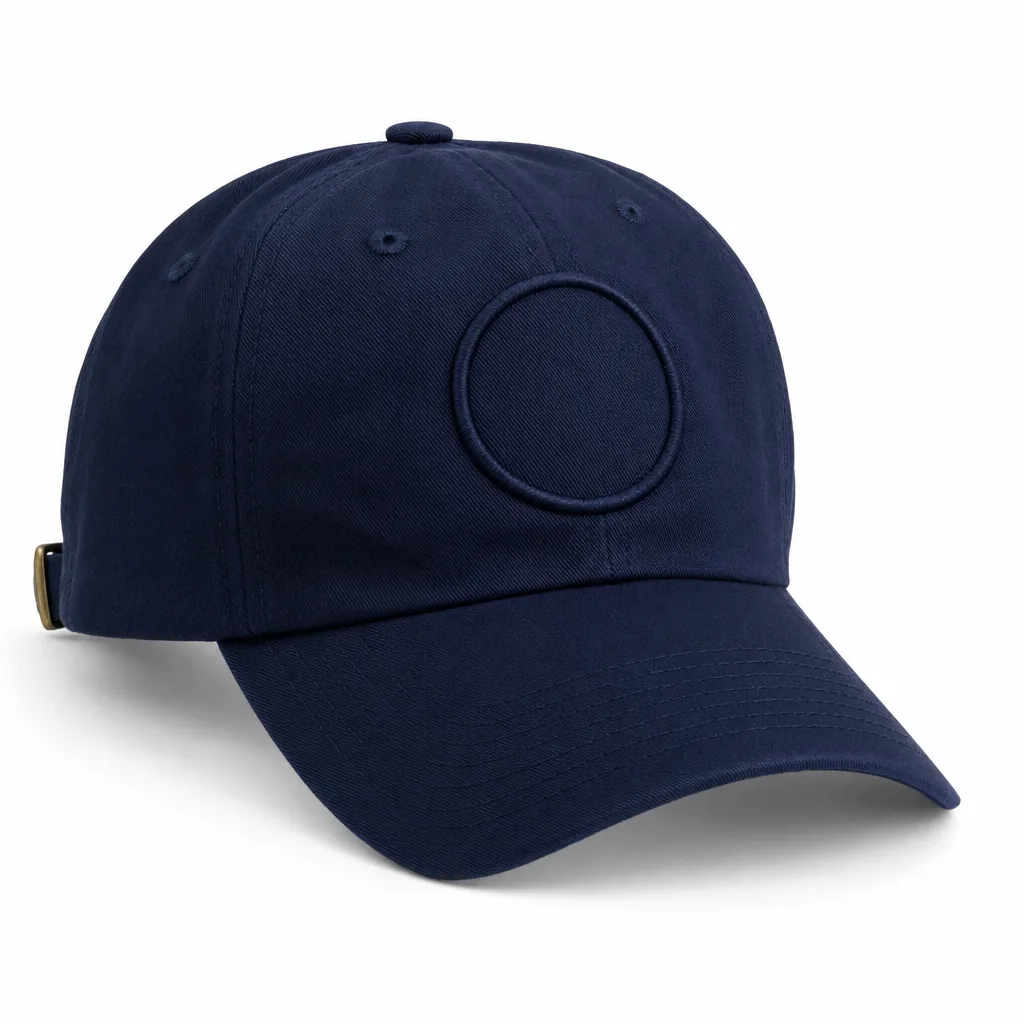
Dad hats for men are usually a low-structure 6-panel cap with a soft crown, curved visor, and unstructured front panel that keeps the shape relaxed instead of boxy. The manufacturing path is straightforward but easy to get wrong: cotton twill or washed chino is cut at 260–300 gsm, panels are sewn on flatbed or post-bed machines, then the crown is finished with a sweatband, eyelets, visor stitch rows, and closure. For buyers comparing ball caps for men, dad hats sit in the middle ground between cheap promotional caps and fully structured sports styles. If you want a factory quote that means anything, specify fabric composition, fabric weight, visor board thickness, closure type, seam tape, sweatband width, and whether the crown is garment-washed before or after assembly. That last point changes shrinkage and handfeel more than most people expect.
For bulk custom hats, the usual MOQ is 300–500 pieces per colorway if you are using stock fabric and simple embroidery, and 1,000+ pieces if you want custom-woven labels, special wash effects, or dyed-to-match thread. On factory pricing, a plain wholesale blank hats program can land around $1.20–$2.20 FOB for basic cotton twill with a standard buckle, while embroidered custom bulk hats usually move into the $2.40–$4.80 range depending on stitch count, wash, and packing. If the buyer wants country hats for men styling with distressed edges, pigment wash, or heavy enzyme treatment, add another $0.30–$0.90 because rejection risk rises sharply. The cleanest spec sheet includes Pantone TCX for fabric, Pantone TPX or thread charts for embroidery, Delta-E tolerance under 2.0 for critical brand colors, and AQL 2.5 inspection terms for major defects.
The biggest quality failures are boring but expensive: crooked front panels, uneven visor curve, bad crown symmetry, loose thread trimming, and closures that don’t sit centered after washing. I also check for needle damage around the sweatband, puckering near the seam where the front panel meets the visor, and embroidery density that punches through lightweight fabric; that is where Tajima, Barudan, or ZSK program settings matter more than the logo artwork itself. If the order is part of a broader ball caps for men program, ask the factory to compare fit blocks against ball caps for women and unisex sizing, because one crown height can make the same style wear completely differently. A decent factory should provide pre-production samples, inline photo reports, and a final inspection with shading checks under D65 light, because washed dad hats can shift color a half step after finishing even when the lab dip passed.
Ball Caps for Women
Buyers usually treat ball caps for women as a separate design problem, but the factory reality is that the base construction is the same as ball caps for men: crown shape, visor build, sweatband, closure, and decoration method drive cost and quality more than the target gender. What changes is proportion. Women’s styles typically use a slightly shorter front panel, a narrower crown, and a smaller opening range on adjustable backs so the fit doesn’t sit high or collapse at the temples. For bulk custom hats, ask the factory to quote the exact panel pattern, front panel height in centimeters, visor curve, and the head circumference range in both relaxed and fully extended positions. If you are comparing custom bulk hats against wholesale blank hats, insist on the same fabric lot and the same stitching standard, because a cheaper blank body can hide a weak sweatband or poor visor board that will show up after steaming and packing.
For specs, request fabric weight, not just fabric type. A common 6-panel cotton twill is 260-300 gsm; washed cotton and brushed twill behave differently in embroidery and heat-setting, while nylon and polyester styles around 110-150 gsm hold structure better for sports or promotional programs. If you need structured fashion caps, require buckram or non-woven fuse front panels, 6- or 8-row visor stitching, and a low-AQL stitch standard with no loose thread tails, no skipped stitches, and no crown distortion after pressing. Decoration should be specified by machine type and thread count: a Tajima, Barudan, or ZSK head will usually run cleaner satin columns than a generic head when the logo has fine lettering. For ball caps for women sold alongside ball caps for men, the practical sourcing move is to standardize components—sweatband, closure, visor insert, and embroidery file—so you can keep one approval process across both ranges.
MOQ and pricing depend on how many variables you change. For a straightforward 6-panel cotton twill cap with simple embroidery, factory MOQ is often 300-500 pieces per colorway; once you add custom wash, contrast sandwich visor, printed lining tape, or special trims, the real economic MOQ moves to 1,000 pieces. Factory FOB pricing in Yiwu typically lands around $1.40-$2.20 for very basic unbranded caps, $2.30-$3.80 for mid-tier custom bulk hats, and $4.50+ for premium construction with heavy embroidery or specialty fabric. Inspect the first production lot for seam puckering, crown asymmetry, visor crack lines, color variation against Pantone TCX, and closure hardware that scratches the rear panel. The broader sourcing lesson is simple: if a program can sell ball caps for women, it can usually be extended to country hats for men or other headwear with only pattern and trim changes, so lock the core spec first before splitting SKUs by audience.
Country Hats for Men
Country hats for men are usually built on the same 6-panel or 5-panel base as standard ball caps for men, but the country look depends on the details: heavier cotton twill, washed canvas, brushed chino, or pigment-dyed twill with a slightly broken-in hand feel. If you want a true Western or rodeo profile, ask for a mid-crown body around 3.5 to 4.25 inches, a pre-curved brim, and a structured front with buckram only if the style needs shape retention. Most factories will sew these on flat-bed and overlock lines, then move to embroidery on Tajima, Barudan, or ZSK heads; if the logo is dense, request a stitch-count estimate and density control so the front panel does not puckered after washing. For country hats for men, I always ask buyers to define the fabric weight in gsm, the sweatband spec, and whether they want garment-washed softness or a cleaner wholesale blank hats look for later decoration.
For specs, the factory brief should include panel count, crown height, brim length, closure type, visor insert, and color tolerance. A practical country hat spec might be 100% cotton twill at 260-300 gsm, 6 rows of visor stitching, matching top button and eyelets, cotton or poly-cotton sweatband, and embroidery color matched to Pantone TCX with Delta-E under 2.0 on approved shades. If the buyer is sourcing bulk custom hats or custom bulk hats, MOQ is usually 300-500 pcs per color for stock fabrics, but 1,000 pcs is more realistic once you ask for a custom wash, special patch, or proprietary dye lot. FOB China pricing for a basic embroidered style often lands around $2.10-$3.60 depending on stitch count, fabric weight, and closure; a higher-end washed cap with patch work, custom labeling, and polybag/carton packing can move to $3.80-$5.20 before freight.
The quality failures I inspect first are crooked front panels, uneven brim stitching, weak seam binding inside the sweatband, and color inconsistency across dye lots, especially on washed brown, olive, and black. Ask for AQL 2.5 final inspection with a focus on measurement points: crown symmetry, brim curve, panel alignment, and logo placement tolerance within 3 mm. For country hats for women, the same construction logic applies, but buyers often prefer a slightly lower crown and softer structure, so the pattern block needs to be adjusted rather than just scaled down. The sourcing decision comes back to use case: if the customer needs fashion-forward sell-through, choose a washed, softer build; if they need team or promo volume, keep the spec closer to standard ball caps for men and prioritize repeatable production, lower defect rates, and a cleaner packed presentation.
Toilet Bolt Caps
Toilet bolt caps are usually injection-molded in ABS, PP, or sometimes low-cost nylon, then finished with a snap-fit insert or a friction ring to match standard 1/4" and 5/16" closet bolt heads. The factory should be able to quote by resin grade, wall thickness, and color masterbatch, because that is what drives both fit and appearance. If you are sourcing ball caps for men and trying to keep your trim package consistent, this is the same logic: ask for exact material specs up front, not a vague “white plastic cap.” For retail-grade hardware, I would ask for mold steel type, cavity count, shrink rate, and whether the part is UV-stabilized if it will sit near sunlight in bathrooms or RV installs.
Typical MOQ from a serious injection shop is 10,000 to 20,000 sets per color if the mold already exists, and 30,000+ if you need a new tool. Pricing in China is often around $0.03 to $0.08 per pair for standard white PP at volume, higher for dyed colors, tighter tolerances, or packaged retail sets. The QC points are straightforward but easy to miss: cap ovality, flash on the trim edge, weak snap retention, off-center gate marks, and color mismatch between left and right caps. We inspect these with go/no-go gauges and a simple pull test; for coated or painted parts, Delta-E under 2.0 is a realistic target if the buyer expects visual consistency across batches, just as you would with custom bulk hats or wholesale blank hats that need to stay on Pantone.
The sourcing lesson is the same across toilet bolt caps, ball caps for women, country hats for men, or bulk custom hats: the cheapest quote usually hides the most expensive failure. If the supplier cannot show stable cavity output, in-process inspection records, and carton drop-test results, expect returns after installation or retail complaints about fit. For apparel buyers, this matters because the same factory discipline that controls resin shrink and snap tolerance also controls stitching density, crown shape, and brim symmetry on custom bulk hats. In practice, I’d rather buy from a factory that can document AQL 2.5, incoming material checks, and packed-out consistency than one that only promises a low unit price and fast lead time.
Embroidered Caps Wholesale
Embroidered caps wholesale starts with the blank, not the logo. For ball caps for men, the factory usually cuts a 6-panel or 5-panel crown from cotton twill, washed chino, acrylic-wool blend, or brushed polyester, then builds the front with buckram or foam depending on structure, inserts the sweatband and eyelets, and only then moves to embroidery. If the artwork is dense, ask for a digitized stitch count before sampling; a clean front logo on a medium-density design is often 6,000 to 12,000 stitches, while a left-chest-size mark can be 3,000 to 5,000. On the production floor, the machine choice matters: Tajima, Barudan, and ZSK heads handle different thread tensions differently, so a supplier who only says “same quality” is not giving you enough. For ball caps for women or country hats for men, the same rules apply, but head shape and brim curve often need slight pattern adjustments.
The spec sheet should be boring and precise. Request crown height in centimeters, panel count, visor length and curve, closure type, sweatband material, embroidery position, Pantone TCX thread target, and accepted Delta-E for color matching. For wholesale blank hats and custom bulk hats, I would also lock in fabric weight, usually 220 to 280 gsm for cotton twill, seam allowance, and whether the cap is pre-curved or flat. Typical MOQ from a decent factory is 300 to 500 pcs per color for simple bulk custom hats, but true custom details like woven labels, special wash, or mixed panel fabrics can push it to 1,000 pcs. Pricing is usually about $1.10 to $2.20 FOB for basic embroidered caps at 500 units, $2.40 to $4.50 for heavier builds with structured fronts, 3D puff embroidery, or premium closures, and DDP will add freight, duty, and last-mile cost on top. Buyers comparing ball caps for men across suppliers should always compare the same spec, not just the headline unit price.
The failures I inspect first are thread density, puckering, crooked logos, and bad blocking. If the embroidery sits too close to the seam, the needle hits a ridge and you get skipped stitches or broken thread; if the backing is too light, the front panel ripples after the first steam press. Ask for AQL 2.5 inspection on critical defects, and check logo placement against a hard template, not a human eye. Also inspect sweatband stitching, taping at the seam intersections, button attachment, and color consistency under daylight, because small shade shifts on navy or olive are obvious once a carton is opened. For international buyers, embroidered caps wholesale should be treated as a sourcing decision for the whole headwear line: the same factory may handle ball caps for women, promotional stock, and country hats for men, but only the one with disciplined sampling, stable trim supply, and real QC can deliver repeatable bulk runs without hidden rejects.
Wholesale Embroidered Caps
Wholesale embroidered caps are simple on paper and messy in production. The cap body is usually cut from 100% cotton twill, brushed cotton, washed denim, or poly-cotton blends around 220–280 gsm, then stitched on a flatbed and structured with fused buckram or foam front panels depending on the silhouette. For ball caps for men, buyers should specify crown height, brim curve, panel count, sweatband type, closure, and embroidery placement before sampling. If the art has fine detail, ask for a digitized file in DST or EMB and a stitch-density plan; a clean left-chest-style logo on a cap can still fail if the underlay, push/pull compensation, or thread tension is wrong. The factory should confirm needle count, embroidery machine platform, and whether the cap is sewn before or after decoration, because that affects both registration and price.
For spec sheets, I’d ask for fabric composition, color standard, Pantone TCX target, closure type, visor insert, sweatband construction, and label method. A proper wholesale quote should also state MOQ by color and by logo version, plus sampling lead time and bulk production lead time. In China, normal MOQ for custom bulk hats is often 300–500 pieces per color for simple embroidery, with unit pricing roughly USD 1.40–2.20 for plain wholesale blank hats and USD 2.30–4.80 for basic embroidered caps at 1,000 pcs, depending on fabric, panel count, and stitch complexity; 3D puff, woven patches, or mixed applique usually move it higher. If you’re comparing ball caps for women and country hats for men in the same program, don’t assume one pattern fits all heads: crown depth, back opening, and brim length change fit more than most buyers expect.
The common defects are not subtle: off-center logos, skipped stitches, puckering, crooked brims, inconsistent wash color, and weak snapbacks that crack after a few dozen open-close cycles. On inspection, I’d check logo placement against a fixed template, color delta against the approved Pantone target, seam density, sweatband stitch cleanliness, and whether the brim is symmetrical when viewed from the front and side. For volume programs, use AQL 2.5 on major defects and insist on pre-production approval of all trims, because changing thread lots or buckle suppliers mid-run is where a lot of custom bulk hats go wrong. If the buyer’s final goal is ball caps for men, the sourcing decision should balance fit, decoration method, and resale price: a cheaper wholesale embroidered cap that fits badly will lose more value than a slightly higher-cost cap with controlled crown shape, stable fabric shrinkage under 3%, and embroidery that stays flat after laundering.
Working with CrownsForge for ball caps for men programs
For ball caps for men programs, the first thing I care about is sample speed and whether the factory can hold repeatability after the approval round. Our standard sampling cycle is 5 to 7 working days for a simple 6-panel cotton twill cap, and 7 to 10 days if you are changing crown structure, visor curve, or adding dense embroidery. MOQ is flexible enough to work for first-time buyers: plain wholesale blank hats can start around 100 to 200 pieces per color/style, while true bulk custom hats with full decoration usually make more sense at 300 to 500 pieces per SKU. If a buyer wants ball caps for women in the same fabric family, I normally push a unisex block and adjust crown depth and closure spec instead of trying to force a separate pattern from day one.
Decoration is where most sourcing mistakes show up, because the same logo can look clean in a mockup and terrible on a real crown if the stitch count, backing, or thread choice is wrong. We run embroidery on Tajima, Barudan, and ZSK heads, and for structured caps I keep the stitch density around 0.38 to 0.42 mm for legibility without puckering. Flat embroidery, 3D puff, woven labels, PU patches, and appliqué are all in-house, which matters when buyers need custom bulk hats with tight color control. For logo matching, I ask for Pantone TCX or Pantone C references and target Delta-E under 2.0 on main fabric lots; if the order includes country hats for men with washed or garment-dyed effects, I warn buyers that the shade band will be wider and the approval sample has to be signed against the bulk shade.
Compliance and order management are what de-risk the first purchase, not just the cap construction. We work to sedex-audit-cap-supplier-guide.html">BSCI 2.0 and Sedex SMETA 4-Pillar audit expectations, and for buyer programs that need retail paperwork we can support REACH-related testing, azo-free requirements, and basic fiber-content labeling. My workflow is simple: tech pack review, pre-production sample, approved trim card, then a sealed gold sample before bulk cutting starts. During production we check needle detection, color shading, stitch balance, and carton counts, then release final inspection at AQL 2.5 for major defects. That structure is why scale-up brands can move from 300-piece test runs to 20,000-piece replenishment orders without redesigning the whole process every season.
Frequently Asked Questions
How long does production take?
Sampling takes 7 to 12 days. Bulk production runs 20 to 30 days depending on quantity, fabric availability and decoration complexity. Inspection and packing adds another 3 to 5 days before shipment.
What logo decoration techniques do you offer?
3D puff embroidery, flat embroidery, woven patch, leather patch, PVC patch, screen printing, sublimation, applique and laser etching, all in-house with no subcontracting.
What file format should I send for my logo?
Vector files (AI, EPS, PDF) are ideal. High-resolution PNG or JPG at 300 dpi on transparent background works as a fallback. Provide Pantone color references for accurate reproduction.
What is the minimum order quantity (MOQ) for custom hats?
Our standard MOQ is 100 pieces per design and color, with sampling available from 1 piece. For complex multi-color logos or premium fabric upgrades, the MOQ can be lowered with a small per-piece surcharge.
Can I order a sample before bulk production?
Yes. We strongly recommend approving a pre-production sample before mass production. Samples are charged at 35 to 60 USD each plus express shipping, fully refundable against confirmed bulk orders over 500 pieces.
What's the MOQ for custom leather patch hats no minimum?
When evaluating custom leather patch hats no minimum, the key considerations are construction quality, decoration capability, MOQ flexibility and lead time. Cover everything buyers ask about dad hats for men: how it's manufactured, what specs to request from a factory, typical MOQ and pricing, common quality issues to inspect for, and how this ties back to the broader ball caps for men sourcing decision. Cover everything buyers ask about country hats for men: how it's manufactured, what specs to request from a factory, typical…
What's the MOQ for custom new era 59fifty fitted hats no minimum?
When evaluating custom new era 59fifty fitted hats no minimum, the key considerations are construction quality, decoration capability, MOQ flexibility and lead time. Cover everything buyers ask about dad hats for men: how it's manufactured, what specs to request from a factory, typical MOQ and pricing, common quality issues to inspect for, and how this ties back to the broader ball caps for men sourcing decision. Cover everything buyers ask about country hats for men: how it's manufactured, what specs to request from a factory, typical…
What should I know about custom bulk trucker hats?
When evaluating custom bulk trucker hats, the key considerations are construction quality, decoration capability, MOQ flexibility and lead time. Cover everything buyers ask about dad hats for men: how it's manufactured, what specs to request from a factory, typical MOQ and pricing, common quality issues to inspect for, and how this ties back to the broader ball caps for men sourcing decision. Cover everything buyers ask about country hats for men: how it's manufactured, what specs to request from a factory, typical…
What's the MOQ for custom embroidered trucker hats no minimum?
When evaluating custom embroidered trucker hats no minimum, the key considerations are construction quality, decoration capability, MOQ flexibility and lead time. Cover everything buyers ask about dad hats for men: how it's manufactured, what specs to request from a factory, typical MOQ and pricing, common quality issues to inspect for, and how this ties back to the broader ball caps for men sourcing decision. Cover everything buyers ask about country hats for men: how it's manufactured, what specs to request from a factory, typical…
Need a low-MOQ test order?
We help emerging brands launch with as few as 100 pieces. Premium fabric, in-house embroidery, retail-ready packaging.
Start a small orderRelated guides
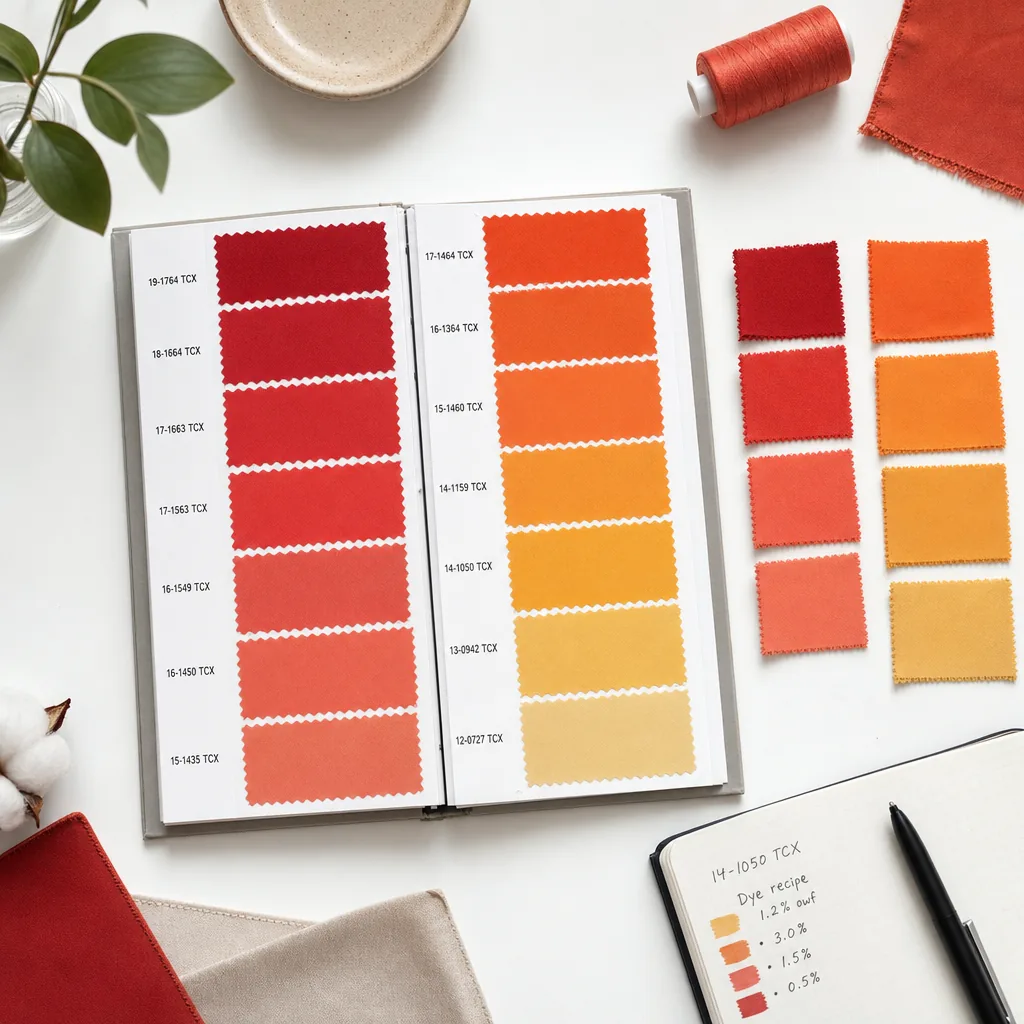
Pantone Color Matching for Custom Caps: A Manufacturer's Reference
Read article →
First Custom Hat Order: 10 Mistakes That Cost First-Time Buyers Money
Read article →Sports Team Caps & Uniform Headwear: Bulk Manufacturing for Clubs and Schools
Read article →If you are ready to take the next step on ball caps for men: a 2026 sourcing playbook for international buyers, our team can put a tailored quotation and digital mock-up in your inbox within 24 hours. Send the inquiry form on our contact page or message us directly on WhatsApp.