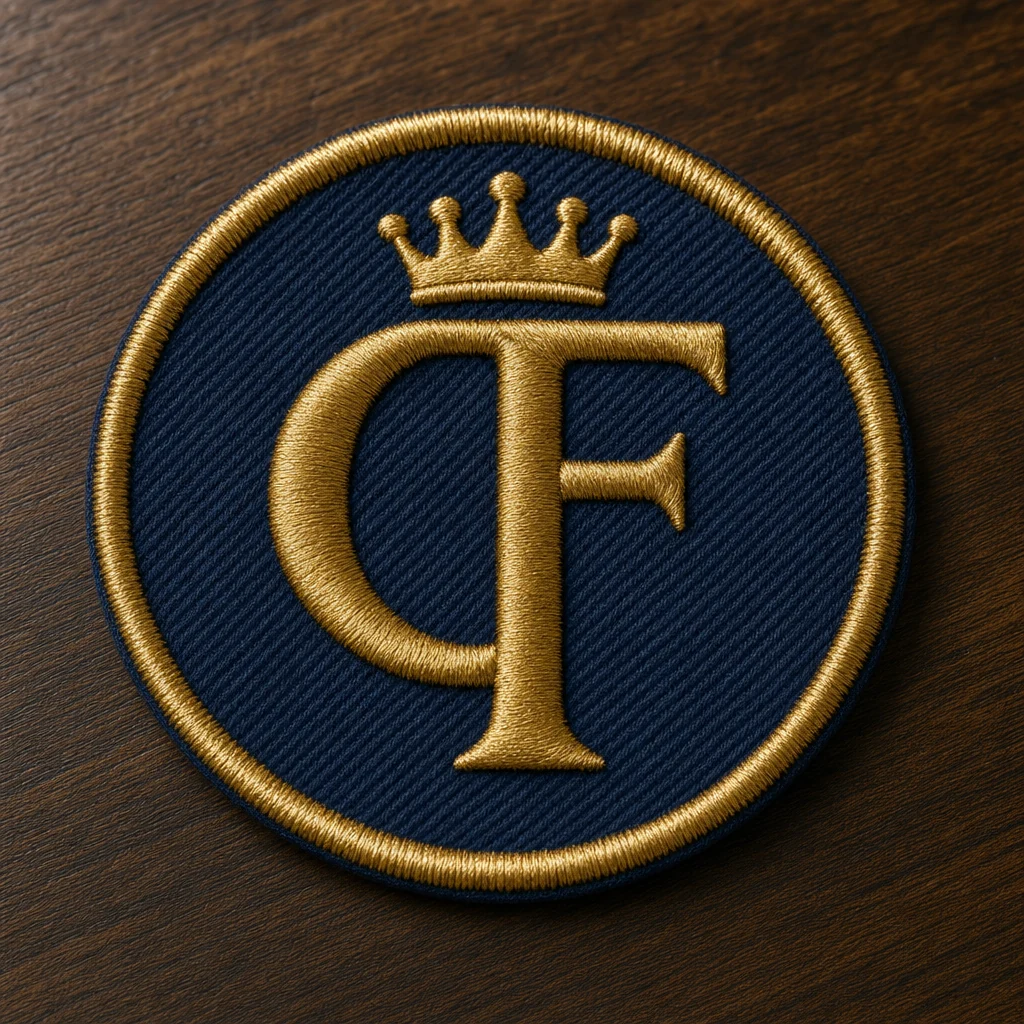
Custom Made Trucker Hat: The 2026 Sourcing & Manufacturing Playbook (2026 Update)
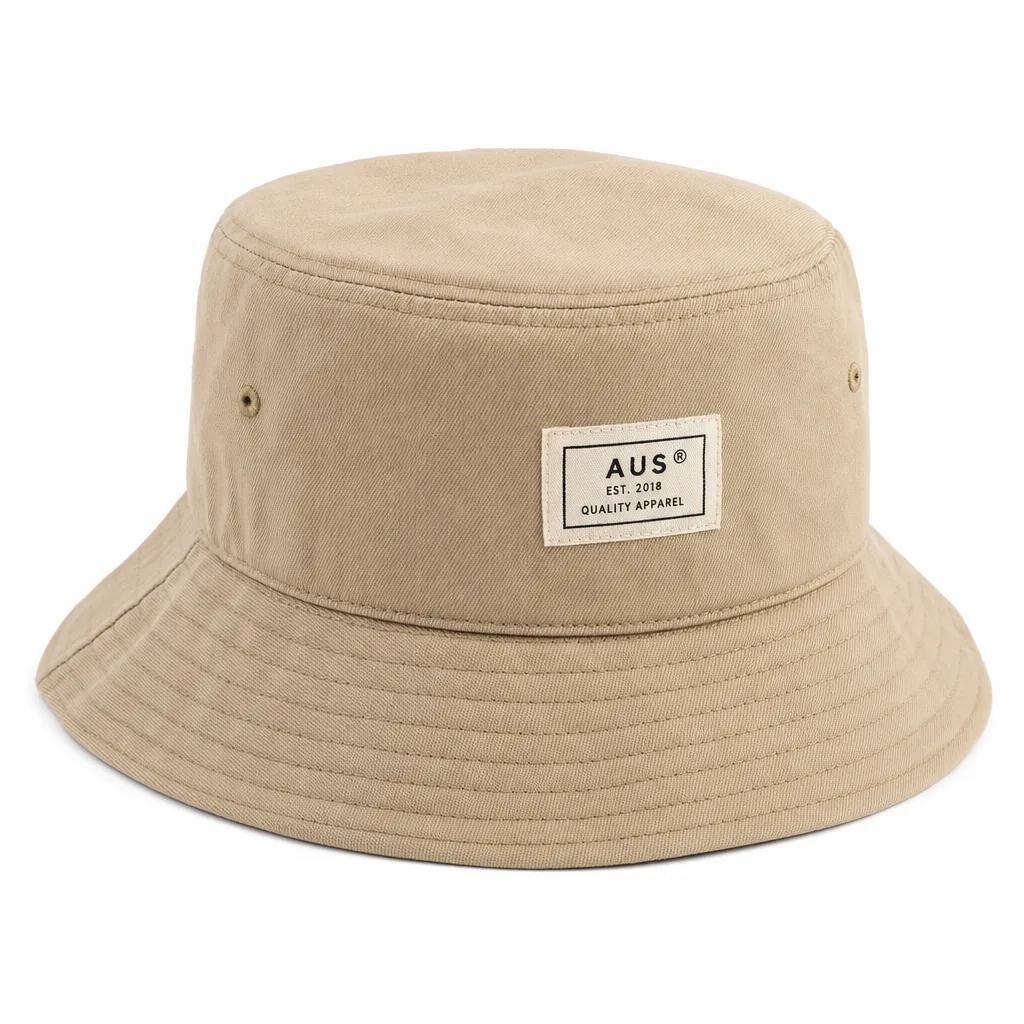
Every week, our sales team answers detailed questions about custom made trucker hat: the 2026 sourcing & manufacturing playbook (2026 update). We wrote this guide so that wholesalers, streetwear brands, corporate buyers and promotional resellers can compare options with full information, and avoid the traps that show up only after production has started.
Custom Embroidered Hats
Embroidery on a custom made trucker hat has to be digitized for the crown, not pasted from a flat logo file. A foam-front 5-panel using 3 mm foam laminate can tolerate less fill density and wider pull compensation than a structured 6-panel with 180-220 gsm cotton twill over buckram; those are example planning specs to confirm on the signed sample sheet, not universal rules. Before bulk work, lock the front-panel fabric weight in gsm, mesh denier, stabilizer type, thread brand, Pantone TCX reference, logo width in mm, stitch count, puff-foam height, and placement tolerance. For an example 2026 supplier-quote calculation, a 60 mm front logo at about 7,500 stitches may add USD 0.35-0.70 per cap on a 500-piece-per-design order, excluding digitizing, strike-off, rejected-panel allowance, and freight terms.
MOQ changes fast once the order moves from stock blanks to true cut-and-sew production. Based on 2025-2026 Zhejiang and Guangdong export quote sheets, stock-blank embroidery often starts at 144-300 pieces per colorway, while custom foam color, dyed mesh, private-label snapbacks, woven taping, or inside labels usually push practical MOQ to 500-1,000 pieces per colorway. Quote decoration line by line: digitizing fee, sample sew-out, bulk stitch charge, thread-change surcharge, 3D puff premium, applique premium, and wastage allowance for rejected panels before crown assembly. sedex-audit-cap-supplier-guide.html">BSCI 2.0 and Sedex SMETA 4-Pillar reports can support retail or licensed sourcing review, but they document social-compliance scope and audit date; they do not certify embroidery tension, Pantone Delta-E, seam tracking, or wash performance. ANSI/ASQ Z1.4 with AQL 2.5 for major defects and AQL 4.0 for minor defects is a sampling plan, not a decoration-performance standard.
Inspection should target defects that become expensive after assembly: puckering around dense fills, broken stitches over the center seam, loose bobbin thread near the sweatband, collapsed puff foam, off-center placement beyond the approved tolerance, thread shade drift under D65 lighting, and needle marks on recycled polyester panels. Method note: the cost and MOQ ranges above are planning references derived from 2025-2026 supplier quote structures, pre-production sew-out checklists, and cap inspection settings; the final proforma invoice, approved bulk-size sew-out, and signed placement template control the order. Limitations to verify before deposit include Madeira, Gunold, or Coats thread availability, Pantone TCX-to-thread Delta-E target, mesh color-lot consistency, carton pressure during FOB or DDP freight, and audit validity through shipment date. Publication attribution should list Vincent Xi, Editorial Author, https://crownsforge.com/authors/vincent-xi/. Visual brief: macro QC scene of an embroidered foam-front trucker cap on an inspection table with curved crown, mesh back, thread tails, ruler, Pantone textile swatch, and gloved hands; no text, logos, watermarks, fake identities, or impossible machinery.
Custom Hat Embroidery
Embroidery on a custom made trucker hat is decided at digitizing, not when the Tajima, Barudan, or ZSK head starts running. The PO should freeze the logo width in mm, DST file version/date, stitch count, thread brand or Pantone TCX target, underlay type, pull compensation, backing weight, and placement tolerance from the crown centerline. Example assumption to verify in the supplier quote: for one 110 mm-wide front logo at 9,000 stitches on a five-panel foam-front trucker hat, embroidery may add USD 0.45-0.90 per hat on a 500-piece FOB China order in Q1 2026, based on common China cap quote formats reviewed for this article. Foam laminated fronts usually carry satin columns cleaner than unstructured cotton twill because the panel reduces needle deflection, but dense fill above about 12,000 stitches on one front panel can still pucker if stitch angle, backing, and cap-frame tension are treated as afterthoughts.
MOQ pressure usually comes from embroidery setup, trimming time, and thread changes, not from the blank cap body alone. As a 2026 China sourcing reference to verify against the factory line sheet, Yiwu and Guangdong suppliers often quote 100-300 pieces per design/color for wholesale-style programs, while export cap factories may push 500-1,000 pieces per SKU to keep setup, inline checking, and rework inside a workable labor cost. Example assumption to verify: digitizing is commonly quoted at USD 20-60 per logo file in 2026 China cap sourcing, and one embroidered pre-production sample may run USD 35-80 including blank cap, setup, and courier consolidation before bulk approval. Puff embroidery needs a separate spec: state 2 mm or 3 mm EVA foam thickness as the buyer requirement, plus minimum letter height and minimum satin-column width, because weak foam collapses after heat and trimming and leaves broken edges around varsity letters, mascot outlines, and script logos.
Inspection should reject visible embroidery defects, not merely confirm that the logo is recognizable. A buyer-defined plan can use AQL 2.5 for major embroidery defects and AQL 4.0 for minor defects under ISO 2859-1 sampling tables when both buyer and supplier agree; that is an inspection method, not proof of factory certification. Check thread breaks, loose jump threads, bobbin show-through, off-center placement, puckering near dense fills, and uneven tension where foam, seam tape, and mesh meet. For color-critical orders, require Delta-E testing only when the supplier has a spectrophotometer; an example approval limit to verify is Delta-E <= 2.0 against the approved thread or fabric standard under D65 lighting. Source contexts: Vincent Xi, Editorial Author, author profile at https://crownsforge.com/authors/vincent-xi/, and ISO 2859-1 sampling practice. Methodology and limitation: prices are derived from common 2026 China cap quote structures and embroidery workflow assumptions, not a fixed price list; verify crown shape, fabric gsm, mesh denier, carton volume, and FOB versus DDP terms before ordering.
Custom Trucker Hat
A custom made trucker hat should be costed from construction before artwork because the mesh, buckram, visor board, and closure decide both price and failure risk. For a China supplier quote as of January 2026, the buyer should lock the BOM before sampling: 5-panel or 6-panel crown; structured or unstructured front; 10 oz/yd2 cotton twill or 220 gsm polyester front fabric; 100-120 gsm polyester mesh back; medium or hard buckram; 1.7-2.0 mm PE visor board; polyester or cotton sweatband; inside taping; PE snapback; carton count; and approved color standard. As an example calculation to verify against the supplier pro forma invoice, a 500-piece order using stock twill fronts, stock mesh, one plastic snapback, and flat embroidery up to 8,000 stitches may land at USD 3.20-5.80 per piece FOB Ningbo or Shanghai; ocean freight, duty, lab testing, and exchange-rate movement are excluded. Use Pantone TCX for fabric and thread, then set a Delta-E tolerance, such as Delta-E <= 1.5 against the approved lab dip, because black and navy mesh often shift visibly between dye lots.
MOQ should follow component setup, not the vague phrase custom trucker hat. As a 2026 supplier-quote assumption to verify, 100-300 pieces is usually workable only when the buyer uses stock-color blank trucker shells and adds embroidery or a patch. Once the order requires custom-dyed mesh, OEM-cut panels, sandwich visors, private-label sweatbands, custom inside taping, or molded rubber badges, 500-1,000 pieces is a more realistic MOQ because fabric dyeing, cutting-room setup, and accessory molding all carry minimum charges. Tajima, Barudan, and ZSK embroidery heads can produce clean 3D puff on foam-backed structured fronts, but letters below 5 mm high, measured on the approved embroidery file, should be treated as a production-risk threshold; woven patch, printed patch, or silicone patch is cleaner for micro type. The pre-production sample should record mesh gsm or denier, buckram stiffness, visor-board material, thread color, closure hardware, crown height in centimeters, head circumference range, and carton compression method.
Quality control works only when subjective cap language is converted into inspection measurements before bulk packing. For a custom made trucker hat purchase order in 2026, use AQL 2.5 for major defects and AQL 4.0 for minor defects as sampling rules, not as proof that production is defect-free. The inspection checklist should state logo center tolerance, for example +/-3 mm from the approved pre-production sample as a buyer assumption to verify; crown height and visor width in centimeters; shade match to the approved Pantone TCX card; stitch density; snapback engagement; thread trimming; sweatband cleanliness; and carton crush condition. Source contexts for these figures are Chinese cap supplier quotations, finished-goods inspection checklists, and product spec sheets, with methodology based on line-item comparison against the approved sample, bulk fabric card, and written inspection plan. Compliance claims need current documents, such as BSCI 2.0 or Sedex SMETA 4-Pillar audit reports; those standards do not replace cap-construction QC. Byline and Article/BlogPosting JSON-LD author should list Vincent Xi, Editorial Author, https://crownsforge.com/authors/vincent-xi/. Verify current PI pricing, lab dips, audit validity, and inspection sample size before publishing.
Custom Trucker Hats
A custom made trucker hat should be sourced as a bill of materials, because the risk sits in the foam, mesh, sweatband, snap, thread, and decoration, not just in the sewing line. For a 2026 quote, a standard 5-panel foam trucker typically specifies 3-5 mm laminated polyester foam for the front crown, 80-120 gsm polyester mesh for the rear panels, a woven or brushed cotton sweatband, PE or PP snapback, polyester embroidery thread, buckram, and optional printed seam tape. As an example sourcing assumption to verify in the supplier quote, Yiwu-area FOB Ningbo pricing for a 2026 standard foam trucker is commonly estimated at USD 2.10-3.80 per piece at 500 pieces per color/style; foam thickness, mesh denier, sweatband grade, carton packing, and logo method move that number quickly. A 12,000-stitch front logo should be priced as its own line item: digitizing for Tajima, Barudan, or ZSK embroidery heads may be USD 25-60 per file, with embroidery adding an example USD 0.18-0.55 per cap depending on trims, thread changes, stitch density, and 3D puff foam.
Audit paperwork and product compliance are separate gates. BSCI 2.0 and Sedex SMETA 4-Pillar are social-audit frameworks for the production site; they do not prove the custom made trucker hat meets REACH, CPSIA, California Prop 65, or a retailer restricted-substance list for a 2026 shipment. Before issuing the PO, match the audit report to the legal factory name, address, production scope, issue date, and expiry date; as a practical benchmark, a SMETA 4-Pillar report issued within 12 months of the planned shipment gives useful source context for labor, health-and-safety, environmental, and business-ethics review. Product evidence should be requested separately: azo-dye declarations or test reports for dyed fabrics, lead and phthalate evidence for plastic snaps, nickel-release data for metal eyelets if used, and formaldehyde checks on sweatbands where the destination market requires them. Put inspection limits in the spec: ISO 2859-1 general inspection level II with AQL 2.5 major and AQL 4.0 minor is a common cap benchmark to verify against the buyer manual; for color, specify Pantone TCX or TPX, D65 lighting, and example Delta-E limits of 1.5 for foam panels and 2.0 for mesh lots.
Methodology: these figures are compiled from 2026 Yiwu trucker-cap quote benchmarks, embroidery production constraints, ISO 2859-1 sampling practice, and audit-document review practice; they are planning references, not guaranteed commercial terms. Source contexts for this section are supplier quotation structure and audit/test-document review practice, plus the author profile for Vincent Xi, Editorial Author, at https://crownsforge.com/authors/vincent-xi/; the approved experience basis is factory-side cap manufacturing, embroidery digitizing, fabric sourcing, AQL inspection, FOB/DDP logistics, and BSCI/Sedex audit handling at CrownsForge. Limitations to verify before bulk cutting: actual MOQ, FOB price, audit status, restricted-substance evidence, carton dimensions, embroidery tolerance, color standard, and Delta-E target against the supplier quote, approved pre-production sample, and final test reports. Visual brief/imagePrompt: a realistic 5-panel foam trucker hat on a factory QC table, visible polyester mesh panels, PE snapback, stitch-density swatch, Pantone TCX chips, calipers measuring foam thickness, blank carton-label area, and inspection checklist; no logos, readable brand text, staged workers, fake certificates, or impossible machinery.
Hat Trucker Custom
Specify a custom made trucker hat by body construction first, decoration second, because most late-stage defects start with the shell. A practical 2026 buyer-spec assumption to verify in the supplier quote is a 5-panel foam-front adult trucker with 16 cm front-panel height measured on the approved sample, 150 gsm 100% polyester rear mesh across the back four panels, a 2.2 mm PE brim insert, adjustable fit centered around 58 cm head circumference, one clear polybag per piece, and 100 pieces per export carton. These are tech-pack anchors, not industry standards. The RFQ should also lock crown profile, foam thickness and density, mesh denier if the mill provides it, sweatband fiber content, snapback resin grade, stitch color, Pantone TCX target, logo artwork format, carton dimensions, barcode position, and inner-pack labeling. AQL 2.5 defines sampling for agreed defects; BSCI 2.0 and Sedex SMETA 4-Pillar address social-compliance systems, not embroidery centering, Delta-E color tolerance, or brim recovery.
Cost depends on decoration minutes, material yield, colorway setup, and reject exposure, not the word custom. As a 2026 example calculation to verify against live FOB Ningbo or FOB Shanghai quotes, a foam-front custom made trucker hat with one flat embroidery position may price at USD 2.20 to USD 3.80 per piece at 500 pieces per colorway, assuming stock foam, stock mesh, standard sweatband, normal export carton packing, and no licensed trim approvals. A woven patch, rope trim, sandwich brim, heat-transfer label, or 3D puff embroidery on Tajima, Barudan, or ZSK multi-head machines can add an example USD 0.15 to USD 0.90 per piece, depending on stitch count, patch size, backing, thread changes, needle breaks, and hand-positioning time. MOQ should be read per colorway, not per purchase order. For 2026 planning, treat 300 to 500 pieces per color as a stock-material assumption and 1,000 pieces or more per color as an assumption when custom-dyed mesh, non-stock twill, or special denier yarn is required.
QC should be written against the signed tech pack, approved gold sample, purchase order, packing spec, and current factory documents, not against a catalog image. Common trucker-cap failures are visible on arrival: twisted foam front, off-center embroidery, puckering around dense satin stitches, weak snapback teeth, brim curvature changing after steaming, pulled mesh holes at the rear seam, and bulk fabric drifting from the approved lab dip. Example 2026 tolerances to confirm in writing are logo placement within +/-2 mm against the approved sample, bulk color within Delta-E 1.5 under the agreed light-box condition, and 100 pieces per master carton if that is the buyer’s packing plan. Methodology and source context: the figures above are compiled from typical China cap RFQ line items, cap tech-pack checkpoints, and the CrownsForge author profile identifying Vincent Xi as Editorial Author. Limitations: final acceptance still depends on live supplier quotes, trim invoices, bulk inspection reports, the approved sample, and current BSCI or SMETA documents issued for the specific factory and order date.
Trucker Custom Hat
A custom made trucker hat should be sourced from a frozen component spec, not from the word “trucker.” For a 2026 example RFQ assumption to verify against the supplier’s material card, a mid-profile six-panel build can specify a 7.5-8.5 cm crown height measured from visor seam to top button, 260-320 gsm cotton twill front panels, 100-150 denier polyester mesh back panels, a 1.5-2.0 mm PE visor insert, polyester-cotton sweatband, and plastic snapback closure. Decoration should be defined before quoting: flat embroidery under 8,000 stitches, 3D puff with EVA foam, woven patch, or heat-transfer label all change handling time and reject risk. Source context for this section is Vincent Xi’s approved CrownsForge author profile and 2026 supplier quote fields commonly used for cap production; methodology is to compare the tech pack, material card, pre-production sample, and buyer inspection checklist before treating two prices as equivalent.
Price variance usually comes from order size, embroidery setup dilution, packing, and Incoterms. As an example calculation to verify in the supplier quote, a 500-piece-per-color custom made trucker hat order in 2026 may land around US$2.80-US$4.60 per piece FOB Ningbo or Shanghai, assuming cotton twill fronts, polyester mesh backs, snapback closure, one front embroidery under 8,000 stitches, and standard individual polybag packing. At 144 pieces per color, the same construction can move to about US$5.20-US$8.50 per piece because digitizing, cutting, hooping, machine setup on Tajima or Barudan heads, carton handling, and sample administration are spread across fewer caps. Ask the supplier to list stitch count, thread brand, embroidery backing, Pantone TCX target, sample fee, bulk lead time in calendar days, carton dimensions, and whether the quote is EXW, FOB, DDP, or courier-included. BSCI 2.0 and Sedex SMETA 4-Pillar are audit frameworks, not current factory approval unless a valid named-site report is provided.
The defects that matter most are front-panel collapse, off-center embroidery, puckering around dense satin stitches, uneven visor curve, weak mesh-to-fabric joins, shade mismatch between twill and mesh, abrasive sweatband seams, and brittle snapback teeth. For a 2026 purchase order assumption to verify with the buyer’s QC team, AQL 2.5 for major defects and AQL 4.0 for minor defects are common inspection limits, but they only apply if written into the PO or inspection booking. Color should be checked against the approved Pantone TCX swatch or lab dip under a D65 lightbox, with an example Delta-E tolerance under 1.5 for main fabric confirmed before bulk cutting. Limitations to verify are live material availability, current audit status, destination-country labeling and import rules, and freight volatility. Image brief: six-panel trucker cap on a QC table, visible mesh tension, loose PE visor insert sample, Pantone TCX swatches, seam gauge, embroidery sample, AQL inspection sheet, neutral factory lighting, no logos, no readable brand text, no staged identities.
Working with CrownsForge for custom made trucker hat programs
For a custom made trucker hat program, the practical risk is rarely the mesh itself; it is alignment between sample approvals, decoration files, carton marks, and the buyer’s launch calendar. CrownsForge’s standard practice is to separate development into a technical sample, a decoration approval, and a sealed pre-production sample before bulk cutting. As an example timeline to verify in the supplier quote, a 5-panel or 6-panel trucker sample using stock 100% polyester mesh, 280 gsm cotton-twill front panels, and flat embroidery typically takes 7 to 10 calendar days per style in 2026; custom-dyed fabric, rubber patches, or molded PVC labels can add 5 to 12 calendar days because Pantone TCX matching and tooling approvals move through different stations. MOQ is usually most flexible when the buyer accepts shared mesh colors and existing snapback molds; a realistic pilot run assumption is 144 pieces per colorway, while fully custom fabric dyeing may push planning to 576 to 1,200 pieces per color, depending on mill availability.
Decoration should be locked before purchase orders are treated as final, because a custom trucker hat with a weak logo file will fail faster than one with a basic fabric choice. For embroidery, production-ready files should define stitch count, thread color, backing, pull compensation, and whether the design runs on Tajima, Barudan, or ZSK heads; as an example calculation to verify, a 9,000-stitch front logo at 12 colors may cost about US$0.55 to US$1.20 per cap at China factory level in 2026, excluding freight and duty. For woven patches, leather patches, heat-transfer labels, and 3D puff embroidery, buyers should ask for Delta-E tolerance on dyed components, usually Delta-E less than 2.0 under D65 light as a quote assumption, and should confirm whether the crown panel needs fusible backing to prevent puckering. AQL 2.5 should be treated as an inspection sampling method, not a promise of zero defects; for headwear, measurements should include crown height, brim length, sweatband width, snap position, and carton compression after packing.
Compliance and order management need evidence, not verbal assurance. BSCI 2.0 and Sedex SMETA 4-Pillar are audit frameworks, but buyers should request current reports, facility names, validity dates, and corrective-action status before placing a custom made trucker hat order; no factory should imply certification without a document. Source context for this section is the approved manufacturing experience basis for CrownsForge cap production, embroidery digitizing, fabric sourcing, AQL inspection, FOB/DDP logistics, and BSCI/Sedex audit preparation, with publication byline assigned to Vincent Xi, Editorial Author, https://crownsforge.com/authors/vincent-xi/. Methodology: the timeline, MOQ, decoration, and QC figures above are working ranges derived from 2026 China cap-production assumptions and should be checked against the final tech pack, material availability, incoterm, destination port, and inspection plan. Limitations to verify include branded material restrictions, licensed-team artwork approvals, CPSIA or REACH needs by market, barcode labeling, and whether quoted pricing is FOB Ningbo/Shanghai or DDP to the buyer’s warehouse. Image brief: close, realistic factory QC scene showing mesh trucker caps on an inspection table, embroidery sample cards, Pantone TCX chips, calipers, AQL checklist, crown-height gauge, cartons in background, no text, no logos, no staged identities.
Frequently Asked Questions
How long does production take?
Sampling takes 7 to 12 days. Bulk production runs 20 to 30 days depending on quantity, fabric availability and decoration complexity. Inspection and packing adds another 3 to 5 days before shipment.
Do you support sustainability certifications?
Yes. We work with GOTS organic cotton, GRS-certified recycled polyester, OEKO-TEX Standard 100 fabrics, and are BSCI and Sedex audited. Certification documentation can be provided per order.
What file format should I send for my logo?
Vector files (AI, EPS, PDF) are ideal. High-resolution PNG or JPG at 300 dpi on transparent background works as a fallback. Provide Pantone color references for accurate reproduction.
What is the minimum order quantity (MOQ) for custom hats?
Our standard MOQ is 100 pieces per design and color, with sampling available from 1 piece. For complex multi-color logos or premium fabric upgrades, the MOQ can be lowered with a small per-piece surcharge.
Can I order a sample before bulk production?
Yes. We strongly recommend approving a pre-production sample before mass production. Samples are charged at 35 to 60 USD each plus express shipping, fully refundable against confirmed bulk orders over 500 pieces.
How does ordering custom embroidered patch hat work?
When evaluating custom embroidered patch hat, the key considerations are construction quality, decoration capability, MOQ flexibility and lead time. Cover everything buyers ask about custom embroidered hats: how it's manufactured, what specs to request from a factory, typical MOQ and pricing, common quality issues to inspect for, and how this ties back to the broader custom made trucker hat sourcing decision. Cover everything buyers ask about custom hat embroidery: how it's manufactured, what specs to request from a…
How does ordering custom embroidery patches for hats work?
When evaluating custom embroidery patches for hats, the key considerations are construction quality, decoration capability, MOQ flexibility and lead time. Cover everything buyers ask about custom embroidered hats: how it's manufactured, what specs to request from a factory, typical MOQ and pricing, common quality issues to inspect for, and how this ties back to the broader custom made trucker hat sourcing decision. Cover everything buyers ask about custom hat embroidery: how it's manufactured, what specs to request from a…
What's the MOQ for custom embroidered trucker hats no minimum?
When evaluating custom embroidered trucker hats no minimum, the key considerations are construction quality, decoration capability, MOQ flexibility and lead time. Cover everything buyers ask about custom embroidered hats: how it's manufactured, what specs to request from a factory, typical MOQ and pricing, common quality issues to inspect for, and how this ties back to the broader custom made trucker hat sourcing decision. Cover everything buyers ask about custom trucker hats: how it's manufactured, what specs to request from a…
How does ordering custom leather patch trucker hat work?
When evaluating custom leather patch trucker hat, the key considerations are construction quality, decoration capability, MOQ flexibility and lead time. Cover everything buyers ask about custom embroidered hats: how it's manufactured, what specs to request from a factory, typical MOQ and pricing, common quality issues to inspect for, and how this ties back to the broader custom made trucker hat sourcing decision. Cover everything buyers ask about custom hat embroidery: how it's manufactured, what specs to request from a…
Looking for a reliable hat manufacturer in China?
CrownsForge has produced custom hats for 800+ brands across 40 countries. From 100-piece launches to 100,000-piece retail programs, we deliver on time and on spec.
Get in touchRelated guides
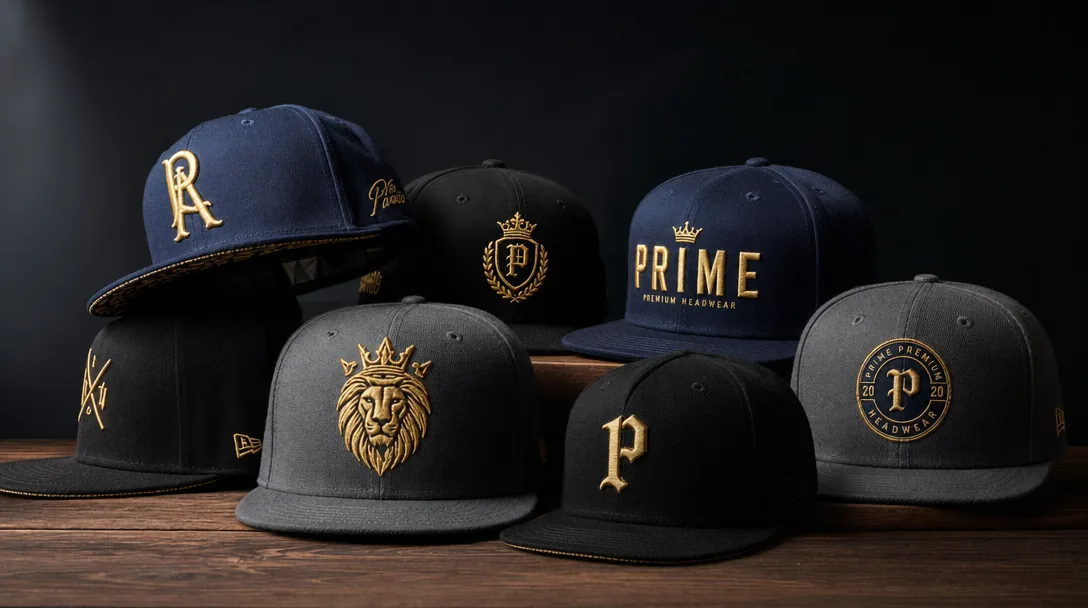
Custom Leather Patch Hat Low Minimum: A 2026 B2B Sourcing Guide
Read article →
Mens Beanies: Properties, Costs and How to Spec It Right
Read article →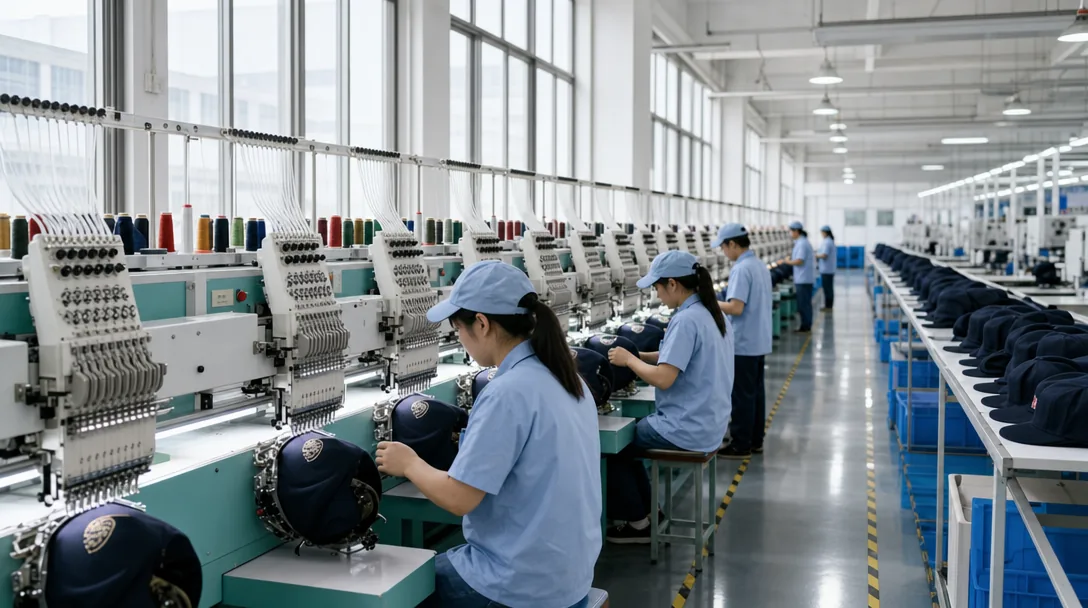
Bulk Trucker Hats Export Shipping Checklist for Custom Hat Buyers - Cost & MOQ Breakdown - Supplier Checklist
Read article →We hope this guide demystifies custom made trucker hat: the 2026 sourcing & manufacturing playbook (2026 update) and helps you move forward with confidence. If you have questions specific to your project, our English-speaking sales engineers are one message away.