
Mens Beanies: Properties, Costs and How to Spec It Right
For brand owners, wholesalers and procurement teams entering the custom headwear category, mens beanies: properties, costs and how to spec it right is one of the highest-leverage decisions you will make. Get it right and your unit economics, retail story and reorder cycle all improve. Get it wrong and you carry the cost for years.
Beanies for Men
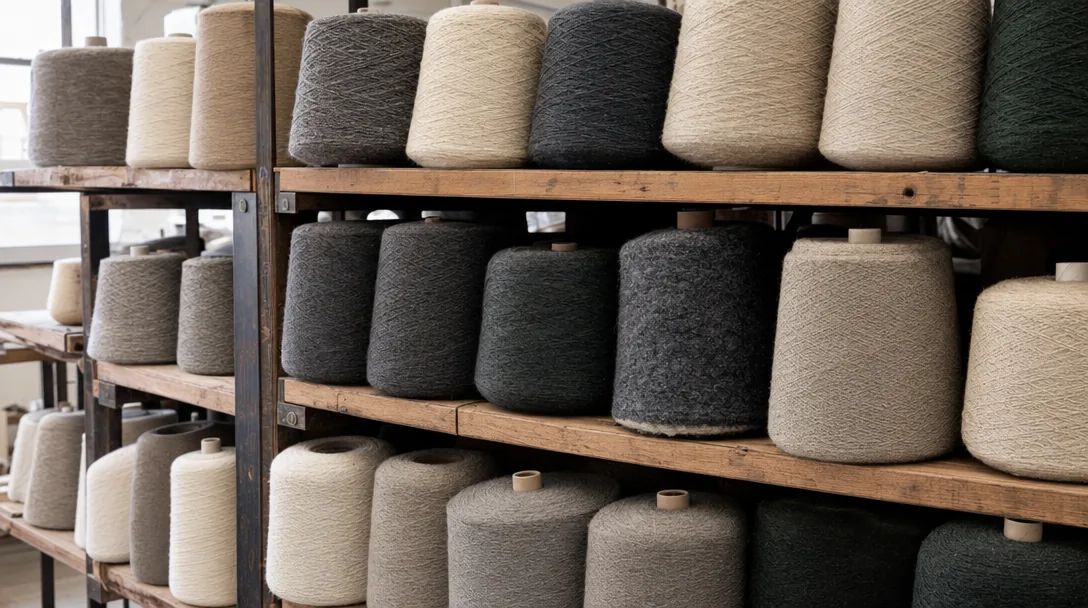
Mens beanies are usually knitted on a computerized flat knitting machine or fully fashioned circular setup, then linked, washed, blocked, and finished with a woven label, rubber patch, or embroidery. The spec that matters most is not the style name but the construction: gauge, yarn count, yarn blend, cuff depth, crown shape, and whether the body is single-layer or double-layer. A 7-gauge acrylic beanie will feel bulkier and cheaper than a 12-gauge merino wool beanie, and that difference shows up immediately in handfeel and pilling resistance. For sourcing, ask the factory for yarn composition in percent, weight in grams per piece, stretch recovery, and color standard against Pantone TCX; if they cannot give you that in writing, you are not buying a controlled product, just a sample.
Typical MOQ for mens beanies in a real factory is 300 to 500 pieces per color for stock yarns, while custom-dyed yarns or jacquard programs usually push that to 1,000 pieces per color or more. Factory pricing moves mostly with yarn cost and stitch density: basic acrylic beanie pieces can land around USD 1.20 to 2.20 EXW, recycled acrylic or cotton blends often sit in the USD 1.80 to 3.20 range, and finer merino wool programs can run USD 4.50 to 8.00 before freight and duty. Buyers should always confirm shrinkage after wash, seam twist at the crown, yarn pilling after a 5,000-cycle rub test, and color consistency across lots; those are the problems that turn a cheap quote into a rejected shipment. This is the same sourcing discipline I use when comparing a corduroy hat or a camouflage bucket hat program: the cheapest unit price is usually hiding the biggest risk.
For inspection, I would specify AQL 2.5 for major defects and define what counts as a defect before production starts: loose linking stitches, uneven cuff height, visible yarn knots, dye specking, and oil stains from knitting machines. Ask for pre-production samples, a size chart in centimeters, and a photo of the production lot under daylight and D65 light, because many beanies pass on the table and fail in natural light. If the order includes mixed headwear like a bucket hat women line or a novelty cap, keep the mens beanies spec separate; different factories often source those through different sewing lines and quality control is not transferable. The broader sourcing decision is simple: if the buyer wants stable quality, repeatable fit, and low complaint rates, the factory needs clear yarn, gauge, wash, and trim specs up front, not just a mood board and a target price.
Corduroy Cap Mens
A corduroy cap mens program is usually built on the same sourcing logic as mens beanies: you are buying a fabric story plus a production method, not just a shape. Corduroy is cut from 11-wale or 14-wale cotton corduroy, usually 240-320 gsm, then fused with buckram or canvas at the front panels, sewn on 6-panel or 5-panel cap blocks, and finished with a pre-curved or flat brim. If you want consistency, specify the wale count, fabric composition, shrinkage limit, crown height, brim curve, sweatband material, and closure type. In production, the biggest cost drivers are fabric shade consistency, embroidery or patch application, and whether the brim is sandwiched or fully wrapped. A simple plain corduroy cap can look clean at low cost; once you add a woven patch, custom taping, or contrast underbrim, the price moves quickly because labor and cutting yield become the real variables.
For factory quoting, ask for a full tech pack, not a casual sample note. The factory should confirm crown depth in centimeters, front panel structure, stitch density, seam allowance, visor board thickness, eyelet count, and color standard by Pantone TCX or a physical lab dip. For corduroy, I would also request pile direction approval, because cutting panels against the nap creates visible shade variation across the cap. Typical MOQ is 300-500 pieces per color for a basic corduroy hat, but 1,000 pieces is more realistic if you want multiple colors, custom labels, or a special wash. In China, a plain factory-fresh unit might land around USD 2.20-3.80 FOB depending on fabric and trim; embroidered versions often run USD 3.50-6.50. That is still separate from freight, duty, and carton pack-out, which buyers often forget when comparing against an acrylic beanie or a merino wool beanie.
The common QC failures are boring but expensive: crooked center front, inconsistent brim shape, puckering around the visor seam, visible chalk marks, uneven nap direction, and color delta across panels or between bulk and approval sample. On the inspection side, I would check stitch count per inch, panel symmetry, sweatband attachment strength, and whether the cap holds form after steam and compression packing. If the buyer is also sourcing a bucket hat women program or a camouflage bucket hat, the same discipline applies: define fabric weight, print registration, and shrinkage tolerance up front, because casual headwear looks simple until the factory starts guessing. For mens beanies, the parallel issue is yarn count and gauge; for corduroy, it is nap control and structure. If those specs are written clearly, the supplier can quote honestly and you avoid the usual back-and-forth over “similar quality” samples that are not actually similar at all.
100 Cotton Beanie Mens
A 100 cotton beanie mens order is usually the simplest beanie to source, but cotton is less forgiving than buyers expect. The factory typically knits it on a flat knitting machine in 1x1 or 2x2 rib, then cuts and links the crown, washes it for shrink control, and adds a woven label, patch, or embroidery after drying. If you want a clean spec, ask for yarn count, gauge, finished weight in grams, stitch density, crown construction, and target shrinkage after one wash. For a standard adult beanie, 80–120 gsm is common for lightweight styles and 140–180 gsm for a heavier hand feel. If you are comparing it against an acrylic beanie or a merino wool beanie, cotton usually sits in the middle on comfort but below merino on warmth and below acrylic on price and recovery.
The specs that matter most are not the brand name of the cotton but the technical details behind it. Request combed cotton if you want a cleaner surface, ring-spun if you want better softness, and pre-shrunk or enzyme-washed fabric if you want to reduce distortion at the first wash. For color, insist on Pantone TCX approval, and if the buyer is sensitive to shade variance, define Delta-E tolerance at 1.5 to 2.0 against the approved lab dip. On the factory side, MOQ for a basic solid-color mens beanies program is often 300 to 500 pieces per color, while custom knitting with special jacquard or branded trim may push that to 1,000 pieces. FOB China pricing for a plain cotton beanie commonly lands around USD 1.20 to 2.80 depending on yarn quality, wash treatment, and labeling; embroidery, heat transfer, or custom packaging can add another USD 0.25 to 1.20 per piece.
The quality issues I see most often are bad shrinkage control, twisted seams, thin yarn that pills after two wears, and size inconsistency from crown to cuff. Buyers should measure finished circumference, depth, and cuff width on random samples, then run a wash test before bulk approval; AQL 2.5 is standard for general apparel inspection, but for logo-driven programs I would still do a 100 percent visual check on the first production lot. Also check seam slippage at the crown, needle damage around the label, and whether the rib recovers after stretching. A good factory will separate the spec path for a 100 cotton beanie mens program from other winter accessories like a corduroy hat, bucket hat women, or camouflage bucket hat, because each material behaves differently in cutting, sewing, and packing. The bigger sourcing decision is not cotton versus polyester alone; it is whether the buyer wants breathability, shape retention, warmth, or a lower landed cost profile across the full mens beanies range.
Corduroy Bucket Hat Mens
A corduroy bucket hat mens order is usually built from 11-wale or 21-wale cotton corduroy, with a 100% cotton shell around 250 to 320 gsm and a plain cotton twill or poplin lining if the buyer wants a cleaner inside finish. The factory flow is straightforward but easy to mess up: fabric inspection, cutting by marker, crown sewing on a 4- or 5-thread machine, topstitching the brim, then embroidery or woven patch application before final pressing. If you want a soft hand and stable shape, specify pre-shrunk fabric, brim width at finished size, crown depth, stitch density, and whether the brim needs stitching rows or a hidden fused insert. For mens beanies buyers who are comparing winter headwear options, this matters because corduroy is less forgiving than knit caps; a bad shrink rate or off-grain cut shows immediately on the finished hat.
For spec control, I always ask for Pantone TCX or Pantone C references for the body, thread ticket numbers for embroidery, and a full measurement sheet with tolerance at +/- 0.5 cm on crown height and brim width. If you are testing a corduroy hat against an acrylic beanie or a merino wool beanie in the same seasonal program, make the factory separate the QC logic: corduroy needs pile direction consistency, seam puckering control, and no crushed ribs at the brim fold, while knit beanies need gauge and rib recovery. Typical MOQ is 300 to 500 pieces per color if you want normal production pricing; for custom trims or heavy wash treatments, 800 pieces is more realistic. FOB Yiwu or Ningbo pricing for a basic corduroy bucket hat mens style usually lands around USD 2.10 to 4.20 depending on fabric weight, lining, and decoration, while a more technical streetwear build with embroidery and sweatband can move to USD 4.80 to 6.50.
The quality issues I see most often are crooked brim topstitching, mismatched cord direction between panels, weak sweatband attachment, and color variance between lots when the mill changes dye bath. Ask the factory for a pre-production sample, a top-of-production sample, and an in-line inspection plan using AQL 2.5 for major defects and 4.0 for minor defects; if the order is going into retail, check seam slippage, dimensional stability after washing, and embroidery registration under a 1.5 mm limit. This sits in the same sourcing decision as mens beanies because the buyer is really choosing between comfort, seasonality, and margin: a bucket hat like this works for transitional weather and streetwear, while a camouflage bucket hat or bucket hat women style often shares the same base pattern but different fit and trim details. The factory should tell you whether the pattern block is unisex or head-size specific, because that changes the grade rule and the return rate.
Mens Corduroy Bucket Hat
A mens corduroy bucket hat is usually built from 8-wale or 11-wale cotton corduroy around 230–320 gsm, with a soft brushed handfeel and enough body to hold the brim shape. The factory process is simple but easy to mess up: panel cutting, crown stitching, brim topstitching, sweatband insertion, then washing or garment dyeing if you want a softer, broken-in look. Ask for the corduroy wale count, fabric composition, shrinkage after wash, crown height, brim width, and whether the seam allowance is locked before topstitching. If you are comparing it with an acrylic beanie or a merino wool beanie, remember this is a higher-cut, higher-seam product; stitching consistency matters more than fiber content because the silhouette shows every defect. For branded mens beanies programs, I also ask factories to quote a corduroy hat version at the same time, because it tells you quickly whether their pattern team can handle structured headwear or only basic knit caps.
Typical MOQ for a decent custom corduroy hat starts around 300–500 pcs per color if the factory already has the fabric in stock; if you want custom-dyed corduroy or a special lining, 800–1,000 pcs is more realistic. Factory price is usually about USD 2.20–4.80 FOB for plain embroidery or woven label versions, and USD 5.00–7.50 if you add garment wash, custom taping, or a leather patch. Buyers often forget to specify the crown depth and brim stitching density, which leads to hats sitting too shallow or collapsing after packing. You should also define the color target in Pantone TCX or provide a physical reference, because corduroy absorbs dye differently from flat woven fabric and visual matching is less forgiving than on a bucket hat women style or a camouflage bucket hat where pattern complexity can hide minor shade shifts. If you are managing multiple SKUs in one order, keep the corduroy hat spec separate from your knit mens beanies spec sheet; factories mix those workflows and quality control gets sloppy.
The main quality issues are striping mismatch, crooked panel alignment, crushed pile, uneven brim width, and loose topstitch tension around the eyelets or ventilation holes. I check whether the nap direction is consistent across all panels, because if one panel is reversed the hat looks cheap immediately under factory lighting and even worse in retail photos. Insist on an AQL 2.5 inspection for appearance and measurement, plus a wash test if the hat is garment dyed or enzyme washed; corduroy can lose shape fast if the thread count and interlining are under-spec’d. For broader mens beanies sourcing, the lesson is the same: define fabric weight, construction, and defect tolerance before asking for a price. A factory that can quote a stable acrylic beanie, a merino wool beanie, and a corduroy hat in one conversation usually understands the difference between material cost and workmanship cost, which is where most overseas buyers lose money.
Working with CrownsForge for mens beanies programs
For mens beanies programs, the biggest sourcing mistake is treating a knit cap like a simple blank. Yarn count, gauge, stretch recovery, seam construction, and label placement all affect fit and sell-through. Our standard sampling flow starts with a 3–5 day knit card and trim confirmation, then 7–10 days for first physical samples if the spec is clear. A basic acrylic beanie in 1x1 rib is usually the fastest and cheapest path for first-time buyers; a merino wool beanie needs tighter shrink control, softer hand feel targets, and more disciplined color matching because natural fiber lots drift more than people expect. For brands that also sell a corduroy hat or a bucket hat women style in the same line, we keep the trim and color library aligned so the collection does not look assembled by three different factories.
MOQ flexibility matters more than buyers think because knit programs can get expensive fast when you overcommit to colorways. For core mens beanies, we can usually work at 200–300 pcs per color on stock acrylic yarn, with higher minimums only when a custom yarn dye is required. Decoration is handled in-house or through controlled partners: flat embroidery, 3D puff on suitable structures, woven labels, faux leather patches, and heat transfer for low-profile branding. On beanies, I prefer direct embroidery or woven patches over oversized heat transfer because stretch fabric punishes weak adhesion. If a client is pairing a simple acrylic beanie with a camouflage bucket hat for a seasonal drop, we keep thread and patch materials consistent across the range so the brand reads as one program instead of separate buys.
Compliance and order control are where first-time buyers usually lose money, so we build that into the workflow instead of treating it as paperwork after the fact. Our standard practice is sedex-audit-cap-supplier-guide.html">BSCI and Sedex SMETA-capable production, with fabric and trim checks tied to Pantone TCX targets and a practical color tolerance around Delta-E 1.5 to 2.0 for repeat orders. Every PO gets a live production tracker: yarn booking, knitting, washing, shaping, decoration, final AQL 2.5 inspection, packing, and container loading photos. For buyers scaling mens beanies from 1,000 to 20,000 units, that discipline prevents the usual problems — color shift between lots, crooked labels, inconsistent cuff height, and late freight bookings that wipe out margin.
Frequently Asked Questions
Which shipping methods do you support?
We support FOB, CIF and DDP shipping. Air express for samples and small orders, sea LCL for 100 to 500 pieces, sea FCL for 5,000+ pieces. Door-to-door DDP available for US, EU, UK, Canada and Australia.
Do you support sustainability certifications?
Yes. We work with GOTS organic cotton, GRS-certified recycled polyester, OEKO-TEX Standard 100 fabrics, and are BSCI and Sedex audited. Certification documentation can be provided per order.
How long does production take?
Sampling takes 7 to 12 days. Bulk production runs 20 to 30 days depending on quantity, fabric availability and decoration complexity. Inspection and packing adds another 3 to 5 days before shipment.
What file format should I send for my logo?
Vector files (AI, EPS, PDF) are ideal. High-resolution PNG or JPG at 300 dpi on transparent background works as a fallback. Provide Pantone color references for accurate reproduction.
What is the minimum order quantity (MOQ) for custom hats?
Our standard MOQ is 100 pieces per design and color, with sampling available from 1 piece. For complex multi-color logos or premium fabric upgrades, the MOQ can be lowered with a small per-piece surcharge.
What should buyers know about kangol bucket hat mens?
When evaluating kangol bucket hat mens, the key considerations are construction quality, decoration capability, MOQ flexibility and lead time. Cover everything buyers ask about corduroy bucket hat mens: how it's manufactured, what specs to request from a factory, typical MOQ and pricing, common quality issues to inspect for, and how this ties back to the broader mens beanies sourcing decision. Cover everything buyers ask about mens corduroy bucket hat: how it's manufactured, what specs to request from a factory,…
What should buyers know about corduroy hat vintage?
When evaluating corduroy hat vintage, the key considerations are construction quality, decoration capability, MOQ flexibility and lead time. Cover everything buyers ask about corduroy bucket hat mens: how it's manufactured, what specs to request from a factory, typical MOQ and pricing, common quality issues to inspect for, and how this ties back to the broader mens beanies sourcing decision. Cover everything buyers ask about mens corduroy bucket hat: how it's manufactured, what specs to request from a factory,…
What should buyers know about cotton beanie women?
When evaluating cotton beanie women, the key considerations are construction quality, decoration capability, MOQ flexibility and lead time. Cover everything buyers ask about 100 cotton beanie mens: how it's manufactured, what specs to request from a factory, typical MOQ and pricing, common quality issues to inspect for, and how this ties back to the broader mens beanies sourcing decision. Cover everything buyers ask about beanies for men: how it's manufactured, what specs to request from a factory, typical MOQ…
What should buyers know about black bucket hat men?
When evaluating black bucket hat men, the key considerations are construction quality, decoration capability, MOQ flexibility and lead time. Cover everything buyers ask about corduroy bucket hat mens: how it's manufactured, what specs to request from a factory, typical MOQ and pricing, common quality issues to inspect for, and how this ties back to the broader mens beanies sourcing decision. Cover everything buyers ask about mens corduroy bucket hat: how it's manufactured, what specs to request from a factory,…
Looking for a reliable hat manufacturer in China?
CrownsForge has produced custom hats for 800+ brands across 40 countries. From 100-piece launches to 100,000-piece retail programs, we deliver on time and on spec.
Get in touchRelated guides
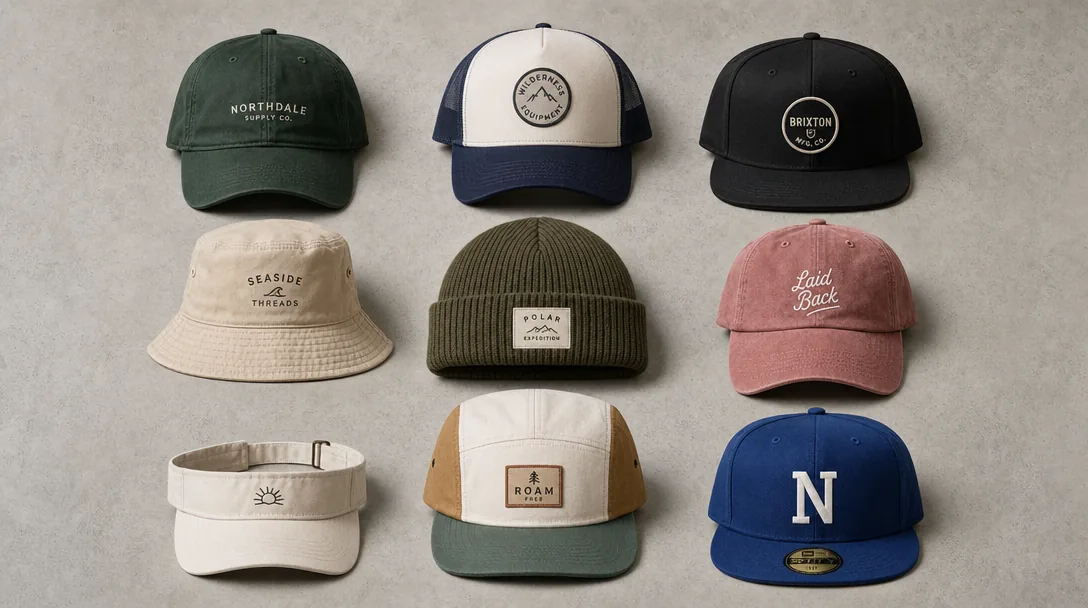
Private Label vs White Label Caps: Which Model Fits Your Brand?
Read article →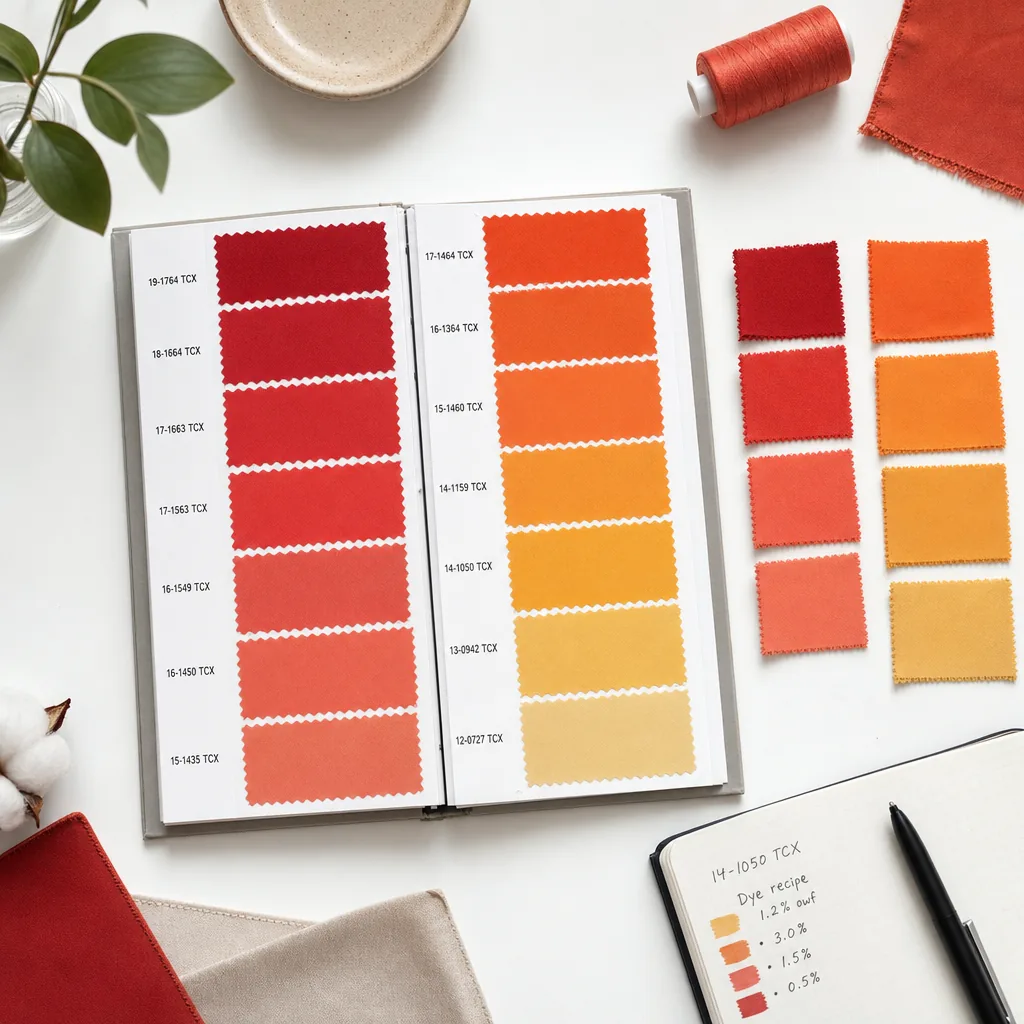
Pantone Color Matching for Custom Caps: A Manufacturer's Reference
Read article →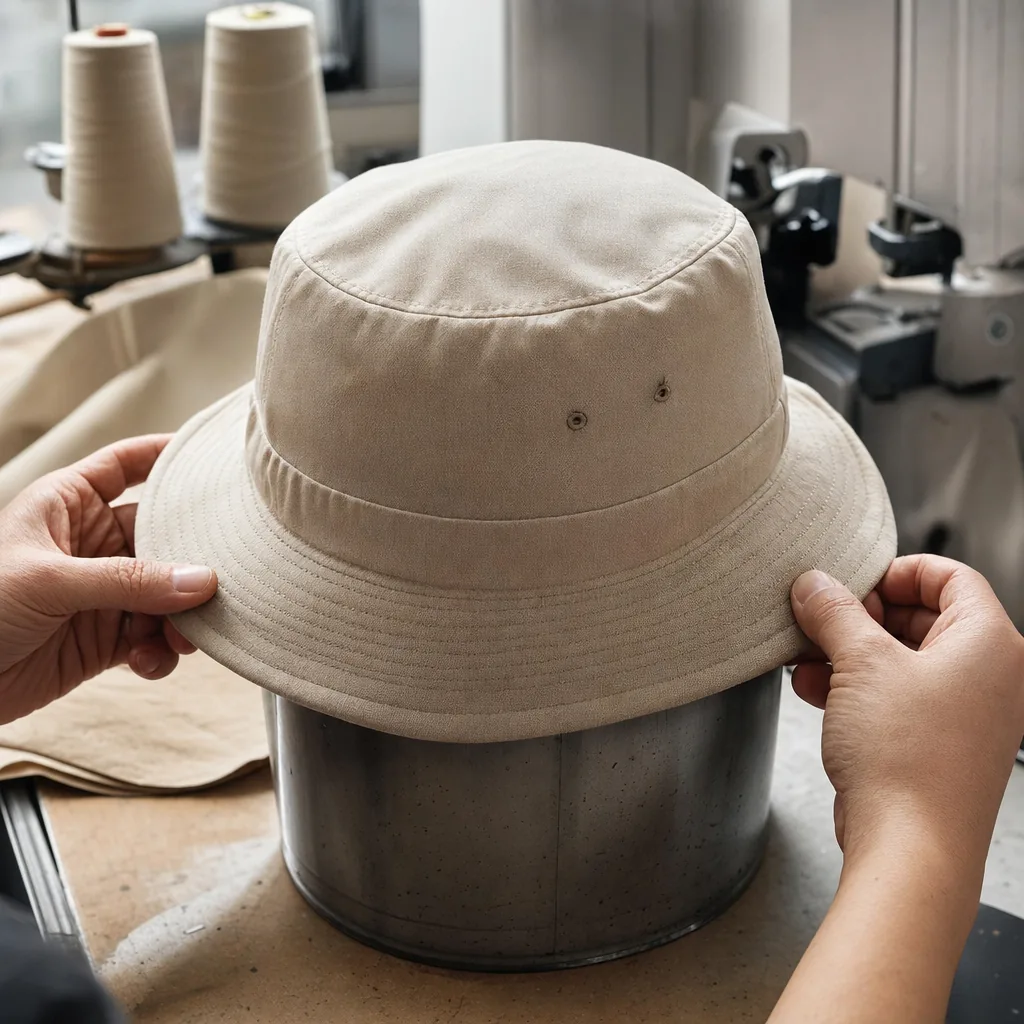
Bucket Hat Men: A Vertical-Specific Sourcing Guide
Read article →If you are ready to take the next step on mens beanies: properties, costs and how to spec it right, our team can put a tailored quotation and digital mock-up in your inbox within 24 hours. Send the inquiry form on our contact page or message us directly on WhatsApp.