
Bulk Trucker Hats Export Shipping Checklist for Custom Hat Buyers - Cost & MOQ Breakdown - Supplier Checklist
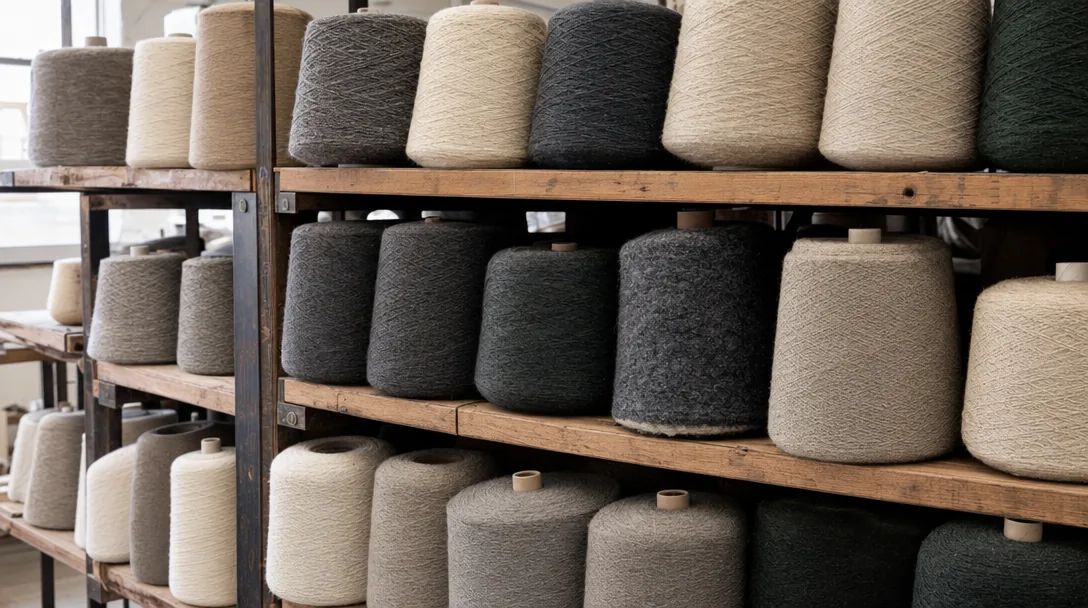
For brand owners, wholesalers and procurement teams entering the custom headwear category, bulk trucker hats export shipping checklist for custom hat buyers - cost & moq breakdown - supplier checklist is one of the highest-leverage decisions you will make. Get it right and your unit economics, retail story and reorder cycle all improve. Get it wrong and you carry the cost for years.
Why bulk trucker hats export shipping checklist needs a separate sourcing plan
A bulk trucker hats export shipping checklist needs its own sourcing plan because the freight math is usually decided before the first stitch, not after production. A foam-front 5-panel trucker with polyester mesh may weigh only 75-95 g, but the 11-13 cm crown height, pre-curved PE bill, and snapback profile create volume fast. A lazy packing setup can drop a master carton from 50 pcs to 25-36 pcs, adding roughly $0.08-$0.18 per cap on LCL sea freight and making express or air freight painful on a $2.00 FOB item. Lock carton dimensions, pcs per polybag, nested crown direction, desiccant grams, inner carton use, carton marks, and pallet height before PP sample approval. For U.S. and EU buyers, I also want the HS code, fiber label wording, invoice description, and Incoterm confirmed at sourcing stage, because “baseball caps” versus “foam trucker caps with polyester mesh” can trigger different customs questions and duty assumptions.
Design choices must be costed against both FOB and dimensional weight, especially when buyers treat decoration as separate from shipping. A basic foam/poly mesh trucker with one flat embroidery logo is typically $1.85-$2.60 FOB China at 1,000 pcs, assuming standard snapback, stock colors, and 5,000-7,000 stitch embroidery. Add 3D puff, side embroidery, sandwich bill, woven back label, custom taping, or printed underbill and the same cap often moves to $3.20-$4.80, with 3-5 extra production days for approved artwork and trims. Underbill printing usually adds $0.18-$0.35 per cap; sublimated laminated fabric or embroidered bill graphics can add $0.45-$0.90 and may change bill stiffness. Color control also belongs in the sourcing plan: foam front panels, cotton twill bills, and 100-120 gsm polyester mesh do not match Pantone TCX the same way. Retail programs should target Delta-E under 1.5; promotional orders usually tolerate 2.5 if the buyer signs the shade band.
Compliance is the point where a trucker hat order stops being a decoration purchase and becomes an export program. U.S. youth caps may need CPSIA tracking labels, lead-content records, and phthalate declarations for printed or rubber patches; EU shipments may require REACH declarations, azo-free dye statements, and correct fiber-content labels sewn into the sweatband or back seam. Larger retailers often ask for sedex-audit-cap-supplier-guide.html">BSCI 2.0, Sedex SMETA 4-Pillar, or factory social audit documents before they release a PO, so do not wait until booking space with the forwarder. Our standard practice at CrownsForge is to attach the checklist to PP sample sign-off: Tajima, Barudan, or ZSK embroidery file, thread chart, mesh denier, bill insert, sweatband composition, care label, carton size, AQL 2.5 inspection points, invoice wording, and shipping route are approved as one package. Plan 7-10 days for sampling, 20-35 days for bulk production, 3-7 days for final inspection and export documents, then choose FOB Ningbo/Shanghai, DDP, air, or courier based on margin and launch date.
Factory capability checks before quoting
Check real factory capability before you ask for FOB Ningbo, FOB Shanghai, or DDP Los Angeles pricing, because the cheapest trucker cap quote often hides outsourced embroidery, patch work, or blocking. Require a written machine list with brand, model, head count, and year: Tajima TFMX-IIC, Barudan BEKY-S1504, and ZSK Sprint heads can all run clean cap embroidery, but only when the digitizer understands cap-frame distortion, density limits, pull compensation, and center-out sequencing. For structured front panels, ask the maximum stitch count they allow before puckering, their normal 3D puff height, foam thickness, needle size, backing type, and thread brand such as Madeira, Gunold, or Coats. Small lettering is the giveaway: if they cannot keep 4.5-5 mm satin letters open after steaming, they should not quote detailed team marks. Photos must show caps inside the cap frame and on the blocking form, not only finished samples on a table.
Put material verification near the top of any bulk trucker hats export shipping checklist, because trucker caps fail when the front fabric, buckram, visor board, sweatband, and mesh are bought as unrelated parts. Specify 260-280 gsm cotton twill, 160-180 gsm polyester performance fabric, foam-laminated front panels, recycled polyester, or nylon taslan, then lock mesh denier, crown height, seam tape width, eyelet type, and visor thickness before sampling. Virgin PE visor board usually adds $0.04-$0.10 per cap versus paperboard, but it handles humidity, steam shaping, and 35-45 days in ocean freight far better. Closure choices also affect cost and inspection risk: a standard plastic snapback is the baseline, while metal buckle, hook-and-loop, elastic flex band, custom rubber tab, or branded woven back strap can add roughly $0.08-$0.45 per cap. Patch items need separate lines: woven patches often run $0.28-$0.45, PVC molds $60-$120, and debossed leather badges $0.85-$1.60 depending on size and MOQ.
Sample-room discipline tells you whether the bulk order will match the approved cap. A serious supplier should issue a fit sample, revised pre-production sample, and size set with written changes to crown depth, visor curve, sweatband tension, front-panel angle, and logo placement; one polished photo sample is not evidence of control. Our standard practice at CrownsForge is to freeze Pantone TCX references, thread codes, Delta-E tolerance for dyed fabric, panel measurements, packing method, carton dimensions, and AQL 2.5 inspection points before mass cutting. For retailer, licensed sports, or promotional programs, ask for current BSCI 2.0, Sedex SMETA 4-Pillar, or WRAP documentation, and confirm the audited site is the same workshop sewing and packing the caps. The merchandiser should answer MOQ, lead time, HS code 6505.00, export carton size, polybag warning text, country-of-origin label, embroidery approval flow, and final random inspection responsibility within one business day. If no one can name the person signing off before goods move through Yiwu, Ningbo, or Shanghai, the quote is not ready.
MOQ, pricing and sample approval
Price trucker hats by colorway, decoration method, and trim package, not by a loose total quantity. For export-ready stock programs, the practical floor is 300 pieces per colorway for a 5-panel foam front or 6-panel cotton twill front, 100-120 gsm polyester mesh, plastic snapback, and standard curved visor. At 300 pieces, a real FOB China quote is usually $3.80-$6.50 with flat embroidery; at 1,000 pieces, the same build often drops to $2.60-$4.20 if fabric, mesh, closure, and bill shape stay standard. Custom dyed cotton twill, special mesh denier, private-mold PVC patches, woven clip labels, sandwich bills, printed undervisor art, and metal buckles move the real MOQ to 500-1,000 pieces per design because trim suppliers will not set machines for tiny runs. A useful bulk trucker hats export shipping checklist should lock the SKU map before quotation: colorways, size split, Pantone TCX codes, decoration placement, closure, packing method, carton marks, and inspection level.
Decoration is where weak quotes usually hide cost and quality risk. Embroidery digitizing normally runs $25-$60 per logo, and stitch counts above 10,000 need review on curved fronts because dense fill can pucker foam or pull cotton twill off grain. Tajima, Barudan, and ZSK heads can all produce clean caps; the difference is hooping pressure, backing weight, needle condition, thread tension, and whether the operator tests the file on the actual front panel before bulk sewing. Puff embroidery needs wider satin columns, controlled underlay, and clean foam tear-away, so I avoid it on thin foam fronts unless the panel has enough body. Check Pantone matching by component: cotton twill, polyester mesh, embroidery thread, PVC patch, and plastic snapback rarely land at the same Delta-E under D65 light. Common adders are $0.20-$0.55 for printed undervisor art, $0.35-$0.90 for woven or rubber bill labels, plus separate charges for contrast stitching, custom lamination, molded patch tooling, and special thread.
Approve the pre-production sample before bulk cutting, not after fabric is already on the sewing line. Our standard practice at CrownsForge is one PPS made with final fabric, mesh, closure, trims, embroidery file, label positions, carton mark, and individual polybag specification, followed by written buyer sign-off before material release. A clean PPS cycle takes 7-12 days after artwork, Pantone TCX references, and logo files are confirmed; each revision usually adds 5-8 days. Bulk lead time is normally 25-35 days for stock-fabric truckers and 40-55 days for custom dyed fabric, special mesh, imported buckles, or private-mold patches. Packaging must be fixed early because it changes landed cost: 25 pieces per inner carton, 100 or 200 pieces per master carton, tissue under curved bills, silica gel for humid-season sea freight, and crush-resistant cartons for DDP parcels. Final release should include AQL 2.5 inspection, needle detection if required, carton drop testing, dimensions, gross weight, and freight cube, which can move landed cost by $0.18-$0.70 per cap.
Quality inspection and shipping risk
The main quality risk in trucker hats is line-to-line variation, not the plastic snapback. Lock the inspection standard before fabric cutting: ANSI/ASQ Z1.4, General Inspection Level II, AQL 2.5 for major defects, AQL 4.0 for minor defects, and zero tolerance for critical defects such as wrong logo, exposed needle, mildew odor, mixed PO cartons, or missing country-of-origin marking. For a 5,000-piece order, that means a 200-piece final random inspection sample, not photos from the top carton. The approved pre-production sample should define measurable tolerances: crown height +/-3 mm, visor length +/-2 mm, front panel width +/-3 mm, sweatband length +/-5 mm, and embroidery placement within +/-2 mm of center. Loose thread tails can be minor, but skipped stitches on logo edges, collapsed 3D puff, visible backing through satin columns, bill asymmetry over 3 mm, or puckering above 2 mm should be major defects. Tajima, Barudan, and ZSK heads can all produce clean work, but only when the DST is digitized for the actual panel curve, foam thickness, thread count, and backing.
A proper bulk trucker hats export shipping checklist should include material and trim controls, not just finished-cap photos. For dark cotton twill, polyester mesh, and black sweatbands, require dry and wet crocking of Grade 4/3 minimum under ISO 105-X12 or AATCC 8; add perspiration testing when the cap is for teams, events, or summer retail. Pantone TCX or TPX matching should be checked in a D65 lightbox, with Delta-E under 1.5 for body panels and under 2.0 for mesh because open mesh reflects light differently from twill. Record the actual inputs: 260 gsm cotton twill, 120 gsm polyester mesh, mesh denier, thread brand and number, snap mold color, woven label artwork, care label wording, and carton packing method. Cost risk belongs in the same file. A sandwich bill, contrast undervisor, woven patch, 3D puff embroidery, metallic thread, or custom taping can add USD 0.35-1.20 per cap, while refusing a USD 80-150 pre-production sample can turn into a full claim after duty, ocean freight, and warehouse receiving are already paid.
Shipping errors are expensive because trucker hats are light but bulky. A structured 6-panel trucker usually packs 24 or 25 pieces per inner polybag and 100 or 150 pieces per export carton, commonly around 60 x 45 x 38 cm, but high-crown foam fronts and pre-curved visors can increase chargeable volume by 10-18%. Carton marks should show PO number, style code, color, size if applicable, quantity, gross weight, net weight, carton number, country of origin, and any Amazon FBA or retailer routing label. FOB Ningbo or Shanghai gives the buyer freight control and visibility on origin charges; DDP is easier for small resellers but often hides duty rate, fuel surcharge, customs exam fees, and remote delivery cost inside the unit price. Our standard practice at CrownsForge is to keep approved sample photos, dielines, DST files, thread codes, Pantone references, AQL report, packing list, commercial invoice, HS code notes, and carton photos in one reorder folder, because six-month reorders fail when production teams rebuild caps from memory instead of controlled records.
Buyer checklist for the next RFQ
Send the RFQ as a costing sheet, not a mood board. Start with cap type, order quantity by color, destination ZIP/postcode, required ship window, and Incoterm, then lock the build: 5-panel foam-front trucker or 6-panel structured trucker, crown height in cm, front fabric and gsm, buckram weight, mesh material and denier, closure, visor shape, undervisor color, sweatband, seam tape, and inside labeling. A useful bulk trucker hats export shipping checklist must include packing assumptions because carton cube changes freight more than many buyers expect. A 58 cm adult trucker packed 25 pcs per polybag/inner and 100 pcs per export carton may run around 0.075 to 0.095 CBM per carton; loose-packed 200 pcs cartons can look cheaper on labor but crush crowns and raise AQL defects. For color, provide Pantone TCX/TPX references or approved lab dips, with realistic tolerance: Delta-E under 1.5 on front panels, under 2.0 on mesh, and under 2.5 on hidden taping.
Quote decoration from production artwork, not screenshots. Send AI, EPS, or vector PDF files with fonts outlined, thread/patch colors specified, and a placement sheet showing logo width in mm, centerline, and distance from visor edge, crown seam, or side panel seam. Separate every decoration method: flat embroidery, 3D puff, felt applique, woven patch, rubber patch, heat transfer, sublimated patch, screen print, edge embroidery, sandwich bill, undervisor print, size sticker, and woven label. A 9,000-stitch flat logo on Tajima or Barudan heads is not priced like a 22,000-stitch 3D puff logo with foam, extra underlay, manual trimming, and slower head speed; the gap is commonly USD 0.25 to USD 0.80 per cap before normal reject allowance. Use Madeira, Isacord, or Pantone thread references when color matters, and state placement tolerance up front: +/-3 mm for front embroidery and +/-5 mm for side or rear positions is a workable factory standard.
Close the RFQ with the items buyers usually remember too late: inspection level, barcode format, carton marks, document set, compliance scope, and landed-cost basis. Ask for FOB Ningbo/Shanghai and DDP delivered as separate lines, with freight, duty, customs clearance, and last-mile delivery broken out where possible. For U.S. and EU shipments, DDP can add roughly USD 0.35 to USD 1.20 per cap depending on HS classification, duty rate, carton CBM, and whether the shipment moves by express air, LCL, or a full container. State whether you require AQL 2.5 final inspection, needle detection, CPSIA tracking labels, REACH declaration, Prop 65 review, BSCI 2.0 or Sedex SMETA 4-Pillar factory eligibility, and retailer routing compliance. Our standard practice at CrownsForge is to confirm MOQ by material and decoration, because stock mesh can run at 144 to 300 pcs, custom-dyed mesh or sweatbands usually need 600 to 1,000 pcs, and private-mold rubber patches can push the true MOQ above 1,000 pcs.
Working with CrownsForge
A bulk trucker hats export shipping checklist should start before cutting, because fit, decoration, packing cube, and freight cost are linked. For a new style, lock the approval sample first: 5-panel foam front, 6-panel cotton twill front, 100% polyester mesh, recycled PET mesh, plastic snapback, woven loop label, PVC patch, flat embroidery, or 3D puff. Artwork should be checked before it reaches Tajima, Barudan, or ZSK embroidery heads. Common failure points are predictable: text under 5 mm, satin columns over 8 mm, fill areas above 12,000 stitches on foam, puff embroidery with closed counters, and logos placed too close to the crown seam. Sampling usually runs USD 50-120 per style, or USD 150-250 when a molded rubber patch, metal buckle, or lab-dipped fabric color is involved. CrownsForge normally needs 7-10 working days after AI/PDF artwork, Pantone TCX references, thread numbers, visor curve, crown depth, and size grading are frozen. Change the crown depth after approval and the checklist resets, because fit, embroidery placement, carton quantity, and freight volume all change.
Pricing becomes much clearer when the checklist separates material, construction, decoration minutes, trims, and packing volume. A standard polyester mesh trucker hat with cotton or polyester front panels and one flat front embroidery usually lands around USD 2.20-3.40 FOB Ningbo or Shanghai at 500-1,000 pieces. Add 3D puff, sandwich visor, printed seam tape, woven back label, custom sweatband, contrast undervisor, or Pantone-dyed twill, and a realistic FOB range is USD 4.20-6.80. Low-volume color matching is where buyers get surprised: cotton twill dye lots often require 300-500 kg minimums, while mesh is usually purchased by roll in fixed specs such as 150D polyester at 120-150 gsm. For embroidered bulk custom trucker hats, approve colors against physical Madeira, Gunold, or Coats thread cards, not screen previews. A workable tolerance is Delta-E under 1.5 for primary logo colors and under 2.0 for secondary shades, but fluorescent yarns, heathers, and recycled PET mesh rarely match lab dips perfectly.
Export release should happen only when product inspection and shipping documents agree line by line. Inline QC should check crown height, front-panel symmetry, visor curve, snapback pull strength, seam allowance, embroidery registration, skipped stitches, loose threads, oil marks, needle cuts, and mesh tension. Final inspection should use AQL 2.5 for major defects and AQL 4.0 for minor defects unless the PO requires tighter limits. Before balance payment, buyers should receive carton marks, inner packing method, polybag warning language, country-of-origin label position, HS code, final packed dimensions, gross weight, net weight, commercial invoice, packing list, and photos of sealed cartons. Freight terms must be explicit: FOB Ningbo/Shanghai, LCL sea freight, air courier, or DDP, with booking cutoff, forwarder contact, and delivery address format confirmed. BSCI 2.0 or Sedex SMETA 4-Pillar records belong in the pre-production file, not the packing-stage file, because audit gaps can block licensed retail orders even when the hats pass AQL inspection.
Frequently Asked Questions
What file format should I send for my logo?
Vector files (AI, EPS, PDF) are ideal. High-resolution PNG or JPG at 300 dpi on transparent background works as a fallback. Provide Pantone color references for accurate reproduction.
What logo decoration techniques do you offer?
3D puff embroidery, flat embroidery, woven patch, leather patch, PVC patch, screen printing, sublimation, applique and laser etching, all in-house with no subcontracting.
Which shipping methods do you support?
We support FOB, CIF and DDP shipping. Air express for samples and small orders, sea LCL for 100 to 500 pieces, sea FCL for 5,000+ pieces. Door-to-door DDP available for US, EU, UK, Canada and Australia.
How long does production take?
Sampling takes 7 to 12 days. Bulk production runs 20 to 30 days depending on quantity, fabric availability and decoration complexity. Inspection and packing adds another 3 to 5 days before shipment.
Do you support sustainability certifications?
Yes. We work with GOTS organic cotton, GRS-certified recycled polyester, OEKO-TEX Standard 100 fabrics, and are BSCI and Sedex audited. Certification documentation can be provided per order.
How does ordering custom embroidered trucker hat work?
When evaluating custom embroidered trucker hat, the key considerations are construction quality, decoration capability, MOQ flexibility and lead time. Explain the buyer intent behind bulk trucker hats export shipping checklist, when it differs from generic hat sourcing, and what decisions affect cost, lead time and compliance. Describe how CrownsForge manages bulk trucker hats export shipping checklist programs with sampling, decoration, QC and export coordination.
What should I know about custom trucker hats bulk?
When evaluating custom trucker hats bulk, the key considerations are construction quality, decoration capability, MOQ flexibility and lead time. Explain the buyer intent behind bulk trucker hats export shipping checklist, when it differs from generic hat sourcing, and what decisions affect cost, lead time and compliance. Describe how CrownsForge manages bulk trucker hats export shipping checklist programs with sampling, decoration, QC and export coordination.
What's the MOQ for custom embroidered trucker hats no minimum?
When evaluating custom embroidered trucker hats no minimum, the key considerations are construction quality, decoration capability, MOQ flexibility and lead time. Explain the buyer intent behind bulk trucker hats export shipping checklist, when it differs from generic hat sourcing, and what decisions affect cost, lead time and compliance. Describe how CrownsForge manages bulk trucker hats export shipping checklist programs with sampling, decoration, QC and export coordination.
What should I know about custom rope hat wholesale bulk?
When evaluating custom rope hat wholesale bulk, the key considerations are construction quality, decoration capability, MOQ flexibility and lead time. Explain the buyer intent behind bulk trucker hats export shipping checklist, when it differs from generic hat sourcing, and what decisions affect cost, lead time and compliance. Describe how CrownsForge manages bulk trucker hats export shipping checklist programs with sampling, decoration, QC and export coordination.
What is the best shipping method for hats?
In general, you can safely package most hats inside cardboard boxes. You should wrap them in a protective layer or place enough packing material inside to protect the hat from any residue that leaks onto the box. Most hats have a hard brim, visor, bill, or crown that must retain its shape during shipping.
What size box is needed to ship a hat?
Down. So this is the 1686. All right perfect for your dozen hats dozen plus. So this one here this is the 2488. And this one here of course to ship out the higher quantity.
How much does an average hat weigh?
The typical weight of a baseball cap ranges from 3 to 4 ounces (about 85 to 113 grams). This can vary slightly depending on the materials used, the design of the cap, and any added features like embellishments or mesh backs. The weight of a baseball cap can affect your comfort and performance.
How are baseball caps shipped?
For baseball caps, a box around 8x8x4 inches usually works well. Next, use protective materials like tissue paper, bubble wrap, and packing peanuts or air cushions. If you're just starting out, dollar stores are a good place to find these items.
Need a low-MOQ test order?
We help emerging brands launch with as few as 100 pieces. Premium fabric, in-house embroidery, retail-ready packaging.
Start a small orderRelated guides
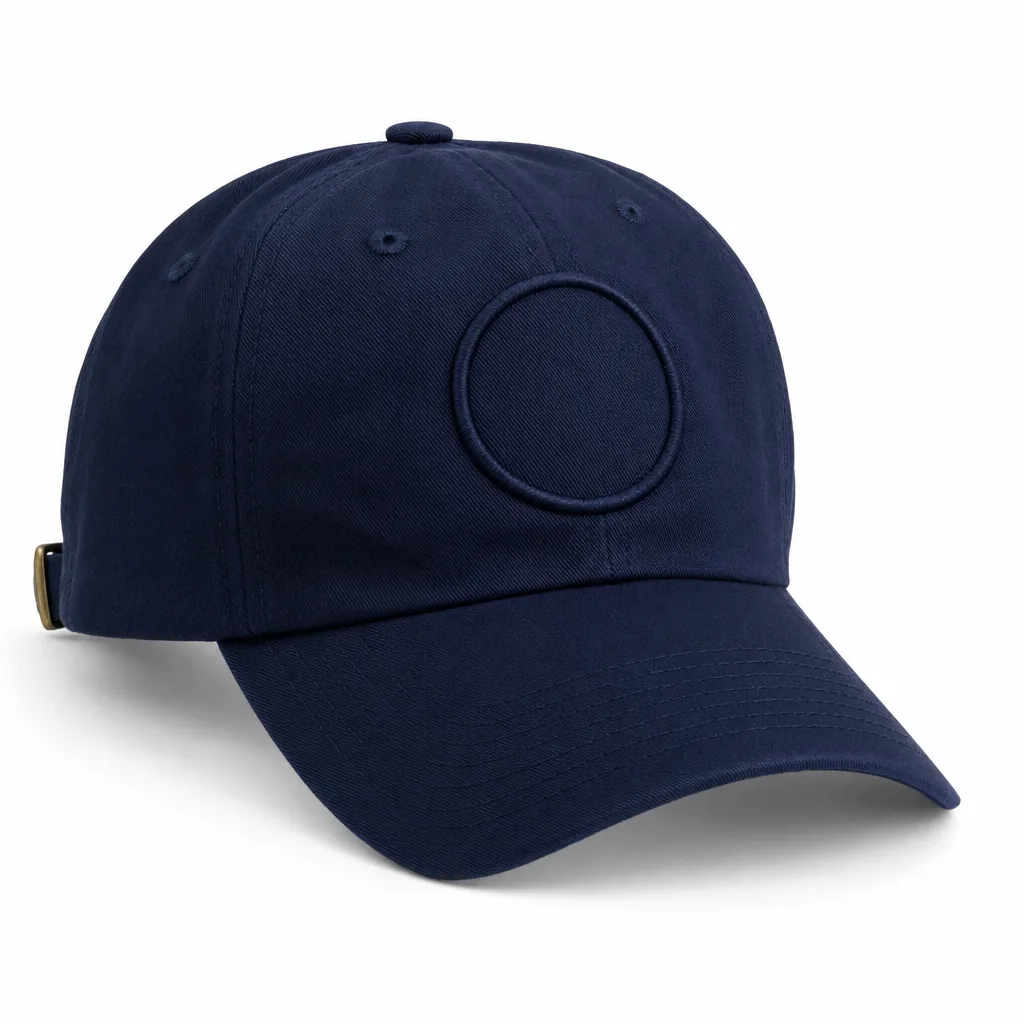
Custom Made Trucker Hat: The 2026 Sourcing & Manufacturing Playbook (2026 Update) (2026 Update) - 2026 Buyer's Guide
Read article →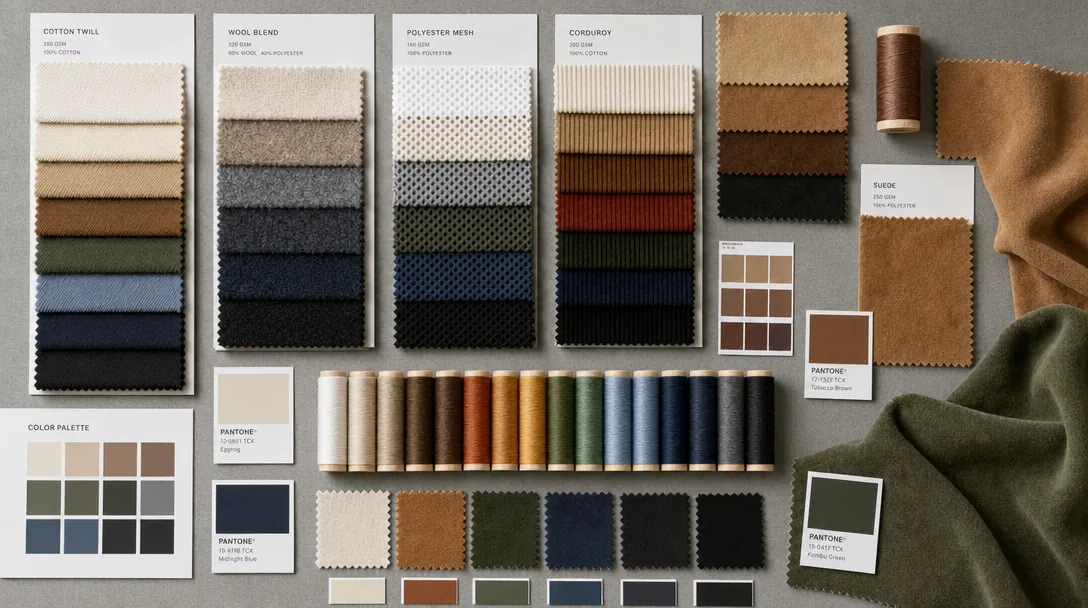
Corduroy Hat Vintage Supplier Audit Checklist for Custom Hat Buyers
Read article →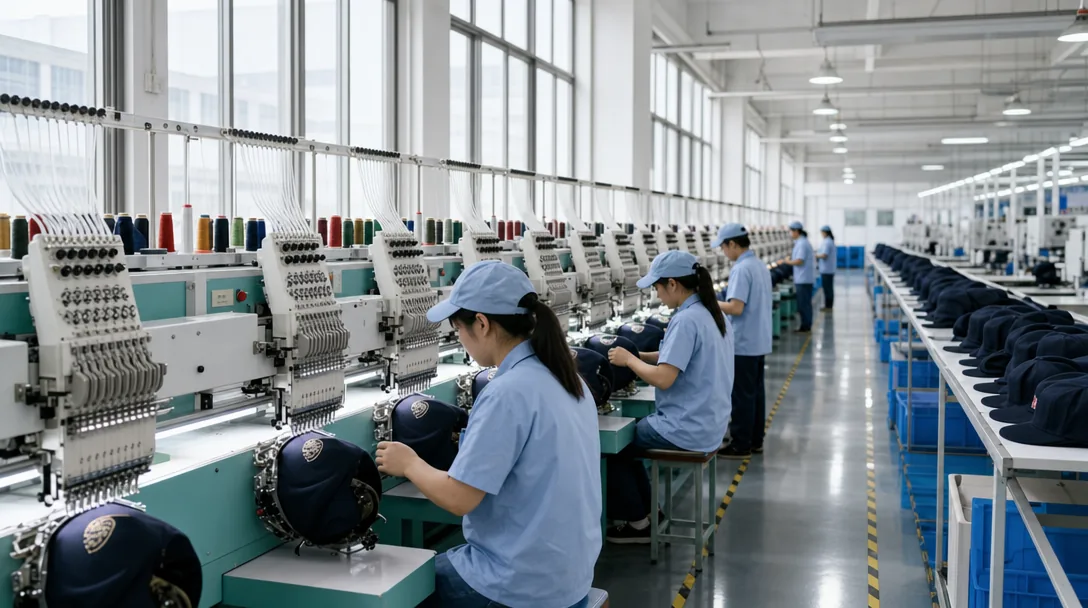
Bulk Trucker Hats Export Shipping Checklist for Custom Hat Buyers - Cost & MOQ Breakdown - Cost & MOQ Breakdown
Read article →We hope this guide demystifies bulk trucker hats export shipping checklist for custom hat buyers - cost & moq breakdown - supplier checklist and helps you move forward with confidence. If you have questions specific to your project, our English-speaking sales engineers are one message away.