
Custom Made Trucker Hat: The 2026 Sourcing & Manufacturing Playbook (2026 Update) (2026 Update) - 2026 Buyer's Guide
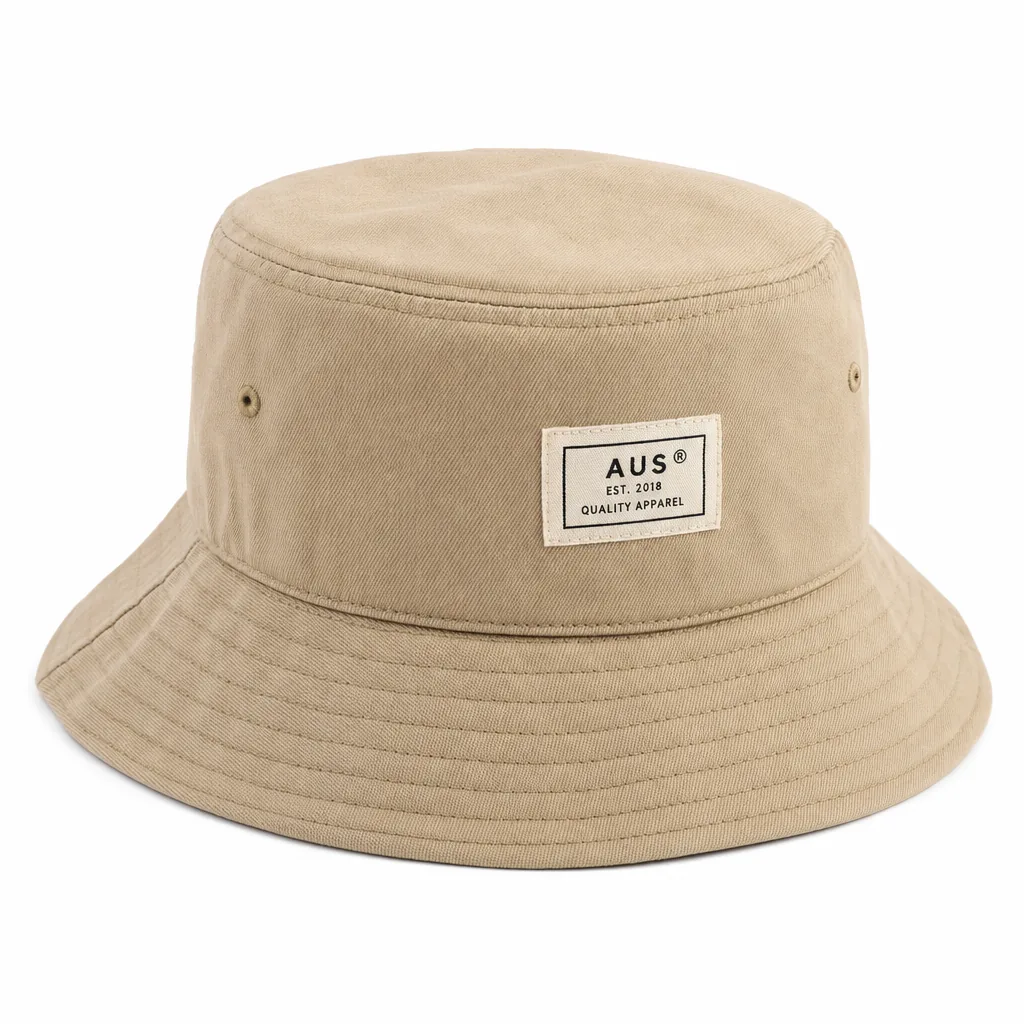
For brand owners, wholesalers and procurement teams entering the custom headwear category, custom made trucker hat: the 2026 sourcing & manufacturing playbook (2026 update) (2026 update) - 2026 buyer's guide is one of the highest-leverage decisions you will make. Get it right and your unit economics, retail story and reorder cycle all improve. Get it wrong and you carry the cost for years.
Custom Embroidered Hats
Embroidery still gives the strongest perceived value on a custom made trucker hat, but the result is decided before the cap ever reaches the embroidery head. On trucker styles, the front panel is usually 2.5 to 3.0 mm laminated polyester foam or cotton twill with buckram, and that construction directly affects push, pull, and needle penetration on Tajima, Barudan, and ZSK multi-head machines. If the artwork includes text below 4 mm cap height, strokes under 0.8 mm, or tonal fades, require a physical sew-out on the actual cap body, not a flat swatch. Curved fronts and 6-panel center seams regularly close counters, distort baselines, and turn clean vectors into unreadable embroidery. A factory should lock the digitizing spec before bulk: stitch density, underlay type, pull compensation, thread type, needle size, embroidery window in millimeters, and whether the logo is flat, 3D puff, or combined applique. For color-critical programs, thread should be matched against Pantone references using actual thread cards; if the design also includes printed patches, keep printed elements within Delta-E 2.0 or tighter so the embroidery and print do not visibly separate under retail lighting.
Quotes on embroidered trucker caps get sloppy when buyers send only a logo and a rough mockup. A usable tech pack needs crown height, panel count, visor curve, mesh composition, closure type, sweatband spec, seam tape, artwork size by position, target stitch count, and packaging method, because each one moves cost or reject risk. In the South China market, a basic foam-front mesh-back trucker with up to about 8,000 flat stitches typically lands around $2.20 to $4.80 FOB at 144 to 300 pieces per colorway; add 3D puff, metallic thread, woven label branding, interior taping, or retail packing and it can move past $5.50 quickly. Digitizing is usually a one-time $25 to $80 charge, while a pre-production sample is often $35 to $100 plus courier. Most bulk failures are repeatability issues, not catastrophic defects: off-center placement, puckering, inconsistent density, exposed bobbin, loose trims, foam show-through, and panel-to-panel registration drift. AQL 2.5 is a sensible final standard, but for ocean freight I would also check carton compression and post-pack crown recovery, because badly packed caps arrive with crushed fronts and visibly telegraphed embroidery outlines.
Custom Hat Embroidery
Embroidery is the biggest technical failure point on a custom made trucker hat because it affects machine minutes, reject rate, and front-crown shape at the same time. The real starting point is the panel build, not the logo art. A structured 5-panel trucker with a 3 to 5 mm foam-laminated polyester front can support broad satin columns, clean 3D puff, and higher logo relief; a 6-panel brushed cotton twill or chino twill front with a center seam needs lighter density, tighter seam clearance, and more disciplined underlay to avoid tunneling, grin-through, and seam deflection. A 12,000-stitch file that runs clean on foam can distort badly on 240 gsm cotton twill if the digitizer does not rebalance pull compensation, top tension, and backing. Serious suppliers test the file on the actual shell using Tajima, Barudan, or ZSK heads rather than approving from a screen preview. In the tech pack, lock the finished logo size in millimeters, stitch-count range, thread brand and finish, backing type and weight, and whether the build is flat, 3D puff, or mixed embroidery; otherwise two factories can quote the same custom made trucker hat and deliver very different edge coverage, logo height, and seam stability.
Embroidery pricing gets more accurate when buyers spec it like a bill-of-material item instead of writing “front logo” in the notes. The minimum useful data set is width and height, color count, estimated stitch count, puff thickness, panel material, needle sequence, and placement tolerance; for center-front logos, ±2 mm is realistic, while demanding ±1 mm on sewn caps usually drives rework without improving sellable quality. In East China production, a simple left-front logo under 8,000 stitches typically adds about $0.18 to $0.45 per cap at 1,000 pieces, while a center-front 3D puff logo at 12,000 to 18,000 stitches is more often $0.55 to $1.20 because head speed drops, trims increase, and operators spend more time controlling seam strike and foam exposure. Digitizing usually runs $25 to $80 per file unless amortized into the order, but the effective MOQ rises once you add metallic thread, multiple logo files, or strict shade approval against Madeira or Gunold references.
Most embroidery rejects are small defects that buyers do not define early enough: exposed EVA puff on satin edges, flagging on letters under 2.5 mm height, loose jump-thread trimming, color registration drift, needle cuts on foam fronts, and center-seam distortion that bends the logo off axis. On a mesh-back custom made trucker hat, inspect the cap after sweatband setting and final assembly, not just as a front panel, because embroidery tension can warp the crown profile even when the sew-out itself looks sharp. For bulk inspection, AQL 2.5 for workmanship is standard and should include missed stitches, broken threads, backing cleanliness, placement, and crown symmetry. For dyed shell fabrics, keeping fabric color within Delta-E 1.5 of the approved standard is practical, but thread is usually matched to the nearest stock cone rather than lab-dipped exactly. At CrownsForge, sewn approvals are checked under both daylight and D65 light because thread sheen and fabric cast can shift noticeably under warm office lighting; in many cases, reducing a logo from 17,000 stitches to around 9,500 to 11,000 improves clarity, cuts rejects, and shortens production by several days with no visible loss at retail distance.
Custom Trucker Hat
Most defects in a custom made trucker hat are baked into the front-panel spec long before production starts. Buyers often lump every style into “foam trucker,” but a 3 mm EVA foam laminated to tricot does not behave like 10 oz cotton twill, brushed canvas, or 600D polyester when it goes under an embroidery head or sits in a humid container at 35 to 45 days transit. If the front substrate is under-supported, the crown collapses after stitching; if the mesh is cheap, it turns brittle, yellows, or bags out before the cartons even clear destination customs. Lock the build before sampling: 5-panel versus 6-panel layout, finished crown height at 11.5 to 13 cm, visor length and curve, front substrate, mesh fiber and gsm, sweatband composition, snapback resin grade, and visor insert material. In real production, standard polyester trucker mesh usually runs 140 to 180 gsm, while nylon mesh is cleaner in hand, rebounds better, and costs about $0.08 to $0.18 more per hat. Do not leave the visor board unspecified; recycled paperboard warps during wet-season transit, while PE or EVA inserts hold shape far better on FOB shipments.
Decoration has to be matched to the substrate, not the sales mockup. On EVA foam fronts, flat embroidery should run with reduced stitch density, clean edge-walk underlay, and digitizing tuned for Tajima, Barudan, or ZSK heads; otherwise you get tunneling, puckering, and foam cutting at satin borders. On firmer fronts such as cotton twill, corduroy, or duck canvas, 3D puff embroidery, woven patches, PVC patches, chain stitch, and screen print are all viable, but each method changes minimum line width, edge sharpness, and text legibility. If copy is below 4 mm cap height or a stroke is under 0.8 mm, require a sew-out photo with a ruler in frame, because rendered art hides failure. A proper tech pack should call out Pantone TCX for dyed textiles, Pantone Solid Coated for inked or molded components, and a Delta-E tolerance of 1.5 to 2.0 when the hat must sit next to matched apparel. Stock-material MOQ is often 144 to 300 pieces per color, but once you add custom mesh, printed seam tape, woven loop labels, underbrim print, and retail polybagging, the practical MOQ usually moves to 500 to 1,000 pieces per SKU.
Pricing only means something when it is tied to construction and freight density. A basic foam-front snapback with stock polyester mesh and one embroidery location typically lands at $2.20 to $3.80 FOB China at 300 to 500 pieces. A retail-grade custom made trucker hat built in structured twill with nylon mesh, 3D embroidery, branded inside taping, woven labels, and cleaner seam finishing is more realistically $4.50 to $7.50 FOB, and that spread can disappear fast if you ship by air because trucker crowns waste carton volume. Our standard practice is to check nesting ratio, closure profile, and chargeable weight before final packing approval; a taller crown or aggressive visor curve can reduce carton efficiency by 10 to 18 percent. For production control, set inspection at AQL 2.5 and tighten appearance tolerances for licensed or fashion programs: logo centering within plus or minus 3 mm, crown height variance within 5 mm, symmetrical brim stitch rows, snapback lock consistency, mesh distortion after pressing, and color continuity across crown, visor, and underbrim. That is usually where “same as sample” falls apart on a 1,200-piece run.
Custom Trucker Hats
A custom made trucker hat is usually won or lost in the BOM before embroidery, heat transfer, or patch application even starts. The spec has to lock construction in measurable terms: 5-panel or 6-panel, finished crown height in mm, front panel structure, mesh type and denier, visor insert material, sweatband composition, snapback resin grade, seam tape width, and underbill color. “Foam front” is not a factory-ready instruction. There is a real performance difference between a 120-140 gsm foam laminated with light tricot and a 3 mm high-density foam front that can support a 10,000-14,000 stitch logo on Tajima or Barudan heads without tunneling, crown collapse, or needle cutting. Mesh needs the same level of precision: common polyester trucker mesh feels harder and holds shape better, while 75D nylon mesh has a softer hand but is more prone to rear-seam distortion if operator tension is not controlled. Buyers should also freeze logo position from visor seam and side seam, eyelet placement on non-mesh panels, brim curve, and color tolerance—typically Delta-E 1.0-1.5 against Pantone TCX or coated references for dyed fabric and embroidery thread.
Decoration and trim choices move cost more than cap shape does. For stock colors and standard trims, MOQ is commonly 144-300 pieces per colorway; once you add custom-dyed mesh, molded TPU patches, printed seam tape, branded inner labels, or custom snap molds, the practical MOQ usually jumps to 500-1,000 pieces because trim vendors will not hold color or yield efficiently on short runs. In southern China, a standard foam-front mesh cap with flat embroidery or a woven patch typically lands around $2.20-$4.80 FOB at 300-500 units. Premium builds using 10 oz brushed cotton twill, suede visor wraps, HD silicone labels, moisture-wicking sweatbands, or metal closures more realistically price at $5.50-$8.50 FOB. Sampling usually runs $35-$90 per style, but 3D puff digitizing, embossed patch tooling, and non-stock mesh sourcing can add another $20-$80 quickly. Our standard practice is to hold bulk cutting until a signed pre-production sample confirms crown stiffness, brim curvature, patch edge finish, and trim shade, because most disputes on a custom made trucker hat come from vague approvals rather than actual sewing failure.
Inspection is where weak trucker-hat sourcing gets exposed fast. The repeat failures are predictable: warped PE visor inserts, asymmetrical crowns, snapbacks with poor tooth engagement, mesh tearing at the back seam, foam-front embroidery push distortion, and visible shade variation between front fabric, underbill, closure tab, and button. AQL 2.5 is still the practical benchmark for most programs, but it only works when defect limits are written in numbers before production starts. For example, logo off-center beyond 3 mm, exposed visor edge, skipped topstitching, puckering from excessive stitch density, needle cuts through the foam face, soiled sweatbands, or carton assortment errors should already be classified as major or minor defects before inline sewing begins. For retail, licensed, or children’s channels, I would also require needle policy logs, azo-free dye declarations, CPSIA or REACH material compliance, and current sedex-audit-cap-supplier-guide.html">BSCI 2.0 or Sedex SMETA 4-Pillar audit reports. The cheapest custom made trucker hat quote often becomes the most expensive shipment once chargebacks, rework, and airfreight replacements are added back in.
Hat Trucker Custom
A custom made trucker hat is won or lost in the tech pack, not the mockup. The default six-panel recipe is familiar—front panel in 10x10 cotton twill or poly-cotton chino at 220-260 gsm, back in polyester mesh around 140-160 gsm, PE visor insert at 2.0-2.2 mm, and a PP snapback with a 7-hole or 9-hole ladder—but the commercial result changes fast when the structure is underspecified. A 5 mm foam-front promo cap, a buckram-supported mid-profile crown, and a soft unstructured trucker can all be quoted as the “same” hat while wearing completely differently. If crown height, visor length, bill curve, mesh denier, sweatband content, seam tape width, and front support are left open, the factory will usually choose whatever protects margin and line speed. That is exactly how a supposed premium custom made trucker hat turns into an average bulk cap with weak handfeel and inconsistent fit. Decoration needs to be written as a process with tolerances, not described as a look. A 3D puff logo on Tajima or Barudan heads typically needs 2-3 mm EVA foam, stable front backing, and enough underlay to prevent edge tunneling; on softer foam fronts, excessive stitch density will collapse the panel and telegraph needle lines through the face. Woven patches, PVC badges, sublimated emblems, and heat-applied transfers each stress the crown differently, especially near mesh joins and center seams. For color-critical programs, specify Pantone TCX or coated references and set a Delta-E tolerance—1.5 to 2.0 is realistic for matched trims, while anything over 3.0 becomes visible on adjacent parts like visor wrap, top button, and patch merrow. At CrownsForge, we lock stitch count, visor rows, seam tape color, closure resin grade, and carton pack-out before sampling because trucker caps are one of the easiest categories to quote loosely and one of the easiest to receive inconsistently when the BOM is vague.
MOQ and price move with color complexity, trim customization, and setup burden more than buyers expect. For a custom made trucker hat using stock mesh, standard snap closures, and flat embroidery, workable China MOQs are usually 144-300 pieces per colorway. Once you ask for custom-dyed mesh, printed undervisors, branded inner tape, molded TPU badges, or proprietary camo, the factory is no longer just sewing stock components; it is managing dye-lot minimums, trim tooling, and slower line balancing, so the commercial MOQ usually jumps to 500-1,000 pieces. In 2026, a solid six-panel trucker generally lands around $2.10-$3.40 ex-factory with standard materials and simple embroidery, $3.20-$5.20 with 3D puff and upgraded internal finishing, and $4.80-$7.50 when you stack specialty fabrics, multi-location decoration, or multiple patch applications. Development samples at $35-$90 per style are normal when new digitizing, patch molds, or custom closure tooling are involved. Inspection and packing deserve the same detail as costing because most failures show up after transit or first wear. The repeat problems on trucker production runs are logo placement drifting beyond +/-3 mm, puckering on foam fronts, inconsistent visor curvature inside the same carton, mesh breakage at seam joins, off-center top buttons, and brittle snap tabs that crack in cold weather. AQL 2.5 is a practical final inspection level for bulk production, but serious retail programs usually impose tighter internal limits on embroidery finish, panel centering, and shade variance than the sampling table alone would require. Carton discipline also matters: if master cartons are over-compressed or containers sit above 45°C for extended periods, foam fronts crease and pre-curved bills relax before arrival. Ask for nested pack ratios, carton count caps, crown protectors if needed, and confirmed net/gross weights, then verify the supplier can support compliance requirements with current BSCI 2.0 or Sedex SMETA 4-Pillar records.
Trucker Custom Hat
A dependable custom made trucker hat is won or lost in the interaction between the front structure, mesh tension, and closure durability under real packing and transit stress. The safest commercial spec is still a high-profile 5-panel or 6-panel build with a 3 to 5 mm laminated polyester foam front, polyester mesh around 120D to 180D, a pre-curved PE visor, and a PE snap closure with 7 holes and clean gate trimming. On the sewing floor, the sequence is straightforward—front panel cutting, foam lamination, crown assembly, sweatband insertion, visor joining, top button setting, and blocking on heated aluminum molds—but poor specs show up immediately on the foam face. Weak glue lines create bubbling after steaming, underweight foam collapses after carton compression, and soft front panels make even well-run embroidery look unstable at retail distance. For that reason, I treat front-panel stiffness and lamination quality as more important than cosmetic trim upgrades; if the crown cannot recover after 30 to 45 days in export cartons, the hat is already a claims risk before it reaches a shelf.
Decoration on a custom made trucker hat has to be engineered around the foam front rather than borrowed from a brushed cotton baseball cap file. For 3D puff embroidery, the most reliable setup is usually 2.5 to 3.0 mm EVA underlay foam, reduced top-stitch density, wider satin columns, and pull compensation tuned to keep the thread from slicing the puff during steaming. Tajima, Barudan, and ZSK multi-head machines can all run clean output, but production consistency comes more from cap hooping, panel rigidity, and disciplined digitizing than from logoing the machine brand on a quote sheet. If artwork includes serif text below 4 mm, narrow outlines, tonal fades, or stacked detail, forcing it into puff embroidery is a mistake; a woven patch, heat-applied transfer, or merrowed emblem usually holds detail better at bulk scale. In practice, FOB China pricing in 2026 is commonly about $2.20 to $3.80 for standard embroidered builds and $3.60 to $5.80 for multi-decoration programs, with workable MOQs around 144 to 300 pieces for stock materials and 500-plus when you need custom-dyed mesh, branded snaps, or molded trims.
The quote package should read like a factory control sheet, not a mood board. Lock the crown height, panel count, visor curve, visor board material, foam thickness, mesh denier, sweatband composition, seam tape color, snap resin grade, and decoration method by exact position before sampling starts. For color, use Pantone TCX on textile components and Pantone C on printed or coated parts, then set realistic tolerance by material: a Delta-E under 1.5 is achievable on solid dyed twill, but expecting the same match across foam, mesh, woven labels, and silicone is not how mixed-material production behaves. The defects that actually damage sell-through are repetitive small failures—brim asymmetry, seam pucker where foam joins mesh, embroidery drift off true center, skipped sweatband topstitching, brittle snaps, and poor crown recovery after pack-out. AQL 2.5 is still the normal shipment standard, but licensed retail and promotional programs should tighten visual tolerances on logo placement and embroidery cleanliness, then add carton drop tests and post-pack crown-recovery checks before booking ex-factory.
Working with CrownsForge for custom made trucker hat programs
Most custom made trucker hat programs do not fail on FOB price; they fail in development when the sample never converts cleanly into repeatable bulk. If the factory needs four rounds to stabilize crown angle, patch placement, brim curvature, and mesh hand feel, you have already lost two to three weeks before production booking even starts. A disciplined path is tighter: 3 to 5 working days for embroidery strike-offs, woven patch color approval, or silicone badge samples, then 7 to 10 working days for a wearable prototype once shell fabric, mesh spec, visor board, sweatband, and closure are frozen. For a first PO, 2 to 3 SKUs is the practical ceiling unless the buyer is willing to absorb extra sampling cost and a messier buy plan. Small physical changes matter more than many procurement teams expect: a 5 mm shift in front-panel foam thickness, a softer polyester mesh, or a lower crown profile can change fit, logo presentation, and even carton efficiency. Development quantities around 144 to 300 pieces per style-color are workable, but bulk usually gets cleaner at 600 to 1,200 pieces, where patch minimums, fabric yield, and carton ratios start behaving like manufacturing instead of experimentation.
Decoration is where a custom made trucker hat either holds margin or quietly bleeds it away. A 6,000-stitch flat embroidery on a polyester foam front is routine on Tajima or Barudan multi-heads; 3D puff, merrowed patches, chain stitch, or molded silicone badges are not routine just because a factory says yes. Puff embroidery typically needs 2 mm to 3 mm foam, lower stitch density, and tighter control of needle size so the mesh does not snag or ladder under tension. A 6-panel foam trucker also reacts differently than cotton twill with hard buckram, so sign-off should cover panel distortion, seam grin, patch edge bite, brim curve memory, and snapback retention under repeated pull. For color-critical programs, trim matching should reference Pantone TCX for textiles or Pantone Coated for printed badges, with a realistic Delta-E tolerance set before bulk; if the navy patch is visibly off against the crown, remake it before sewing. Our standard QC gate checks the defects that actually fail at AQL 2.5: off-center decoration, needle damage on mesh, visor cracking, loose top button, and closures that pop under tensile testing.
Process control and compliance are what separate a supplier that can run a retail program from one that only looks organized during sampling. If the custom made trucker hat is heading into licensed sports, chain retail, or a promotional rollout with compliance exposure, the factory should already be fluent in BSCI 2.0, Sedex SMETA 4-Pillar, carton marking protocols, and restricted-substances controls covering inks, sweatbands, PE bags, and plastic snap closures. Traceability should go down to component lot level: crown fabric lot, mesh lot, patch batch, visor board source, and closure supplier. When a claim shows up 60 days after delivery, that is the difference between a contained corrective action and a circular argument. The operating rhythm should be simple and visible: approve the PPS, lock the BOM, issue a time-and-action calendar against material ETA, share inline QC from cutting, embroidery, sewing, and packing, then hold final inspection before balance payment. Final audit should run to AQL 2.5 with a defect taxonomy that is specific to hats, not generic garments. The practical result is consistency across order sizes, whether the PO is 300 units for a market test or 20,000 pieces split between FOB Ningbo and DDP air replenishment.
Frequently Asked Questions
What logo decoration techniques do you offer?
3D puff embroidery, flat embroidery, woven patch, leather patch, PVC patch, screen printing, sublimation, applique and laser etching, all in-house with no subcontracting.
Which shipping methods do you support?
We support FOB, CIF and DDP shipping. Air express for samples and small orders, sea LCL for 100 to 500 pieces, sea FCL for 5,000+ pieces. Door-to-door DDP available for US, EU, UK, Canada and Australia.
Do you support sustainability certifications?
Yes. We work with GOTS organic cotton, GRS-certified recycled polyester, OEKO-TEX Standard 100 fabrics, and are BSCI and Sedex audited. Certification documentation can be provided per order.
What file format should I send for my logo?
Vector files (AI, EPS, PDF) are ideal. High-resolution PNG or JPG at 300 dpi on transparent background works as a fallback. Provide Pantone color references for accurate reproduction.
How long does production take?
Sampling takes 7 to 12 days. Bulk production runs 20 to 30 days depending on quantity, fabric availability and decoration complexity. Inspection and packing adds another 3 to 5 days before shipment.
How does ordering custom hat trucker work?
When evaluating custom hat trucker, the key considerations are construction quality, decoration capability, MOQ flexibility and lead time. Cover everything buyers ask about custom embroidered hats: how it's manufactured, what specs to request from a factory, typical MOQ and pricing, common quality issues to inspect for, and how this ties back to the broader custom made trucker hat sourcing decision. Cover everything buyers ask about custom hat embroidery: how it's manufactured, what specs to request from a…
How does ordering custom embroidered trucker hats work?
When evaluating custom embroidered trucker hats, the key considerations are construction quality, decoration capability, MOQ flexibility and lead time. Cover everything buyers ask about custom embroidered hats: how it's manufactured, what specs to request from a factory, typical MOQ and pricing, common quality issues to inspect for, and how this ties back to the broader custom made trucker hat sourcing decision. Cover everything buyers ask about custom trucker hats: how it's manufactured, what specs to request from a…
How does ordering custom made hats for men work?
When evaluating custom made hats for men, the key considerations are construction quality, decoration capability, MOQ flexibility and lead time. Cover everything buyers ask about custom embroidered hats: how it's manufactured, what specs to request from a factory, typical MOQ and pricing, common quality issues to inspect for, and how this ties back to the broader custom made trucker hat sourcing decision. Cover everything buyers ask about custom trucker hats: how it's manufactured, what specs to request from a…
How does ordering high quality custom trucker hats work?
When evaluating high quality custom trucker hats, the key considerations are construction quality, decoration capability, MOQ flexibility and lead time. Cover everything buyers ask about custom embroidered hats: how it's manufactured, what specs to request from a factory, typical MOQ and pricing, common quality issues to inspect for, and how this ties back to the broader custom made trucker hat sourcing decision. Cover everything buyers ask about custom trucker hats: how it's manufactured, what specs to request from a…
Need a low-MOQ test order?
We help emerging brands launch with as few as 100 pieces. Premium fabric, in-house embroidery, retail-ready packaging.
Start a small orderRelated guides
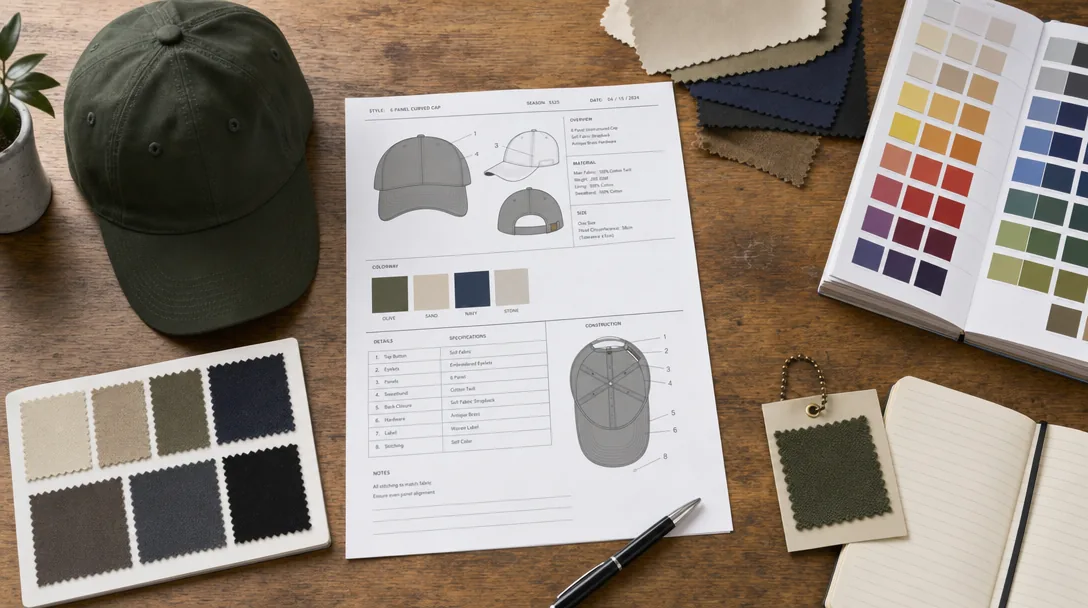
Performance & Athletic Caps: Moisture-Wicking, UPF and Buyer Specs - Cost & MOQ Breakdown (2026 Update) - 2026 Buyer's Guide
Read article →Performance & Athletic Caps: Moisture-Wicking, UPF and Buyer Specs (2026 Update) - 2026 Buyer's Guide
Read article →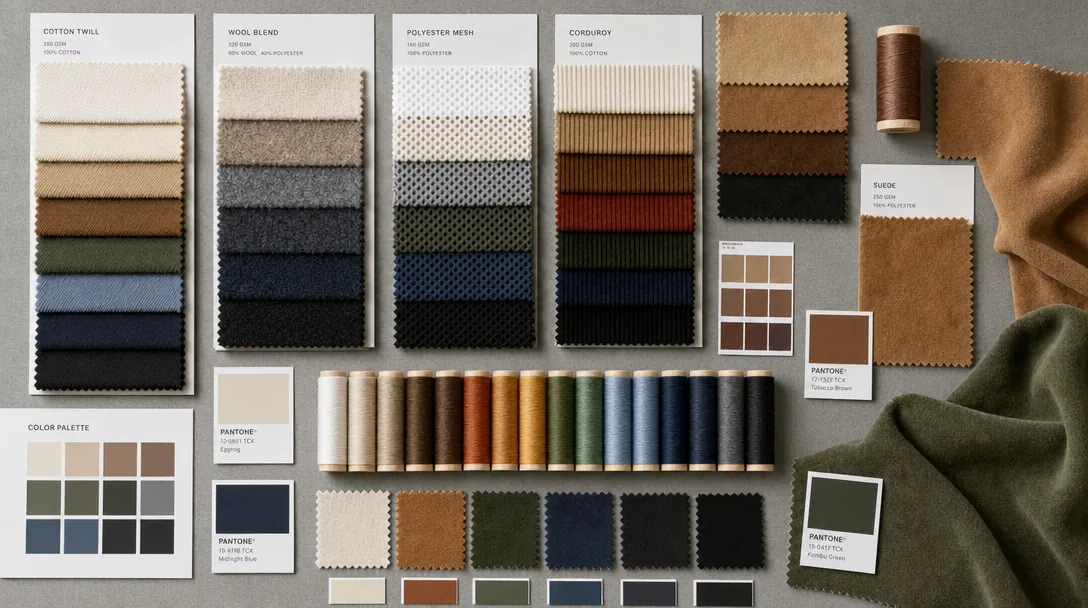
Corduroy Hat Men's: Properties, Costs and How to Spec It Right (2026 Update)
Read article →If you are ready to take the next step on custom made trucker hat: the 2026 sourcing & manufacturing playbook (2026 update) (2026 update) - 2026 buyer's guide, our team can put a tailored quotation and digital mock-up in your inbox within 24 hours. Send the inquiry form on our contact page or message us directly on WhatsApp.