
Corduroy Hat Vintage Supplier Audit Checklist for Custom Hat Buyers
Corduroy Hat Vintage Supplier Audit Checklist for Custom Hat Buyers is one of the most-asked questions we receive from international buyers, and for good reason. With dozens of factories competing for your order and an alphabet soup of technical terms in every supplier quote, even experienced importers can feel lost. This guide consolidates what we have learned producing custom hats for clients in 40+ countries.
Why corduroy hat vintage supplier audit checklist needs a separate sourcing plan
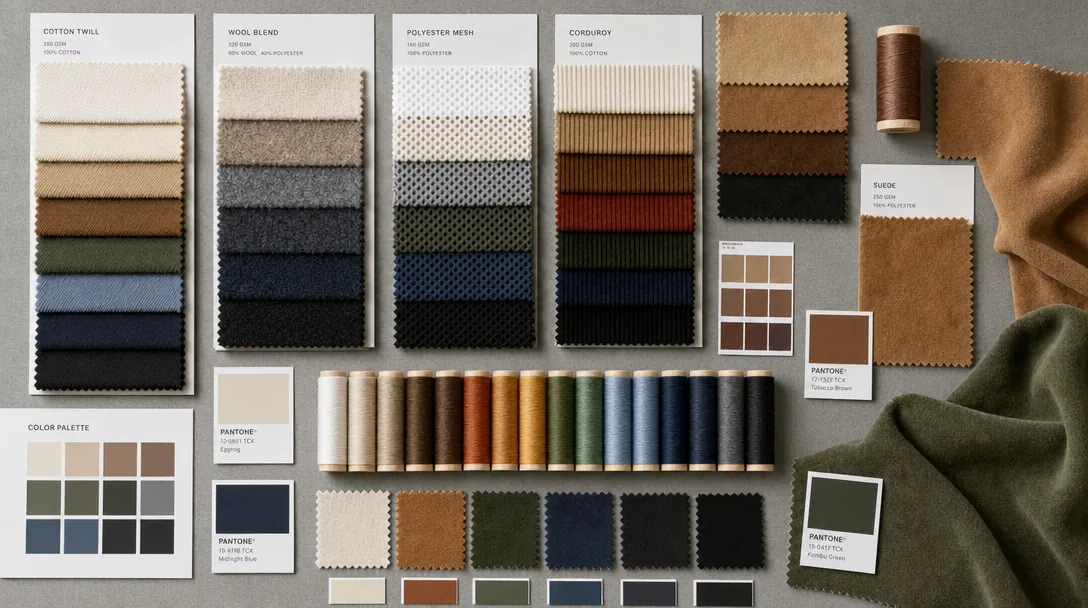
A corduroy hat vintage supplier audit checklist needs its own sourcing plan because the risk is not only cap construction; it is fabric behavior, shade control, and the way “old” styling is achieved without creating quality or compliance problems. Corduroy pile direction changes color under light, so a corduroy hat brown sample can read two shades darker when the panels are cut against nap. Generic cap audits often check seam strength, embroidery placement, and carton marks, but they miss wale count, pile crush after pressing, and Delta-E tolerance between bulk fabric lots. For vintage looks, buyers also need to separate acceptable wash variation from defects. A 16-wale cotton corduroy washed with enzyme may pass for streetwear, while the same variation on a licensed sports order can trigger rejection if the logo color shifts outside Pantone TCX approval.
The buyer intent behind this search is usually more serious than finding a low-cost hat vendor. Procurement teams want to know whether a supplier can manage small-batch styling, repeatable fabric sourcing, and audit paperwork at the same time. A corduroy bucket hat or bucket hat corduroy order may use softer crown patterns, shorter brims, and unstructured panels, which changes sewing tolerances compared with a standard 6-panel baseball cap. If the buyer asks for organic cotton hat labeling, the audit must also check transaction certificates, yarn scope, and whether the mill can provide GOTS or OCS documentation rather than a loose “organic” claim on a quotation. Cost decisions come early: cotton corduroy can add $0.45 to $1.20 per unit versus brushed cotton twill, while enzyme wash, garment dye, and extra shrinkage testing can add 5 to 12 days before bulk cutting.
The separate plan also protects lead time and compliance when the vintage effect involves washing, distressing, or embroidery over textured fabric. Barudan, Tajima, and ZSK heads can all run clean logo work on corduroy, but digitizing needs lower stitch density and more underlay control because pile can swallow fine lettering below about 4.5 mm. Our standard practice at CrownsForge is to approve pre-production samples after wash testing, not before, because a good-looking raw sample can twist at the brim or pucker around the front logo after finishing. The audit should require AQL 2.5 for major defects, needle control records, colorfastness to rubbing, sedex-audit-cap-supplier-guide.html">BSCI 2.0 or Sedex SMETA 4-Pillar status, and a fabric inspection report showing wale consistency and shading. Without that structure, a corduroy hat vintage supplier audit checklist becomes a decoration checklist, and that is where buyers get surprised by rework, late shipment, or customs documentation issues.
Factory capability checks before quoting
Before accepting a price on a corduroy hat vintage program, verify whether the factory can actually control decoration on ribbed fabric. Corduroy shifts under the presser foot, so embroidery files need underlay adjusted by wale width, not copied from a cotton twill cap. Ask what machines they run: Tajima and Barudan heads are common for 3D puff and flat embroidery, while ZSK is stronger for complex appliqué and chenille-style layouts. For woven patches, check whether they outsource merrowed edge, laser-cut felt, and faux leather debossing, because outsourced decoration can add 5-10 days and create color mismatch. A serious supplier should quote embroidery by stitch count, usually 8,000-12,000 stitches for a front logo, with a clear surcharge for metallic thread, appliqué, or patch backing. If they cannot explain thread tension tests, needle size, and backing choice on corduroy, the low FOB price is not worth much.
Fabric capability is the next hard filter in a corduroy hat vintage supplier audit checklist. You need to know whether they stock 8-wale, 11-wale, 14-wale, or 21-wale corduroy, and whether the base is 100% cotton, cotton-poly, or organic cotton hat-grade fabric with GOTS transaction support. A bucket hat corduroy order usually needs softer hand feel and lower panel stiffness than a 6-panel cap, while a structured corduroy baseball cap may need 180-220 gsm fusible backing to stop the crown from collapsing. For a corduroy hat brown shade, ask for Pantone TCX matching plus a Delta-E tolerance, ideally under 1.5 for bulk fabric and under 2.0 after washing. Panel construction should be confirmed with photos of cutting markers, seam allowance, topstitch density, sweatband type, and whether the factory can handle bias-cut panels without twisting the wale direction. Small errors here make a vintage cap look cheap fast.
Sample room and audit readiness tell you whether the quotation will survive production. A capable sample room should make a corduroy bucket hat, 5-panel camper, 6-panel dad cap, and snapback prototype within 5-7 working days after artwork approval, with one fit correction included. Closure options should be physically available for review: brass buckle, antique nickel clasp, plastic snap, elastic strap, hook-and-loop, and leather strap with punched holes. Our standard practice at CrownsForge is to keep a signed spec sheet with panel pattern, fabric lot, thread code, buckle finish, and packing method before opening bulk cutting. For compliance, ask for current BSCI 2.0 or Sedex SMETA 4-Pillar reports, needle control records, metal detector logs, and AQL 2.5 final inspection history. Communication is also an audit item: if the merchandiser cannot answer gsm, MOQ, lab dip timing, carton dimensions, and FOB/DDP split in one email thread, expect trouble later.
MOQ, pricing and sample approval
MOQ is where a corduroy hat vintage supplier audit checklist stops being paperwork and starts protecting your margin. For most factories, a realistic MOQ is 300 pieces per color for a basic 6-panel corduroy hat, 500 pieces if you need dyed-to-match fabric, and 1,000 pieces when the mill must weave a special wale count or run organic cotton hat fabric with GOTS transaction documents. Bucket hat corduroy styles usually carry higher fabric waste, so I would budget 500 pieces per color unless the supplier has stock 11-wale or 14-wale corduroy in black, navy, cream, and corduroy hat brown. At 300 pieces, expect FOB China pricing around $4.80-$7.20 for enzyme-washed cotton corduroy with flat embroidery; at 1,000 pieces, the same spec may land at $3.60-$5.40. Add $0.35-$0.80 for a custom metal buckle, $0.20-$0.45 for a woven label, and $0.12-$0.25 for individual recycled polybags or kraft belly bands.
Decoration setup costs should be separated from unit price during the audit, because weak suppliers hide sampling losses inside bulk quotes. A normal embroidery digitizing fee is $35-$80 per logo, while a high-density puff file for Tajima, Barudan, or ZSK heads may run $60-$120 because stitch compensation on corduroy ribs is not forgiving. For vintage styling, I do not approve anything above 9,000-11,000 stitches on a front panel unless the backing, needle size, and thread tension are tested, because dense logos can tunnel the fabric and make the crown wrinkle after washing. Screen printing on corduroy is rarely clean unless the artwork is distressed by design; chenille, felt applique, chain stitch, or 3D embroidery usually fits a corduroy bucket hat better. Trims need their own approval sheet: sweatband gsm, taping width, button color, buckle plating, care label content, carton mark, hangtag stock, and polybag warning text should all be confirmed before PPS.
PPS approval should be treated as the production contract, not as a courtesy sample. The supplier must submit the pre-production sample using bulk fabric, bulk thread, approved trims, final packaging, and the actual washing or brushing process. Pantone matching should be checked against Pantone TCX under D65 light, with Delta-E preferably under 1.5 for solid fabric and under 2.0 for washed corduroy hat vintage colors, because garment wash can shift brown, olive, and burgundy noticeably. Our standard practice at CrownsForge is to photograph the PPS beside the approved lab dip, embroidery sew-out, and trim card, then lock the BOM before cutting starts. Lead time is usually 7-10 days for artwork and digitizing, 10-14 days for sample development, 5-7 days for PPS after deposit, and 25-40 days for bulk production after approval. Add another 7-12 days if the order requires BSCI 2.0 or Sedex SMETA 4-Pillar documentation, AQL 2.5 inspection booking, or custom export cartons for DDP delivery.
Quality inspection and shipping risk
For corduroy hat vintage production, the inspection risk is usually not the silhouette; it is shade, wale consistency, and shrinkage after washing. I would set final random inspection at AQL 2.5 for major defects and AQL 4.0 for minor defects, with zero tolerance for broken needles, mold, wrong logo, or mixed PO cartons. Measurement tolerance should be written on the approved sample tag: crown height plus or minus 3 mm, brim width plus or minus 2 mm, circumference plus or minus 5 mm, and bucket hat corduroy panels aligned within 2 mm at the seam. Corduroy pile can hide skipped stitches, so inspectors need to brush the fabric both directions under 600-800 lux light, not just check it flat on the table. For washed styles, especially a corduroy hat brown or faded olive, approve bulk shade by Pantone TCX plus Delta-E target, ideally under 1.5 for solid dye and under 2.5 for garment wash lots.
Colorfastness is where many vintage programs lose money after delivery. Ask for ISO 105 rubbing and perspiration tests before bulk cutting: dry crocking grade 4 minimum, wet crocking grade 3-4 minimum, and no visible dye transfer onto sweatbands after steam blocking. Embroidery should be checked separately from sewing defects because corduroy ribs distort thread density. On Tajima, Barudan, or ZSK heads, a 3D puff logo that works on twill may tunnel between wales on 8-wale corduroy; require a stitched strike-off with the actual fabric, backing, thread color, and needle size. Major embroidery defects include registration shift over 1 mm, loose bobbin thread, birdnesting, broken satin edges, and oil stains around the logo. If the style combines an organic cotton hat sweatband with dyed corduroy shell fabric, test for migration after 24 hours in a sealed polybag at 50°C, because buyers often discover staining only after warehouse storage.
Shipping risk should be audited with the same discipline as sewing quality. Carton markings need PO number, style number, color, size breakdown, quantity, gross/net weight, carton dimensions, country of origin, and scannable carton ID matching the packing list; handwritten relabeling at the warehouse is a red flag. For FOB Ningbo or Shanghai, the buyer controls freight timing but must lock the forwarder booking 10-14 days before ex-factory date. DDP looks simpler, but for hats it can hide weak documentation: wrong HS code, vague material declaration, or no test report for azo dyes and nickel trims can delay customs. Our standard practice at CrownsForge is to keep a reorder file with approved sample photos, fabric gsm, wale count, Pantone TCX references, embroidery DST file version, carton spec, inspection report, and sealed top sample. A practical corduroy hat vintage supplier audit checklist should verify those records before paying the balance, not after a reorder fails.
Buyer checklist for the next RFQ
A useful RFQ for corduroy headwear starts with the physical product, not the target price. Send the hat type first: 6-panel cap, 5-panel camper, unstructured dad cap, bucket hat corduroy style, or corduroy bucket hat with stitched brim. Then specify corduroy wale count, because 8-wale and 14-wale do not cut, sew, or embroider the same. For a corduroy hat vintage look, I would ask buyers to include Pantone TCX color references, whether the fabric is garment washed or piece dyed, and whether fading should be controlled within Delta-E 1.5-2.0 after wash. If the item is a corduroy hat brown, do not just write “brown”; send a physical swatch or Pantone such as 19-0812 TCX or 18-1027 TCX. Brown corduroy shifts badly under different dye lots, especially on cotton-rich pile fabric.
Before asking for a firm quote, attach a tech pack with crown height, brim length, panel measurements, sweatband material, closure type, label placement, and stitch density requirements. For embroidery, send the original vector file, not only a JPEG mockup; DST files are useful only after the factory confirms size and stitch count. A 55 mm front logo on corduroy may need 5,000-8,000 stitches on Tajima, Barudan, or ZSK heads, but heavy satin columns can sink into the ribs unless the digitizing uses proper underlay and pull compensation. For patches, state whether you want woven, embroidered, chenille, PU leather, or genuine leather, and include backing method: heat press, edge stitch, or satin merrow. If you are checking against a corduroy hat vintage supplier audit checklist, ask for photos of previous bulk lots, not only showroom samples.
A serious RFQ should also define commercial and compliance assumptions up front. Include order quantity by color and size, packing method, carton marks, delivery term such as FOB Ningbo or DDP Los Angeles, and whether inspection will follow AQL 2.5 major / 4.0 minor. For organic cotton hat claims, request the transaction certificate scope before quoting, because GOTS or OCS-certified corduroy can add 15-35% to fabric cost and may extend lead time by 10-20 days. Ask the supplier to confirm factory audit status, such as BSCI 2.0 or Sedex SMETA 4-Pillar, and send recent photos of cutting tables, needle detection, embroidery machines, QC stations, and finished-goods storage. Our standard practice at CrownsForge is to quote only after checking artwork, fabric availability, washing process, and packaging, because those four items usually decide whether the real unit price is $2.80 or $5.40.
Working with CrownsForge
A serious corduroy hat vintage supplier audit checklist has to start before fabric is cut, because corduroy hides defects until the cap is washed, brushed, or packed under pressure. Our standard practice at CrownsForge is to lock the wale count, pile direction, fabric weight, and shrinkage tolerance during sampling, then test the same cloth through cutting, sewing, embroidery, washing, and carton compression. For vintage corduroy programs, we normally see 8-wale or 11-wale cotton corduroy at 260-320 gsm, with garment wash shrinkage targeted under 3% and shade tolerance held within Delta-E 1.5-2.0 against the approved lab dip. A corduroy hat brown order is especially sensitive because brown shifts red or gray under different lighting, so we check D65 and TL84 light boxes before bulk approval. If the buyer wants an organic cotton hat claim, the audit file must include transaction certificates, not just a hangtag mockup.
Decoration is where many corduroy hat vintage projects fail, because pile height changes how stitches sit on the surface. Flat embroidery that looks clean on twill can sink into corduroy, so we adjust digitizing with higher underlay density, wider satin columns, and fewer tiny details under 1.2 mm. On Tajima, Barudan, or ZSK heads, a 3D puff logo on a corduroy bucket hat needs slower speed, usually 550-650 spm, and careful topping film removal so the nap is not burned or crushed. For woven labels, leather patches, and metal buckles, the audit checklist should confirm pull strength, stitch spacing, edge fray, and colorfastness after washing. Bucket hat corduroy styles also need brim symmetry checks because soft corduroy panels can twist after topstitching; we measure brim width at four points and reject visible rolling beyond the approved sample.
QC and export coordination should be treated as one workflow, not two separate departments passing paperwork at the last minute. For a corduroy hat vintage supplier audit checklist, I want inline inspection at cut panels, mid-line inspection after crown assembly, and final inspection under AQL 2.5 for major defects and AQL 4.0 for minor cosmetic issues. Typical checkpoints include panel shade matching, nap direction, seam puckering, embroidery registration within +/-1.5 mm, sweatband tension, carton moisture below 12%, and barcode accuracy. For export, the same file should connect PO, tech pack, approved sample, packing list, carton marks, HS code, and audit records such as BSCI 2.0 or Sedex SMETA 4-Pillar where required by the buyer. Realistic landed planning matters too: premium corduroy caps may add $0.35-$0.80 per piece versus standard cotton twill, while garment wash, embroidery, and reinforced packing can change FOB timing by 5-10 days if not scheduled early.
Frequently Asked Questions
Can I order a sample before bulk production?
Yes. We strongly recommend approving a pre-production sample before mass production. Samples are charged at 35 to 60 USD each plus express shipping, fully refundable against confirmed bulk orders over 500 pieces.
Do you support sustainability certifications?
Yes. We work with GOTS organic cotton, GRS-certified recycled polyester, OEKO-TEX Standard 100 fabrics, and are BSCI and Sedex audited. Certification documentation can be provided per order.
What logo decoration techniques do you offer?
3D puff embroidery, flat embroidery, woven patch, leather patch, PVC patch, screen printing, sublimation, applique and laser etching, all in-house with no subcontracting.
What file format should I send for my logo?
Vector files (AI, EPS, PDF) are ideal. High-resolution PNG or JPG at 300 dpi on transparent background works as a fallback. Provide Pantone color references for accurate reproduction.
What is the minimum order quantity (MOQ) for custom hats?
Our standard MOQ is 100 pieces per design and color, with sampling available from 1 piece. For complex multi-color logos or premium fabric upgrades, the MOQ can be lowered with a small per-piece surcharge.
What should buyers know about organic cotton bucket hat?
When evaluating organic cotton bucket hat, the key considerations are construction quality, decoration capability, MOQ flexibility and lead time. Explain the buyer intent behind corduroy hat vintage supplier audit checklist, when it differs from generic hat sourcing, and what decisions affect cost, lead time and compliance. Describe how CrownsForge manages corduroy hat vintage supplier audit checklist programs with sampling, decoration, QC and export coordination.
What should buyers know about brown corduroy bucket hat?
When evaluating brown corduroy bucket hat, the key considerations are construction quality, decoration capability, MOQ flexibility and lead time. Explain the buyer intent behind corduroy hat vintage supplier audit checklist, when it differs from generic hat sourcing, and what decisions affect cost, lead time and compliance. Describe how CrownsForge manages corduroy hat vintage supplier audit checklist programs with sampling, decoration, QC and export coordination.
What should buyers know about bucket hat men nike?
When evaluating bucket hat men nike, the key considerations are construction quality, decoration capability, MOQ flexibility and lead time. Explain the buyer intent behind corduroy hat vintage supplier audit checklist, when it differs from generic hat sourcing, and what decisions affect cost, lead time and compliance. Describe how CrownsForge manages corduroy hat vintage supplier audit checklist programs with sampling, decoration, QC and export coordination.
What should buyers know about vintage bucket hat mens?
When evaluating vintage bucket hat mens, the key considerations are construction quality, decoration capability, MOQ flexibility and lead time. Explain the buyer intent behind corduroy hat vintage supplier audit checklist, when it differs from generic hat sourcing, and what decisions affect cost, lead time and compliance. Describe how CrownsForge manages corduroy hat vintage supplier audit checklist programs with sampling, decoration, QC and export coordination.
Ready to start your custom hat project?
Send us your tech-pack, sketch or even just an inspiration photo. We will respond with a detailed quotation and digital mock-up within 24 hours.
Request a free quoteRelated guides
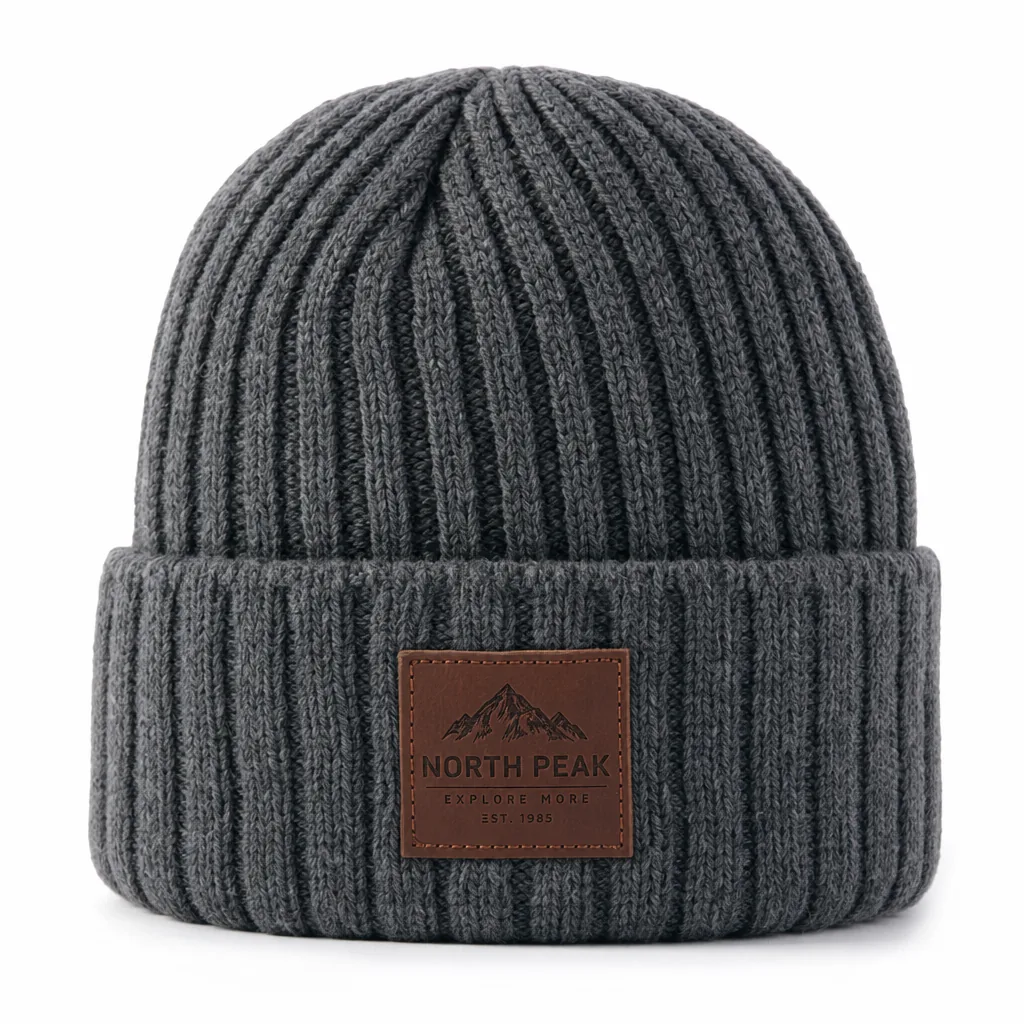
Merino Wool Beanie: Properties, Costs and How to Spec It Right
Read article →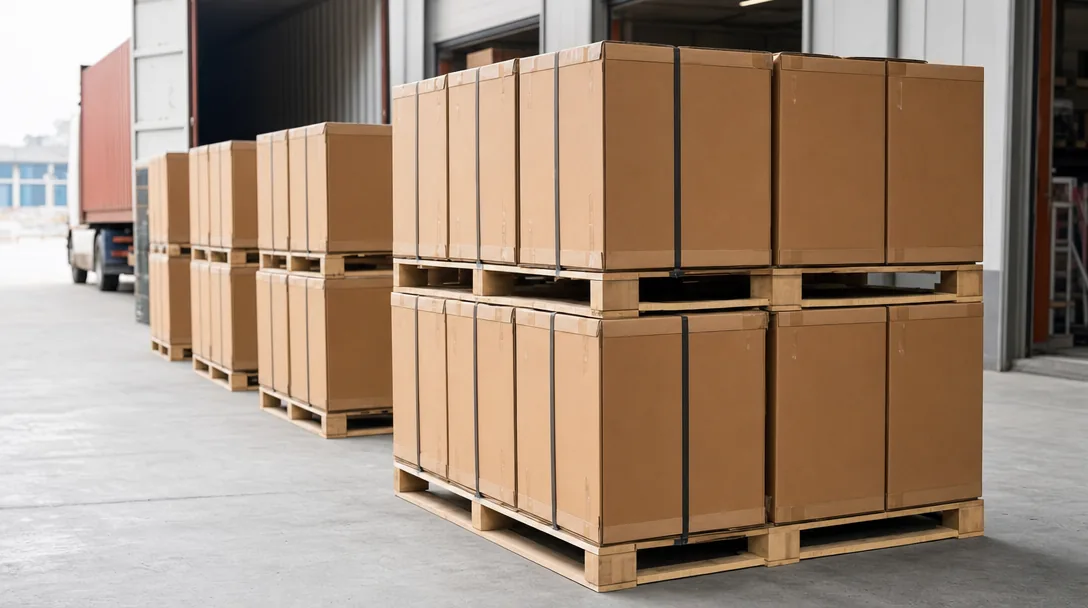
Embroidery Hats Machine: When to Use It, Costs, and What to Ask Your Factory
Read article →Black Beanie Hat: Properties, Costs and How to Spec It Right
Read article →We hope this guide demystifies corduroy hat vintage supplier audit checklist for custom hat buyers and helps you move forward with confidence. If you have questions specific to your project, our English-speaking sales engineers are one message away.