
Merino Wool Beanie: Properties, Costs and How to Spec It Right
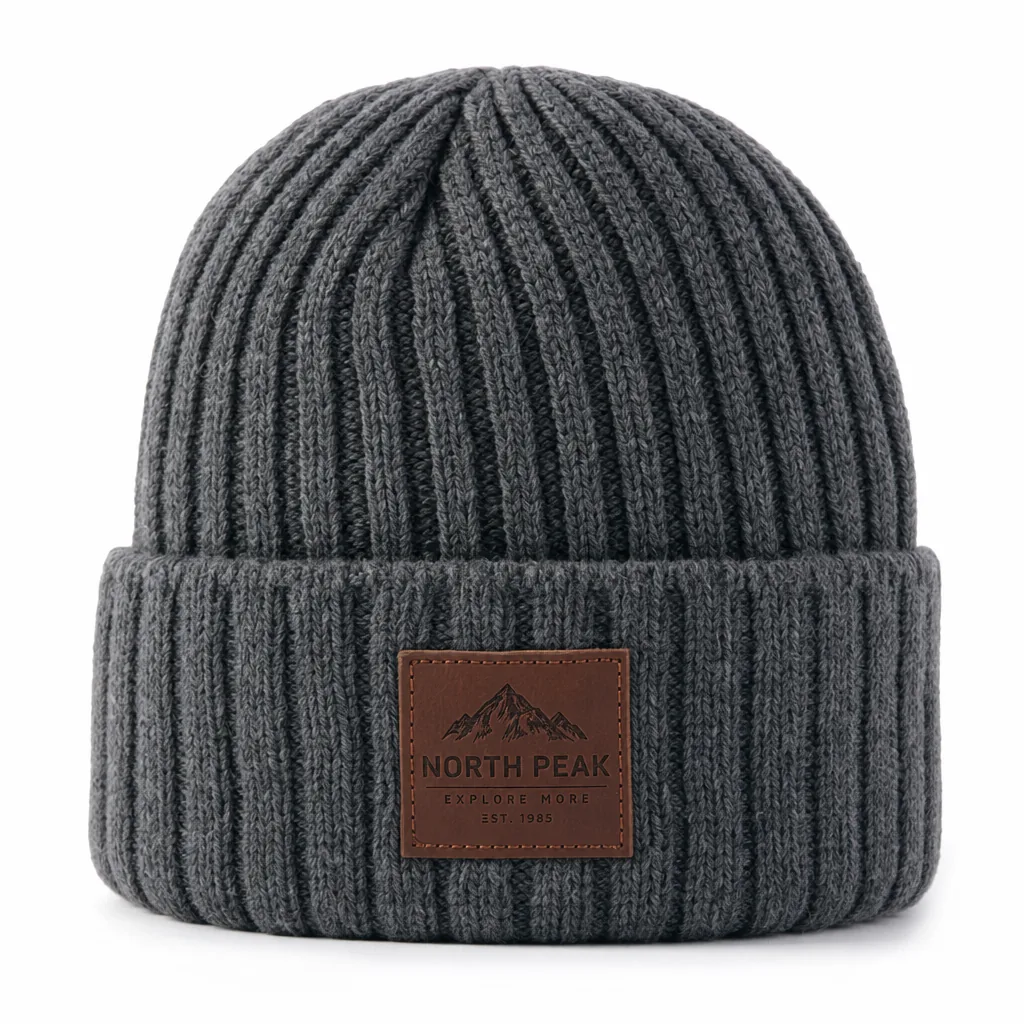
Merino Wool Beanie: Properties, Costs and How to Spec It Right is one of the most-asked questions we receive from international buyers, and for good reason. With dozens of factories competing for your order and an alphabet soup of technical terms in every supplier quote, even experienced importers can feel lost. This guide consolidates what we have learned producing custom hats for clients in 40+ countries.
Acrylic Beanie
An acrylic beanie is the cheapest way to cover headwear volume, but buyers should not confuse low yarn cost with low total risk. Most factory beanies are made on computerized flat knitting machines using 100% acrylic yarn, usually 8S–12S count, then linked, steamed, and washed for shape stability. If you want a cleaner handfeel, ask for anti-pilling acrylic or a 50/50 acrylic-wool blend; if you want stretch recovery, specify rib construction such as 2x2 or 1x1 and confirm the target finished circumference, usually 48–58 cm depending on the market. The critical spec points are yarn count, gauge, weight in grams, fold height, crown shaping, and whether the cuff is single- or double-layer. For branded orders, insist on Pantone TCX color matching, and if embroidery is involved, define backing type and stitch density so the logo does not tunnel the knit.
Typical MOQ for a basic acrylic beanie is 300–500 pcs per color per design, though some factories will go lower if you accept stock yarn colors and a simple woven label. FOB China pricing is usually around USD 1.20–2.20 per piece for plain acrylic styles, USD 2.00–3.50 for jacquard or intarsia, and higher if you add custom packaging, chenille patches, or a private label hangtag. The problems I inspect most often are pilling after the first wash, uneven dye lots between panels, loose crown seaming, and size drift after steaming. If the style includes embroidery, check for skipped stitches and puckering around dense fills; if it has a woven patch, make sure the edge is heat-cut cleanly. An acrylic beanie can be the right commercial choice, but for premium retail buyers the real comparison is against a merino wool beanie, because wool gives better warmth-to-weight, less odor retention, and stronger perceived value even when the unit cost is 3–6 times higher.
When buyers are deciding between an acrylic beanie and a merino wool beanie, I push them to spec the end use first. Promo programs, stadium giveaways, and fast-fashion basics can absorb the cheaper synthetic route, while outdoor retail, cold-climate stores, and premium private label usually justify merino or at least a wool blend. The same logic applies across other knit and woven headwear: a corduroy hat or corduroy hat men's style is judged more on fabric hand and brim construction, while a camouflage bucket hat or bucket hat women style is usually sold on print accuracy, panel symmetry, and sweatband comfort. If you only write “beanie” on the purchase order, the factory will fill in the blanks with its cheapest standard. The smarter approach is to lock fiber content, gauge, dimensions, color standard, wash performance, and inspection method up front, then sample twice before bulk so you are comparing actual production behavior, not showroom samples.
Cotton Beanie
Cotton beanie is the simplest headwear to make, but that simplicity is exactly why buyers get burned on specs. The factory usually starts with ring-spun or open-end cotton yarn, then knits on a circular machine into a rib or jersey body, followed by cutting, linking, washing, and steam shaping. For a solid 100% cotton beanie, I’d ask for yarn count, knit gauge, target GSM, shrinkage allowance, and color standard by Pantone TCX. A 1x1 rib at 12-gauge with 220-260 gsm is a common retail spec; if the knit is too loose, the crown collapses after one wash. Cotton is softer against the skin than an acrylic beanie, but it stretches differently, so you need to confirm recovery after wear, not just how it looks on a hanger. The right spec sheet should also call out pilling grade, colorfastness to washing and rubbing, and whether the cuff is double-layered or single-layered, because that changes both warmth and logo placement.
Typical MOQ depends on yarn stock and dyeing, not just the beanie style. For basic stock-color cotton beanies, many factories will start around 300 to 500 pcs per color, with FOB pricing roughly USD 2.20 to 4.80 for plain goods and USD 3.50 to 7.00 with woven label, patch, or small embroidery, assuming standard packaging. If you need custom-dyed yarn or special wash effects, the dye lot minimum can push you closer to 1,000 pcs per color and add USD 0.30 to 0.80 per piece. Buyers comparing a cotton beanie against a merino wool beanie should look beyond headline cost: merino usually lands higher, but it gives better thermal regulation and less odor retention, while cotton is heavier when wet and can feel cold in damp weather. That tradeoff matters if you are buying for winter retail, team merchandise, or a broader program that also includes a corduroy hat, corduroy hat men's, bucket hat women, or even a camouflage bucket hat.
The quality issues I inspect first are uneven yarn tension, twisted seams, shrinkage after wash, and shade variation between dye lots. A cotton beanie can pass a quick hand check and still fail after one cold wash if the yarn was under-twisted or the finishing was rushed. For production control, ask for pre-production lab dips, size tolerance within +/- 1.0 cm, and wash testing to confirm no more than 3% dimensional change; for bulk, use AQL 2.5 with focused checks on seam strength, label placement, and contamination like oil marks or needle damage. If you are deciding between cotton and a merino wool beanie, I’d spec both with the same discipline: exact fiber content, yarn origin, finish, and test method. That way the decision is based on performance and landed cost, not on a vague “natural fiber” story that sounds good but doesn’t survive first-season returns.
Black Beanie Hat
A black beanie hat looks simple, but black is actually one of the easiest colors to get wrong at production scale. If you are buying a merino wool beanie, the first question is whether the body is fully fashioned knit, cut-and-sew from circular jersey, or fleece-lined double layer. For factory specs, I would ask for fiber content by lab report, not just a yarn supplier declaration: 100% merino, 50/50 merino-acrylic, or merino outside with recycled polyester lining. Also lock in yarn count such as 2/48Nm or 2/60Nm, gauge like 7GG or 12GG, finished weight per piece, folded cuff height, crown depth, and target head circumference tolerance of plus or minus 1 cm. Black shade should be tied to a Pantone TCX reference with acceptable Delta-E tolerance under D65 lighting, because two lots of "black" can drift brown or charcoal. If branding is involved, specify embroidery width, patch material, and whether the logo sits on a folded cuff or single-layer body, since distortion on knit structures is common.
MOQ and price move mostly on fiber composition and knitting setup, not on color. A stock acrylic beanie can run as low as $1.10 to $1.80 FOB China at 500 to 1,000 pieces, while a true merino wool beanie usually lands around $3.80 to $7.50 FOB depending on micron grade, mulesing-free certification, and whether it is fully linked or simply overlocked at the crown. For black, minimums are often lower if the mill already holds black yarn in stock; 300 pieces per color is realistic for shared yarn programs, but custom-spun merino may push MOQ to 1,000 kilograms of yarn, which is far beyond a single small run. Buyers who also source an acrylic beanie, corduroy hat, or bucket hat women line should not assume the same MOQ logic applies: woven styles like a camouflage bucket hat or corduroy hat men's version depend on fabric roll minimums, while knit hats depend on yarn lot planning and knitting machine efficiency. At CrownsForge, our standard practice is to quote knit labor separately when customers request hand-linked tops or contrast inside tipping, because those details change real cost more than most buyers expect.
Inspection should focus on pilling, spirality, size recovery, color crocking, and seam comfort. Black dyes can bleed onto woven labels or sweat with poor fixation, so ask for colorfastness to rubbing and washing results, not just a visual approval sample. I would inspect to AQL 2.5 for major defects and pay close attention to needle lines, dropped stitches, uneven crown reductions, cuff torque, and embroidery puckering if a Tajima or Barudan run is applied after knitting. Merino also needs a clear care spec: superwash treatment reduces shrink risk, but harsh finishing can flatten the hand feel and make the beanie feel closer to commodity wool than premium merino. The sourcing decision comes down to end use. If the customer wants giftable softness, odor control, and better thermal performance, merino justifies its cost; if they only need a cheap winter promo item in black, acrylic wins on price and consistency. That is why the black beanie hat spec should be written as part of the broader material strategy, not treated like a generic color variant.
Slouchy Beanie
A slouchy beanie is usually knitted on a flat knitting machine, then cut and fully linked or seam-closed depending on the gauge and target handfeel. For a merino wool beanie, buyers should ask for fiber content by weight, not just marketing wording: 100% merino wool is one thing, but a 70/30 merino-acrylic blend behaves very differently in wash recovery and pilling. For cold-weather retail, I normally see 5-7 gauge, 2-ply yarn, 180-260 gsm finished weight, and a cuff height of 7-10 cm if the hat needs more structure. If you want a softer drape, specify a longer crown drop and lower crown tension; otherwise the hat sits like a cheap acrylic beanie and loses the slouch profile after the first wear.
Factory specs matter more than buyers think. Request yarn count, micron range, shrinkage limit, pilling grade, and color standard by Pantone TCX if you need repeatability across drops. Merino at 19.5-21.5 microns costs more than coarse wool, but that softness is exactly why the retail story works. Typical MOQ for a custom slouchy beanie is 300-500 pcs per color for a developed program, with sampling around USD 35-80 depending on yarn sourcing and knit complexity; unit pricing often lands around USD 3.20-6.50 FOB for blended construction, and roughly USD 5.80-11.00 FOB for better merino content, before packaging. If the order also includes a corduroy hat, corduroy hat men's, bucket hat women, or camouflage bucket hat program, buyers should keep each SKU family separate in spec sheets because the knitting, trimming, and inspection criteria are not comparable.
The common failures are easy to spot if you know where to look: uneven crown length, torque twist after washing, visible seam bumps at the back, loose gauge variation between production lots, and pilling caused by short-staple wool or weak finishing. Insist on wash tests, dimensional stability after one home-launder cycle, and a pull test on the linking seam; for wholesale work, AQL 2.5 is standard, but I prefer buyers to call out no critical defects and no more than 1-2% major defects in the first carton check. A good merino wool beanie should recover shape without bagging at the baggy crown, and the inside seam should not irritate the forehead. If the supplier cannot explain yarn source, knitting gauge, and shrinkage control in plain numbers, you are probably paying for a marketing story instead of a real merino program.
Cotton Beanie Men
If you are sourcing a cotton beanie men line, the first thing to pin down is construction, not color. A true factory spec should state yarn count, knit gauge, panel count, crown shaping, cuff height, and washing method, because a 12-gauge single-layer beanie behaves very differently from a 7-gauge double-layer style. For cotton, I usually see 100% combed ring-spun cotton or a cotton/nylon blend for better recovery; 180–260 gsm is the common range, with 220 gsm being a practical middle point for fall/winter retail. Ask for shrinkage after wash at 30°C, colorfastness to rubbing and laundering, and whether the dye lot is reactive or pigment-dyed. If you are comparing this to a merino wool beanie, cotton is cheaper and easier to knit, but it will not match merino’s warmth-to-weight ratio or odor resistance.
Typical MOQ for a factory-made cotton beanie men program is 300–500 pcs per color for stock yarn, and 800–1,200 pcs per color if you want custom Pantone matching or a special knit structure. In China, FOB pricing usually lands around USD 2.20–4.80 per piece for basic cotton beanies, depending on yarn grade, embroidery, woven label, and packaging; add another USD 0.35–0.90 for a custom hangtag, polybag, and barcode sticker. Compared with an acrylic beanie, cotton usually costs a bit more in raw yarn and can be slower to knit because of tighter process control, but it gives a cleaner hand feel and fewer complaints about static or skin irritation. For buyers also placing corduroy hat, corduroy hat men's, bucket hat women, or camouflage bucket hat programs, it is common to combine styles in one carton plan to reduce freight cost, but do not mix specs in the same QC order if the factories are new to knitwear.
The defects I check first are uneven crown tension, twisted seam alignment, puckering at the cuff join, and pilling after one or two wash cycles. Cotton beanies also fail on shade variation more often than people expect, especially across open-knit and fully fashioned runs, so require a sealed lab dip and a Delta-E target under 2.0 against the approved standard. For inspection, use AQL 2.5 for major defects and 4.0 for minor defects, and make sure the factory gives you measurements at the pre-shipment stage, not only after packing. The broader sourcing decision is simple: if your line needs lower cost, easy replenishment, and a softer casual hand feel, cotton makes sense; if your buyer expects better thermal performance, less odor retention, and a more premium story, a merino wool beanie is the stronger spec even at 2 to 3 times the material cost.
100 Acrylic Beanie
A 100 acrylic beanie is usually a fully cut-and-sewn or circular-knit item made from 100% acrylic yarn, most often 1/9.0Nm to 2/28Nm depending on gauge and handfeel. Factories will knit it on a flat knitting machine, then link the crown seam, wash or steam-set it, and add a woven label, embroidery patch, or direct embroidery. If you are spec’ing it, ask for yarn count, gauge, knit structure, fold-over height, cuff depth, and target weight in grams; for a standard adult acrylic beanie, 70–95 g is common, while a chunky style can run 110 g or more. Color should be locked to a Pantone reference, and if the artwork is embroidered, ask for stitch density and backing type so the panel doesn’t pucker after washing.
MOQs for a basic acrylic beanie are usually 300–500 pcs per color for stock-yarn programs, but custom yarn-dyed colors, jacquard patterns, or specialty trims can push that to 1,000 pcs. Ex-factory pricing in Yiwu typically lands around USD 1.20–2.80 for a simple blank or small-logo beanie, while fully custom jacquard or heavy-gauge styles can reach USD 3.20–4.50 depending on yarn cost and labor. Inspections should focus on pilling resistance, seam opening at the crown, snagging, and shade consistency between dye lots; for branded orders I also check dimensions after a 24-hour relaxation period because acrylic can grow slightly after steaming. If you are comparing it to a merino wool beanie, acrylic wins on cost and color flexibility, but it loses on warmth-to-weight, odor control, and premium handfeel, which is why many buyers use acrylic for promo programs and reserve merino for retail positioning.
The broader sourcing decision comes down to end use and perceived value. A merino wool beanie usually needs tighter fiber controls, clearer shrinkage tolerances, and stricter pilling specs, so the factory conversation is less forgiving than with acrylic. If the order also includes a corduroy hat, corduroy hat men's, bucket hat women, or even a camouflage bucket hat in the same range, keep each SKU on its own technical sheet: different fabrics, different seam behavior, different shrinkage, different inspection points. For beanies, I would request a pre-production sample, a 3-point measurement table, wash test results, and AQL 2.5 inspection on finished goods; that is the easiest way to avoid surprises when a buyer assumes an acrylic beanie can be judged like a merino wool beanie. It cannot, and treating them as the same is how margins disappear.
Working with CrownsForge for merino wool beanie programs
For a merino wool beanie program, the biggest risk is not the knit itself; it is getting the handfeel, shrinkage, and trim stack right before you place volume. Our standard sampling flow starts with a yarn card or Pantone TCX target, then a proto in about 7–10 days for a simple cuffed beanie, 10–14 days if you want intarsia, contrast tipping, or mixed-fiber trim. We normally work in 100–300 pcs per color for first orders, but can split sizes or colorways more flexibly on test runs if you are comparing a merino wool beanie against an acrylic beanie for price-point positioning. On the factory floor, we check stitch density, crown shaping, and wash recovery, because a beanie that looks fine on day one can grow or twist after one hot-cycle mistake.
Decoration is where many programs get expensive fast, so we choose the method based on fabric behavior rather than what looks best on a mockup. Merino takes embroidery cleanly only if the backing, tension, and needle count are controlled; for logo patches, woven labels, or tonal silicone badges, the sew-on route is often safer than direct stitching. If a client is also sourcing a corduroy hat, corduroy hat men's, bucket hat women, or even a camouflage bucket hat line, we keep the decoration specs aligned so the brand mark reads consistently across categories. CrownsForge’s usual workflow is Tajima or Barudan sampling for embroidery, then a pre-production approval with thread match against the approved artwork, because a Delta-E drift on black, navy, or heathered wool is easy to miss until bulk production is already moving.
On compliance, merino buyers usually care less about fashion jargon and more about whether the wool source and factory paperwork will survive a retailer audit. We can support fiber content declarations, test reports for shrinkage and pilling, and shipment files that typically include commercial invoice, packing list, and origin documents needed for FOB or DDP lanes. For brand programs that need tighter controls, we work within sedex-audit-cap-supplier-guide.html">BSCI 2.0 and Sedex SMETA 4-Pillar expectations, plus standard AQL 2.5 inspection on major and minor defects before carton release. The order-management part matters as much as the spec sheet: one purchase order, one approved sample, one color standard, one production record. That is how you keep a merino wool beanie line from drifting when you scale from 500 pieces to 20,000 without turning the second order into a different product.
Frequently Asked Questions
Can I order a sample before bulk production?
Yes. We strongly recommend approving a pre-production sample before mass production. Samples are charged at 35 to 60 USD each plus express shipping, fully refundable against confirmed bulk orders over 500 pieces.
Which shipping methods do you support?
We support FOB, CIF and DDP shipping. Air express for samples and small orders, sea LCL for 100 to 500 pieces, sea FCL for 5,000+ pieces. Door-to-door DDP available for US, EU, UK, Canada and Australia.
What logo decoration techniques do you offer?
3D puff embroidery, flat embroidery, woven patch, leather patch, PVC patch, screen printing, sublimation, applique and laser etching, all in-house with no subcontracting.
What file format should I send for my logo?
Vector files (AI, EPS, PDF) are ideal. High-resolution PNG or JPG at 300 dpi on transparent background works as a fallback. Provide Pantone color references for accurate reproduction.
What is the minimum order quantity (MOQ) for custom hats?
Our standard MOQ is 100 pieces per design and color, with sampling available from 1 piece. For complex multi-color logos or premium fabric upgrades, the MOQ can be lowered with a small per-piece surcharge.
What should buyers know about black bucket hat men?
When evaluating black bucket hat men, the key considerations are construction quality, decoration capability, MOQ flexibility and lead time. Cover everything buyers ask about black beanie hat: how it's manufactured, what specs to request from a factory, typical MOQ and pricing, common quality issues to inspect for, and how this ties back to the broader merino wool beanie sourcing decision. Cover everything buyers ask about cotton beanie men: how it's manufactured, what specs to request from a factory, typical…
What should buyers know about kangol bucket hat mens?
When evaluating kangol bucket hat mens, the key considerations are construction quality, decoration capability, MOQ flexibility and lead time. Cover everything buyers ask about black beanie hat: how it's manufactured, what specs to request from a factory, typical MOQ and pricing, common quality issues to inspect for, and how this ties back to the broader merino wool beanie sourcing decision. Cover everything buyers ask about acrylic beanie: how it's manufactured, what specs to request from a factory, typical MOQ…
What should buyers know about corduroy hat womens?
When evaluating corduroy hat womens, the key considerations are construction quality, decoration capability, MOQ flexibility and lead time. Cover everything buyers ask about black beanie hat: how it's manufactured, what specs to request from a factory, typical MOQ and pricing, common quality issues to inspect for, and how this ties back to the broader merino wool beanie sourcing decision. Cover everything buyers ask about acrylic beanie: how it's manufactured, what specs to request from a factory, typical MOQ…
What should buyers know about acrylic beanie hat?
When evaluating acrylic beanie hat, the key considerations are construction quality, decoration capability, MOQ flexibility and lead time. Cover everything buyers ask about acrylic beanie: how it's manufactured, what specs to request from a factory, typical MOQ and pricing, common quality issues to inspect for, and how this ties back to the broader merino wool beanie sourcing decision. Cover everything buyers ask about black beanie hat: how it's manufactured, what specs to request from a factory, typical MOQ…
Looking for a reliable hat manufacturer in China?
CrownsForge has produced custom hats for 800+ brands across 40 countries. From 100-piece launches to 100,000-piece retail programs, we deliver on time and on spec.
Get in touchRelated guides
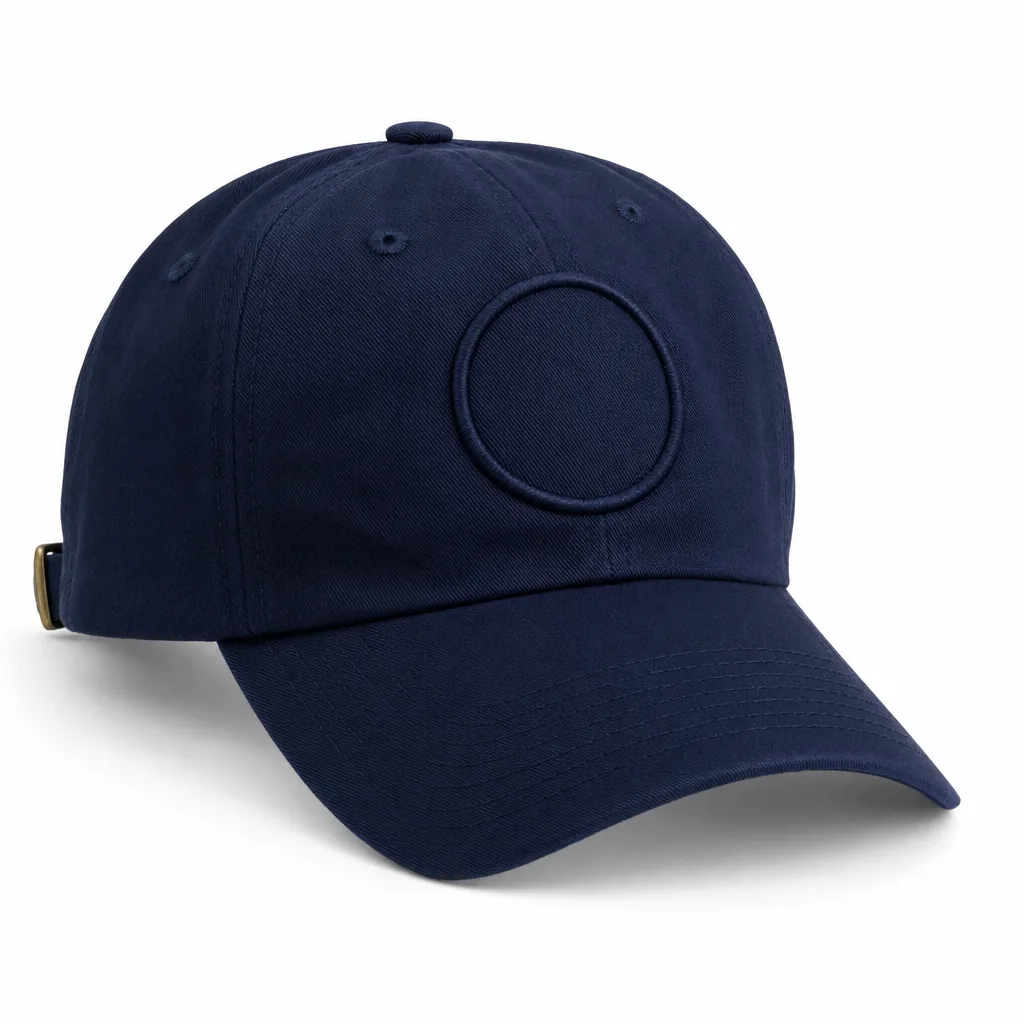
How to Choose a Custom Baseball Cap Manufacturer in China — 2026 Buyer's Guide
Read article →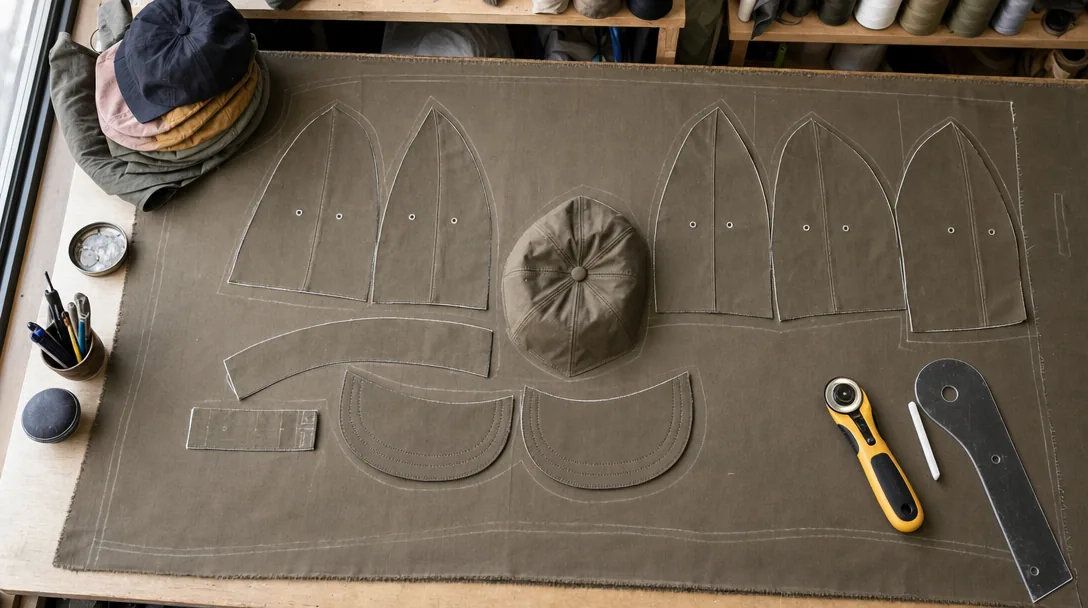
Cap Defect Catalog: 32 Production Issues to Inspect For
Read article →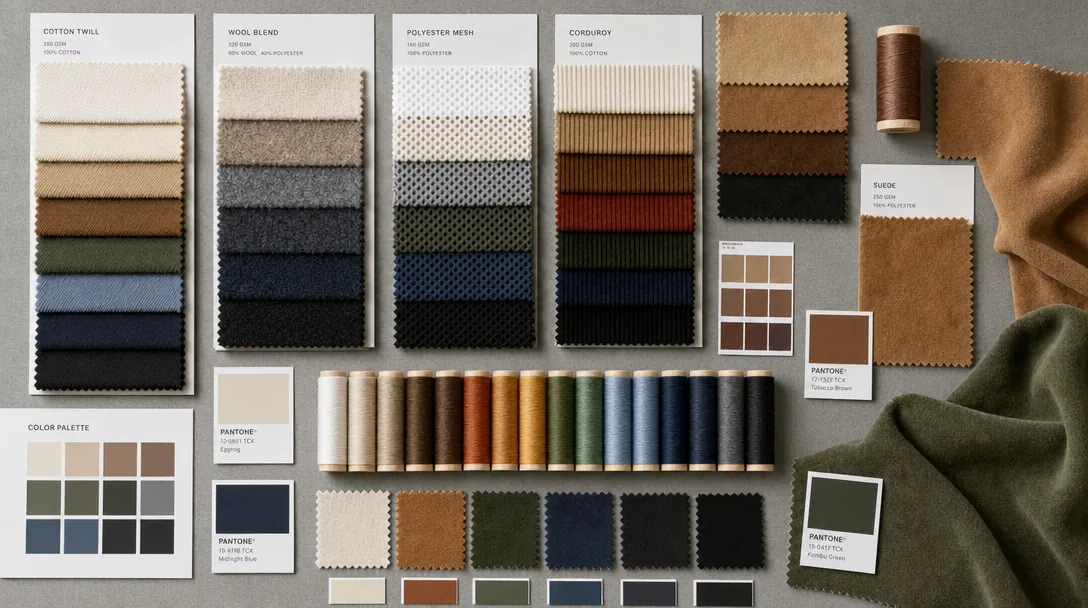
Sustainable Cap Packaging: Options, Costs and Retail-Buyer Demands
Read article →If you are ready to take the next step on merino wool beanie: properties, costs and how to spec it right, our team can put a tailored quotation and digital mock-up in your inbox within 24 hours. Send the inquiry form on our contact page or message us directly on WhatsApp.