
Custom Leather Patch Hat Low Minimum: A 2026 B2B Sourcing Guide
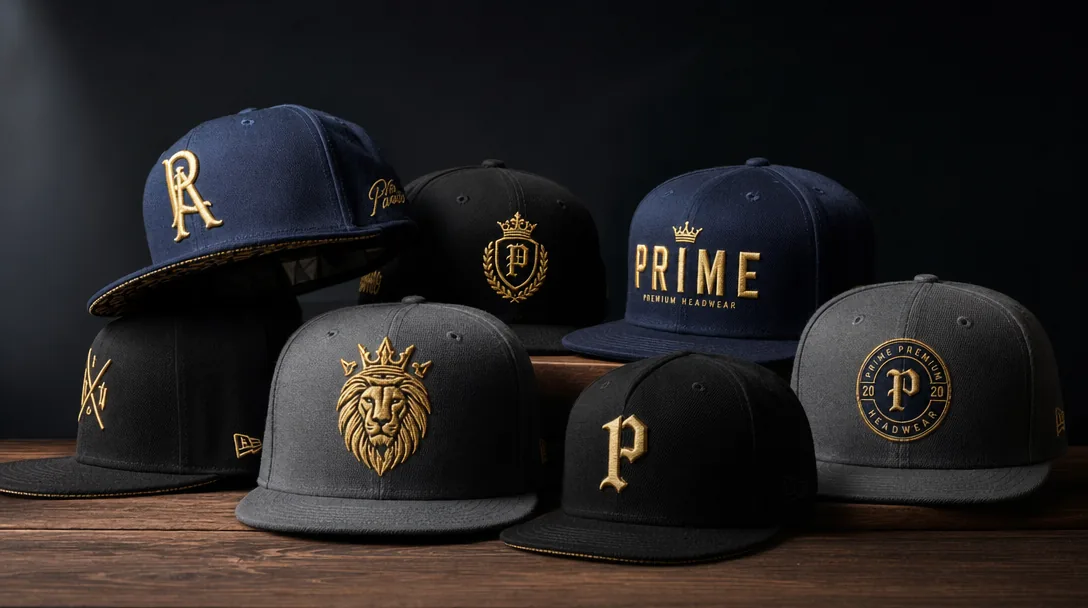
Custom Leather Patch Hat Low Minimum: A 2026 B2B Sourcing Guide is one of the most-asked questions we receive from international buyers, and for good reason. With dozens of factories competing for your order and an alphabet soup of technical terms in every supplier quote, even experienced importers can feel lost. This guide consolidates what we have learned producing custom hats for clients in 40+ countries.
Custom Rope Hat Wholesale Bulk
A rope hat is built like a standard structured cap, then finished with a cord inserted along the crown seam or above the brim. On the factory floor, that means you are not just buying a panel cut-and-sew job; you are paying for extra sewing operations, tighter seam alignment, and a cleaner front shape so the rope sits level instead of twisting. For wholesale buyers, the usual request sheet should specify crown height, brim curve, rope diameter, rope material, sweatband type, and whether the front panel is reinforced with buckram or foam. If you are sourcing a custom hat leather patch or a custom hat with leather patch, ask for the patch to be applied before final topstitching so the needle holes stay cleaner and the placement is more consistent. The best factories will also confirm thread type, stitch density, and logo method before sampling, because rope hats show defects faster than flat five-panels: crooked rope placement, puckered front panels, and uneven visor symmetry are obvious from three feet away.
Typical MOQ for custom rope hat wholesale bulk is usually 100 to 300 pieces per colorway if the factory already has matching blank shells and in-house patch or embroidery capacity. If the order needs a new fabric program, specialty rope color, or a custom waterproof cap manufacturer setup with coated twill or performance nylon, realistic MOQ moves to 300 to 500 pieces and unit pricing rises fast on the first run. For a basic six-panel rope cap with woven label, retail-grade embroidery, and leather patch, buyers should expect factory pricing around USD 3.20 to 5.80 EXW at 300 to 500 pcs, depending on patch size, stitch count, and packing. Add another USD 0.20 to 0.60 for special finishes like laser perforated performance cap custom panels, reflective trim running cap bulk details, or silicone backing on the patch. Low minimum only makes sense if the factory can consolidate materials across styles, which is exactly why the broader custom leather patch hat low minimum strategy should be built around shared blanks, shared trims, and minimal color splits.
Quality inspection on rope hats is mostly about geometry and finish, not just fabric defects. Check rope straightness across the front seam, visor sandwich alignment, stitch bite on the rope channel, and whether the patch edge lifts after steam pressing. Leather patches should be tested for laser burn consistency, edge charring, and color shift after rubbing; synthetic PU leather can look fine in photos but crack or wrinkle if the embossing heat is too high. For performance versions, test sweatband absorbency, panel breathability, and whether the rope bleeds dye after moisture exposure, especially on dark navy or black caps. AQL 2.5 is normal for general apparel defects, but for logo-heavy headwear I push factories to inspect the first 50 pieces by 100% visual check, then sample the rest. If you are comparing a rope cap program with a custom leather patch hat low minimum order, the right question is not only MOQ; it is whether the factory can hold consistent placement, matching Pantone TCX colors, and clean finishing across a small run without hiding defects in bulk packing.
Woven Label Beanie Custom Bulk
A woven label beanie is usually built from 1x1 or 2x2 rib knit acrylic, polyester, or a wool-acrylic blend, then finished with a folded cuff where the woven label is inserted into the seam or sewn onto the outer face with a clean merrow edge. If you want a serious factory quote, ask for yarn composition, yarn count, gauge, cuff height, body length, and label construction details: damask vs satin, folded size, stitch density, and whether the label is heat-cut or laser-cut to prevent fraying. For winter programs, 340–450 gsm is common; if the supplier is vague on knit gauge or shrinkage control, expect inconsistent fit between lots. The same discipline applies when buying a custom leather patch hat low minimum, because factories that understand construction details on a beanie usually also understand patch placement, backing choice, and process control on a custom hat with leather patch.
For MOQ, a practical woven label beanie custom bulk order is often 300–1,000 pieces per color with a first-run price around $2.10–$4.80 FOB depending on fiber, label size, embroidery add-ons, and packaging. Rib-knit acrylic with a simple woven label lands at the lower end; wool blends, jacquard patterns, or double-layer cuff work push the price up quickly. If you need Pantone TCX matching on yarn, ask early, because yarn-dye matching is less forgiving than print matching and Delta-E tolerance above 2.0 is noticeable in daylight. Our standard practice is to confirm label artwork in mm, not pixels, and to approve a sewn strike-off before mass production. That same early approval step saves time on other categories too, whether you are dealing with a custom waterproof cap manufacturer or a laser perforated performance cap custom program where ventilation layout and seam integrity matter more than buyers expect.
Inspect the cuff seam, label alignment, needle damage, and pilling after a 10-wash or hand-rub test; the common failure is a label that twists because the sewing operator caught uneven knit tension. Check for loose yarn tails inside the crown, color migration between darker yarns and a light label, and size drift beyond 1.5 cm after blocking. For export programs, request carton marking, polybag suffocation warnings where required, and an AQL 2.5 inspection plan with defect photos, not just a pass/fail report. The sourcing logic is the same as with a reflective trim running cap bulk order: the lowest MOQ is useless if seam consistency and material control are weak. In practice, buyers who can manage a clean woven label beanie custom bulk run usually have the process discipline to negotiate a better custom leather patch hat low minimum order later, because both products depend on clear specs, realistic tolerance limits, and factory accountability.
Custom Waterproof Cap Manufacturer
A real custom waterproof cap manufacturer is not just sewing a coated shell and calling it “waterproof.” You need to ask what the base fabric is, how the seams are sealed, and whether the crown has a proper laminated membrane or only a water-resistant finish. In practice, the better factory will use 100% polyester or nylon with a TPU or PU coating, then apply seam sealing tape on the crown panels after stitching. For a performance cap, I would ask for 150–220 gsm fabric, hydrostatic head data if they have it, and confirmation that the sweatband is quick-dry rather than cotton terry, which soaks water and gets heavy fast. If you want a laser perforated performance cap custom build, confirm the perforation pattern does not compromise the waterproof zones on the front panels or visor. For specs, buyers should request crown structure, visor core thickness, closure type, logo method, and color tolerance. A custom hat leather patch on a waterproof body needs extra attention because the adhesive, laser engraving depth, and edge finishing affect durability under rain and UV. I tell buyers to request Pantone TCX matching for the body, a Delta-E target under 2.0 for repeat orders, and a sample with 24-hour water spray and abrasion rub checks before bulk. Typical MOQ for a custom leather patch hat low minimum program is 100–300 pieces if the factory is flexible, but prices jump when you mix waterproof fabric, molded rubber logos, and private labeling. Expect roughly USD 3.80–6.50 FOB for simple builds and USD 6.80–10.50 FOB for technical styles with taped seams, reflective trim, or premium patches.
A common mistake is treating every cap as the same quality problem. Waterproof caps fail in the same predictable places: seam tape lifts at the sweatband junction, visor stitching wicks water, and decorative patches peel after repeated flexing. On a custom hat with leather patch, the patch backing matters more than the face leather; PU-backed split leather can crack faster than a good microfiber or genuine leather patch with heat-resistant adhesive. If the design includes a reflective trim running cap bulk variant, check that the reflective film is rated for wash fastness and does not delaminate when folded during packing. I also inspect the inside for loose thread tails, needle holes near taped seams, and excessive glue marks around the visor edge, because those are the first signs the factory is over-relying on labor instead of process control. For sourcing, use AQL 2.5 for critical defects and do not skip a pre-shipment inspection even on a small order. A reasonable factory should show you stitch density, seam tape width, waterproof test method, and whether they can combine a low MOQ leather patch program with a technical shell without inflating tooling costs. CrownsForge’s standard practice is to separate the artwork charge from the fabric MOQ, which matters when buyers are testing a custom leather patch hat low minimum launch against a broader waterproof line. If the factory cannot quote both a low-minimum fashion SKU and a custom waterproof cap manufacturer SKU with transparent cost breakdowns, they are usually hiding overage in the sample price or the freight. The strongest vendors will give you a clear ladder: sample, pilot lot, then bulk, so you can compare whether a fashion-led leather patch cap or a performance waterproof build is the better margin play.
Laser Perforated Performance Cap Custom
A laser perforated performance cap custom is basically a structured polyester cap or nylon-spandex hybrid with ventilation holes cut by CO2 laser after panel cutting, then sewn and bonded before decoration. The hole pattern is not cosmetic fluff: on a 100% polyester 150D body, properly spaced perforation can drop perceived heat buildup by a few degrees in field use, especially when combined with mesh sweatband, quick-dry seam tape, and a 6-panel unstructured crown. If you want it done correctly, ask for fabric spec, perforation diameter, hole spacing, stitch density on the sweatband, and colorfastness against perspiration and UV. For outdoor retail, I usually want a minimum 120 gsm shell, color fastness at grade 4 or better, and a moisture-wicking sweatband that can survive 20+ wash cycles without curling. If the cap also carries a custom hat leather patch, confirm the patch adhesive and stitch pattern do not interfere with the perforation layout or weaken the crown shape.
Factory pricing depends more on construction than on the laser itself. For a true custom waterproof cap manufacturer setup with taped seams, water-repellent coating, and perforation, a 300-piece MOQ is common, but 100 to 200 pieces is possible if the decoration is simple and the buyer accepts higher unit cost. At 300 to 500 pieces, I would expect ex-factory pricing around USD 3.20 to 5.80 for a standard performance cap, and another USD 0.45 to 1.20 for a small debossed or laser-engraved leather patch depending on PU versus genuine leather, patch size, and whether it is sewn or heat-applied. If you are comparing a custom leather patch hat low minimum program against a running cap or golf cap, remember that low MOQ usually means fewer colorways, one patch shape, and limited thread changes. That tradeoff is normal; what is not normal is accepting sloppy sampling just because the order is small.
The quality failures I see most often are uneven perforation edges, crown distortion after heat setting, patch adhesive bleed, and inconsistent panel symmetry from poor cutting dies. Ask for a pre-production sample, then check hole alignment under backlight, seam tension at the crown apex, brim curve retention, and whether the patch sits flat after 24 hours in a 50 to 60 degree Celsius box test. If there is reflective trim running cap bulk involved, verify the reflective tape meets the requested brightness and does not crack at the seam intersections; cheap reflective film often delaminates after one flex test. The broader sourcing decision is simple: if your buyer wants a custom hat with leather patch that can be sold at a lower opening order, the safest path is to keep the base cap construction standard, use one patch SKU, and reserve the laser perforation for the crown or side panels only. That keeps risk down and still gives you a more technical product than a basic embroidered dad cap.
Working with CrownsForge for custom leather patch hat low minimum programs
For a custom leather patch hat low minimum program, the first thing I look at is whether the factory can keep sampling fast without turning the project into a hand-holding exercise. Our standard practice at CrownsForge is to start with a tech pack or reference sample, then move to 1:1 patch mockups and a sewn prototype in 5 to 7 working days if artwork is clean. If the buyer needs a custom hat with leather patch in a specific hand feel, we test PU, genuine leather, and microfiber leather side by side, because the deboss depth and edge burn vary a lot once you start scaling. On production runs, we can usually hold patch color within Delta-E 2.0 against Pantone TCX for the cap body, and we confirm stitch density and panel alignment before anything is released to bulk.
MOQ flexibility only works if the decoration stack is controlled. A lot of factories say low minimum, then quietly push everything into one SKU with one closure and one patch size. We keep the setup more disciplined: leather patch heat-press, sewn-on patch, and direct embroidery all stay separate in the system, so a customer can order 48 to 100 pieces per colorway without mixing construction methods. For buyers who need a custom waterproof cap manufacturer or a laser perforated performance cap custom build, the base fabric changes to TPU-laminated nylon or 100 percent polyester performance twill, usually 110 to 150 gsm, and we adjust the patch adhesive so it does not lift after sweat and heat exposure. If the program needs a reflective trim running cap bulk option, we spec 3M-grade reflective piping or transfer film and run wash testing before approving the line.
On compliance, I do not trust paper claims unless the factory can show audit trails and material traceability. Our order-management workflow ties each custom leather patch hat low minimum project to a spec sheet, trim card, cutting ticket, and final AQL 2.5 inspection record, which matters when the same buyer later expands from 100 units to 5,000. For corporate and licensed accounts, sedex-audit-cap-supplier-guide.html">BSCI 2.0 or Sedex SMETA 4-Pillar documentation is useful, but the real de-risking comes from clear lot control, barcode labeling, and photo QC at the patch, crown, and closure stages. That is what keeps a low-MOQ first order from becoming a rework mess when the brand adds new colors, a curved brim, or a waterproof finish in the next round.
Frequently Asked Questions
What file format should I send for my logo?
Vector files (AI, EPS, PDF) are ideal. High-resolution PNG or JPG at 300 dpi on transparent background works as a fallback. Provide Pantone color references for accurate reproduction.
Which shipping methods do you support?
We support FOB, CIF and DDP shipping. Air express for samples and small orders, sea LCL for 100 to 500 pieces, sea FCL for 5,000+ pieces. Door-to-door DDP available for US, EU, UK, Canada and Australia.
Can I order a sample before bulk production?
Yes. We strongly recommend approving a pre-production sample before mass production. Samples are charged at 35 to 60 USD each plus express shipping, fully refundable against confirmed bulk orders over 500 pieces.
What logo decoration techniques do you offer?
3D puff embroidery, flat embroidery, woven patch, leather patch, PVC patch, screen printing, sublimation, applique and laser etching, all in-house with no subcontracting.
What is the minimum order quantity (MOQ) for custom hats?
Our standard MOQ is 100 pieces per design and color, with sampling available from 1 piece. For complex multi-color logos or premium fabric upgrades, the MOQ can be lowered with a small per-piece surcharge.
How does ordering custom hat leather patch work?
When evaluating custom hat leather patch, the key considerations are construction quality, decoration capability, MOQ flexibility and lead time. Cover everything buyers ask about custom rope hat wholesale bulk: how it's manufactured, what specs to request from a factory, typical MOQ and pricing, common quality issues to inspect for, and how this ties back to the broader custom leather patch hat low minimum sourcing decision. Cover everything buyers ask about woven label beanie custom bulk: how it's manufactured,…
What's the MOQ for custom dad hat low minimum?
When evaluating custom dad hat low minimum, the key considerations are construction quality, decoration capability, MOQ flexibility and lead time. Cover everything buyers ask about custom rope hat wholesale bulk: how it's manufactured, what specs to request from a factory, typical MOQ and pricing, common quality issues to inspect for, and how this ties back to the broader custom leather patch hat low minimum sourcing decision. Cover everything buyers ask about woven label beanie custom bulk: how it's manufactured,…
How does ordering performance mesh running cap custom work?
When evaluating performance mesh running cap custom, the key considerations are construction quality, decoration capability, MOQ flexibility and lead time. Cover everything buyers ask about laser perforated performance cap custom: how it's manufactured, what specs to request from a factory, typical MOQ and pricing, common quality issues to inspect for, and how this ties back to the broader custom leather patch hat low minimum sourcing decision. Cover everything buyers ask about custom waterproof cap manufacturer: how it's…
What's the MOQ for custom leather patch hats no minimum?
When evaluating custom leather patch hats no minimum, the key considerations are construction quality, decoration capability, MOQ flexibility and lead time. Cover everything buyers ask about custom rope hat wholesale bulk: how it's manufactured, what specs to request from a factory, typical MOQ and pricing, common quality issues to inspect for, and how this ties back to the broader custom leather patch hat low minimum sourcing decision. Cover everything buyers ask about woven label beanie custom bulk: how it's manufactured,…
Ready to start your custom hat project?
Send us your tech-pack, sketch or even just an inspiration photo. We will respond with a detailed quotation and digital mock-up within 24 hours.
Request a free quoteRelated guides
Beanie Custom: The 2026 Sourcing & Manufacturing Playbook
Read article →Custom Trucker Hats: The 2026 Sourcing & Manufacturing Playbook
Read article →How to Choose a Custom Baseball Cap Manufacturer in China — 2026 Buyer's Guide
Read article →If you are ready to take the next step on custom leather patch hat low minimum: a 2026 b2b sourcing guide, our team can put a tailored quotation and digital mock-up in your inbox within 24 hours. Send the inquiry form on our contact page or message us directly on WhatsApp.