
Beanie Custom: The 2026 Sourcing & Manufacturing Playbook
Every week, our sales team answers detailed questions about beanie custom: the 2026 sourcing & manufacturing playbook. We wrote this guide so that wholesalers, streetwear brands, corporate buyers and promotional resellers can compare options with full information, and avoid the traps that show up only after production has started.
Custom Trucker Hat
A proper custom trucker hat is usually built from six panels, with a structured front, foam or buckram support, and a polyester mesh back that controls heat and reduces cost. The front is where the work happens: embroidery can be direct stitch or a patch application, and the better factories digitize for fabric behavior, not just artwork shape. Ask for panel fabric, mesh denier, crown height, brim curve, sweatband material, and closure type. A 3D foam front needs different stitch density than a flat twill front, and a cheap file that looks fine on screen can distort once it hits a Tajima or Barudan head. For buyers comparing beanie custom sourcing against other headwear, this is the big difference: truckers are more pattern-sensitive, while beanie hat custom programs care more about yarn count, gauge, and knit tension. If you are also ordering beanie hats custom in the same season, align your color standards early so you are not chasing two different shade references.
For specs, I would request Pantone TCX or C references for all panel colors, stitch count by logo size, thread type, label method, and a pre-production sample with measured dimensions. Common production ranges are 300 to 500 pieces for MOQ on standard trucker styles, though some factories will quote 100 to 200 pieces if they are using stock blanks or simplified decoration. Pricing usually lands around $2.20 to $4.80 FOB for basic six-panel truckers, with embroidery, woven labels, and custom taping pushing it higher; complex patchwork or multiple placements can move it to $5.50 or more. That puts truckers in a different bracket from a custom a beanie order, where knitting and finishing labor dominate instead of cut-and-sew assembly. If you are balancing custom baseball hats and knit programs in one purchase plan, the right move is to separate the approval calendar by product family, not by supplier mood.
The inspection points are predictable if you know where factories cut corners. Check for crooked front panels, weak stitching at the brim seam, mesh puckering, off-center logos, loose threads at the sweatband, and poor color match between cap body and embroidery thread. On foam fronts, over-pierced stitches can crush the hand feel; on lower-grade mesh, heat and humidity can warp the back panels after packing. I would also ask for AQL 2.5 inspection on major defects, a wash or sweat test for color bleed, and carton compression checks if the shipment is moving by sea. Our standard practice is to verify fit on a 58 to 60 cm headform, because a cap that passes dimensionally on paper can still wear shallow. This is why beanie custom decisions should not be made in isolation: the same factory may be excellent at knit gauge control but weak on structured cap alignment, so split your sourcing by process capability, not product category.
Custom Trucker Hats
A custom trucker hat is built from a very different supply chain than a knit beanie, but buyers still make the same mistake: they buy a photo, not a spec. The cap is usually cut from foam front panels or structured cotton twill, then sewn with a polyester mesh back, sweatband, visor board, and plastic snap closure. If you want predictable results, ask the factory for panel fabric weight in gsm, mesh denier, buckram type, visor curve, crown height, and closure model before sampling. For logo work, specify embroidery stitch count, thread brand, and Pantone TCX or Pantone C references for every color. CrownsForge’s standard practice is to confirm trim cards and a physical seal sample before bulk, because a trucker hat that looks right on screen can still fail on stiffness, fit, or color delta once it reaches production. Buyers comparing beanie custom programs should treat trucker hats the same way: if the tech pack is weak, the factory will fill in the blanks with whatever is cheapest.
Typical MOQ for custom trucker hats is 100 to 300 pieces per colorway if the factory is already tooled for standard shapes, but true custom mold work, special patches, or branded woven labels usually push it to 500 pieces or more. FOB pricing is often around USD 2.20 to 4.80 for simple blank-and-embroider builds, while foam front hats with complex patching, full-color printing, or private-label packaging can land closer to USD 5.50 to 8.50. The price moves fast with embroidery density, mesh quality, and closure type; a metal clasp, for example, costs more than a basic plastic snap but holds up better in resale channels. When buyers also need custom baseball hats, they should not compare only unit price. A trucker hat with a cheaper base can still cost more in rework if the front panel warps or the logo puckers under heat. Lead times are usually 25 to 40 days after sample approval, plus 7 to 12 days for trims and cartons.
The quality issues I inspect first are the ones that show up after wear, not at unboxing. Check crown symmetry, stitch tension, mesh tension, sweatband alignment, and whether the visor keeps its curve after packing and reopening. On foam fronts, look for heat distortion around embroidery and ink bleed on printed patches; on twill fronts, look for thread breakage at high-density logos and inconsistent topstitch spacing. AQL 2.5 is a reasonable incoming target for visual defects, but for retail programs I prefer a tighter internal limit on dimensional tolerance, usually within 0.5 cm on crown height and brim width. If you are evaluating beanie hats custom programs at the same time, use the same discipline: confirm yarn count, gauge, shrinkage, and colorfastness before you scale. That is the real connection to beanie custom sourcing. Good hat programs are not about style category; they are about whether the factory can hold spec, control color, and ship a consistent product across 500 pieces or 50,000.
Hat Trucker Custom
A proper hat trucker custom program starts with the shell, not the logo. Most factories build it from a 5-panel or 6-panel crown with 150-180 gsm cotton twill, poly-cotton, or recycled polyester front panels, plus 0.6-0.8 mm PE foam and 100-120 gsm mesh on the back. The front is usually structured with buckram, then decorated by flat embroidery, 3D puff, woven patch, or heat-transfer print on Tajima, Barudan, or ZSK machines. When you request a quote, specify panel count, crown height, bill curve, mesh density, closure type, seam tape, sweatband material, and whether you want matching Pantone TCX colors or a Delta-E target under 2.0. If you are already comparing beanie custom versus cap programs, this is where the real difference shows up: a trucker hat has more parts, more stitching points, and more ways to drift off spec than a knit beanie.
Typical MOQ for trucker caps is 100-300 pieces per colorway for stock fabric and 500-1,000 pieces if you need custom-dyed panels or private-label trim. Factory pricing usually lands around $2.20-$4.80 FOB for a basic embroidered cap at 300-500 units, then rises with patch work, woven labels, and molded plastic closures. For buyers who also source custom baseball hats, the pricing logic is similar, but truckers are more sensitive to labor because mesh insertion and front-panel shaping take longer. Ask for a pre-production sample, size tolerance of +/- 0.5 cm on crown and visor, and thread charts with color codes before bulk starts. CrownsForge’s standard practice is to confirm stitch count, logo placement, and carton pack-out before cutting, because a cheap first quote often hides rework later.
The common quality failures are easy to spot if you inspect the right things. Check that the mesh is evenly tensioned, the front panel does not collapse after steaming, the visor board is not warped, and the closure sits centered with no skipped stitches at the back strap. Embroidery issues show up as puckering, broken threads, poor color matching, or backing showing through on dense fills; patch issues show up as lifting corners or weak adhesive on heat-applied logos. Use AQL 2.5 for inline and final inspection, and reject anything with off-center logos, inconsistent panel symmetry, or oil stains from the sewing line. That same discipline applies whether you are buying beanie hats custom, asking a factory to custom a beanie, or deciding whether a custom beanie should be knit, cuffed, or jacquard. The sourcing decision is not just about style; it is about which construction gives you the lowest defect rate at the target price point for beanie custom or trucker programs.
Trucker Custom Hat
A trucker custom hat is built differently from a knit beanie, but the sourcing logic is the same: define the construction before you ask for a quote. The cap is usually made from a cotton twill or polyester front panel, polyester mesh back panels, a foam or structured front if it is a foam trucker, a pre-curved or flat PE brim, and a plastic snapback closure. For embroidery, the factory should specify stitch density, underlay, thread type, and whether the logo sits on a 5-panel or 6-panel crown. Our standard practice is to ask for a sewn sample first, then a pre-production sample with the exact Pantone TCX match and logo placement locked. That avoids the common mismatch where the front panel looks correct on paper but the mesh tone, visor curve, or crown depth feels wrong in hand. Buyers comparing beanie custom programs to cap programs should use the same discipline: lock specs early, because a beanie hat custom order and a trucker cap order both fail when the factory is allowed to improvise.
For MOQ, most factories will quote 300 to 500 pieces per color for a basic trucker cap, with better pricing at 1,000 units and up. A simple embroidered trucker often lands around $2.20 to $4.20 FOB at 500 pieces, while foam-front, woven patch, or multi-color applique work pushes it closer to $4.50 to $6.50 depending on labor and trim complexity. If you are comparing beanie hats custom against a trucker program, the trucker is usually cheaper on raw materials but more sensitive to setup fees because of panel cutting, heat transfer or embroidery digitizing, and closure assembly. Pricing should always separate unit cost from tooling, sample fees, and carton packing. I would also request a clear spec sheet for crown height, brim curve, mesh denier, and label method, because the quote can look cheap until the factory starts charging for every deviation from a basic pattern.
The quality issues to inspect are predictable: crooked front panels, weak topstitching around the visor, visible glue bleed on foam fronts, loose mesh tension, bad snapback alignment, and embroidery puckering from poor backing choice. For factory control, ask for AQL 2.5 at minimum on critical defects, plus a wash test on colorfastness if the cap uses pigment-dyed cotton or screen-printed artwork. Measure crown symmetry, brim curve consistency, and logo placement from seam reference points, not just from the centerline, because many production errors hide in asymmetry rather than obvious defects. This is the same mindset buyers should use when they custom a beanie or evaluate a custom beanie against custom baseball hats: the product category changes, but the sourcing discipline does not. If the factory cannot explain materials, tolerances, and inspection points in plain terms, the order will probably fail somewhere between sample approval and mass production.
Trucker Hat Custom
A trucker hat custom order is usually a cut-and-sew job built around five parts: front panel, mesh back, sweatband, visor, and snap closure. The front can be foam, cotton twill, or brushed polyester; the mesh is usually 100 percent polyester, 17 to 22 denier, with a 6-panel structure and a pre-curved PE or cardboard insert in the brim. On the factory floor, the critical checks are panel symmetry, stitch density, and whether the embroidery or patch sits cleanly on the crown without pulling the foam. For buyers comparing beanie custom programs with cap programs, the sourcing logic is similar: ask for exact artwork files, Pantone TCX or Pantone C chips, logo placement in millimeters, and a confirmed sample before bulk. The same factory often also handles beanie hat custom and beanie hats custom runs if it has both knit and cut-and-sew capability, but the workmanship standards are different.
For MOQ, most standard trucker programs start at 200 to 500 pieces per colorway, while complex multi-color embroidery, woven patches, or private molds for clips push many mills to 1,000 pieces. Typical FOB pricing in China is about $2.20 to $3.50 for a basic foam-front snapback at 500 pcs, $3.80 to $6.50 for washed cotton twill with 3D embroidery or a PU patch, and more for structured premium builds or imported mesh. If you are trying to custom a beanie and a trucker in the same sourcing cycle, keep the comparison clean: beanies are priced by yarn composition, gauge, and knit time, while truckers are priced by panel count, applique complexity, and decoration method. CrownsForge’s standard practice is to lock spec sheets before sampling, because even a 3 mm change in crown height or visor curve will change how the hat wears and how it stacks in cartons.
The common defects are predictable: mesh dents from overpacking, off-center front panels, broken topstitching at the brim, embroidery tension causing puckering, sweatband twisting, and snap closures that fail after repeated use. Color drift is another issue; if the front fabric lands above Delta-E 2 against the approved swatch, the whole lot should be reviewed, especially when the order sits beside custom baseball hats in a mixed production calendar. Ask for a pre-production sample, a sealed golden sample, and final inspection under AQL 2.5 with random pull tests on the snap and seam stress on the crown. The broader beanie custom decision comes down to factory fit: if you need knit construction, use a knit-focused mill; if you need truckers, source from a cut-and-sew shop with embroidery heads like Tajima, Barudan, or ZSK and proven carton compression control.
Baseball Cap Custom
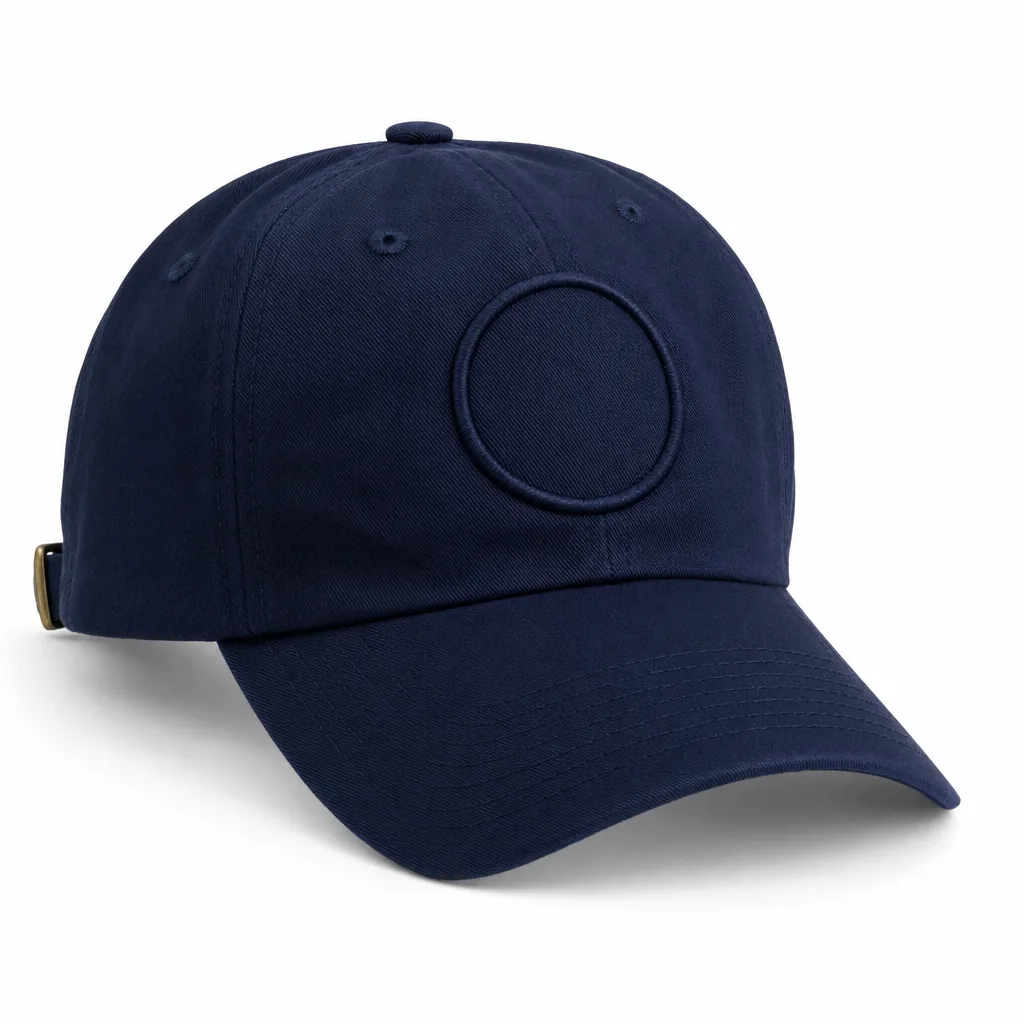
Baseball cap custom is built around a different production logic than a knitted beanie custom order: you are managing structure, not stretch. A standard 6-panel cap starts with fabric cutting, buckram or fusible reinforcement in the front two panels, visor board insertion, panel stitching, eyelet punching, then logo application by embroidery, patch, or print. If the factory cannot tell you the stitch count on the visor, the buckram weight, the sweatband material, and the closure spec, they are not quoting a real product. For a serious spec sheet, request crown height, panel count, visor length, panel seam allowance, thread type, and logo placement in millimeters. Our standard practice is to lock Pantone TCX colors, approve a physical top sample, and require a pre-production sample before bulk. That same discipline applies whether you are ordering custom baseball hats for retail or trying to custom a beanie for winter drop testing.
Typical MOQ for a decent factory is 300 to 500 pieces per colorway, though a true cut-and-sew program with complex patches or washed finishes often starts closer to 800 to 1,000. FOB pricing usually lands around $2.20 to $4.50 for basic cotton twill caps with flat embroidery, and $4.80 to $6.50 for heavier construction, structured fronts, or mixed decoration; trucker mesh and premium washed cotton can move outside that range fast. The cheapest quote usually hides one of three compromises: lighter fabric, thinner visor board, or rushed sewing labor. Buyers comparing beanie hats custom and caps should ask for fabric gsm, thread count where relevant, and a sample cost breakdown, because a $0.40 savings on materials can become a bent visor, loose topstitching, or an unstable crown after packing. If you are also sourcing beanie hat custom styles in the same factory, keep the costing separate so the cap spec does not get diluted by knitwear assumptions.
The failures to inspect are usually obvious if you know where to look: asymmetric front panels, crooked center seams, poor visor curvature, uneven embroidery density, puckering around patches, and closure hardware that scratches or rusts in transit. On higher-volume runs, check seam slippage, sweatband stitching, color migration on dark fabrics, and whether the cap returns to shape after compression testing. AQL 2.5 is fine for general apparel, but I would tighten it on logo placement and shade matching if the cap is customer-facing; ask for Delta-E under 2.0 on critical colors and confirm the sample under the same lighting you will use for approval. The bigger sourcing lesson is simple: if you can control these variables on custom baseball hats, you are better positioned to judge when a beanie custom supplier is actually stronger on knit gauge, wash stability, and trim consistency instead of just giving a lower price. That is how you avoid treating every custom a beanie or cap order as the same job when the failure modes are not the same at all.
Working with CrownsForge for beanie custom programs
For a beanie custom program, the first risk is not decoration, it is fit and yarn behavior. A flat-knit acrylic beanie and a 1x1 rib merino blend do not shrink, stretch, or recover the same way, so we normally start with a hand sample or 3D knit proto within 5 to 7 working days, then a corrected pre-production sample after trim and label approval. If the buyer wants pom, cuff, or jacquard changes, that adds one more round; anything less usually means you are approving from a spec sheet instead of a real garment. Our standard practice is to lock crown height, cuff depth, yarn count, and Pantone TCX targets before mass production, because the cheapest way to lose money on beanie hats custom is to discover silhouette drift after knitting 3,000 pieces.
MOQ flexibility matters because first-time buyers often compare a custom beanie order to custom baseball hats, which is the wrong model. Knitted headwear has higher setup sensitivity, but we still keep test runs practical: 100 to 300 pieces for a simple cuffed acrylic program, 500 plus for yarn-dyed jacquard or embroidered badge applications, and lower-risk reorder splits when the yarn base is already approved. In-house decoration is where the control comes from: Tajima, Barudan, and ZSK embroidery heads for flat or 3D logo work, woven labels for low-profile branding, PU patches, debossed leather patches, and heat-seal transfers when the hand feel has to stay soft. That combination gives buyers room to custom a beanie without committing to a large blind buy.
Compliance and order management are what keep a beanie custom run from turning into a claims problem. We check azo-free dyes, formaldehyde limits, and color tolerance against a Delta-E target before bulk, then confirm carton pack-out, polybag warnings, and needle policy if the buyer needs retail-ready packing. For brands selling into EU or U.S. channels, sedex-audit-cap-supplier-guide.html">BSCI 2.0 and Sedex SMETA 4-Pillar audits matter more than marketing language, and test reports should match the fiber content, not just the artwork. The workflow is simple on purpose: tech pack intake, yarn and trim booking, lab dip or strike-off approval, pre-production sample, inline inspection at AQL 2.5, then final carton check with photo records and shipment docs. That is how we de-risk beanie custom sourcing for a first collection and still keep the process usable for repeat programs.
Frequently Asked Questions
How long does production take?
Sampling takes 7 to 12 days. Bulk production runs 20 to 30 days depending on quantity, fabric availability and decoration complexity. Inspection and packing adds another 3 to 5 days before shipment.
Do you support sustainability certifications?
Yes. We work with GOTS organic cotton, GRS-certified recycled polyester, OEKO-TEX Standard 100 fabrics, and are BSCI and Sedex audited. Certification documentation can be provided per order.
What file format should I send for my logo?
Vector files (AI, EPS, PDF) are ideal. High-resolution PNG or JPG at 300 dpi on transparent background works as a fallback. Provide Pantone color references for accurate reproduction.
What is the minimum order quantity (MOQ) for custom hats?
Our standard MOQ is 100 pieces per design and color, with sampling available from 1 piece. For complex multi-color logos or premium fabric upgrades, the MOQ can be lowered with a small per-piece surcharge.
Can I order a sample before bulk production?
Yes. We strongly recommend approving a pre-production sample before mass production. Samples are charged at 35 to 60 USD each plus express shipping, fully refundable against confirmed bulk orders over 500 pieces.
How does ordering baseball hats custom work?
When evaluating baseball hats custom, the key considerations are construction quality, decoration capability, MOQ flexibility and lead time. Cover everything buyers ask about custom trucker hats: how it's manufactured, what specs to request from a factory, typical MOQ and pricing, common quality issues to inspect for, and how this ties back to the broader beanie custom sourcing decision. Cover everything buyers ask about baseball cap custom: how it's manufactured, what specs to request from a factory, typical…
How does ordering custom beanie hat work?
When evaluating custom beanie hat, the key considerations are construction quality, decoration capability, MOQ flexibility and lead time. Cover everything buyers ask about custom trucker hat: how it's manufactured, what specs to request from a factory, typical MOQ and pricing, common quality issues to inspect for, and how this ties back to the broader beanie custom sourcing decision. Cover everything buyers ask about hat trucker custom: how it's manufactured, what specs to request from a factory, typical MOQ…
How does ordering custom made trucker hat work?
When evaluating custom made trucker hat, the key considerations are construction quality, decoration capability, MOQ flexibility and lead time. Cover everything buyers ask about custom trucker hat: how it's manufactured, what specs to request from a factory, typical MOQ and pricing, common quality issues to inspect for, and how this ties back to the broader beanie custom sourcing decision. Cover everything buyers ask about hat trucker custom: how it's manufactured, what specs to request from a factory, typical MOQ…
How does ordering custom new era hats work?
When evaluating custom new era hats, the key considerations are construction quality, decoration capability, MOQ flexibility and lead time. Cover everything buyers ask about custom trucker hats: how it's manufactured, what specs to request from a factory, typical MOQ and pricing, common quality issues to inspect for, and how this ties back to the broader beanie custom sourcing decision. Cover everything buyers ask about custom trucker hat: how it's manufactured, what specs to request from a factory, typical MOQ…
Looking for a reliable hat manufacturer in China?
CrownsForge has produced custom hats for 800+ brands across 40 countries. From 100-piece launches to 100,000-piece retail programs, we deliver on time and on spec.
Get in touchRelated guides
Shipping Custom Hats from China: FOB, EXW, DDP & Incoterms Decoded
Read article →
Wholesale Trucker Hats with Custom Logo: A Complete Bulk Sourcing Playbook
Read article →
Baseball Caps Canada: A Vertical-Specific Sourcing Guide
Read article →We hope this guide demystifies beanie custom: the 2026 sourcing & manufacturing playbook and helps you move forward with confidence. If you have questions specific to your project, our English-speaking sales engineers are one message away.