
Wholesale Trucker Hats with Custom Logo: A Complete Bulk Sourcing Playbook
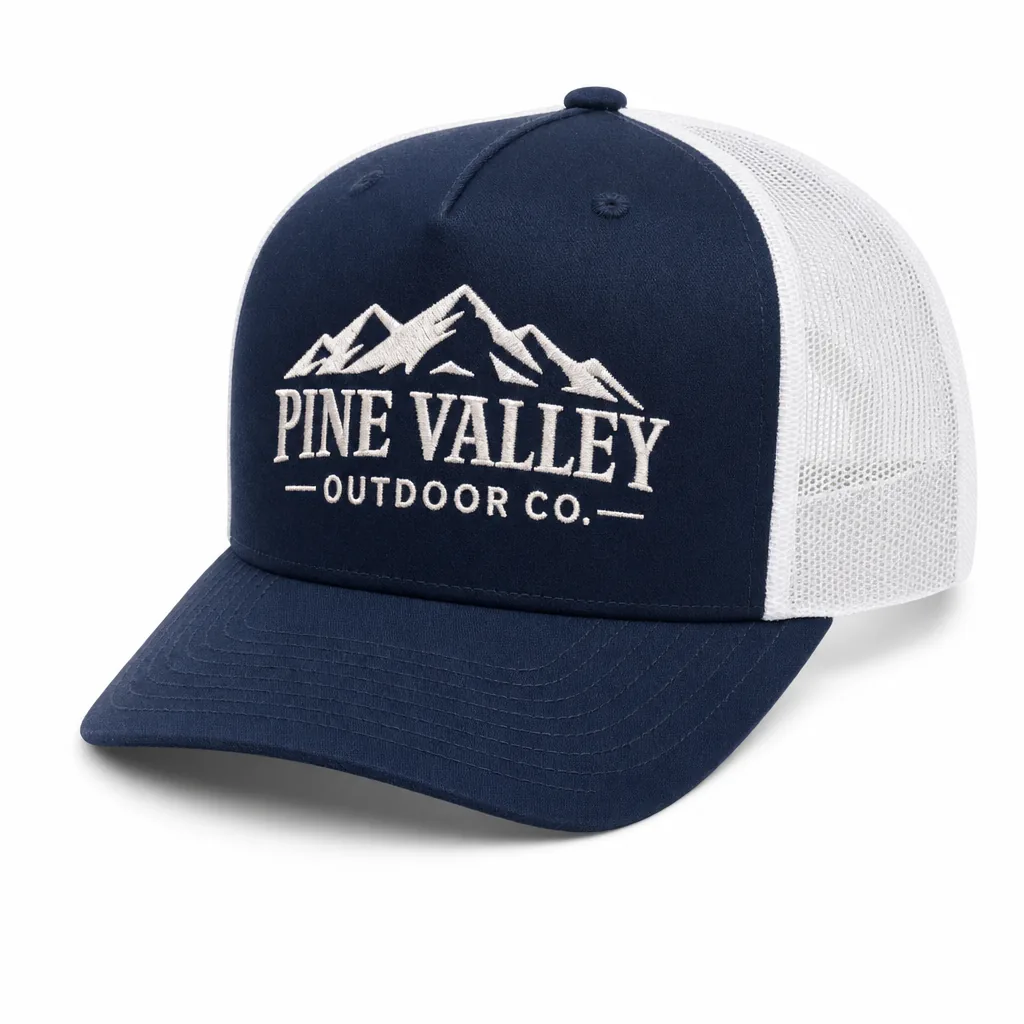
Wholesale Trucker Hats with Custom Logo: A Complete Bulk Sourcing Playbook is one of the most-asked questions we receive from international buyers, and for good reason. With dozens of factories competing for your order and an alphabet soup of technical terms in every supplier quote, even experienced importers can feel lost. This guide consolidates what we have learned producing custom hats for clients in 40+ countries.
The anatomy of a quality trucker hat
The front panel is the first place a trucker hat fails or holds shape, and foam density matters more than most buyers think. A decent custom trucker hat usually uses EVA or polyurethane foam around 120 to 180 gsm equivalent feel, with enough compression resistance to keep embroidery from puckering but not so much stiffness that the crown looks like a brick. On bulk trucker caps, I look for consistent board thickness, clean lamination, and a front panel that recovers after pressure instead of creasing permanently. For wholesale trucker hats, the difference between a usable sample and a return rate is often whether the foam was cut square and bonded evenly to the shell. If the hat is going through a trucker cap manufacturer worth dealing with, they should be able to show panel gauge control and stitch registration samples before production starts.
Mesh and finishing details tell you whether the hat was built for transit, sweat, and repeat wear or just for a one-photo sale. Standard polyester mesh is usually 110D to 150D; finer denier can feel softer, but if the stretch is too loose the side and back panels sag after a few wears. Good promotional trucker hats use mesh with stable tension, clean overlock seams, and a sweatband that is either brushed tricot or moisture-wicking poly-cotton around 220 to 280 gsm, sewn with a flat, low-bulk join so it does not irritate the forehead. On bulk custom trucker hats, the snap closure is another weak point: 6-position plastic snaps should lock cleanly without whitening, and the strap hole spacing has to be consistent or sizing becomes sloppy across cartons. CrownsForge’s standard practice is to check closure cycle life, stitch density, and crown symmetry before bulk release.
Fabric and mesh options
For wholesale trucker hats, the front panel material matters more than most buyers expect because it controls shape, printability, and how the cap ages after a few wash cycles. The classic build is a cotton/poly foam front, usually 5- to 6-panel, with a 3-4 mm laminated foam backing that gives the crown a clean, structured profile for embroidery or patch work. Cotton/poly blends around 65/35 or 80/20 are common because they hold color well, keep the hand feel softer than full polyester, and are less prone to puckering under dense stitching. For bulk trucker caps, I usually treat the front fabric as a branding surface first and a comfort layer second, because that is what the buyer is paying to get right.
Microfiber front panels are a better fit when the artwork is detailed or when the order needs a smoother hand than brushed cotton can give. A tight microfiber face reduces surface grain, so heat transfer, TPU patches, and fine-merrow embroidery read cleaner, especially on promotional trucker hats with small logos or low-contrast thread colors. Our standard practice at CrownsForge is to sample microfiber in the 170-220 gsm range before production, because anything too light can collapse around the seam lines and anything too heavy starts to feel like a work cap instead of retail headwear. For a custom trucker hat line, that difference shows up quickly in fit consistency and how the front panel photographs in e-commerce listings.
Mesh selection is where a trucker cap manufacturer can separate a decent cap from one that feels cheap on first touch. Breathable hex mesh in 100% polyester is the most common option because it opens airflow without losing too much sidewall structure; it is usually specified with a firmer 0.8-1.0 mm filament so the crown keeps its shape. Soft trucker mesh variants, often using a finer knit or a slightly lower-tension weave, feel better against the head and are preferred for premium bulk custom trucker hats aimed at apparel brands rather than giveaways. If the order is price-sensitive, standard polyester mesh is the right call. If the cap sits closer to retail than promo, soft mesh is worth the small cost increase because it reduces scratchiness and makes the cap easier to sell at a higher margin.
Logo decoration techniques that work best on foam
3D puff embroidery is the cleanest option when the art is bold, the stitch count is controlled, and the foam front panel has enough body to support the rise. On wholesale trucker hats, I keep puff limited to large letters, block logos, and simple icons because the foam underlay already creates thickness; if you push fine serif text or thin outlines, the stitches sink and the edge turns ragged. A good trucker cap manufacturer will usually test the logo at 0.4 to 0.6 mm satin width and keep the density high enough to cover the mesh of the foam without cutting through it. In practice, 3D puff works best on 5-panel or structured foam fronts with a low stitch count, because the bill of materials stays efficient and the decoration still reads from 15 to 20 feet away. For bulk trucker caps, this is usually the best balance of perceived value and production speed, especially on promotional trucker hats for sports, events, and apparel brands.
Flat embroidery is more forgiving than puff, but on foam it needs discipline. The foam compresses under the needle, so I avoid dense fills over large areas unless the artwork is simple and the cap is fully stabilized. For a custom trucker hat with a small left-chest style logo, flat embroidery can look sharper than puff because it preserves detail and keeps the front panel from becoming lumpy. Woven patch is a better choice when the art has gradients, tiny type, or thin borders that embroidery cannot hold; a 50 x 50 mm woven badge gives cleaner edges than trying to force 12,000 stitches into foam. Leather patch works when the buyer wants a premium workwear or outdoor look, but it should be cut and lasered carefully because heat can distort cheap PU substrates. CrownsForge’s standard practice is to match the decoration to the foam thickness and order size, since bulk custom trucker hats fail fast when the logo method fights the panel construction.
Sublimation-printed front panels are the strongest option when the design needs full-color artwork, photographic shading, or all-over branding that embroidery cannot reproduce. This is the only method that can put tight halftones, skin tones, or complex gradients on foam without turning the front panel into a heavy stitched block. The tradeoff is that sublimation works best on white or light polyester foam fronts, and the print can look cheap if the color management is sloppy; I would expect a factory to target Delta-E under 3 against approved Pantone references, then check panel registration before sewing. For wholesale trucker hats, I recommend sublimation when the order needs 500 pieces or more and the art is too detailed for patches or thread. In smaller runs, a woven patch or leather patch is usually safer because it hides minor production variance. The main rule is simple: if the logo must survive close inspection, use a patch; if it must dominate from a distance, use puff embroidery or print.
Pricing brackets by quantity
For standard 5-panel wholesale trucker hats, pricing falls hard once you move past the setup-heavy first hundred pieces. At 100 pcs, a plain foam-front or cotton-twill front with mesh back usually lands around $4.80 to $7.20 per hat FOB, because the factory still has to absorb pattern setup, thread changes, carton allocation, and a small-run cutting loss. Add a 3D puff embroidery logo, woven label, or PVC patch and you should budget another $0.35 to $1.20 per piece, plus a one-time digitizing charge of roughly $35 to $80. At this quantity, color matching is also less efficient, so if you need Pantone TCX discipline or a close Delta-E target, expect a modest premium. For buyers comparing promotional trucker hats across suppliers, this is the bracket where quote accuracy matters more than the headline unit price.
At 500 pcs, the economics improve because panel cutting, mesh sourcing, and sweatband stitching start to normalize. A realistic range for bulk trucker caps in this bracket is $3.10 to $4.60 per hat for a standard build with a flat embroidery logo or simple woven patch. If you switch to higher-density foam, sandwich bills, or custom seam tape, the price can move back toward the upper end, but the setup cost is now diluted enough that it no longer dominates the order. This is also the point where a serious trucker cap manufacturer can lock in repeatability: consistent crown height, better curve control on the visor, and fewer defects from loose mesh tension. For most custom trucker hat programs, 500 pcs is the first quantity where the decoration choice matters as much as the base construction.
At 1,000 pcs, wholesale trucker hats usually drop into the $2.55 to $3.80 range, assuming a normal 5-panel structure, standard snapback, and one decoration method. By 5,000 pcs, a clean production run can reach $1.85 to $2.95 per hat, especially if the colorway is stable and the order uses the same shell fabric, mesh, and closure across the lot. The difference is not magic; it is labor efficiency, lower waste, and better purchasing terms on polyester mesh, buckram, sweatbands, and thread. On larger runs, I would also budget AQL 2.5 inspection, carton drop checks, and 2-3 percent overage for replacements because those costs are cheaper than rework after export. For bulk custom trucker hats, this is where factory discipline shows up in the final invoice, not just the sample approval.
Common defects to inspect for
The first thing I inspect on wholesale trucker hats is the front panel and mesh interface, because that is where cheap construction shows up fastest. Mesh distortion usually means the crown was heat-set too aggressively or the mesh roll had inconsistent denier tension, so the panels pull out of square after one packing cycle. Foam delamination is another common failure on promotional trucker hats with laminated fronts: if the foam is not bonded evenly, you will see bubbling at the seam lines, especially after a hot press or humid transit. On a real bulk trucker caps order, I expect these defects to be caught at AQL 2.5 with a clear reject threshold for visible warp, edge lift, and crushed mesh. Our standard practice is to check the front panel against a flat gauge and compare the logo field to the approved tech pack, because once the crown is sewn, you do not get a second chance to correct structure.
Brim construction needs the same discipline. Uneven brim stitching usually comes from poor thread tension or a shifted cardboard/plastic insert, and it shows up as waviness along the edge, skipped topstitch segments, or a left-right asymmetry that becomes obvious when the cap is worn. On a custom trucker hat, the brim line should stay within about 2 mm across both sides; if it drifts beyond that, the hat starts looking irregular even if the logo is correct. I also check the snap closure for alignment and locking force. A bad snap will either sit off-center, leave a twist in the back strap, or pop open with light pressure, which is unacceptable for bulk custom trucker hats sold through retail or event channels. For a trucker cap manufacturer, these are not cosmetic details; they are the difference between a shipment that passes and one that gets downgraded.
Logo placement variance is where buyers usually lose money, because the artwork may be correct while the execution is not. I check centerline position, height from the brim, and panel-to-panel repeatability, since a 3-4 mm shift is visible on a structured front panel and even more obvious on embroidered jobs with dense stitches. If the order uses 3D puff embroidery or a woven patch, I verify that the patch sits flat and does not ride into the seam allowance, which usually means the placement jig was wrong or the sew sequence was rushed. On wholesale trucker hats, I will also sample across cartons, not just one master carton, because machine drift on Tajima or Barudan heads can create a pattern of variance that only shows up at scale. That is the point where inspection protects margin: one bad setup can turn a clean-looking run into a return-heavy shipment.
Promotional vs. retail-grade trucker caps
Lower-priced promotional trucker caps make sense when the hat is basically a moving billboard. For trade shows, field events, political campaigns, and dealer giveaways, the brief is usually a 1-color or 2-color logo, fast turn, and a unit cost that stays under roughly $2.50 to $4.00 ex-factory at 3,000 to 5,000 pieces. In that range, you want a simple foam front or low-cost cotton twill front, 100 percent polyester mesh, plastic snapback, and a flat or lightly curved visor. Our standard practice at CrownsForge is to keep decoration restrained because promo buyers rarely recover the cost of dense embroidery, woven labels, or custom seam taping on a hat that may be worn a dozen times, not a season. If the cap is only meant to support a campaign message, saving money on materials and construction is the correct decision, not a compromise.
Retail-grade styles are a different product category. A custom trucker hat for streetwear, team merch, or resale has to survive repeated wear, sweat, packing, and shelf scrutiny, so the cap body, mesh tension, and stitching tolerance matter. The front panel should hold embroidery cleanly without puckering, the crown should sit consistently across sizes, and the closure should feel secure rather than flimsy. That usually pushes you toward a better foam, a firmer buckram or fused front, heavier twill, cleaner polyester mesh, and tighter quality control on thread tension and panel alignment. On bulk trucker caps intended for retail, I would rather see a factory hold to AQL 2.5 on appearance and sewing defects than chase the lowest landed cost and ship hats that collapse after one wash or arrive with crooked logos.
The decision line is simple: if the hat is meant to be handed out, buy for price; if it is meant to be sold, buy for consistency. Wholesale trucker hats for promo can tolerate a looser spec, smaller embroidery, and more color variance because the audience is not paying retail and does not inspect the inside finish. Retail-grade bulk custom trucker hats need clearer Pantone TCX matching, better sweatband material, and cleaner packaging because the buyer is comparing them against established brands. A trucker cap manufacturer should ask how long the hat needs to last, where it will be sold, and whether the logo is doing the work or the cap itself has to carry value. If the answer is “cheap event giveaway,” keep it basic. If the answer is “something a customer will wear in public and expect to keep,” spec it like a product, not a souvenir.
Frequently Asked Questions
What is the minimum order quantity (MOQ) for custom hats?
Our standard MOQ is 100 pieces per design and color, with sampling available from 1 piece. For complex multi-color logos or premium fabric upgrades, the MOQ can be lowered with a small per-piece surcharge.
Do you support sustainability certifications?
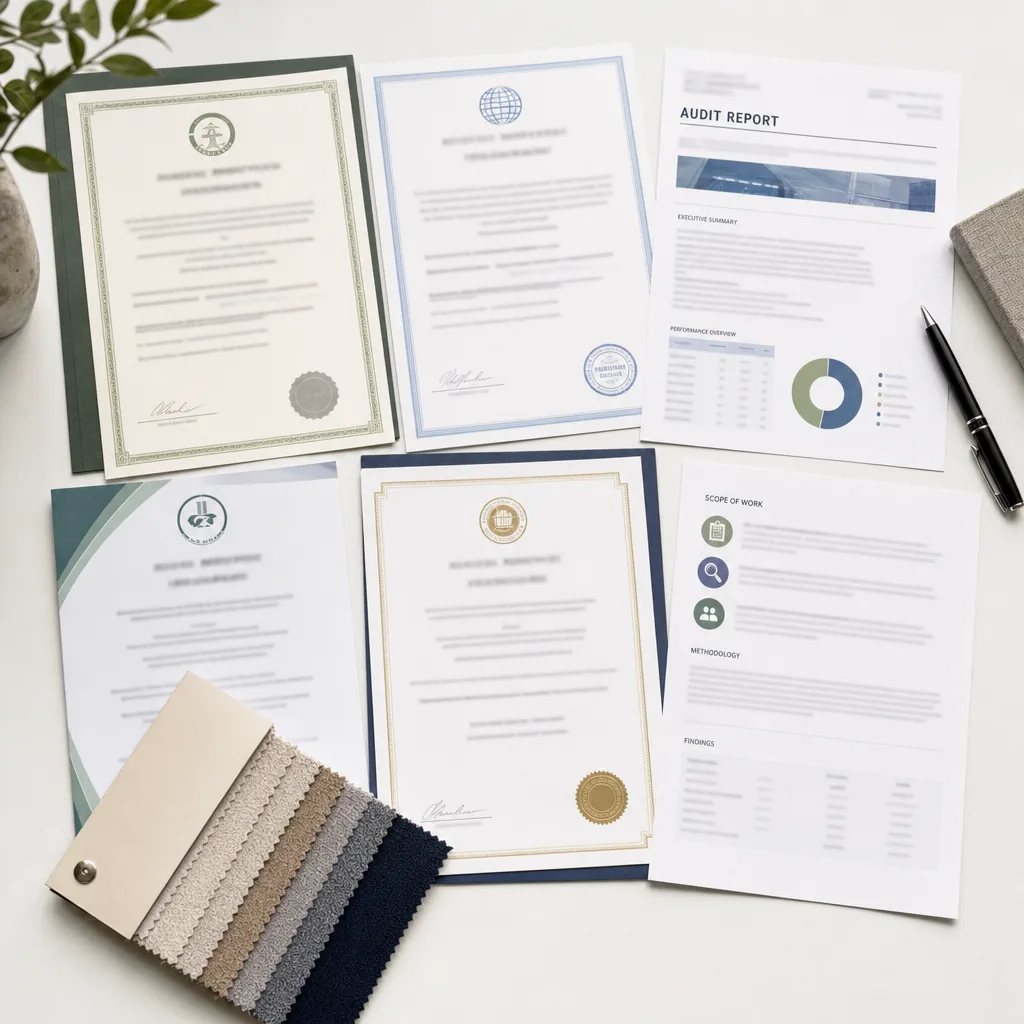
Yes. We work with GOTS organic cotton, GRS-certified recycled polyester, OEKO-TEX Standard 100 fabrics, and are BSCI and Sedex audited. Certification documentation can be provided per order.
Which shipping methods do you support?
We support FOB, CIF and DDP shipping. Air express for samples and small orders, sea LCL for 100 to 500 pieces, sea FCL for 5,000+ pieces. Door-to-door DDP available for US, EU, UK, Canada and Australia.
What file format should I send for my logo?
Vector files (AI, EPS, PDF) are ideal. High-resolution PNG or JPG at 300 dpi on transparent background works as a fallback. Provide Pantone color references for accurate reproduction.
How long does production take?
Sampling takes 7 to 12 days. Bulk production runs 20 to 30 days depending on quantity, fabric availability and decoration complexity. Inspection and packing adds another 3 to 5 days before shipment.
What's the MOQ for custom embroidered trucker hats no minimum?
When evaluating custom embroidered trucker hats no minimum, the key considerations are construction quality, decoration capability, MOQ flexibility and lead time. Cotton/poly foam front, microfiber options, breathable hex mesh in 100% polyester, soft trucker mesh variants. 100 / 500 / 1,000 / 5,000 pcs price modelling for standard 5-panel trucker construction.
What's the MOQ for custom embroidered baseball caps no minimum?
When evaluating custom embroidered baseball caps no minimum, the key considerations are construction quality, decoration capability, MOQ flexibility and lead time. Foam front density, mesh denier and stretch, sweatband construction, plastic snap closure quality. Cotton/poly foam front, microfiber options, breathable hex mesh in 100% polyester, soft trucker mesh variants.
How does ordering custom printed trucker hat work?
When evaluating custom printed trucker hat, the key considerations are construction quality, decoration capability, MOQ flexibility and lead time. Cotton/poly foam front, microfiber options, breathable hex mesh in 100% polyester, soft trucker mesh variants. 3D puff embroidery, flat embroidery, woven patch, leather patch, sublimation-printed front panel.
How does ordering custom embroidered snapback hat work?
When evaluating custom embroidered snapback hat, the key considerations are construction quality, decoration capability, MOQ flexibility and lead time. Foam front density, mesh denier and stretch, sweatband construction, plastic snap closure quality. Cotton/poly foam front, microfiber options, breathable hex mesh in 100% polyester, soft trucker mesh variants.
Looking for a reliable hat manufacturer in China?
CrownsForge has produced custom hats for 800+ brands across 40 countries. From 100-piece launches to 100,000-piece retail programs, we deliver on time and on spec.
Get in touchRelated guides
Kids' & Children's Cap Manufacturing: CPSIA Compliance and Sizing
Read article →
Baseball Hats Men's: A Vertical-Specific Sourcing Guide
Read article →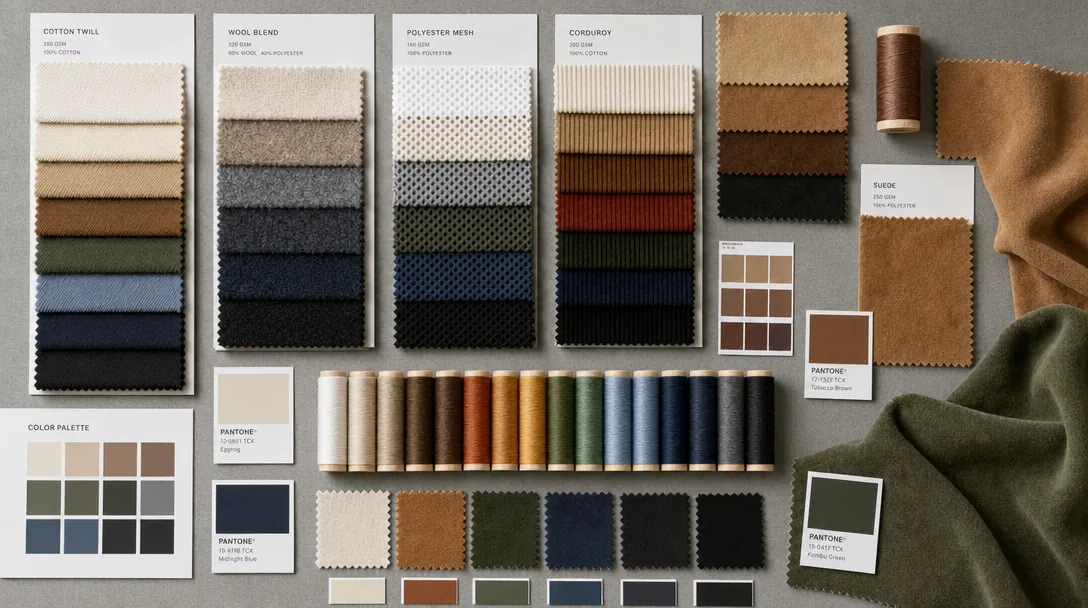
Corduroy Hat: Properties, Costs and How to Spec It Right
Read article →Sourcing custom hats does not have to be complicated. With the right manufacturing partner, clear specifications and a small upfront investment in sampling, you can launch a retail-quality product in 30 to 45 days.