
Baseball Caps Canada: A Vertical-Specific Sourcing Guide
Every week, our sales team answers detailed questions about baseball caps canada: a vertical-specific sourcing guide. We wrote this guide so that wholesalers, streetwear brands, corporate buyers and promotional resellers can compare options with full information, and avoid the traps that show up only after production has started.
Baseball Hats for Men
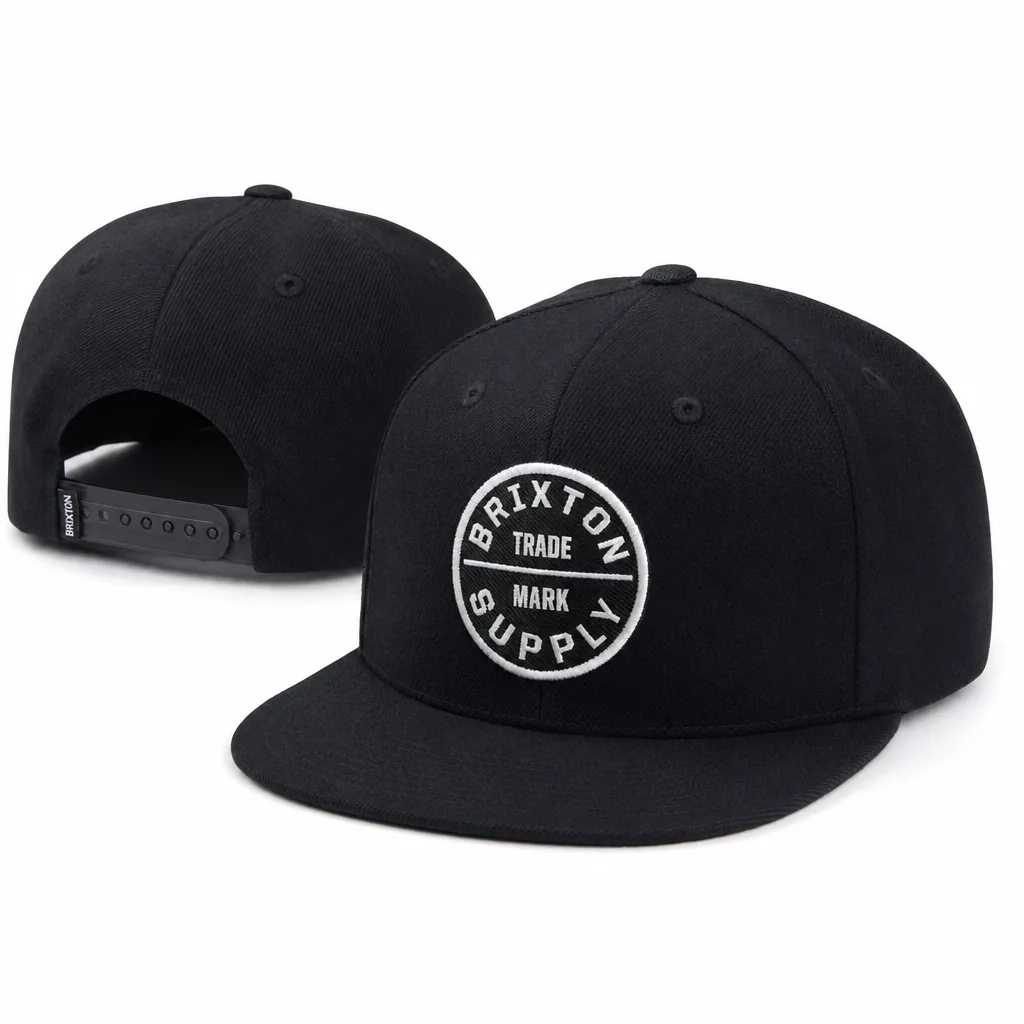
The most common failures on men’s caps are not dramatic; they are small defects that kill sell-through. Inspect visor symmetry, crown height consistency, puckering around front embroidery, loose top button fabric, sweatband stains, and closure alignment. For bulk orders, use AQL 2.5 for major defects and AQL 4.0 for minor defects, with carton drop testing if shipping DDP into Canada during winter because crushed visors are hard to recover. Embroidery should be checked for thread breaks, backing show-through, and registration shift over 1.5 mm. If the same catalog also includes funny bucket hats, bucket hats festival styles, or a festival bucket hat, do not assume the same fabric behaves the same way; unstructured bucket hats often need softer 220–250 gsm cotton or nylon taslan, while men’s baseball caps need enough body to hold shape on shelf. That difference matters when building one consolidated baseball caps canada purchase order for retail, teams, or promotional resale.
Custom Baseball Team Hats
Custom baseball team hats are usually built from a 6-panel crown with either structured buckram or a softer unstructured front, then closed with a curved visor, stitched sweatband, and back closure matched to the buyer’s channel. For baseball caps canada sourcing, the main decision is whether you want true performance construction—poly twill, heavyweight cotton twill around 260–300 gsm, or polyester-spandex with moisture control—or a fashion spec closer to baseball hats canada retail styles. If the team needs fitted hats with patches, ask for exact head sizes in 1/8-inch increments, patch placement in millimeters, and whether the patch is embroidered twill, woven, PVC, or genuine leather. I also push buyers to request stitch count, panel reinforcement, visor board thickness, and color control against Pantone TCX with Delta-E under 2.0, because those details decide whether the hat looks like a licensed product or a cheap promo item.
Factory specs matter more than the mockup. A real quote should state crown height, visor curve, seam tape, thread type, sweatband composition, closure type, and decoration method, plus whether the factory is using Tajima, Barudan, or ZSK embroidery heads and what the maximum stitch count is per head before quality drops. Typical MOQ for custom team caps is 100–300 pieces per colorway, but with complex patches, applique, or multiple sizes, many factories will push to 300–500 pieces to cover setup waste. Ex-works pricing in China is often around $2.20–$4.80 for basic cotton twill caps, $4.50–$7.50 for structured embroidered team hats, and more for fitted hats with patches or premium wash finishes. If someone is pricing far below that, they are usually cutting corners on fabric weight, embroidery density, or QC.
The common failures are easy to spot if you inspect the first run properly: off-center front panels, crooked visors, uneven crown symmetry, loose embroidery jumps, puckering around patches, color mismatch between panels and trim, and closure hardware that fails after repeated wear. I would also check sweatband stitching, because bad binding there creates returns fast, especially on hot-weather team orders. For Canadian buyers, the broader baseball caps canada decision is not just price; it is whether the factory can hold spec across repeat orders, handle bilingual labeling if needed, and ship reliably into season windows. That same sourcing logic also helps when a buyer wants adjacent SKUs like funny bucket hats, bucket hats festival styles, or a festival bucket hat program, because the real test is not the hat type but the factory’s consistency on fabric, decoration, and inspection discipline.
Baseball Hats Canada
For baseball hats Canada programs, the first sourcing decision is not logo method; it is cap architecture. A structured 6-panel cap normally uses buckram in the front, 260–320 gsm cotton twill or polyester-cotton, a pre-curved PE visor, and either snapback, Velcro, metal buckle, or fitted sizing. A true fitted cap needs size grading by circumference, usually 6 7/8 through 7 5/8 for North American retail, and the tolerance should be written as ±0.5 cm after steam shaping. If you are ordering fitted hats with patches, ask the factory whether the patch is merrowed, laser-cut woven, PVC, leatherette, or embroidered felt, because each requires different stitch density and heat-press settings. For Canadian teams and streetwear buyers, I would also specify Pantone TCX fabric matching, Delta-E under 1.5 for critical brand colors, visor curve radius, crown height in cm, sweatband material, and whether the crown is foam-backed or fused with woven interlining.
Manufacturing cost depends heavily on material and decoration, not just quantity. A basic embroidered cotton twill baseball cap at 500 pieces may land around US$2.80–4.20 FOB China, while a premium wool-acrylic fitted cap with raised 3D embroidery on a Tajima or Barudan head can be US$5.50–8.50 before freight and duty. MOQ is usually 300 pieces per color for standard fabrics, 500–1,000 pieces if you need custom-dyed fabric, and 144–300 pieces for stock-color promotional baseball hats Canada orders. Patches add roughly US$0.35–1.20 each depending on type; PVC and genuine leather are at the high end. Bucket styles are a different production lane: funny bucket hats, bucket hats festival assortments, and a reversible festival bucket hat usually use softer panels, no buckram, and higher sewing-time variance, so do not assume the same MOQ or price as caps.
The failures I see most often on baseball caps Canada orders are crooked front embroidery, uneven visor stitching, color drift between bulk fabric and approved sample, puckering around dense logos, and snap closures that crack below -10°C during winter handling. Your purchase order should require pre-production samples, embroidery sew-outs, bulk fabric lab dips, and inline inspection after panel cutting but before assembly. For final inspection, use AQL 2.5 for major defects and AQL 4.0 for minor defects, checking crown symmetry, brim centering, stitch density, thread trimming, label placement, barcode accuracy, and carton compression. Our standard practice at CrownsForge is to photograph the cap on a head form from front, side, back, and top because flat-table photos hide twisted crowns. For Canada-bound shipments, also confirm fiber-content labeling, bilingual packaging if required by the retailer, HS code classification, and whether your landed model is FOB Ningbo/Shanghai or DDP to Toronto, Vancouver, or Montreal.
Vintage Trucker Hats Canada
Vintage trucker hats canada orders are usually built on a foam-front or cotton-twill front panel with a 5-panel or 6-panel crown, mesh back, curved PE or EVA bill, and either a snapback or adjustable fabric strap. The production difference is mostly in the front structure: foam fronts need clean heat transfer or screen print work, while cotton twill takes embroidery, woven patches, or appliqué better. For buyers comparing baseball caps canada options, truckers are usually cheaper to produce than fully structured fitted hats with patches because the crown construction is simpler and the closure is standard. If you want a true vintage look, ask for pigment-dyed cotton twill, washed finish, slightly pre-curved visor, and a lower crown height around 11.5 to 12.5 cm; that avoids the stiff “promo cap” feel that Canadian buyers reject fast.
The specs to request from a factory are straightforward but should be written clearly: outer fabric weight in gsm, mesh denier, crown profile, visor insert type, stitch count, thread type, and decoration method. For example, a decent retail-grade trucker might use 100 percent cotton twill at 240 to 280 gsm, polyester mesh at 50 to 70 denier, 6-row visor stitching, and 12,000 to 15,000 stitches for a front logo. Typical MOQ is 300 to 500 pieces per colorway for custom truckers; blank stock can be lower, but anything with custom panel fabric, woven labels, or special wash usually pushes the order up. In China FOB terms, factory pricing is commonly around USD 2.10 to 3.80 for basic printed truckers, USD 3.20 to 5.50 for embroidered versions, and more if you want patches, enzyme wash, or a distressed finish.
Quality problems show up quickly if you know where to look. The most common failures are warped crown shape, uneven mesh tension, crooked center seams, weak top button attachment, and color mismatch between front panel and mesh, especially when the buyer only approves from screen images. Ask for Pantone TCX references and set an acceptable Delta-E tolerance before bulk cutting; for decorated hats, also check patch edge fraying, adhesive bleed-through, and stitch registration around curved logos. On inspection, I would sample by AQL 2.5 for general defects and pay special attention to sweatband stitching, snapback function, and visor symmetry, because those issues drive returns more than small print imperfections. For buyers sourcing baseball caps canada at scale, truckers sit in the same supply chain as other baseball hats canada styles, so it makes sense to lock one factory system for fit, decoration, and packaging rather than treating every style as a separate vendor project.
Festival Caps
Festival caps are usually built like lightweight promotional headwear, not like winter streetwear. The common spec is a 5-panel or 6-panel unstructured crown in 100% cotton twill, 100% cotton canvas, or 110-120 gsm nylon with a quick-dry finish; for hotter events, I prefer 100% polyester ripstop or peach-skin polyester because it holds shape after sweat and rain. For a proper festival bucket hat or festival bucket hat with a print, ask the factory for 5-6 cm brim width, 2-row brim stitching, colorfastness at 4-5 grade, and sweatband tape that is at least 1.5 cm wide. If the order includes funny bucket hats or patches, specify embroidery density in stitches per square inch, patch backing type, and seam allowances so the factory does not improvise with cheap fusible glue that fails in heat.
The basic production flow is cutting, panel stitching, eyelet or mesh insertion if needed, brim forming, sweatband attachment, embroidery or print application, washing/pressing, then AQL inspection. On festival caps, the weak points are usually not the crown seams; it is crooked topstitching, warped brims after heat pressing, and sloppy print registration on curved panels. If you are comparing baseball hats canada suppliers against Asian factories, request the same control points you would for fitted hats with patches: Pantone TCX match, Delta-E under 2.0 for solid colors, patch placement tolerance within 3 mm, and needle detection if there are metal accessories. CrownsForge’s standard practice is to sample-seal the first production run and keep a gold sample on the line, because festival orders often mix multiple colors and artwork variants, which is where mistakes multiply fast.
For MOQ, most factories will quote 300-500 pieces per color for a simple promo-style cap, while custom prints, woven labels, and multi-location embroidery can push the minimum to 1,000 pieces total or more. In China, a plain festival cap may land around USD 1.60-2.80 EXW at 500 pcs, while a printed festival bucket hat with custom woven patch, woven label, and individual polybag often sits around USD 2.90-4.80 EXW depending on fabric and trim; air freight to Canada can add another USD 0.60-1.20 per piece on small shipments. The inspection list should include stitch skips, shade banding between dye lots, brim symmetry, puckering around patch borders, and odor from low-grade inks or adhesives. For buyers sourcing baseball caps canada alongside festival styles, the practical move is to consolidate fabric and trim specs across both categories so you can hit better pricing without accepting the common tradeoff of loose QC on one style to subsidize the other.
Online Hat Store Canada
For an online hat store Canada buyers usually want speed, low risk, and a product that still looks like a real bulk-decorated cap instead of a rushed souvenir. The manufacturing path starts with the blank: 100% cotton twill at 260 to 300 gsm for classic baseball hats canada programs, or polyester/cotton blends when you need better colorfastness and less shrinkage. If you are asking a factory for baseball caps canada, specify crown height, visor length, panel structure, sweatband material, closure type, and decoration method up front. A clean spec sheet should call out Pantone TCX for fabrics, thread color references, embroidery stitch count, and whether you want structured, unstructured, or fitted hats with patches. For patch work, insist on PU, woven, or twill patches with merrowed or laser-cut edges, because cheap heat-transfer patches usually crack after a few wash cycles.
MOQ and pricing depend on decoration complexity more than the cap itself. A plain 5-panel or 6-panel cap in 300 gsm cotton twill can land around USD 1.60 to 2.40 FOB at 300 to 500 pcs, while embroidery or custom patches usually push it to USD 2.30 to 4.20 FOB. Fit issues are the first thing to check: crown symmetry, brim curve consistency, seam puckering, and whether the closure sits flat instead of twisting. For an online hat store Canada model, you also need realistic landed-cost math, because DDP to Toronto or Vancouver can add CAD 1.20 to 3.50 per unit depending on duty treatment, carton volume, and season. If a supplier cannot quote both FOB and DDP with a clear incoterm breakdown, they are not ready for serious retail or reseller orders.
Quality control should be boring and measurable, not subjective. Ask for AQL 2.5 inspection on major defects and use a simple checklist: panel alignment within 3 mm, embroidery registration within 1.5 mm, no oil stains, no loose thread tails over 5 mm, and color variance under Delta-E 2.0 against the approved standard. For bucked products, the same discipline applies to funny bucket hats, bucket hats festival runs, and any festival bucket hat order: check brim symmetry, stitch density, label placement, and whether the bucket hat lining breathes instead of trapping heat. This is where baseball caps canada sourcing connects to the rest of the category — if the factory can hold tolerances on caps, they usually handle seasonal styles better too, but only if you lock specs early and reject samples that rely on lighting tricks rather than actual construction quality.
Working with CrownsForge for baseball caps canada programs
For baseball caps canada programs, the first thing I tell buyers is to stop assuming a cap factory and a print shop are the same thing. They are not. At CrownsForge, our sampling cycle is usually 7 to 12 days for a true headwear proto, not a generic blank with a rough logo slapped on. A normal first sample covers crown structure, brim curve, sweatband spec, closure type, and decoration position. If you want fitted hats with patches, we test stitch density, patch edge finish, and shrink behavior on the actual crown fabric, because a 100% wool blend or structured acrylic-wool mix behaves differently than a 100% cotton chino. For first-time buyers, that extra discipline prevents the classic mistake of approving a sample that looks fine on a desk but collapses on a head.
MOQ flexibility matters more than most buyers admit, especially when they are comparing baseball hats canada suppliers from overseas. Our standard practice is to keep low-entry options for new accounts, often 100 to 300 pieces per colorway depending on decoration complexity, while scaling repeat programs into the thousands once specs are locked. In-house we handle flat embroidery, 3D puff, woven patches, PVC patches, leather patches, and heat-transfer work, with Tajima, Barudan, and ZSK heads on the floor. That matters because a logo that reads cleanly on a 6-panel unstructured cap may need a different underlay and density on a structured trucker or a festival bucket hat. If a buyer wants funny bucket hats for a promotion and baseball caps canada for retail, we build both under one QC sheet so color and trim don’t drift between categories.
Compliance and order control are where most cross-border cap programs either stay boringly profitable or turn into a chargeback mess. We work to sedex-audit-cap-supplier-guide.html">BSCI 2.0 and Sedex SMETA 4-Pillar expectations, with AQL 2.5 as the default for visual inspection and tighter checks on critical defects like seam slippage, needle damage, and misaligned patches. Color approval is handled against Pantone TCX or Pantone C references, with Delta-E targets kept practical rather than theoretical; for mass headwear I’d rather hold a tight visual match than chase an impossible lab-perfect number on a textured fabric. We also keep a structured workflow: tech pack review, size spec lock, pre-production sample, inline inspection, final random inspection, then carton mark verification. That sequence is what keeps a festival bucket hat order from shipping with the wrong sweatband tape or a baseball caps canada replenishment from arriving with inconsistent crown height.
For scale-up brands, the real value is not just making caps; it is not losing track of the order once the factory floor gets busy. Every PO is tracked against fabric lot, trim lot, decoration file version, and carton count, so if a buyer repeats a style six months later we can reproduce the same fit and finish instead of guessing. We also flag practical sourcing issues early, like whether a 260 gsm brushed twill will hold a crisp front panel on baseball caps canada orders or whether a softer 220 gsm chino will better suit fashion-led runs with a washed hand feel. That same workflow helps when a client starts with baseball caps and later adds bucket hats festival styles or a seasonal festival bucket hat, because the compliance, labeling, and packing logic already exist. In my experience, that is what de-risks the first order and makes the second one cheaper, faster, and much less stressful.
Frequently Asked Questions
How long does production take?
Sampling takes 7 to 12 days. Bulk production runs 20 to 30 days depending on quantity, fabric availability and decoration complexity. Inspection and packing adds another 3 to 5 days before shipment.
Do you support sustainability certifications?
Yes. We work with GOTS organic cotton, GRS-certified recycled polyester, OEKO-TEX Standard 100 fabrics, and are BSCI and Sedex audited. Certification documentation can be provided per order.
What is the minimum order quantity (MOQ) for custom hats?
Our standard MOQ is 100 pieces per design and color, with sampling available from 1 piece. For complex multi-color logos or premium fabric upgrades, the MOQ can be lowered with a small per-piece surcharge.
What logo decoration techniques do you offer?
3D puff embroidery, flat embroidery, woven patch, leather patch, PVC patch, screen printing, sublimation, applique and laser etching, all in-house with no subcontracting.
Can I order a sample before bulk production?
Yes. We strongly recommend approving a pre-production sample before mass production. Samples are charged at 35 to 60 USD each plus express shipping, fully refundable against confirmed bulk orders over 500 pieces.
What should buyers know about baseball hats fitted?
When evaluating baseball hats fitted, the key considerations are construction quality, decoration capability, MOQ flexibility and lead time. Cover everything buyers ask about baseball hats for men: how it's manufactured, what specs to request from a factory, typical MOQ and pricing, common quality issues to inspect for, and how this ties back to the broader baseball caps canada sourcing decision. Cover everything buyers ask about custom baseball team hats: how it's manufactured, what specs to request from a…
What should buyers know about festival bucket hats?
When evaluating festival bucket hats, the key considerations are construction quality, decoration capability, MOQ flexibility and lead time. Cover everything buyers ask about baseball hats for men: how it's manufactured, what specs to request from a factory, typical MOQ and pricing, common quality issues to inspect for, and how this ties back to the broader baseball caps canada sourcing decision. Cover everything buyers ask about custom baseball team hats: how it's manufactured, what specs to request from a…
How does ordering custom baseball caps canada work?
When evaluating custom baseball caps canada, the key considerations are construction quality, decoration capability, MOQ flexibility and lead time. Cover everything buyers ask about custom baseball team hats: how it's manufactured, what specs to request from a factory, typical MOQ and pricing, common quality issues to inspect for, and how this ties back to the broader baseball caps canada sourcing decision. Cover everything buyers ask about baseball hats for men: how it's manufactured, what specs to request from a…
What should buyers know about bucket hat men?
When evaluating bucket hat men, the key considerations are construction quality, decoration capability, MOQ flexibility and lead time. Cover everything buyers ask about baseball hats for men: how it's manufactured, what specs to request from a factory, typical MOQ and pricing, common quality issues to inspect for, and how this ties back to the broader baseball caps canada sourcing decision. Cover everything buyers ask about online hat store canada: how it's manufactured, what specs to request from a…
Ready to start your custom hat project?
Send us your tech-pack, sketch or even just an inspiration photo. We will respond with a detailed quotation and digital mock-up within 24 hours.
Request a free quoteRelated guides
Shipping Custom Hats from China: FOB, EXW, DDP & Incoterms Decoded
Read article →
Wholesale Trucker Hats with Custom Logo: A Complete Bulk Sourcing Playbook
Read article →
Launching a Hat Brand: Marketing Playbook for the First 12 Months
Read article →Sourcing custom hats does not have to be complicated. With the right manufacturing partner, clear specifications and a small upfront investment in sampling, you can launch a retail-quality product in 30 to 45 days.