
What's in a Cap Tech-Pack: A Specification Template for Buyers (2026 Update) - Cost & MOQ Breakdown - Cost & MOQ Breakdown
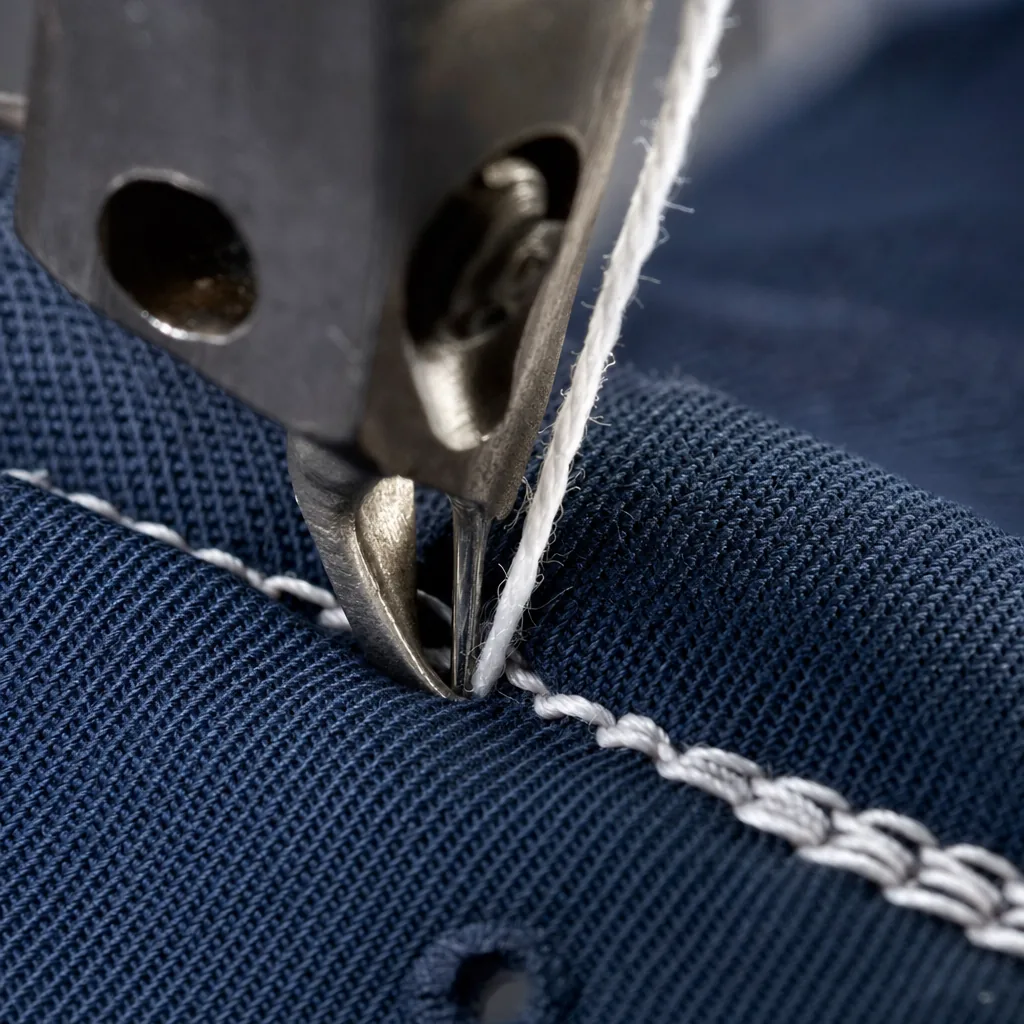
Every week, our sales team answers detailed questions about what's in a cap tech-pack: a specification template for buyers (2026 update) - cost & moq breakdown - cost & moq breakdown. We wrote this guide so that wholesalers, streetwear brands, corporate buyers and promotional resellers can compare options with full information, and avoid the traps that show up only after production has started.
Why a tech-pack saves you weeks of email back-and-forth
A missing tech pack does not preserve flexibility; it transfers decisions to the sample room, where a sewer, digitizer, or merchandiser has to guess under deadline. “Black 5-panel cap with raised embroidery” leaves too many production variables open: Pantone 19-4007 TCX versus supplier stock black, 280 gsm cotton twill versus 320 gsm brushed canvas, 3 mm versus 5 mm EVA for puff embroidery, a low-profile 15.5 cm front panel versus a 17 cm streetwear crown, and a 58 cm fitted block versus a 56–60 cm adjustable size range. A practical cap tech pack template fixes crown height, panel geometry, visor length, visor curve, seam tape color, sweatband spec, closure hardware, eyelet type, stitch rows, button fabric, logo coordinates, thread code, polybag format, and carton marks before fabric is cut. I have watched 10 calendar days disappear because “standard buckle” meant antique brass to the buyer while the merchandiser used shiny nickel from the trim shelf. That was not a production delay; it was an undefined trim callout.
Sampling accelerates when the first prototype is built from measurements, tolerances, and approved artwork instead of email interpretation. For a structured 6-panel snapback, a complete headwear specification can reduce development from roughly 14 days to 7 days: 1 day for pattern and BOM review, 2 days for embroidery digitizing and strike-off on Tajima or Barudan heads, 2 days for cutting and sewing, 1 day for internal QC, and 1 day for approval photos or DHL dispatch. Without that file, the sample pauses while teams confirm visor stitch count, backing weight, eyelet color, button fabric, front buckram stiffness, and decoration method—flat embroidery, 3D puff, woven patch, silicone badge, or heat-transfer print. Our standard practice at CrownsForge is to flag blank fields before sampling starts, because editing a PDF costs minutes; rebuilding a crown block after sewing consumes fabric, operator time, and courier days.
Revision rounds are where vague specifications become measurable cost. A weak custom cap spec sheet often causes 3–4 sample rounds: logo placement 8 mm too low, crown too soft, visor curve too flat, sweatband substituted, embroidery density puckering, or carton marks missing from the shipping label. Each round commonly adds USD 35–80 in sample fees plus 5–10 days once international courier time and buyer approval are included. A disciplined cap tech pack template usually reduces this to one correction round because QC can inspect against targets: front logo center 52 mm above visor seam, embroidery width 75 mm, front buckram 180 gsm, Madeira or Gunold thread reference, Pantone-matched thread within Delta-E 1.5, and final inspection under AQL 2.5 for major defects. A serious tech pack for a hat manufacturer is not artwork pasted into a slide deck; it is a cap design specification that makes sampling, costing, and approval objective.
The seven sections of a complete cap tech-pack
A cap tech pack template should open with geometry, because the sewing line cannot manufacture a lifestyle render. Section 1 is the dimensioned technical drawing: front, side, back, top, and inside views with panel breaks, seam lines, crown height, visor length, visor width at center and tips, button location, eyelet spacing, sweatband width, closure position, and label placements in millimeters. For a structured 6-panel snapback, specify front panel height, center seam length, crown profile, buckram coverage area, visor curve depth, and whether the visor is pre-curved or flat-packed. Section 2 is the measurement chart with tolerances, not “OSFM” as a placeholder. Practical bulk tolerances are crown height ±3 mm, visor length ±2 mm, circumference ±5 mm, front embroidery placement ±2 mm, woven-label placement ±3 mm, and visor stitch-row spacing ±1 mm. If those values are missing, one sample maker may build a shallow unstructured dad cap while bulk production interprets the same artwork as a mid-profile streetwear cap.
Sections 3, 4, and 5 must separate materials, color, and decoration because they affect MOQ, pricing, and lead time in different ways. The material page should state composition, weave, gsm, finish, and supplier reference where possible: 100% cotton twill 260 gsm enzyme-washed, recycled polyester ripstop 150D with PU coating, nylon taslan 120 gsm DWR, or 80/20 acrylic-wool at 420 gsm with brushed face. Also define buckram stiffness, mesh denier, seam tape width, sweatband fabric, interlining, closure material, and visor board; PE, recycled PP, and paper board behave differently under stitching and heat pressing. Color specs need Pantone TCX/TPX, physical lab dips, approved swatches, and light-source checks under D65 and TL84, with Delta-E under 1.5 for dyed cotton and under 2.0 for polyester as a realistic control target. Decoration specs need AI/PDF artwork, placement coordinates, stitch count, thread brand and color, 3D puff foam height, patch size, merrow edge, heat-transfer temperature, silicone badge thickness, and backing type. A 12,000-stitch Tajima or Barudan flat logo is not costed like ZSK 3D puff running slower with foam cleanup.
Sections 6 and 7 cover construction and branding/packaging, where most bulk-production disputes start. Construction should define panel count, structured or unstructured crown, seam allowance, seam tape width, visor stitching rows, eyelet quantity and method, covered button size, sweatband width, closure type, and fitted-cap grading if the order uses sizes such as 6 7/8 to 7 5/8. Branding and packaging should include woven label artwork, care label copy, fiber content, country of origin, RN number for U.S. buyers, licensee marks, hangtag size, barcode position, polybag thickness, inner pack quantity, master carton dimensions, gross-weight limit, desiccant, and Amazon FBA labeling when required. At CrownsForge, we quote only after these seven sections are fixed: technical sketch, measurements, materials, color, decoration, construction, and branding/packaging. A complete cap tech pack template lets factories quote from the same assumptions, lets QC inspect under AQL 2.5 with measurable checkpoints, and usually cuts sampling from three or four rounds to one or two.
Tech sketches: front, side, back, optional underbrim
A usable tech sketch is a dimensioned vector drawing, not a lifestyle mockup with arrows. In a cap tech pack template for a 6-panel cap, include front, left side, right side if artwork or construction is asymmetric, back, and underbrim when it has contrast fabric, print, taping, legal text, or a label. Send Adobe Illustrator or editable PDF at 1:1 scale; 50% scale is acceptable only if every measurement is numbered. DXF is helpful for CAD pattern transfer, but most sample-room operators still work faster from a clean AI/PDF with construction notes. Draw the real build: center-front seam, side seams, rear arch, sweatband edge, top button, eyelets, visor stitch rows, closure box, sandwich layer, piping, woven label position, and visible internal seam tape. Use separate line weights or colors for construction, artwork, and measurements. One black outline is how factories end up stitching a decorative mockup curve as a seam or hiding a front-panel seam under embroidery that should have been shifted 3 mm.
Measurement arrows must match the spec table exactly: H1 crown height from visor seam to top button, W1 front-panel base width, D1 crown depth over head, V1 visor length from seam to tip, V2 visor width at widest point, B1 rear opening width, C1 closure length, and E1 button-to-eyelet spacing. For bulk QC under AQL 2.5, realistic tolerances are ±2 mm on visor length, ±3 mm on crown height, ±3 mm on front logo placement, and ±4 mm on rear opening. A 5 mm crown-height miss on a structured snapback can change the whole profile from high-crown streetwear to cheap promo stock. Do not write only “flat brim” or “curved brim.” Specify side-profile rise in millimeters, forming radius, or the exact aluminum/plastic visor mold reference used on the approved sample. If no side view is provided, many cap factories default to a 10–15 mm visor rise because it packs better and reduces board cracking compared with a truly flat visor.
Photos can support the sketch, but they cannot replace technical views because lens distortion hides panel balance, seam path, visor geometry, and rear-arch shape. Call out single-needle, double-needle, bartack, zigzag, binding, taping, and decorative topstitching directly on the views. Where appearance matters, specify stitch density: 7–9 SPI for visor rows, 10–12 SPI for fine cotton twill seams, and lower density on wool blend, brushed canvas, or 420D nylon to reduce puckering. Give the underbrim its own drawing for Kelly green undervisor, sublimation, screen print, contrast fabric, woven label, or licensed league text. Mark fabric type, Pantone TCX color, print direction, seam allowance, label offset from visor edge, and whether the visor needs 4, 6, or 8 stitch rows. At CrownsForge, our sampling desk will not cut fabric when the rear arch, closure construction, or stitch rows are unclear; one vague line can become 500 caps with the wrong opening shape.
Fabric and color spec: GSM, weave, Pantone references
The fabric row in a cap tech pack template should read like a mill PO, not a mood-board note. A usable line is: “Shell: 100% cotton twill, 16s x 12s yarn, 3/1 right-hand twill, 280 gsm ±5%, brushed face, reactive dyed, sanforized, shrinkage ≤3% warp/weft after AATCC 135.” That gives purchasing, cutting, and incoming QC something measurable. Normal working ranges are 260–300 gsm for structured 6-panel caps, 220–240 gsm for unstructured dad caps, 320–380 gsm for cotton canvas camp caps, 110–150 gsm for nylon taslon, and 150–180 gsm for polyester microfiber running caps with wicking finish. Mesh needs the same control: “100D polyester trucker mesh, 110–130 gsm, medium-stiff hand” is workable; “black mesh” is not. If recycled content is claimed, write “100% GRS-certified recycled polyester, transaction certificate required.” The TC usually adds 5–10 working days and limits available stock colors. Custom dye is the usual MOQ trap: Zhejiang and Guangdong mills often require 300–500 kg per color, roughly 2,500–5,000 caps after visor yield, crown height, and 8–12% cutting waste. Below that, expect stock shades or a $0.25–$0.80 per cap surcharge.
Color control should use textile standards, not HEX, RGB, or a logo PDF viewed on a buyer’s laptop. Use Pantone TCX for dyed fabric; Pantone C or U can guide printed artwork, but it still needs a lab dip or strike-off on the real base material. A clean spec is: “Shell fabric: Pantone 19-4007 TCX Anthracite; physical lab dip required; target Delta-E ≤1.5, bulk tolerance ≤2.0 under D65, 10-degree observer.” Attach the approved swatch to the tech pack or seal it with the PP sample; phone photos are not evidence when bulk goods are disputed. The problem colors are navy, cream, stone, khaki, olive, washed black, burgundy, and any “vintage” tone because undertone shifts become obvious when shell fabric, visor underside, sweatband, seam tape, snapback plastic, woven label, and embroidery sit together. Our standard practice at CrownsForge is to give every visible component its own color row: shell, visor top, visor bottom, sandwich trim, eyelets, top button, sweatband, taping, closure, label ground, and thread. Madeira, Gunold, and Coats numbers help embroidery matching, but thread is not a fabric dye standard; satin stitches on Tajima, Barudan, or ZSK heads often read lighter because sheen and stitch angle reflect light differently.
Write the approval route into the fabric spec before sampling starts, because shade problems after sewing usually mean remaking goods, not “adjusting” them. For solid dyed fabric, approve lab dips before bulk greige fabric is dyed. For sublimation, screen print, digital print, or allover printed panels, approve a strike-off on the actual base cloth at the same gsm. For pigment-dyed, enzyme-washed, stone-washed, or heavily softened caps, approve a finished pre-production sample after wash; raw yardage approval is not enough. Wash processes can move shade by 0.5–1.5 Delta-E, and seams may shift unevenly because thread content, folded layers, and panel tension absorb chemicals differently. Bulk QC should define the viewing method: D65 light box, 45-degree viewing angle, no mixed warehouse fluorescent light, shade-band checks across rolls before cutting, and finished-carton checks before packing. Major fabric and shade defects are normally inspected at AQL 2.5; wrong fiber content, wrong Pantone family, mildew odor, unstable dye, or visible bleeding should be reject conditions. For 2026 planning, allow 7–10 days for lab dips and 10–18 days for bulk dyeing before cutting, plus $150–$300 per custom color for lab dips, setup, and handling.
Decoration spec: technique, placement, dimensions, color count
Decoration errors usually begin when the buyer names an artwork file but not the production process. In a cap tech pack template, the decoration block should state the exact technique: flat embroidery, 3D puff embroidery with 2 mm or 3 mm EVA foam, appliqué, chenille, woven patch, printed twill patch, silicone heat transfer, TPU badge, sublimation print, debossed leather, or laser-engraved PU. Give the finished size in millimeters and anchor placement to cap construction points, not vague notes like “front center.” A usable callout is: “front logo centered on crown seam, 58 mm W × 42 mm H, bottom edge 18 mm above visor seam.” For a side mark: “left panel, 35 mm W, horizontal centerline 72 mm from rear opening.” Artwork crossing a 6-panel center seam needs digitizing compensation because satin columns pinch over the seam and pull after steaming. I reject text below 4 mm high on brushed cotton twill unless the buyer signs off on reduced legibility. For trucker caps, approve a blocked sample on a head-form because foam compression and mesh tension can shift the visual center compared with a flat Illustrator mockup.
Color is both a cost driver and a claims risk, so every thread, ink, patch yarn, transfer layer, and badge color needs a standard. Use Pantone TCX for fabric and dyed components; use Pantone Solid Coated or Uncoated for printed twill patches, transfers, hangtags, and cartons. Set tolerance before sampling: Delta-E ≤2.0 for licensed sports, retail replenishment, or matched team programs; Delta-E ≤3.0 is normally acceptable for promotional runs. Madeira, Isacord, and Gunold polyester embroidery threads do not match Pantone perfectly, so specify either “nearest stock thread acceptable” or “custom-dyed polyester thread required.” Custom thread dyeing usually adds 7–12 days and makes little sense below 1,000–2,000 caps per color. Include estimated stitch count from the digitizer because it changes price and line capacity. A 50 mm × 30 mm flat logo often runs 5,000–8,000 stitches; dense 3D puff can reach 10,000–12,000 after underlay, foam-cut satin, and pull compensation. On Tajima, Barudan, or ZSK multi-head machines, that difference can cut output from about 900 caps to 500–650 caps per 8-hour shift.
Decoration cost should be itemized instead of buried inside one FOB cap price. A realistic Yiwu quote may show digitizing at US$15–40 per logo, flat embroidery at US$0.20–0.60, 3D puff surcharge at US$0.15–0.35, woven patch setup at US$30–80, silicone or TPU mold at US$80–250, and patch sewing labor at US$0.12–0.35 depending on edge thickness, curvature, and access under the presser foot. MOQ follows the process: stock-thread embroidery can run at 100–300 pieces, while custom silicone badges, yarn-dyed woven patches, and dyed-to-match thread normally need 500–1,000 pieces to keep unit cost reasonable. Put inspection limits in the same decoration block: front placement tolerance ±2 mm, side and back tolerance ±3 mm, no skipped stitches, no loose bobbin thread, no oil stain, no patch lifting, and no puckering beyond the approved sample under AQL 2.5. At CrownsForge, our standard practice is to file the approved sew-out, patch strike-off, and Delta-E reading with the tech pack so bulk inspection is judged against physical evidence, not a PDF rendering.
Packaging and label spec: polybag, hangtag, sticker, carton
Packaging causes chargebacks faster than bad stitching, so a cap tech pack template should define the polybag as a purchased component with dimensions, material, artwork, and inspection criteria. For adult 6-panel caps, specify finished bag size by silhouette: 230 x 270 mm for low-profile unstructured caps, 240 x 300 mm for structured crowns, and 260 x 320 mm if using a cardboard crown insert. Film should be written as OPP/CPP or LDPE, 30–40 micron, side-seal or bottom-seal, with two 6 mm vent holes. If the bag opening exceeds 5 inches, many U.S. retailers require a suffocation warning in minimum 10-point type; EU and Canada programs may need translated warning artwork. “Eco polybag” is not enough. Use “GRS-certified recycled LDPE, minimum 30% post-consumer content, #4 LDPE recycle mark, 35 micron, matte finish,” and require the GRS transaction certificate before bulk release. UPC/EAN location needs a drawing: back lower-right of bag, flat, scan-readable through film, not folded under the crown. At AQL 2.5 final inspection, missing warning copy, wrong recycle mark, and unreadable barcodes should be major defects.
Put hangtags, visor stickers, joker labels, and attachment method on the same packaging page because they change line speed and packing labor. A standard streetwear hangtag spec is 55 x 90 mm, 350 gsm C1S art card, 4C/4C offset printing, matte lamination, 5 mm drill hole, black cotton string, attached to the rear buckle or left sweatband seam. Promo orders often drop to 300 gsm card and clear plastic loop pins, saving about US$0.015–0.025 per cap, but loop pins can puncture the sweatband or mark brushed cotton twill if operators rush. Licensed sports and entertainment orders need Pantone Coated or Pantone TCX references, Delta-E under 2.0 for protected brand colors, trademark line, legal entity name, age-grade language if required, and exact country-of-origin wording. Visor sticker specs should include diameter, substrate, adhesive, finish, and tolerance: “50 mm gold foil PET, removable adhesive, centered on top visor, front edge offset 18 mm ±3 mm.” Under-visor stickers wrinkle on pre-curved brims, so budget US$0.03–0.06 per cap for slower hand placement and 100% visual checking.
Carton specs protect landed cost because crushed crowns, wrong carton marks, and failed GS1 scans are expensive to fix after goods leave Yiwu or Ningbo. For structured baseball caps, a practical export master carton is 24 pieces in 5-ply K=A or K=K corrugated board, roughly 58 x 45 x 38 cm, with caps nested by color and size ratio. Unstructured dad hats can pack 48 pieces per carton, but only with written approval for crown compression; otherwise front panels often arrive with permanent creases. Keep gross weight under 12–14 kg for hand-loaded containers, and state edge-crush strength or bursting strength when the retailer requires ISTA 1A-style transit testing. Carton marks should list PO, SKU, color, size, quantity, carton number, destination, country of origin, and GS1-128 label position with barcode quiet zones. Our standard practice at CrownsForge is to include an inner-pack count, master-carton layout photo, and inspection checkpoints for wrong label, missing tag, crushed crown, incorrect carton mark, and unreadable barcode. Basic polybag plus carton usually costs US$0.06–0.08 per cap; branded hangtag, visor sticker, printed bag, and reinforced carton push packaging to US$0.18–0.35 and can raise MOQ to 300–500 pieces per SKU.
Frequently Asked Questions
How long does production take?
Sampling takes 7 to 12 days. Bulk production runs 20 to 30 days depending on quantity, fabric availability and decoration complexity. Inspection and packing adds another 3 to 5 days before shipment.
Do you support sustainability certifications?
Yes. We work with GOTS organic cotton, GRS-certified recycled polyester, OEKO-TEX Standard 100 fabrics, and are BSCI and Sedex audited. Certification documentation can be provided per order.
What file format should I send for my logo?
Vector files (AI, EPS, PDF) are ideal. High-resolution PNG or JPG at 300 dpi on transparent background works as a fallback. Provide Pantone color references for accurate reproduction.
What is the minimum order quantity (MOQ) for custom hats?
Our standard MOQ is 100 pieces per design and color, with sampling available from 1 piece. For complex multi-color logos or premium fabric upgrades, the MOQ can be lowered with a small per-piece surcharge.
Can I order a sample before bulk production?
Yes. We strongly recommend approving a pre-production sample before mass production. Samples are charged at 35 to 60 USD each plus express shipping, fully refundable against confirmed bulk orders over 500 pieces.
How does ordering custom patch trucker hat work?
When evaluating custom patch trucker hat, the key considerations are construction quality, decoration capability, MOQ flexibility and lead time. Technique (3D puff / flat embroidery / patch), placement (front center, side, back), dimensions (e.g. 5cm wide × 3cm tall), stitch count if known, color count and Pantone references. Without a tech-pack, your factory invents details that contradict your assumptions. With one, sampling lead time drops from 14 days to 7 and revision rounds drop from 4 to 1.
How does ordering baseball cap custom work?
When evaluating baseball cap custom, the key considerations are construction quality, decoration capability, MOQ flexibility and lead time. Without a tech-pack, your factory invents details that contradict your assumptions. With one, sampling lead time drops from 14 days to 7 and revision rounds drop from 4 to 1. Tech sketches, fabric spec, color spec, decoration spec, construction spec (panels, closure, eyelets, sweatband), packaging spec, label/hangtag spec.
How does ordering custom baseball cap motorcycle helmet work?
When evaluating custom baseball cap motorcycle helmet, the key considerations are construction quality, decoration capability, MOQ flexibility and lead time. Without a tech-pack, your factory invents details that contradict your assumptions. With one, sampling lead time drops from 14 days to 7 and revision rounds drop from 4 to 1. Tech sketches, fabric spec, color spec, decoration spec, construction spec (panels, closure, eyelets, sweatband), packaging spec, label/hangtag spec.
How does ordering custom bucket hat embroidered work?
When evaluating custom bucket hat embroidered, the key considerations are construction quality, decoration capability, MOQ flexibility and lead time. Without a tech-pack, your factory invents details that contradict your assumptions. With one, sampling lead time drops from 14 days to 7 and revision rounds drop from 4 to 1. Tech sketches, fabric spec, color spec, decoration spec, construction spec (panels, closure, eyelets, sweatband), packaging spec, label/hangtag spec.
Looking for a reliable hat manufacturer in China?
CrownsForge has produced custom hats for 800+ brands across 40 countries. From 100-piece launches to 100,000-piece retail programs, we deliver on time and on spec.
Get in touchRelated guides
Custom Leather Patch Hat Low Minimum: A 2026 B2B Sourcing Guide
Read article →
Mens Beanies: Properties, Costs and How to Spec It Right
Read article →
Bulk Trucker Hats Export Shipping Checklist for Custom Hat Buyers - Cost & MOQ Breakdown - Supplier Checklist
Read article →We hope this guide demystifies what's in a cap tech-pack: a specification template for buyers (2026 update) - cost & moq breakdown - cost & moq breakdown and helps you move forward with confidence. If you have questions specific to your project, our English-speaking sales engineers are one message away.