
Sports Team Caps & Uniform Headwear: Bulk Manufacturing for Clubs and Schools - Supplier Checklist
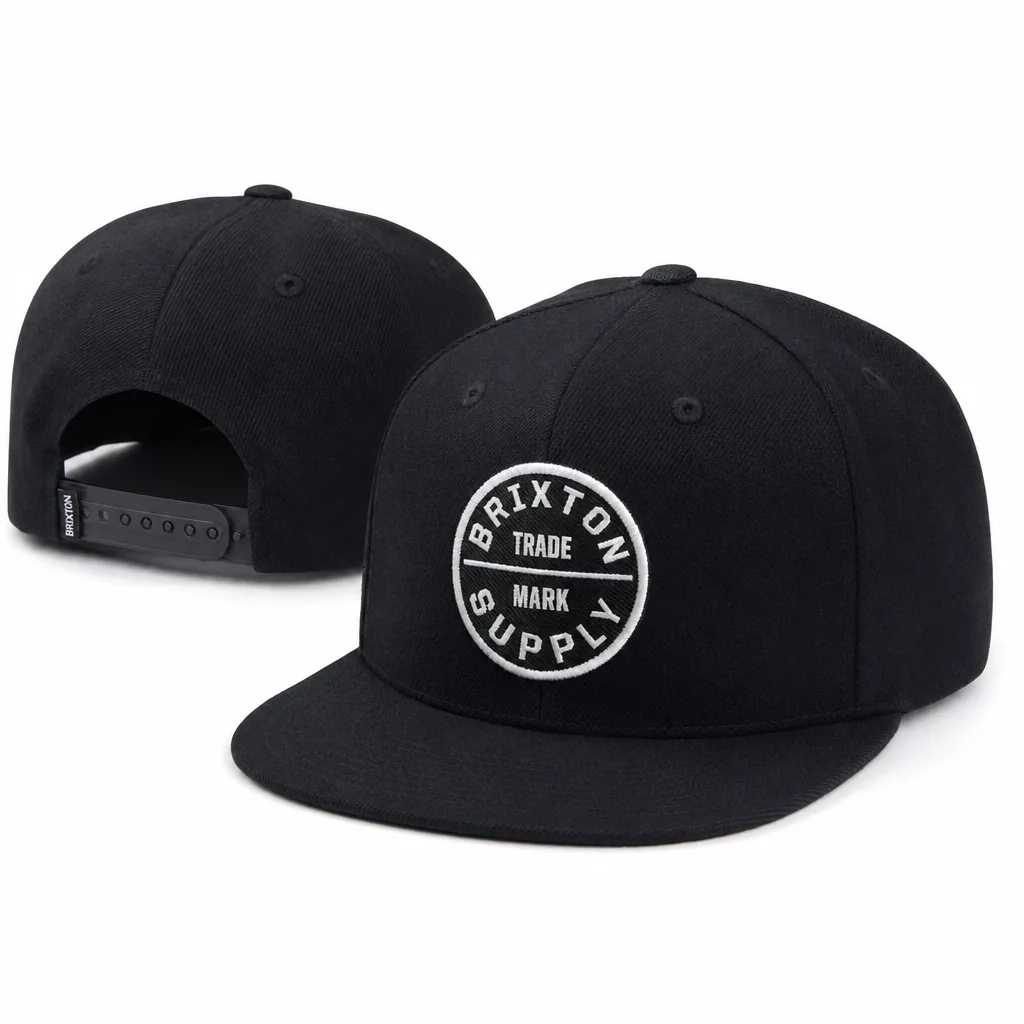
Every week, our sales team answers detailed questions about sports team caps & uniform headwear: bulk manufacturing for clubs and schools - supplier checklist. We wrote this guide so that wholesalers, streetwear brands, corporate buyers and promotional resellers can compare options with full information, and avoid the traps that show up only after production has started.
Why teams need a specialist manufacturer
A serious team program does not buy headwear like office merch. Sports team caps need repeatable color from one production run to the next, which means a supplier needs a real Pantone TCX workflow, not a loose visual match approved in the office. In practice that means lab dips, fabric lot control, and embroidery thread checks under D65 lighting before bulk cutting starts. For school cap manufacturer work and club cap bulk orders, a Delta-E target under 2.0 is achievable when the crown fabric, visor material, undervisor, and trim all come from the same approved source; once you mix mills or swap to a cheaper twill, the shade drift shows up immediately in daylight. A specialist team apparel cap factory is judged less by quoted unit price than by whether the second reorder looks like the first one.
Fast reorder is where specialist production pays for itself. Teams lose time when a cap body is discontinued, a closure spec changes from snapback to hook-and-loop, or an embroidery file gets rebuilt every season because nobody saved the stitch data. A competent athletic cap supplier should keep digitized artwork, crown patterns, stitch counts, backing specs, and approved trims on file so a reorder becomes a confirmation of size run, ship date, and roster changes, not a new sampling cycle. CrownsForge’s standard practice is to archive each approved style by material, panel construction, and thread code, which keeps replacement batches closer on profile, shade, and logo placement. That matters on structured six-panel caps, low-profile dad caps, and curved-brim school styles where even a 3 to 4 mm shift in front-panel placement is visible.
Individualization is where specialist production earns its margin. Team uniform hats often need names, numbers, school initials, sponsor marks, or divisional identifiers, and those details have to stay legible after sweat, laundering, and repeated wear. That means choosing stitch density, backing, and placement before production, not forcing every logo into one default layout. On structured sports team caps, 3D puff embroidery usually suits a mascot or block initial, while flat embroidery is cleaner for smaller sponsor text; the wrong method crowds the front panel and breaks down faster. A capable supplier should also be able to split production by roster group, size run, or house color without resetting the whole order, because that is how school and club buying actually works at scale.
Fabric specs for athletic caps
For sports team caps, moisture-wicking polyester should be the default unless there is a clear comfort or branding reason to use cotton. In production terms, 100% polyester tricot, interlock, or birdseye knits in the 160 to 220 gsm range are the right baseline: they hold crown shape, dry quickly after training, and survive repeated wash cycles without turning limp. If the program is recurring, specify solution-dyed or dope-dyed yarns instead of vague “colorfast fabric,” because lot-to-lot shade drift is where bulk reorders usually fail. When the cap has to match jerseys, call out Pantone TCX or TPX references at the spec stage and set an acceptable Delta-E of under 2.0 for critical panels. That is a workable target for consistent sports team caps in real factory conditions, not just a brochure number.
Mesh should be placed only where airflow matters. A 110 to 150 gsm polyester mesh on the side or rear panels gives ventilation without making the cap feel flimsy or collapsing under embroidery. The front panels should stay structured with buckram, fused interfacing, or foam backing depending on crown shape; a soft front with a stitched patch will pucker as soon as the needle count climbs. For embellished sports team caps, check stitch density, seam allowance, and sweatband attachment before approval, because weak joins around mesh inserts are one of the first failure points after laundering. On production samples, I would also verify the embroidery path against the panel grain, since off-grain appliques and patches telegraph badly on curved crowns.
UV performance should be written into the fabric spec, not left as a marketing claim. For outdoor clubs and schools, ask for UPF 30 minimum and UPF 50 for long field exposure, with the test method stated on the report rather than inferred from a finish. For repeat programs, keep a lab dip or physical shade band as the control standard and inspect bulk lots under D65 light, since the eye catches mismatch faster than most buyers expect. CrownsForge’s standard practice is to hold the approved swatch with the production file and compare every replenishment lot against it before cutting. That discipline keeps sports team caps consistent when the first order is 500 pieces and the reorder is 5,000, especially when suppliers change yarn lots or mill sources between seasons.
Color matching across multiple SKUs
Color matching across multiple SKUs starts with a locked reference, not a loose color name. For sports team caps, I would approve one Pantone TCX target per color family and then set separate tolerances for crown fabric, embroidery thread, woven labels, and printed care tags, because each substrate shifts differently under D65 daylight and LED shop light. The practical workflow is lab dip first, then strike off the logo thread and trim against the same master before bulk cutting. In production, hold Delta-E to 1.0-1.5 for primary logo colors and under 2.5 for body fabric. Past that range, a cap can pass inspection on paper and still look off next to jerseys and shorts on the sideline.
Dye-lot control is where most bulk programs fail. A cap supplier should not treat headwear as a separate color universe from the rest of the kit; cap crowns, flat-knit cuffs, rib trims, and woven backing tapes need the same lot record so reorders can be matched later. With polyester twill, polyester-spandex mesh, and brushed fleece, heat setting can push shade enough to matter, so I keep sealed swatches from the production roll, plus the dye house name, lot number, shade band, and date code in the file. Our standard practice is to QA sports team caps first in daylight, because a half-step of warmth or dullness is easier to catch there than under mixed warehouse lighting.
SKU-level approval is the only method that holds up when one program covers home, away, and training sets. Red is the usual trouble spot: it can read warmer on a cap crown, cooler on a knit sock, and darker after embroidery backing is applied. The fix is a master color matrix for each style, then matching bulk panels, finished hats, and garment components against the same reference under D65 and, for stricter buyers, a booth with A and F illuminants. Keep approved fabric cards, thread codes, trim references, and photo records in one archive. That reduces reorder lead time and stops a batch of sports team caps from technically matching the spec sheet while still looking wrong beside the actual kit on the field.
Personalization at scale
Personalization at scale only works when the decoration method matches the artwork and the run size. For sports team caps, player names and numbers usually belong in flat embroidery, woven patches, or DTF if the lettering drops below about 4 mm high; below that, needle density turns text into a lump. Sponsor marks with fine serifs, hairline rules, or 4-color gradients need separate approval because a 6-panel crown stretches artwork as soon as it is blocked. The factory rule is blunt: digitize to the cap, not to a flat artboard. On 100 percent cotton twill, readable text usually lands around 0.40 to 0.45 mm stitch width, while polyester-cotton blends and brushed performance fabrics can take tighter satin columns without breaking the edge. Always approve a sewout on the actual crown panel, because panel curvature changes pull, scale, and border crispness more than most buyers expect.
The bottleneck is data control, not machine speed. A club order with 48 player names, two sponsor placements, and one season patch will fail if the file format, placement map, and size tolerance are not locked before production starts. For sports team caps, the supplier should require a roster spreadsheet with exact capitalization, jersey-number order, and one vector master in AI, EPS, or outlined PDF; editable text files are how spelling mistakes survive into bulk sewing. Our standard practice is to split the workflow by decoration station: Tajima or Barudan heads for embroidery, a separate lane for heat-applied patches, then a final QC check against the approved naming sheet. That separation matters because rework on personalized headwear usually costs 2 to 3 times the original decoration cost once the thread is trimmed and the panels are closed.
Patches and variable names also change the inspection plan. For an athletic cap supplier, the useful checkpoints are placement variance, thread registration, spelling accuracy, and whether the patch edge lifts after a 40 C wash and a 20-cycle rub check. AQL 2.5 is fine for general appearance, but personalized units need line-item inspection on each name and sponsor mark, because one wrong letter can sink an otherwise clean shipment. Seasonal patches should be treated as dated components with their own approval sample, since clubs change crests mid-season and schools reissue mascots every year. The cleanest workflow is to freeze the base cap spec first, then treat personalization as a controlled variant. That keeps repeat orders stable and lets a school or club reorder 100 to 300 sports team caps without rebuilding the full pattern set each time.
MOQ flexibility for school orders
MOQ flexibility only matters when it matches how schools actually buy. A booster club may want 24 sports team caps to test a new crest, a district may need youth and adult size splits, and a coach may need a small preseason drop before committing to a full-season run. A hard 36-piece minimum is clumsy when the program spans sixth graders through varsity, because head circumference ranges from about 50 cm to 62 cm and one-size-fits-all breaks down fast. Better suppliers publish stepped bands such as 24, 48, 96, and 300 pieces, with repeat orders tied to the same approved sample, artwork file, and stitch count so the buyer is not paying a new setup fee just to rerun the same logo. On a reorder, only true changes should trigger cost adjustments: thread color, backstrap hardware, size ratio, or a woven label swap, not a full reset of patterning and embroidery programming.
The real lever is controlling MOQ by decoration method and body construction, not just advertising a low number. A school order in brushed cotton twill, 100 percent polyester, or recycled PET can often start at 30 to 50 pieces if the shell is already in stock in navy, black, or white and the logo stays under about 8,000 stitches on Tajima, Barudan, or ZSK heads. Once you add full-panel sublimation, contrast underbills, sandwich brims, 3D puff, appliqued patches, or custom seam-tape colors, the economics tighten quickly because every extra color and every new cutting marker adds labor and scrap. Buyers should ask for breakpoints in writing: stock-body versus custom-body pricing, setup charges, digitizing fees, and any surcharge for small lots. That is the only way to compare sports team caps on a real landed-cost basis instead of being lured by a low headline MOQ that hides the actual unit cost.
The practical question for schools is whether the supplier can protect the same crown pattern and bill of materials across a reorder window of 60 to 90 days without forcing a new pattern fee. Our standard practice is to separate sample approval from production commitment: one pre-production cap for fit, stitch balance, and logo placement, then a smaller launch batch if the order is for a school program, league fundraiser, or community team. For procurement teams, I would ask for clean pricing at 24, 48, 100, and 300 pieces, plus a written rule for what happens if the same artwork comes back in-season. The supplier should also confirm whether Pantone TCX matching, Delta-E tolerance, AQL 2.5 inspection, carton packing, and carton count per style are included at the smaller tiers, because those details decide whether sports team caps land on time and on budget.
Sample, approve, produce: timeline for season launch
Plan backward from first delivery, not from the purchase order date. For custom sports team caps, the real lead time is usually 6 to 10 weeks from approved artwork to ex-works shipment, and that only holds when the first sample lands close to final. A sane schedule starts with a tech pack or reference cap, then Pantone TCX color approval, thread chart confirmation, crown height, visor curve, closure type, and seam construction. If embroidery is involved, budget 3 to 5 working days for digitizing, strike-off correction, and stitch-density tuning on Tajima, Barudan, or ZSK heads. When a supplier claims 10 to 14 days for sports team caps, they are usually collapsing sampling and production into one promise, which is how you miss a season launch.
Do not release bulk fabric before the physical sample is signed off. A first sample for a structured 6-panel cap in twill, brushed cotton, or 100 percent polyester performance fabric typically takes 7 to 12 days; add time if you need sandwich visors, contrast undervisers, reflective trims, or heat-transfer markings. Check the sample in daylight and under indoor LEDs for fit, seam symmetry, visor shape, logo density, and embroidery pull compensation. A design that looks clean on a screen can still read heavy at 8,000 to 10,000 stitches if underlay or push-pull settings are wrong. For sports team caps, I would not approve production until color tolerance is within Delta-E 2.0 to 3.0, the size run is locked, and the sweatband, label, and back closure are approved in writing.
Once the sample is approved, a 1,000 to 5,000 piece run normally needs 15 to 25 production days, depending on panel count, embroidery coverage, wash testing, and trim sourcing. Add 3 to 7 days for AQL 2.5 inspection, carton labeling, and freight booking; that buffer matters when the delivery has to hit a league kickoff or school enrollment date. The schedule usually slips because of late artwork changes, unresolved size splits, or a buyer discovering too late that youth, adult, and one-size-fits-most sports team caps need different carton packs and ratio planning. Keep one contingency week in the calendar. Once sewing starts, the clock is driven by machine time, thread consumption, and inspection findings, not optimism.
Frequently Asked Questions
What is the minimum order quantity (MOQ) for custom hats?
Our standard MOQ is 100 pieces per design and color, with sampling available from 1 piece. For complex multi-color logos or premium fabric upgrades, the MOQ can be lowered with a small per-piece surcharge.
Which shipping methods do you support?
We support FOB, CIF and DDP shipping. Air express for samples and small orders, sea LCL for 100 to 500 pieces, sea FCL for 5,000+ pieces. Door-to-door DDP available for US, EU, UK, Canada and Australia.
Do you support sustainability certifications?
Yes. We work with GOTS organic cotton, GRS-certified recycled polyester, OEKO-TEX Standard 100 fabrics, and are BSCI and Sedex audited. Certification documentation can be provided per order.
Can I order a sample before bulk production?
Yes. We strongly recommend approving a pre-production sample before mass production. Samples are charged at 35 to 60 USD each plus express shipping, fully refundable against confirmed bulk orders over 500 pieces.
What file format should I send for my logo?
Vector files (AI, EPS, PDF) are ideal. High-resolution PNG or JPG at 300 dpi on transparent background works as a fallback. Provide Pantone color references for accurate reproduction.
How much does cheap custom hats in bulk typically cost?
When evaluating cheap custom hats in bulk, the key considerations are construction quality, decoration capability, MOQ flexibility and lead time. Repeatable color matching across seasons, fast reorder, individualization options. Moisture-wicking polyester, mesh ventilation panels, UV protection.
How does ordering custom beanie cap work?
When evaluating custom beanie cap, the key considerations are construction quality, decoration capability, MOQ flexibility and lead time. Repeatable color matching across seasons, fast reorder, individualization options. Moisture-wicking polyester, mesh ventilation panels, UV protection.
What should buyers know about nike bucket hats for men?
When evaluating nike bucket hats for men, the key considerations are construction quality, decoration capability, MOQ flexibility and lead time. Repeatable color matching across seasons, fast reorder, individualization options. Moisture-wicking polyester, mesh ventilation panels, UV protection.
What should buyers know about cool bucket hats for guys?
When evaluating cool bucket hats for guys, the key considerations are construction quality, decoration capability, MOQ flexibility and lead time. Repeatable color matching across seasons, fast reorder, individualization options. Moisture-wicking polyester, mesh ventilation panels, UV protection.
What is the most popular sports team hat?
1. New York Yankees Cap. The New York Yankees cap has been a classic since the 1970s and remains popular today.
What is a sports cap called?
A baseball cap is a type of soft hat with a rounded crown and a stiff bill projecting in front.
Need a low-MOQ test order?
We help emerging brands launch with as few as 100 pieces. Premium fabric, in-house embroidery, retail-ready packaging.
Start a small orderRelated guides
Camouflage Bucket Hat: Properties, Costs and How to Spec It Right (2026 Update)
Read article →
Refreshing a Hat Collection: A Repeat-Order Playbook for Established Brands
Read article →
Embroidery Hats Machine: When to Use It, Costs, and What to Ask Your Factory - Cost & MOQ Breakdown
Read article →We hope this guide demystifies sports team caps & uniform headwear: bulk manufacturing for clubs and schools - supplier checklist and helps you move forward with confidence. If you have questions specific to your project, our English-speaking sales engineers are one message away.