
Refreshing a Hat Collection: A Repeat-Order Playbook for Established Brands
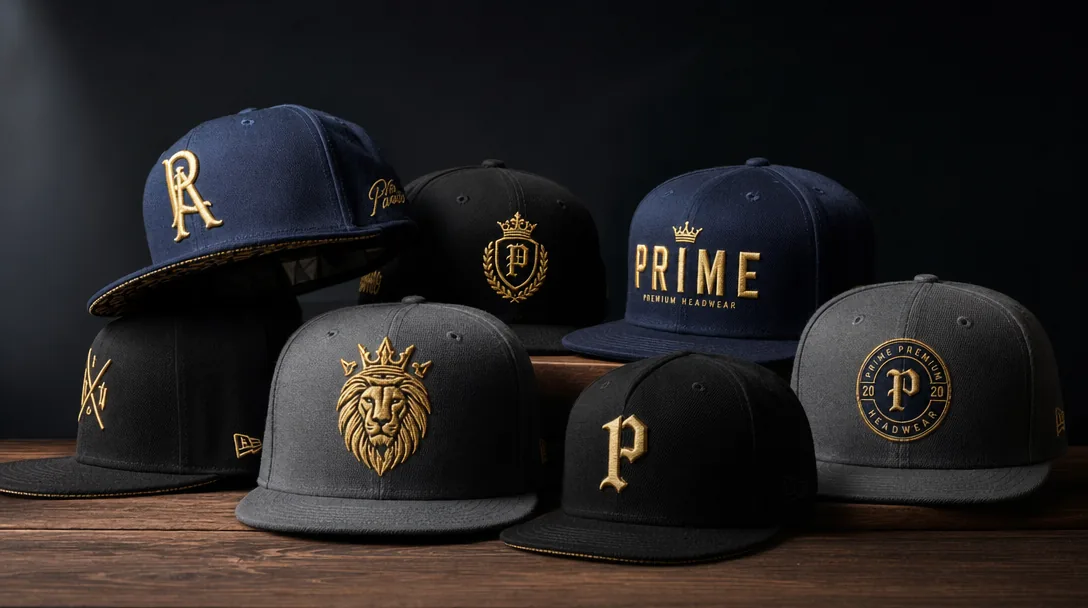
Every week, our sales team answers detailed questions about refreshing a hat collection: a repeat-order playbook for established brands. We wrote this guide so that wholesalers, streetwear brands, corporate buyers and promotional resellers can compare options with full information, and avoid the traps that show up only after production has started.
Why annual refresh outperforms major rebrand
Annual refresh wins because the customer’s eye notices novelty long before their buying behavior tolerates disruption. For an established label, a full rebranding cap line every three years usually wipes out the visual memory you already paid to build through retail placement, influencer seeding, and repeat e-commerce traffic. A cleaner pattern is 1 to 2 controlled updates per year: swap a crown fabric from 260 gsm brushed cotton twill to 280 gsm enzyme-washed chino, tighten the visor curve by 3 to 5 mm, or shift logo execution from flat embroidery to 3D puff with a matching Pantone TCX underbill tape. Those are small enough that your top 20% repeat buyers still recognize the style on sight, but different enough to justify a new drop. On the factory side, these changes also preserve most of your existing paper patterns, embroidery files, and fit approvals, so MOQ risk stays lower and your defect rate usually stays closer to your historical AQL 2.5 performance.
The commercial advantage is even clearer when you look at replenishment behavior. A repeat order hat brand rarely loses money on the hero shape; it loses money when it abandons proven blocks and has to relearn fit, sell-through, and QC all at once. If your best seller is a mid-profile 6-panel with a 58 cm finished circumference, changing all panels, sweatband spec, closure, and branding language in one shot creates too many variables for one seasonal cap launch. Better to evolve cap design in layers: spring color shift, summer perforated back panels, fall suede brim sandwich, holiday metallic thread callout. Buyers read that as a hat collection refresh, not identity confusion. We see fewer remake claims when brands keep core construction stable and limit annual changes to 2 or 3 technical points, because the sewing line already knows the operation sequence and the embroidery floor can run the same Tajima or Barudan programs with only minor thread-density edits.
The hidden cost of major rebrand cycles is not design work; it is dead stock, approval churn, and supplier reset time. A wholesale hat line update often means new trims, fresh woven labels, revised inner taping, and replacement packaging artwork, each with separate lead times and color tolerances. If your old navy was running Delta-E under 1.5 against Pantone and the new program introduces three mills and four new dye lots, consistency usually slips before marketing ever sees the samples. Our standard practice is to recommend one permanent carryover body that remains untouched for 12 months, then test two limited revisions beside it, so the brand gets data instead of opinions. That structure protects margin because you can reorder the stable style in 300 to 500 piece lots while testing the refreshed SKUs in smaller runs. It is a more disciplined answer than a dramatic rebranding cap line, and in most cases it keeps your customer attached to the brand cues they already trust.
Seasonal capsule strategy: 4 drops per year
Four drops a year works because it matches how buyers actually budget and reorder, not because “seasonal” sounds fashionable. For an established repeat order hat brand, I’d lock the calendar 9 to 10 months ahead: Spring ship in January, Summer in April, Fall in July, Winter in October. That cadence gives enough room for lab dips, strike-offs, wear testing, and freight decisions without forcing every SKU onto expensive air cargo. Spring should lean into 120 to 180 gsm cotton twill, performance poly microfiber around 75D to 150D, and breathable mesh backs, with lighter Pantone TCX-driven palettes that can hold Delta-E under 1.5 across repeat dye lots. A proper hat collection refresh at this stage is not reinventing every silhouette; it is controlling fabric hand feel, crown profile, visor shape, and color timing so retailers know exactly when to buy in depth.
Summer needs to earn shelf space with event utility, not just brighter colors. Festival-ready usually means packable unstructured 5-panels, terry sweatbands, laser-perforated side panels, quick-dry polyester, and trims that survive heat, sunscreen, and sweat without crocking. If you are doing direct embroidery, keep fill density conservative on lightweight shells or the front panel will pucker; on our floor, we often switch those graphics to woven patches, HD satin appliqué, or low-stitch-count runs on Tajima or Barudan heads to keep the panel clean. This is where rebranding cap line decisions show up in a disciplined way: maybe the logo scales down, the interior taping gets a seasonal print, or the closure changes from plastic snap to nylon webbing and clip. Small technical changes create a visible hat line update without blowing up fit approval or MOQ efficiency.
Fall and Winter are where margin usually improves, because customers accept richer fabrics and slightly higher ticket prices if the hand feel is right. Fall should bridge temperatures with 8-wale corduroy, brushed cotton canvas, and medium-weight poly-wool blends that hold structure better on A-frame and 6-panel shapes; Winter can move into 300 to 500 gsm wool blends, fleece-lined earflap caps, rib-knit acrylic beanies, and sherpa-backed work caps. The mistake I see is brands trying to evolve cap design every quarter while also changing all materials, trims, and fit blocks at once. Better to freeze one fit standard, then rotate one or two hero materials per drop so forecasting stays clean and AQL 2.5 final inspection stays manageable across repeat POs. CrownsForge’s standard practice is to reserve core trims across all four seasons—same buckle, same woven label dimensions, same sweatband spec—so a seasonal cap launch feels new to the customer but predictable to production and replenishment planning.
When to keep the existing silhouette vs change construction
The first mistake brands make on a rebranding cap line is assuming every refresh needs a new pattern. In practice, customers are buying the silhouette they already recognize: the crown height, front panel structure, brim curve, and how the cap sits on the head. If the fit is already selling, keep the panel construction intact and make your changes where the risk is low — fabric, wash, pigment, trim, thread color, or closure hardware. A 100% cotton twill at 280 gsm can be swapped for brushed cotton, pigment-dyed twill, or 100% recycled polyester without confusing the customer. The same is true for color; if your core black, navy, or khaki is proven, refresh it with a tighter Pantone TCX target and a better Delta-E control, not a new body shape just to look busy.
A hat collection refresh should treat construction changes like product development, not decoration. Moving from unstructured to structured front panels, changing from 6-panel to 5-panel, or altering brim curvature changes how the cap reads on shelf and on head. That is fine, but only when there is a clear story behind the hat line update: a performance version for runners, a washed version for streetwear, or a premium version with a higher crown and heavier buckram. Otherwise you are forcing a repeat order hat brand to relearn its own product. We have seen buyers lose velocity by switching panel seams, eyelet count, or sweatband spec too often; even a small change like moving from a mid-profile to a low-profile crown can shift fit enough to trigger returns or slow reorders.
If you need to evolve cap design, do it in a controlled sequence. Keep the best-selling silhouette as the baseline, then test one change at a time: fabric first, then closure, then brim shape, then crown depth. That gives you clean customer feedback and protects the repeat order cadence. For a seasonal cap launch, the safest play is usually a color/material story plus a limited trim update — for example, a stone-washed 16s cotton twill with tonal embroidery, or a 110-gsm nylon ripstop with a soft curve brim — while leaving the core fit untouched. Our standard practice is to treat major construction changes as a separate SKU family, not a silent revision, because established buyers notice immediately when the silhouette shifts even 3 to 5 mm in crown height or brim length.
Repeat-order timing for retail inventory
For retail inventory, the timing is brutally simple: Q4 stock should be locked by mid-July, and Q1 stock should be placed by late October. Those aren’t nice-to-have dates; they’re the point where factory capacity, trim sourcing, and freight booking still behave normally. Miss them and you usually end up choosing between expensive air freight at roughly $4.50 to $7.50 per kilo from East China to the U.S. West Coast, or empty shelves during the first selling weeks. Either way, the buyer relationship takes the hit, not the production schedule. For a repeat order hat brand, that’s usually worse than the incremental cost of planning early.
The practical reason is lead time stacking. A hat collection refresh is not just sewing; you need fabric booking, dye lot approval, embroidery digitizing, sample approval, carton labeling, and ocean transit. Even a simple 5-panel or 6-panel re-order can run 30 to 45 days in production once materials are on hand, but stretch that into peak season and mills start quoting 10 to 15 extra days on polyester twill, brushed cotton, or recycled nylon. If the rebranding cap line also changes thread colors or back closure spec, add another week because you’re rechecking Pantone TCX matches and trim compatibility before bulk starts.
The best buyers treat each seasonal cap launch like an inventory problem first and a design problem second. If you want to evolve cap design without risking the shelf, freeze the body shape, keep the crown height and visor curve consistent, and update only one variable at a time — wash treatment, patch method, underbill color, or closure. Our standard practice is to approve repeat-order materials against the last bulk sample and the retailer’s sell-through calendar, not against mood boards. That keeps the hat line update controlled, reduces AQL 2.5 rejects on repeat runs, and gives enough buffer to ship by ocean instead of paying for a rescue move at the last minute.
Sampling cost discipline for established brands
Once your tech pack and PPS are approved, a repeat order should run off the approved master specs, not a fresh sampling cycle. If the fabric, crown shape, closure, visor board, and decoration stay the same, there is no technical reason to charge a new development fee just because the PO is a second or third run. For a repeat order hat brand, the only normal pre-production cost should be if you request a real change: new fabric lot, new thread color, new label placement, different wash treatment, or a different decoration method. Anything else is usually a factory trying to monetize routine production as if it were a new program.
The cleanest way to control a hat collection refresh is to lock the repeat process into writing: reference the original sample code, approval date, Pantone TCX numbers, stitch count, backing type, and trim spec, then state that all future replenishment orders follow the approved standard unless the buyer issues a revision. On a seasonal cap launch, I would still expect a PPS if the order is large or if the fabric supplier changes, but that is not the same as rebuilding the style from scratch. If a factory insists on new sampling for a simple re-order, ask them to identify the exact variable that changed; if they cannot name it, the charge is not justified.
For brands trying to evolve cap design without blowing up margin, the real discipline is separating design development from replenishment production. A rebranding cap line may need one true sample round for the updated look, but once that update is signed off, later repeat orders should be treated as stable production, with only color approval if the run uses a new dye lot. Our standard practice is to keep a master approved sample on file and reuse it for repeat orders unless the buyer changes fabric or decoration. That approach keeps the hat line update predictable, avoids duplicate sampling fees, and stops small procurement costs from piling up across every seasonal cap launch.
When to test a 'limited drop' before commit
A 300-piece test run is the cheapest honest signal you’ll get before locking a 2,000 to 5,000 piece buy. For an established brand, that size is large enough to expose real retail behavior—sell-through by colorway, return rate, and customer comments on fit—without tying up too much cash in inventory that looked good only on a screen. I usually recommend using limited drops to test one variable at a time: a new crown shape, a tonal 3D puff embroidery program, a washed twill finish, or a licensed collaboration logo placement. If you change three things at once, you won’t know what actually drove demand. For a rebranding cap line, this matters even more, because the risk is not only overstock; it’s confusing your existing customer who expects a certain silhouette, handfeel, and decoration standard.
The best limited drops are operationally disciplined, not random. Keep trims and base materials close to your proven bulk spec—say 260 gsm cotton twill or 100% polyester performance fabric in the same denier range—and test the new element under real production conditions. If you’re evaluating color, lab dip approval should stay within Delta-E 1.0 to 1.5 against the Pantone TCX target, otherwise your sales data gets distorted by shade inconsistency rather than actual preference. If you’re testing embroidery, run it on the same Tajima or Barudan head setup you would use for scale production, because a 3 mm satin column that looks clean in sampling can start sinking into brushed canvas or corduroy when head speed increases. A smart hat collection refresh also uses these 300 units to confirm packaging, barcode flow, and carton density before the seasonal cap launch window gets tight.
Commercially, a 300-piece drop is where you validate margin as much as style. Unit cost on a small run may land 18% to 35% higher than a full bulk order because setup, digitizing, custom labels, and freight are spread across fewer pieces, but that premium buys real data. If the test clears through DTC in 10 to 21 days, gets reordered by wholesale accounts, and passes post-sale quality review at AQL 2.5 with no recurring issues on visor shape, seam puckering, or closure failure, then you have a defensible case to scale. If it stalls, you’ve learned exactly where to evolve cap design without dragging dead stock into your warehouse. Our standard practice at CrownsForge is to treat a limited drop as a pre-bulk engineering run for any repeat order hat brand planning a serious hat line update, especially when co-brand approvals or unfamiliar decoration techniques can slow production later.
Frequently Asked Questions
Can I order a sample before bulk production?
Yes. We strongly recommend approving a pre-production sample before mass production. Samples are charged at 35 to 60 USD each plus express shipping, fully refundable against confirmed bulk orders over 500 pieces.
What is the minimum order quantity (MOQ) for custom hats?
Our standard MOQ is 100 pieces per design and color, with sampling available from 1 piece. For complex multi-color logos or premium fabric upgrades, the MOQ can be lowered with a small per-piece surcharge.
Which shipping methods do you support?
We support FOB, CIF and DDP shipping. Air express for samples and small orders, sea LCL for 100 to 500 pieces, sea FCL for 5,000+ pieces. Door-to-door DDP available for US, EU, UK, Canada and Australia.
What file format should I send for my logo?
Vector files (AI, EPS, PDF) are ideal. High-resolution PNG or JPG at 300 dpi on transparent background works as a fallback. Provide Pantone color references for accurate reproduction.
Do you support sustainability certifications?
Yes. We work with GOTS organic cotton, GRS-certified recycled polyester, OEKO-TEX Standard 100 fabrics, and are BSCI and Sedex audited. Certification documentation can be provided per order.
How does ordering custom leather patch trucker hat work?
When evaluating custom leather patch trucker hat, the key considerations are construction quality, decoration capability, MOQ flexibility and lead time. Brands that drop 1-2 small evolutions per year retain customers better than brands that rebrand wholesale every 3 years. Small change = familiar but fresh. Spring (lightweight fabric, summer color palette), Summer (festival-ready), Fall (corduroy, transitional fabric), Winter (wool blend, beanies, lined caps). Predictable cadence = predictable customer purchasing.
What's the MOQ for custom leather patch hats no minimum?
When evaluating custom leather patch hats no minimum, the key considerations are construction quality, decoration capability, MOQ flexibility and lead time. Brands that drop 1-2 small evolutions per year retain customers better than brands that rebrand wholesale every 3 years. Small change = familiar but fresh. Spring (lightweight fabric, summer color palette), Summer (festival-ready), Fall (corduroy, transitional fabric), Winter (wool blend, beanies, lined caps). Predictable cadence = predictable customer purchasing.
How does ordering custom snapback trucker hats work?
When evaluating custom snapback trucker hats, the key considerations are construction quality, decoration capability, MOQ flexibility and lead time. Brands that drop 1-2 small evolutions per year retain customers better than brands that rebrand wholesale every 3 years. Small change = familiar but fresh. Spring (lightweight fabric, summer color palette), Summer (festival-ready), Fall (corduroy, transitional fabric), Winter (wool blend, beanies, lined caps). Predictable cadence = predictable customer purchasing.
What should I know about wholesale custom baseball cap?
When evaluating wholesale custom baseball cap, the key considerations are construction quality, decoration capability, MOQ flexibility and lead time. Brands that drop 1-2 small evolutions per year retain customers better than brands that rebrand wholesale every 3 years. Small change = familiar but fresh. Spring (lightweight fabric, summer color palette), Summer (festival-ready), Fall (corduroy, transitional fabric), Winter (wool blend, beanies, lined caps). Predictable cadence = predictable customer purchasing.
Ready to start your custom hat project?
Send us your tech-pack, sketch or even just an inspiration photo. We will respond with a detailed quotation and digital mock-up within 24 hours.
Request a free quoteRelated guides
Shipping Custom Hats from China: FOB, EXW, DDP & Incoterms Decoded
Read article →
Cap Defect Catalog: 32 Production Issues to Inspect For
Read article →
Corduroy Hat Men's: Properties, Costs and How to Spec It Right
Read article →We hope this guide demystifies refreshing a hat collection: a repeat-order playbook for established brands and helps you move forward with confidence. If you have questions specific to your project, our English-speaking sales engineers are one message away.