
Promotional Caps & Corporate Gifts: Bulk Custom Hats for Brand Events (2026 Update)
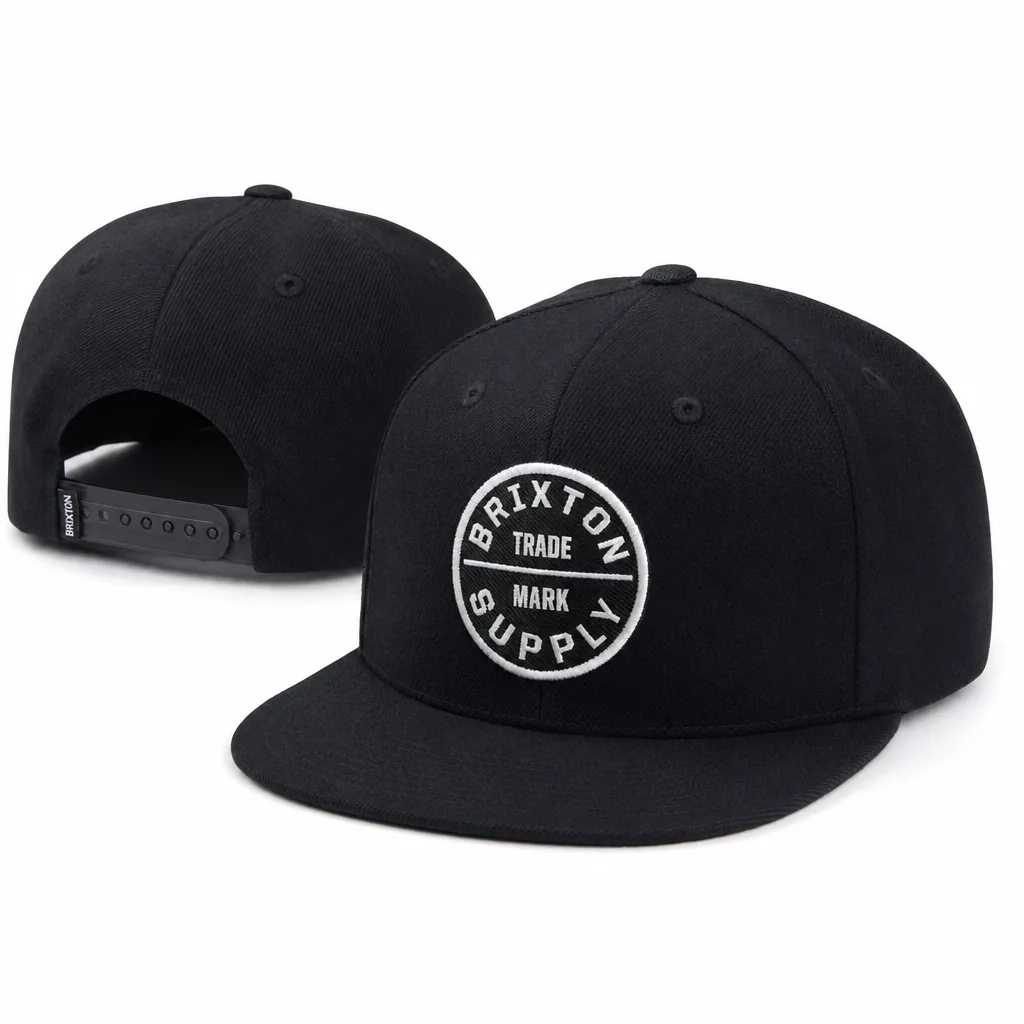
For brand owners, wholesalers and procurement teams entering the custom headwear category, promotional caps & corporate gifts: bulk custom hats for brand events (2026 update) is one of the highest-leverage decisions you will make. Get it right and your unit economics, retail story and reorder cycle all improve. Get it wrong and you carry the cost for years.
The corporate gift opportunity
Promotional caps beat pens, mugs, and most totes for one simple reason: they leave the venue and get worn in public. A structured 6-panel cap gives you a front decoration area around 58 to 62 mm high, enough for clean 3D puff embroidery or a 7,000 to 10,000-stitch flat logo that remains readable from roughly 3 to 5 meters. By comparison, a pen barrel may give you under 50 mm of usable print width, and the UV coating often scratches after a few days in a laptop bag. A tote bag offers more print area, but it also gets folded, stained, and buried under other handouts. In factory terms, event-grade promotional caps in 108x58 cotton twill, chino twill, or 300 gsm brushed cotton usually price at about $2.80 to $4.60 FOB China for 1,000 to 3,000 pieces, depending on closure type, stitch count, visor sandwich, and trim details like a woven loop label. That is the commercial sweet spot: the landed cost is still controlled, but the perceived value is closer to apparel than stationery.
The advantage gets stronger at trade shows, distributor conferences, and sports-related activations, where people judge wearability in seconds. Profile, fabric, and finishing matter more than buyers think. A mid-profile snapback in 108x58 twill usually suits younger, streetwear-leaning audiences, while a garment-washed dad cap in 16x12 brushed cotton reads better for tech events, employee kits, and lifestyle campaigns. Color accuracy also matters: if the shell fabric drifts more than Delta-E 2.0 from the approved Pantone TCX, or if the embroidery fill shows gaps, the cap immediately looks cheap. Good suppliers treat these as merchandise-grade bulk custom hats, not throwaway swag, so they control crown symmetry, seam alignment, visor curvature, sweatband print registration, and thread coverage under inline inspection.
The freight math is also better than many procurement teams expect. A standard export carton usually holds 100 to 144 caps, depending on crown profile and whether visors are nested or packed with shapers, and once volume moves past 1,000 units, ocean freight per cap falls fast enough to keep hats viable for regional roadshows, franchise openings, sales incentive kits, and employee gifting. The safer production model is in-house decoration on Tajima, Barudan, or ZSK embroidery heads, backed by inline inspection to AQL 2.5 and compliance records such as sedex-audit-cap-supplier-guide.html">BSCI 2.0 or Sedex SMETA 4-Pillar. At CrownsForge, that is the baseline because promotional caps perform best when buyers manage them as wearable media with repeat impressions, not as leftover event swag with a short shelf life.
Quick-turn promotional grade vs retail grade
The right buying decision is not “cheap versus premium”; it is wear-life versus risk. For true giveaway promotional caps meant for a one-day expo, charity 5K, dealership opening, or freshman welcome kit, a workable spec is usually 160 to 220 gsm brushed cotton twill or 150D to 300D polyester twill, light front buckram, a standard PE snap, and one embroidery location at roughly 5,000 to 8,000 stitches on Tajima or Barudan heads. At 1,000 pieces, that build typically lands around $1.85 to $3.20 FOB China; at 5,000 pieces, a stock-color 6-panel cap with flat embroidery often comes down to $1.55 to $2.60 FOB. That is enough for event utility, presentable branding, and on-time delivery. It is not enough for prolonged sweat exposure, repeated washing, or months of UV and trunk heat. Buyers get into trouble when they expect a promotional-grade cap to perform like a retail shelf item after six months of hard wear. Retail grade starts where failure costs the brand more than the savings. If the hats are sold as merch, issued as daily uniforms, or boxed as premium corporate gifts, I would not go below 260 gsm chino twill, 10 oz cotton canvas, or a 300 to 350 gsm wool blend, with firmer buckram, woven seam tape, a stable visor insert, and a sweatband that resists pilling and edge fray. Decoration tolerance tightens too: thread colors should be matched as closely as practical to Pantone TCX, satin columns need correct underlay and density to avoid tunneling, and finished goods should be inspected at AQL 2.5 rather than approved on appearance alone. On weak builds, the failure pattern is predictable: front panels collapse after humid storage, visor boards wave, needle oil shows on white fabric, and small text closes up after laundering.
Even on fast-turn promotional caps, there are a few places I would not save pennies. Eyelet stitch security, sweatband seam strength, closure pull resistance, visor symmetry, and crown size consistency matter more than adding contrast panels or upgraded packaging, because those are the defects recipients notice in the first 10 seconds. If a 5,000-piece order needs cost relief, the smart cuts are fewer fabric panels, stock fabric colors, a Pantone-closest thread match, or switching from applique to flat embroidery. The wrong cuts are weak snap components, unstable dye lots, undersized crown blocks, or thin master cartons that crush the cap shape before it reaches the event. That is the practical line between acceptable and embarrassing. A decent promotional build should survive carton transit, basic handling, and several wears without obvious QC issues; a retail-grade build should keep its shape, color, and decoration through regular use. At CrownsForge, the fastest way we separate the two is by expected wear cycle, not by the customer’s budget target. If the brief says “giveaway,” engineer for cost-controlled appearance and stable logistics. If the brief says “merch” or “gift,” spend the extra $0.60 to $1.80 per cap where it actually changes performance: fabric weight, internal structure, closure hardware, and inspection discipline. That is where complaint rates drop and reorder confidence goes up.
Most-popular promotional decoration techniques
Flat embroidery is still the safest choice for promotional caps because it survives rough handling, looks premium at arm’s length, and scales cleanly across mixed headwear programs. On a structured cotton twill 6-panel, a left chest-sized front logo usually runs 5,000 to 8,000 stitches; once you push past roughly 10,000 stitches, thread build-up starts making the panel stiff and you pay for it in machine time. On Tajima or Barudan multi-head lines, clean flat embroidery depends less on the machine brand than on underlay, pull compensation, and matching the thread sheen to the fabric face. For corporate gift hats, I usually steer buyers toward 40 wt polyester thread for outdoor use because it holds color better than rayon under UV and sweat. If the logo has a specified Pantone TCX reference, thread matching within a Delta-E under 2.0 is realistic on core shades, but not on every fluorescent or heather tone, so approvals need to be practical, not theoretical.
Screen print works best when the artwork is bold, low-detail, and the cap surface is stable enough to register properly. It is common on foam truckers, brushed cotton unstructured caps, and some polyester panels, but it is a poor fit for heavily seamed fronts or deep buckram structure where the print head cannot lay ink evenly. For event giveaway hats, a 1-color print can be one of the cheapest readable branding options in volume: at 3,000 pieces, the print adder may land around $0.18 to $0.35 per cap depending on ink coverage, while a comparable embroidery logo might be double that. Water-based ink gives a softer hand, but plastisol is still more forgiving in mass production when caps vary slightly in panel tension. A serious promotional product manufacturer will also test for crocking and adhesion after cure, especially on PU-coated or recycled RPET fabrics where ink behavior is less predictable than buyers assume.
A simple woven patch sits in the middle ground: more brand-defined than screen print, less stitch-heavy than direct embroidery, and easier to keep consistent across branded caps bulk orders using different cap shapes. For logos with fine text, border details, or color breaks that would sew poorly, a damask woven label with merrow border or laser-cut edge is usually the cleaner solution. The patch itself is normally woven from polyester yarns, then attached by edge stitch, heat seal, or satin stitch depending on the cap fabric and desired look. Our standard practice is to avoid oversized heat-applied patches on heavily curved crowns because edge lifting shows up fast in wear tests and during AQL 2.5 inspection. For bulk custom hats, woven patches also help when a client has multiple factories producing matching event merchandise, since patch color control is generally easier to standardize lot to lot than embroidery thread density and operator setup.
Express production timelines
Fifteen calendar days for 1,000 promotional caps is realistic only when the spec is frozen on day one and the style stays simple. The orders that make the date are standard 6-panel cotton twill, chino twill, or polyester trucker caps using stocked 260 to 280 gsm fabric, a pre-curved PE visor, and common closures like plastic snapback, hook-and-loop, or brass buckle. On a true rush job, artwork approval needs to close within 12 hours, digitizing is done the same day in Tajima DG/ML or Wilcom, and the tech sheet must lock Pantone TCX references, Madeira or Gunold thread codes, crown profile, visor row count, eyelet color, and closure spec before cutting starts. The fastest schedule collapses as soon as a buyer changes fabric shade, logo size, or back closure after embroidery files are built. Embroidery complexity is usually the first place lead time slips. A clean flat front logo around 5,000 stitches can move straight to production, but 3D puff, metallic thread, appliqué, or fills above roughly 10,000 stitches should get a physical strike-off, not just a screen mockup. Foam height, underlay density, pull compensation, and satin edge coverage behave differently on structured buckram than on soft unstructured fronts, and that is where puckering and letter collapse show up. Custom-dyed fabric is the other schedule killer: lab dips, mill capacity, and shade approval routinely add 5 to 8 days before spreading starts, especially if the color tolerance target is held to around Delta-E 1.5 to 2.0 against the approved standard.
Once approvals are locked, the factory floor can usually finish 1,000 promotional caps in 6 to 8 production days, assuming embroidery capacity is reserved in advance. A practical line plan is 1 day for material pull, inspection, and marker cutting; 2 to 3 days for embroidery and panel sewing; 1 day for visor insertion and crown assembly; and 1 to 2 days for trimming, steaming, packing, and final inspection at AQL 2.5. The real constraint is embroidery head time, not sewing labor. On Barudan or ZSK heads, a 5,000-stitch front mark may run in under 4 minutes per panel, while a 12,000-stitch design with a side hit, back text, and multiple thread changes can cut daily output by 25 to 35 percent. Our standard practice on urgent orders is to split embroidered panels across head groups so sewing lines are fed continuously instead of waiting on one machine queue. Logistics should be fixed before bulk cutting, because freight mode determines how much production risk the buyer can absorb. For U.S. trade-show delivery, 3 to 5 days by express air after carton close is normal, and DDP shipments should carry at least 1 extra day for customs release. Sea freight only makes sense when the event date is still 30 to 40 days out. On cost, 1,000 promotional caps in a basic unstructured cotton twill style with flat front embroidery typically land around $2.10 to $3.60 ex-works; add woven labels, a sandwich brim, printed seam tape, moisture-wicking microfiber sweatbands, or multi-location embroidery, and the range usually moves to $4.20 to $5.80. Rush premiums are commonly 10 to 18 percent, driven by priority scheduling, overtime, and air freight rather than by the sewing operation itself.
Bulk pricing at 500 / 1,000 / 5,000 pcs
At 500 to 1,000 pieces, decoration usually moves the quote more than the shell fabric. For promotional caps built on a standard 6-panel brushed cotton twill body at 260-280 gsm, with a pre-curved PE visor, polyester sweatband, and metal tuck buckle, a realistic FOB China price for one left-front flat embroidery up to 8,000 stitches is about $2.10-$2.45 at 500 pcs and $1.72-$2.05 at 1,000 pcs. Upgrade to heavier chino twill, certified RPET, buckram-structured front panels, or Pantone TCX-matched sandwich piping and the adder is usually only $0.18-$0.45 per cap. What catches buyers out on these runs is setup cost: digitizing cleanup, one or two Tajima or Barudan sew-outs, thread color changes, and incomplete carton utilization can add more than the fabric upgrade if the artwork is not production-ready.
Machine time is the real cost center once artwork gets complicated. A clean front logo is the cheapest configuration because embroidery heads can hold higher run speed with fewer trims; add a side logo, back arch, or 3D puff and pricing typically increases $0.22-$0.65 per cap depending on stitch count, foam underlay, and whether the file needs lower speed to control edge pull. For price-sensitive event giveaways, buyers often switch to 58/42 cotton-poly twill, hook-and-loop closure, and a 4,000-6,000 stitch logo to keep promotional caps at or just under $2.00 FOB around 1,000 pcs. At 5,000 pcs, the same cap with one-location embroidery usually lands around $1.28-$1.62 FOB, mainly because fabric and trims are bought against full supplier MOQs, embroidery lines stop less, and packing density improves in 144-piece master cartons. If the program needs individual polybags, swing tags, barcode labels, or insert cards, add roughly $0.06-$0.19 per set. Serious 5,000-piece pricing should already assume AQL 2.5 final inspection, needle-control records, and trim color tolerance around Delta-E 1.5-2.0 for brand-critical shades.
Co-branded multi-logo programs
Tier-1 sponsors should own the front panel, period. On a cap, the visual hierarchy is brutally simple: the front 2 panels get the cleanest read at 6 to 10 feet, the left and right panels are secondary, and the back arch or strap is where you park smaller marks, URLs, or a date lockup. For co-branded multi-logo programs, I usually recommend setting a measurable logo priority matrix before sampling: front logo width 90 to 110 mm on a structured 6-panel, side logos capped around 45 to 55 mm, and back embroidery under 70 mm wide so the cap does not start looking like a race suit. That matters when you are producing promotional caps for sponsor-heavy events, because every added logo increases stitch count, sewing time, and rejection risk. A front flat embroidery at 8,000 to 12,000 stitches on a Tajima or Barudan head is routine; add two side hits and a back hit, and you can push decoration cost from roughly $0.55 to $1.40 per cap depending on coverage and thread changes.
Secondary partners need tighter rules than most buyers expect. If you let every logo keep its original proportions, one circular badge and one horizontal wordmark will fight each other all the way through pre-production. The fix is to standardize by optical presence, not just millimeter width: similar thread coverage, matching vertical alignment, and one decoration method family unless there is a very good reason to mix techniques. For example, a Tier-1 logo in 3D puff embroidery paired with flat side logos works; pairing puff, woven patch, silicone heat transfer, and screen print on one run usually creates shade inconsistency and longer line balancing at sewing. Our standard practice is to lock thread colors to Pantone TCX references and hold embroidery shade variance within a practical Delta-E target during lab dips, especially when multiple partner brands share navy, red, or black assets that can drift under different yarn lots. That discipline is what separates clean corporate gift hats from leftovers nobody wears after the event.
Event-specific styling is where branded caps bulk orders either become wearable merchandise or obvious ad inventory. The best programs build one consistent cap body—say 260 gsm brushed cotton twill for a classic promo look, or 100 percent recycled polyester at 180 to 200 gsm for sports activations—then change only the event lockup, underbrim print, seam tape message, or interior label by city, date, or campaign wave. That keeps MOQ manageable while still giving each event a localized identity. In practice, you might run 5,000 units with a common shell and split it into 2,500 Tier-1 standard units, 1,500 with regional side text, and 1,000 VIP versions with a metal buckle and custom swing tag. For event giveaway hats, this modular approach also protects compliance and timing: one approved fit sample, one carton spec, one AQL 2.5 inspection standard, but multiple artwork placements. A capable promotional product manufacturer should push buyers toward that architecture because it controls tooling cost, shortens approvals, and reduces dead stock across bulk custom hats programs.
Frequently Asked Questions
Which shipping methods do you support?
We support FOB, CIF and DDP shipping. Air express for samples and small orders, sea LCL for 100 to 500 pieces, sea FCL for 5,000+ pieces. Door-to-door DDP available for US, EU, UK, Canada and Australia.
What is the minimum order quantity (MOQ) for custom hats?
Our standard MOQ is 100 pieces per design and color, with sampling available from 1 piece. For complex multi-color logos or premium fabric upgrades, the MOQ can be lowered with a small per-piece surcharge.
Can I order a sample before bulk production?
Yes. We strongly recommend approving a pre-production sample before mass production. Samples are charged at 35 to 60 USD each plus express shipping, fully refundable against confirmed bulk orders over 500 pieces.
What logo decoration techniques do you offer?
3D puff embroidery, flat embroidery, woven patch, leather patch, PVC patch, screen printing, sublimation, applique and laser etching, all in-house with no subcontracting.
Do you support sustainability certifications?
Yes. We work with GOTS organic cotton, GRS-certified recycled polyester, OEKO-TEX Standard 100 fabrics, and are BSCI and Sedex audited. Certification documentation can be provided per order.
How does ordering custom embroidered trucker hats work?
When evaluating custom embroidered trucker hats, the key considerations are construction quality, decoration capability, MOQ flexibility and lead time. Why caps outperform pens and tote bags for brand visibility. When budget matters more than longevity; when not to compromise.
How does ordering custom embroidered baseball caps work?
When evaluating custom embroidered baseball caps, the key considerations are construction quality, decoration capability, MOQ flexibility and lead time. Why caps outperform pens and tote bags for brand visibility. When budget matters more than longevity; when not to compromise.
How does ordering custom embroidered hats new era work?
When evaluating custom embroidered hats new era, the key considerations are construction quality, decoration capability, MOQ flexibility and lead time. Why caps outperform pens and tote bags for brand visibility. When budget matters more than longevity; when not to compromise.
How much does cheap baseball hats in bulk typically cost?
When evaluating cheap baseball hats in bulk, the key considerations are construction quality, decoration capability, MOQ flexibility and lead time. Why caps outperform pens and tote bags for brand visibility. When budget matters more than longevity; when not to compromise.
Ready to start your custom hat project?
Send us your tech-pack, sketch or even just an inspiration photo. We will respond with a detailed quotation and digital mock-up within 24 hours.
Request a free quoteRelated guides
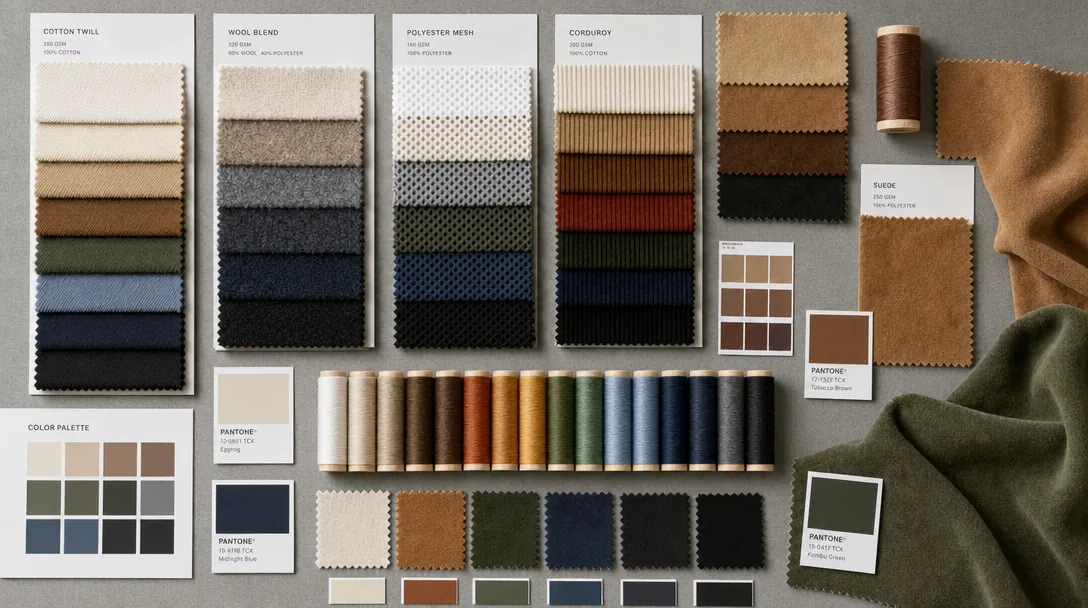
Bucket Hat Corduroy MOQ And Pricing Plan for Custom Hat Buyers
Read article →
Compliance Documentation Checklist for First Hat Import to US/EU - Cost & MOQ Breakdown
Read article →Festival Bucket Hat: A Vertical-Specific Sourcing Guide
Read article →Sourcing custom hats does not have to be complicated. With the right manufacturing partner, clear specifications and a small upfront investment in sampling, you can launch a retail-quality product in 30 to 45 days.