
Festival Bucket Hat: A Vertical-Specific Sourcing Guide
Every week, our sales team answers detailed questions about festival bucket hat: a vertical-specific sourcing guide. We wrote this guide so that wholesalers, streetwear brands, corporate buyers and promotional resellers can compare options with full information, and avoid the traps that show up only after production has started.
Festival Bucket Hats
A festival bucket hat is usually built from cotton twill, washed cotton, 210D nylon, polyester peach skin, or a 50/50 cotton-poly blend, depending on whether the buyer wants structure, quick-dry performance, or a softer drape. The factory spec should name the crown height, brim width, seam allowance, sweatband material, lining, and closure method, because those details change fit more than most buyers expect. For festival bucket hats, I normally ask for a 56-60 cm head circumference range, 5-6 cm brim, 6-8 panels or a one-piece body with top-stitching, and color control against Pantone TCX with Delta-E under 2.0 on repeat production. If the order includes reversible bucket hats, specify both shell fabrics, label placement, and seam finishing up front; otherwise the inside layer often looks cheap and the turning points will distort after wash. Our standard practice at CrownsForge is to confirm these points in a pre-production sample before cutting bulk fabric, because once embroidery, printing, and seam construction are locked, changes get expensive fast.
MOQ and pricing depend on decoration and fabric, not just the base shape. Plain bucket hats for men in standard cotton twill often start around 300-500 pieces per colorway, while custom printed or embroidered festival bucket hats usually need 500-1,000 pieces to stay efficient. In current factory conditions, a simple bulk hat can land around USD 2.20-3.80 FOB, screen print or patch adds roughly USD 0.25-0.90, and dense embroidery on Tajima, Barudan, or ZSK heads can add USD 0.60-1.50 depending on stitch count. Reversible bucket hats run higher because you are paying for double-sided construction, more labor, and tighter QC at turning and top-stitching. Buyers comparing bucket hats for men versus fitted hats women should not assume the same fit block works; the head shape, crown depth, and brim balance are different, and the wrong block creates returns even if the stitching is clean.
The failures that matter in a festival bucket hat are usually boring but expensive: wavy brims, twisted side seams, off-center logos, visible needle marks, weak bartacks at the sweatband, and shade variation between panels. For inspection, I would ask for AQL 2.5 on major defects and a separate check for measurement drift after steaming or light wash testing, because some polyester blends shrink 2-3% and distort the brim edge. If the hat uses printed fabric, confirm ink adhesion and rub resistance; if it uses embroidery, check thread tension so the back side does not pucker under the sweatband. The broader sourcing decision comes down to whether you want a fashion accessory, a promo item, or a sell-through product. The cheapest quote often hides weak interfacing, poor mold shaping, or inconsistent dye lots, and those problems show up immediately on festival grounds where heat, sweat, and sun punish bad construction.
Rave Bucket Hats
A solid rave bucket hat is usually built from 100% polyester twill, nylon taslan, or a lightweight cotton-poly canvas in the 180 to 260 gsm range, depending on whether the buyer wants structure or packability. For full-print festival bucket hats, the factory should specify reactive or sublimation printing on polyester, then pre-shrink and inspect seam distortion after washing. A proper spec sheet needs crown height, brim width, stitch density, sweatband material, and panel count, plus artwork control if you are doing all-over print, patchwork, or reversible bucket hats. At CrownsForge, the common production path is cut-and-sew with an interfaced brim, binding on the inside seam, and a woven label or heat-transfer care mark. If you are comparing bucket hats for men and fitted hats women in the same line, keep the brim and crown proportions separate; a unisex block usually fails on fit and silhouette once production gets into size grading.
Typical MOQ for rave bucket hats is 300 to 500 pieces per colorway if you are using stock fabric and simple embroidery, but custom printed fabric, reversible construction, or special trims often pushes the floor to 800 to 1,000 pieces. Pricing in China is usually around $2.20 to $4.80 FOB for basic embroidered styles, $3.50 to $6.50 for reversible bucket hats, and $4.50 to $8.00 for complex all-over print or mixed-material builds, before freight and duties. Buyers should ask for Pantone TCX or Pantone C references on every color, plus a target Delta-E under 2.0 for critical brand colors. If the hat includes embroidery, specify stitch count and machine class, for example Tajima, Barudan, or ZSK heads, because dense logos can pucker the crown if the stabilizer is under-specified. Ask for size tolerance within plus or minus 0.5 cm on circumference and 0.3 cm on brim width.
The most common quality failures are crooked panel alignment, uneven brim stitching, low-grade thread that fuzzes after abrasion, and bad symmetry in reversible bucket hats where one side pulls the other out of shape. For festival bucket hat orders, I would also inspect print registration at the side seams, color migration on sweaty wear tests, and hand-feel after steam pressing, because rave bucket hats often get packed, crushed, and resold online as if they were premium goods. Request AQL 2.5 inspection, but tighten critical defects to zero for stains, holes, broken stitches, and off-register logos. If the order includes mesh lining, nylon webbing, or PVC patches, check for odor, migration, and needle damage around attachment points. The sourcing decision comes down to use case: if the buyer needs broad seasonal appeal, a simpler festival bucket hat with clean construction and lower MOQ usually wins; if the target is a more fashion-driven capsule, complexity can justify the added cost only when fit, print quality, and finishing are controlled tightly from the first sample.
Reversible Bucket Hats
A reversible bucket hat is usually built as two complete shells stitched face-to-face, then turned through a hidden gap in the crown or side seam and closed with topstitching. If the buyer wants a clean retail look, specify the exact method: double-layer body, no visible raw seams, 5-6 cm brim, 58-60 cm head size, and separate artwork placement for each side. For a festival bucket hat, I would request cotton twill on one side and polyester peach skin or nylon on the other if the goal is a sharper print for rave bucket hats; if the priority is structure and premium handfeel, use 100 percent cotton on both sides at 180-220 gsm. Ask for Pantone TCX matching on the exterior, seam allowance control at 6-8 mm, and shrinkage under 3 percent after wash testing. One factory mistake that matters here is misaligned brim stitching, because reversible bucket hats show every defect from both faces.
MOQ is usually higher than a single-layer bucket because you are cutting two full sets of panels and handling more sewing steps. In the market, 300-500 pcs per colorway is common for simple woven solids, while 500-1,000 pcs is more realistic if you want custom all-over prints, woven labels, or complex reversible trims. Factory pricing often lands around $2.20-$3.80 FOB for basic cotton/poly reversible bucket hats at that volume, and $4.00-$6.50 once you add digital print, embroidery, or contrast piping. CrownsForge’s standard practice is to quote separately for fabric, labor, and finishing, because the cost swings fast when one side uses a printed 120 gsm poplin and the other uses brushed twill. Buyers comparing festival bucket hats against bucket hats for men or fitted hats women should treat reversibility as a manufacturing premium, not just a styling feature.
The quality issues are predictable: twisted brims, shade variation between the two faces, puckering at the turn-out opening, and weak stitching where the lining is tacked shut. Inspect seam symmetry under flat lay, measure brim width at four points, and check that the hat returns to shape after being folded in a bag for 24 hours, which matters for festival bucket hat programs that move through retail and event merch channels. I would also ask for a wash test and colorfastness grade of at least 4 on dry and wet rub if the design includes bright pigment prints, because rave bucket hats get handled hard and sweat exposure is real. If the broader sourcing decision is between reversible and single-layer construction, choose reversible only when you need two distinct looks, a higher perceived value, or a retailer wants to sell one SKU to multiple style groups. Otherwise, a simpler hat will be cheaper, easier to pass AQL 2.5, and less likely to generate returns.
Bucket Hats for Men
Bucket hats for men are usually built on the same production line as unisex festival styles, but the spec needs to be tighter because buyers notice structure, crown depth, and brim balance faster on a larger head size. The factory should quote the crown in centimeters, brim width, stitch density, sweatband material, and shrinkage target after washing. A normal production flow is fabric cutting, interfacing or lining insertion, crown stitching, topstitching the brim, then final steaming and shaping. For woven cotton twill around 280 to 320 gsm, a men’s festival bucket hat usually lands between $1.60 and $3.40 FOB at 1,000 to 3,000 pcs, depending on embroidery, custom labels, and whether you add a hidden pocket or reversible build. CrownsForge’s standard practice is to confirm sample approval against Pantone TCX, then lock the bulk shade against Delta-E tolerance before cutting bulk fabric.
Buyers should ask for the exact construction details up front: main fabric, lining, sweatband, thread count, brim reinforcement, and whether the crown is single-layer, lined, or reversible. For festival bucket hat programs, I would specify 100 percent cotton twill, polyester mesh lining only if ventilation matters, and double-needle topstitching with 40s core-spun thread. If you want reversible bucket hats, insist on clean internal seam binding or a turned edge that does not expose raw seam allowances. MOQ is usually 300 to 500 pcs per color for stock fabrics, but custom woven labels, all-over print, or specialty wash treatments can push that to 1,000 pcs. Production lead time is typically 25 to 35 days after sample sign-off, with another 7 to 10 days for testing or carton prep if the buyer wants carton markings, polybag warnings, or barcode labeling for retail.
The main quality failures are obvious when you know where to look: uneven brim width, twisted crown panels, skipped stitches, puckering at the side seams, off-center embroidery, and sweatbands that are too loose to sit flat. For bucket hats for men, size grading is critical because a 58 cm sample can pass while a 60 to 62 cm bulk run feels small on retail fit tests. Ask the factory for an in-line inspection at AQL 2.5, a pre-shipment check on random cartons, and if embroidery is involved, run a trim test so backing and loose threads do not bleed through after wear. If you are comparing festival bucket hats against fitted hats women or other seasonal headwear, the sourcing decision usually comes down to brim stability, packability, and colorfastness after sweat and sun exposure. A competent supplier should already know how to handle Tajima, Barudan, or ZSK embroidery heads, and should be able to show shrinkage and crocking results before you commit to bulk.
90s Bucket Hat
A 90s bucket hat is usually the easiest soft headwear to manufacture, but that does not mean the spec can be loose. The normal build is a 6- or 8-panel crown, a 5.5- to 6 cm brim, cotton twill at 180-250 gsm, and a stitched eyelet or two for ventilation. For a festival bucket hat, I would ask for a full tech pack with Pantone TCX references, seam allowance, brim stitch spacing, sweatband material, and a wash target of at least 5 domestic cycles without visible distortion. CrownsForge and similar factories will usually run it on standard sewing lines, with embroidery on Tajima, Barudan, or ZSK heads if the order needs a logo or patch. The key is to lock color tolerance at Delta-E under 2 and confirm crown depth, because 90s styles look wrong fast if the hat sits too shallow or the brim flares unevenly.
Buyers usually see MOQs around 300 to 500 pcs per color for a custom 90s bucket hat, lower if the factory is filling a stock fabric program. FOB pricing is typically $2.10 to $3.20 for a basic cotton version, $3.60 to $5.20 for reversible bucket hats, and more if you add all-over print, foam interfacing, or heavy applique. Rave bucket hats often need brighter dye lots, reflective tape, or sublimation, which pushes cost and lead time up. If you are comparing bucket hats for men and fitted hats women in the same program, the bucket style usually wins on size flexibility and lower size-curve risk. The factory should still give you a sampling ladder: proto, color strike-off, pre-production sample, then golden sample signed off against the final carton pack.
The common failures are predictable: twisted brim, puckered topstitching, crown panels that do not match at the seams, and sweatband stitching that pops after one wash. On reversible bucket hats, check that both sides lie flat and that the seam bulk does not create a lumpy brim edge. For a festival bucket hat program, I would inspect at AQL 2.5 with measurements on brim width, crown height, logo placement, and panel symmetry, plus a light rub test for print transfer. If the buyer wants the hat to sit in the broader festival bucket hat category, the sourcing decision comes down to where the value is: plain cotton for volume, coated nylon for weather resistance, or reversible construction if the retail story justifies the extra cost. Skip decorative complexity unless it serves the target price point; cheap-looking detailing is what usually kills the final sample.
Festival Hat Women's
A proper festival hat women's program is usually built around a soft 5-panel or 8-panel bucket silhouette, not a fashion-only sketch. The factory should quote the exact shell weight and hand feel: 100% cotton twill at 240-280 gsm for a cleaner drape, washed cotton at 220 gsm for a more broken-in look, or recycled polyester at 100D-150D when you want faster drying for rave bucket hats. If you need reversible bucket hats, specify two different linings and tell the mill whether both faces must hold print registration after turning. Our standard practice at CrownsForge is to lock the spec before sampling: crown depth, brim width, stitch count, sweatband type, label placement, and Pantone TCX targets with Delta-E under 2.0. Buyers comparing this against bucket hats for men or fitted hats women usually miss the real issue: women's sizing is less about a smaller head and more about proportion, brim balance, and how the hat sits with hair volume, sunglasses, and stage wear.
For MOQ, realistic factory numbers are 300-500 pcs per colorway for simple embroidery and 800-1,200 pcs if you want custom woven labels, all-over print, or a reversible build. Pricing in Yiwu is usually about $2.10-$3.40 FOB for a basic cotton festival bucket hat, $3.80-$5.20 for heavier washing, embroidery, or inner lining, and $5.50+ once you add reversible construction, PU patches, or complex all-over sublimation. Ask for a full pre-production sample with actual bulk fabric, not a handpicked showroom swatch, because festival bucket hats often pass on structure but fail in hand feel once the real run starts. If the buyer wants a premium streetwear result, I would rather spend money on better thread and tighter crown stitching than on an oversized woven badge that adds cost but not value.
The failure points are predictable: brim warping after wash, crooked topstitch on curved seams, loose thread at the side seams, and print cracking where the brim bends. For inspection, request a 3-point check on dimensions, color against approved master, and needle damage review under AQL 2.5; for larger runs, I would still do a 100% visual pass on the first 300 pieces because small defects multiply fast in festival bucket hats. Check sweatband comfort, because women’s buyers will reject a hat that scratches or traps heat even if the exterior looks clean. For compliance, ask for needle detection, colorfastness to dry/wet rubbing, and if the order is going into EU retail, basic REACH declarations for trims and print inks. The broader sourcing decision is simple: if the program needs soft structure, low risk, and broad sell-through, a festival bucket hat is easier to fit and warehouse than rigid headwear, and usually less risky than overcommitting to a fashion-forward silhouette that only works on fitted hats women buyers already know how to size.
Working with CrownsForge for festival bucket hat programs
For a festival bucket hat program, the first risk is not production capacity, it is whether the sample actually matches the final bulk spec. Our standard practice is to turn around a proto sample in 5 to 7 working days, then a revised pre-production sample in another 3 to 5 days once the crown depth, brim stiffness, and print placement are locked. That matters when you are deciding between festival bucket hats with all-over sublimation, reversible bucket hats with two fabric weights, or a cleaner one-side embroidery build. We keep MOQ flexible for first-time buyers because a 300 to 500 piece test run tells you more than a spreadsheet does, especially if you are comparing bucket hats for men against fitted hats women styles in the same drop. The goal is to catch fit, shrinkage, and color drift before the order becomes expensive.
Decoration is where a lot of rave bucket hats go sideways. Small logos are easy; repeated registration across panels is not. We run embroidery on Tajima, Barudan, and ZSK heads, and that gives us predictable stitch density on cotton twill, nylon, or washed canvas. For prints, we separate sublimation, screen print, and heat-transfer by fabric content, because a 100 percent polyester shell behaves very differently from a 300 gsm cotton body. If the buyer wants reflective piping, woven labels, or a reversible build, we map the decoration order so the seam allowance does not swallow the design. CrownsForge also checks Pantone TCX references against production bulk and flags anything drifting beyond a practical Delta-E threshold before cutting the main order.
Compliance and order control are what protect the margin on a festival bucket hat program. We work against sedex-audit-cap-supplier-guide.html">BSCI 2.0 and Sedex SMETA 4-Pillar documentation, with material traceability on the main fabric, sweatband, and trims when the buyer needs it for retail or licensed distribution. Final inspection is normally run to AQL 2.5, with carton checks tied to size ratio, colorway ratio, and polybag or hangtag instructions so the bulk matches the approved sample, not the sales deck. For first-time importers, we structure the workflow around one responsible point of contact, weekly production photos, and packing list confirmation before shipment. That is usually enough to de-risk the order without adding unnecessary process, which is important when the target is seasonal sell-through rather than a long replenishment cycle.
Frequently Asked Questions
What is the minimum order quantity (MOQ) for custom hats?
Our standard MOQ is 100 pieces per design and color, with sampling available from 1 piece. For complex multi-color logos or premium fabric upgrades, the MOQ can be lowered with a small per-piece surcharge.
Do you support sustainability certifications?
Yes. We work with GOTS organic cotton, GRS-certified recycled polyester, OEKO-TEX Standard 100 fabrics, and are BSCI and Sedex audited. Certification documentation can be provided per order.
How long does production take?
Sampling takes 7 to 12 days. Bulk production runs 20 to 30 days depending on quantity, fabric availability and decoration complexity. Inspection and packing adds another 3 to 5 days before shipment.
What logo decoration techniques do you offer?
3D puff embroidery, flat embroidery, woven patch, leather patch, PVC patch, screen printing, sublimation, applique and laser etching, all in-house with no subcontracting.
Can I order a sample before bulk production?
Yes. We strongly recommend approving a pre-production sample before mass production. Samples are charged at 35 to 60 USD each plus express shipping, fully refundable against confirmed bulk orders over 500 pieces.
What should buyers know about bucket hat men?
When evaluating bucket hat men, the key considerations are construction quality, decoration capability, MOQ flexibility and lead time. Cover everything buyers ask about bucket hats for men: how it's manufactured, what specs to request from a factory, typical MOQ and pricing, common quality issues to inspect for, and how this ties back to the broader festival bucket hat sourcing decision. Cover everything buyers ask about festival bucket hats: how it's manufactured, what specs to request from a factory,…
What should buyers know about nike bucket hats for men?
When evaluating nike bucket hats for men, the key considerations are construction quality, decoration capability, MOQ flexibility and lead time. Cover everything buyers ask about bucket hats for men: how it's manufactured, what specs to request from a factory, typical MOQ and pricing, common quality issues to inspect for, and how this ties back to the broader festival bucket hat sourcing decision. Cover everything buyers ask about festival bucket hats: how it's manufactured, what specs to request from a factory,…
How does ordering custom fitted hats for men work?
When evaluating custom fitted hats for men, the key considerations are construction quality, decoration capability, MOQ flexibility and lead time. Cover everything buyers ask about bucket hats for men: how it's manufactured, what specs to request from a factory, typical MOQ and pricing, common quality issues to inspect for, and how this ties back to the broader festival bucket hat sourcing decision. Cover everything buyers ask about festival bucket hats: how it's manufactured, what specs to request from a factory,…
What should buyers know about festival hat women's?
When evaluating festival hat women's, the key considerations are construction quality, decoration capability, MOQ flexibility and lead time. Cover everything buyers ask about festival hat women's: how it's manufactured, what specs to request from a factory, typical MOQ and pricing, common quality issues to inspect for, and how this ties back to the broader festival bucket hat sourcing decision. Cover everything buyers ask about festival bucket hats: how it's manufactured, what specs to request from a factory,…
Ready to start your custom hat project?
Send us your tech-pack, sketch or even just an inspiration photo. We will respond with a detailed quotation and digital mock-up within 24 hours.
Request a free quoteRelated guides
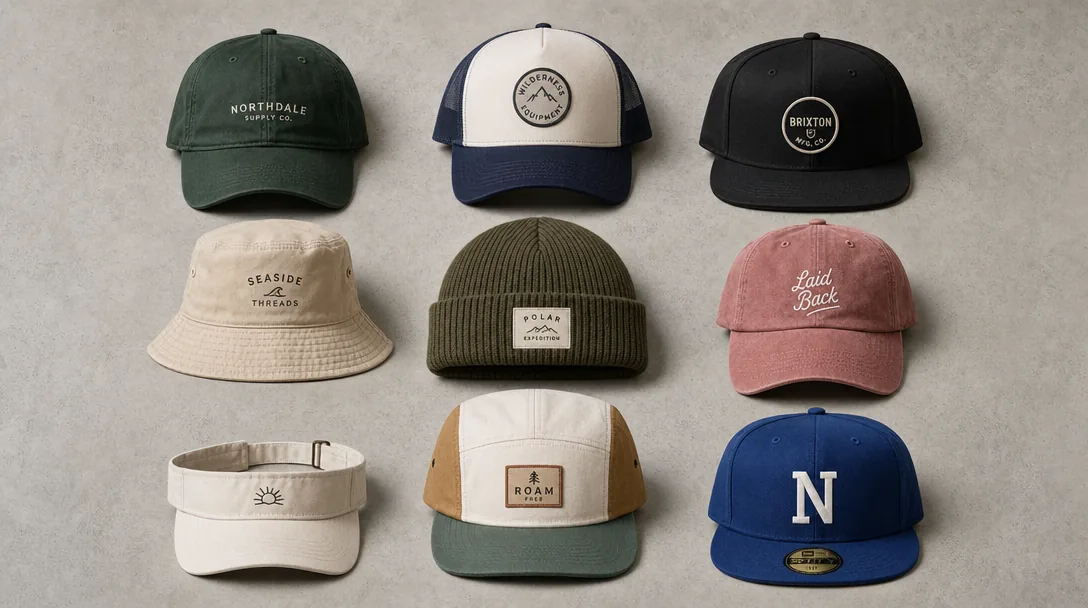
Private Label vs White Label Caps: Which Model Fits Your Brand?
Read article →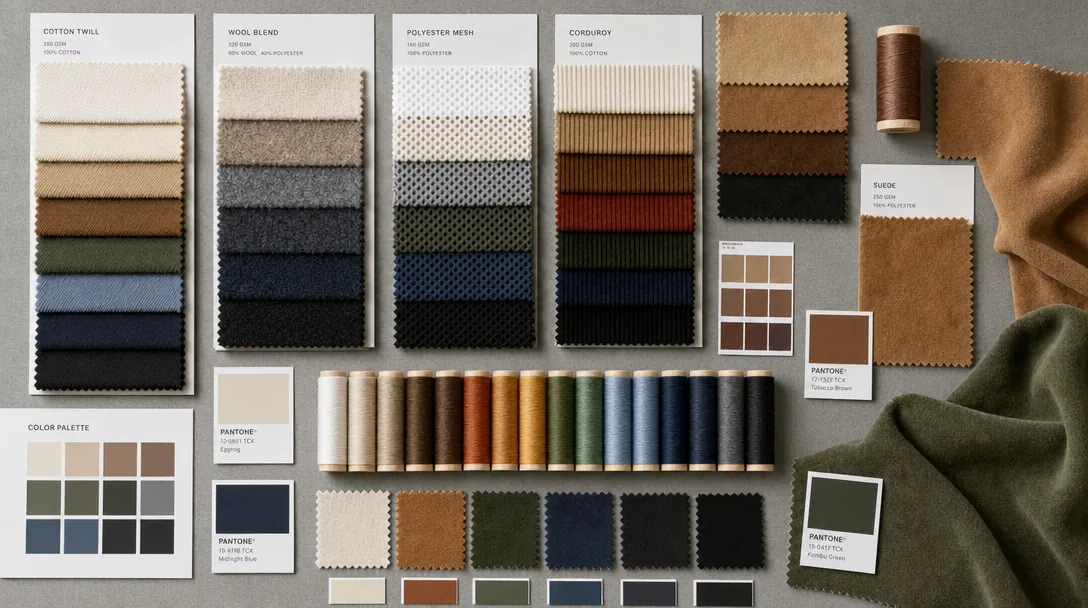
Cotton Beanie: Properties, Costs and How to Spec It Right
Read article →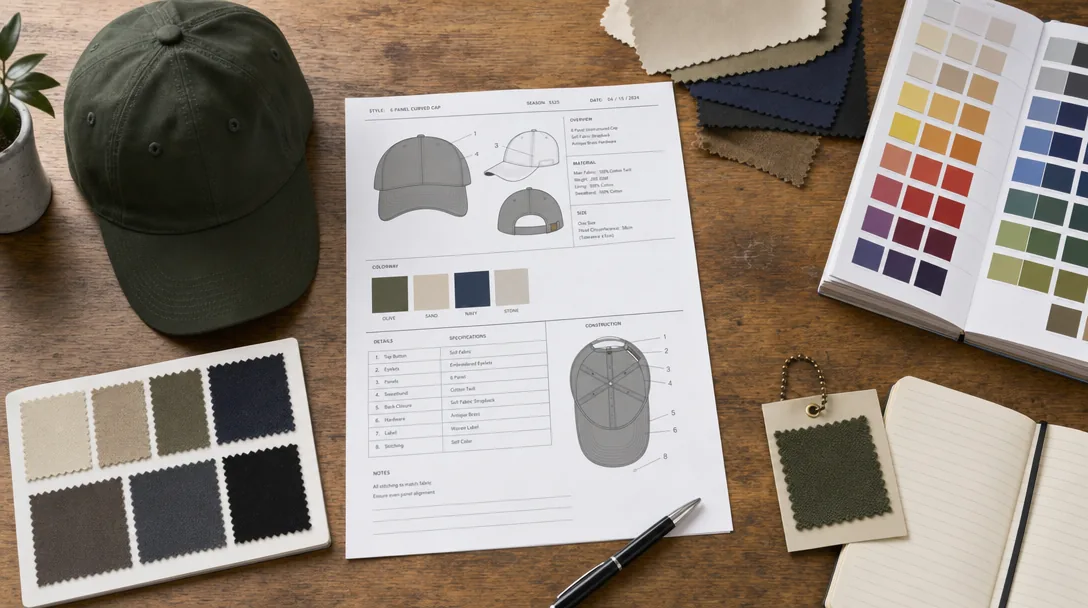
Switching Hat Manufacturers Mid-Program Without Losing Quality
Read article →We hope this guide demystifies festival bucket hat: a vertical-specific sourcing guide and helps you move forward with confidence. If you have questions specific to your project, our English-speaking sales engineers are one message away.