
Negotiating with a China Hat Manufacturer: 12 Tactics That Actually Work - 2026 Buyer's Guide - 2026 Buyer's Guide
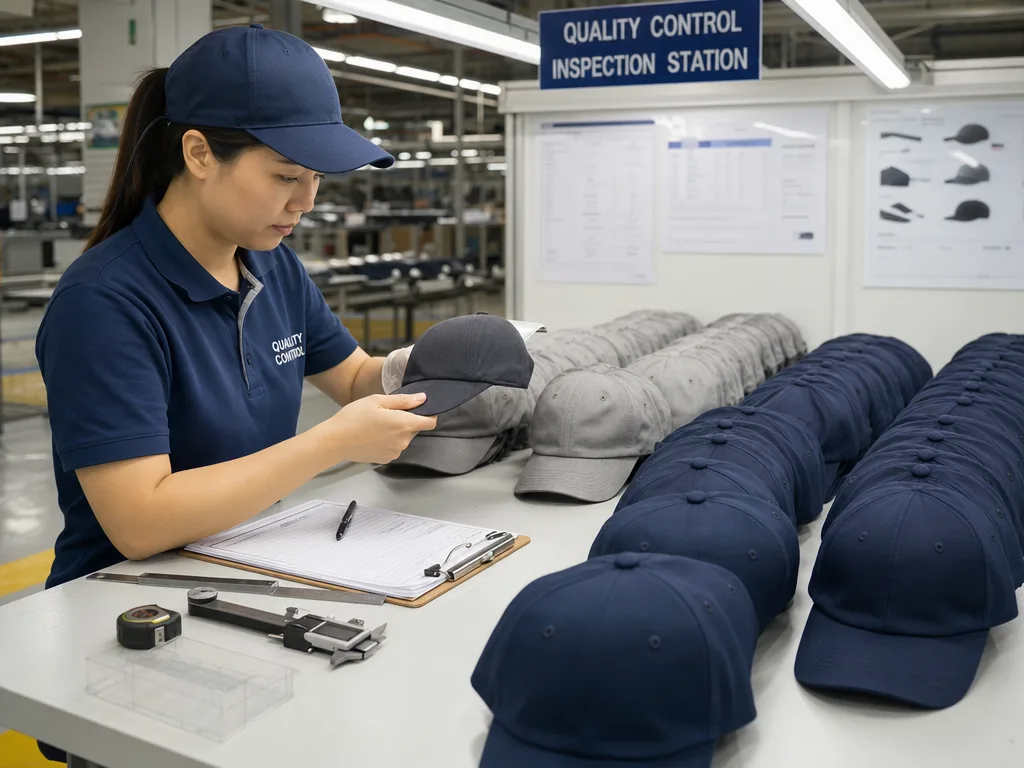
Negotiating with a China Hat Manufacturer: 12 Tactics That Actually Work - 2026 Buyer's Guide - 2026 Buyer's Guide is one of the most-asked questions we receive from international buyers, and for good reason. With dozens of factories competing for your order and an alphabet soup of technical terms in every supplier quote, even experienced importers can feel lost. This guide consolidates what we have learned producing custom hats for clients in 40+ countries.
The negotiating dynamic factories actually see
The first quote from a China hat factory is rarely the floor price; it is a risk-managed number built to survive revisions, slower approvals, and the buyer who asks for three rounds of concessions after sampling. On small runs under 1,200 pieces, I usually see 15% to 25% headroom baked in because the factory is covering setup loss, thread changes, fabric waste, and the real chance that the style never repeats. On bigger programs above 5,000 pieces, that cushion tightens more often to 8% to 15% because line efficiency improves and the supplier expects volume continuity. If you understand that structure before you negotiate with chinese hat manufacturer partners, the tone changes immediately: you are not begging for a cheaper number, you are testing where the workable production price sits once MOQ, decoration count, carton pack-out, and payment terms are made explicit.
What matters on the factory side is not only unit price but whether your order disturbs capacity. A 600-piece six-panel cotton twill cap with flat embroidery on Tajima or Barudan heads, one inside label change, and one Pantone-matched woven loop label can be more annoying than a clean 3,000-piece repeat order, even if the smaller buyer thinks the artwork is simple. Every disruption has a cost: digitizing, hoop changes, needle downtime, QC checkpoints at AQL 2.5, and trim purchasing below economical breakpoints. That is why moq negotiation works best when paired with something operational the factory values, such as flexible delivery windows, fewer colorways, or accepting stock buckram and standard 108x58 polycotton lining instead of custom-dyed internals. Buyers focused only on how to lower hat price often miss that the strongest hat factory price negotiation starts by removing friction from the production plan.
The factories that handle negotiation well are reading signals, not just numbers. If a buyer asks for a 20% cut on the opening quote but still wants 3D embroidery, silicone patch application, custom metal buckle, retail polybag with warning label, and DDP terms to a U.S. 3PL, the request looks unserious because the cost drivers were left untouched. The better approach is to trade variables: reduce SKUs, combine colorways over one shell fabric lot, move from 380 gsm brushed cotton to 320 gsm chino twill, or approve a slightly higher MOQ in exchange for sharper piece pricing. That is where real cap manufacturer discount tactics come from. At CrownsForge, our standard practice is to recalculate from the BOM upward when a buyer changes specs, because that is the only honest way to show whether a concession came from margin, material, or labor rather than from empty promises that will reappear later as quality drift or delayed shipment.
Tactic 1-3: MOQ and quantity flexibility
The fastest way to negotiate with chinese hat manufacturer on MOQ is to stop arguing over a single minimum and ask for a real quantity ladder on day one: 144, 288, 576, and 1,000 pieces, broken out by style, fabric, decoration, closure, and packing. Those tiers match how cap factories actually cost production. At 144 pieces, you are usually covering setup inefficiency on cutting, sewing, embroidery, and inspection; at 288 or 576, line balancing improves and trim usage gets cleaner; at 1,000, carton consolidation and labor utilization finally start to matter. On a structured 6-panel cap in 260 gsm brushed cotton twill with 8,000 stitches of flat embroidery, a workable FOB China quote might be around $4.20 to $4.45 at 144 pieces, $3.95 to $4.10 at 288, $3.65 to $3.85 at 576, and $3.30 to $3.55 at 1,000. If the order includes custom Pantone TCX dyeing, woven label, printed seam tape, and individual polybag with barcode sticker, do not expect the same slope; those fixed costs stay stubborn until volume can absorb them. When a supplier refuses to show tier logic, that usually means margin is being hidden inside the MOQ conversation.
Ask for the ladder in spreadsheet form with separate lines for shell fabric consumption, buckram weight, visor board type, sweatband spec, closure hardware, embroidery stitch count, and packing method. A factory running Tajima, Barudan, or ZSK heads knows exactly why an 8,000-stitch flat logo costs less than a 14,000-stitch 3D puff file: more machine minutes, more thread trims, more needle breaks, and a higher reject rate at finishing. Our standard practice is to split fixed charges such as digitizing, strike-off sample, label mold, and export carton artwork from scalable costs like sewing minutes and fabric yield, because that gives the buyer something real to trade. If 300 pieces is too light for a custom-dyed shell, ask whether 100 each in black, navy, and khaki can run off the same base cloth program with identical gsm, finish, closure, and sweatband. In most cases the blocker is the mill MOQ on dyed yardage, not the sewing floor. Buyers who understand the difference between fabric MOQ and finished-goods MOQ usually get better flexibility than buyers who just ask for a symbolic price cut.
A better low-volume tactic is to ask about approved leftover lots, short-end rolls, or canceled-order balance stock before asking for a discount. Many cap factories can pull 72 to 180 units from shade-approved overruns in 65/35 poly-cotton twill, 12 oz canvas, stock acrylic-wool blends, or standard camo prints without opening a fresh dye lot. That can cut shell cost by $0.20 to $0.60 per cap, and sometimes more when cotton prices move or mills impose small-lot surcharges. The savings are real because the factory is monetizing dead inventory instead of pretending to concede margin. The tradeoff is shade control and traceability, so manage it like production risk: request roll photos, lot numbers, yardage by roll, mill origin, finish details, and an acceptable Delta-E tolerance, then lock approval through a pre-production sample and final inspection at AQL 2.5. If the supplier works to sedex-audit-cap-supplier-guide.html">BSCI 2.0 or Sedex SMETA 4-Pillar standards, that traceability should already exist in the material file. Leftover-lot programs are one of the few MOQ concessions that genuinely lower cost without hiding risk.
Tactic 4-6: Sample fee and setup cost
Sample fees are one of the easiest places to lose margin because many cap factories treat them as a default line item, not a cost they can justify. For a basic 6-panel cut-and-sew sample in stock 10x10 cotton twill or 210 gsm polyester chino, the actual factory cost is usually around $35 to $70, with courier to the U.S. adding another $30 to $45 by DHL or FedEx. If the style uses stock shell fabric, a standard PE snap, and simple flat embroidery, do not ask for a vague “free sample.” When you negotiate with chinese hat manufacturer teams, ask for a written credit rule instead: 100% sample-fee rebate against the first bulk order over 300 pieces for stock-material styles, or over 500 pieces if the program includes custom woven labels, special closures, or more than one decoration location. That preserves the supplier’s FOB structure while still turning the fee into a measurable concession tied to production, which is far more enforceable than verbal promises. The bigger issue is not the first sample charge; it is uncontrolled billing on later rounds. A second or third sample on the same approved pattern should not be priced like a fresh development run unless you changed crown height, visor curve, panel seam shape, closure type, or logo placement. Put the stages in writing as separate cost buckets: development sample, fit-correction sample, and PPS. In practice, one paid development sample, one low-cost correction round, and one free pre-production sample after PO placement is a reasonable structure. Our standard practice is to define exactly which revisions reopen cost, because if a supplier stays vague on sample-charge triggers, that same vagueness usually shows up later on MOQ breaks, carton mark changes, and packing revisions.
Setup fees get padded most often in embroidery, so separate true prepress work from repeat production cost. A front logo running 6,000 to 8,000 stitches, digitized in Wilcom for Tajima, Barudan, or ZSK heads, is usually a real $10 to $25 internal labor item; a dense 3D puff logo with foam compensation, underlay tuning, and pull compensation can justify $25 to $60. What should not happen is paying that charge again on every repeat order once the DST, DSB, or EMB file is approved and archived. The clean term is simple: first digitizing charge applies to one logo only; re-digitizing fees apply only if the artwork, stitch count, finished logo size, foam height, or cap panel construction changes after approval. That wording is specific enough to stop recycled “setup” charges without pretending the digitizer’s time is free. Color-development fees need the same discipline because that is where incidental costs multiply during sampling. One physical Pantone match for the first colorway is a fair inclusion on embroidery thread and standard trims, but extra colorways, lab dips, or custom-dyed webbing should be quoted as fixed amounts before work starts. Specify whether the standard is Pantone TCX or coated, confirm visual review under D65 lighting, and define tolerance up front; for premium programs, Delta-E under 2.0 on dyed trims is realistic, while thread still needs visual approval because sheen can distort instrument readings. In most factories, extra thread matching is about $10 to $20 per colorway, while custom dye lots for sweatband tape, closure webbing, or woven labels typically run $35 to $80 plus MOQ risk. If you want to negotiate with chinese hat manufacturer suppliers without getting buried in add-ons, lock these thresholds into the quote before the first strike-off goes out.
Tactic 7-9: Payment terms and currency
Do not ask for open credit on a first PO and expect a serious cap factory to absorb the risk. If you want to negotiate with chinese hat manufacturer partners beyond the default 30% deposit and 70% balance by T/T before shipment, tie the request to measurable performance: two or three repeat orders, on-time remittance, stable tech packs, and no opportunistic post-shipment chargebacks. On a 5,000-piece structured baseball cap order at roughly $2.20 to $3.10 FOB, the supplier usually has 45% to 60% of PO value committed before final packing through 12 oz cotton twill or 300D heather polyester, buckram, PE strip, sweatband, snap closure, embroidery digitizing, and sewing labor. The practical ladder is straightforward: first order at 30/70 against pre-shipment inspection, second or third order at 30/70 with balance after a passed AQL 2.5 inspection, then 20/80 or Net-15 from B/L date only on carryover styles with frozen specs. Push for Net-30 too early and most factories simply bury the credit risk in the FOB by $0.05 to $0.12 per cap. Operational discipline gets better terms faster than aggressive negotiation language. Factories look at reorder ratio, annual spend, SKU volatility, claim history, and whether approvals move on time. Lock Pantone TCX references before bulk, return embroidery strike-offs within 48 hours, and stop changing Tajima or Barudan files after sampling; those habits reduce line disruption and make finance teams more comfortable extending credit. In real factory reviews, annual volume above about $80,000 with claims contained inside agreed AQL 2.5 thresholds can justify Net-30 on repeat core programs, while a buyer spending $8,000 a year across constantly changing washed dad caps, 5-panel campers, and beanie crossovers will usually stay on deposit terms. At CrownsForge, the cleanest payment-term upgrades happen when the commercial record is boring: same fit block, same trim map, same carton spec, same payment behavior, order after order.
Currency is where buyers often give back the margin they thought they won on unit price. For any PO above roughly $20,000, quote and contract in USD, then write the FX assumption directly into the PI: unit price in USD, exchange rate reference date, and validity through shipment for that order. A cap factory buys most inputs in RMB—fabric, woven labels, inner tape, cartons, metal hardware, polybags—while exporting in dollars, so a vague currency clause gives the supplier room to reopen price later under “exchange movement.” On a $28,000 order, a 1.5% FX swing is $420, which is more than the savings from squeezing $0.08 off a 5,000-piece run. If you do not define the basis up front, you are not really controlling landed cost. For first orders, use a protected structure and document the release conditions like a production engineer, not a trader. Trade Assurance or an equivalent platform-backed payment flow is useful because it forces the approved sample, ex-factory date, carton marks, claim window, and QC standard into one auditable file. That matters more on an opening 1,000 to 3,000-piece order than arguing over another few cents FOB. Write the checkpoints clearly: color against Pantone TCX, acceptable Delta-E tolerance on dyed components, embroidery placement tolerance, closure specification, packaging method, and final pass/fail at AQL 2.5 before balance release. Once the factory proves it can match the approved sample, ship on time, and pass inspection without drama, you have the paperwork to ask for reduced deposits, Net-15, or priority booking on replenishment orders. Without that record, payment-term negotiation turns into opinion versus opinion, and the factory finance team will always choose caution.
Tactic 10-12: Long-term commitment leverage
The biggest pricing leverage appears when you stop arguing over each PO and give the factory a 12-month loading plan it can schedule against. In cap production, a usable annual commitment usually cuts FOB pricing by 4% to 8% versus spot buying because the mill can reserve 108x58 brushed cotton twill, the dye house can lock Pantone TCX references, and the sewing line can reduce changeovers across similar 6-panel builds. A buyer committing 12,000 caps per year in four 3,000-piece releases, with stable crown height, visor shape, closure type, and decoration method, is materially easier to run than four unrelated 3,000-piece orders. That is where the factory protects margin: thread matching, cap frame setup on Tajima or Barudan heads, pre-production sampling, and balancing labor between stitching, embroidery, and finishing. If you want to negotiate with chinese hat manufacturer effectively, bring a demand calendar with real quarterly floors, not optimistic sales language. The structure that usually holds up is 80% firm volume and 20% flex, with rebates or discount tiers tied to shipped units, not forecast units. In practice, 10,000 pieces may support a 3% to 5% reduction, 20,000 pieces 6% to 8%, and 30,000-plus close to 9% if the style family stays tight and the decoration package does not jump from flat embroidery to applique, woven patch, or multilayer chenille.
Long-term leverage is stronger on capacity and consistency than on headline price. A factory will reserve sewing slots, embroidery heads, and raw material only if the agreement defines what is actually being protected: fabric weight in gsm, polyester denier, sweatband spec, closure source, stitch count, patch substrate, and shade tolerance such as Delta-E below 1.5 for dyed body panels. With a rolling 90- to 180-day forecast, the supplier can pre-book greige fabric, reserve custom-dyed lots, and avoid peak-season congestion before back-to-school or holiday shipments. On programs using 600D recycled polyester, 16-wale corduroy, suede microfiber, or contrast sandwich brims, that planning often saves 7 to 14 days on replenishment and reduces shade variation across repeat orders. Exclusivity should stay narrow and measurable or it becomes a fantasy clause. The only version that usually survives commercial review is geography-based exclusivity on a specific construction package for 12 months, backed by at least 5,000 to 8,000 pieces per year and an automatic lapse if the buyer falls below 70% of committed volume over two consecutive quarters. At CrownsForge, we treat those terms as a risk allocation exercise: material liability, reserved capacity, and forecast accuracy matter far more than symbolic promises of future growth.
What NOT to negotiate
Do not negotiate away inspection discipline just to save $0.03 to $0.08 per cap. In custom headwear, AQL 2.5 is the floor for major defects if you expect goods to survive retail scrutiny, and critical defects should stay at AQL 0. What slips through relaxed standards is predictable: visor topstitch running more than 2 mm off center, front logo placement drifting beyond a 3 mm tolerance box, 3D puff embroidery registration missing by 1.5 mm or more, crown panel shade variation outside Delta-E 1.0 to 1.5 under D65 light, snapback pin breakage, and seam puckering on 10 oz cotton twill or brushed chino. A factory may frame “flexible QC” as cooperation; in practice, when you negotiate with chinese hat manufacturer partners on QC, you are moving factory risk onto your own P&L. One rejected 1,200-piece shipment can easily burn $4,000 to $12,000 in airfreight replacements, relabeling, marketplace chargebacks, and missed delivery windows, which is far more expensive than holding the line on in-line and pre-shipment controls.
Third-party inspection access is another item buyers should stop treating as negotiable. A legitimate supplier should allow SGS, Intertek, TÜV, or Bureau Veritas to pull samples from sealed export cartons using standard random selection, not handpicked cartons staged by the factory. If a supplier tries to narrow the lot, blocks production-line photos, or refuses to show current BSCI 2.0 or Sedex SMETA 4-Pillar reports with the audited entity name and CAP status visible, assume the problem is structural, not procedural. CrownsForge locks carton count, sampling level, defect classification, and pass-fail criteria before bulk cutting because once 50 to 80 cartons are taped and palletized, every dispute becomes expensive and slow.
Do not force payment terms that make the order look safer for the buyer while starving the factory of working capital. For fully custom caps, 30% deposit and 70% before shipment remains the most stable structure on orders where the supplier is booking 210 to 280 gsm cotton twill, reserving matching dye lots, buying closures and woven labels, digitizing files, and assigning embroidery capacity on Tajima, Barudan, or ZSK heads. If a factory casually offers 10% down on a 1,200-piece order with Pantone TCX matching, custom inner taping, woven loop labels, and raised embroidery, the financing gap usually comes back as delayed raw-material purchasing, weaker subcontractor control, skipped in-line inspection, or hidden trading-company dependence. Negotiate price breaks at 1,200, 2,400, and 5,000 pieces, spare parts ratios, carton efficiency, logo-placement tolerances, and late-delivery penalties after PP sample approval; do not negotiate the controls that keep production stable.
How factories signal genuine vs. fake price drops
A real price concession from a cap factory is almost never a mysterious “special support” number; it is a costed change tied to a revised spec. If you want to negotiate with chinese hat manufacturer without funding hidden quality erosion, make the supplier mark every delta on the tech pack, BOM, and quotation sheet: 420 gsm brushed cotton twill down to 380 gsm, 60 denier rayon embroidery thread replaced with 40 denier, metal clasp swapped to self-fabric hook-and-loop, sandwich brim piping deleted, or individual polybags changed to bulk packing. On a structured 6-panel cap quoted around $2.10 to $4.80 FOB China, genuine savings are usually modest—about $0.18 to $0.55 per piece—unless you remove labor-heavy operations such as 3D puff embroidery, appliqué, contrast seam taping, or 8,000 to 12,000 stitches across side and back logos. Any factory giving a real reduction should be able to show where it comes from: fabric yield, trim substitution, embroidery machine minutes on Tajima or Barudan heads, and carton cube utilization. If the price drops while the BOM, stitch count, Pantone TCX references, buckram grade, and packaging spec supposedly stay identical, that discount is usually being recovered somewhere you will only discover after bulk production starts.
Fake price drops nearly always come with polished language and weak documentation: “same quality, better price,” but no revised quote, no updated material card, and no annotation on the PPS or sealed sample. On the production floor, that missing margin gets clawed back through softer crown buckram, lighter sweatband knit, lower embroidery density, reduced underlay, looser thread tension, or sewing subcontracted to a workshop that never handled the approval sample. The sample stage often looks fine because the salesperson protects the first-off sample; the drift shows up 25 to 35 days later in bulk goods, when visor topstitching runs off-center, crown panels torque, embroidery coverage looks thin, or shade variation between crown, closure, and button creeps beyond Delta-E 1.5. The clean test is simple: ask what changed, where it is recorded, and how much each change saves per cap. Printed satin labels replacing custom woven labels can save about $0.06 to $0.12 at 3,000 pieces; removing inner seam taping can save another $0.04 to $0.09; switching from custom master-carton print to neutral export cartons trims a few cents without affecting wear quality. By contrast, downgrading to weaker domestic cartons on an FOB order is not a concession; it is freight risk shifted to the buyer, and it should be caught against AQL 2.5 paperwork before shipment.
Frequently Asked Questions
What logo decoration techniques do you offer?
3D puff embroidery, flat embroidery, woven patch, leather patch, PVC patch, screen printing, sublimation, applique and laser etching, all in-house with no subcontracting.
Which shipping methods do you support?
We support FOB, CIF and DDP shipping. Air express for samples and small orders, sea LCL for 100 to 500 pieces, sea FCL for 5,000+ pieces. Door-to-door DDP available for US, EU, UK, Canada and Australia.
What is the minimum order quantity (MOQ) for custom hats?
Our standard MOQ is 100 pieces per design and color, with sampling available from 1 piece. For complex multi-color logos or premium fabric upgrades, the MOQ can be lowered with a small per-piece surcharge.
Do you support sustainability certifications?
Yes. We work with GOTS organic cotton, GRS-certified recycled polyester, OEKO-TEX Standard 100 fabrics, and are BSCI and Sedex audited. Certification documentation can be provided per order.
What file format should I send for my logo?
Vector files (AI, EPS, PDF) are ideal. High-resolution PNG or JPG at 300 dpi on transparent background works as a fallback. Provide Pantone color references for accurate reproduction.
How does ordering baseball cap custom embroidery work?
When evaluating baseball cap custom embroidery, the key considerations are construction quality, decoration capability, MOQ flexibility and lead time. (4) Sample fee refundable against orders above a threshold (500 pieces typical, ask for 300). (5) Embroidery digitizing free on first design, paid only on revisions. (6) Free physical Pantone matching for first colorway, paid for additional Pantones. Factories quote with margin to absorb negotiation. First quote typically includes 15-25% margin headroom on smaller orders,…
What should buyers know about best hat embroidery machine?
When evaluating best hat embroidery machine, the key considerations are construction quality, decoration capability, MOQ flexibility and lead time. (4) Sample fee refundable against orders above a threshold (500 pieces typical, ask for 300). (5) Embroidery digitizing free on first design, paid only on revisions. (6) Free physical Pantone matching for first colorway, paid for additional Pantones. Factories quote with margin to absorb negotiation. First quote typically includes 15-25% margin headroom on smaller orders,…
How does ordering custom dad hat embroidery work?
When evaluating custom dad hat embroidery, the key considerations are construction quality, decoration capability, MOQ flexibility and lead time. (4) Sample fee refundable against orders above a threshold (500 pieces typical, ask for 300). (5) Embroidery digitizing free on first design, paid only on revisions. (6) Free physical Pantone matching for first colorway, paid for additional Pantones. Factories quote with margin to absorb negotiation. First quote typically includes 15-25% margin headroom on smaller orders,…
What should buyers know about best baseball caps for men?
When evaluating best baseball caps for men, the key considerations are construction quality, decoration capability, MOQ flexibility and lead time. Factories quote with margin to absorb negotiation. First quote typically includes 15-25% margin headroom on smaller orders, 8-15% on larger orders. Knowing this changes how you approach the conversation — you're not asking for a discount, you're testing whether the deal fits both sides. (1) Ask for tier pricing at multiple quantities (100, 300, 1000) up front; reveals real…
How to negotiate prices with a Chinese manufacturer?
Identify your ideal price range and walk-away point. Determine which terms (e.g., payment terms, lead time, or quality standards) you are willing to negotiate. Have alternative suppliers as backups in case negotiations don't go as planned.
Is it common to haggle in China?
In China, it's a tradition to ask for (and mostly give) a discount. Shopping in China requires haggling but have fun with it. If this is fun for you then it's probably fun for them too. As soon as it becomes nasty or, if you insult the vendor or their products, then you've lost and you're not going to get a deal.
How to negotiate price with Chinese suppliers?
Understand and respect Chinese business culture. Research suppliers and develop a negotiation strategy. Set clear goals and maintain flexibility. Leverage long-term commitments for better pricing. Confirm all agreements in writing and implement quality control measures.
How to negotiate price with manufacturer?
Get Multiple Quotes and Use Them Strategically. ... Negotiate Total Landed Cost, Not Just Unit Price. ... Negotiate Payment Terms That Protect Both Sides. ... Negotiate Quality Standards, Not Just Price. ... Build the Relationship and Negotiate Better Over Time.
Ready to start your custom hat project?
Send us your tech-pack, sketch or even just an inspiration photo. We will respond with a detailed quotation and digital mock-up within 24 hours.
Request a free quoteRelated guides
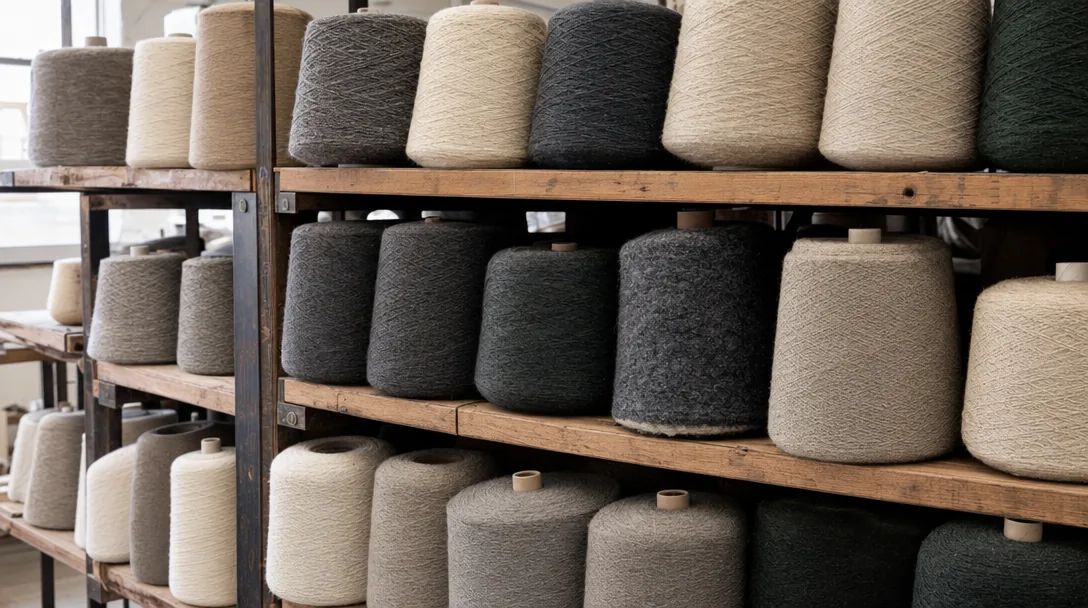
Mens Beanies: Properties, Costs and How to Spec It Right (2026 Update)
Read article →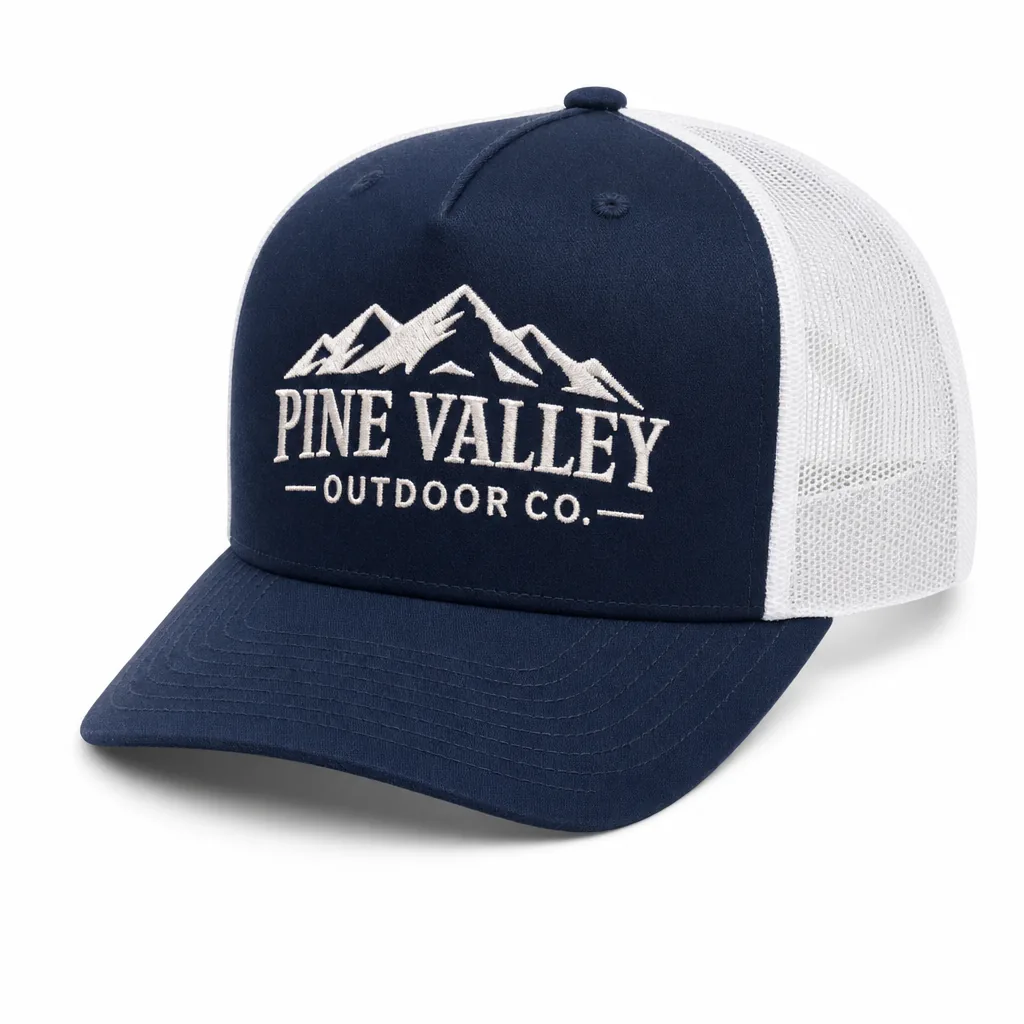
Mesh Caps Wholesale: Trucker Cap Manufacturing Specifications and Pricing - Supplier Checklist
Read article →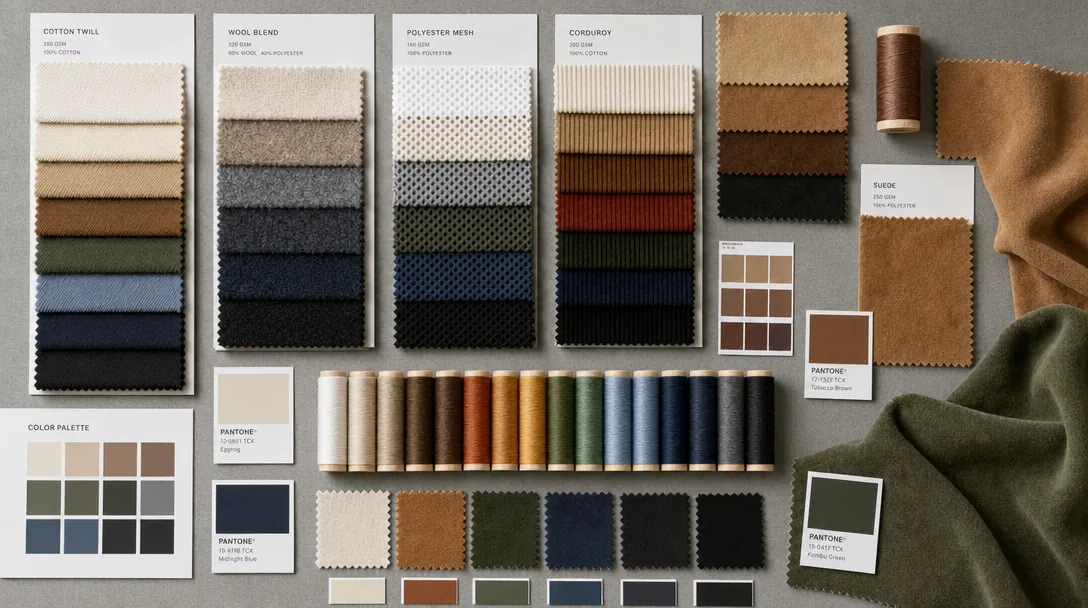
Bucket Hat Corduroy Reorder Planning Guide for Custom Hat Buyers
Read article →If you are ready to take the next step on negotiating with a china hat manufacturer: 12 tactics that actually work - 2026 buyer's guide - 2026 buyer's guide, our team can put a tailored quotation and digital mock-up in your inbox within 24 hours. Send the inquiry form on our contact page or message us directly on WhatsApp.