
Mesh Caps Wholesale: Trucker Cap Manufacturing Specifications and Pricing - Supplier Checklist
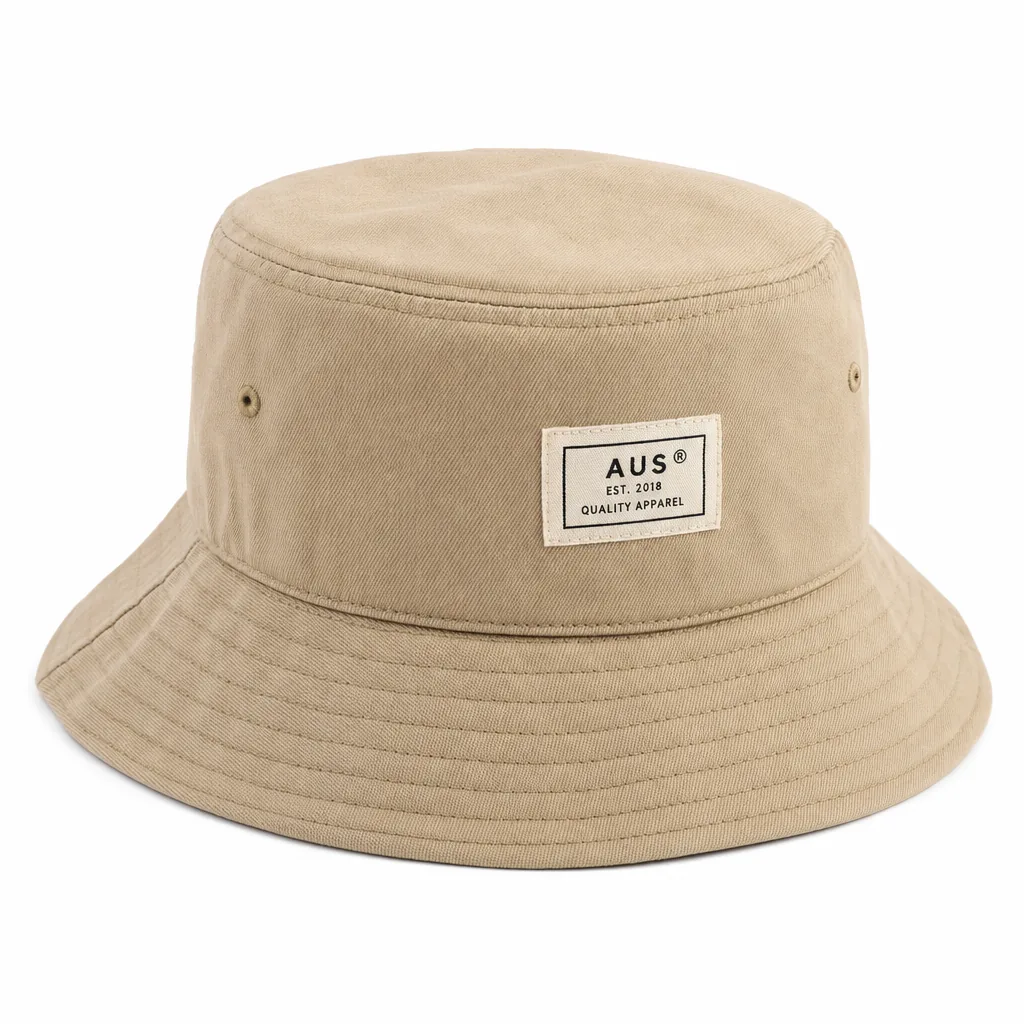
For brand owners, wholesalers and procurement teams entering the custom headwear category, mesh caps wholesale: trucker cap manufacturing specifications and pricing - supplier checklist is one of the highest-leverage decisions you will make. Get it right and your unit economics, retail story and reorder cycle all improve. Get it wrong and you carry the cost for years.
Polyester mesh: the back-panel material that defines the trucker silhouette
The back panel is what makes a trucker cap read structured rather than bargain-bin promo, and the mesh spec is usually where factories quietly cut cost. For mesh caps wholesale, the safe baseline is 100% polyester hex mesh in 75D filament at roughly 115-140 gsm, with weight shifting by aperture size, resin finish, and heat-setting. That construction holds the rear crown shape through stitching, buttoning, packing, and 30-45 days of carton compression in ocean transit without turning boardy. When a quote is unusually cheap, the downgrade is often 50D mesh. On the sewing floor, it shows fast: the panel feels papery, the hex cells distort under presser-foot tension, seam allowance frays more easily, and the snapback area is more prone to tearing during riveting or repeated closure pulls. The material saving is tiny, usually only a few cents, but the failure rate is not. Once the cap is packed at 144 pieces per export carton, weak mesh loses rebound, and the back arch flattens enough that the cap arrives looking tired before it ever hits retail.
If the program needs to sit above promo grade, 100D microfiber polyester mesh is the upgrade buyers actually notice in handfeel and recovery. It is smoother against the head, less scratchy at the sweatband join, and rebounds better after being crushed, which matters when the front is built with 3 mm EVA foam, brushed cotton twill, peach-finish canvas, or suede-look microfiber. In real factory costing, moving from standard 75D mesh to 100D microfiber usually adds about $0.04-$0.12 per cap at 3,000-10,000 pieces, with the spread driven by color availability and whether the mill runs from greige stock or a fresh dye lot. Color is where approvals slow down. Stock mesh shades typically cover black, white, charcoal, navy, royal, red, kelly green, and brown, but a true Pantone TCX match on polyester mesh often requires a 500-1,000 piece dye lot per color, with an acceptable Delta-E of about 1.5-2.0 under D65 light. That tolerance matters because open mesh reflects light differently from cotton twill or foam, so a back panel can pass lab dip review and still look visibly off-shade once sewn to the front crown.
Foam front + mesh back pairings
The front panel spec is the clearest line between promo-grade and retail-grade truckers. In mesh caps wholesale, the common entry build is a 3 mm laminated front using EVA or PU foam with a 100% polyester tricot face, usually 140-180 gsm. That keeps FOB pricing around $2.20-$3.20 at 1,000-3,000 pcs for a standard 5-panel trucker with plastic snapback, pre-curved PE bill, and basic flat embroidery. The tradeoff is structural memory: 3 mm foam creases more easily in carton compression, shows washboarding after heat transfer, and prints through under dense satin fills if the embroidery file is digitized too aggressively. Stepping up to 5 mm foam usually adds $0.30-$0.60 per cap, but it materially improves front-wall height, panel recovery after packing, and the cleaner A-frame profile buyers expect in streetwear or licensed team product. If the cap needs strong shelf shape or a large center-front logo, 5 mm is rarely optional.
Foam and mesh have to be specified as one load-bearing system. A 5 mm front paired with weak mesh can still collapse at the side seam, especially on high-profile crowns with a steep front angle. The safer pairing is medium-hand 100% polyester mesh, typically 110-130 gsm, with stable hex aperture and consistent yarn denier so the back panels rebound after 24 hours in packed cartons. Fresh off the sewing line, almost any cap looks acceptable; packed-state recovery is the real test. Our standard practice is to check crown lean, seam torque, and front-panel springback after master-carton storage, because that is where poor mesh tension or uneven seam balance shows up fast. Decoration performance also changes with foam gauge. A 3 mm front is serviceable for screen print, woven patches, or low-stitch-count flats, but 3D puff embroidery, chenille patches, and high-density fills run cleaner on 5 mm foam when the program is tuned correctly on Tajima or Barudan heads using proper underlay, 75/11 or 80/12 needles, and balanced top-thread tension. Buyers should ask for foam composition, thickness tolerance of plus/minus 0.3 mm, mesh gsm, and decorated sample photos under side lighting, not just blank cap shots. That is how you catch telegraphing, seam collapse, and crown distortion before bulk production.
Mesh denier and breathability tradeoffs
Denier is the first mesh spec to lock down because it drives airflow, snag resistance, and carton performance at the same time. In mesh caps wholesale programs, 50D to 75D polyester mesh is the normal range for trucker backs; 50D gives the highest open-area ratio and the coolest wear, but it is also the easiest to distort once caps are packed at 144 pieces per export carton. On the factory floor, 50D starts showing weakness around the back arch seam and snap opening, especially when paired with a heavier front such as 280-320 gsm cotton twill, brushed canvas, or foam-backed polyester. That is why 50D belongs mostly in short-life promo orders, campaign giveaways, and event merch where a $0.05-$0.12 FOB saving at 3,000-10,000 pieces matters more than long-term durability. If the brief is simply "lightweight summer cap," buyers still need to ask for mesh weight, aperture consistency, and pull strength, not just a vague "soft mesh" description from the supplier.
The premium jump usually starts at 100D microfiber mesh. It has better panel memory after compression, cleaner dye uptake on dark shades, and noticeably higher abrasion resistance when caps are flexed repeatedly at the sweatband join and center-back seam. That matters for retail programs where black, navy, or custom shades need to stay within Delta-E 1.5 to 2.0 against a Pantone TCX reference, and where back-panel deformation after transit triggers claims. The downside is lower ventilation because the heavier filament reduces aperture size, and the cost increase is real: moving from standard 75D mesh to 100D microfiber typically adds $0.08-$0.18 per cap depending on mill source, color, and whether the shade is stock or custom knit. For most outdoor, golf, fishing, and team programs, 75D remains the best commercial balance: stronger seam stability than 50D, better breathability than 100D, fewer cut-edge frays in sewing, and a more realistic path to holding AQL 2.5 on 20,000-piece runs. The right choice is not aesthetic; it should be matched to end use, front-panel gsm, packing density, and expected claim rate before bulk production starts.
Custom mesh colors and dyeing economics
The fastest way to blow up cost on mesh caps wholesale is asking for a custom mesh shade when stocked mill cards would do the job. Standard trucker back mesh in Zhejiang and Guangdong is usually 100% polyester warp-knit, about 120-140 gsm, commonly in 75D or 100D filament, and repeat colors like black, white, navy, red, royal, and kelly green are normally available with no dye setup at all. That keeps pricing at baseline FOB because the mill is cutting from existing greige-and-dyed inventory instead of opening a fresh lab-dip and production run. Once you ask for a Pantone match, the economics change immediately: expect a lab-dip and dye-kettle setup charge around $80-$150 per color, plus a practical mill MOQ closer to 200-300 yards, not the fantasy 50-yard minimum some traders quote. In real cap yield, that usually means custom mesh starts to pencil out around 500 pieces and gets much more efficient at 600-800 pieces, especially if you are also splitting embroidery versions, inner tape colors, or carton packs.
Color control on mesh is less forgiving than on brushed cotton, chino twill, or EVA-laminated foam because the open-hole structure reflects light unevenly and makes the same shade read lighter once stretched over the back crown. A lab dip that looks acceptable under D65 can still miss badly when sewn next to a Pantone TCX front panel or a glossy PE snap, especially on bright orange, teal, optic white, and fluorescent sports shades. The right approval method is two-stage: first approve the raw mesh swatch, then approve a sewn cap sample using the actual front panel, underbill, and closure. In production, a realistic standard is Delta-E 1.5-2.0 to the sealed approval sample; demanding tighter tolerance on open polyester mesh across reorders is usually not credible. The safest commercial strategy is still selective customization: use a custom-dyed mesh only where the brand color matters most, keep the foam front in the nearest stocked shade, and align the snap, sweatband, and underbill where possible. On a basic 5-panel foam trucker with flat embroidery, that usually adds only $0.08-$0.18 per cap if the dyed lot is fully consumed; trying to custom-match foam, mesh, binding, and plastic trim together can push the adder into the $0.30-$0.60 range before freight and wastage.
Recycled polyester mesh (rPET) for sustainability programs
GRS-certified rPET mesh is no longer a niche spec; in serious mesh caps wholesale programs, it is a practical baseline if the chain-of-custody documents are clean. At 3,000 to 10,000 pieces, the normal premium versus virgin polyester mesh is about $0.18 to $0.35 per cap, but small runs under 1,000 pieces often absorb extra cost for trim segregation, certificate handling, and low-yield dye lots. The common spec for trucker backs is 100% recycled polyester mesh at 120-140 gsm using 50D to 75D filament yarn. When extrusion and heat-setting are stable, the performance gap versus virgin mesh is minor: air permeability, panel rebound, and stitch holding should all stay within normal commercial tolerance. The real risk is not softness or hand feel; it is fake or incomplete paperwork. Buyers should ask for a valid GRS scope certificate, transaction certificate availability, and lot-level records linking certified mesh, labels, sweatbands, and finished cartons back to the purchase order.
rPET mesh runs on the same sewing lines as conventional mesh, but it punishes weak process control faster. The points that actually matter are rear seam slippage, needle cutting at panel joins, shrinkage after blocking, and color consistency against Pantone TCX reference under a D65 light box. On white foam-front truckers, a mesh-to-front-panel Delta-E above 1.5 to 2.0 is usually visible at first glance, especially on black, red, or royal shades, so pre-production shade approval is not optional. CrownsForge standard practice is to run pilot sewing on recycled mesh before bulk cutting, checking stitch balance, mesh recovery, and distortion under thread tension on typical 40/2 polyester thread setups. Commercially, the recycled premium is usually easier to defend than decorative add-ons buyers approve without debate: $0.25 extra for certified mesh is often less than a woven patch, visor rope, or an 8,000 to 10,000 stitch logo run on Tajima or Barudan heads. The supplier questions should be blunt: which certified colors are stocked, whether custom shades require a 1,000-piece MOQ or full dye-lot minimum, and whether certified and non-certified inventory is physically segregated through cutting, sewing, packing, and final audit. If that segregation is sloppy, the sustainability claim is just sales language.
MOQ tiers and pricing for mesh cap bulk orders
The biggest pricing variable in mesh caps wholesale is setup dilution, not the cost of the mesh itself. For a basic 5-panel trucker at 100-299 pcs, a realistic FOB Yiwu target is $2.80-$3.90 each using a 100% polyester foam front, polyester mesh back, PE snap closure, and 5,000-8,000 stitches of flat embroidery. That tier functions more like a paid pilot than true bulk production because digitizing, Pantone TCX thread matching, embroidery machine setup on Tajima or Barudan heads, cutting markers, carton marks, and inline QC consume nearly the same overhead at 120 units as at 1,200. Small orders also get hit in finishing: thread trimming, crown steaming, visor shaping, metal detection if a retailer requires it, and final repack can easily add 8-12 seconds per cap, which is enough to move the FOB by several dimes when the run is short. The first meaningful break usually starts at 300-999 pcs, where controlled programs land around $2.35-$3.15 FOB if you keep colorways tight and avoid trim sprawl. Move to 1,000-4,999 pcs and the same spec often settles at $2.05-$2.75 because fabric yield improves, rejection rates stabilize, and labor minutes drop across sewing, trimming, and packing. In practice, four separate 300-piece POs almost always cost more than one 1,200-piece release with shared shell fabric, mesh color, closure, and interior branding. Add-ons that look minor on paper can still push the unit cost hard: 3D puff embroidery, woven flag labels, printed seam tape, sandwich brims, suede-look microfiber visors, or molded patches all increase changeover time and raise defect risk under AQL 2.5 inspection.
At 5,000+ pcs, repeat-order pricing of roughly $1.80-$2.40 FOB becomes realistic, but only when the specification is disciplined and the factory is not reinventing the cap each run. That usually means existing patterns, 300-350 gsm cotton twill or poly-cotton front panels, 75D-100D polyester mesh, standard sweatband, standard hangtag, and flat embroidery within roughly 5 x 5 cm. Once the buyer asks for applique, sublimated undervisors, custom metal buckles, rubber patches, or tighter shade control such as Delta-E below 1.5 against the approved Pantone standard, the quote moves back up because extra approvals, slower sewing, and higher sorting loss all show up in production cost. Our standard practice is to quote those features separately instead of burying them in a blended average. Lead time should be priced with the same discipline as the cap itself. A pre-production sample normally takes 7-10 days, and bulk production is typically 22-30 days after PP approval; peak season, holiday congestion, or custom trim sourcing can add another 5-7 days fast. FOB Yiwu or Shenzhen is still the cleanest basis for comparing factories because inland freight, export docs, and booking fees stay visible. If a buyer wants DDP, a realistic uplift is about $0.35-$0.90 per cap depending on destination country, carton density, and chargeable weight. Any supplier quoting a flat DDP adder without asking for carton size, cap profile, and packing ratio is usually guessing, and that guess often turns into a revised invoice later.
Frequently Asked Questions
What logo decoration techniques do you offer?
3D puff embroidery, flat embroidery, woven patch, leather patch, PVC patch, screen printing, sublimation, applique and laser etching, all in-house with no subcontracting.
Can I order a sample before bulk production?
Yes. We strongly recommend approving a pre-production sample before mass production. Samples are charged at 35 to 60 USD each plus express shipping, fully refundable against confirmed bulk orders over 500 pieces.
What is the minimum order quantity (MOQ) for custom hats?
Our standard MOQ is 100 pieces per design and color, with sampling available from 1 piece. For complex multi-color logos or premium fabric upgrades, the MOQ can be lowered with a small per-piece surcharge.
Which shipping methods do you support?
We support FOB, CIF and DDP shipping. Air express for samples and small orders, sea LCL for 100 to 500 pieces, sea FCL for 5,000+ pieces. Door-to-door DDP available for US, EU, UK, Canada and Australia.
What file format should I send for my logo?
Vector files (AI, EPS, PDF) are ideal. High-resolution PNG or JPG at 300 dpi on transparent background works as a fallback. Provide Pantone color references for accurate reproduction.
How much does cheap custom trucker hats typically cost?
When evaluating cheap custom trucker hats, the key considerations are construction quality, decoration capability, MOQ flexibility and lead time. Stocked colors run at FOB baseline. Custom Pantone-matched mesh requires a dye-lot setup ($80-$150 setup + minimum 200 yards of mesh fabric) — practical at 500+ piece runs. Two-tone trucker caps (one foam color + contrast mesh) are the most popular configuration. Standard hex mesh is 100% polyester at 75-denier (D) yarn thickness. Cheaper variants drop to 50D (lighter, less…
What's the MOQ for custom trucker hat no minimum?
When evaluating custom trucker hat no minimum, the key considerations are construction quality, decoration capability, MOQ flexibility and lead time. Stocked colors run at FOB baseline. Custom Pantone-matched mesh requires a dye-lot setup ($80-$150 setup + minimum 200 yards of mesh fabric) — practical at 500+ piece runs. Two-tone trucker caps (one foam color + contrast mesh) are the most popular configuration. Standard hex mesh is 100% polyester at 75-denier (D) yarn thickness. Cheaper variants drop to 50D (lighter, less…
What's the MOQ for custom rope hats no minimum?
When evaluating custom rope hats no minimum, the key considerations are construction quality, decoration capability, MOQ flexibility and lead time. Stocked colors run at FOB baseline. Custom Pantone-matched mesh requires a dye-lot setup ($80-$150 setup + minimum 200 yards of mesh fabric) — practical at 500+ piece runs. Two-tone trucker caps (one foam color + contrast mesh) are the most popular configuration. Standard hex mesh is 100% polyester at 75-denier (D) yarn thickness. Cheaper variants drop to 50D (lighter, less…
What's the MOQ for custom embroidered trucker hats no minimum?
When evaluating custom embroidered trucker hats no minimum, the key considerations are construction quality, decoration capability, MOQ flexibility and lead time. Stocked colors run at FOB baseline. Custom Pantone-matched mesh requires a dye-lot setup ($80-$150 setup + minimum 200 yards of mesh fabric) — practical at 500+ piece runs. Two-tone trucker caps (one foam color + contrast mesh) are the most popular configuration. Standard hex mesh is 100% polyester at 75-denier (D) yarn thickness. Cheaper variants drop to 50D (lighter, less…
Looking for a reliable hat manufacturer in China?
CrownsForge has produced custom hats for 800+ brands across 40 countries. From 100-piece launches to 100,000-piece retail programs, we deliver on time and on spec.
Get in touchRelated guides
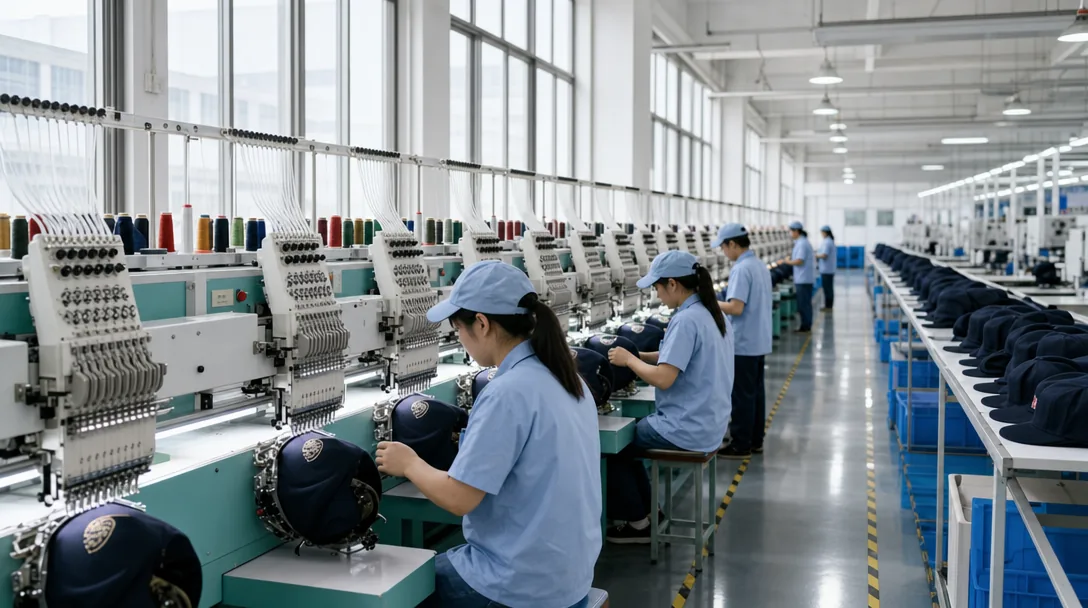
Country Hats For Men Export Shipping Checklist for Custom Hat Buyers
Read article →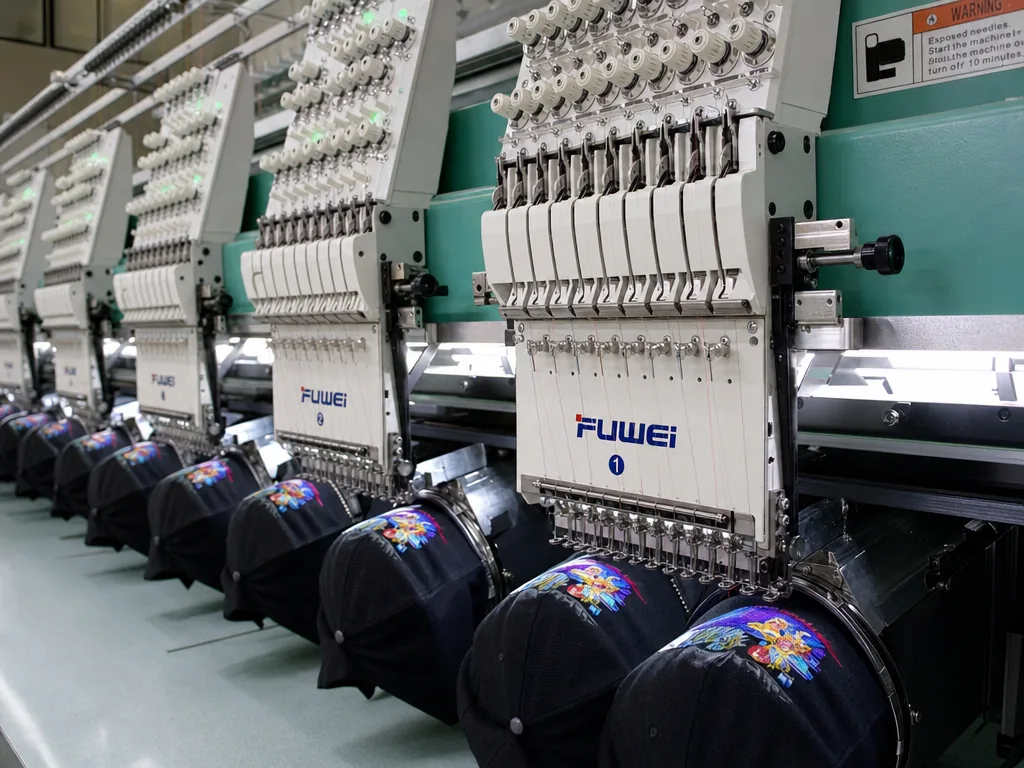
Embroidery Stitch Count & Thread Density: A Cost-and-Quality Reference
Read article →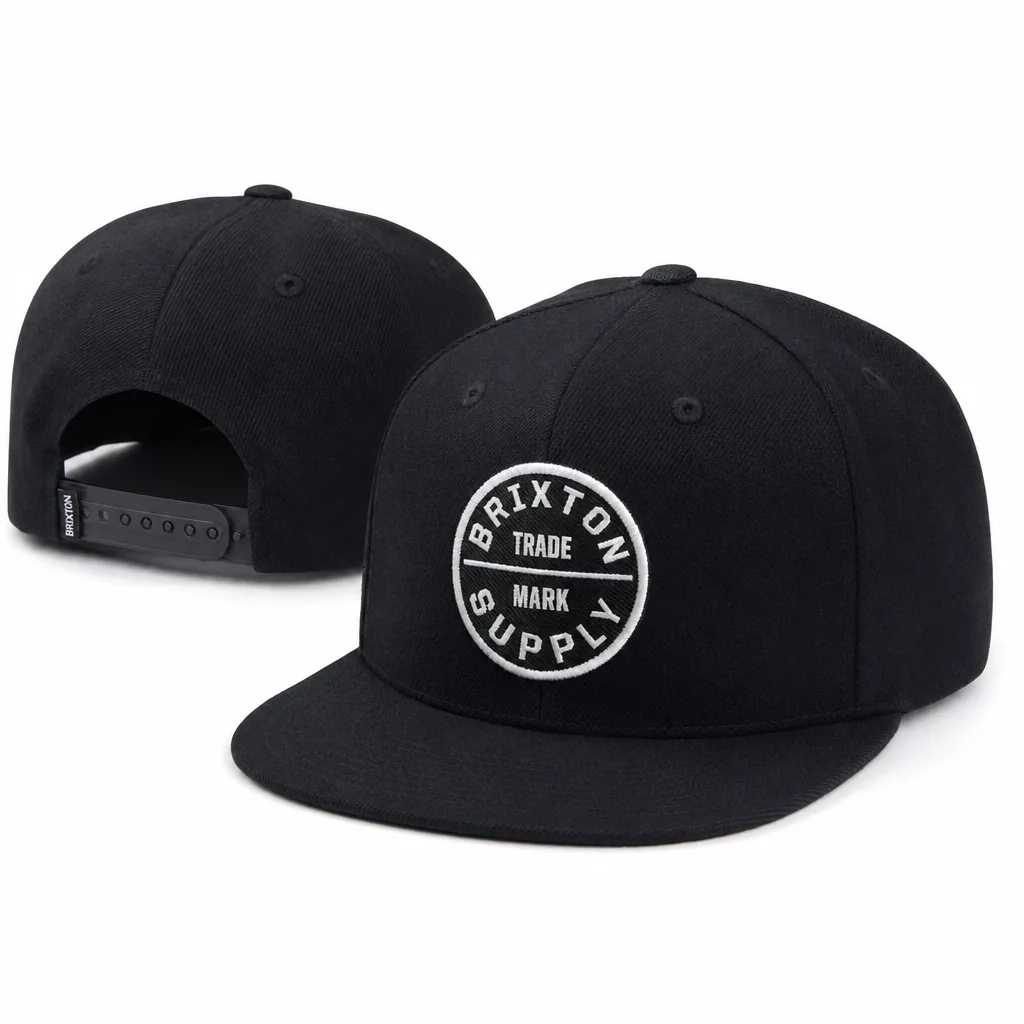
Baseball Hats For Men Retail Packaging Guide for Custom Hat Buyers
Read article →If you are ready to take the next step on mesh caps wholesale: trucker cap manufacturing specifications and pricing - supplier checklist, our team can put a tailored quotation and digital mock-up in your inbox within 24 hours. Send the inquiry form on our contact page or message us directly on WhatsApp.