
Baseball Hats For Men Retail Packaging Guide for Custom Hat Buyers
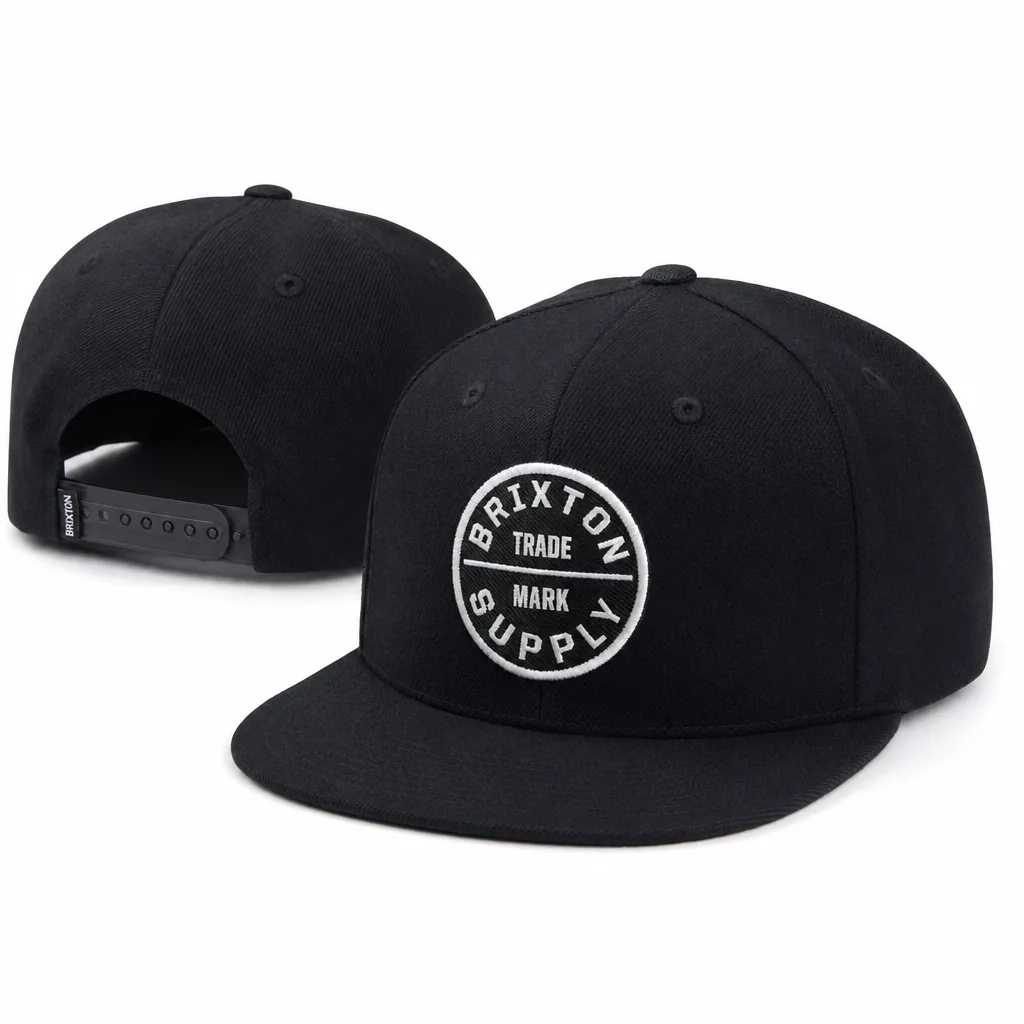
Every week, our sales team answers detailed questions about baseball hats for men retail packaging guide for custom hat buyers. We wrote this guide so that wholesalers, streetwear brands, corporate buyers and promotional resellers can compare options with full information, and avoid the traps that show up only after production has started.
Why baseball hats for men retail packaging guide needs a separate sourcing plan
A baseball hats for men retail packaging guide needs a separate sourcing plan because the buyer is not only purchasing headwear; they are purchasing shelf presentation, barcode control, carton logic, and damage prevention. Generic hat sourcing usually stops at fabric, crown shape, embroidery, and MOQ. Retail packaging adds hangtags, UPC/EAN labels, polybag warnings, size stickers, master carton marks, inner carton counts, and sometimes PDQ trays or peg-hook cards. For baseball hats for men sold through sporting goods chains, Amazon FBA, or Canadian distributors, the packaging spec can affect approval more than the cap itself. A low-profile 6-panel cotton twill cap may cost USD 2.40–3.20 FOB Ningbo at 1,000 pcs, but retail-ready packaging can add USD 0.18–0.65 per unit depending on kraft hangtag, printed polybag, silica gel, tissue insert, and barcode label tolerance. If the buyer ignores this until final inspection, repacking can burn 5–9 days and USD 0.08–0.15 per cap in labor.
The sourcing plan changes when the product mix includes custom baseball team hats, fitted hats with patches, or structured caps with curved visors because packaging must protect shape and sizing accuracy. A 58 cm fitted cap cannot be packed like an adjustable snapback; size runs need carton separation, clear carton labels, and AQL checks by size ratio, not only by total quantity. For embroidered or woven patches, especially merrow-edge or heat-transfer patches, we normally add tissue between caps or use crown supports to prevent patch abrasion during ocean freight. A 24-piece inner carton is common for structured caps, while soft unstructured baseball hats for men may pack 50–100 pcs per master carton if the buyer accepts light compression. That decision affects volumetric weight: one 58 x 45 x 38 cm carton may hold 72 structured caps, but 120 soft caps, changing DDP air cost by USD 0.20–0.45 per unit.
Compliance is the main reason retail packaging should be sourced before bulk production, not after it. Baseball hats Canada orders often need bilingual English/French fiber content, country of origin, importer details, and provincial retail labeling expectations; U.S. orders may need Prop 65 review if metal buckles, PVC patches, or certain inks are used. For festival bucket hats, packaging may prioritize hang-display and quick scanning, while team caps may require licensee-approved hologram stickers, Pantone TCX-matched hangtags, and Delta-E controls on printed brand colors. Our standard practice at CrownsForge is to lock the packaging BOM during pre-production sample approval, then inspect packaging under AQL 2.5 alongside stitching, embroidery density, visor symmetry, and carton drop condition. Buyers should budget 7–14 extra days for printed packaging proofing, barcode verification, and carton mockups, especially if the order must pass sedex-audit-cap-supplier-guide.html">BSCI 2.0 or Sedex SMETA 4-Pillar documentation review before shipment release.
Factory capability checks before quoting
Capability checks should happen before price discussion, because the cheapest quote is useless if the factory cannot build the hat you sketched. For embroidery, ask what machines are on the floor: Tajima, Barudan, and ZSK heads all run clean work, but the operator’s digitizing discipline matters more than the logo on the machine. A factory quoting baseball hats for men should confirm max stitch count, 3D puff limits, thread brand, backing type, and whether they can hold small lettering under 4 mm without filling in. For patches, separate woven, embroidered, chenille, PVC, leather, sublimated, and heat-transfer options; fitted hats with patches need a curve test after application, because stiff patches can distort the front panel. I also ask for photos of recent production on dark twill, melton wool, brushed cotton, and 100% polyester performance fabric, not only staged showroom samples.
Panel construction is where many quotes become misleading. A proper baseball hats for men retail packaging guide should start by verifying whether the supplier can produce 5-panel, 6-panel, low-profile, mid-profile, high-crown, unstructured, and buckram-supported builds without outsourcing half the order. Custom baseball team hats often need 6-panel structured crowns, 180–220 gsm cotton twill or 260 gsm poly-spandex, color-matched sweatbands, and either fitted sizing, snapback, Velcro, or metal buckle closures. Ask how they control sizing on fitted caps: a 7 1/4 sample drifting by 0.5 cm is already a complaint waiting to happen. For baseball hats canada programs, confirm they understand bilingual care labels, carton marks, and cold-weather fabric requests like wool blend, acrylic knit panels, or heavier brushed twill. If the same factory also pushes festival bucket hats, check whether that line uses separate cutting dies and sewing teams; bucket-hat experience does not automatically translate to clean cap crown shaping.
The sample room tells you how the bulk order will behave. I want to see whether they can make a salesman sample in 7–10 days, revise embroidery density, adjust crown height, swap closure hardware, and match Pantone TCX fabric within Delta-E 1.5–2.0 before bulk approval. Our standard practice at CrownsForge is to review the tech pack, digitized embroidery file, fabric swatch, trim card, inner label, barcode sticker, polybag warning print, and export carton layout before issuing a serious FOB or DDP quote. Audit readiness is not decoration: request current BSCI 2.0, Sedex SMETA 4-Pillar, or brand audit records, plus needle-control, metal-detection, and AQL 2.5 inspection procedures. Communication is the final filter in this baseball hats for men retail packaging guide. If the merchandiser cannot answer MOQ, shrinkage, panel tolerance, packing ratio, HS code, or lead time without waiting two days for a manager, expect delays when production pressure hits.
MOQ, pricing and sample approval
MOQ is where retail packaging decisions start, not where they end. For baseball hats for men, a realistic factory MOQ is usually 144 pcs per colorway for blank/private-label caps, 300 pcs for custom fabric dye lots, and 500–1,000 pcs when you need molded rubber patches, woven labels, custom buckles, or printed retail cartons. Below 144 pcs, the cap cost may look acceptable, but setup charges destroy unit economics: digitizing is typically US$25–60 per embroidery file, flat embroidery setup on Tajima or Barudan heads runs US$40–90 per logo, woven patch mold/setup is US$80–180, and PVC or silicone patch tooling can reach US$120–250. Custom baseball team hats with 3D puff front embroidery need cleaner art and fewer tiny gaps; if the logo has outlines under 1.2 mm, expect either thread breaks or a redesign. Fitted hats with patches also need size-curve planning because patch placement shifts visually across 6 7/8 to 7 5/8 sizes.
A proper PPS approval should include the cap, decoration, trims, and packaging together, because buyers often approve the embroidery but miss the hangtag barcode, polybag warning print, or carton mark. Our standard practice at CrownsForge is to treat the PPS as the production control sample: Pantone TCX or TPX reference for fabric, Pantone C for printed labels, Delta-E target under 1.5 for lab-dip approval on cotton twill, and stitch-density confirmation at 0.36–0.42 mm spacing for most flat embroidery. Dense logos above 12,000 stitches on a 5-panel cap can pull the crown inward, especially on 260–300 gsm cotton twill or recycled polyester. Trims must be locked before bulk cutting: sweatband width, taping color, closure type, visor sticker, woven neck label, care label, hangtag, size strip, and retail polybag. This is the part of a baseball hats for men retail packaging guide that saves chargebacks from retailers.
Pricing should be quoted in bands because decoration and packaging do not scale evenly. A standard 6-panel cotton cap with flat embroidery might be US$3.20–4.80 FOB Ningbo at 300 pcs, while 3D puff embroidery plus woven patch and custom inner taping can push it to US$5.20–7.50. Retail-ready packaging adds real cost: UPC hangtag US$0.06–0.12, printed polybag US$0.04–0.09, visor sticker US$0.03–0.06, silica gel US$0.01–0.02, and individual kraft box US$0.35–0.80 depending on board weight and print coverage. Baseball hats canada orders may need bilingual hangtags, GS1 barcode placement, and DDP freight planning because carton volume is high even when weight is low. Normal lead time is 7–10 days for PPS after artwork approval, 20–35 days for bulk production, and 5–10 extra days for custom trims or dyed fabric. Festival bucket hats follow similar packaging rules but usually need flatter carton packing to avoid brim distortion.
Quality inspection and shipping risk
Inspection has to happen before packing, not after the hats are already buried in export cartons. For baseball hats for men, I normally use AQL 2.5 for major defects and AQL 4.0 for minor defects, with critical defects at zero tolerance. A practical checklist includes crown height tolerance of ±3 mm, brim length ±2 mm, head circumference ±0.5 cm on fitted sizes, and logo placement drift under 2 mm from the approved pre-production sample. For custom baseball team hats, the most common failures are uneven front panel tension, puckering around 3D puff embroidery, loose backstrap stitching, and shade mismatch between the visor, crown, and button. Color should be checked against Pantone TCX or TPX references under a D65 light box, with Delta-E ideally under 1.5 for solid team colors and under 2.0 for heather or mélange fabrics. Colorfastness testing matters too: dark navy, black, and scarlet cotton twill should pass at least Grade 4 dry rub and Grade 3-4 wet rub, otherwise sweat and rain complaints are almost guaranteed.
Embroidery and patch work need their own inspection layer because retail buyers notice logo defects before they notice fabric weight. On Tajima, Barudan, or ZSK heads, high-density satin stitches above 0.45 mm spacing can look clean in the digitizing file but still cut thread or distort on 280 gsm brushed cotton twill. I reject embroidery with bird-nesting, skipped stitches, loose trims longer than 3 mm, visible backing on the front face, or 3D puff that collapses at the corners. Fitted hats with patches need edge adhesion checked by pull test and heat-press temperature records; a leatherette or woven patch that lifts after 10 seconds of manual flexing will not survive retail handling. Carton markings should match the packing list exactly: PO number, style code, color, size ratio, carton sequence, gross weight, net weight, and country of origin. For baseball hats canada shipments, bilingual retail labels and correct fiber content declarations are worth confirming before goods leave China, because relabeling in Canada can cost more than the original packaging.
Shipping terms decide who owns the risk when packaging fails, so buyers should not treat FOB and DDP as accounting details. Under FOB Ningbo or Shanghai, the buyer controls freight and insurance after vessel loading, but the factory must still use export cartons strong enough for stacking: usually 5-ply K=A corrugated, 58 x 45 x 38 cm, with 24 to 48 caps per carton depending on crown structure. DDP is easier for small retail drops, but it hides freight, duty, customs entry, and last-mile handling inside one price; if cartons crush or Amazon-style barcodes are missing, claims become harder to separate. A proper baseball hats for men retail packaging guide should also require reorder documentation: approved sample photos, embroidery DST file, Pantone references, fabric lot record, carton layout, UPC or SKU label position, and final inspection report. Our standard practice at CrownsForge is to archive those items by PO, because six-month reorders of baseball hats for men, festival bucket hats, or team caps fail when the “same as last time” instruction is not backed by measurable records.
Buyer checklist for the next RFQ
A firm RFQ starts with a construction spec, not just a logo JPEG and a target price. For a useful baseball hats for men retail packaging guide quote, send cap style first: 5-panel, 6-panel, dad cap, trucker, flat brim snapback, fitted, stretch-fit, or bucket. Add crown height in centimeters, visor type, sandwich or no sandwich, closure, eyelets, sweatband material, inside taping, and size range. For fabric, specify cotton twill gsm, nylon taslan denier, polyester mesh weight, wool-acrylic blend, or recycled polyester if required. Give Pantone TCX or TPX references for fabric and thread; “navy” can shift by Delta-E 4.0 between mills. If you are quoting baseball hats for men for retail shelves, include expected packaging format: individual polybag, hangtag, barcode sticker, size sticker, inner carton count, master carton count, and whether the brim needs a support insert. Without those details, factories will quote different assumptions and the cheapest number usually hides missing packaging or weak carton protection.
For artwork, send vector files in AI, EPS, or PDF with fonts outlined, plus a flat mockup and close-up placement dimensions. Embroidery needs stitch type expectations: flat, 3D puff, appliqué, woven patch, leather patch, rubber patch, or heat transfer. If you are developing fitted hats with patches, provide patch size, edge finish, backing, and placement tolerance; a 60 mm woven patch on a curved crown behaves differently from a 45 mm leather patch on a flat front panel. For custom baseball team hats, include league color rules, player number personalization, size breakdown, and whether the underbrim must match team spec. Photos help more than buyers think: send front, side, back, inside, sweatband, closure, label, and carton photos from an approved sample or competitor reference. Our standard practice at CrownsForge is to digitize embroidery only after confirming final panel fabric, because Tajima, Barudan, and ZSK heads all show thread pull differently on brushed cotton versus polyester twill.
Commercial details belong in the first RFQ email, because they change the quote as much as fabric does. State order quantity by color and size, target FOB Ningbo/Shanghai or DDP destination, delivery country, required ship window, and compliance needs such as BSCI 2.0, Sedex SMETA 4-Pillar, CPSIA, Prop 65, or REACH. For baseball hats canada programs, clarify bilingual labeling, importer address format, GST/HST paperwork expectations, and carton marks before production. If you also buy festival bucket hats, quote them separately; different brim stitching, fabric yield, and packing volume make combined pricing misleading. Ask the supplier to break out sample cost, mold or patch tooling, embroidery digitizing, packaging, carton, freight estimate, and AQL inspection level. For caps, AQL 2.5 major / 4.0 minor is common, but retail packaging defects such as wrong barcode, crushed crown, or mixed size sticker should be treated as major. A clean baseball hats for men retail packaging guide RFQ should let the factory price once, sample once, and avoid a two-week loop of assumptions.
Working with CrownsForge
The fastest way to keep a retail program under control is to lock the hat specification and packaging specification at the same time, not after production. For a baseball hats for men retail packaging guide program, our standard practice at CrownsForge is to build a pre-production sample set that includes the cap, hangtag, barcode sticker, inner support, polybag, carton mark, and any retailer-required warning label. For structured 6-panel baseball hats for men, we normally confirm crown height within ±3 mm, brim length within ±2 mm, and embroidery placement within ±1.5 mm before bulk cutting. Fabric cards are matched against Pantone TCX or TPX references, and darker cotton twill often needs a Delta-E target below 1.5 if the buyer is mixing repeat orders across seasons.
Decoration is approved on actual cap panels, not only on flat swatches, because curved seams change thread density and patch tension. Tajima, Barudan, and ZSK heads handle most front embroidery, with 3D puff usually capped around 8,000–12,000 stitches to avoid foam cracking on high-volume runs. For fitted hats with patches, we test merrowed edge thickness, heat-press dwell time, and adhesive bleed after 24 hours because poor patch lamination looks fine at packing but lifts during store handling. Custom baseball team hats may also need player-number inner labels, league color rules, or hologram placement, while festival bucket hats use softer packing inserts so the crown does not arrive crushed.
QC and export coordination should be built around the buyer’s selling channel: club shop, Amazon FBA, Canadian distributor, or promotional reseller all need different carton logic. We inspect finished caps under AQL 2.5 for major defects and AQL 4.0 for minor issues, checking loose threads, brim symmetry, sweatband staining, barcode readability, and carton drop-test condition. For baseball hats canada shipments, we usually prepare bilingual care labels, HS code review, and carton dimensions that avoid chargeable-weight surprises; a 58 x 42 x 38 cm export carton often holds 100 structured caps with inner supports. FOB Ningbo or Shanghai works for importers with forwarders, while DDP landed costing must include duties, brokerage, and retailer compliance chargebacks before the PO price is considered real.
Frequently Asked Questions
What logo decoration techniques do you offer?
3D puff embroidery, flat embroidery, woven patch, leather patch, PVC patch, screen printing, sublimation, applique and laser etching, all in-house with no subcontracting.
What file format should I send for my logo?
Vector files (AI, EPS, PDF) are ideal. High-resolution PNG or JPG at 300 dpi on transparent background works as a fallback. Provide Pantone color references for accurate reproduction.
How long does production take?
Sampling takes 7 to 12 days. Bulk production runs 20 to 30 days depending on quantity, fabric availability and decoration complexity. Inspection and packing adds another 3 to 5 days before shipment.
Do you support sustainability certifications?
Yes. We work with GOTS organic cotton, GRS-certified recycled polyester, OEKO-TEX Standard 100 fabrics, and are BSCI and Sedex audited. Certification documentation can be provided per order.
What is the minimum order quantity (MOQ) for custom hats?
Our standard MOQ is 100 pieces per design and color, with sampling available from 1 piece. For complex multi-color logos or premium fabric upgrades, the MOQ can be lowered with a small per-piece surcharge.
How does ordering custom fitted hats for men work?
When evaluating custom fitted hats for men, the key considerations are construction quality, decoration capability, MOQ flexibility and lead time. Explain the buyer intent behind baseball hats for men retail packaging guide, when it differs from generic hat sourcing, and what decisions affect cost, lead time and compliance. Describe how CrownsForge manages baseball hats for men retail packaging guide programs with sampling, decoration, QC and export coordination.
What should buyers know about nike bucket hats for men?
When evaluating nike bucket hats for men, the key considerations are construction quality, decoration capability, MOQ flexibility and lead time. Explain the buyer intent behind baseball hats for men retail packaging guide, when it differs from generic hat sourcing, and what decisions affect cost, lead time and compliance. Describe how CrownsForge manages baseball hats for men retail packaging guide programs with sampling, decoration, QC and export coordination.
How does ordering custom embroidered baseball hats work?
When evaluating custom embroidered baseball hats, the key considerations are construction quality, decoration capability, MOQ flexibility and lead time. Explain the buyer intent behind baseball hats for men retail packaging guide, when it differs from generic hat sourcing, and what decisions affect cost, lead time and compliance. Describe how CrownsForge manages baseball hats for men retail packaging guide programs with sampling, decoration, QC and export coordination.
How does ordering custom leather patches for hats work?
When evaluating custom leather patches for hats, the key considerations are construction quality, decoration capability, MOQ flexibility and lead time. Explain the buyer intent behind baseball hats for men retail packaging guide, when it differs from generic hat sourcing, and what decisions affect cost, lead time and compliance. Describe how CrownsForge manages baseball hats for men retail packaging guide programs with sampling, decoration, QC and export coordination.
Ready to start your custom hat project?
Send us your tech-pack, sketch or even just an inspiration photo. We will respond with a detailed quotation and digital mock-up within 24 hours.
Request a free quoteRelated guides
Golf Hats For Men Reorder Planning Guide for Custom Hat Buyers
Read article →
Patch Hats Decoration QC Checklist for Custom Hat Buyers
Read article →Hat With Patch Sample Approval Process for Custom Hat Buyers
Read article →Sourcing custom hats does not have to be complicated. With the right manufacturing partner, clear specifications and a small upfront investment in sampling, you can launch a retail-quality product in 30 to 45 days.