
Hat With Patch Sample Approval Process for Custom Hat Buyers
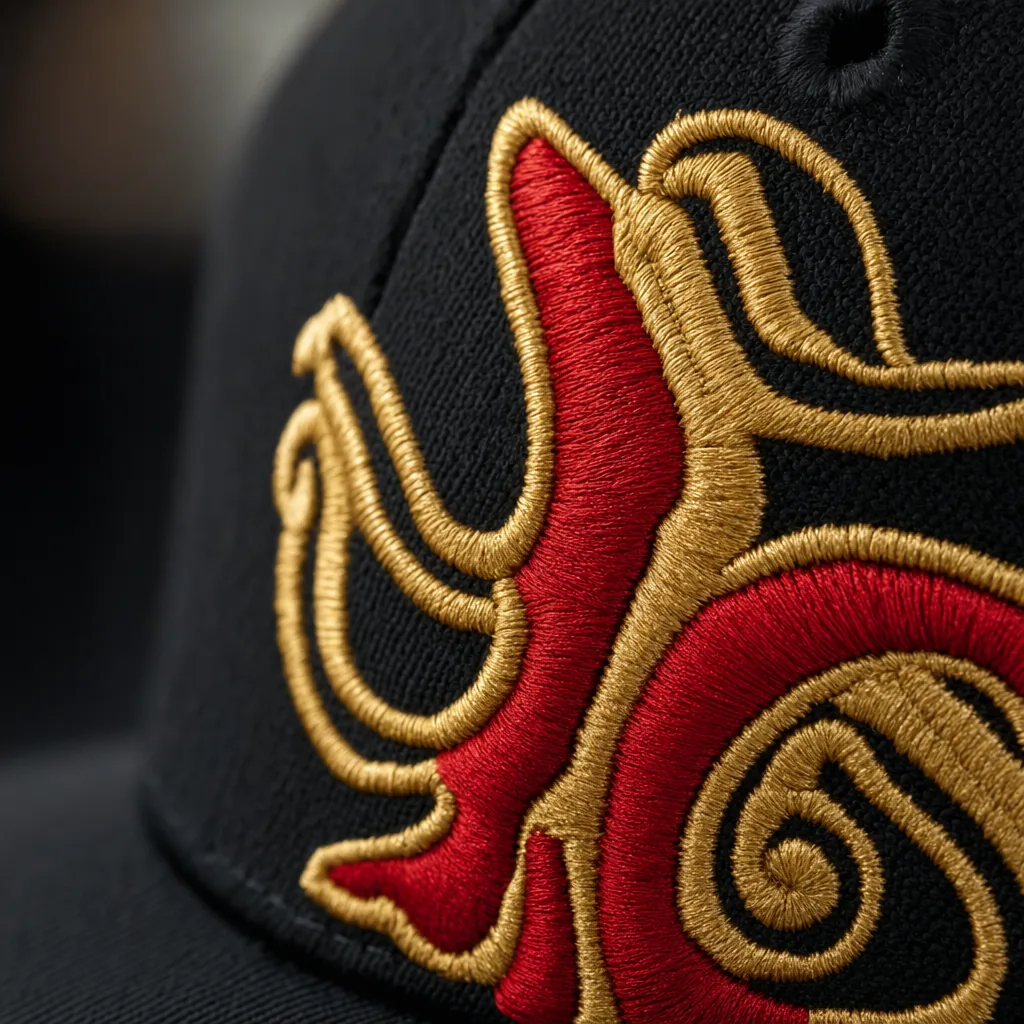
For brand owners, wholesalers and procurement teams entering the custom headwear category, hat with patch sample approval process for custom hat buyers is one of the highest-leverage decisions you will make. Get it right and your unit economics, retail story and reorder cycle all improve. Get it wrong and you carry the cost for years.
Why hat with patch sample approval process needs a separate sourcing plan
The hat with patch sample approval process needs its own sourcing plan because the patch is not just decoration; it changes the entire production path. A plain embroidered cap can be sampled after fabric, shape, thread color, and logo digitizing are locked. A custom hat with patch adds another supplier layer: woven label mill, rubber PVC mold shop, leather debossing vendor, chenille line, or sublimated twill printer. Each has separate MOQ, tooling, color tolerance, shrinkage, edge finishing, and attachment risk. A buyer asking for “a patch cap sample” is usually trying to validate brand feel before committing 300–5,000 pieces, but the factory has to validate whether the patch material, cap crown, backing, and stitching method can survive bulk production. A 2.5 mm PVC patch on a soft unstructured dad cap behaves very differently from a merrowed woven patch on a 5-panel camper or a faux leather patch heat-pressed onto 12 oz cotton canvas.
Generic hat sourcing starts with silhouette and fabric; custom patch hat sourcing starts with the patch specification because it controls cost and lead time. A woven custom patch for hat may cost USD 0.18–0.45 per piece at 1,000 pcs with 7–10 days sampling, while a PVC patch with a new mold can add USD 45–120 tooling and 10–14 days before cap assembly even begins. Genuine leather raises compliance questions around material origin, chromium VI testing, and destination-market labeling, especially for EU and California buyers. Pantone TCX matching is also less direct than thread embroidery: rubber pigments, printed twill, and dyed leather often need Delta-E under 2.0 for premium brands, but promotional buyers may accept Delta-E 3.5 if price is the priority. Our standard practice at CrownsForge is to approve patch artwork, material, backing, stitch border, and placement before cutting bulk cap panels, because moving a patch 5 mm after sewing can mean remaking the full sample.
The sourcing plan should separate decisions that are cheap to change from decisions that are expensive to reverse. Artwork scale, border thickness, thread color, and cap placement can usually be adjusted during sample review; mold size, PVC layering, leather thickness, and woven density are locked once tooling or loom programming starts. For custom patch hats going to retail or licensed sports channels, buyers should also build in AQL 2.5 inspection criteria for patch alignment, loose edges, glue bleed, color variation, and needle damage around the patch perimeter. Compliance timing matters too: sedex-audit-cap-supplier-guide.html">BSCI 2.0 or Sedex SMETA 4-Pillar factory documentation may satisfy social audit needs, but material testing for azo dyes, lead, phthalates, nickel, or REACH SVHC must be requested before bulk ordering. A practical hat patch custom timeline is 3–5 days artwork confirmation, 7–15 days patch sampling, 5–7 days cap sample assembly, and 2–3 days courier transit, so approval often takes three weeks before production starts.
Factory capability checks before quoting
A factory should prove the decoration route before it quotes the hat, not after the buyer has paid for samples. For a custom hat with patch, I first check whether the artwork belongs on woven patch, embroidered patch, chenille, PVC, leather deboss, sublimated twill, or 3D silicone, because each option has different edge limits, color tolerance, and stitch behavior. Small lettering under 3 mm usually fails on chenille but can pass on woven labels at 75D/150D yarn. Merrow borders need at least 2.5 mm clean edge allowance; heat-cut woven patches can run closer, around 1.2 mm. If the patch is embroidered, the factory should confirm it owns suitable Tajima, Barudan, or ZSK heads and can show stitch density, backing type, and pull-compensation settings before sampling. In the hat with patch sample approval process, this early capability check prevents the common mistake of approving a beautiful flat patch that wrinkles once sewn onto a curved crown.
Fabric and construction checks matter as much as the patch. A 280 gsm cotton twill front panel behaves very differently from 210 gsm washed canvas, 160 gsm polyester foam mesh, or 12 oz wool blend when a custom patch for hat is stitched through the crown. Structured 5-panel caps need buckram stiffness matched to patch weight; otherwise the crown caves beside the patch after steaming. On 6-panel baseball caps, the center seam can distort a rectangular patch unless the pattern allows enough flat landing area, usually 55–70 mm wide depending on crown height. Closure choice also affects sample approval: brass buckle, plastic snap, nylon strap with Velcro, Flexfit-style spandex sweatband, and metal tuck strap all change sizing tolerances and FOB cost. A basic woven patch cap might quote at US$2.40–3.20 FOB Ningbo at 500 pcs, while leather patch plus enzyme-washed cotton can move closer to US$4.20–5.80 before freight.
The sample room must be able to build the same way production will build, or the approval is not trustworthy. I want to see whether sample makers use the same die molds, crown blocks, sewing guides, patch placement templates, and thread lots that bulk production will use. Our standard practice at CrownsForge is to photograph patch placement with millimeter rulers, confirm Pantone TCX or TPX targets, and keep fabric color within Delta-E 1.5–2.0 when lab-dip material is available. Communication checks are also practical: the merchandiser should answer whether the custom patch hat needs AQL 2.5 inspection, metal needle detection, carton drop test, barcode labeling, and polybag suffocation warnings before the proforma invoice is issued. Audit readiness is not paperwork decoration; buyers selling to retailers often need BSCI 2.0, Sedex SMETA 4-Pillar, GRS for recycled polyester, or OEKO-TEX yarn declarations before a custom patch hats program can move past sample approval.
MOQ, pricing and sample approval
MOQ is usually driven less by sewing capacity and more by patch production method, fabric buying, and trim minimums. For a custom hat with patch, I normally separate pricing into 300, 500, 1,000, and 3,000-piece bands because the unit cost drops in visible steps: a 300-piece run may sit around US$4.20–6.80 FOB Yiwu for a structured cotton twill cap with woven or embroidered patch, while 1,000 pieces can fall to US$3.10–4.90 depending on crown fabric, closure, and patch size. Chenille, PVC, leather, and high-density embroidered patches each carry different setup charges; expect US$35–80 for woven patch artwork setup, US$50–120 for embroidery digitizing, and US$80–180 for molded PVC tooling. If the buyer asks for a hat patch custom shape with laser-cut edges or merrow border, the die and border choice should be confirmed before sample making, not after PPS approval.
The PPS is where the hat with patch sample approval process either protects the order or creates expensive rework. We approve the cap body, patch, thread, underbill, sweatband, closure, label, and packaging as one complete sample, not as separate photos. Pantone matching should use Pantone TCX for fabric and Pantone C/U for printed trims; for fabric lots, Delta-E under 1.5 is tight but realistic on polyester, while cotton twill may vary closer to 2.0–2.5 after dyeing and washing. For an embroidered custom patch for hat, stitch density should be checked against puckering: 0.36–0.42 mm stitch spacing works for most twill-backed patches, but dense satin columns over 7 mm wide often need split stitches. On Tajima, Barudan, or ZSK heads, a patch that looks clean in a digitizing preview can still cup if the backing, pull compensation, and border sequence are wrong.
Lead time should be quoted from approved PPS and deposit, not from the first inquiry date. A realistic schedule is 5–7 days for artwork and patch sampling, 7–12 days for full PPS if fabric is available, and 25–35 days for bulk production after approval; add 7–10 days for dyed-to-match fabric, custom metal buckles, or private-label woven tape. Our standard practice at CrownsForge is to seal one signed PPS in the QC room and inspect bulk against it under AQL 2.5 major / 4.0 minor, including patch placement tolerance of ±2 mm, logo angle, thread color, crown height, and packing. Packaging affects both cost and timeline: a polybag with carton marks adds little, but barcode stickers, retail hangtags, recycled kraft boxes, or sports-license holograms can add US$0.08–0.45 per custom patch hat and require earlier approval to avoid delaying shipment.
Quality inspection and shipping risk
The biggest shipping risk is approving a clean-looking sample without locking the inspection standard behind it. For a custom hat with patch, I set AQL 2.5 for major defects and AQL 4.0 for minor defects on bulk inspection, with critical defects at zero tolerance. Major defects include patch placement off by more than 3 mm, crooked front panel seam, loose sweatband stitching, cracked leather patch debossing, heat-transfer adhesive bleed, or a woven patch with frayed merrow edge. Measurement tolerance should be written by point: crown height ±5 mm, visor length ±3 mm, circumference ±5 mm, patch position ±2 mm from approved sample. If the buyer only says “same as sample,” the QC team has no hard line when 5,000 pieces arrive with slightly different patch height.
Color and surface testing matter more than many buyers expect in the hat with patch sample approval process. Fabric should be checked against Pantone TCX or TPX under D65 light, with Delta-E ideally under 1.5 for repeat programs and under 2.0 for promotional runs. For cotton twill or brushed chino, we usually require dry rub colorfastness grade 4 and wet rub grade 3–4; dark navy, black, and red are the colors that cause most sweatband staining. Embroidery defects around a custom patch for hat are easy to miss: thread tails under the patch, needle cuts on PU leather, distorted satin borders, and skipped stitches on 3D puff outlines. Tajima, Barudan, and ZSK heads can all produce clean work, but digitizing density, backing choice, and hoop pressure decide whether the patch sits flat after steaming.
Carton control is part of quality, not just logistics paperwork. Each export carton should show PO number, style code, color, size if applicable, quantity, gross/net weight, carton dimensions, and country of origin; missing carton markings slow down Amazon FBA, team distribution, and customs exams. For FOB Ningbo or Shanghai, the buyer controls freight cost but also owns delay risk after vessel loading. DDP is cleaner for smaller custom patch hats, but the factory or forwarder must quote HS code assumptions, duty, VAT, remote-area fees, and truck delivery windows in writing. For reorders, CrownsForge keeps the approved sample photos, patch artwork, digitizing file, Pantone references, bill of materials, carton layout, and inspection report together, because a reorder without documentation is really a new order with old expectations.
Buyer checklist for the next RFQ
A firm RFQ starts with the patch, not the cap body. For any hat with patch sample approval process, send the patch artwork as vector AI, EPS, or PDF, plus a placed mockup showing exact position on the front panel, side panel, or back strap. If the patch is woven, provide Pantone TCX or Solid Coated references and note whether tiny text under 2 mm must remain readable; woven patches usually hold cleaner detail than embroidery below 1.5 mm stitch width. For rubber PVC, specify 2D or 3D layers, matte or gloss finish, and maximum thickness, normally 1.8–2.5 mm. For leather or faux leather, confirm deboss, emboss, laser engraving, or printed color fill, because each needs a different mold or die setup. Good photos of an approved retail sample are better than a loose mood board.
The cap specification should include structure, profile, closure, fabric, and decoration tolerance. Write it like a tech pack: 5-panel camper, 6-panel structured trucker, low-profile dad cap, flat brim snapback, or unstructured baseball cap. List fabric by type and weight, such as 100% cotton twill 260 gsm, polyester ripstop 150D, nylon taslan 120 gsm, or recycled polyester mesh. Add closure details: plastic snap, brass buckle, Velcro, elastic flexfit band, or nylon webbing with clip. For a custom hat with patch, buyers should also state patch size in millimeters, edge type, attachment method, and allowed placement tolerance; our standard practice at CrownsForge is ±2 mm for patch position after blocking and sewing. If you require Delta-E under 1.5 against a brand standard, say so before sampling, not after the first strike-off.
Before asking for a firm quote, include order quantity by colorway, size run, packaging, label requirements, audit needs, and Incoterms. MOQ and pricing change fast when you move from 300 pieces in one color to 1,200 pieces split across four fabrics and three patch types. Tell the factory whether you need woven main labels, printed sweatband tape, UPC stickers, polybags with suffocation warning, carton marks, or Amazon FBA carton limits. If the program requires BSCI 2.0, Sedex SMETA 4-Pillar, Disney FAMA, or team-license documentation, include it in the RFQ because not every sewing line can be assigned to audited production. For logistics, state FOB Ningbo/Shanghai, DDP to a warehouse, or air courier to multiple addresses. A complete custom patch hat RFQ usually gets a same-day cost range; an incomplete one gets assumptions, and assumptions are where sample delays and surprise charges begin.
Working with CrownsForge
The fastest hat with patch sample approval process is built around locking the patch first, not the cap body. For a custom hat with patch program, we normally start with one confirmed tech pack: cap style, crown height, visor type, fabric gsm, patch size, edge finish, placement tolerance, and Pantone TCX references. A woven patch under 60 mm usually needs 0.2 mm line spacing in the artwork; PVC needs a draft angle and minimum 0.8 mm raised detail; leatherette needs heat-pressure testing because some PU backings bubble above 145°C. CrownsForge typically produces a patch strike-off before assembling the full cap, so buyers can approve thread density, merrow border, laser-cut edge, deboss depth, or rubber color before losing 5–7 days on full sample sewing. For most orders, a physical sample takes 7–10 working days after artwork approval, while complex molded PVC or genuine leather patches can push sampling to 12–15 days.
Decoration approval is where many custom patch hats go wrong, because a good patch can still fail on a curved crown. We test placement on the actual front panel, not a flat table, using a centerline jig and a ±2 mm tolerance from the visor seam or crown apex depending on the design. For heat-applied patches, we record dwell time, platen temperature, and pressure; common settings are 135–150°C for 12–18 seconds, but polyester foam trucker fronts need lower heat and longer dwell to avoid gloss marks. Sewn patches are checked for skipped stitches, needle cuts, edge lift, and puckering, especially on 5-panel caps with heavy buckram. If a custom patch for hat artwork includes metallic thread, small text, or high-contrast borders, we send close-up photos plus a short wear-and-flex check before final approval because camera lighting can hide broken satin stitches.
QC and export coordination should be attached to the approval file, not handled after production starts. Once the custom patch hat sample is signed off, we freeze the BOM, patch mold or digitized stitch file, Pantone references, packing method, carton marks, and approved sample photos in the production folder. Incoming fabric is checked for shade within Delta-E 1.5–2.0 against the approved swatch when the buyer requires tight color control, and finished goods are inspected under AQL 2.5 for major defects and AQL 4.0 for minor issues unless the PO states otherwise. Typical export documentation includes commercial invoice, packing list, HS code confirmation, and certificate of origin if needed; for FOB Ningbo or Shanghai we book vessel space 7–10 days before ex-factory, while DDP air shipments require earlier carton dimension confirmation. This is the practical backbone of a hat with patch sample approval process: approve the real production method, then ship against that standard.
Frequently Asked Questions
What file format should I send for my logo?
Vector files (AI, EPS, PDF) are ideal. High-resolution PNG or JPG at 300 dpi on transparent background works as a fallback. Provide Pantone color references for accurate reproduction.
What logo decoration techniques do you offer?
3D puff embroidery, flat embroidery, woven patch, leather patch, PVC patch, screen printing, sublimation, applique and laser etching, all in-house with no subcontracting.
Which shipping methods do you support?
We support FOB, CIF and DDP shipping. Air express for samples and small orders, sea LCL for 100 to 500 pieces, sea FCL for 5,000+ pieces. Door-to-door DDP available for US, EU, UK, Canada and Australia.
How long does production take?
Sampling takes 7 to 12 days. Bulk production runs 20 to 30 days depending on quantity, fabric availability and decoration complexity. Inspection and packing adds another 3 to 5 days before shipment.
Do you support sustainability certifications?
Yes. We work with GOTS organic cotton, GRS-certified recycled polyester, OEKO-TEX Standard 100 fabrics, and are BSCI and Sedex audited. Certification documentation can be provided per order.
How does ordering custom hat patch work?
When evaluating custom hat patch, the key considerations are construction quality, decoration capability, MOQ flexibility and lead time. Explain the buyer intent behind hat with patch sample approval process, when it differs from generic hat sourcing, and what decisions affect cost, lead time and compliance. Describe how CrownsForge manages hat with patch sample approval process programs with sampling, decoration, QC and export coordination.
How does ordering custom leather patch hats work?
When evaluating custom leather patch hats, the key considerations are construction quality, decoration capability, MOQ flexibility and lead time. Explain the buyer intent behind hat with patch sample approval process, when it differs from generic hat sourcing, and what decisions affect cost, lead time and compliance. Cover embroidery, patch, fabric, panel construction, closure options, sample room capability, audit readiness and communication checks.
What's the MOQ for custom leather patch hat low minimum?
When evaluating custom leather patch hat low minimum, the key considerations are construction quality, decoration capability, MOQ flexibility and lead time. Explain the buyer intent behind hat with patch sample approval process, when it differs from generic hat sourcing, and what decisions affect cost, lead time and compliance. Describe how CrownsForge manages hat with patch sample approval process programs with sampling, decoration, QC and export coordination.
How does ordering custom trucker hat patches work?
When evaluating custom trucker hat patches, the key considerations are construction quality, decoration capability, MOQ flexibility and lead time. Explain the buyer intent behind hat with patch sample approval process, when it differs from generic hat sourcing, and what decisions affect cost, lead time and compliance. Describe how CrownsForge manages hat with patch sample approval process programs with sampling, decoration, QC and export coordination.
Need a low-MOQ test order?
We help emerging brands launch with as few as 100 pieces. Premium fabric, in-house embroidery, retail-ready packaging.
Start a small orderRelated guides
Cap Size Run Planning for Retail Launches: A B2B Buyer Guide
Read article →
Cap Defect Catalog: 32 Production Issues to Inspect For
Read article →Baseball Hats For Men Reorder Planning Guide for Custom Hat Buyers
Read article →We hope this guide demystifies hat with patch sample approval process for custom hat buyers and helps you move forward with confidence. If you have questions specific to your project, our English-speaking sales engineers are one message away.