
Baseball Hats For Men Reorder Planning Guide for Custom Hat Buyers
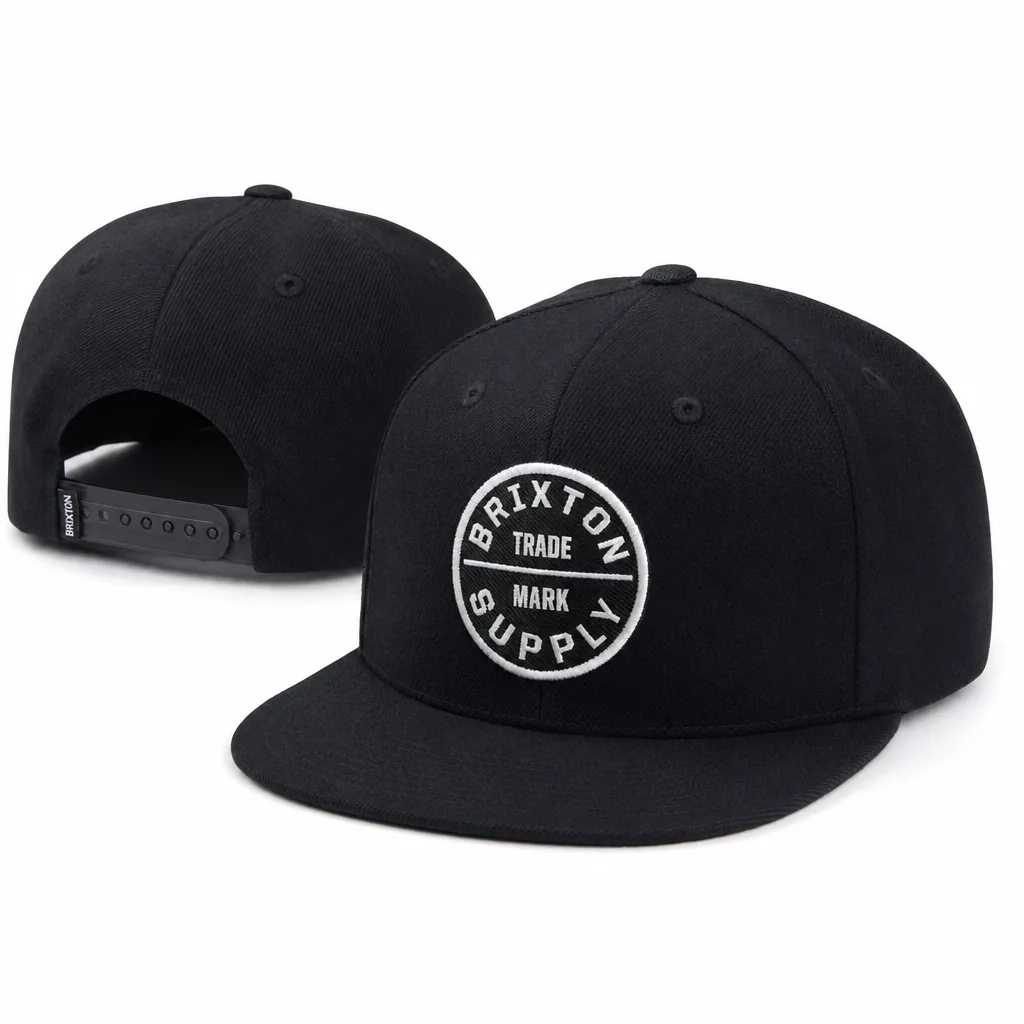
Baseball Hats For Men Reorder Planning Guide for Custom Hat Buyers is one of the most-asked questions we receive from international buyers, and for good reason. With dozens of factories competing for your order and an alphabet soup of technical terms in every supplier quote, even experienced importers can feel lost. This guide consolidates what we have learned producing custom hats for clients in 40+ countries.
Why baseball hats for men reorder planning guide needs a separate sourcing plan
A baseball hats for men reorder planning guide needs a separate sourcing plan because reorders are not just “same cap again.” The buyer intent is usually inventory protection: a team shop needs playoff stock, a streetwear label wants to repeat a sold-out drop without shade drift, or a Canadian distributor is trying to land baseball hats canada before spring retail resets. Generic hat sourcing focuses on finding a workable sample; reorder sourcing focuses on controlling repeatability across fabric lots, embroidery files, trims, cartons, and compliance paperwork. If the first order used 260 gsm cotton twill in Pantone 19-4006 TCX, the reorder must confirm lab dip Delta-E, shrinkage after washing, crown height, visor curve, sweatband width, and closure hardware before production starts. Small changes matter: switching from brass buckle to matte black plastic can save $0.08–$0.15 per piece, but it can also change the perceived retail value.
Cost and lead time decisions are different on reorders because the expensive mistakes are hidden in “approved already” assumptions. Embroidery files for custom baseball team hats should be locked by stitch count, thread code, backing type, and machine setup, whether the factory runs Tajima, Barudan, or ZSK heads. A 9,000-stitch front logo may cost around $0.35–$0.55 per cap, while a raised 3D puff design can add $0.20–$0.40 and require slower machine speed to avoid foam blowout. Fitted hats with patches add another layer: woven patch MOQ, merrow border color, heat-press temperature, and adhesive durability all affect both unit cost and inspection risk. A reorder plan should also separate fast replenishment colors from seasonal experiments; black, navy, and khaki can often be cut from rolling greige inventory, while washed olive or pigment-dyed brown may need 12–18 extra days for fabric preparation.
Compliance planning is where repeat buyers often get careless. If baseball hats for men are going into licensed sports channels, college bookstores, or large retailers, the reorder must keep the same audit and testing route as the original order: sedex-audit-cap-supplier-guide.html">BSCI 2.0 or Sedex SMETA 4-Pillar factory status, needle control logs, metal detection records, AZO-free dye declarations, and CPSIA or REACH testing where applicable. Our standard practice at CrownsForge is to treat reorders above 1,000 pieces with a fresh pre-production sample and AQL 2.5 final inspection, because fabric shade, seam tension, and embroidery registration can shift after only one supplier substitution. The same logic applies when a buyer mixes categories, such as adding festival bucket hats to a baseball cap reorder; different silhouettes may share fabric, but they do not share cutting yield, blocking, packing volume, or labeling requirements. A good baseball hats for men reorder planning guide protects margin by deciding these points before the PO is issued.
Factory capability checks before quoting
The first capability check is whether the factory can actually build the decoration you are quoting, not just photograph something similar. For baseball hats for men, I ask for machine count, head type, max stitch density, and backing control before I trust a price. A real embroidery room should name its equipment clearly: Tajima, Barudan, or ZSK heads, with 9–15 thread colors loaded and operators who understand 3D puff limits around 6–8 mm foam height. Small text under 4.5 mm, satin columns over 8 mm, and metallic thread above 900 stitches per minute are common failure points. For fitted hats with patches, check whether patches are merrowed, laser-cut twill, woven, PVC, leather debossed, or heat-transfer silicone, because each has different MOQ, tooling, and wash behavior. A PVC mold may cost $80–180, while a woven patch setup is usually $25–60; pretending both are “patch logo” pricing causes margin loss on reorders.
Fabric and construction capability should be confirmed before any FOB quote is issued, especially when the buyer is comparing custom baseball team hats against retail-grade caps. Ask for fabric cards with weight, composition, and color control: 280–320 gsm cotton twill, 160–190 gsm polyester performance fabric, 10,000–20,000 denier mesh for truckers, or wool-acrylic blends for structured fitted caps. Pantone TCX matching should be checked under a light box, with bulk Delta-E ideally under 1.5 for dark solids and under 2.0 for heather or washed fabrics. Panel construction matters as much as fabric. A 6-panel structured cap needs buckram stiffness, crown height, seam tape quality, and visor curve consistency checked; a 5-panel camper or unstructured dad cap uses different cutting dies and sewing folders. Even adjacent styles like baseball hats canada winter promos and festival bucket hats should not be assumed transferable, because brim stitching, sweatband width, and sizing blocks change the production line setup.
Sample room strength is the fastest predictor of reorder stability in a baseball hats for men reorder planning guide. A competent sample room should turn a standard embroidered cap sample in 5–7 working days after artwork approval, but complex applique, PVC patch, or contrast sandwich visor samples often need 10–14 days. Our standard practice at CrownsForge is to verify the digitized file, trim allowance, thread chart, panel spec, closure, and packing method before quoting bulk lead time. Closure options also need production confirmation: snapback, metal buckle, hook-and-loop, flexfit, fitted sizing, and elastic back all affect grading, inventory, and defect risk. For compliance buyers, ask for current BSCI 2.0 or Sedex SMETA 4-Pillar status, not a five-year-old PDF. Communication is part of capability: the factory should answer AQL 2.5 inspection questions, carton drop-test requirements, DDP labeling, barcode placement, and reorder color-lot controls without waiting three days for a merchandiser to guess.
MOQ, pricing and sample approval
MOQ planning starts with the decoration method, not the cap style. For baseball hats for men, a realistic factory MOQ is 100 pieces per color for direct embroidery, 200 pieces for woven or rubber patches, and 300–500 pieces when custom-dyed fabric, sandwich brims, or private molds are involved. Pricing usually moves in bands: 100–199 pieces may land around $4.80–$7.20 FOB Ningbo for a structured 6-panel cotton twill cap with front embroidery; 300–499 pieces often drops 8–15%; 1,000 pieces can save another 10–18% if fabric and trims are consolidated. Decoration setup is separate: embroidery digitizing runs $25–$60 per logo, woven patch artwork $45–$90, PVC mold $120–$250, and metal buckle tooling $80–$180. In a baseball hats for men reorder planning guide, I always tell buyers to lock the logo size and decoration type before negotiating MOQ, because changing from flat embroidery to fitted hats with patches can reset sampling, cost, and production risk.
Sample approval should be treated as a production control gate, not a formality. A proper PPS, or pre-production sample, should use bulk fabric, bulk thread, approved trims, actual closure, and final packaging method. Pantone matching needs two references: Pantone TCX for fabric and Pantone Solid Coated or Madeira/Isacord thread code for embroidery. For cotton twill and brushed chino, a Delta-E under 1.5 is tight but possible on stock fabric; custom dyeing usually accepts Delta-E 2.0–3.0 because different lots shift under D65 light. Stitch density also matters: a 3D puff logo on Tajima or Barudan heads may need 0.38–0.45 mm stitch spacing, while small lettering below 5 mm height often fails unless converted to satin or simplified. Custom baseball team hats with player numbers, side patches, or licensed marks need an approved strike-off sheet, because one missed outline or thread swap can ruin the whole reorder batch.
Lead time is where buyers lose margin if they plan reorders like retail replenishment instead of factory production. A normal PPS takes 7–12 days after artwork, fabric, and Pantone approvals; bulk production is 20–30 days for 300–1,000 embroidered caps, 30–40 days for patch-heavy programs, and 45+ days when custom fabric dyeing or imported trims are used. Our standard practice at CrownsForge is to freeze the bill of materials before PPS: crown fabric gsm, visor board thickness, sweatband type, eyelet color, snapback or buckle finish, inner taping print, polybag warning text, carton mark, and barcode placement. Buyers comparing baseball hats canada programs should add 25–35 days for ocean freight to Vancouver or Toronto, or budget air freight at roughly $4–$7 per kg for urgent top-ups. Keep festival bucket hats and cap reorders on separate timelines; their fabric yield, brim sewing, and packing volume are different enough to distort cost and delivery estimates.
Quality inspection and shipping risk
Quality risk on reorders usually comes from small drift, not total failure. For baseball hats for men, I would inspect to AQL 2.5 for major defects and AQL 4.0 for minor defects, with a tightened plan if the previous shipment had complaints. Critical checks include crown height within ±3 mm, visor length within ±2 mm, sweatband width within ±1.5 mm, and fitted size tolerance held to roughly ±0.5 cm on the inner circumference. For custom baseball team hats, the front panel symmetry matters more than buyers expect; a 2 mm off-center seam makes a logo look crooked even when the embroidery file is correct. I also check panel puckering after steaming, visor curve consistency, loose threads inside the sweatband, and snapback or buckle function through 20 open-close cycles. These are boring measurements, but they prevent the classic reorder problem: the second PO looks “almost right” but does not match the first delivery on shelf.
Color and decoration need their own inspection lane because fabric lots and thread lots move separately. For cotton twill, polyester performance fabric, and wool-blend fitted caps, we normally approve bulk shade against Pantone TCX or a retained gold sample, with Delta-E under 1.5 for premium retail and under 2.0 for promo orders. Colorfastness should be tested to rubbing and perspiration; I do not like anything below Grade 4 dry rub and Grade 3-4 wet rub on dark navy, black, or scarlet hats. Embroidery defects on Tajima, Barudan, or ZSK heads include thread breaks, skipped stitches, poor underlay, edge sawtoothing, and foam puff collapse. Fitted hats with patches need peel strength checked after heat press or sewing, especially woven patches on curved crowns. The same logic applies if a buyer also runs festival bucket hats in the same program: keep fabric, thread, patch backing, and wash-test records together so the reorder does not become a guessing game.
Shipping risk starts with carton discipline. Every master carton should show PO number, style code, color, size ratio, carton count, gross/net weight, country of origin, and barcode or SKU label if going to a 3PL. For baseball hats canada shipments, add bilingual compliance labels if required by the retailer, and confirm whether duties, GST/HST, and brokerage sit with the buyer or seller. FOB Ningbo or Shanghai is cleaner for experienced importers who control forwarders; DDP is safer for smaller streetwear brands, but the quoted unit cost may hide $0.35-$0.80 per cap in customs handling, fuel, and last-mile adjustments. Our standard practice at CrownsForge is to lock reorder documentation before cutting: approved spec sheet, embroidery DST, thread chart, Pantone reference, carton marks, packing ratio, inspection report, and shipment photos. A practical baseball hats for men reorder planning guide should treat these files as production controls, not office paperwork, because they are what stop a reorder from drifting after six months.
Buyer checklist for the next RFQ
A firm RFQ starts with the cap architecture, not the logo. For baseball hats for men, state the silhouette first: 5-panel, 6-panel, low-profile unstructured, mid-profile structured, trucker, snapback, strapback, or fitted. Give size range if you need fitted hats with patches, because S/M/L flexfit pricing is different from true 7 1/8–8 fitted grading. Specify crown height in centimeters, brim type, sandwich or contrast edge, eyelet count, closure hardware, sweatband material, and whether the front panel needs buckram. Fabric should be listed by composition and weight, such as 100% cotton twill 260 gsm, 65/35 poly-cotton 220 gsm, 100% polyester performance pique 180 gsm, or nylon taslan 120 gsm. If you are comparing baseball hats canada programs, include destination postal code, required duty terms, and whether the quote should be FOB Ningbo/Shanghai, DDP, or delivered to a 3PL.
Send artwork files before asking for pricing; screenshots are not production files. For embroidery, provide vector AI, EPS, or PDF, plus a DST file if you already approved one on Tajima, Barudan, or ZSK heads. For patches, define woven, embroidered, chenille, PVC, leather debossed, sublimated, or heat-transfer, then include exact patch size, border type, backing method, and placement tolerance. A 55 mm woven patch with merrowed edge prices very differently from an 85 mm chenille patch on a curved crown. Give Pantone TCX or TPX references for fabric and thread, and accept a Delta-E tolerance, usually under 1.5 for lab dips and under 2.0 for bulk shade lots. Photos should show front, side, rear, inside taping, sweatband, closure, label, and any problem areas from the last order. For custom baseball team hats, also send league logo rules, player-number personalization needs, and whether hangtags or hologram stickers are required.
The best baseball hats for men reorder planning guide is built around quantities, timing, and inspection risk. Break the RFQ by SKU, color, size, and logo variation; do not write “5,000 assorted” unless you want padded costing. State target reorder quantity, first shipment quantity, carton marking rules, polybag preference, barcode or FNSKU needs, and your acceptable AQL level; our standard practice at CrownsForge is AQL 2.5 major and 4.0 minor unless the buyer specifies tighter limits. Include previous PO number, approved sample photos, bulk comments, and sales velocity by month so the factory can flag fabric MOQ or dye-lot risk early. If your assortment also includes festival bucket hats, separate them in the RFQ because cutting yield, brim stitching, and packing cube are completely different. Ask for mold/sample fee, unit price tiers, lead time after deposit and approval, remake policy, and courier or sea freight estimates in the same sheet so the quote is actually comparable.
Working with CrownsForge
QC and export coordination should be planned before the reorder date, not after the purchase order arrives. For repeat orders, our standard practice is inline inspection at 20–30% completion, final inspection to AQL 2.5 major / 4.0 minor, needle detection where required, and carton drop checks for DDP shipments. Color is checked visually under D65 light and, for dyed fabric or bulk patch material, controlled around Delta-E 1.5–2.0 when the mill can support lab dips. Reorders to North America often ship FOB Ningbo or Shanghai, while smaller replenishment runs move by air or DDP courier at roughly $5.50–$9.00 per kg depending on season and fuel surcharge. A practical baseball hats for men reorder planning guide should set trigger points: confirm forecast at 90 days, approve materials at 60 days, start bulk at 35–45 days, and reserve vessel space before Golden Week or Chinese New Year compresses capacity.
Frequently Asked Questions
What logo decoration techniques do you offer?
3D puff embroidery, flat embroidery, woven patch, leather patch, PVC patch, screen printing, sublimation, applique and laser etching, all in-house with no subcontracting.
How long does production take?
Sampling takes 7 to 12 days. Bulk production runs 20 to 30 days depending on quantity, fabric availability and decoration complexity. Inspection and packing adds another 3 to 5 days before shipment.
Can I order a sample before bulk production?
Yes. We strongly recommend approving a pre-production sample before mass production. Samples are charged at 35 to 60 USD each plus express shipping, fully refundable against confirmed bulk orders over 500 pieces.
What is the minimum order quantity (MOQ) for custom hats?
Our standard MOQ is 100 pieces per design and color, with sampling available from 1 piece. For complex multi-color logos or premium fabric upgrades, the MOQ can be lowered with a small per-piece surcharge.
Which shipping methods do you support?
We support FOB, CIF and DDP shipping. Air express for samples and small orders, sea LCL for 100 to 500 pieces, sea FCL for 5,000+ pieces. Door-to-door DDP available for US, EU, UK, Canada and Australia.
How does ordering custom fitted hats for men work?
When evaluating custom fitted hats for men, the key considerations are construction quality, decoration capability, MOQ flexibility and lead time. Explain the buyer intent behind baseball hats for men reorder planning guide, when it differs from generic hat sourcing, and what decisions affect cost, lead time and compliance. Describe how CrownsForge manages baseball hats for men reorder planning guide programs with sampling, decoration, QC and export coordination.
What should buyers know about nike bucket hats for men?
When evaluating nike bucket hats for men, the key considerations are construction quality, decoration capability, MOQ flexibility and lead time. Explain the buyer intent behind baseball hats for men reorder planning guide, when it differs from generic hat sourcing, and what decisions affect cost, lead time and compliance. Describe how CrownsForge manages baseball hats for men reorder planning guide programs with sampling, decoration, QC and export coordination.
How does ordering custom embroidered baseball hats work?
When evaluating custom embroidered baseball hats, the key considerations are construction quality, decoration capability, MOQ flexibility and lead time. Explain the buyer intent behind baseball hats for men reorder planning guide, when it differs from generic hat sourcing, and what decisions affect cost, lead time and compliance. Describe how CrownsForge manages baseball hats for men reorder planning guide programs with sampling, decoration, QC and export coordination.
How does ordering custom leather patches for hats work?
When evaluating custom leather patches for hats, the key considerations are construction quality, decoration capability, MOQ flexibility and lead time. Explain the buyer intent behind baseball hats for men reorder planning guide, when it differs from generic hat sourcing, and what decisions affect cost, lead time and compliance. Describe how CrownsForge manages baseball hats for men reorder planning guide programs with sampling, decoration, QC and export coordination.
Need a low-MOQ test order?
We help emerging brands launch with as few as 100 pieces. Premium fabric, in-house embroidery, retail-ready packaging.
Start a small orderRelated guides
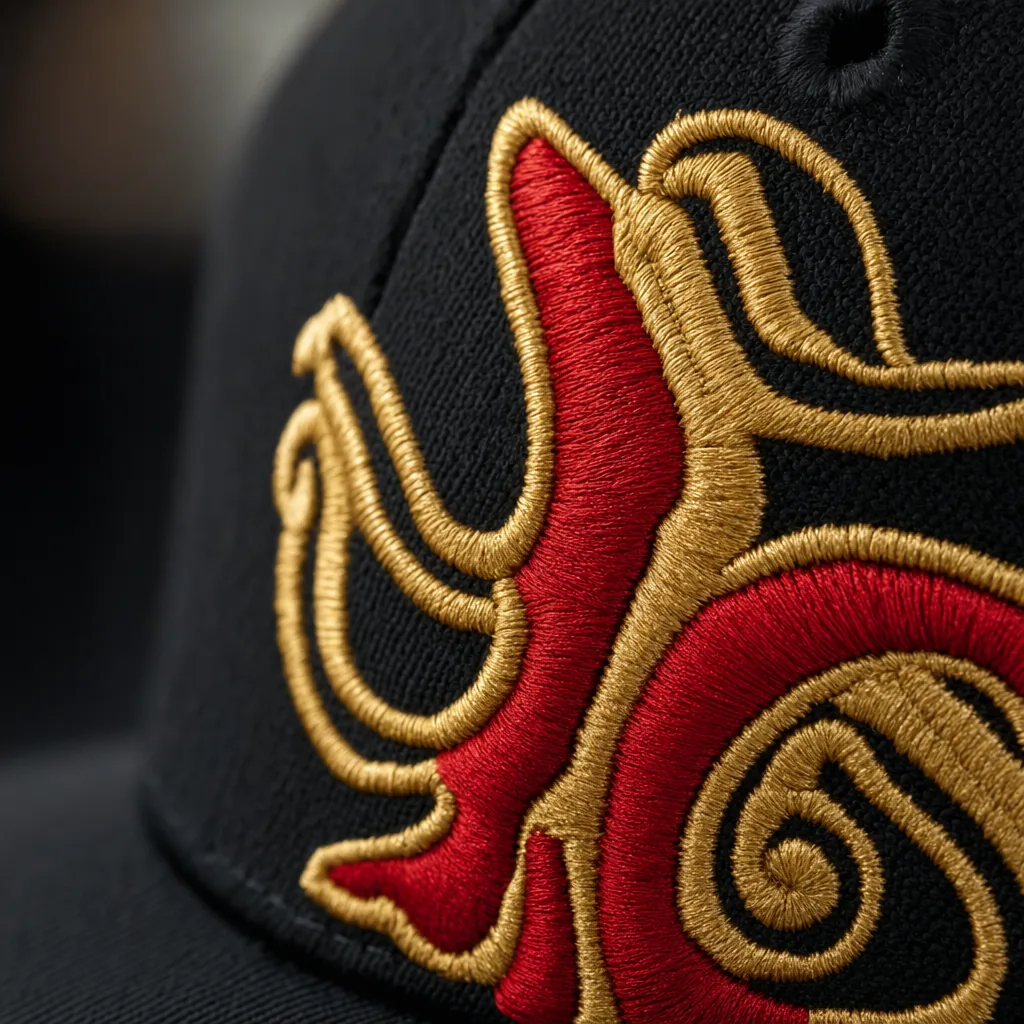
Custom Logo Hats: When to Use It, Costs, and What to Ask Your Factory
Read article →
Golf Hats For Men Sample Approval Process for Custom Hat Buyers
Read article →Hat With Patch Supplier Audit Checklist for Custom Hat Buyers
Read article →If you are ready to take the next step on baseball hats for men reorder planning guide for custom hat buyers, our team can put a tailored quotation and digital mock-up in your inbox within 24 hours. Send the inquiry form on our contact page or message us directly on WhatsApp.