
Hat With Patch Supplier Audit Checklist for Custom Hat Buyers
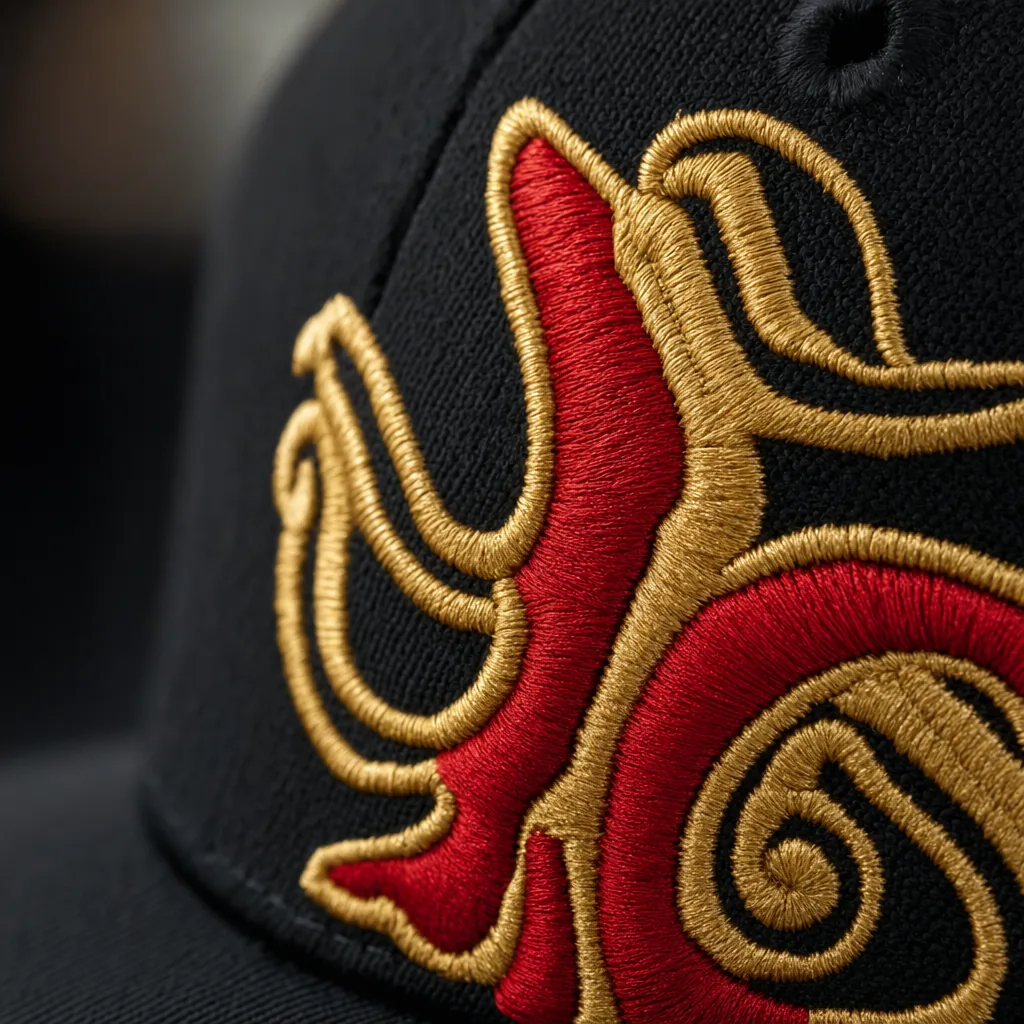
Every week, our sales team answers detailed questions about hat with patch supplier audit checklist for custom hat buyers. We wrote this guide so that wholesalers, streetwear brands, corporate buyers and promotional resellers can compare options with full information, and avoid the traps that show up only after production has started.
Why hat with patch supplier audit checklist needs a separate sourcing plan
A hat with patch supplier audit checklist needs a separate sourcing plan because the risk is split between two factories even when the buyer sees one finished cap. A generic cap audit checks crown shape, seam allowance, sweatband stitch count, visor symmetry, and packing. A custom hat with patch adds another supply chain: woven patch mill, rubber/PVC mold shop, leather embossing vendor, sublimated twill printer, or embroidery badge line. Each has different color controls, adhesion behavior, needle damage risk, and chemical compliance exposure. I have seen good 6-panel caps rejected because the patch edge curled after steam shaping, or because a vegan leather badge passed appearance inspection but failed California Prop 65 phthalate screening. The buyer searching for a hat with patch supplier audit checklist is usually not asking for theory; they are trying to avoid a late-stage failure where 5,000 caps are sewn, labeled, and boxed before anyone confirms the patch supplier can hold Pantone 19-4007 TCX within Delta-E 1.5.
The sourcing plan changes once the patch construction is decided. A woven custom patch for hat programs may cost $0.18–$0.45 per piece at 5,000 pcs, but needs 7–10 days for loom setup and merrow border approval. PVC patches run closer to $0.55–$1.20 depending on mold size, raised layers, and color count, with mold charges around $80–$180 and 12–18 days before bulk output. Genuine leather patches introduce tannery traceability and natural shade variation; PU leather is cheaper, usually $0.22–$0.60, but must be checked for DMF and restricted azo dyes if selling into the EU. A custom patch hat also changes sewing SMV: a flat twill patch on a front panel may add 25–40 seconds, while a thick rubber badge on a structured 5-panel can add 70 seconds and may require a post-bed machine instead of a standard flatbed.
Cost, lead time, and compliance decisions should be locked before bulk fabric cutting, not after sample approval. If the buyer wants custom patch hats for retail, the audit should include patch pull testing, wash or crocking tests where relevant, needle hole inspection around the badge, barcode/UPC label control, and AQL 2.5 final inspection with a patch-specific defect list. Promotional orders may accept wider shade tolerance, but licensed sports or streetwear programs usually require Pantone TCX or TPX references, retained gold seals, and pre-production samples signed across cap body, patch, thread, and packaging. Our standard practice at CrownsForge is to audit the patch subcontractor file alongside the cap line file: sedex-audit-cap-supplier-guide.html">BSCI 2.0 or Sedex SMETA 4-Pillar status, material safety declarations, mold ownership, artwork revision control, and corrective-action history. That is where a hat patch custom order becomes manageable instead of becoming a blame game between the sewing line and the badge vendor.
Factory capability checks before quoting
The first line in any hat with patch supplier audit checklist should be machine capability, not price. For embroidery and patch work, ask what equipment is actually on the floor: Tajima, Barudan, or ZSK heads for direct embroidery; flatbed or post-bed machines for sewing leather, woven, rubber, PVC, chenille, or embroidered patches. A factory quoting a custom hat with patch should explain stitch density, backing choice, border type, and placement tolerance without calling the technician. For a 60 mm front patch, I expect ±2 mm position tolerance on a structured 6-panel cap and clean topstitching at 7–9 stitches per inch. If they cannot show digitizing software screenshots, thread cards, and a physical strike-off process, your “custom patch hat” order may become guesswork after deposit. Also check minimums by technique: embroidered patches often start around 100–300 pcs, PVC or silicone molds usually make sense above 300–500 pcs because mold cost can run $60–180 per design.
Fabric and construction checks prevent most failures before sampling. Ask for fabric weight, composition, and color control: 260–310 gsm cotton twill, 160–190 gsm nylon taslan, 100–120 gsm polyester mesh, or 10–12 oz canvas all behave differently when a patch is sewn on the crown. A rigid leather custom patch for hat applications can pucker lightweight unstructured panels unless the supplier adjusts fusing, needle size, and seam allowance. For panel construction, confirm whether they can make 5-panel camper, 6-panel structured, dad cap, snapback, trucker, rope cap, and performance running caps in-house, not through a trading partner. Closure capability matters too: plastic snap, brass buckle, hook-and-loop, elastic Flexfit-style band, nylon webbing, and metal press buckle all need different stock and tooling. A serious supplier should provide Pantone TCX or TPX matching, Delta-E targets under 1.5–2.0 for dyed fabric where practical, and pre-production samples before bulk cutting.
Sample room and compliance readiness tell you whether the supplier can survive real buyer pressure. A capable sample room should turn a standard custom patch hats prototype in 5–10 working days, including patch development, crown blocking, trimming, and photo approval. For complex hat patch custom builds with molded rubber patches, heat-transfer backing, contrast taping, and custom seam labels, 12–18 days is more realistic. Ask who signs off the PP sample, how comments are recorded, and whether bulk production follows a sealed sample with measurement specs, not just WeChat photos. On audits, request current BSCI 2.0, Sedex SMETA 4-Pillar, or brand audit reports, plus needle control, metal detection logs, social insurance records, and subcontractor declarations. Our standard practice at CrownsForge is to combine capability review with AQL 2.5 final inspection criteria, because communication discipline is as important as machinery: slow replies, vague BOMs, and missing packing details usually predict late shipments and chargebacks.
MOQ, pricing and sample approval
Lead time promises are often where weak suppliers expose themselves. For a custom patch hat using stock fabrics and standard trims, sample time is normally 7–12 days after artwork confirmation, with bulk production at 18–28 days after PPS approval and deposit. Add 7–10 days for dyed fabric, 10–15 days for PVC or metal badge tooling, and another week if the buyer requests retail packaging such as individual polybags with suffocation warnings, UPC stickers, hangtags, silica gel, or custom inner boxes. Packaging should be written into the PO: 25 pcs per inner box, 100 pcs per export carton is common, with 5-ply K=K cartons for long ocean routes. A proper hat with patch supplier audit checklist should also verify trim cards before bulk cutting: buckle finish, snapback resin grade, eyelet color, taping, crown lining, care label content, and barcode scanability. If AQL 2.5 final inspection is planned, build in 1–2 days for rework instead of pretending every carton will pass first time.
Quality inspection and shipping risk
Quality inspection should be locked before bulk cutting, not negotiated after cartons are sealed. For a custom hat with patch, I use AQL 2.5 for major defects and AQL 4.0 for minor defects, with a tightened plan if the supplier has missed delivery or reworked patches in the last two orders. Critical checks include patch placement tolerance within ±2 mm from centerline, front panel height within ±3 mm, visor length within ±3 mm, and sweatband circumference within ±5 mm across size runs. Patch edges should be flat with no lifting, adhesive bleed, cracked leatherette, loose merrow thread, or heat-press shadowing on cotton twill. A practical hat with patch supplier audit checklist also separates cap defects from patch defects, because a good cap can still fail if the custom patch for hat is off-angle, under-cured, or color-shifted.
Color and decoration failures usually come from weak pre-production control. For woven patches, PVC patches, rubber badges, and embroidery-on-felt patches, approve a physical sample under D65 light and record Pantone TCX or TPX references with a Delta-E target of under 2.0 for repeat programs. Run crocking tests on dark cotton, especially black 280 gsm twill and pigment-dyed washed fabric, because patch backing can hide dye migration until the hats sit in a humid carton. Embroidery defects around a custom patch hat include skipped stitches, thread breaks, bird-nesting, poor registration on Tajima or Barudan heads, and satin columns that collapse below 1.2 mm. If the patch is sewn, pull-test the edge seam; if it is heat-applied, test peel strength after 24 hours and again after a low-temperature wash or steam exposure.
Shipping risk is controlled with carton discipline and reorder documentation. Carton marks should show PO number, SKU, color, quantity, carton sequence, gross/net weight, dimensions, country of origin, and barcode if the buyer’s 3PL requires scan receiving. I reject mixed-color cartons unless the packing list maps every inner polybag count, because warehouse chargebacks often cost more than the inspection itself. FOB Ningbo or Shanghai is cleaner when the buyer controls forwarders and insurance; DDP makes sense for smaller custom patch hats shipments under roughly 300 cartons, but only if duties, Section 301 exposure, and last-mile residential surcharges are priced in writing. Our standard practice at CrownsForge is to archive the approved sample, pattern, patch mold file, digitized stitch file, Pantone record, carton artwork, inspection report, and shipment photos so a reorder six months later does not become a fresh development job.
Buyer checklist for the next RFQ
The fastest way to get a firm quote is to send a complete tech pack before asking for price breaks. My buyer checklist for the next RFQ starts with cap style, construction, material, patch type, quantity, and delivery term. Specify whether the base is a 5-panel camper, 6-panel dad cap, trucker, snapback, bucket, or performance cap; crown height in cm; brim type; closure; sweatband; eyelets; and inside taping. For fabric, do not write only “cotton” or “polyester.” Use weight and finish: 16x12 cotton twill around 280 gsm, washed chino twill 240 gsm, nylon taslan 120 gsm, recycled polyester ripstop 150 gsm, or 100% polyester mesh in 100–120 gsm. Add Pantone TCX or TPX colors, acceptable Delta-E tolerance if color matching matters, and whether the cap must pass REACH, Prop 65, or CPSIA for kids’ sizes.
For the patch, send artwork as AI, EPS, PDF, or high-resolution PNG, plus the final patch size in mm and placement from seam or brim edge. A custom hat with patch can use woven, embroidered, chenille, PVC, leather, sublimated, rubber, or printed twill patches, and each has a different MOQ, mold cost, lead time, and sewing risk. A woven custom patch for hat orders usually works well for small lettering under 3 mm; chenille needs bold shapes; PVC often requires a USD 45–120 mold depending on size and color layers; genuine leather needs thickness, grain, emboss depth, and edge color confirmed. Include a reference photo of the exact stitch-down method: satin border, merrow border, zigzag, straight stitch, heat press plus stitch, or Velcro backing. If you want a hat patch custom positioned across a front seam, say so early because it affects digitizing and puckering control.
The RFQ should also include packaging, inspection, and logistics assumptions, not just the hat photo. State carton marking, polybag requirement, hangtag, barcode, inner box, master carton limit, and whether you need FOB Ningbo/Shanghai, EXW Yiwu, DDP Los Angeles, or air courier pricing. Give the first order quantity and expected reorder volume separately; a 300-piece sample launch and a 10,000-piece reorder should not be costed the same. Ask the supplier to quote sample cost, bulk unit price, setup charges, patch mold or digitizing fee, pre-production sample timing, bulk lead time, payment terms, and AQL level. Our standard practice at CrownsForge is AQL 2.5 for major defects and 4.0 for minor defects unless the buyer specifies stricter criteria. A good hat with patch supplier audit checklist should also request factory name, BSCI 2.0 or Sedex SMETA 4-Pillar status, recent audit date, and photos of embroidery machines such as Tajima, Barudan, or ZSK heads used for production.
Working with CrownsForge
A serious hat with patch supplier audit checklist starts before bulk fabric is cut, because patch work hides problems until late assembly. At CrownsForge, our standard practice is to lock the tech pack around four control points: crown fabric spec, patch construction, placement tolerance, and export carton requirements. For a custom hat with patch, we normally request Pantone TCX references for fabric and thread, physical patch artwork at 1:1 scale, and stitch or heat-press limitations before quoting. Sampling usually runs in two stages: first a patch-only strike-off, then a finished cap pre-production sample. A woven patch may need 75D or 100D polyester yarn with a merrowed edge; a leather patch may need 1.2–1.5 mm PU or genuine split leather with deboss depth checked after heat exposure. If the buyer approves only a digital mockup, I consider that a weak audit because Delta-E, edge fray, adhesive bleed, and patch stiffness cannot be judged on screen.
Decoration control is where most custom patch hats fail: the patch is good, the cap is good, but the combination is wrong. For embroidered borders or mixed embroidery-patch designs, we run Tajima, Barudan, or ZSK machines depending on stitch density and hoop access, then check pull compensation on curved front panels. A custom patch for hat placement should be measured from the center seam, brim edge, and panel break; our usual tolerance is plus or minus 2 mm for front patches and plus or minus 3 mm for side or back placements. Heat-applied silicone, TPU, and leatherette patches need temperature logs, usually 145–165°C for 8–15 seconds depending on adhesive film, with peel tests after 24 hours. For sewn patches, operators must trim backing cleanly and avoid puckering on 5-panel foam truckers, unstructured dad caps, and 6-panel cotton twill caps because each crown shape reacts differently under tension.
QC and export coordination should be written into the hat with patch supplier audit checklist, not handled as a last-minute inspection note. For bulk orders, I prefer AQL 2.5 for major defects and AQL 4.0 for minor defects, with extra sampling on patch adhesion, color variation, skipped stitches, crooked placement, sweatband cleanliness, and carton assortment. A practical inspection for custom patch hat production includes fabric gsm verification, needle damage checks on cotton twill or polyester ripstop, metal buckle plating review, and barcode/carton mark confirmation against the packing list. For compliance-driven buyers, BSCI 2.0 or Sedex SMETA 4-Pillar records should be reviewed alongside wage records, subcontracting controls, and chemical declarations for adhesive films or leather patches. Export planning also matters: FOB Ningbo or Shanghai is straightforward, but DDP shipments need HS code confirmation, country-of-origin labeling, polybag suffocation warnings, and realistic freight buffers, especially when custom patch hats ship during Q4 peak season.
Frequently Asked Questions
How long does production take?
Sampling takes 7 to 12 days. Bulk production runs 20 to 30 days depending on quantity, fabric availability and decoration complexity. Inspection and packing adds another 3 to 5 days before shipment.
Do you support sustainability certifications?
Yes. We work with GOTS organic cotton, GRS-certified recycled polyester, OEKO-TEX Standard 100 fabrics, and are BSCI and Sedex audited. Certification documentation can be provided per order.
What file format should I send for my logo?
Vector files (AI, EPS, PDF) are ideal. High-resolution PNG or JPG at 300 dpi on transparent background works as a fallback. Provide Pantone color references for accurate reproduction.
What is the minimum order quantity (MOQ) for custom hats?
Our standard MOQ is 100 pieces per design and color, with sampling available from 1 piece. For complex multi-color logos or premium fabric upgrades, the MOQ can be lowered with a small per-piece surcharge.
Can I order a sample before bulk production?
Yes. We strongly recommend approving a pre-production sample before mass production. Samples are charged at 35 to 60 USD each plus express shipping, fully refundable against confirmed bulk orders over 500 pieces.
How does ordering custom hat patch work?
When evaluating custom hat patch, the key considerations are construction quality, decoration capability, MOQ flexibility and lead time. Explain the buyer intent behind hat with patch supplier audit checklist, when it differs from generic hat sourcing, and what decisions affect cost, lead time and compliance. Describe how CrownsForge manages hat with patch supplier audit checklist programs with sampling, decoration, QC and export coordination.
How does ordering custom leather patch hats work?
When evaluating custom leather patch hats, the key considerations are construction quality, decoration capability, MOQ flexibility and lead time. Explain the buyer intent behind hat with patch supplier audit checklist, when it differs from generic hat sourcing, and what decisions affect cost, lead time and compliance. Cover embroidery, patch, fabric, panel construction, closure options, sample room capability, audit readiness and communication checks.
What's the MOQ for custom leather patch hat low minimum?
When evaluating custom leather patch hat low minimum, the key considerations are construction quality, decoration capability, MOQ flexibility and lead time. Explain the buyer intent behind hat with patch supplier audit checklist, when it differs from generic hat sourcing, and what decisions affect cost, lead time and compliance. Describe how CrownsForge manages hat with patch supplier audit checklist programs with sampling, decoration, QC and export coordination.
How does ordering custom trucker hat patches work?
When evaluating custom trucker hat patches, the key considerations are construction quality, decoration capability, MOQ flexibility and lead time. Explain the buyer intent behind hat with patch supplier audit checklist, when it differs from generic hat sourcing, and what decisions affect cost, lead time and compliance. Describe how CrownsForge manages hat with patch supplier audit checklist programs with sampling, decoration, QC and export coordination.
Looking for a reliable hat manufacturer in China?
CrownsForge has produced custom hats for 800+ brands across 40 countries. From 100-piece launches to 100,000-piece retail programs, we deliver on time and on spec.
Get in touchRelated guides
Corduroy Hat: Properties, Costs and How to Spec It Right
Read article →
Cap Fabric Guide: Cotton Twill, Wool Blend, Polyester & Performance Materials
Read article →
Country Hats For Men Decoration QC Checklist for Custom Hat Buyers
Read article →We hope this guide demystifies hat with patch supplier audit checklist for custom hat buyers and helps you move forward with confidence. If you have questions specific to your project, our English-speaking sales engineers are one message away.