
Cap Fabric Guide: Cotton Twill, Wool Blend, Polyester & Performance Materials
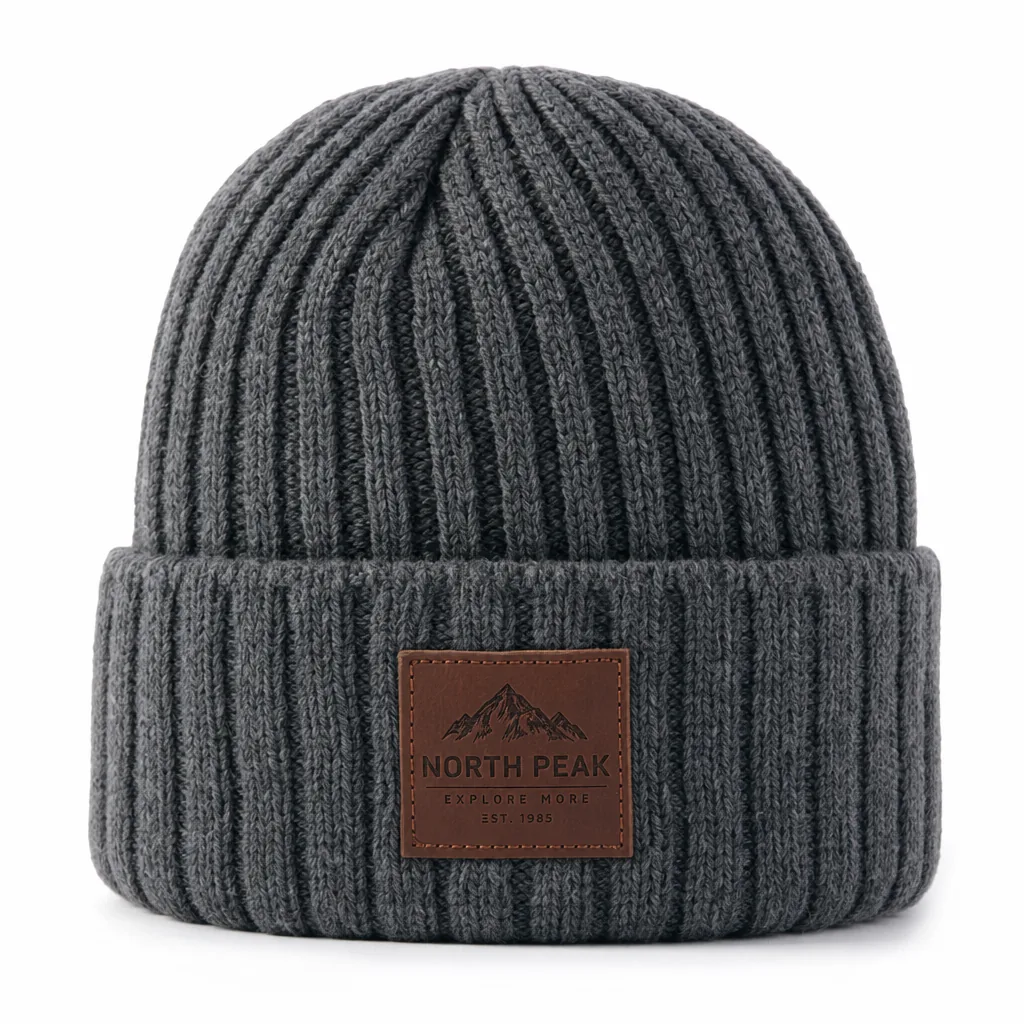
Cap Fabric Guide: Cotton Twill, Wool Blend, Polyester & Performance Materials is one of the most-asked questions we receive from international buyers, and for good reason. With dozens of factories competing for your order and an alphabet soup of technical terms in every supplier quote, even experienced importers can feel lost. This guide consolidates what we have learned producing custom hats for clients in 40+ countries.
Why fabric choice drives everything
Fabric choice sets the ceiling on everything else: hand-feel, color depth, stitch definition, wash behavior, and the retail price you can honestly defend. A cotton twill cap usually gives the safest all-around result because 100% cotton in the 260 to 330 gsm range takes dye well, breaks in cleanly, and handles structured panels without feeling brittle. The tradeoff is shrinkage and shade drift if the mill lot is not controlled tightly, so we watch shrinkage, yarn evenness, and Pantone TCX matching before cutting. If you are building a cap fabric guide for buyers, the first decision is not style, it is whether you want a natural fiber that ages, or a synthetic that stays stable through repeat wear and sweat.
A wool blend snapback fabric behaves differently. The wool content gives deeper, slightly muted color and a drier hand, which is why flat bills and classic baseball silhouettes look more premium in dark navy, black, and heathered tones. On a piece like a yupoong wool blend flat bill snapback cap 6089m, the fabric supports a sharp front profile, but embroidery has to be digitized carefully because dense satin columns can sink into the nap if the underlay is weak. We usually aim for low Delta-E on bulk lots and check stitch clarity under production lighting, not just under showroom lamps. If the buyer wants a heritage look, wool blend still wins; if they want easy care, it is not the first choice.
Polyester cap material and performance cap fabric are what you choose when the brief is sweat, sun, and repeat washing. Recycled polyester tricot, ripstop, and polyester twill hold shape better than cotton, dry faster, and keep logos cleaner after laundering, but they can look flat unless the yarn luster and weave are specified correctly. This is where a cap fabric guide matters in practice: a 100% cotton crown may feel better on day one, but a 92/8 polyester-spandex performance build can outperform it in moisture management and retail returns. The real factory issue is compatibility between fabric and decoration, because dense foam, 3D embroidery, and heat-transfer patches all behave differently on woven polyester versus brushed cotton.
Cotton twill — the workhorse
Cotton twill is the baseline in any cap fabric guide because it balances cost, stitch stability, and predictable dye uptake. A standard 6.4 oz twill usually lands in the 210 to 230 gsm range, which is light enough for all-day wear but still dense enough to hold a clean front panel and crisp visor shape. On a cotton twill cap, the weave structure matters as much as the weight: a tighter 3/1 or 2/1 twill reduces puckering around embroidery and helps the crown recover after packing. For sourcing, I look at yarn count, mercerization, and shrinkage after wash, because a cheap 6.4 oz fabric can lose shape fast if the loom tension and finishing are sloppy.
Premium 7.5 oz twill pushes closer to 250 gsm and gives the crown more body, which is why it is common on structured streetwear programs and higher-end retail runs. It takes pigment or reactive dye well, but the real advantage is dimensional stability: the front panel sits flatter, the brim inserts less, and embroidery on a Tajima or Barudan machine usually distorts less than it does on softer cloth. Brushed cotton variants add a short surface nap that improves handfeel and hides minor shade variation, but they also raise lint and can soften edge definition around a patch or applique. If the buyer is comparing wool blend snapback fabric against cotton twill, the cotton option is usually the safer choice when color accuracy and consistent panel shape matter more than a heavier winter hand.
Recycled cotton blends are getting more common, but they need tighter spec control than virgin cotton because post-consumer fiber length is shorter and the fabric can lose tensile strength if the blend ratio is pushed too far. In practice, a 60/40 or 70/30 recycled blend is more manageable than an all-recycled build, especially on a cotton twill cap that needs a sharp front panel and a clean sweatband seam. The cap fabric guide question is not just cost; it is how the cloth behaves after cutting, fusing, and final pressing. For programs that need a softer, more technical feel, brands often move away from twill into polyester cap material or performance cap fabric, but for classic 6-panel construction, cotton twill still gives the best balance of price, handfeel, and decoration reliability.
Wool blend — retail snapback standard
For premium retail, wool blend snapback fabric usually starts with an 80/20 acrylic-wool construction because it gives you the handfeel and body buyers expect without the shrink risk of pure wool. A true wool blend wool blend snapback fabric in the 380 to 450 gsm range presses cleanly, holds a flat bill, and takes embroidery better than a soft cotton twill cap. Melton wool sits higher on the scale, often 430 to 520 gsm, with a denser, brushed face that hides stitch sink and gives a sharper edge on panels and visor bindings. If you are sampling against a yupoong wool blend flat bill snapback cap 6089m, pay attention to crown recovery, visor stiffness, and whether the fabric has enough resin finish to keep the front panels from collapsing after wear.
Virgin wool is a different decision. It costs more, sometimes 20 to 40 percent above a standard acrylic-wool blend, but it gives better loft, less synthetic sheen, and a more authentic retail hand that streetwear buyers still notice. The downside is control: untreated virgin wool can shrink 3 to 5 percent after steaming if the supplier is sloppy, and color matching needs tighter Delta-E tolerances because dark heathers and charcoal shades can read differently under store lighting. In a real cap fabric guide, I would treat virgin wool as a premium story fabric, not the default. It makes sense for limited drops, team goods, or heritage-inspired programs where the fabric itself is part of the price justification.
From a manufacturing point of view, wool blend snapback fabric is harder to run than a polyester cap material or a performance cap fabric because you have to manage needle heat, seam bite, and panel distortion during pressing. Melton cuts cleanly but can fuzz at the edge if the blade is dull, while 80/20 blends usually tolerate standard embroidery backing and topstitching on Tajima or Barudan heads without excessive puckering. The practical benchmark is abrasion resistance and shape retention after steam, not just fiber content on the spec sheet. For buyers comparing a cap fabric guide across cotton twill cap, polyester cap material, and wool options, the wool category wins on perceived retail value, but only if the mill can keep shrinkage, pilling, and shade variation under control batch to batch.
Polyester & performance
Polyester is the workhorse in any cap fabric guide because it gives you consistency the buyer can actually measure. A 100% polyester cap material in the 140 to 180 gsm range holds panel shape better than cotton twill on a six-panel structured cap, and it takes color with less shade drift lot to lot. For performance caps, we usually spec microfiber polyester when the handfeel needs to be softer and the crown needs faster dry time; a fine-filament 75D or 150D microfiber will feel less plasticky than a standard filament yarn. If the brief is closer to a cotton twill cap or a wool blend snapback fabric, polyester still wins when the priority is repeatability, lower shrinkage, and easier packing after steam pressing. At CrownsForge, the practical difference shows up in sampling: polyester tolerates tighter crown molds and cleaner stitch registration around front panels and eyelets.
Ripstop is the better choice when the cap has to survive abuse instead of just look clean on a showroom table. A 70D x 70D or 100D x 100D grid construction gives tear resistance that plain weave polyester cannot match, which matters for workwear, outdoor, and teamwear programs that see repeated laundering. Moisture-wicking finishes are not magic; they are usually a surface treatment or yarn engineering that moves sweat away from the skin, then lets it spread and evaporate faster. The useful tests are simple: measure drying time after a controlled wet-out, check colorfastness to perspiration, and run pilling after abrasion. A decent performance cap fabric should keep its hand after 20 to 30 wash cycles without edge curling or seam torque. This is where a polyester cap material beats heavier wool blend snapback fabric when the customer wants low maintenance and stable fit.
Recycled REPREVE® polyester is worth specifying when the buyer needs a sustainability claim that can survive documentation review, not just a hangtag. The recycled content is typically traced through the supply chain as certified fiber input, and the fabric still needs the same QC as virgin polyester: color tolerance within Delta-E 1.0 to 1.5 for repeat programs, seam slippage checks, and shrinkage under 3%. On flat bill programs, including styles like the yupoong wool blend flat bill snapback cap 6089m as a reference point, performance polyester can be built to mimic the clean structure of a wool blend without the heat sensitivity or moth issues. In a cap fabric guide, the real decision is whether the customer values a heritage handfeel or a technical spec. For most activewear and promotional accounts, recycled polyester gives the better balance of cost, moisture control, and production consistency.
Specialty fabrics
Specialty fabrics change the feel of a cap faster than almost anything else, but they also change sewability, shrink behavior, and how well the crown keeps its shape after packing. In a cap fabric guide, I treat suede, corduroy, denim, ripstop, and waxed cotton as construction problems first and style choices second. Faux suede around 0.8 to 1.0 mm thick gives a clean premium hand, but if the backing is too soft it collapses on structured fronts. Corduroy looks strong on shelf, yet wide wale counts can distort embroidery unless the panels are stabilized properly. Denim in the 8 to 12 oz range is durable, but darker indigo lots need wash testing because crocking can bleed onto sweatbands and tapes. These fabrics are usually chosen for fashion drops, not mass reorders, because the tolerance stack is tighter than with a standard cotton twill cap.
Ripstop and waxed cotton behave more like utility materials than fashion textiles. Ripstop at 70D to 210D works well for outdoor and workwear programs because the grid stops small tears from spreading, but the surface is slippery and can shift under the presser foot unless the operator slows stitch speed and uses the right needle point. Waxed cotton gives a dry, broken-in look that buyers like on premium headwear, yet it is sensitive to heat; excessive steam can leave shiny patches or uneven wax migration. Compared with a polyester cap material, both fabrics feel less technical and more heritage-driven, which is why they often sit between a wool blend snapback fabric and a performance cap fabric in the market. Our standard practice is to test these materials for seam slippage, color rub, and panel distortion before approving a production run.
For buyers cross-shopping silhouettes, the fabric choice has to match the blank, not the trend board. A yupoong wool blend flat bill snapback cap 6089m can take heavier fabrics better than a soft unstructured dad cap because the crown is built to hold a stiffer face, but even then corduroy or suede needs tighter pattern control at the side seams and visor join. On the factory floor, we normally run first-piece checks for panel symmetry, brim curve, and embroidery bite, then verify shade continuity under D65 light; with textured fabrics, a 1.0 to 1.5 Delta-E swing is easier to hide than a bad seam line. For any cap fabric guide that includes specialty materials, the real question is not whether the fabric looks good in a swatch book. It is whether it can survive cutting, stitching, steaming, packing, and a 3,000-cycle wear test without losing its shape or finish.
Sustainable fabric options
Organic cotton is the cleanest starting point, but only if the supply chain is actually certified. A cotton twill cap made from 100 percent organic cotton usually costs more than conventional twill because the fiber supply is tighter and shrinkage control matters more after washing, but the tradeoff is predictable hand feel and better buyer acceptance in retail programs. For a real cap fabric guide, I look first at GOTS scope: it covers the fiber, dyehouse, and made-up goods, which matters more than a loose claim on the hangtag. OEKO-TEX Standard 100 is still worth checking because it catches restricted substances in the finished fabric and trim package. On factory runs, organic cotton can still vary in shade if the lotting is sloppy, so insist on Pantone TCX approvals and a pre-production wash test before you greenlight bulk.
Recycled polyester is the practical answer when the buyer needs durability, quick-dry behavior, and lower waste without changing the silhouette. A polyester cap material made from rPET can hold color better than cotton under UV exposure, and it is usually the better choice for teamwear, golf, and outdoor promotions where sweat management matters. The key certification here is GRS, not just a recycled-content claim from the mill; GRS forces traceability and sets limits on chemical input. In performance cap fabric, I also check filament denier, mesh structure, and whether the finish is mechanically brushed or chemically softened, because those details change how the cap sews and how the front panel rebounds after packing. If you need a cleaner sustainability story, recycled polyester often beats a heavily processed conventional knit by a wide margin.
Hemp blends are useful when the buyer wants a natural-looking hand with better breathability than standard canvas, but they are not a drop-in replacement for every style. In a wool blend snapback fabric, the wool percentage gives structure and warmth, while hemp or organic cotton can reduce synthetic content; that works well for premium streetwear, including silhouettes like the yupoong wool blend flat bill snapback cap 6089m, where hand feel and brim recovery matter as much as fiber content. Our standard practice at CrownsForge is to check finished weight, usually around 280 to 380 gsm for structured crown fabrics, and to test seam slippage after steam pressing, because hemp-rich blends can behave differently at the sweatband and visor junction. For sustainability claims, I would prioritize GOTS for organic inputs, GRS for recycled content, and OEKO-TEX for chemical safety, then verify the claim with lot-level paperwork instead of relying on a hangtag statement.
How to spec fabric in your tech-pack
If you want a cap to land at the right hand feel and price point, the fabric callout in the tech-pack has to be more specific than “cotton” or “poly.” For a cotton twill cap, I’d normally spec 100% cotton twill, 260 to 300 gsm, with a 3/1 or 2/1 weave depending on whether you want a cleaner face or a slightly softer drape. Twill direction matters because it changes how the crown holds shape after washing and how the embroidery sits. For a wool blend snapback fabric, the usual target is 80/20 or 85/15 wool-poly, around 320 to 360 gsm, with a brushed finish if you want that classic heritage look. This is the level of detail that keeps a cap fabric guide useful instead of vague.
Finish is where buyers usually lose control. A polyester cap material can look cheap or sharp depending on the finishing: plain dye, water-repellent coating, peach finish, or silicone wash all change the surface and the stitch penetration. If you are sourcing performance cap fabric, call out the knit or woven structure, the denier if applicable, moisture-wicking treatment, UV rating, and whether the fabric is laminated or bonded. On structured styles, I also specify shrinkage limits, often under 3 percent after wash, because a crown that twists after embroidery is a production headache. For a style like the yupoong wool blend flat bill snapback cap 6089m, the fabric spec should match the factory sample exactly, not just the style name.
Color is not “black” or “navy”; it is Pantone TCX with an agreed tolerance. In production, I usually ask for a physical lab dip approval and a Delta-E target under 1.5 for core colors, especially on large replenishment orders where shade variation becomes obvious across cartons. If the cap has multiple panels, the tech-pack should list each fabric panel, sweatband, visor underlay, and closure material separately, because different substrates take dye differently. Our standard practice is to tie the fabric spec to a sealed sample and a measured PMS/Pantone TCX reference, then lock the BOM before bulk cutting. That is the only way a cap fabric guide translates into repeatable factory output instead of a styling note that gets interpreted three different ways on the line.
Frequently Asked Questions
Can I order a sample before bulk production?
Yes. We strongly recommend approving a pre-production sample before mass production. Samples are charged at 35 to 60 USD each plus express shipping, fully refundable against confirmed bulk orders over 500 pieces.
Do you support sustainability certifications?
Yes. We work with GOTS organic cotton, GRS-certified recycled polyester, OEKO-TEX Standard 100 fabrics, and are BSCI and Sedex audited. Certification documentation can be provided per order.
How long does production take?
Sampling takes 7 to 12 days. Bulk production runs 20 to 30 days depending on quantity, fabric availability and decoration complexity. Inspection and packing adds another 3 to 5 days before shipment.
What file format should I send for my logo?
Vector files (AI, EPS, PDF) are ideal. High-resolution PNG or JPG at 300 dpi on transparent background works as a fallback. Provide Pantone color references for accurate reproduction.
Which shipping methods do you support?
We support FOB, CIF and DDP shipping. Air express for samples and small orders, sea LCL for 100 to 500 pieces, sea FCL for 5,000+ pieces. Door-to-door DDP available for US, EU, UK, Canada and Australia.
What should buyers know about flat bill hats snapback?
When evaluating flat bill hats snapback, the key considerations are construction quality, decoration capability, MOQ flexibility and lead time. Hand-feel, color depth, embroidery quality, washability and retail price point all start with the fabric. Standard 6.4 oz, premium 7.5 oz, brushed cotton variants, recycled cotton blends.
What should buyers know about organic cotton baseball cap?
When evaluating organic cotton baseball cap, the key considerations are construction quality, decoration capability, MOQ flexibility and lead time. Organic cotton, recycled polyester, hemp blends, certifications to look for (GOTS, GRS, OEKO-TEX). Standard 6.4 oz, premium 7.5 oz, brushed cotton variants, recycled cotton blends.
How does ordering baseball cap custom embroidery work?
When evaluating baseball cap custom embroidery, the key considerations are construction quality, decoration capability, MOQ flexibility and lead time. Hand-feel, color depth, embroidery quality, washability and retail price point all start with the fabric. Standard 6.4 oz, premium 7.5 oz, brushed cotton variants, recycled cotton blends.
What should buyers know about cool flat bill hats for guys?
When evaluating cool flat bill hats for guys, the key considerations are construction quality, decoration capability, MOQ flexibility and lead time. Hand-feel, color depth, embroidery quality, washability and retail price point all start with the fabric. Standard 6.4 oz, premium 7.5 oz, brushed cotton variants, recycled cotton blends.
Ready to start your custom hat project?
Send us your tech-pack, sketch or even just an inspiration photo. We will respond with a detailed quotation and digital mock-up within 24 hours.
Request a free quoteRelated guides
Kids' & Children's Cap Manufacturing: CPSIA Compliance and Sizing
Read article →Compliance Documentation Checklist for First Hat Import to US/EU
Read article →
Buckram vs Foam vs Unstructured: Cap Crown Construction Compared
Read article →We hope this guide demystifies cap fabric guide: cotton twill, wool blend, polyester & performance materials and helps you move forward with confidence. If you have questions specific to your project, our English-speaking sales engineers are one message away.