
Patch Hats Decoration QC Checklist for Custom Hat Buyers
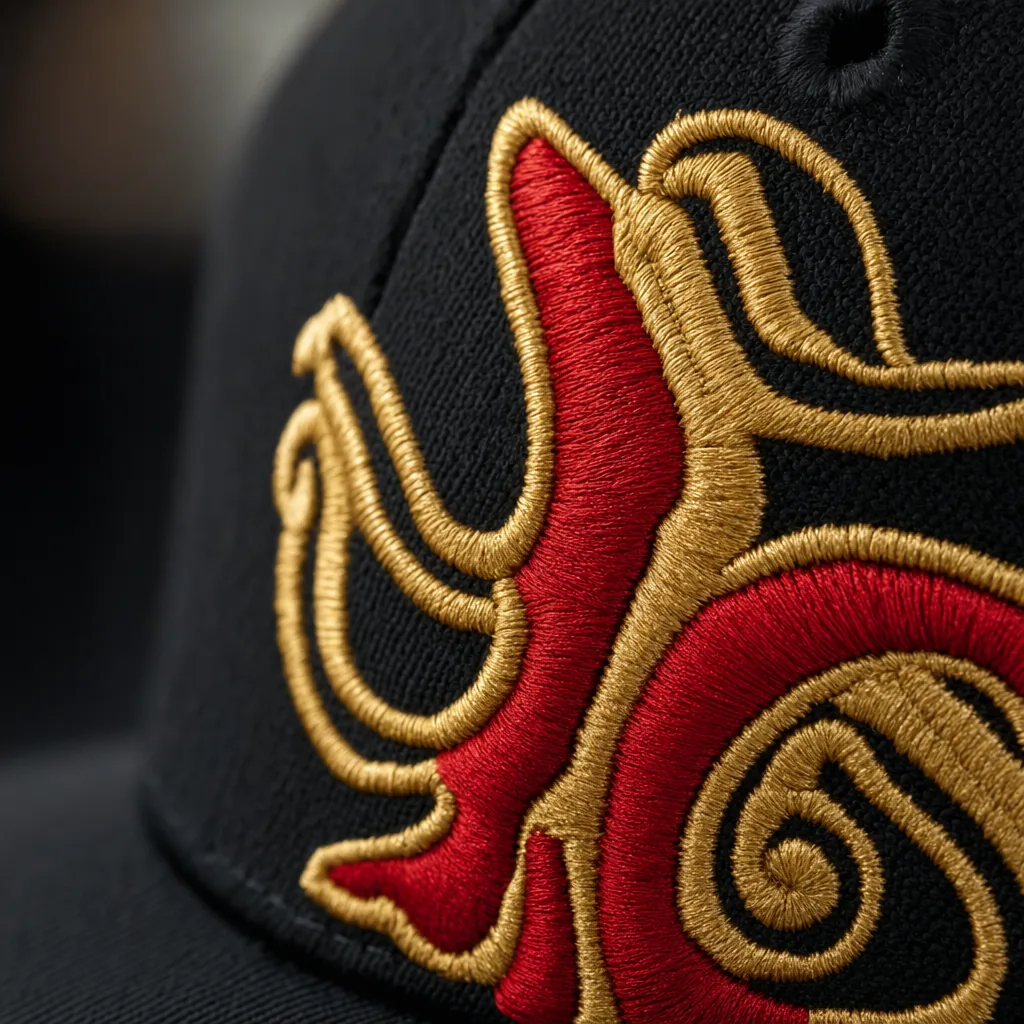
Patch Hats Decoration QC Checklist for Custom Hat Buyers is one of the most-asked questions we receive from international buyers, and for good reason. With dozens of factories competing for your order and an alphabet soup of technical terms in every supplier quote, even experienced importers can feel lost. This guide consolidates what we have learned producing custom hats for clients in 40+ countries.
Why patch hats decoration qc checklist needs a separate sourcing plan
A patch hats decoration qc checklist is needed because the buyer is not only purchasing a cap body; they are buying a joined product where two supply chains meet at one visible point. Generic hat sourcing checks crown shape, stitching, visor curve, sweatband, and carton packing. For custom patch hats, the failure usually happens at the decoration interface: patch edge lifting, crooked placement, adhesive bleed, heat-press shine marks, thread sinkage on twill, or leatherette warping after steam. A hat with custom patch also has more approval steps than a flat embroidered logo because the patch itself may be woven, embroidered, rubber PVC, silicone, genuine leather, PU leather, chenille, sublimated twill, or felt. Each material reacts differently to heat, needle tension, and cap curvature. Buyers searching this topic usually already know a cheap cap can pass a basic visual inspection but still fail at retail because the patch looks off-center by 3 mm or peels after the first wash.
The sourcing plan changes when patch construction affects cost and lead time before the cap even reaches sewing. An embroidered patch for hat custom order may need digitizing at $25–$60 per artwork, merrow border setup, and 5–7 days for a pre-production sample. PVC or silicone molds often add $80–$180 and 7–12 days, while genuine leather patches require hide color approval using Pantone TCX references because natural lots vary more than dyed polyester twill. Placement also changes labor cost: a flat patch on a 5-panel front can run fast, but a small woven patch over a curved 6-panel seam needs slower alignment and often manual tacking before the Barudan or Tajima operator finishes the stitch-down. At CrownsForge, our standard practice is to lock patch size, backing method, stitch color, and placement tolerance before cutting bulk fabric, because changing a 70 mm patch to 75 mm after panels are cut can distort the whole front crown.
Compliance and inspection need their own lane because hat patches custom programs often introduce materials not covered by the cap fabric approval. PU leather must be checked for phthalates and azo dyes if selling into the EU or children’s channels, rubber patches may need CPSIA or REACH screening, and metal riveted patches can trigger nickel-release questions. A proper patch hats decoration qc checklist should define AQL 2.5 for major defects, AQL 4.0 for minor defects, Delta-E tolerance for patch color, pull-test expectations for heat-applied patches, and carton segregation by decoration batch. I like a 24-hour rest test after heat press, then a peel check at the patch corners; immediate inspection can miss adhesive failures that show up after cooling. Buyers under sedex-audit-cap-supplier-guide.html">BSCI 2.0 or Sedex SMETA 4-Pillar programs should also confirm whether patch subcontracting is declared, because an approved cap factory sending patches to an unaudited workshop can create a compliance gap even when the finished hat looks perfect.
Factory capability checks before quoting
Do not accept a hat quote until the factory proves which decoration processes are actually in-house and which are subcontracted. For custom patch hats, ask for photos or video of Tajima, Barudan, or ZSK embroidery heads running the same patch type you want: flat embroidery, 3D puff, chenille, woven label, PVC, leather deboss, silicone, or heat-transfer twill. A serious sample room should understand satin density, pull compensation, merrow border width, laser-cut edge tolerance, and minimum stroke width for woven patches. For a hat with custom patch, I also want to see the attachment method: direct stitch, zigzag edge stitch, satin tack-down, heat press plus stitch, or Velcro backing. A useful patch hats decoration qc checklist starts here because decoration defects are usually capability mismatches, not inspection surprises. If the factory cannot show stitch-out sheets, digitizing files, or thread color cards tied to Pantone TCX or Madeira numbers, the quote is not mature enough for bulk ordering.
Fabric and construction capability matter as much as the patch itself. A patch for hat custom order can fail if the crown panel collapses, the front buckram is too soft, or the patch curve does not match the 5-panel or 6-panel blocking. Ask the factory to confirm fabric weight and source: 10 oz cotton canvas, 280 gsm brushed cotton twill, 160 gsm nylon taslan, 600D polyester, wool acrylic blend, or recycled RPET twill. Panel construction should be stated clearly: structured high profile with fused buckram, unstructured dad cap, foam-front trucker, seamless 5-panel camper, or 7-panel snapback. Closures are not interchangeable either; plastic snapback, brass buckle, matte black metal clasp, elastic Flexfit band, hook-and-loop, and rope detail all affect costing and packing compression. Our standard practice at CrownsForge is to block the first sample on the same crown mold planned for production, then check patch placement tolerance at plus or minus 2 mm from centerline before quoting bulk.
Sample room and compliance checks separate a trading desk from a real production partner. Before paying sample fees, ask whether the factory can cut fabric, fuse buckram, digitize embroidery, make patches, sew caps, steam-block, and perform inline QC under one production schedule. For hat patches custom work, normal development cost in Yiwu is often USD 50–120 per style for embroidered or woven patches, USD 120–250 for PVC or silicone molds, and 5–10 days for a reliable pre-production sample after artwork approval. Communication should include a tech pack review, Pantone callouts, artwork scale confirmation, placement diagram, carton mark draft, and AQL 2.5 final inspection plan. Audit readiness also matters for licensed teams and corporate buyers: request current BSCI 2.0, Sedex SMETA 4-Pillar, ISO 9001 if available, needle control records, metal detection logs, and restricted-substance declarations. A factory that answers these items before quoting will produce a tighter hat patch custom order with fewer price revisions later.
MOQ, pricing and sample approval
MOQ is usually not about whether a factory can make 50 pieces; it is about whether fabric cutting, patch setup, sewing line balancing, and QC time make sense. For custom patch hats, I tell buyers to think in bands: 50–99 pieces is a sample or micro-run with high unit cost, often $9.50–$16.00 FOB depending on cap body and patch type; 100–299 pieces is the practical low MOQ band; 300–999 pieces is where pricing starts to normalize around $5.20–$8.80 FOB for cotton twill or poly-cotton caps; 1,000+ pieces gives better fabric utilization and trim buying, sometimes $4.20–$6.50 FOB on standard 6-panel styles. Leather, woven, PVC, chenille, and embroidered patches all carry different setup costs. A woven patch mold or loom setup may run $35–$80, PVC molds $80–$180, and embroidery digitizing for a hat patch custom design is usually $25–$60 unless the artwork has already been production-tested.
The PPS is the gate that prevents expensive disappointment, not a formality. A serious patch hats decoration qc checklist should require approval of cap silhouette, crown height, visor curve, patch placement tolerance, edge stitching, backing, Pantone TCX or TPX color references, and packaging before bulk cutting. For fabric and thread matching, Delta-E under 1.5 is excellent, under 2.0 is usually acceptable for most brand programs, but washed cotton, suede, and felt rarely behave like coated paper Pantone books. For an embroidered patch for hat custom order, stitch density matters: 0.36–0.42 mm spacing is common for filled areas, but heavy density on a small merrowed patch can make it curl after heat pressing or sewing. Our standard practice at CrownsForge is to photograph the PPS under D65 light, measure patch placement from center front and visor seam, then seal one signed sample in a polybag for final AQL comparison.
Lead time should be counted after PPS approval, not after deposit. A normal hat with custom patch order takes 5–7 days for artwork cleanup and patch sampling, 7–10 days for PPS if fabric is in stock, then 18–28 days for bulk production at 300–1,000 pieces. Add 5–12 days if trims are custom: branded sweatband, woven label, metal buckle, sandwich visor, hangtag, barcode sticker, or FSC paper box. Packaging also changes labor cost; individual polybags may add $0.06–$0.12 per piece, retail header cards $0.15–$0.35, and carton drop testing is worth doing for DDP shipments. For hat patches custom programs shipping to the U.S. or EU, build in inspection time using AQL 2.5 for major defects and AQL 4.0 for minor defects. Rushing bulk sewing before PPS signoff is the fastest way to receive 500 caps with the patch 6 mm too low.
Quality inspection and shipping risk
A serious patch hats decoration qc checklist starts before packing, not at the buyer’s warehouse. For bulk custom patch hats, we normally inspect under ANSI/ASQ Z1.4 with AQL 2.5 for major defects and AQL 4.0 for minor defects; for licensed team or retail programs, I prefer tightening visible decoration defects to AQL 1.5 because one crooked chenille patch can make the whole cap look cheap. Measurement tolerance should be written on the tech pack: crown height ±5 mm, visor length ±3 mm, back strap length ±5 mm, and patch placement ±2 mm from the approved sample. On the line, inspectors should compare against a sealed gold sample, not a phone photo. Color needs a physical standard too: Pantone TCX for fabric, Pantone C/U for printed patch artwork, and Delta-E under 1.5 for critical brand colors when the buyer is paying for lab-dipped material.
Decoration failures are usually more expensive than sewing defects because they cannot be repaired cleanly after attachment. On a hat with custom patch, we check edge lift, loose merrow thread, glue bleed, heat-press scorch marks, puckering around satin stitch, and patch rotation against the center seam. For embroidered patches, Tajima, Barudan, or ZSK output should be checked for missing stitches, thread breaks, birdnesting, poor density, and registration drift between fill and border stitches; a 3D puff logo needs special attention because foam collapse is common after heavy steaming. Colorfastness should not be skipped on dark twill, washed cotton, or suede-like microfiber: at minimum, run dry/wet crocking and perspiration checks, with Grade 4 or better expected for retail caps. If the patch for hat custom includes leatherette or PVC, we also bend-test the edge after heat exposure because cheap backing can crack during ocean transit.
Shipping risk is mostly controlled by documentation and carton discipline. Carton markings should include PO number, style code, color, size breakdown if applicable, carton sequence, gross/net weight, and country of origin; mixed cartons need an obvious packing list because warehouse chargebacks can exceed the value of the hat patches custom themselves. Use 5-ply export cartons around 58 x 42 x 38 cm for most structured caps, keep carton weight under 15 kg, and add polybag ventilation holes if goods may sit in humid Ningbo or Shanghai warehouses. FOB is cleaner when the buyer has a forwarder and wants control over sailing schedules; DDP is useful for smaller reorders but must include duties, customs bond, last-mile delivery, and Amazon or 3PL label requirements in writing. Our standard practice at CrownsForge is to archive the approved sample photos, digitizing file, thread chart, patch mold, carton label, QC report, and final packing list so every reorder of a hat patch custom style can be compared without guessing.
Buyer checklist for the next RFQ
The fastest way to get a firm quote is to send a complete tech pack, not a mood board. For custom patch hats, the RFQ should state cap style first: 5-panel camper, 6-panel unstructured dad cap, mid-profile trucker, flat-brim snapback, bucket, or beanie. Add fabric type and weight if known, such as 16-wale cotton corduroy at 280 gsm, brushed cotton twill at 260 gsm, recycled polyester ripstop at 110 gsm, or nylon taslan at 160 gsm. For color, give Pantone TCX or Pantone C references, not screen screenshots; we normally control bulk fabric to within Delta-E 1.5–2.0 when lab dips are approved. Your patch hats decoration qc checklist should also define size range, closure type, visor construction, sweatband material, crown height, and whether the hat is washed, enzyme washed, garment dyed, or left raw.
Patch artwork needs production files, not just a logo placed on a cap mockup. Send vector files in AI, EPS, or PDF with outlined fonts, plus a 1:1 patch placement drawing showing width, height, distance from visor seam, and angle tolerance. For embroidered patches, specify thread brand or color references, stitch direction preference, border type, merrowed or satin edge, backing fabric, and whether raised 3D foam is allowed. A realistic embroidery file for a 70 mm patch on Tajima, Barudan, or ZSK heads usually stays under 12,000–18,000 stitches; tiny lettering below 4 mm high will blur no matter how good the digitizer is. For woven patches, include yarn color limits, border style, and whether heat-cut edges are acceptable. For leatherette, TPU, PVC, or rubber patches, state thickness, deboss depth, heat-transfer versus sewing, and any restricted chemicals or Prop 65 concerns.
Photos prevent expensive assumptions. Send front, side, back, inside sweatband, closure, visor underside, and close-up decoration photos if you are matching an existing hat with custom patch. Include the target order quantity, size breakdown, packaging requirement, carton marking, ship term such as FOB Ningbo, FOB Shanghai, DDP Los Angeles, or DDP Rotterdam, and your required inspection level. For hat patches custom orders, I recommend setting AQL 2.5 for major defects and AQL 4.0 for minor defects, with critical defects at zero tolerance: wrong patch position beyond ±3 mm, peeling heat press, broken satin border, oil stains, needle holes, and mismatched Pantone beyond approved tolerance. If the buyer needs BSCI 2.0, Sedex SMETA 4-Pillar, recycled fabric certificates, or brand licensing documentation, put that in the RFQ before pricing. A hat patch custom quote can move by 8–20% depending on audit scope, testing, packing, and DDP duty assumptions.
Working with CrownsForge
The fastest way to prevent patch-hat problems is to lock the patch system before bulk cutting, not after the caps are sewn. At CrownsForge, a patch hats decoration qc checklist starts with a physical pre-production sample showing cap body fabric, crown structure, patch substrate, border type, thread colors, adhesive or stitch method, and final placement measured from the visor seam and center front line. For custom patch hats, we normally approve Pantone TCX or TPX color references, patch dimensions within ±1.5 mm, and placement tolerance within ±2 mm for front panels. Woven patches are checked for edge fray, density, and small-letter legibility; embroidered patches are checked for stitch count, pull compensation, satin width, and backing choice. PVC and leatherette patches require separate checks for mold depth, deboss clarity, heat resistance, and color Delta-E, usually controlled below 2.0 for repeat orders.
Decoration control depends on matching the patch construction to the cap body, because a good patch can still fail on the wrong crown. A flat woven patch on a structured 6-panel cap needs different pressure and curvature control than a thick silicone patch on a soft unstructured dad hat. For hat patch custom programs, we run pilot attachment on actual bulk fabric using Tajima, Barudan, or ZSK machines for perimeter stitching, or calibrated heat presses when the patch has a heat-seal layer. The checklist records needle size, thread spec, stitch margin, heat temperature, dwell time, pressure, and peel test result after cooling. A hat with custom patch should also be checked after shaping and packing, because front-panel bubbling often appears only after steam blocking or carton compression. For wool blends, brushed cotton, and recycled polyester twill, we test for scorch marks, adhesive bleed, puckering, and panel distortion before approving bulk decoration.
Bulk QC is managed as a staged inspection, not a single final look at packed cartons. Inline inspectors check first 30 pieces per colorway, then patrol every 2 hours for patch angle, loose stitches, glue overflow, dirty panels, and crown symmetry. Final inspection usually follows AQL 2.5 for major defects and AQL 4.0 for minor defects, with critical defects such as wrong logo, wrong placement, mold contamination, or needle damage treated as zero-tolerance. For hat patches custom export orders, the QC file includes approved sample photos, measurement sheets, carton marks, polybag requirements, barcode checks, and metal detection records when the buyer requires retail compliance. FOB Ningbo or Shanghai is straightforward, but DDP shipments need earlier coordination on HS codes, fiber composition, country-of-origin marking, and brand authorization documents. A practical patch hats decoration qc checklist should connect sampling, production, inspection, and logistics so the patch for hat custom design arrives looking like the approved sample, not just technically shipped on time.
Frequently Asked Questions
How long does production take?
Sampling takes 7 to 12 days. Bulk production runs 20 to 30 days depending on quantity, fabric availability and decoration complexity. Inspection and packing adds another 3 to 5 days before shipment.
Can I order a sample before bulk production?
Yes. We strongly recommend approving a pre-production sample before mass production. Samples are charged at 35 to 60 USD each plus express shipping, fully refundable against confirmed bulk orders over 500 pieces.
Do you support sustainability certifications?
Yes. We work with GOTS organic cotton, GRS-certified recycled polyester, OEKO-TEX Standard 100 fabrics, and are BSCI and Sedex audited. Certification documentation can be provided per order.
What logo decoration techniques do you offer?
3D puff embroidery, flat embroidery, woven patch, leather patch, PVC patch, screen printing, sublimation, applique and laser etching, all in-house with no subcontracting.
What file format should I send for my logo?
Vector files (AI, EPS, PDF) are ideal. High-resolution PNG or JPG at 300 dpi on transparent background works as a fallback. Provide Pantone color references for accurate reproduction.
How does ordering custom hat leather patch work?
When evaluating custom hat leather patch, the key considerations are construction quality, decoration capability, MOQ flexibility and lead time. Explain the buyer intent behind patch hats decoration qc checklist, when it differs from generic hat sourcing, and what decisions affect cost, lead time and compliance. Cover embroidery, patch, fabric, panel construction, closure options, sample room capability, audit readiness and communication checks.
What's the MOQ for custom leather patch hat low minimum?
When evaluating custom leather patch hat low minimum, the key considerations are construction quality, decoration capability, MOQ flexibility and lead time. Explain the buyer intent behind patch hats decoration qc checklist, when it differs from generic hat sourcing, and what decisions affect cost, lead time and compliance. Cover embroidery, patch, fabric, panel construction, closure options, sample room capability, audit readiness and communication checks.
How does ordering custom leather patches for hats work?
When evaluating custom leather patches for hats, the key considerations are construction quality, decoration capability, MOQ flexibility and lead time. Explain the buyer intent behind patch hats decoration qc checklist, when it differs from generic hat sourcing, and what decisions affect cost, lead time and compliance. Describe how CrownsForge manages patch hats decoration qc checklist programs with sampling, decoration, QC and export coordination.
How does ordering custom patch trucker hats work?
When evaluating custom patch trucker hats, the key considerations are construction quality, decoration capability, MOQ flexibility and lead time. Explain the buyer intent behind patch hats decoration qc checklist, when it differs from generic hat sourcing, and what decisions affect cost, lead time and compliance. Describe how CrownsForge manages patch hats decoration qc checklist programs with sampling, decoration, QC and export coordination.
Looking for a reliable hat manufacturer in China?
CrownsForge has produced custom hats for 800+ brands across 40 countries. From 100-piece launches to 100,000-piece retail programs, we deliver on time and on spec.
Get in touchRelated guides
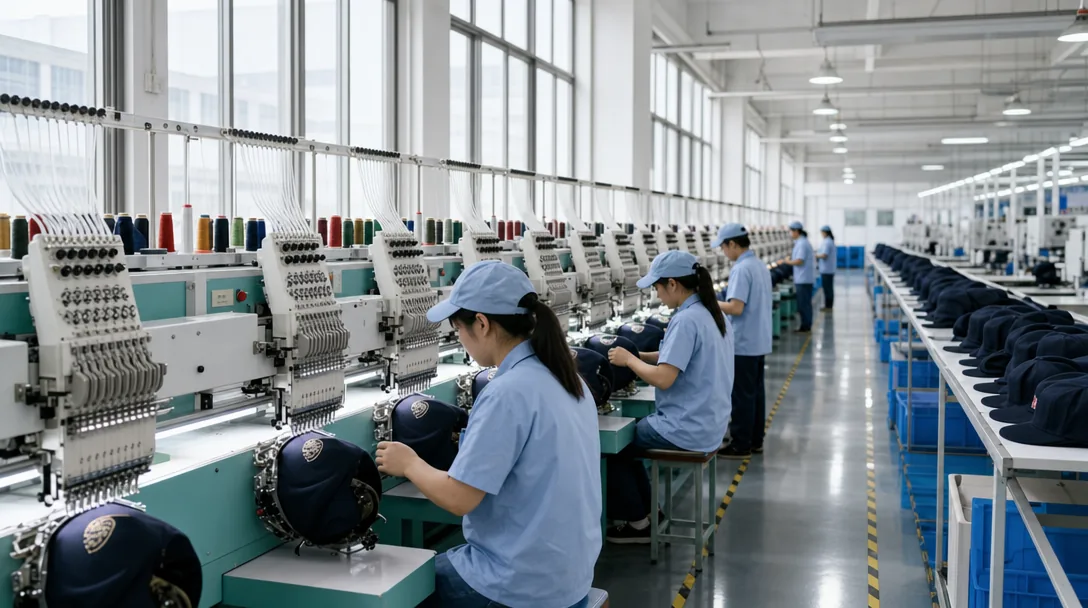
Bulk Trucker Hats Supplier Audit Checklist for Custom Hat Buyers
Read article →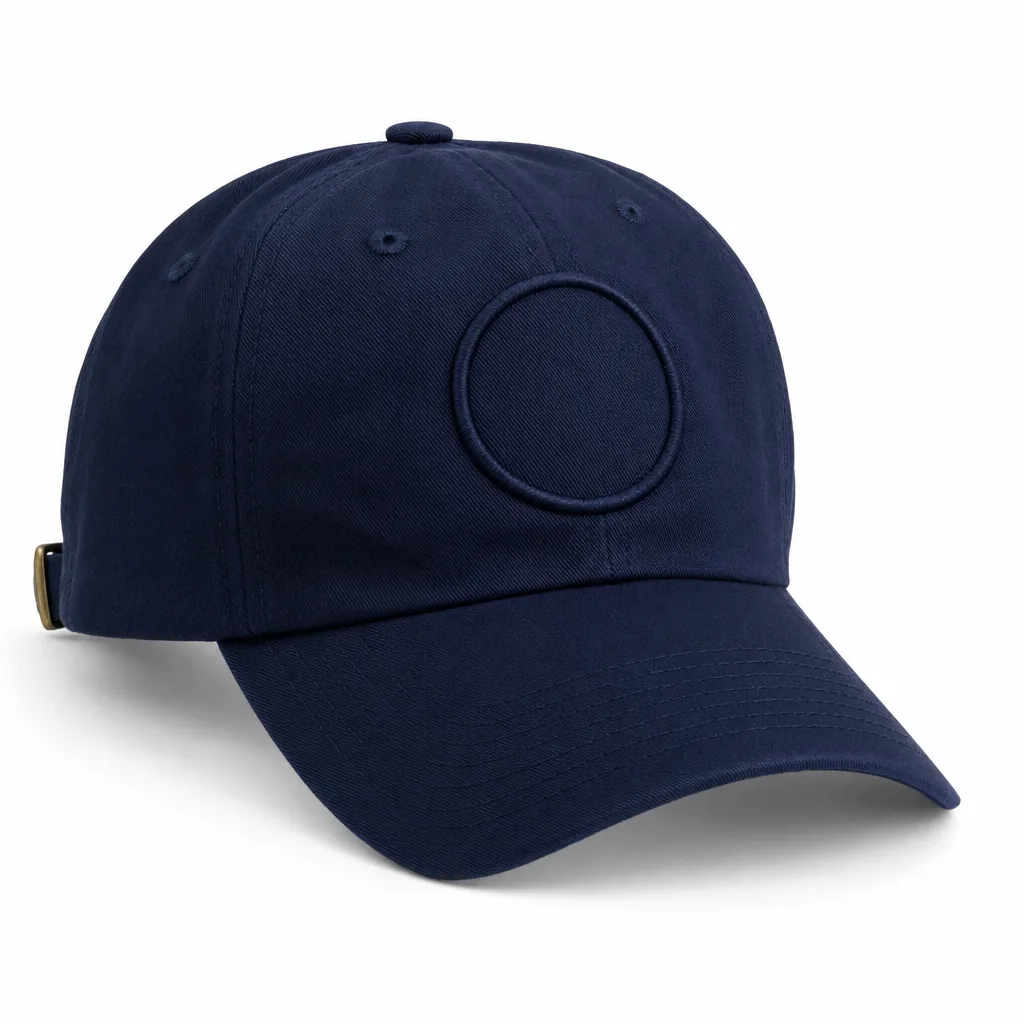
Golf Hats For Men Supplier Audit Checklist for Custom Hat Buyers
Read article →Hat With Patch MOQ And Pricing Plan for Custom Hat Buyers
Read article →We hope this guide demystifies patch hats decoration qc checklist for custom hat buyers and helps you move forward with confidence. If you have questions specific to your project, our English-speaking sales engineers are one message away.