
Hat With Patch MOQ And Pricing Plan for Custom Hat Buyers
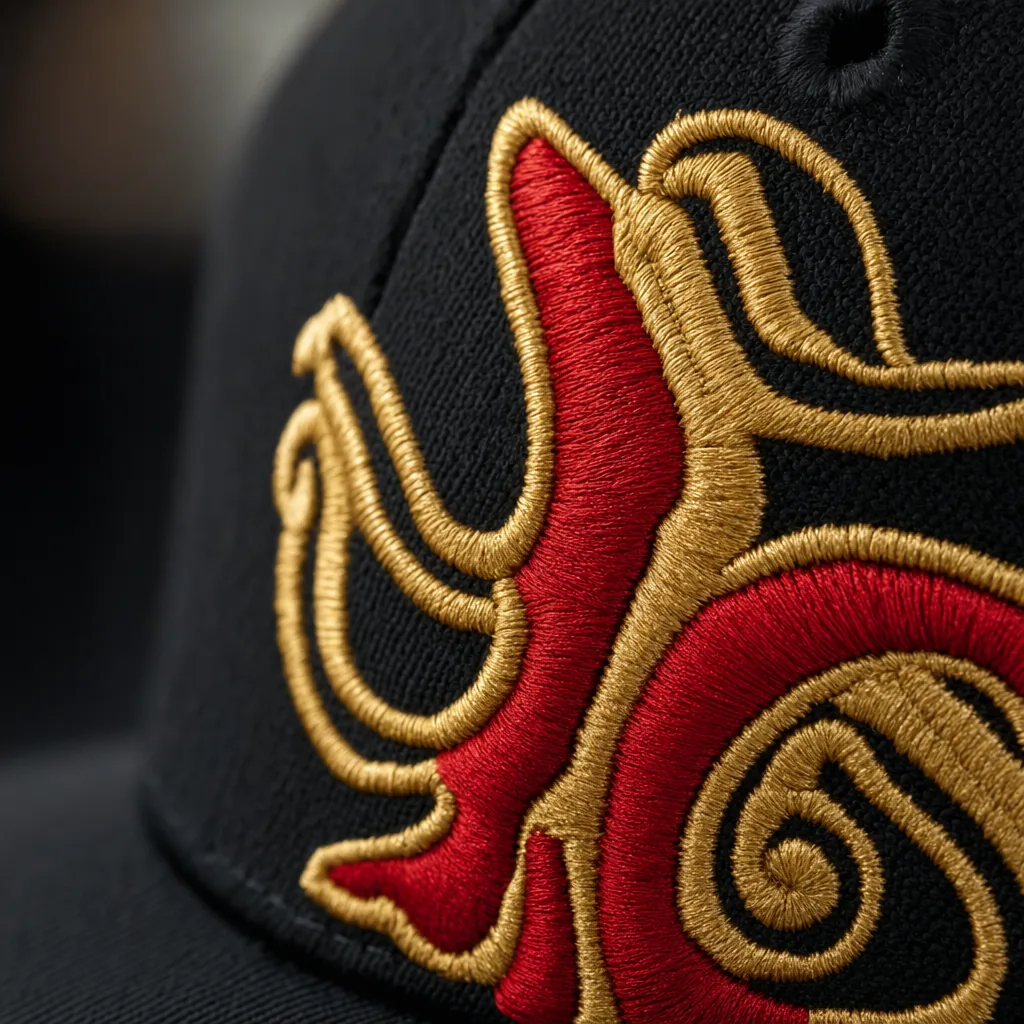
Every week, our sales team answers detailed questions about hat with patch moq and pricing plan for custom hat buyers. We wrote this guide so that wholesalers, streetwear brands, corporate buyers and promotional resellers can compare options with full information, and avoid the traps that show up only after production has started.
Why hat with patch moq and pricing plan needs a separate sourcing plan
Lead time and compliance also diverge from normal cap programs because the patch supplier must be qualified along with the sewing factory. A realistic hat with patch moq and pricing plan should separate sample timing: 2–4 days for cap blank fabric lab dips, 3–7 days for patch strike-off, 5–10 days for full pre-production sample, then 18–35 days bulk depending on quantity and patch type. Color tolerance should be agreed before production; for brand programs we normally hold fabric and patch color within Delta-E 1.5–2.0 against Pantone TCX or TPX references, but leather and chenille cannot behave like dyed polyester thread. Compliance adds another layer: nickel-free metal buckles, azo-free dyes, REACH-restricted substances for PVC, and audit status such as sedex-audit-cap-supplier-guide.html">BSCI 2.0 or Sedex SMETA 4-Pillar if the buyer sells to retail chains. CrownsForge’s standard practice is to inspect patch adhesion, stitch pull, placement tolerance within ±2 mm, and finished caps under AQL 2.5 before carton sealing.
Factory capability checks before quoting
The first capability check is whether the factory can make the patch correctly before it promises a price. For a custom hat with patch, I want to see actual patch samples made on Tajima, Barudan, or ZSK heads, not catalog photos. Embroidered patches need clean satin borders, stable merrow or heat-cut edges, and thread density controlled so the patch does not curl after pressing. Woven patches are better for small lettering under 3 mm, while PVC and silicone patches need mold tolerances around ±0.2 mm and color matching against Pantone TCX or Solid Coated references. A serious supplier should ask for your artwork size, stitch count, backing type, edge method, and attachment method before giving a hat with patch moq and pricing plan. If they quote every patch at the same cost, they are guessing; a 65 mm woven patch may add $0.35–$0.60, while a multi-color 3D rubber patch can add $0.90–$1.80 before application labor.
Fabric and construction checks matter because the patch is only as good as the cap body underneath it. Ask whether the factory can handle cotton twill at 220–280 gsm, washed chino, nylon taslan, 600D polyester, corduroy, ripstop, mesh, or wool-blend panels without distortion at the front crown. A structured 5-panel camper, high-profile trucker, unstructured 6-panel dad hat, and flat-brim snapback all require different blocking, buckram stiffness, seam allowance, and needle setup. Patch placement also changes by panel shape; a flat front panel is easy, but a center-seam 6-panel needs alignment control within about ±2 mm or the hat patch custom order will look off-center. Closures should be quoted as separate variables: plastic snapback, brass buckle, hook-and-loop, elastic Flexfit-style band, rope trim, or metal tuck strap can change FOB cost by $0.15–$0.70 per piece depending on material and finish.
Sample room strength is where many low-price quotes fall apart. A capable sample team should make a pre-production sample in 5–10 working days, provide stitch-out photos, confirm Delta-E color tolerance for dyed fabric, and record shrinkage after washing or steaming. For CrownsForge, our standard practice is to separate patch development, cap body sampling, and final assembled approval because one approved custom patch for hat does not automatically mean the finished cap will pass shape and placement checks. Buyers should also verify audit readiness before scaling custom patch hats: BSCI 2.0, Sedex SMETA 4-Pillar, WRAP, or brand-specific social compliance files should be current, not “available soon.” Communication is another factory capability, not a soft detail. If the merchandiser cannot explain AQL 2.5 inspection, carton drop-test requirements, needle policy, metal detection for kids’ orders, FOB versus DDP cost split, and remake responsibility in writing, the hat with patch moq and pricing plan is not reliable enough for a launch order.
MOQ, pricing and sample approval
MOQ for a custom hat with patch should be quoted in bands, not as one magic number, because fabric cutting, patch tooling, and carton handling scale differently. For woven, embroidered, or PVC patches, a realistic factory MOQ is 144 pieces per style/color if the blank cap fabric is stocked; 300 pieces is cleaner for dyed fabric, special sandwich brims, or mixed-size fitted caps; 500–1,000 pieces is where unit pricing becomes meaningfully better. A 6-panel cotton twill cap with an embroidered patch may land around $3.20–$5.80 FOB Ningbo at 300 pieces, while leather or molded PVC patch versions usually add $0.45–$1.20 per cap depending on patch size and backing. The hat with patch moq and pricing plan should separate the cap body cost, patch cost, application cost, and trims so buyers can see what actually moves the price.
Setup costs are where many buyers underestimate the first order. A custom patch for hat production normally needs digitizing or artwork conversion at $35–$80, woven patch loom setup around $50–$120, PVC mold charges from $120–$300, and debossed leather mold charges around $60–$150 depending on thickness and logo depth. For embroidery patches, stitch density matters: a 70 mm front patch at 8,000 stitches behaves very differently from a 14,000-stitch merrowed badge, especially on structured buckram where puckering shows fast. Pantone matching should use Pantone TCX for fabric and Pantone C/U for printed or PVC surfaces, with Delta-E under 1.5–2.0 considered tight for most production. Our standard practice at CrownsForge is to approve thread cards under D65 lighting before bulk, especially for navy, cream, and fluorescent colors that shift badly between suppliers.
PPS approval should happen only after the real bulk materials are available, not from a salesman’s closest sample. A proper pre-production sample confirms patch placement tolerance, usually within ±3 mm on front panels, stitch density, brim curve, sweatband quality, closure hardware, label layout, and packaging. For custom patch hats, trims can quietly change both cost and schedule: metal buckles add $0.15–$0.35, custom taping adds $0.20–$0.50, woven labels add $0.06–$0.18, and individual polybags with barcode stickers add $0.08–$0.16 per unit. Build the hat with patch moq and pricing plan around a realistic timeline: 5–7 days for artwork and strike-off, 7–10 days for PPS after materials arrive, 20–35 days for bulk production, then 3–5 days for final AQL 2.5 inspection and export packing. Air freight can save time, but DDP courier on bulky caps often costs more than the product itself.
Quality inspection and shipping risk
Quality risk on a custom hat with patch usually hides in small deviations, not in the patch itself. For bulk inspection I use AQL 2.5 for major defects and AQL 4.0 for minor defects, with a tightened plan if the buyer skipped a pre-production sample. Critical points are crown height within ±3 mm, brim length within ±2 mm, sweatband width within ±1.5 mm, and patch placement within ±2 mm from the approved position. For a woven or embroidered custom patch for hat programs, edge fraying, loose merrow stitching, glue bleed, warped heat-press borders, and off-center sewing are counted as major defects because retail customers notice them immediately. If the patch uses Pantone TCX-matched thread or felt, we check visual Delta-E under D65 light; anything above about 1.5–2.0 should be discussed before shipment, especially for team colors and licensed streetwear drops.
Colorfastness is where many custom patch hats fail after passing a clean-looking inline inspection. Dark cotton twill at 260–320 gsm, black suede patches, and red embroidery thread can all transfer dye onto white sweatbands if the mill used weak fixation. I prefer rubbing fastness at grade 4 dry and grade 3–4 wet under ISO 105-X12, plus a 30-minute perspiration check for performance caps. Embroidery defects need a separate eye: bird-nesting, thread tails over 5 mm, skipped stitches, needle holes around leather patches, and puckering caused by too-tight Tajima, Barudan, or ZSK tension should not be waved through as “handmade variance.” Our standard practice at CrownsForge is to keep the approved sample, thread card, patch mold, stitch file, and packing photo set under the same PO number so the reorder does not quietly drift after six months.
Shipping risk should be priced into the hat with patch moq and pricing plan, not treated as a last-minute freight discussion. Carton markings need SKU, color, size ratio, PO number, gross/net weight, carton dimensions, country of origin, and any retailer routing labels before the final random inspection, because relabeling 80 cartons at the warehouse costs more than printing correctly at source. For FOB Ningbo or Shanghai, the buyer controls forwarder cost but must manage customs entry, insurance, and delivery appointments; for DDP to the U.S. or EU, the supplier carries more risk, so I normally see an extra $0.45–$1.20 per cap depending on carton volume, duty code, and destination ZIP. A practical hat with patch moq and pricing plan should also lock reorder documents: BOM, Pantone TCX references, patch artwork, digitized embroidery file, carton spec, inspection report, and approved shipping marks.
Buyer checklist for the next RFQ
A firm quote starts with a controlled spec, not a mood board. For a hat with patch moq and pricing plan, send the cap style first: 5-panel camper, 6-panel dad cap, structured trucker, snapback, rope cap, bucket, or beanie. Add fabric type and weight if known, such as 280 gsm washed cotton twill, 320 gsm brushed chino, 100% polyester performance ripstop, 600D polyester, or acrylic knit. Include crown height, visor type, back closure, size range, and whether the front panel needs buckram support for a heavier patch. For the patch, state the construction clearly: woven, embroidered, PVC/rubber, genuine leather, PU leather, chenille, sublimated, or silicone heat-transfer. A 75 mm woven patch and a 95 mm PVC patch do not price the same, and they also affect sewing time, needle choice, and packaging deformation risk.
Send artwork as vector files before asking for a fixed price: AI, EPS, PDF, or SVG with outlined fonts. PNG or JPG is useful only as a visual reference unless it is 300 dpi at actual size. Call out Pantone TCX or Pantone Solid Coated colors, acceptable Delta-E tolerance if brand color is strict, and whether metallic thread, merrowed edge, laser-cut edge, debossing, or 3D PVC relief is required. Also send photos of an approved retail sample if you are matching an existing custom hat with patch; front, side, back, inside sweatband, closure, and underside visor photos save days of guessing. If you already have a custom patch for hat program, include the patch supplier’s dieline, stitch count, backing method, and previous defect notes, especially if the patch curled, bled dye, cracked, or pulled loose after wash testing.
Your RFQ should separate quantity tiers instead of asking only for “best price.” Ask for 100, 300, 500, 1,000, and 3,000 pcs, with sample cost, mold cost if PVC or silicone is used, patch setup cost, cap unit price, inner box, carton size, gross weight, lead time, and shipping term: EXW, FOB Ningbo/Shanghai, CIF, DDP air, or DDP sea. Our standard practice at CrownsForge is to quote custom patch hats with AQL 2.5 final inspection assumptions and to flag any order below efficient line MOQ, because a 144-piece custom patch hat order often carries higher labor changeover cost than buyers expect. Include destination ZIP code, target delivery date, compliance needs such as BSCI 2.0 or Sedex SMETA 4-Pillar, and labeling rules for UPC, country of origin, polybag warning, hangtag, or licensed-team hologram before locking the hat patch custom price.
Working with CrownsForge
The fastest way to control a hat with patch moq and pricing plan is to separate the patch tooling cost from the cap sewing cost before sampling starts. At CrownsForge, our standard practice is to quote the blank cap body, patch production, attachment labor, packing, and export charges as separate lines, because a 500-piece order with a woven patch behaves very differently from a 3,000-piece order with debossed leather. For most custom hat with patch programs, realistic MOQ starts around 144 pieces per color for domestic-style sampling, 300 pieces for stable bulk dye lots, and 500–1,000 pieces when fabric needs custom Pantone TCX matching. Patch mold or digitizing fees usually run USD 25–80 for embroidery, USD 60–150 for PVC, USD 80–200 for metal or silicone, and USD 40–120 for leather deboss plates, depending on size and edge detail.
Sampling should prove both the cap shape and the custom patch for hat construction, not just the logo artwork. We normally make a pre-production sample using the actual crown fabric, buckram, visor board, closure, thread, and patch backing, then check whether the patch pulls the front panel out of shape after steaming. A 60 mm woven patch on an unstructured dad cap is low risk; a thick 3D PVC patch on 280 gsm cotton twill needs stronger front support and tighter stitch spacing around the edge. For embroidery-appliqué styles, Tajima, Barudan, or ZSK heads can hold clean registration, but the digitizing must account for twill movement, especially on curved 5-panel fronts. Buyers should budget USD 45–120 for one sample round, with 7–12 days for standard woven or embroidered patches and 12–18 days for molded PVC or metal badges.
QC and export coordination decide whether custom patch hats arrive retail-ready or become a sorting project at the buyer’s warehouse. We inspect incoming patches for color using Pantone TCX references and keep visual Delta-E tolerance around 1.5–2.0 for woven labels, because small badge colors look darker once stitched onto black, navy, or forest green caps. Bulk inspection follows AQL 2.5 for major defects and AQL 4.0 for minor defects, with extra checks for patch placement tolerance, usually plus or minus 2 mm horizontally and vertically. For a custom patch hat shipment, cartons are packed by SKU, color, and size ratio, then coordinated as FOB Ningbo/Shanghai or DDP to the U.S. or EU. A clean hat with patch moq and pricing plan should also account for BSCI 2.0 or Sedex SMETA 4-Pillar requirements if the buyer sells through licensed sports, outdoor, or national retail channels.
Frequently Asked Questions
What is the minimum order quantity (MOQ) for custom hats?
Our standard MOQ is 100 pieces per design and color, with sampling available from 1 piece. For complex multi-color logos or premium fabric upgrades, the MOQ can be lowered with a small per-piece surcharge.
Do you support sustainability certifications?
Yes. We work with GOTS organic cotton, GRS-certified recycled polyester, OEKO-TEX Standard 100 fabrics, and are BSCI and Sedex audited. Certification documentation can be provided per order.
How long does production take?
Sampling takes 7 to 12 days. Bulk production runs 20 to 30 days depending on quantity, fabric availability and decoration complexity. Inspection and packing adds another 3 to 5 days before shipment.
What logo decoration techniques do you offer?
3D puff embroidery, flat embroidery, woven patch, leather patch, PVC patch, screen printing, sublimation, applique and laser etching, all in-house with no subcontracting.
Can I order a sample before bulk production?
Yes. We strongly recommend approving a pre-production sample before mass production. Samples are charged at 35 to 60 USD each plus express shipping, fully refundable against confirmed bulk orders over 500 pieces.
How does ordering custom hat patch work?
When evaluating custom hat patch, the key considerations are construction quality, decoration capability, MOQ flexibility and lead time. Explain the buyer intent behind hat with patch moq and pricing plan, when it differs from generic hat sourcing, and what decisions affect cost, lead time and compliance. Describe how CrownsForge manages hat with patch moq and pricing plan programs with sampling, decoration, QC and export coordination.
How does ordering custom leather patch hats work?
When evaluating custom leather patch hats, the key considerations are construction quality, decoration capability, MOQ flexibility and lead time. Explain the buyer intent behind hat with patch moq and pricing plan, when it differs from generic hat sourcing, and what decisions affect cost, lead time and compliance. Cover embroidery, patch, fabric, panel construction, closure options, sample room capability, audit readiness and communication checks.
What's the MOQ for custom leather patch hat low minimum?
When evaluating custom leather patch hat low minimum, the key considerations are construction quality, decoration capability, MOQ flexibility and lead time. Explain the buyer intent behind hat with patch moq and pricing plan, when it differs from generic hat sourcing, and what decisions affect cost, lead time and compliance. Describe how CrownsForge manages hat with patch moq and pricing plan programs with sampling, decoration, QC and export coordination.
How does ordering custom trucker hat patches work?
When evaluating custom trucker hat patches, the key considerations are construction quality, decoration capability, MOQ flexibility and lead time. Explain the buyer intent behind hat with patch moq and pricing plan, when it differs from generic hat sourcing, and what decisions affect cost, lead time and compliance. Describe how CrownsForge manages hat with patch moq and pricing plan programs with sampling, decoration, QC and export coordination.
Ready to start your custom hat project?
Send us your tech-pack, sketch or even just an inspiration photo. We will respond with a detailed quotation and digital mock-up within 24 hours.
Request a free quoteRelated guides
Custom Embroidered Hat: The 2026 Sourcing & Manufacturing Playbook
Read article →
Custom Cap PP Sample Approval: What to Freeze Before Production
Read article →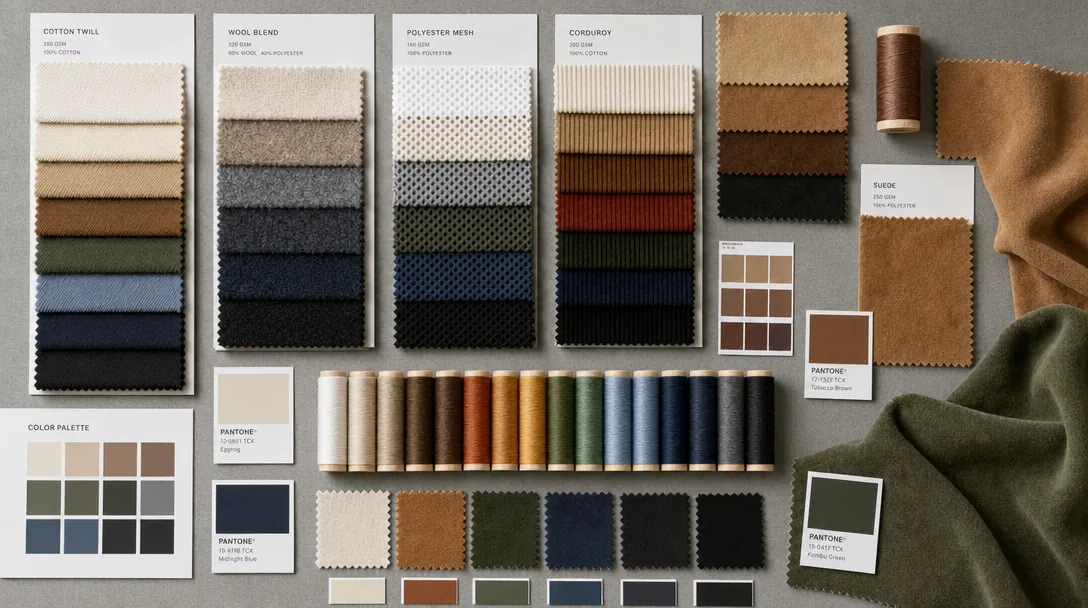
Cotton Twill Baseball Cap: Properties, Costs and How to Spec It Right
Read article →We hope this guide demystifies hat with patch moq and pricing plan for custom hat buyers and helps you move forward with confidence. If you have questions specific to your project, our English-speaking sales engineers are one message away.