
Cotton Twill Baseball Cap: Properties, Costs and How to Spec It Right
Cotton Twill Baseball Cap: Properties, Costs and How to Spec It Right is one of the most-asked questions we receive from international buyers, and for good reason. With dozens of factories competing for your order and an alphabet soup of technical terms in every supplier quote, even experienced importers can feel lost. This guide consolidates what we have learned producing custom hats for clients in 40+ countries.
Corduroy Cap
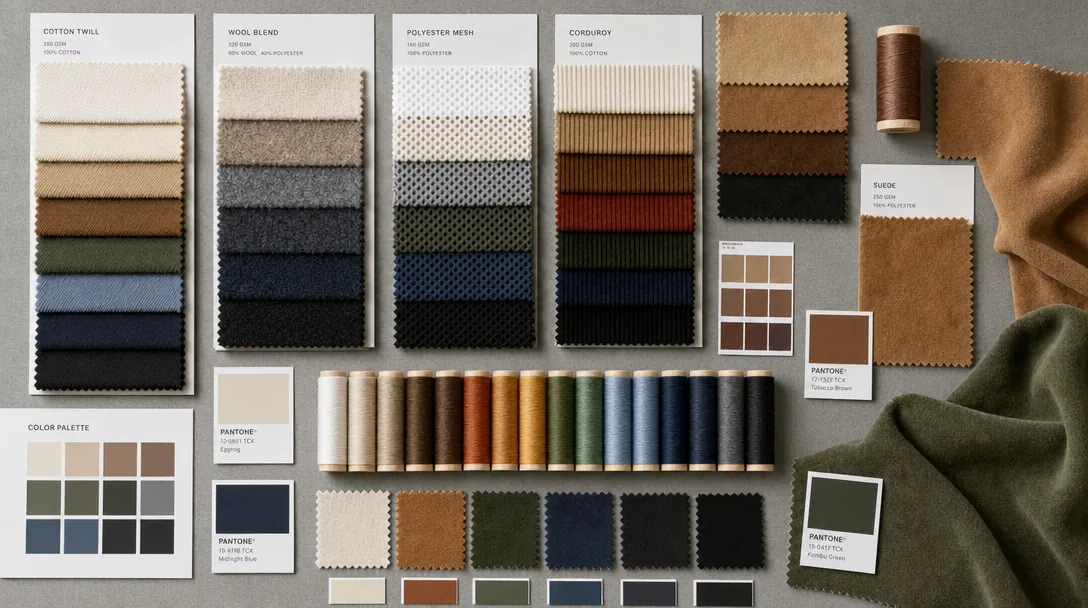
A corduroy cap is built like a cotton twill baseball cap, but the fabric behaves very differently in cutting and sewing. The usual spec is 8-wale or 11-wale cotton corduroy at roughly 280-380 gsm, with the wale running consistently front to back so the pile does not change shade panel to panel. Because corduroy has a raised nap, it shows color variation more than flat twill, so a brown corduroy hat should be matched with a sealed Pantone TCX target and a clear tolerance on shade shift after steaming and washing. The crown normally needs medium buckram or foam interfacing to keep the front clean, and the visor should use 2.5-3.0 mm PE board or recycled board if the buyer wants a lighter hand feel. For logos, embroidery is safer than heat transfer because the pile can distort adhesives and create a dull patch around the mark.
The factory spec sheet should call out fiber content, wale count, finished gsm, shrinkage after wash, colorfastness, crown height, panel count, visor curve, closure type, sweatband material, and stitch density. If the buyer wants an organic cotton hat version, the fabric source needs certification language up front, not after the sample, because the mills that can document GOTS or equivalent traceability usually have longer lead times. Our standard practice at CrownsForge is to freeze the pre-production sample with a signed spec sheet, then control bulk against that sample with a tolerance window for pile direction, seam alignment, and logo placement. MOQ is usually 300-500 pieces per color for dyed corduroy, lower only if the factory is using stock fabric or a very simple unstructured build. Ex-factory pricing often lands around $3.20-$6.80 depending on embroidery size, lining, wash treatment, and whether the cap is structured or garment-washed.
The quality problems to inspect are specific to corduroy: crushed pile from poor packing, panel shading from inconsistent nap direction, puckering around topstitching, and dye migration onto sweatbands or embroidery backing. On a bulk order, I would check a 4-point fabric inspection, then run in-line AQL 2.5 on appearance, measurement, and function, especially the closure and visor shape. Buyers often compare this kind of cap sourcing with a straw bucket hat or knit items like a cotton beanie men style or a 100 acrylic beanie, but the control points are different: corduroy is about fabric direction, shrinkage, and abrasion, while knitwear is about gauge and recovery. If the end use is a broader headwear line built around a cotton twill baseball cap program, corduroy is usually the premium texture option, but only if the buyer is disciplined about spec control and does not treat it like plain twill.
Organic Cotton Hat
An organic cotton hat starts with the fabric spec, not the logo. For a proper cotton twill baseball cap, buyers should ask for GOTS-certified or at least transaction-certified organic cotton, usually 100% cotton twill in 260-320 gsm, with fiber origin documented back to the gin or yarn mill. On the factory floor, the difference is in dyeing, shrink control, and how the panels are cut after pre-shrinking. Standard practice at CrownsForge is to request the yarn count, weave density, and color target against Pantone TCX before sampling, because organic fabric can vary more than commodity twill. Expect a 6-panel structured crown to cost more than a simple unstructured dad cap: factory pricing often lands around $2.40-$4.20 FOB for 300-1,000 pcs, depending on embroidery, wash treatment, and closure. If you are comparing against a straw bucket hat or a corduroy hat brown, the organic cotton route is usually easier to certify, but it is less forgiving on defects and shade variation.
The spec sheet needs to be explicit. Ask for fabric composition, gsm tolerance, sweatband material, seam allowance, visor insert type, closure, stitch density, and shrinkage limit after wash. For an organic cotton hat, I would also require lab dip approval, fabric hand-feel reference, colorfastness to rubbing and perspiration, and a wash test to at least 3% shrinkage maximum. If the cap is intended to compete with a cotton twill baseball cap in retail, include a hidden seam tape spec, eyelet reinforcement, and embroidery backing so the crown does not pucker under dense stitching from Tajima, Barudan, or ZSK heads. The MOQ is typically 300-500 pcs per color for a custom run, but 100-200 pcs is possible if the factory is using stock fabric and simple decoration. Pricing rises quickly on small orders because cutting loss, setup, and QC time do not scale down proportionally.
The common failures are predictable: uneven shrinkage between panels, soft crowns collapsing after steaming, off-shade panels from mixed dye lots, and oil marks or contamination on light-colored organic cotton. Inspect the inside as hard as the outside. Sweatband stitching, seam alignment, visor curve, and label placement matter more than most buyers think, especially when the cap is meant to sit beside a cotton beanie men program or a 100 acrylic beanie in the same assortment. For sourcing, the main decision is whether you want an organic cotton hat for certification and brand positioning, or a standard cotton twill baseball cap for lower cost and easier color consistency. If you need scale, ask the factory for AQL 2.5 inspection terms, carton pack-out counts, and a pre-production approval sample before bulk cutting. That is the difference between a clean repeat order and a shipment full of avoidable rejects.
Cotton Beanie Men
A cotton beanie men style is usually a rib knit, not a cut-and-sew cap, so the factory process is different from a cotton twill baseball cap. Most mills knit 2x2 or 1x1 rib from 20s/2 or 32s combed cotton yarn, then relax-wash, cut, overlock the crown, and topstitch the fold. If the buyer wants a cleaner handfeel, ask for enzyme wash, reactive dyeing to Pantone TCX, and yarn count confirmation on the spec sheet. Our standard practice is to define fabric weight in gsm, stretch recovery, shrinkage after 3 washes, and seam tolerance, because cotton can grow or distort if the yarn twist and finishing are weak. For a winter program, many buyers compare it with a 100 acrylic beanie, but cotton is better for breathability and retail markets that want a natural-fiber story, especially when paired with an organic cotton hat position.
Typical MOQ for a simple cotton beanie men order is 300 to 500 pieces per color if the factory already has the yarn shade, and 1,000 pieces if custom dyeing or jacquard is involved. FOB pricing usually lands around $2.20 to $4.80 per piece for basic solids, with embroidery, woven labels, or a folded cuff pushing it higher; organic cotton and heavier 400 gsm constructions will add cost fast. Quality checks should focus on size tolerance, rib rebound, pilling, yarn slubs, color migration, and seam popping at the crown after stretch testing. Buyers often source a cotton beanie men program alongside a cotton twill baseball cap to balance seasonal sell-through, then round out the line with a straw bucket hat for summer or a corduroy hat brown for fashion drops, but the same discipline applies: lock the fabric spec, shrinkage limit, and carton pack method before you approve pre-production samples.
Cotton Beanie Women
A cotton beanie women buyers usually want is not a cut-and-sew cap; it is normally a knit program built on 1x1 or 2x2 rib, then linked at the crown and steam-blocked for shape. For a cleaner handfeel, request combed cotton yarn at 26s/2 to 32s/2, usually 180 to 240 gsm finished weight depending on warmth and drape. The factory should tell you whether the yarn is ring-spun or open-end, because that changes pilling behavior fast. On production, our standard practice is to knit on 7-gauge or 12-gauge circular machines, then trim, link, wash, dry, and inspect the seam tension before packing. If the buyer wants an organic cotton hat position, ask for GOTS yarn or at least transaction certificates, because a soft hand alone does not prove fiber origin.
For specs, do not just say 'cotton beanie women'; lock down crown height, brim depth, stretch recovery, and shrinkage after wash. A realistic spec sheet should include yarn count, color target in Pantone TCX, tolerance on circumference, and color fastness at 4 or better under AATCC 16 and 61. If you want embroidery, request stitch density, backing type, and placement measured from the front fold; if you want a woven label, define size and end-finish so it does not curl. MOQ is usually 300 to 500 pieces per color for stock yarn, and 800 to 1,500 if you need custom dyed yarn or a private knit pattern. Pricing often lands around USD 2.20 to 4.80 FOB for basic cotton, with organic or heavier-gauge builds adding 15 to 30 percent, which is still different economics from a cotton twill baseball cap or a 100 acrylic beanie.
The weak points are predictable: yarn slubs, uneven rib tension, poor crown closure, and shade drift between lots. Buyers should inspect for twist skew, seam popping at the top, and pilling after a 5,000-cycle Martindale or a simple abrasion test if the factory does not have a full lab. For packaging, vacuum compression can distort a softer knit, so a flat polybag with size sticker is usually safer than stuffing it tight with a cardboard insert. If you are comparing this with a corduroy hat brown, a straw bucket hat, or even a cotton beanie men program, the decision is mostly about handfeel, seasonality, and wash durability. The sourcing logic is the same as with a cotton twill baseball cap: specify the fabric system, approve a lab dip, check pre-production samples, and hold the factory to AQL 2.5 before you scale.
Cotton Hats for Men
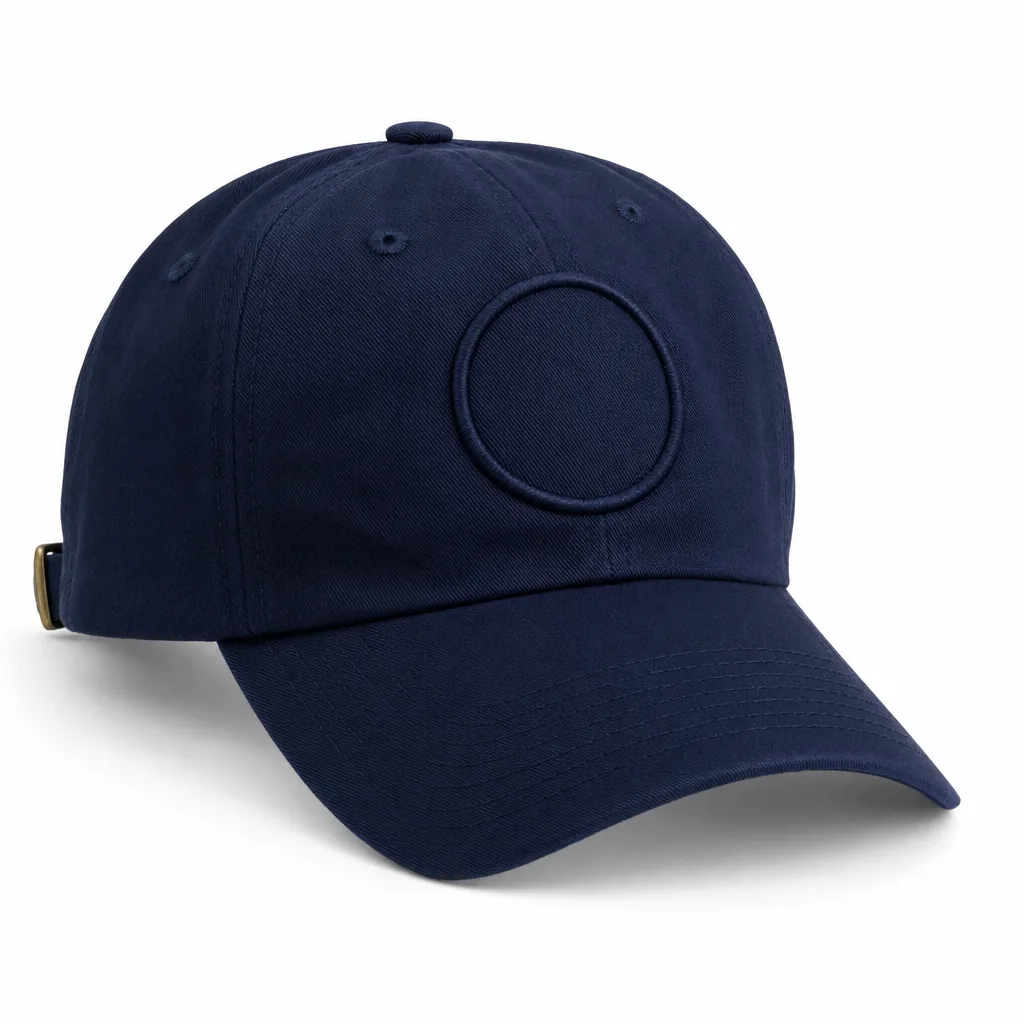
A cotton hat for men is usually a simple product on paper and a sloppy one in production if the factory does not control shrinkage, panel shape, and sweatband construction. For a cotton twill baseball cap, the common build is 100 percent cotton twill in 220 to 280 gsm, structured or unstructured crown, buckram front panels, and a self-fabric or polyester sweatband. If you want an organic cotton hat, ask for GOTS or at least OEKO-TEX documentation and make sure the yarn dye lot is locked before bulk. At CrownsForge, the first thing I request on a new cap order is the full spec sheet: fabric weight, weave direction, visor board type, lining, seam tape, thread count, closure style, and the target size tolerance in millimeters. Without that, you are guessing, and cotton will punish guessing with warp, twist, or a crown that sits oddly after steaming.
Buyers should ask for the same discipline you would apply to a straw bucket hat or a corduroy hat brown, even though those materials behave differently. For cotton caps, define Pantone TCX or Pantone C for embroidery, a wash test target, and colorfastness minimums, then specify whether the crown is enzyme-washed, pigment-dyed, or raw. MOQ for a custom cotton hat is usually 300 to 500 pieces per color and 1,000 pieces for a fully custom build, with blank stock sometimes lower. Pricing moves with fabric and trim: a basic 6-panel cotton twill cap can land around $2.20 to $4.50 FOB, while better stitching, metal closures, and tighter QA can push it to $5.50 or more. An organic cotton hat usually adds 10 to 20 percent because traceability and certification paperwork cost real money.
The quality problems are predictable if you know where to look. Check for puckering around the visor, off-center embroidery, crooked eyelets, weak topstitch density, and sweatband fray after abrasion. I also watch for shrinkage after steam pressing; cotton can pull 2 to 5 percent if the fabric was not pre-shrunk correctly. Ask the factory to measure sample caps before and after a wash or steam cycle, then inspect under AQL 2.5 for panel symmetry, logo placement, and closure function. If you are comparing a cotton twill baseball cap to a cotton beanie men or a 100 acrylic beanie, remember the failure modes are different: cotton caps fail on shape retention and dye stability, while knits fail on pilling and stretch recovery. The sourcing decision should come down to end use. Cotton twill is the safer choice for retail caps, promo programs, and sports licensing because it balances hand feel, printability, and a controlled cost structure better than most blended alternatives.
Organic Cotton Beanie
An organic cotton beanie is usually made from ring-spun or combed organic cotton yarn knitted on a 7G, 9G, or 12G machine, then linked, washed, blocked, and trimmed before labeling. If you are buying from a factory, do not ask for “organic” as a vague claim. Ask for GOTS or at least full fiber traceability, yarn count, knit gauge, finished weight per piece, cuff height, body length, and shrinkage limits after washing. For a typical cotton beanie men program, I would spec 95 to 120 grams finished weight, 1x1 or 2x2 rib, stitch density defined in rows and wales, and color approval against Pantone TCX with a measured Delta-E target under 2.0. If the factory also produces a cotton twill baseball cap, that is useful because you can compare how they handle raw-material traceability, trim consistency, and bulk shade control across different product types rather than trusting one sample photo.
MOQ is usually 300 to 500 pieces per color for a simple organic cotton beanie, with a realistic FOB range of about $2.20 to $4.50 depending on yarn origin, knit gauge, label method, and packing. A flat embroidered logo will cost more than a woven patch or silicone badge, but less than a fully jacquard knit pattern. For reference, a 100 acrylic beanie often lands lower on cost and faster on lead time, while an organic cotton hat will usually carry a premium because certified yarn and wash testing add friction. CrownsForge’s standard practice is to lock the first proto against a full measurement sheet before bulk, because beanies drift in length and cuff recovery faster than buyers expect. If a factory quotes below market, check whether the yarn is truly organic, whether the trim package is included, and whether the quote assumes generic polybag packing instead of branded packaging.
The common defects are boring but expensive: uneven cuff height, visible seam bulge at the crown, poor linking that creates a ridge at the join, pilling after one or two washes, and shrinkage above 3 percent if the yarn was not properly pre-washed. You also want to inspect shade banding between dye lots, because organic cotton absorbs reactive dye differently when the scour and bleach cycle is inconsistent. AQL 2.5 is fine for visual inspection, but for beanies I also check wash recovery, seam tension, and label placement under stretch. If you are building a broader seasonal line, compare the organic cotton beanie against a straw bucket hat, a corduroy hat brown, or a cotton twill baseball cap on margin, freight density, and decoration cost. The beanie is not just a colder-weather SKU; it is a good test of whether a factory can hold fiber quality, knit consistency, and finishing discipline across soft goods, not just one easy sample.
Working with CrownsForge for cotton twill baseball cap programs
A serious cotton twill baseball cap program starts with the sample path, not the purchase order. For first-time buyers, I want a 7 to 10 day sample window for a simple 6-panel cap with stock cotton twill, then 3 to 5 additional days if you need a wash test, custom seam tape, or a revised visor curve. If the handfeel target is too vague, the result is usually a cap that looks right but wears wrong, so we ask for target gsm, shrinkage tolerance after washing, and Pantone TCX references before cutting. CrownsForge generally keeps MOQ flexible for development runs, which matters when a brand is still deciding between a cotton twill baseball cap, an organic cotton hat, or a seasonal fabric like corduroy hat brown. The point is to validate fit, crown depth, and color under real production conditions before you lock volume, not after.
Decoration is where most cost and schedule mistakes happen, so we keep embroidery, patching, and heat transfer in-house instead of pushing them downstream. A clean front logo on a cotton twill baseball cap is usually quickest on Tajima, Barudan, or ZSK heads with 75/11 needles and stabilized backing; if the art is dense, we adjust stitch density and underlay before thread ever reaches the cap. That matters because a bad digitizing file can add 6 to 12 percent waste from thread breaks, puckering, or misaligned panels. We also decide early whether the program needs flat embroidery, 3D puff, woven labels, or a rubber patch, because each changes labor and unit cost. When buyers compare a cotton beanie men order or a 100 acrylic beanie against a cap program, they usually miss that decoration complexity drives more variation than base fabric alone.
For compliance, I would not treat certificates as paper to file away. A credible cotton twill baseball cap supplier should be able to support sedex-audit-cap-supplier-guide.html">BSCI 2.0 or Sedex SMETA 4-Pillar audits, provide fiber content declarations, and back color matching with Delta-E control against approved standards. Our order-management workflow is built around this: pre-production sample approval, material booking, trim confirmation, inline checks, and final AQL 2.5 inspection before carton seal. That sequence is what reduces expensive surprises on the first bulk run, especially for brands scaling from 300 pieces to 5,000 and above. The same discipline applies whether the customer is buying a seasonal cotton twill baseball cap line or expanding into adjacent headwear categories like a straw bucket hat, because the buying risk is usually not the silhouette, it is the lack of control over materials, approvals, and shipment timing.
Frequently Asked Questions
What logo decoration techniques do you offer?
3D puff embroidery, flat embroidery, woven patch, leather patch, PVC patch, screen printing, sublimation, applique and laser etching, all in-house with no subcontracting.
Can I order a sample before bulk production?
Yes. We strongly recommend approving a pre-production sample before mass production. Samples are charged at 35 to 60 USD each plus express shipping, fully refundable against confirmed bulk orders over 500 pieces.
Do you support sustainability certifications?
Yes. We work with GOTS organic cotton, GRS-certified recycled polyester, OEKO-TEX Standard 100 fabrics, and are BSCI and Sedex audited. Certification documentation can be provided per order.
What file format should I send for my logo?
Vector files (AI, EPS, PDF) are ideal. High-resolution PNG or JPG at 300 dpi on transparent background works as a fallback. Provide Pantone color references for accurate reproduction.
Which shipping methods do you support?
We support FOB, CIF and DDP shipping. Air express for samples and small orders, sea LCL for 100 to 500 pieces, sea FCL for 5,000+ pieces. Door-to-door DDP available for US, EU, UK, Canada and Australia.
What should buyers know about organic cotton baseball cap?
When evaluating organic cotton baseball cap, the key considerations are construction quality, decoration capability, MOQ flexibility and lead time. Cover everything buyers ask about organic cotton hat: how it's manufactured, what specs to request from a factory, typical MOQ and pricing, common quality issues to inspect for, and how this ties back to the broader cotton twill baseball cap sourcing decision. Cover everything buyers ask about organic cotton beanie: how it's manufactured, what specs to request from a…
What should buyers know about organic cotton bucket hat?
When evaluating organic cotton bucket hat, the key considerations are construction quality, decoration capability, MOQ flexibility and lead time. Cover everything buyers ask about organic cotton hat: how it's manufactured, what specs to request from a factory, typical MOQ and pricing, common quality issues to inspect for, and how this ties back to the broader cotton twill baseball cap sourcing decision. Cover everything buyers ask about organic cotton beanie: how it's manufactured, what specs to request from a…
What should buyers know about brown corduroy bucket hat?
When evaluating brown corduroy bucket hat, the key considerations are construction quality, decoration capability, MOQ flexibility and lead time. Cover everything buyers ask about corduroy cap: how it's manufactured, what specs to request from a factory, typical MOQ and pricing, common quality issues to inspect for, and how this ties back to the broader cotton twill baseball cap sourcing decision. Cover everything buyers ask about organic cotton hat: how it's manufactured, what specs to request from a factory,…
What should buyers know about bucket hat men nike?
When evaluating bucket hat men nike, the key considerations are construction quality, decoration capability, MOQ flexibility and lead time. Cover everything buyers ask about organic cotton hat: how it's manufactured, what specs to request from a factory, typical MOQ and pricing, common quality issues to inspect for, and how this ties back to the broader cotton twill baseball cap sourcing decision. Cover everything buyers ask about cotton beanie men: how it's manufactured, what specs to request from a factory,…
Ready to start your custom hat project?
Send us your tech-pack, sketch or even just an inspiration photo. We will respond with a detailed quotation and digital mock-up within 24 hours.
Request a free quoteRelated guides
Custom Made Trucker Hat: The 2026 Sourcing & Manufacturing Playbook
Read article →Sports Team Caps & Uniform Headwear: Bulk Manufacturing for Clubs and Schools
Read article →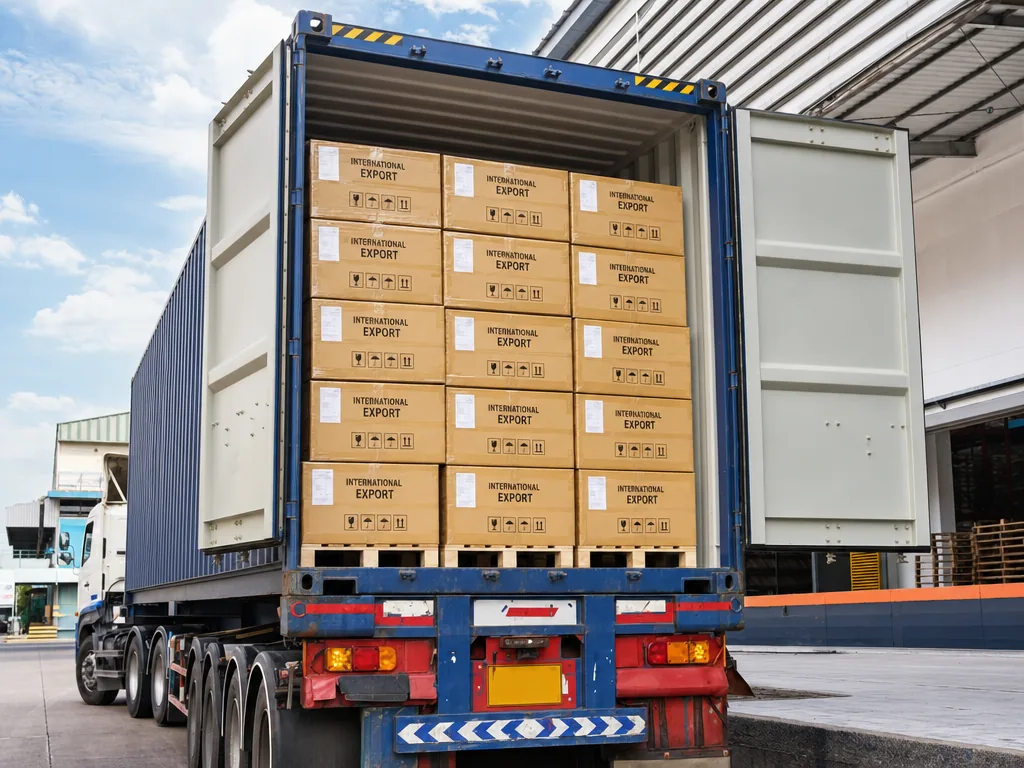
FOB vs CIF vs DDP: Incoterms Compared for Hat Imports
Read article →If you are ready to take the next step on cotton twill baseball cap: properties, costs and how to spec it right, our team can put a tailored quotation and digital mock-up in your inbox within 24 hours. Send the inquiry form on our contact page or message us directly on WhatsApp.