Bulk Trucker Hats Supplier Audit Checklist for Custom Hat Buyers
Bulk Trucker Hats Supplier Audit Checklist for Custom Hat Buyers is one of the most-asked questions we receive from international buyers, and for good reason. With dozens of factories competing for your order and an alphabet soup of technical terms in every supplier quote, even experienced importers can feel lost. This guide consolidates what we have learned producing custom hats for clients in 40+ countries.
Why bulk trucker hats supplier audit checklist needs a separate sourcing plan
A buyer searching for a bulk trucker hats supplier audit checklist is usually past the “send me your catalog” stage. They are trying to reduce supplier risk before placing 1,000 to 50,000 pieces, often with mesh-back caps that look simple but have many failure points: foam front collapse, uneven crown height, cheap snapback resin, embroidery puckering, and bill warping after carton compression. Generic hat sourcing checks fabric and price; trucker sourcing must also check panel lamination, mesh denier, sweatband absorbency, visor insert thickness, and whether the factory can hold a 5-panel or 6-panel silhouette within a ±3 mm tolerance. For bulk custom trucker hats, I would ask for a pre-production sample, a size-run fit check, and a wash/rub test before approving bulk cutting. If the supplier cannot explain their AQL 2.5 final inspection process or show defect categories for embroidery, stitching, and shape, they are not ready for branded retail work.
Custom bulk trucker hats also need a different cost model because the visible decoration and structure drive more cost than the base cap. A basic polyester-foam trucker may quote at $1.20–$1.80 FOB Ningbo/Yiwu at 5,000 pieces, but a cotton twill front, 100% polyester mesh, 3D puff embroidery on Tajima or Barudan heads, contrast sandwich bill, and woven back label can push it to $2.40–$4.20 before freight and duty. Bulk custom embroidered hats are especially sensitive to stitch count: a 6,000-stitch flat logo may add $0.18–$0.35, while a 14,000-stitch 3D puff front can add $0.55–$0.95 plus extra sampling time. Branded bills custom hat cost is another hidden line item; underbill printing, edge piping, or Pantone-matched sandwich trim can extend lead time by 5–10 days if the fabric must be piece-dyed to Pantone TCX with Delta-E under 1.5.
Compliance planning is where a custom hat manufacturer differs most from a trading company. Promotional buyers may only need carton drop tests and needle detection, but licensed sports teams, streetwear retailers, and EU distributors often require sedex-audit-cap-supplier-guide.html">BSCI 2.0, Sedex SMETA 4-Pillar, REACH declarations, CPSIA for youth caps, and azo-free dye reports. Our standard practice at CrownsForge is to separate the audit into factory capability, material traceability, decoration control, and logistics readiness, because one clean showroom does not prove stable bulk production. Lead time should be budgeted realistically: 7–12 days for sample development, 3–5 days for embroidery digitizing and approval, 25–35 days for bulk production after deposit, and 7–30 days for freight depending on air, sea, FOB, or DDP terms. A proper bulk trucker hats supplier audit checklist forces these decisions before money moves, not after cartons are already sealed.
Factory capability checks before quoting
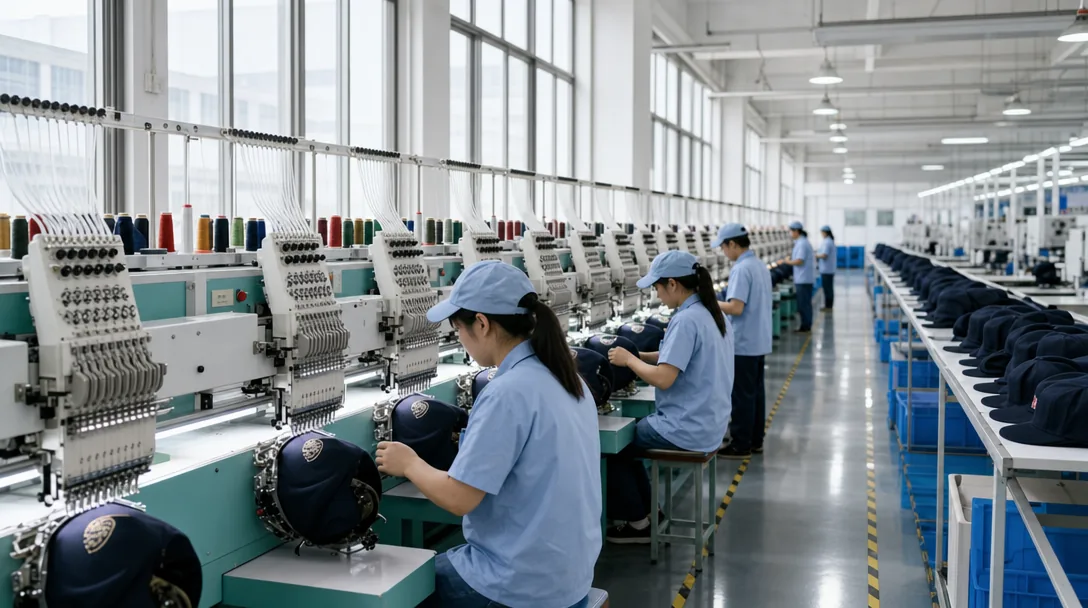
The sample room is where you find out if the factory can solve problems before 10,000 pieces are already wrong. A capable custom hat manufacturer should produce proto samples in 5–7 working days, keep Pantone TCX or TPX references, measure color by Delta-E where possible, and document revisions with photos, not vague WeChat messages. Our standard practice at CrownsForge is to check embroidery registration, bill curve, sweatband stitching, crown symmetry, and closure pull strength before sending pre-production approval samples. Audit readiness matters just as much: ask for BSCI 2.0, Sedex SMETA 4-Pillar, fire-safety records, needle-control logs, metal detection procedure, and AQL 2.5 final inspection reports. A practical bulk trucker hats supplier audit checklist should also score communication: English tech-pack comprehension, response time, willingness to flag risks, and whether the merchandiser can translate your bulk custom trucker hats requirements into factory-floor instructions without losing details.
MOQ, pricing and sample approval
MOQ tells you whether a supplier actually controls production or is just collecting orders. For bulk custom trucker hats, a real factory should quote clear bands: 300–499 pcs for trial runs, 500–999 pcs for normal small wholesale, 1,000–2,999 pcs for stable pricing, and 5,000+ pcs where fabric cutting, mesh procurement, and carton loading become efficient. A structured bulk trucker hats supplier audit checklist should ask for FOB unit pricing by band, not one blended number. A basic 5-panel foam trucker with polyester mesh may land around US$2.10–3.20 FOB Ningbo at 1,000 pcs, while cotton twill front panels, contrast sandwich bills, woven labels, and better sweatbands push it to US$3.60–5.20. Branded bills custom hat cost changes fast when you add underbill printing, rope, metal buckle, or private mold patches, so each trim needs its own line item.
Decoration charges must be separated from the cap body, because this is where weak quotations hide margin. For bulk custom embroidered hats, digitizing usually runs US$30–80 per logo depending on stitch complexity, and embroidery setup may add US$40–120 per color position if the factory outsources. On Tajima, Barudan, or ZSK heads, we normally check stitch count and density before sampling: a 6,000-stitch flat front logo behaves differently from a 14,000-stitch 3D puff mark on foam. Ask the supplier to state thread type, backing, needle size, and whether the quoted price includes one front embroidery only or side/back hits too. For custom bulk trucker hats, PPS approval should include the actual mesh color, bill curve, crown height, closure, sweatband, taping, hangtag, polybag, carton mark, and barcode label—not just a pretty logo swatch photographed on a desk.
Color and sample approval need hard tolerances, not “close enough.” Pantone TCX or TPX references should be written on the tech pack, and fabric lab dips should be approved under D65 lighting with a practical Delta-E target, usually under 1.5 for panels and under 2.0 for mesh because open-weave polyester reflects differently. A reliable custom hat manufacturer will send a PPS before bulk cutting, then lock embroidery density, thread shade, trim placement, and packaging spec. Our standard practice at CrownsForge is 5–7 days for artwork digitizing and proto sample, 7–10 days for PPS after confirmed materials, and 25–40 days bulk lead time after PPS approval for 500–5,000 pcs, depending on season. Put those gates inside your bulk trucker hats supplier audit checklist, along with AQL 2.5 final inspection, carton drop-test expectations, and approval rules for substitutions, because late trim changes are what turn a clean hat order into an expensive air-freight rescue.
Quality inspection and shipping risk
Quality risk on bulk custom trucker hats usually hides in repeatability, not in the first golden sample. A serious bulk trucker hats supplier audit checklist should require an AQL 2.5 major / 4.0 minor final inspection, with at least 80–125 pcs pulled from a 3,000–10,000 pc lot depending on ANSI/ASQ Z1.4 sampling level II. For truckers, I want crown height controlled within ±3 mm, visor length within ±2 mm, sweatband width within ±1.5 mm, and back-strap position within ±2 mm, because small drift makes the cap sit crooked even when it looks fine in a carton. Mesh tension also matters: a 100D polyester mesh panel that is too loose will bubble after steaming, while over-tensioned mesh can twist the back arch. Inspectors should check shape after 24 hours out of the mold, not only right after blocking, because low-grade buckram often relaxes overnight.
Color and decoration defects create the most buyer disputes on custom bulk trucker hats, especially when brand colors are approved by screen photo instead of physical standard. For fabric and mesh, the audit should require Pantone TCX or lab-dip approval with Delta-E under 1.5 for front panels and under 2.0 for mesh, plus ISO 105-C06 wash colorfastness and ISO 105-X12 rubbing tests at grade 4 or better for dark colors. Embroidery inspection must go beyond thread color: check skipped stitches, bird-nesting, puckering around the front seam, broken satin columns under 0.8 mm, and backing show-through on white foam fronts. On Tajima, Barudan, and ZSK heads, a dense 3D puff logo can run 9,000–14,000 stitches; if the digitizing does not reduce underlay and cap-frame pull compensation, the raised edge will collapse after trimming. Bulk custom embroidered hats should have a decoration defect limit written separately, not buried under general workmanship.
Shipping risk starts before the container is booked, because poor carton control can erase the savings from a low branded bills custom hat cost. Carton markings should show PO number, style code, color, size breakdown if fitted, quantity, gross/net weight, carton number, and country of origin; I also recommend a scannable carton label tied to the packing list. Standard export cartons for hats are usually 58 x 42 x 48 cm, 24–36 pcs per carton for structured truckers, with polybag vent holes and desiccant when humidity is above 65% in Zhejiang summer. FOB Ningbo or Shanghai keeps freight control with the buyer, while DDP is convenient for small brands but must spell out duty, remote delivery fees, and customs exam liability. Our standard practice at CrownsForge is to archive the approved sample, stitch file, bill of materials, carton label, inspection report, and final packing photos so reorders match the original production instead of relying on memory.
Buyer checklist for the next RFQ
The fastest way to get a firm quote is to send a complete tech pack before asking for price. My RFQ checklist starts with style type, order quantity by color, size range, target delivery date, Incoterm, and destination ZIP or port. For bulk custom trucker hats, specify crown height in centimeters, panel construction such as 5-panel foam front or 6-panel structured, brim shape, closure type, sweatband material, and whether the front panel needs buckram, foam, or laminated backing. Add fabric details by gsm or denier when possible: 280 gsm cotton twill, 100% polyester mesh, 600D nylon, washed canvas, corduroy, or recycled polyester. If you only write “good quality trucker cap,” every custom hat manufacturer will quote a different product, and the price spread will be meaningless.
Artwork files decide both sampling risk and the branded bills custom hat cost, especially when embroidery or patches are involved. Send vector logos in AI, EPS, or PDF, plus a PNG mockup showing placement. For bulk custom embroidered hats, include embroidery size in millimeters, thread color references such as Madeira/Rayon codes or Pantone TCX targets, and whether the design is flat embroidery, 3D puff, appliqué, woven patch, rubber patch, leather patch, or heat transfer. Good factories will digitize for stitch count, not just copy the image; a 9,000-stitch flat logo and a 22,000-stitch 3D puff front can change FOB cost by $0.35–$0.90 per hat. Photos of previous samples, inside labels, seam taping, visor underside, and packaging are more useful than a polished lifestyle image.
Use a bulk trucker hats supplier audit checklist to separate real production capability from trading-office guessing. Ask for recent factory photos of cutting tables, sewing lines, Tajima, Barudan, or ZSK embroidery heads, needle detectors, packing benches, and finished-goods inspection areas. Request audit documents such as BSCI 2.0, Sedex SMETA 4-Pillar, ISO 9001 if claimed, and the latest AQL report format, preferably AQL 2.5 for major defects and 4.0 for minor defects. For custom bulk trucker hats, also ask for carton dimensions, polybag method, barcode or FBA labeling ability, sample lead time, bulk lead time, payment terms, and whether pricing is FOB Ningbo/Shanghai or DDP to your warehouse. Our standard practice at CrownsForge is to quote only after artwork, materials, trims, packaging, and shipping terms are locked, because otherwise the “firm quote” is just a placeholder.
Working with CrownsForge
The audit has to start before the first sample is sewn, because a trucker hat order fails most often at the spec handoff: crown height, foam density, mesh stiffness, visor curve, and decoration placement. CrownsForge runs a bulk trucker hats supplier audit checklist as a controlled program, not a sales conversation: we lock the tech pack, confirm Pantone TCX references with Delta-E tolerance under 1.5 for dyed fabric, and build a pre-production sample using the same buckram, mesh denier, snapback mold, and sweatband gsm intended for bulk. For bulk custom trucker hats, I want buyers to approve three things in writing: front panel structure after steaming, logo size after embroidery pull compensation, and bill shape after 24-hour relaxation. A good sample cost is usually USD 45–120 depending on embroidery stitches, patches, labels, and freight; skipping that step to save money is how buyers end up arguing over 10,000 hats that technically match a vague PDF.
Decoration control is where most custom bulk trucker hats separate real factories from brokers. For flat and 3D puff embroidery, digitizing must match the actual foam panel, not a generic cap template; we normally test on Tajima or Barudan heads with thread tension adjusted after the first 20 pieces, then check satin column width, underlay, and registration against the approved sample. Woven patches need edge fray tests and heat-press dwell checks, while rubber patches need shore hardness consistency and adhesive bleed inspection after 48 hours. For bulk custom embroidered hats, I recommend setting stitch count and thread type in the PO, because a 9,000-stitch logo and a 13,500-stitch logo can look similar in a photo but behave very differently on a curved crown. The branded bills custom hat cost also changes fast: contrast sandwich, undervisor print, rope, private mold patch, and seam tape branding can add USD 0.15–1.20 per cap before carton and inland freight.
QC should be written like an inspection document, not a promise. Our standard practice is inline inspection at panel cutting, embroidery, assembly, blocking, and final packing, with final AQL 2.5 for major defects and AQL 4.0 for minor defects unless the buyer’s license program requires tighter limits. The bulk trucker hats supplier audit checklist includes needle detection for metal-risk styles, carton drop testing, barcode verification, polybag suffocation warning checks, and carton mark matching against the booking sheet. On export, we coordinate HS code review, packing list, commercial invoice, fumigation status for pallets, and FOB Ningbo or Shanghai timelines; DDP to the U.S. usually needs 28–40 days by ocean after vessel departure, while air freight makes sense only for launches where the margin can absorb USD 3.50–7.00 per cap. Buyers should also confirm BSCI 2.0 or Sedex SMETA 4-Pillar documents before deposit, not after production is finished.
Frequently Asked Questions
Can I order a sample before bulk production?
Yes. We strongly recommend approving a pre-production sample before mass production. Samples are charged at 35 to 60 USD each plus express shipping, fully refundable against confirmed bulk orders over 500 pieces.
Do you support sustainability certifications?
Yes. We work with GOTS organic cotton, GRS-certified recycled polyester, OEKO-TEX Standard 100 fabrics, and are BSCI and Sedex audited. Certification documentation can be provided per order.
What logo decoration techniques do you offer?
3D puff embroidery, flat embroidery, woven patch, leather patch, PVC patch, screen printing, sublimation, applique and laser etching, all in-house with no subcontracting.
What file format should I send for my logo?
Vector files (AI, EPS, PDF) are ideal. High-resolution PNG or JPG at 300 dpi on transparent background works as a fallback. Provide Pantone color references for accurate reproduction.
What is the minimum order quantity (MOQ) for custom hats?
Our standard MOQ is 100 pieces per design and color, with sampling available from 1 piece. For complex multi-color logos or premium fabric upgrades, the MOQ can be lowered with a small per-piece surcharge.
How does ordering custom embroidered trucker hat work?
When evaluating custom embroidered trucker hat, the key considerations are construction quality, decoration capability, MOQ flexibility and lead time. Explain the buyer intent behind bulk trucker hats supplier audit checklist, when it differs from generic hat sourcing, and what decisions affect cost, lead time and compliance. Describe how CrownsForge manages bulk trucker hats supplier audit checklist programs with sampling, decoration, QC and export coordination.
What should I know about custom trucker hats bulk?
When evaluating custom trucker hats bulk, the key considerations are construction quality, decoration capability, MOQ flexibility and lead time. Explain the buyer intent behind bulk trucker hats supplier audit checklist, when it differs from generic hat sourcing, and what decisions affect cost, lead time and compliance. Describe how CrownsForge manages bulk trucker hats supplier audit checklist programs with sampling, decoration, QC and export coordination.
What's the MOQ for custom embroidered trucker hats no minimum?
When evaluating custom embroidered trucker hats no minimum, the key considerations are construction quality, decoration capability, MOQ flexibility and lead time. Explain the buyer intent behind bulk trucker hats supplier audit checklist, when it differs from generic hat sourcing, and what decisions affect cost, lead time and compliance. Describe how CrownsForge manages bulk trucker hats supplier audit checklist programs with sampling, decoration, QC and export coordination.
What should I know about custom rope hat wholesale bulk?
When evaluating custom rope hat wholesale bulk, the key considerations are construction quality, decoration capability, MOQ flexibility and lead time. Explain the buyer intent behind bulk trucker hats supplier audit checklist, when it differs from generic hat sourcing, and what decisions affect cost, lead time and compliance. Describe how CrownsForge manages bulk trucker hats supplier audit checklist programs with sampling, decoration, QC and export coordination.
Ready to start your custom hat project?
Send us your tech-pack, sketch or even just an inspiration photo. We will respond with a detailed quotation and digital mock-up within 24 hours.
Request a free quoteRelated guides
Merino Wool Beanie: Properties, Costs and How to Spec It Right
Read article →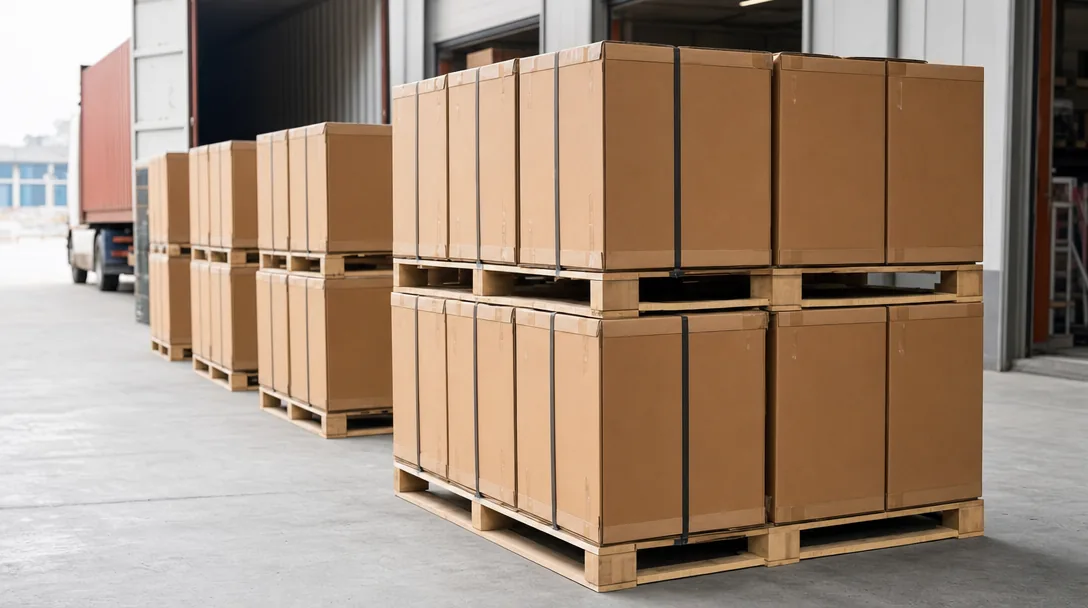
Embroidery Hats Machine: When to Use It, Costs, and What to Ask Your Factory
Read article →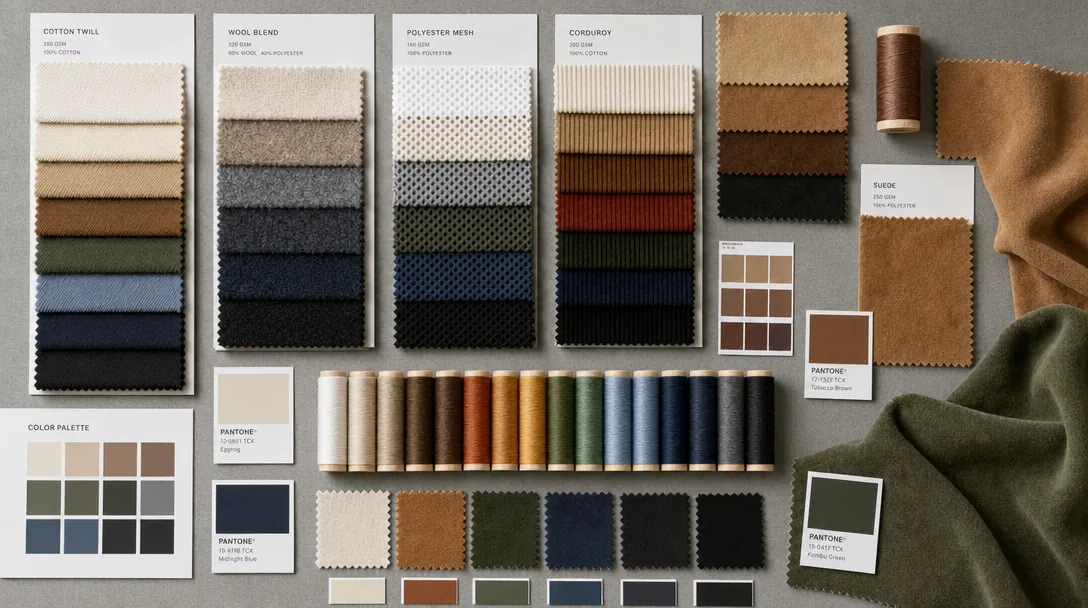
Black Beanie Hat: Properties, Costs and How to Spec It Right
Read article →We hope this guide demystifies bulk trucker hats supplier audit checklist for custom hat buyers and helps you move forward with confidence. If you have questions specific to your project, our English-speaking sales engineers are one message away.