
Mens Beanies: Properties, Costs and How to Spec It Right (2026 Update)
Every week, our sales team answers detailed questions about mens beanies: properties, costs and how to spec it right (2026 update). We wrote this guide so that wholesalers, streetwear brands, corporate buyers and promotional resellers can compare options with full information, and avoid the traps that show up only after production has started.
Beanies for Men
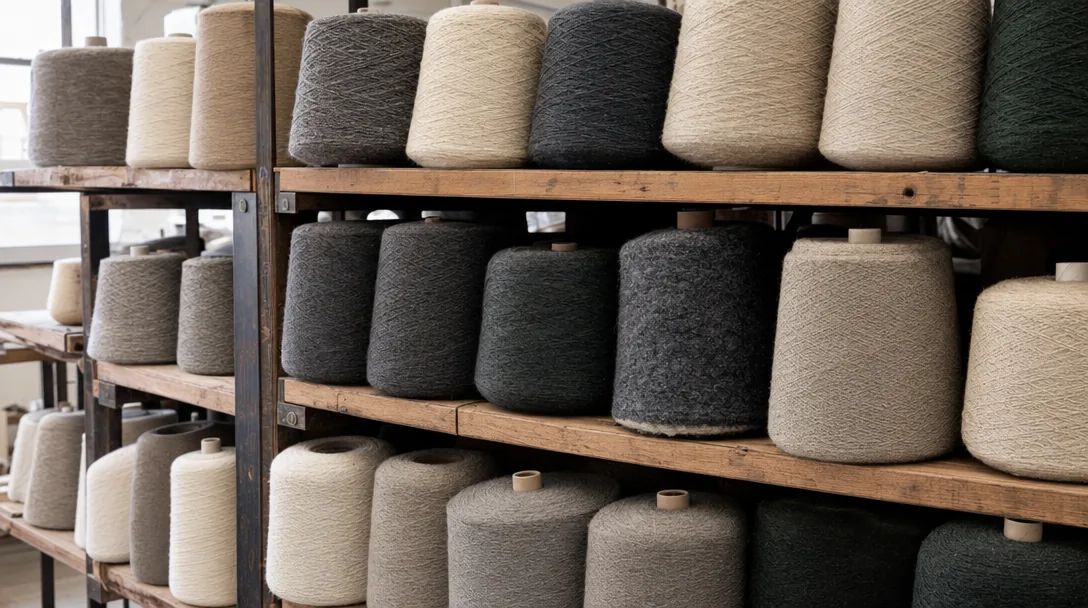
Most mens beanies are decided at the yarn and knitting spec, not the artwork. Lock five points before sampling: fiber content, yarn count, gauge, finished weight, and post-wash measurements. For entry-price programs, 100% acrylic remains the volume option; 2/26 Nm or 28S/2 at 7GG typically yields a standard cuff beanie around 70-85 g. If the hand feel is too harsh at that count, factories often compensate with softener, which can mask poor yarn quality and wash out after one or two care cycles. Mid-tier private label usually performs better in 50/50 or 70/30 recycled polyester/acrylic because the blend improves abrasion resistance and shade consistency across repeat orders. For premium mens beanies, merino needs to be specified by both yarn count and micron: 2/48 Nm or 2/60 Nm is common, but 19.5 micron, 21 micron, and 23 micron do not behave the same in itch, drape, or recovery. Buyers who only write "merino" into the PO are inviting claims.
Construction is where weak vendors get exposed. A proper mens beanies spec should state whether the body is circular knit or flat knit and linked, whether the crown is 4-point or 6-point, and whether the cuff is self-fold, blind-tacked, or left loose. Those choices change bulk at the crown, cuff memory, and how the hat sits after wash-setting. Because there is no brim or front panel to hide defects, needle lines, uneven rib density, dropped stitches, oil marks, and poor elastic recovery show immediately at retail. Commercial tolerances also need to be tighter than many buyers use: call out lay-flat width and height, cuff depth, target weight in grams, fiber tolerance, Pantone TCX references, and logo method. On a rib cuff, a 10,000-12,000 stitch embroidery can easily tunnel or distort the knit unless backing, underlay, and stitch density are controlled. Reasonable benchmarks are shrinkage below 5% after one wash, colorfastness grade 4 minimum, pilling at 3.5 or better, and Delta-E under 1.5 on body yarns.
Cost is driven far more by yarn, dye minimums, and trim complexity than by knitting labor. In Zhejiang, a plain stock-yarn acrylic cuff beanie at 300-500 pcs per color is realistically around US$1.10-US$1.80 FOB. Add jacquard, fleck yarn, fleece lining, a woven label, or a sewn patch and the same style usually moves into the US$1.90-US$3.20 range. A genuine merino program with RWS-certified fiber is a different bracket altogether, typically US$4.80-US$9.50 FOB depending on micron, blend ratio, and wash finish. Sampling can also get expensive fast if the yarn has to be custom dyed below the mill minimum, so buyers should confirm MOQ by color before approving lab dips. Final inspection should focus on the defects that actually trigger chargebacks: cuff rollback, loose crown linking, lot shading, yarn contamination, spiraling after wash, logo skew, and barcode mismatches. AQL 2.5 is standard, but for retailer-packed assortments, measurement and assortment accuracy usually deserve stricter control than the generic table implies.
Corduroy Cap Mens
Corduroy caps go wrong when buyers spec them like brushed twill. The fabric behavior is closer to a directional pile textile: wale count, pile height, and nap direction all affect shade, seam bulk, and crown shape under retail lighting. A 14-wale 100% cotton corduroy at 280-320 gsm is usually the safe zone for a six-panel cap; it wraps the front curve without excessive seam build-up and still holds embroidery. By contrast, an 8-wale wide cord at 360-400 gsm creates bulk at the eyelets, fights the visor seam, and can torque badly once the brim is curved. Every panel must be cut with the nap running one way, or you will see obvious shade shift even inside the same dye lot, especially on washed black, dark olive, and camel. That QC issue is very different from mens beanies, where buyers usually worry about knit gauge, yarn blend, pilling, and stretch recovery rather than directional shading. The spec has to lock construction, not just color and logo position. Front panels should use 40-60 gsm woven fusible interlining; heavy nonwoven often prints through the wale after pressing and makes the crown look cheap. Crown shaping is more stable when molds run around 110-120°C and the caps are fully cooled before packing, otherwise the ridges flatten and the pile bruises. For embroidery, Tajima or Barudan heads are fine, but details below 4 mm high or satin columns under 1.2 mm will sink unless the digitizer adds edge-run underlay and a water-soluble topping film. A usable BOM should also call out 20/3 polyester core-spun topstitching, PE visor board thickness, sweatband material, closure finish, stitch count range, and approved color standard by Pantone TCX plus physical swatch. For bulk approval, a lab dip or strike-off within Delta-E 1.5 of the signed standard is a reasonable line to hold.
FOB cost in Yiwu for 2026 is fairly predictable if the spec is honest. A basic unstructured corduroy cap in stock fabric at 300 pieces normally lands around $2.80-$4.20 FOB; a structured version with custom seam tape, metal buckle, and roughly 5,000-8,000 embroidery stitches is more like $4.60-$6.20 FOB. Stock corduroy MOQ is often 144-300 pieces per color, while custom dyeing can push the mill minimum to 500-800 meters. I would set size tolerance at ±0.5 cm on head opening and visor length, then write inspection criteria around the defects that actually generate claims: mixed nap direction, seam grin exposing the ground cloth, embroidery puckering, visor twist above 5 mm, and crocking from dark dyes onto a light sweatband. AQL 2.5 for major defects and 4.0 for minor is practical for this category. Packing discipline matters more than many buyers expect because corduroy records pressure marks fast. If caps are bagged before they cool after pressing, the first unboxing impression is pile crush, lint pickup, and flattened wale lines. Carton pack-out should be specified tightly enough to avoid brim distortion in transit, especially on curved visor styles. If the style uses metal hardware, add a 24-hour salt spray check on buckle plating and a pull test on strapback attachment points. Compared with mens beanies, corduroy caps are less forgiving on appearance defects and usually carry a higher unit cost, but they sell well in the same Fall/Winter assortment when the factory controls nap consistency, embroidery depth, brim stability, and carton pressure from sewing through final inspection.
100 Cotton Beanie Mens
Yarn spec decides whether 100% cotton mens beanies feel premium or collapse after a week of wear. For most commercial programs, combed cotton in 28/2 or 32/2 Ne on 12-gauge or 14-gauge flat knitting machines is the safe range: 28/2 gives a denser hand and typically lands around 95-110 g per piece, while 32/2 reads cleaner and lighter at roughly 80-95 g, which works better for spring delivery. If the target is upscale retail, specify fully fashioned construction with a linked crown rather than cut-and-sew panels; that removes crown bulk, improves stretch balance, and keeps the cuff flatter for embroidery or woven label application. Color control also needs to be written into the PO, not left to approval by eye. Use Pantone TCX references, require lab dips, and cap shade tolerance at Delta-E 1.5 maximum if the beanie has to sit next to matching fleece or jersey. On rib cuffs, dense fill embroidery can tunnel or distort the wale lines, so the factory should confirm digitizing settings, pull compensation, and backing weight for the actual machine platform, whether that is Tajima, Barudan, or ZSK.
Quoting gets cleaner when the spec sheet uses numbers instead of styling language. A workable tech pack for mens beanies should lock yarn count, knitting gauge, finished width, body height before cuffing, cuff depth, logo method, wash standard, and allowable shrinkage. Adult 1x1 rib cotton beanies usually finish at 21-23 cm width and 22-24 cm body height before fold, with a 6-8 cm cuff; if you do not define those points, factories will “adjust” fit to hit target cost. After one home-laundry cycle, shrinkage should stay under 5%, and recovery should be checked because cotton has far less memory than acrylic. In Yiwu-area production, MOQ is generally 300-500 pieces per color in stock yarn, but custom-dyed yarn, engineered stripes, or jacquard graphics usually pushes minimums to 800-1,200 pieces. FOB for a plain 100% cotton beanie typically runs about $1.85-$3.20, versus $1.10-$1.80 for acrylic and $3.80-$7.50 for merino, depending on gauge, yarn source, and decoration. The common failures are predictable: spiraling after wash, weak rib rebound, cuff asymmetry, needle lines, cotton contamination, and shade variation between dye lots. AQL 2.5 is a sensible inspection level, with cuff symmetry held to +/-0.5 cm and colorfastness to crocking and perspiration tested, not just visually approved under factory lighting.
Corduroy Bucket Hat Mens
A corduroy bucket hat program goes wrong at fabric selection long before color approval. The key controls are wale count, finished weight, and shrinkage: most usable qualities land in the 8-14 wale range at 220-320 gsm, but 11-wale cotton corduroy at 260-280 gsm is the safest production window for a clean brim break, stable crown, and topstitching that stays parallel after pressing. Once the shell fabric gets too soft, suppliers often hide the problem with 40-60 gsm fusible, and the hat turns stiff or bubbles after steam finishing. A tighter spec avoids that: 100% cotton 11-wale corduroy, 280 gsm +/-5%, sanforized, residual shrinkage below 3%, and bulk color approved against Pantone TCX with a defined Delta-E tolerance, ideally under 1.5 on visible panels. Lock the construction too: brim width, crown height, seam allowance, 7-9 SPI topstitching, sweatband material, and whether the brim edge is turned, bound, or self-faced. Two factories can quote the same sketch and still ship different silhouettes if those numbers are missing.
Corduroy exposes manufacturing shortcuts faster than twill because the ribs highlight skew, torque, nap reversal, and uneven thread tension under store lighting. Every panel has to be cut with the nap running one direction, and competent factories mark lay plans accordingly before sewing on Juki or Brother single-needle lines. Front embroidery needs extra discipline: small text will sink into the wale unless the file is digitized for corduroy with proper underlay, reduced density, and pull compensation on a Tajima or Barudan head. For 2026 buying, stock-fabric MOQ is usually 300-500 pieces per color, while custom-dyed corduroy typically starts around 800-1,000 because dye-lot minimums, not sewing capacity, set the floor. FOB China for a standard men’s corduroy bucket hat usually lands at $3.20-$5.80 depending on gsm, stitch count, lining, and packaging. If your line also includes mens beanies, consistency matters more than buyers think: customers compare color depth, hand feel, and shape discipline across categories, and a limp bucket hat will make even a strong beanie program look less considered.
Inspection should target defects that change the silhouette or make claims likely, not minor cosmetic noise. The priority list is mixed nap direction, brim waviness, crown-panel skew, side-band puckering, uneven topstitch spacing, embroidery distortion, and roll-to-roll shade variation. I would hold crown-to-brim seam circumference tightly, because even a 0.5 cm mismatch can create visible torque after pressing and wear. AQL 2.5 is acceptable for broad retail, but fashion drops usually need stricter visual standards, especially on dark colors where pile shading and seam grin show faster. Add crocking, seam-slippage, and post-steam appearance checks to the test plan; corduroy ribs abrade and highlight damage sooner than flat woven shells. In sourcing terms, this style sits between knit and cut-and-sew programs: more construction-sensitive than many mens beanies, but still easier to control than winter knit styles with yarn approval, gauge development, and spinner MOQs.
Mens Corduroy Bucket Hat
The make-or-break point on a men’s corduroy bucket hat is fabric engineering, not decoration. Use 8-wale or 11-wale 100% cotton corduroy at 220-280 gsm; under 200 gsm the brim loses recovery after wash and wear, while over 300 gsm the crown stacks too much bulk at the seam joins. A workable build is usually a 4-panel or 6-panel crown with a 5.5-6.5 cm brim, fused with 150-220 gsm nonwoven interlining so the edge keeps shape without feeling boardy. If shell, brim, and self-fabric sweatband must match, spec Pantone TCX and lock shade tolerance at Delta-E 1.5-2.0 under D65 lighting, because corduroy reflects differently as the pile is brushed. Nap direction is not a minor note here: one reversed panel can make the hat look like it came from a different dye lot. Corduroy also exposes weak workmanship faster than flat twill. Small embroidery under 4.5 mm sinks into the ribs unless the file is re-digitized for the surface, typically with lighter density around 0.35-0.40 mm, stronger edge runs, and a backing that controls pile lift on Tajima or Barudan heads. A proper spec sheet should call out fiber content, wale count, finished gsm, brim width tolerance, crown depth, topstitch SPI, sweatband material, eyelet construction, care standard, and panel-by-panel pile direction. That level of control matters if the buyer is comparing this category with mens beanies: beanies are mostly governed by yarn count, gauge, and pilling, while corduroy bucket hats fail on pattern accuracy, brim symmetry, and shade consistency across cut parts.
Pricing stays predictable only when the spec is tight. In China, MOQ is usually 300-500 pieces per colorway for custom corduroy bucket hats; 144-200 pieces only works when the factory can pull from stock greige or combine your shell fabric with another run. At 500 pieces, a standard 100% cotton corduroy hat with a woven label, self-fabric sweatband, and simple flat embroidery normally lands around $3.20-$4.80 FOB Ningbo or Shanghai. Metal eyelets, printed seam tape, interior taping, or custom lining generally adds another $0.25-$0.60 per piece. That cost structure is different from mens beanies, where yarn composition and knitting gauge dominate; here, the real cost comes from cutting control, blocking stability, and extra handling to keep the pile clean. Inspection should target defects that look harmless in factory photos but fail immediately in hand. Brim roundness should hold within +/-3 mm, front logo placement within +/-2 mm from centerline, and crown-to-brim seam puckering should be close to zero on a relaxed table check. Needle marks, pressure shine, and mixed wale direction are common on corduroy, especially after hard carton compression, so confirm whether shipment is flat-packed with tissue support or sent with crown inserts. AQL 2.5 is standard, but mixed shade, off-center embroidery, skipped topstitching, distorted brim blocking, and upside-down nap should be named as major defects on the QC checklist. Corduroy bucket hats are not inherently difficult, but once grainline, pile direction, or blocking temperature is missed at pre-production stage, the whole lot starts drifting.
Working with CrownsForge for mens beanies programs
Sampling speed on mens beanies lives or dies on spec quality. A factory can hit a first proto in 5 to 7 working days only when the tech pack already fixes machine gauge, yarn composition, yarn count, finished weight in grams, cuff height, crown construction, artwork size, Pantone TCX references, care label language, and packing method. If the brief is only a mood board, expect 10 to 14 working days because the sample room has to reverse-engineer stitch structure, confirm whether the body is 1x1 rib, fisherman rib, or single jersey, test pom-pom or no-pom assembly, and sort out label and polybag details before knitting starts. MOQ should match the risk in the program, not a generic price list: 100 to 200 pcs per color is workable for a stock 100% acrylic beanie in 7-gauge or 9-gauge, about 300 pcs per color for custom-dyed yarn held to Delta-E under 1.5 against an approved swatch, and 500 pcs or more for mens beanies using merino, RPET blends, full jacquard graphics, woven labels, FSC hangtags, and retail barcode application.
Decoration is where bulk failures usually show up first, because knitted ribs stretch and recover differently from the flat artwork a buyer approved on screen. Stable factories re-digitize embroidery for knit tension on Tajima or Barudan heads instead of reusing a file built for twill; on cuff logos, that usually means stitch spacing around 0.30 to 0.35 mm, lighter underlay, and less fill so the rib does not tunnel or pucker. The safest choices are cuff embroidery, jacquard wordmarks knitted into the body, woven patches, TPU or silicone badges, and folded faux-leather tabs. Direct heat transfer on loose rib knits is usually the first process to cut because adhesion and edge lift become inconsistent after stretch testing. The cost spread is material: a basic 5,000-stitch cuff embroidery typically adds $0.28 to $0.45 per piece, a woven patch with merrow border runs $0.35 to $0.60, and custom jacquard usually adds $0.20 to $0.50 depending on yarn count and color changes. Our standard practice is to lock risk control at tech-pack review, lab dip or yarn-color approval, pre-production sample signoff, inline inspection, and final random inspection to AQL 2.5 before carton sealing, with lot traceability, needle-control logs, and current sedex-audit-cap-supplier-guide.html">BSCI 2.0 or Sedex SMETA 4-Pillar records for retail-facing programs.
Frequently Asked Questions
How long does production take?
Sampling takes 7 to 12 days. Bulk production runs 20 to 30 days depending on quantity, fabric availability and decoration complexity. Inspection and packing adds another 3 to 5 days before shipment.
Do you support sustainability certifications?
Yes. We work with GOTS organic cotton, GRS-certified recycled polyester, OEKO-TEX Standard 100 fabrics, and are BSCI and Sedex audited. Certification documentation can be provided per order.
What file format should I send for my logo?
Vector files (AI, EPS, PDF) are ideal. High-resolution PNG or JPG at 300 dpi on transparent background works as a fallback. Provide Pantone color references for accurate reproduction.
What is the minimum order quantity (MOQ) for custom hats?
Our standard MOQ is 100 pieces per design and color, with sampling available from 1 piece. For complex multi-color logos or premium fabric upgrades, the MOQ can be lowered with a small per-piece surcharge.
Can I order a sample before bulk production?
Yes. We strongly recommend approving a pre-production sample before mass production. Samples are charged at 35 to 60 USD each plus express shipping, fully refundable against confirmed bulk orders over 500 pieces.
What should buyers know about kangol bucket hat mens?
When evaluating kangol bucket hat mens, the key considerations are construction quality, decoration capability, MOQ flexibility and lead time. Cover everything buyers ask about corduroy bucket hat mens: how it's manufactured, what specs to request from a factory, typical MOQ and pricing, common quality issues to inspect for, and how this ties back to the broader mens beanies sourcing decision. Cover everything buyers ask about mens corduroy bucket hat: how it's manufactured, what specs to request from a factory,…
What should buyers know about corduroy hat vintage?
When evaluating corduroy hat vintage, the key considerations are construction quality, decoration capability, MOQ flexibility and lead time. Cover everything buyers ask about corduroy bucket hat mens: how it's manufactured, what specs to request from a factory, typical MOQ and pricing, common quality issues to inspect for, and how this ties back to the broader mens beanies sourcing decision. Cover everything buyers ask about mens corduroy bucket hat: how it's manufactured, what specs to request from a factory,…
What should buyers know about cotton beanie women?
When evaluating cotton beanie women, the key considerations are construction quality, decoration capability, MOQ flexibility and lead time. Cover everything buyers ask about 100 cotton beanie mens: how it's manufactured, what specs to request from a factory, typical MOQ and pricing, common quality issues to inspect for, and how this ties back to the broader mens beanies sourcing decision. Cover everything buyers ask about beanies for men: how it's manufactured, what specs to request from a factory, typical MOQ…
What should buyers know about black bucket hat men?
When evaluating black bucket hat men, the key considerations are construction quality, decoration capability, MOQ flexibility and lead time. Cover everything buyers ask about corduroy bucket hat mens: how it's manufactured, what specs to request from a factory, typical MOQ and pricing, common quality issues to inspect for, and how this ties back to the broader mens beanies sourcing decision. Cover everything buyers ask about mens corduroy bucket hat: how it's manufactured, what specs to request from a factory,…
What beanies are in style now?
Right now, the most popular beanie style is the cuffed, rib-knit “fisherman” beanie (also called a watch cap). It sits higher on the head than a slouchy beanie, usually has a clean folded cuff, and looks intentional with everything from puffers to wool coats.
Looking for a reliable hat manufacturer in China?
CrownsForge has produced custom hats for 800+ brands across 40 countries. From 100-piece launches to 100,000-piece retail programs, we deliver on time and on spec.
Get in touchRelated guides
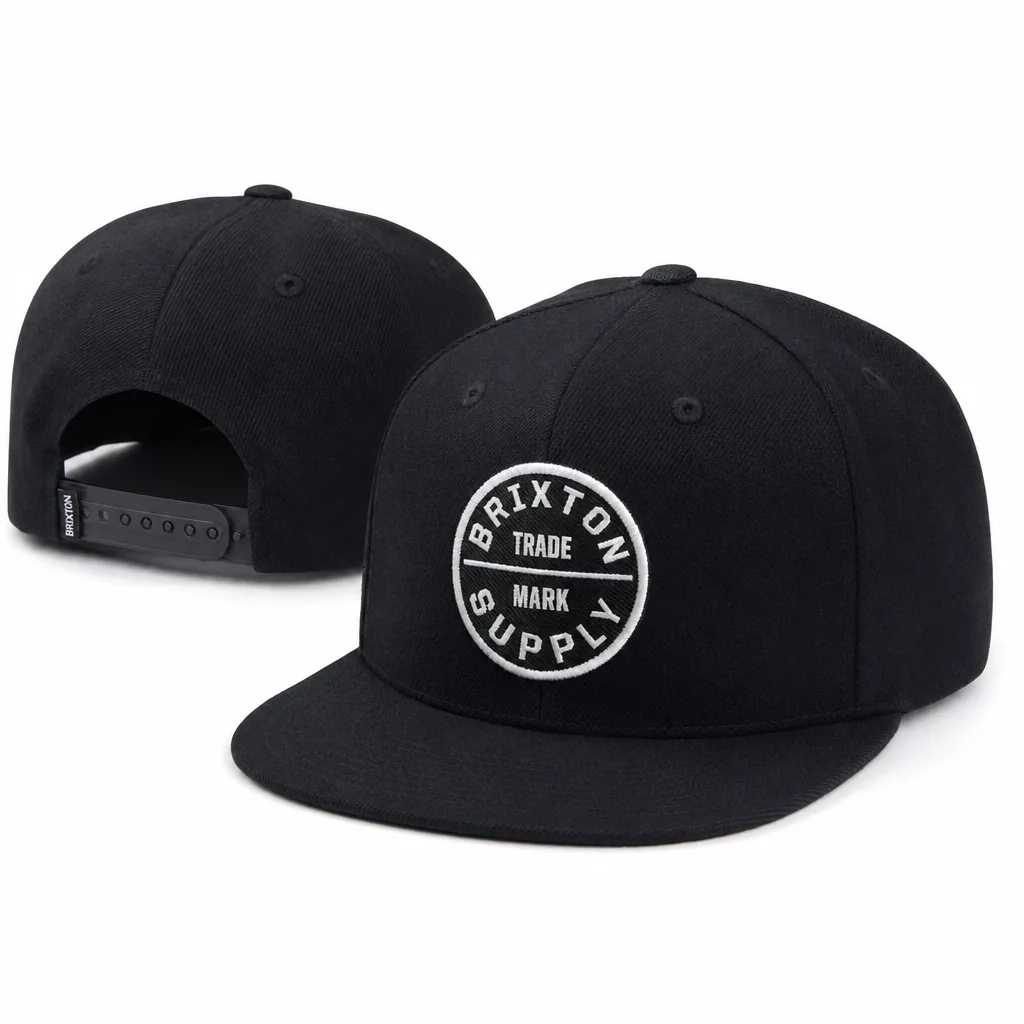
Snapback vs Fitted vs Adjustable: Cap Closure Systems Compared
Read article →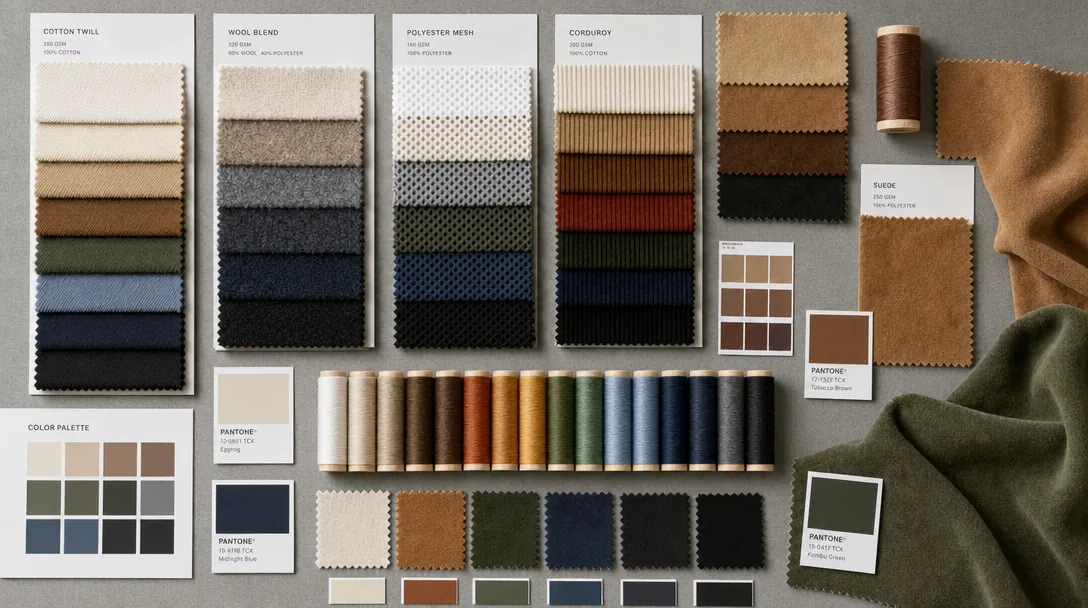
Sustainable Custom Hats: Eco-Friendly Materials, Recycled Fabrics & Certifications
Read article →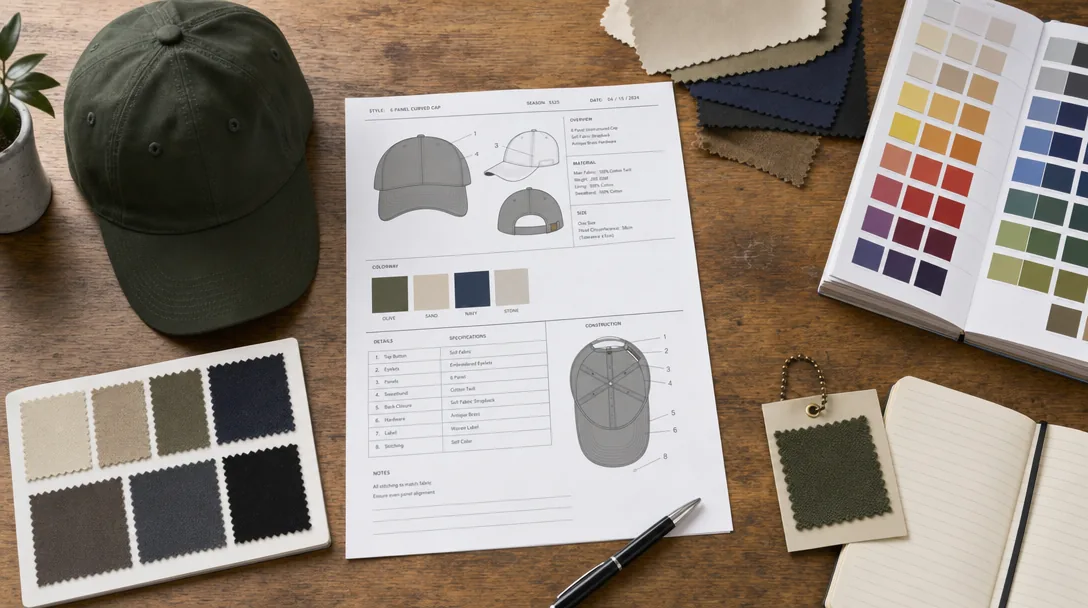
Switching Hat Manufacturers Mid-Program Without Losing Quality - Supplier Checklist
Read article →We hope this guide demystifies mens beanies: properties, costs and how to spec it right (2026 update) and helps you move forward with confidence. If you have questions specific to your project, our English-speaking sales engineers are one message away.