
Snapback vs Fitted vs Adjustable: Cap Closure Systems Compared
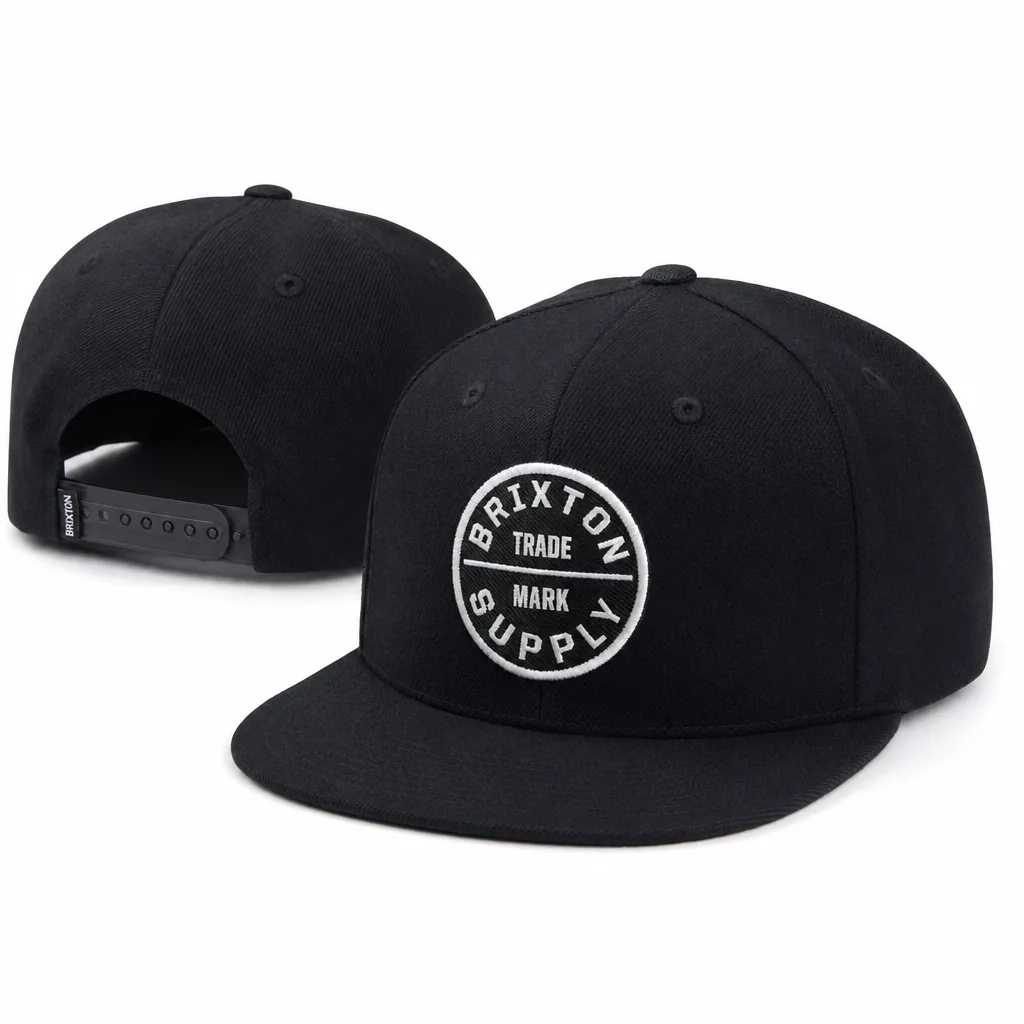
For brand owners, wholesalers and procurement teams entering the custom headwear category, snapback vs fitted vs adjustable: cap closure systems compared is one of the highest-leverage decisions you will make. Get it right and your unit economics, retail story and reorder cycle all improve. Get it wrong and you carry the cost for years.
The five closure systems in commercial production
In commercial production, the snapback vs fitted question is really about tooling, inventory risk, and how much size tolerance the buyer can absorb. Plastic snapbacks are the easiest to scale because one shell size can cover most adult heads, and the closure adds only a few cents in hardware plus a small assembly step. That is why a classic six-panel cap with a flat visor, often sold in the same lane as a champion snapback cap, can survive a 300-piece test order without locking the factory into a tight size curve. Fitted caps are the opposite: no closure, no adjustment room, and every size in the run has to be cut, sewn, and blocked to spec. If the size spread is wrong by even 1/8 inch on the crown or sweatband, the fit feels off immediately. For brands comparing cap closure types compared, that size discipline matters more than the decoration method.
A fabric strap with a metal slide buckle sits between a snapback and a fully fitted cap. It gives a cleaner back profile, better branding for premium streetwear, and more adjustment range than a rigid plastic tab, which is why buyers often treat it as the better fitted vs adjustable cap option when the goal is a softer hand feel. A strapback can take a woven label, debossed patch, or subtle embroidery near the rear arch without the interruption of a molded snap. The downside is production time: threading the strap, setting the buckle, and checking alignment adds labor, and the hardware can scratch if the plating is cheap or if the finish is not controlled to a consistent salt-spray standard. In bulk, that usually means a higher FOB than a plain snap closure, but not the inventory complexity of graded fitted sizes.
Velcro hook-and-loop is still common in promotional headwear because it is fast, forgiving, and easy for one-size programs, but it is the least refined option visually and acoustically. It also creates decoration constraints: dense embroidery too close to the rear opening can interfere with the tape, and heavy sandwich brims or oversized woven patches can make the closure look unfinished. A fabric strap with a tuck-buckle is quieter and more durable than Velcro, but it needs a tighter sewing sequence and more careful quality control at the rear opening so the strap feeds cleanly. From a cap sizing system standpoint, the business decision is simple: fitted needs the most SKU depth and the highest forecasting accuracy, while adjustable closures reduce size risk and improve MOQ flexibility. That is why a brand testing a new silhouette will usually start with snapback or strapback before committing to a full fitted run.
Plastic snap (snapback) economics
Plastic snapbacks are the cheapest way to turn one cap body into a broad retail size range. The usual cap sizing system is about 54–62 cm with 8 snap positions, which covers most adult heads without forcing you to run multiple crown sizes. For a buyer comparing snapback vs fitted, that matters because a fitted cap needs size breaks and tighter inventory control, while a snapback can stay as one SKU per design and still move through general retail, promo, and team channels. In practice, the hardware adds about $0.05 per cap at volume, which is negligible next to the cost of embroidery, panel sewing, and cartons.
That is why plastic snaps remain the standard on retail snapback hats, trucker caps, and a lot of casual baseball caps. They are not premium, but they are predictable: easy to open and close, low failure rate if the tape stitching is correct, and simple for factories to source in bulk. Standard snaps usually come in 8 stocked colors, so black, white, red, navy, and a few common neutrals are easy to match without delay. If you are trying to compare snapback vs strapback, the snap is faster and cheaper to assemble, while a strapback adds more material handling and usually a softer retail look.
Custom Pantone-matched snaps start to make sense only when the closure is visible as part of the design, such as a champion snapback cap program or a licensed colorway that has to stay consistent across seasons. Most buyers do not need that; they need a closure that survives rough warehouse handling, low AQL 2.5 inspection risk, and straightforward replenishment. Our standard practice is to keep plastic snaps for mainstream retail and promotional runs, because the economics are hard to beat. If the buyer wants a fitted vs adjustable cap decision, the real question is whether they can tolerate extra size complexity; if not, the snapback wins on cost and inventory simplicity.
Fabric strap with metal buckle (dad hat aesthetic)
A fabric strap with a metal buckle is the cleanest answer when a buyer wants a softer feel than a plastic snap but doesn’t want the hard, segmented look of a fully fitted cap. The strap is usually 1.5 to 2 cm wide, cut from self-fabric or twill tape, then paired with an antique brass slide buckle or, on some runs, matte black or brushed nickel hardware. In production, this closure normally gives a usable range of about 54 to 63 cm, which is wide enough for most adult head sizes without the exactness of a true fitted cap sizing system. For snapback vs fitted discussions, this is the middle ground: less rigid than a fitted cap, more refined than a standard snap closure, and the easiest way to keep a dad-hat profile looking premium instead of cheap.
From a factory cost standpoint, the hardware and extra sewing usually add about $0.15 per cap, sometimes a bit more if the buckle finish is special-order or the strap needs edge folding for cleaner bulk. The added labor is not trivial: the strap must be aligned, bartacked cleanly, and checked so the buckle sits flat after washing and wear. That matters on premium streetwear and on unstructured styles where the closure is visible from the back and becomes part of the design language. In cap closure types compared, this is why many buyers pick it for a champion snapback cap alternative when they want the relaxed silhouette but not the plastic snap aesthetic.
If you’re weighing snapback vs strapback, this is really the strapback side of the conversation: softer on the hand, quieter visually, and better matched to washed cotton twill, brushed canvas, or garment-dyed fabrics. It also gives more room to control the final look of a fitted vs adjustable cap program because the back opening can be tuned tighter or looser without changing the front panel pattern. The main limitation is speed at retail and field use; a buckle is slower to adjust than snaps, and if the strap is cut too short it can fail larger head sizes. For B2B programs, I’d treat it as the default closure for dad hats and unstructured caps, especially when the goal is a cleaner, more grown-up finish than a typical promo snapback.
Velcro (lowest cost, widest range)
Velcro hook-and-loop is the cheapest closure we run, usually about $0.03 per cap in bulk, and it gives the widest practical fit range at roughly 54-63 cm. That makes it a workhorse for promo programs, kids’ caps, and military-style cadet caps where one size has to cover a messy mix of head sizes. If you are comparing cap closure types compared by pure unit economics, Velcro wins on speed and cost, not on appearance. It is easy to sew, easy to adjust, and forgiving when the cap body is soft twill or brushed cotton rather than a structured crown.
The downside is exactly what you would expect: on retail-grade caps it reads cheap. The hook patch can snag hair, collect lint, and look bulky at the back, which is why it is rarely the right answer in a snapback vs fitted discussion for premium streetwear or licensed team programs. Buyers who ask for a champion snapback cap look usually want a cleaner plastic snap or a strapback, not hook-and-loop. In a fitted vs adjustable cap decision, Velcro belongs in the ad-specialty lane, especially at 500-5,000 pieces where speed, price, and broad fit matter more than shelf appeal.
From a factory point of view, the closure itself is not the hard part; consistency is. Poorly aligned hook-and-loop will peel after repeated wear, and cheap tape can lose grip after a few wash cycles if the adhesive backing or stitch density is weak. We standardize the tape width, stitch box, and back-opening length so the cap sizing system stays stable across the full 54-63 cm range. For low-margin promotional orders, that is usually acceptable. For anything meant to sit next to retail snapbacks or fitted caps, I would push the buyer toward a cleaner closure because Velcro telegraphs budget immediately.
Fitted: why some brands accept the operational cost
Fitted caps are the simplest closure mechanically and the most expensive operationally: no plastic snap, no buckle, no Velcro, just a fixed crown built to a specific head circumference. In a real cap sizing system, you’re usually cutting and sewing size-graded SKUs from 6 7/8 to 8, often in 1/8-inch steps, and each size needs its own production run. That means the MOQ is not one order quantity, it is that quantity multiplied across 5 to 7 sizes if you want a sane size curve. Compared with snapback vs fitted, the fitted option wins on clean look and premium positioning, but it loses hard on inventory complexity, trimming, and carton planning.
The factory-side pain is in the line changeover. A fitted program needs dedicated panels, consistent seam allowance control, and tighter blocking because even 2 to 3 mm of crown variation shows up once there is no closure to absorb the error. In practice, a fitted vs adjustable cap decision also affects return risk: if the size curve is wrong, you do not have a closure to save the sale. That is why pro sports licensees still pay for fitted caps — the consumer expects a true size, and retailers can justify the higher unit cost when the brand story is tied to authenticity, like a champion snapback cap alternative for performance or heritage positioning.
Brands accept the operational cost when the margin can support it or when the product needs to feel more serious than a one-size-fits-most cap. For custom team caps, fitted sizing gives the buyer a sense of ownership that adjustable closures cannot match, especially in premium retail where the customer is already trained to choose a precise size. Among cap closure types compared, fitted is the least flexible but often the most defensible for MLB-style programs, limited drops, and licensed merchandise with strict merchandising rules. If your volume is low and your SKU count is already tight, fitted can be the wrong choice; if the buyer values a clean silhouette over inventory simplicity, it stays in the line for a reason.
MOQ implications by closure type compared
Closure choice changes MOQ more than most buyers expect. For snapback / strapback / Velcro, the usual factory floor setup is 100 pieces per design, because one adjustable SKU can cover the whole head range without breaking the line into separate size bins. That is why a snapback vs fitted decision is not just a style question; it is a cash-flow question. If you are testing a new logo or drop, one adjustable cap SKU can be sampled, approved, and shipped with far less inventory risk than a rigid size run.
Fitted is where the math gets expensive fast. A standard fitted vs adjustable cap comparison is simple: adjustable caps need one tooling and one grading path, while fitted caps need a separate production lot for each size. In practice, that means 100 pieces MOQ per size per design, so a 5-size cap sizing system pushes you to 500 pieces minimum before you have a complete retail curve. That is why I keep telling new brands to start with snapback / strapback unless they already know their demand profile and return rate.
There is a reason the market is full of adjustable formats first and fitted later. A cap closure types compared analysis usually shows that snapback and Velcro absorb sizing mistakes better, especially for untested streetwear or promo programs. Once sales data is real, brands can move into a fitted program for premium distribution, but only when they can justify the extra inventory and dead-stock risk. Even a licensed style like a champion snapback cap is easier to launch early because the closure system reduces size complexity and keeps the MOQ low enough to protect margin.
How to spec the right closure for your retail positioning
Premium streetwear usually sells better with a snapback or strapback because the closure is part of the silhouette, not just a hardware choice. A flat visor, high crown, and structured front panel look intentional when the back stays clean and adjustable; that is why the classic snapback vs fitted debate still matters at retail. If the customer is paying for a polished streetwear look, I would spec 6-panel acrylic-wool blends or cotton-poly twill with a plastic snap, or a self-fabric strap with metal buckle when you want a softer, more premium hand. On a real production line, the closure choice affects more than style: strap length tolerance, stitch density at the back opening, and whether the inner sweatband has enough reinforcement to keep the cap from deforming after repeated adjustment.
Promotional and event programs are a different game. If the order is 5,000 units for a concert, trade show, or campus activation, snapback or Velcro wins because you need one cap sizing system that fits the broadest head range with the fewest returns. Velcro is cheaper and faster to close, but it can look tired after a few weeks if the hook field pills or collects lint; a plastic snap reads cleaner on camera and survives rough handling better. For youth programs, Velcro is still the safest call because you get a wider adjustment range and fewer complaints about pinch points. If you are comparing cap closure types compared for compliance or resale, think in terms of usage cycle: retail fans will keep a cap for years, while event recipients may wear it hard for one summer and toss it.
For pro sports licensees, fitted is still the standard because the market expects a true team silhouette and a stable crown shape. A fitted cap removes the back opening entirely, so the pattern has to be graded correctly from size 6 7/8 through 7 5/8, and the front panels need enough buckram or fused support to hold a clean profile after steaming and boxing. That is why a fitted vs adjustable cap decision should be made early, before decoration and labeling are locked. In mixed retail programs, I would default to snapback for the main assortment and reserve fitted only for hero SKUs, player editions, or premium drops like a Champion snapback cap analog where the brand story justifies multiple size runs. For casual retail, especially the dad hat aesthetic, a fabric strap with a metal buckle gives the softest look and the best perceived quality, even if it costs a bit more in labor than a basic plastic closure.
Frequently Asked Questions
Can I order a sample before bulk production?
Yes. We strongly recommend approving a pre-production sample before mass production. Samples are charged at 35 to 60 USD each plus express shipping, fully refundable against confirmed bulk orders over 500 pieces.
What logo decoration techniques do you offer?
3D puff embroidery, flat embroidery, woven patch, leather patch, PVC patch, screen printing, sublimation, applique and laser etching, all in-house with no subcontracting.
Which shipping methods do you support?
We support FOB, CIF and DDP shipping. Air express for samples and small orders, sea LCL for 100 to 500 pieces, sea FCL for 5,000+ pieces. Door-to-door DDP available for US, EU, UK, Canada and Australia.
What file format should I send for my logo?
Vector files (AI, EPS, PDF) are ideal. High-resolution PNG or JPG at 300 dpi on transparent background works as a fallback. Provide Pantone color references for accurate reproduction.
What is the minimum order quantity (MOQ) for custom hats?
Our standard MOQ is 100 pieces per design and color, with sampling available from 1 piece. For complex multi-color logos or premium fabric upgrades, the MOQ can be lowered with a small per-piece surcharge.
What should buyers know about cotton twill baseball cap?
When evaluating cotton twill baseball cap, the key considerations are construction quality, decoration capability, MOQ flexibility and lead time. Universal sizing 54-62cm with 8 snap positions. Single SKU per design covers most adults. Adds ~$0.05 per cap for hardware. Industry-standard for retail snapback hats, trucker caps, casual baseball caps. Available in 8 stocked colors; custom Pantone-matched snaps at 500+ pieces. Plastic snap (snapback), fabric strap with metal slide buckle, fabric strap with tuck-buckle,…
What should buyers know about flat bill hats snapback?
When evaluating flat bill hats snapback, the key considerations are construction quality, decoration capability, MOQ flexibility and lead time. Universal sizing 54-62cm with 8 snap positions. Single SKU per design covers most adults. Adds ~$0.05 per cap for hardware. Industry-standard for retail snapback hats, trucker caps, casual baseball caps. Available in 8 stocked colors; custom Pantone-matched snaps at 500+ pieces. Plastic snap (snapback), fabric strap with metal slide buckle, fabric strap with tuck-buckle,…
How does ordering custom flat bill hat embroidery work?
When evaluating custom flat bill hat embroidery, the key considerations are construction quality, decoration capability, MOQ flexibility and lead time. Universal sizing 54-62cm with 8 snap positions. Single SKU per design covers most adults. Adds ~$0.05 per cap for hardware. Industry-standard for retail snapback hats, trucker caps, casual baseball caps. Available in 8 stocked colors; custom Pantone-matched snaps at 500+ pieces. Soft fabric strap (1.5-2cm wide) with antique brass slide buckle. Fits 54-63cm. Adds ~$0.15 per…
What should buyers know about baseball hats women?
When evaluating baseball hats women, the key considerations are construction quality, decoration capability, MOQ flexibility and lead time. Universal sizing 54-62cm with 8 snap positions. Single SKU per design covers most adults. Adds ~$0.05 per cap for hardware. Industry-standard for retail snapback hats, trucker caps, casual baseball caps. Available in 8 stocked colors; custom Pantone-matched snaps at 500+ pieces. Plastic snap (snapback), fabric strap with metal slide buckle, fabric strap with tuck-buckle,…
Looking for a reliable hat manufacturer in China?
CrownsForge has produced custom hats for 800+ brands across 40 countries. From 100-piece launches to 100,000-piece retail programs, we deliver on time and on spec.
Get in touchRelated guides
Custom Hat Patch: When to Use It, Costs, and What to Ask Your Factory
Read article →
Hat Quality Inspection Checklist: 32 Points Every Importer Should Verify
Read article →
China vs Vietnam vs Bangladesh: Cap Manufacturing Countries Compared 2026
Read article →If you are ready to take the next step on snapback vs fitted vs adjustable: cap closure systems compared, our team can put a tailored quotation and digital mock-up in your inbox within 24 hours. Send the inquiry form on our contact page or message us directly on WhatsApp.