
Custom Hat Patch: When to Use It, Costs, and What to Ask Your Factory
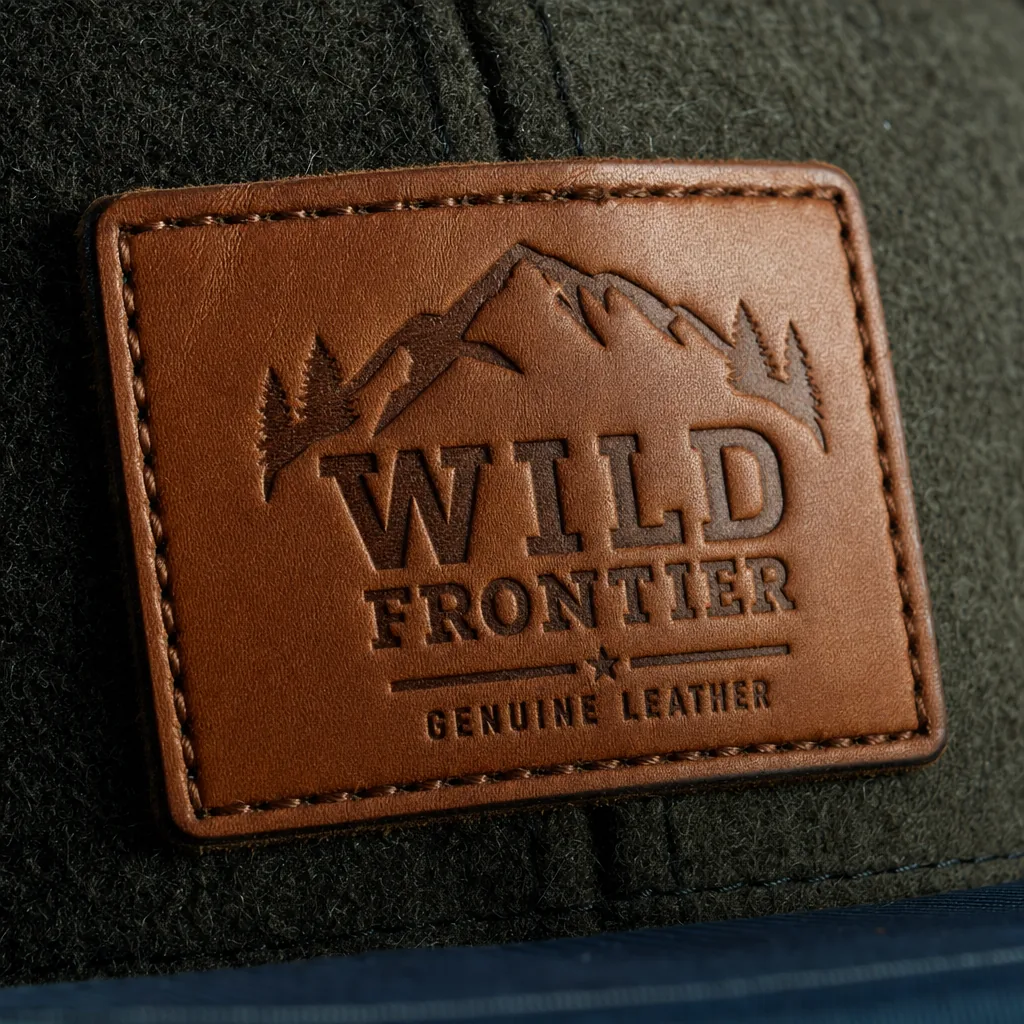
Custom Hat Patch: When to Use It, Costs, and What to Ask Your Factory is one of the most-asked questions we receive from international buyers, and for good reason. With dozens of factories competing for your order and an alphabet soup of technical terms in every supplier quote, even experienced importers can feel lost. This guide consolidates what we have learned producing custom hats for clients in 40+ countries.
Custom Logo Hats
A custom logo hat is usually built around three decisions: the cap body, the decoration method, and the attachment method. If you want a custom hat patch, ask the factory whether the patch is sewn on, heat-pressed, or combo-fixed with both adhesive and perimeter stitching. Sewn patches hold up better on 100% cotton twill and washed denim; PU and silicone can work on performance polyester, but only if the backing adhesive is rated for 140–160°C press temp and the crown fabric won’t scorch. For embroidery, specify stitch count, density, and whether the factory is using Tajima, Barudan, or ZSK heads, because loose registration on the patch edge is where cheap jobs start to look amateur. A good factory should give you a tech pack with patch size, edge finish, thread type, and placement tolerance within 2–3 mm.
For specs, don’t just send a logo file and hope for the best. Ask for Pantone TCX targets for fabric and thread, a Delta-E tolerance under 2.0 for critical colors, patch thickness in millimeters, and a sample photo showing the exact crown curve. If you’re ordering a custom patch for hat programs at scale, also request backing type, sew density, and whether the patch edge is laser-cut, merrowed, or embroidered border. Typical MOQ for custom patch hats is 100–300 pcs per colorway for simple embroidery patches, while molded PVC, woven, or leather patches often start at 300–500 pcs because tooling or setup time is higher. In China, landed ex-factory pricing for a basic 5-panel custom hat with patch usually lands around $2.20–$4.80 depending on fabric weight, patch material, and closure; trucker mesh and premium twill push higher, while heavy structured 6-panel styles with woven labels and inside taping cost more.
Quality problems are predictable if you know where to look: patch curling after steam press, glue bleed at the border, crooked center placement, puckering on soft crowns, and color drift between first sample and bulk. For inspection, I’d check at AQL 2.5 for major defects and look specifically at edge lift, needle skips, stain marks from adhesive, and whether the brim and crown maintain shape after a 24-hour rest. If the buyer wants a custom patch hat that survives retail and team use, insist on a pre-production sample, one wash test if the hat will be laundered, and a pull test on the patch bond. That same sourcing discipline applies whether you choose embroidered, woven, leather, or PVC; the patch is not a decorative afterthought, it changes labor time, defect rate, and total cost structure for the whole custom patch hats order.
Custom Embroidered Patches
A custom hat patch is usually a separate patch built first, then sewn, heat-pressed, or bonded onto the cap after the patch itself is made. For embroidered versions, the factory digitizes the artwork into a stitch file, then runs it on Tajima, Barudan, or ZSK heads using twill, felt, faux leather, or merrowed-edge backing. The real questions are not “can you make it” but “what construction are you using?” Ask for stitch count, thread type, backing material, edge finish, and whether the patch is cut with laser or die-cut. For a custom patch for hat work, I usually want the buyer to specify size in millimeters, Pantone TCX references for both thread and base fabric, and a physical sample approval before bulk. That is how you avoid a custom patch hat that looks fine in photos but feels cheap in hand.
Typical MOQ for custom patch hats is 100 to 300 pieces per patch design if the factory is already set up for embroidery; full custom shapes, molded PVC, or leather-backed versions often start at 300 to 500 pcs. Factory pricing is usually driven by stitch density and size: a simple 6 cm embroidered patch may land around $0.35 to $0.80 ex-factory at scale, while a complex multi-color patch with dense satin borders can run $1.20 to $2.50 before application. If you need sewn-on placement on a custom hat with patch, add $0.10 to $0.30 per piece depending on labor and cap style. The cheapest quote is often missing the cost of sampling, color matching, or edge finishing, so compare based on final sewn-ready units, not raw patch price alone.
Quality problems are predictable and easy to inspect if you know what to look for: puckered backing, loose border threads, poor registration on small text, color drift beyond Delta-E 2.0, and adhesive that fails after one wash cycle. For a custom patch for hat program, ask for pre-production samples, then check edge sealing, backing adhesion, and how the patch sits on curved crown panels; a flat patch can look fine on a board and still wrinkle badly on a six-panel cap. Also ask whether the factory runs AQL 2.5 inspections on patch and cap assembly separately, because defects often happen at application, not embroidery. If your volume is high or you need retail-ready consistency, the broader sourcing decision is whether to choose embroidered, woven, PVC, leather, or silicone patch construction based on artwork detail, target price, and how much hand labor your custom patch hat can absorb.
Custom Hat with Patch
A custom hat with patch is usually the right choice when you want strong logo visibility without the thread density and lead time of full embroidery. The patch itself can be cut-and-sewn woven twill, PU leather, genuine leather, felt, PVC, or silicone; the cap body is then decorated separately with heat press, stitching, or a combination of both. On the factory floor, the real decision is not just aesthetics but how the patch behaves on the crown panel: a 2.0 mm TPU-backed PU patch presses cleanly onto cotton twill, while a thick embossed rubber patch can distort a thin 180 gsm unstructured cap if the mold size is too large. For a proper custom hat patch, ask for the patch material, thickness, edge finish, backing type, and attachment method before you approve artwork. If the supplier cannot tell you whether the patch is die-cut, laser-cut, embroidered, or woven, they are guessing at production.
Typical MOQ for custom patch hats is 100 to 300 pcs per design, but the real driver is patch tooling and application method. A simple woven patch on a stock cap can start around $1.80 to $3.20 FOB per piece at 300 pcs, while a molded PVC or debossed leather patch often pushes into $3.50 to $6.50 depending on cap quality, stitching, and closure. For a custom patch hat, request Pantone TCX or Pantone C references for the cap and patch separately, plus a physical lab dip or strike-off if color accuracy matters. Good factories will confirm stitch density, patch border width, and placement tolerance within 2-3 mm. If you are comparing a custom patch for hat against direct embroidery, remember that patch production can save cost on high-detail logos, but the unit price jumps quickly when you add metallic thread, multi-layer backing, or multiple patch locations.
The defects I inspect most often are lifting corners, glue bleed, crooked placement, and patch edges that fray after washing or abrasion. Heat-applied patches should survive at least a simple peel check after 24 hours, and sewn patches need enough bite through the crown fabric without tunneling or puckering. For a custom patch hats order, I also check color shift under daylight D65, patch symmetry left-to-right, and whether the crown fabric can handle the application temperature; some polyester blends deform above 150 to 160°C. Ask the factory for pre-production samples, a production photo check at the sewing and pressing stages, and final inspection under AQL 2.5. The broader sourcing decision comes down to this: choose a hat patch custom build when you need higher perceived value, sharper small text, or a more premium retail look, but make sure the supplier can control the patch substrate, adhesion, and cap construction together rather than treating them as separate jobs.
Custom Patch for Hat
A custom hat patch is usually the right choice when you want sharp branding without the thread count and production time of full embroidery. The patch itself can be embroidered twill, woven, PVC, silicone, leather, or felt, then stitched, heat-pressed, or laser-cut onto the crown or front panel of a cap. If the art has fine text, gradients, or multiple spot colors, a patch is often cleaner than direct stitching because it preserves edges better and keeps small lettering readable at normal retail distance. For a custom hat with patch, I usually ask the buyer to decide early whether the look needs a flat, clean streetwear finish or a thicker raised badge; that choice changes both cost and failure points. A custom patch for hat is not just decoration, it is a construction decision that affects hand feel, wash durability, and how the cap sits on the head.
From a sourcing standpoint, the factory should quote the patch construction separately from the cap. Ask for patch type, backing method, border finish, thread count or print resolution, edge tolerance, and attachment method. For embroidered patches, I want the stitch density and merrowed border spec; for PVC or silicone, I want hardness, thickness in mm, and whether the color is Pantone TCX-matched or only visually matched. Typical MOQ for custom patch hats is 300 to 500 pcs per style/colorway if the cap body is stock fabric, but fully custom programs often start at 1,000 pcs. Factory pricing in China can range from about USD 1.20 to 2.80 per patch depending on size and process, while a finished hat patch custom style often lands around USD 3.20 to 6.50 FOB for simple five-panel or trucker caps, higher for structured six-panel caps with complex patch work.
The main quality issues are easy to miss if you only check the front. Look for patch edge fraying, glue bleed, crooked placement, puckering around the sew line, poor adhesion after heat pressing, and color drift between PPS samples and bulk, especially if the art depends on a strong black or red. For embroidered patches, inspect stitch pull and logo legibility under 10x magnification; for PVC, check flash, bubbling, and inconsistent thickness. I also recommend a simple wash and flex test, because some custom patch hat builds fail after two or three laundries when the backing is too rigid or the adhesive is cheap. The broader buying decision is whether the brand needs a premium badge effect or just low-cost decoration: custom patch hats are excellent for bold graphics, but if the design is small, text-heavy, or meant for repeated sports wear, direct embroidery can be the safer and sometimes cheaper route.
Custom Patch Hat
A custom patch hat is usually faster and cleaner to produce than full embroidery, especially when the artwork has thin lines, gradients, or a vintage badge look. The patch itself can be woven, embroidered, leather, PU, felt, PVC, or silicone, then sewn, heat-pressed, or riveted onto the crown or front panel. In practice, the factory should tell you the patch base material, backing type, edge finish, attachment method, and whether the cap crown is structured with buckram or unstructured with a softer front. For a custom hat patch order, I always ask for a real sample showing stitch density, border width, and color approval against Pantone TCX if there is any brand-critical color. If the supplier cannot explain how the patch is made, they are usually just reselling a generic component, which is where color drift and poor adhesion start.
For MOQ, the market usually splits by patch type and cap style. Simple embroidered patch hats can start around 100 to 300 pieces per colorway, but molded PVC, debossed leather, or woven badges often need 300 to 500 pieces because of tooling or setup waste. Typical factory pricing for a custom patch hat in China can land around $2.80 to $6.50 FOB for basic cotton twill or washed dad caps, then move up to $7.00 to $12.00 for higher-end blanks, sandwich brims, garment wash, or complex patch construction. A proper spec sheet should call out cap fabric weight in gsm, patch size in millimeters, thread count or gauge where relevant, closure type, sweatband material, and acceptable color tolerance, ideally Delta-E under 2.0 for repeat orders. If you are sourcing a custom patch for hat programs across multiple SKUs, lock the patch dimensions first; changing size by even 3 to 5 mm can throw off placement and ruin line consistency.
The defects I check first are patch edge lift, crooked placement, weak seam anchoring, glue bleed, and crown puckering after heat application. For embroidered or woven patches, loose merrowed borders and fraying corners show up quickly in transit; for PU or leather, the bigger problem is cracking after cold storage or yellowing from bad adhesive. Ask the factory for in-line inspection at AQL 2.5, plus a pre-shipment photo set showing front, side, inside seam finish, and carton marks. If the order is for a custom patch hat program tied to retail or team licensing, also ask for wash test results, colorfastness, and a pull test on the attachment method; heat-pressed patches can fail if the adhesive layer is not matched to the cap fabric. A good custom patch hats supplier should be able to explain when a sewn patch is safer than heat transfer, because the cheapest option is not always the lowest-risk one once returns and chargebacks are counted.
Custom Patch Hats
A custom hat patch is usually a separate patch made first, then attached to the crown by stitching, heat press, or adhesive backing, depending on the base fabric and the look you want. For a cotton twill or brushed canvas cap, I prefer embroidery patch, woven patch, or PVC patch sewn through with a 301 lockstitch; for foam truckers or structured six-panel caps, heat-applied PU patch can work, but it needs real temperature control or the edges will lift after a few wash cycles. When buyers ask for a custom hat with patch, the factory should give a complete spec sheet: patch material, backing type, stitch count if embroidered, edge finish, placement tolerance in mm, and the cap panel construction. Without that, you are comparing samples that are not actually the same product. The first decision is whether the logo needs texture, durability, or low unit cost, because a custom patch for hat production is not one process but several very different constructions.
Typical MOQ for custom patch hats is usually 300 to 500 pieces per colorway if you want a standard patch from an existing mold or embroidery file, but 1,000 pieces is more realistic if you need a new rubber mold, custom woven label patch, or a special die-cut shape. Pricing moves fast with patch type: a simple woven patch on a cotton dad hat might add $0.35 to $0.70, an embroidered merrowed-edge patch about $0.60 to $1.20, and a molded PVC patch often lands around $0.90 to $1.80 before application. The cap itself may be $2.20 to $4.50 FOB depending on fabric, structure, and closure, so a custom patch hat can easily swing by a full dollar just from patch choice. If a supplier quotes unrealistically low, they are usually hiding weak thread density, thin patch backing, or a manual application process that fails during wash testing.
The quality issues that matter are boring but expensive: patch edge lifting, crooked placement, glue bleed, puckering on the front panel, color mismatch against Pantone TCX, and excessive stiffness that makes the front crown buckle. I check for alignment from the center seam or left panel reference point, and I want the factory to confirm AQL 2.5 inspection on both patch attachment and final cap finish. If the patch is embroidered, ask for thread brand, backing density, and sample photos under daylight, not studio lighting; if it is PVC or PU, ask for heat resistance and peel test results. On the broader sourcing side, the real question is whether a custom hat patch is the right decoration method for your line or whether direct embroidery, woven label, or rubber badge gives better cost and durability. Our standard practice is to approve the patch on a pre-production sample and then lock every dimension before bulk cutting, because once the panels are sewn, small errors become visible fast.
Working with CrownsForge for custom hat patch programs
For a custom hat patch program, the real risk is not the patch itself; it is the sampling loop and whether the factory can keep artwork, material, and trim revisions under control. Our standard practice is 5 to 7 days for patch development, then 7 to 10 days for first hat samples once the base cap style is confirmed. If the buyer is still deciding between PU leather, woven twill, TPU, or embroidered patch construction, I push them to lock the decoration method first, because a custom hat with patch behaves very differently on a structured 6-panel cotton twill cap than on a washed dad hat or foam trucker. Small order programs are possible, but MOQ flexibility depends on decoration method: laser-cut felt or woven patches can start lower, while molded PVC and complex chenille usually need higher quantity to justify tooling and setup.
For production, the best setup is the one that matches the patch to the cap body instead of forcing one process onto everything. We use Tajima, Barudan, and ZSK embroidery heads for direct stitching and merrow-style edge control, plus heat press, sewing, and ultrasonic welding where the design calls for it. A custom patch for hat work should be specified with actual dimensions, edge finish, adhesive backing if needed, and Pantone TCX targets for both patch and crown; otherwise you end up with a hat patch custom sample that looks fine in photos and wrong in hand. On pricing, buyers usually see patch costs range from about $0.18 to $1.20 per piece depending on material and complexity, while a sewn-on custom patch hat with extra topstitching or dense embroidery can add $0.35 to $0.90 in labor.
Compliance and order control are where first-time buyers usually get burned, so I insist on a clean paper trail before bulk starts. We work to sedex-audit-cap-supplier-guide.html">BSCI 2.0 and Sedex SMETA 4-Pillar expectations when a buyer needs audit-ready supply, and for restricted markets we verify REACH, CPSIA, or azo-free requirements based on destination. The order-management workflow should include pre-production approval of the patch artwork, a physical golden sample, inline checks at AQL 2.5, and carton-level QC before booking FOB or DDP logistics. That matters more on custom patch hats than on plain caps because one wrong patch color or crooked placement can ruin a full carton. If the factory cannot show you revision control, sample photos, and shipment-level inspection data, do not treat the custom hat patch program as low risk.
Frequently Asked Questions
What logo decoration techniques do you offer?
3D puff embroidery, flat embroidery, woven patch, leather patch, PVC patch, screen printing, sublimation, applique and laser etching, all in-house with no subcontracting.
What is the minimum order quantity (MOQ) for custom hats?
Our standard MOQ is 100 pieces per design and color, with sampling available from 1 piece. For complex multi-color logos or premium fabric upgrades, the MOQ can be lowered with a small per-piece surcharge.
Can I order a sample before bulk production?
Yes. We strongly recommend approving a pre-production sample before mass production. Samples are charged at 35 to 60 USD each plus express shipping, fully refundable against confirmed bulk orders over 500 pieces.
What file format should I send for my logo?
Vector files (AI, EPS, PDF) are ideal. High-resolution PNG or JPG at 300 dpi on transparent background works as a fallback. Provide Pantone color references for accurate reproduction.
Which shipping methods do you support?
We support FOB, CIF and DDP shipping. Air express for samples and small orders, sea LCL for 100 to 500 pieces, sea FCL for 5,000+ pieces. Door-to-door DDP available for US, EU, UK, Canada and Australia.
How does ordering custom leather patch trucker hat work?
When evaluating custom leather patch trucker hat, the key considerations are construction quality, decoration capability, MOQ flexibility and lead time. Cover everything buyers ask about custom logo hats: how it's manufactured, what specs to request from a factory, typical MOQ and pricing, common quality issues to inspect for, and how this ties back to the broader custom hat patch sourcing decision. Cover everything buyers ask about custom embroidered patches: how it's manufactured, what specs to request from a factory,…
What's the MOQ for custom leather patch hats no minimum?
When evaluating custom leather patch hats no minimum, the key considerations are construction quality, decoration capability, MOQ flexibility and lead time. Cover everything buyers ask about custom logo hats: how it's manufactured, what specs to request from a factory, typical MOQ and pricing, common quality issues to inspect for, and how this ties back to the broader custom hat patch sourcing decision. Cover everything buyers ask about custom patch hats: how it's manufactured, what specs to request from a factory, typical MOQ…
How does ordering custom embroidered trucker hats work?
When evaluating custom embroidered trucker hats, the key considerations are construction quality, decoration capability, MOQ flexibility and lead time. Cover everything buyers ask about custom logo hats: how it's manufactured, what specs to request from a factory, typical MOQ and pricing, common quality issues to inspect for, and how this ties back to the broader custom hat patch sourcing decision. Cover everything buyers ask about custom embroidered patches: how it's manufactured, what specs to request from a factory,…
How does ordering custom baseball hats with logo work?
When evaluating custom baseball hats with logo, the key considerations are construction quality, decoration capability, MOQ flexibility and lead time. Cover everything buyers ask about custom logo hats: how it's manufactured, what specs to request from a factory, typical MOQ and pricing, common quality issues to inspect for, and how this ties back to the broader custom hat patch sourcing decision. Cover everything buyers ask about custom patch hats: how it's manufactured, what specs to request from a factory, typical MOQ…
Need a low-MOQ test order?
We help emerging brands launch with as few as 100 pieces. Premium fabric, in-house embroidery, retail-ready packaging.
Start a small orderRelated guides
Corduroy Hat: Properties, Costs and How to Spec It Right
Read article →
Embroidery Digitizing for Cap Logos: What Buyers Need to Know
Read article →Cotton Beanie: Properties, Costs and How to Spec It Right
Read article →We hope this guide demystifies custom hat patch: when to use it, costs, and what to ask your factory and helps you move forward with confidence. If you have questions specific to your project, our English-speaking sales engineers are one message away.