
Switching Hat Manufacturers Mid-Program Without Losing Quality - Supplier Checklist
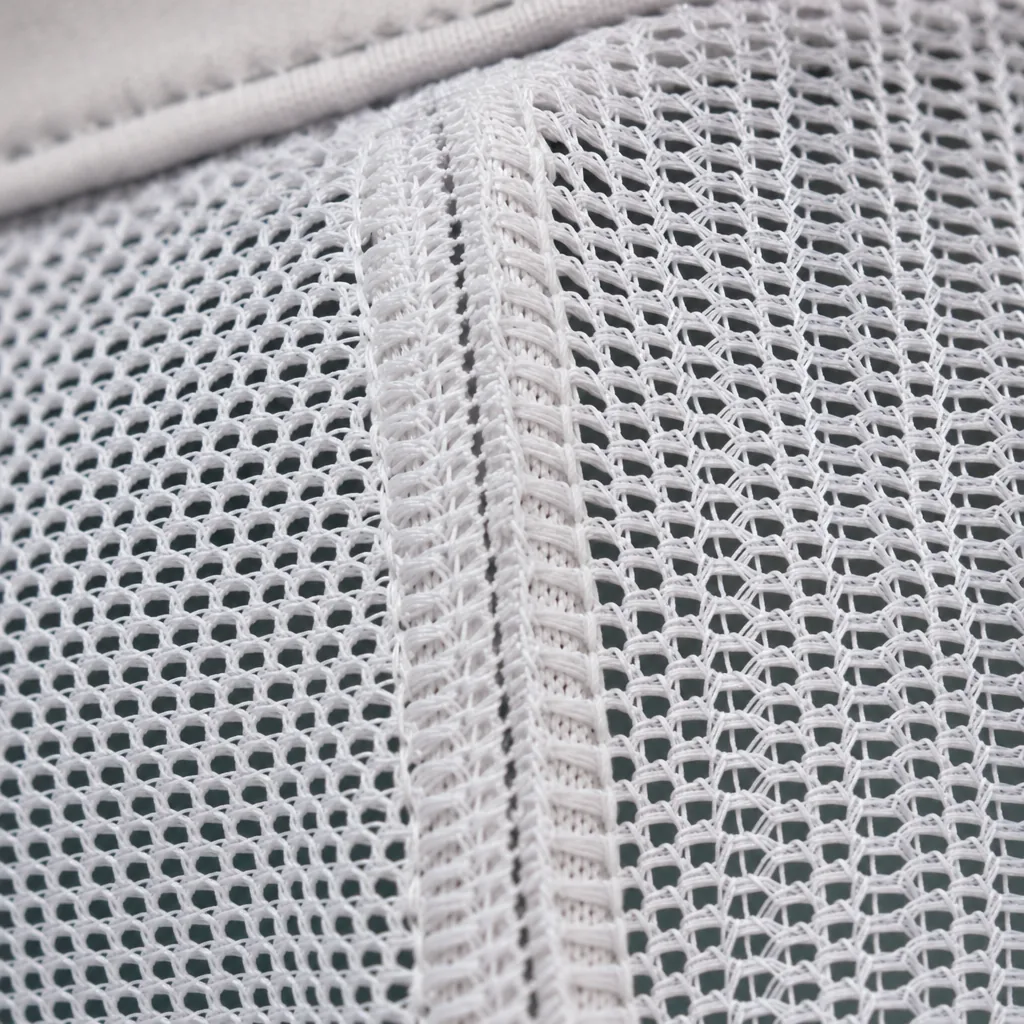
Every week, our sales team answers detailed questions about switching hat manufacturers mid-program without losing quality - supplier checklist. We wrote this guide so that wholesalers, streetwear brands, corporate buyers and promotional resellers can compare options with full information, and avoid the traps that show up only after production has started.
Why brands switch manufacturers (real reasons)
Brands usually switch hat manufacturer when repeat-order economics stop matching the approved spec, not because one quote is $0.10 higher. I have seen a standard 6-panel brushed cotton twill cap move from FOB $2.85 to $3.32 over three repeat POs with no visible upgrade: same 108x56 chino twill shell, same 3 mm PE sandwich visor, same 8,000-10,000 stitch raised embroidery, same woven main label, same inner taping. What breaks trust is not one clean price increase tied to cotton, labor, or RMB movement; it is cost creep hidden inside substitutions. The sweatband drops from 180 gsm to 160 gsm, buckram shifts from hard resin to a softer grade that weakens front-panel memory, a 21 mm zinc-alloy buckle becomes plated iron, or carton packout changes from 144 pcs to 120 pcs and quietly adds $0.06-$0.12 per cap in freight allocation. Good buyers can live with a transparent surcharge. They stop reordering when the supplier cannot show where the money went, or when the landed-cost change is bigger than the explanation. Common triggers are MOQ inflation from 3,000 pcs per color to 5,000, surprise embroidery tape charges, “material loss” add-ons after PPS approval, or a duty-risky shipping switch that turns a clean FOB program into expensive DDP firefighting. Our standard practice is to treat repeat orders as an audit trail: same BOM, same carton spec, same trim source, and written approval before any change. If a factory cannot hold that discipline, the brand will eventually switch hat manufacturer because finance loses confidence before design does.
Quality drift is the other hard reason brands switch hat manufacturer, because retailers do not issue chargebacks for excuses; they issue them for measurable failure. First runs usually get the cleanest setup: approved Pantone TCX references on the cutting table, the strongest digitizer on the file, and proper run conditions on Tajima, Barudan, or ZSK heads. By the third or fourth bulk repeat, weaker factories start taking shortcuts that are small on paper and expensive in aggregate. Thread lots are substituted without shade confirmation, crown height wanders outside a reasonable +/-3 mm tolerance, visor curvature changes after pressing, or the front logo loses registration because stitch density was reduced to save machine time. None of that looks dramatic in a sales photo, but it shows up immediately in inbound QC. The worst part is that scale amplifies every weak process. A line that can keep 8,000 caps consistent often struggles at 80,000 when dyed fabric continuity, backing material, and trim replenishment are split across multiple production windows. Then you start seeing top buttons off center by 2 mm, fabric lot variation above Delta-E 1.5 against the approved standard, uneven seam puckering on the front panel, or shape loss after carton compression because the buckram and packing method were changed together. At that point the risk is no longer cosmetic; it is commercial. Miss AQL 2.5 on a retailer inspection, fail a sealed-sample comparison, or miss ship date because embroidery capacity was oversold, and switching suppliers becomes less disruptive than staying put.
The tech-pack handoff protocol
Most failed transfers start with the new factory being asked to guess from an old PDF and a few Illustrator files. If you switch hat manufacturer, the handoff package has to function like a production calibration set: the latest graded tech pack, one sealed golden sample for each live colorway, a signed measurement spec with tolerances, approved trims cards, and the last 2 to 3 bulk inspection reports. One sealed sample is worth more than ten annotated drawings because it locks down variables artwork never captures consistently: crown angle on a 6-panel low profile, buckram stiffness in 0.8 mm versus 1.2 mm PE-coated backing, visor curve after carton pressure, center-front seam pucker, sweatband rebound, and how a snapback or tuck strap sits after 24 hours packed in a master carton. When that physical baseline is missing, the incoming factory reverse-engineers by habit, and quality drift starts on day one. The spec itself should read like something an IE, embroidery supervisor, and QC inspector can all execute without interpretation. Call out shell fabric by composition, construction, and weight—say 100% cotton twill, 3/1 weave, 270 gsm ±5%, or recycled polyester brushed microfleece, 220 gsm ±7%. List visor board type, sandwich build, seam tape width, eyelet finish, sweatband fiber content, closure supplier if fixed, and plating requirement if salt spray matters. Color needs Pantone TCX or TPX references plus measurable tolerance by component: Delta-E under 1.5 for body panels and under 2.0 for trims from separate lots, checked under D65. Embroidery should specify thread brand, denier, stitch count, backing weight, pull compensation, and whether the approved sample ran on Tajima, Barudan, or ZSK heads; density and underlay behavior do change across machine setups. Our standard practice is to flag unstable features early: red-on-black fills, camo panel mismatch, foam-front rebound, and low-profile crowns that collapse after sea transit.
Compliance and inspection criteria are what keep a supplier change from turning into expensive trial-and-error. Attach the actual test reports, not a summary line in the tech pack: OEKO-TEX Standard 100, CPSIA, REACH Annex XVII, Proposition 65, flammability if applicable, plus any retailer RSL declarations. Those reports must show style number, fabric mill, trim vendor, and component breakdown. A passed report from the previous factory does not automatically transfer if the new source swaps embroidery thread, sweatband yarn, visor board, PVC patch substrate, or buckle plating. Split the BOM into mandatory carryover materials and approved alternates, and require fresh declarations or retesting for every substituted component. For kids’ caps, licensed sports programs, or accounts audited to sedex-audit-cap-supplier-guide.html">BSCI 2.0 or Sedex SMETA 4-Pillar, that discipline is not bureaucracy; it prevents a bulk hold after sewing is finished. Tolerances also need to be written so inline QC and final inspection can verify them with a tape, template, and photo standard in under a minute per piece. Practical numbers are crown height ±3 mm, visor length ±2 mm, embroidery placement ±1.5 mm, head opening circumference ±4 mm at the stated closure setting, and top button centering within 2 mm. Add visual pass/fail language: minimum 95% logo coverage versus the sealed sample, no external loose threads over 3 mm, no exposed sharp burrs on metal hardware, and no more than 5% visor deformation after 24-hour master-carton compression. Pair that with an inspection plan such as AQL 2.5 major and 4.0 minor, plus fixed photo points for top view, side profile, interior seam finish, labels, visor underside, and closure detail. That way, if you later dual-source the style, both factories are being measured against the same target instead of one supplier normalizing the other’s mistakes.
Color reference transfer is the hardest part
Color continuity is usually the first thing that breaks when you switch hat manufacturer mid-program, because Pantone TCX is only a visual reference, not a production control standard. I have seen one Pantone navy read clean on 260 gsm 100% cotton twill dyed with a reactive system, then turn grayer when a backup factory ran it on 65/35 poly-cotton twill with disperse/reactive chemistry and a silicone-heavy softener. The cap may still look “close” on a fabric hanger, but once you add enzyme wash, peach finish, C0 water repellent, heat setting, and visor pressing at 145–155°C, the final shade can drift well past buyer tolerance. Dark olive, black, khaki, and athletic heather are the most failure-prone colors because undertones show immediately across crown panels, underbill, and button wrap. The only reliable handoff is a sealed production cap from the last approved lot, broken down by color-critical component. That means crown shell, visor top, underbill, button, eyelet thread, closure strap, seam tape, sweatband stripe, woven label ground, and embroidery thread colors. Those parts rarely come from one vendor, so a factory can match the crown fabric and still miss the cap visually because the visor shell came from a different mill or the seam tape used a different white point. Our standard practice is to log the master sample by panel location, fiber content, gsm, mill code, finish, and component supplier so the replacement run is judged against one physical benchmark, not a vague color name on a tech pack.
Do not approve color from a PDF, phone photo, or Pantone book alone. Require lab dips, strike-offs, or component swatches reviewed under D65 and TL84 lighting, then set tolerance before bulk: Delta-E 2.0 is realistic for premium retail, while 2.5 is more common for team, licensing, and promo orders. Two or three lab-dip rounds are normal on brushed twill, washed chino, recycled polyester, suede microfiber, and heather jersey because texture and fiber blend change how the shade reads. If the outgoing program used garment wash, overdyed panels, sublimated camo, or foam-backed fronts, add 5–7 working days for pre-production and expect more correction cycles before PP approval. Thread is where many buyers get caught when they switch hat manufacturer. Madeira rayon, Gunold polyester, and local 120D/2 polyester can all hit the “same” color card differently once they run on Tajima, Barudan, or ZSK heads, especially on 3D puff where stitch angle changes light reflection and makes the tone appear lighter or cooler. Insist on an embroidery strike-off sewn on the actual shell fabric with the planned backing and density, not on scrap backing cloth. Then carry that control into inspection: shade-band incoming fabric and thread lots, keep cut panels and finished caps segregated by dye lot, and inspect to AQL 2.5 so mixed cartons do not hide lot-to-lot drift. That discipline is what keeps a second source from quietly resetting your color standard.
Sample-matching deliverables checklist
Treat the first sample from a replacement factory as a forensic match, not a creative development round. If you need to switch hat manufacturer mid-program, lock the measurable checkpoints before anyone talks about ex-factory dates: finished crown circumference within ±0.3 cm, front crown height and side-panel height within ±2 mm, visor arc height within ±2 mm on the same metal gauge, fabric weight within ±5% of the approved gsm, and embroidery stitch count within ±5% of the original digitized file. Color must be checked against a retained bulk-approved standard, not a WeChat photo or an aging tech pack. For woven body fabric, keep Delta-E under 2.0; for critical logo colors matched to Pantone TCX or Pantone Coated references, under 1.5 is the safer ceiling. The only benchmark that consistently prevents arguments is a sealed golden sample from prior production, because bulk-running changes—slightly harder buckram, a revised visor board, a substituted sweatband—rarely get documented cleanly in old spec sheets.
The sample package should be physical, measurable, and difficult to misread. Require one full wear sample, one deconstructed counter sample showing panel pattern, seam build, and seam allowance, plus fabric swatches with gsm test data and lab dips or color standards with recorded Delta-E readings under D65 lighting. For embroidery, ask for the production sheet: thread brand, yarn denier, needle size, backing weight, stitch count, and machine platform such as Tajima, Barudan, or ZSK. Add buckram thickness in mm, visor board spec, underbill fabric denier, sweatband composition, closure source, top-button construction, and carton pack-out method. A cap can photograph well and still fail in wear because the visor sandwich is too thin, the sweatband absorbs poorly, or the crown collapses after packing. Approve the match sample only with a written sign-off tied to style code, revision number, sample date, measurement results, color reference, embroidery file version, and bulk inspection basis—typically AQL 2.5 unless your program runs tighter. Keep the current supplier active until the new factory passes one inline check before 20% completion and one final random inspection on the first lot.
Dual-sourcing strategy: when to keep both
When you switch hat manufacturer mid-program, the safest structure is a controlled split, not a hard cutover. Keep the incumbent on repeat SKUs with locked fit and stable sell-through, and give the second factory the riskier work: new colorways, licensed capsules, retailer exclusives, or peak-season overflow. A 70/30 split by PO value is the practical starting point; 60/40 is still manageable, but 50/50 is premature unless the new supplier has already matched at least two consecutive bulk orders. On caps, that means crown height within ±3 mm, peak width within ±5 mm, embroidery placement within ±2 mm, and consistent visor curvature from first-off sample through final packed goods. Miss those basics and any nominal FOB saving—say $2.68 versus $2.85 on a brushed cotton 6-panel—gets wiped out by rework, chargebacks, airfreight, and returns. The reason to keep both factories live is process continuity, not leverage theater. The incumbent already holds the approved paper pattern, digitized embroidery file, trim sourcing history, carton pack-out method, and the unwritten tolerances that matter on the floor: buckram stiffness, sweatband hand feel, visor board rebound, and how a specific 250 gsm cotton twill behaves after steaming and shaping. That knowledge is hard to replace in one season. A cheaper supplier is not cheaper if the body fabric comes in at 230 gsm with a looser construction, the shade misses Pantone TCX by Delta-E 2.0+, or final inspection fails AQL 2.5 on appearance defects like puckering, loose trims, or uneven topstitch tension. Dual sourcing also protects you when mills short-ship fabric, bookings roll to the next vessel, or Tajima and Barudan embroidery lines are saturated in Q3 and Q4.
Dual sourcing only works if both factories are held to the same technical controls. Split ownership by SKU class: legacy reorders stay with the incumbent, while the new supplier develops under a locked tech pack listing fabric weight, yarn count, visor insert thickness, closure gauge, thread brand, seam tape width, and carton configuration. Both sites should work from the same BOM, lab dips, strike-offs, size specs, and final inspection checklist, with shade approval under D65 light box conditions and the same pass/fail standard for edge definition, small-text legibility, and embroidery puckering. For performance styles, hard-spec the moisture-wicking sweatband composition, mesh denier, and back-strap tensile requirement; if those points are vague, factories will substitute. Volume should expand only after evidence, not optimism. I would require the second factory to clear at least two or three consecutive bulk runs with Delta-E held in the commercially acceptable range, post-pack shape retention confirmed after carton compression testing, and no recurring defects in eyelet alignment, top-button centering, visor seam roping, or back-strap attachment strength. Compliance needs to match as well: BSCI 2.0 or Sedex SMETA 4-Pillar, the same needle-control policy, and metal-detection records where trims or retailer protocols require them. That is why you keep both sources active when you switch hat manufacturer: measurable risk control while the new factory earns more volume through repeatable output, not promises.
What the old factory will and won't share
The fastest way to switch hat manufacturer without quality drift is to separate buyer-owned product definition from factory-owned execution. An outgoing supplier should release every approved document you funded: tech pack, graded measurement chart, BOM, trim card, carton spec, final artwork in AI or vector PDF, and the sealed PPS or TOP sample. For caps, the file set needs real numbers, not comments like “same as before”: crown height 11.5 cm, visor length 7.0 cm +/- 0.2 cm, head opening, top-button diameter, seam allowance, stitch density at 6-8 SPI, fabric spec such as 100% cotton twill 240 gsm or brushed 75D polyester 180 gsm, sweatband content, closure construction, and Pantone TPG or TCX references for shell, underbill, seam tape, eyelets, and embroidery thread. If you paid digitizing charges—typically $20-$80 per logo, higher for 3D puff, applique, or chenille—the DST, EMB, or native machine file should be handed over as well. Re-digitizing the same art on Tajima, Barudan, or ZSK heads often changes underlay, pull compensation, satin angle, and density enough to create a visible mismatch in fill coverage and edge definition.
What the old factory usually will not share is the part that makes its line efficient: SOPs, operator allocations, cap-frame tension settings, needle system, thread pairing, preventive-maintenance logs, and in-line QC checkpoints. The same applies to dye recipes, wash chemistry, buckram activation temperature, brim-curving pressure, heat-press dwell time, and the exact controls used to keep shade variation within Delta-E 1.0-1.5 against the approved standard. If the mill adjusted reactive dye percentages over three lab dips to hit your navy, that formula is manufacturing IP unless your contract says otherwise. When buyers switch hat manufacturer, pushing for that internal paperwork usually burns time and adds friction. The transferable package that matters is the approved standard: BOM with nominated mills and trim suppliers, prior color approvals, test reports, AQL 2.5 inspection records, paid-for screens or molds, embroidery files, and at least one sealed reference sample from bulk. A capable new factory should rebuild the process from those inputs, then prove equivalence with counter-samples, point-by-point measurement tables, spectrophotometer readings, and a pilot run before bulk starts.
First repeat order signals
The second PO is the first honest signal that your new supplier can manufacture consistently, not just stage a perfect first article. Most repeat cap orders hit 45 to 90 days after shipment one, and that gap is exactly where control problems surface: new fabric dye lots, operator rotation, line balancing, and actual production loading instead of sample-room babysitting. When buyers switch hat manufacturer, they often mistake a clean first run for process capability, even though it was sewn by senior operators and embroidered on underloaded Tajima heads. The repeat order should still match the retained golden sample on numbers that matter: crown height within plus or minus 3 mm, internal circumference within plus or minus 3 mm, visor curl within plus or minus 2 degrees, embroidery registration within plus or minus 0.8 mm, and color variance below Delta-E 1.5 against the approved Pantone TCX standard or lab dip under D65 lighting. If lot two holds those tolerances under normal line conditions, the factory has a controlled method; if not, the first order was theater.
The usual failure pattern is margin protection disguised as “normal variation.” Stitch density slips from 9 to 10 SPI down to 7 to 8 SPI, buckram loses body because the resin finish changed, or a 108x58 cotton twill specified at 220 gsm is quietly replaced with a 190 gsm base. On embroidery, a logo that ran clean on one setup starts showing pull, gaps, or edge bite when pushed to 850 spm across mixed Barudan and ZSK heads with inconsistent thread tension and different backing choices. I treat any unapproved component swap as a major warning sign: a 32 mm brushed polyester sweatband replaced by a cheaper knit, a Pantone-matched undervisor changed to stock black, or a snap closure downgraded from POM to a brittle blend that cracks during fitting. Audit the first repeat order like a production qualification run: pre-production sample signed to the golden sample, finished lot inspected to AQL 2.5, and records retained for BOM revision, thread brand and ticket number, needle spec, embroidery file version, and sewing line assignment. If a supplier cannot show that trail, you are not looking at control—you are looking at guesswork.
Frequently Asked Questions
What is the minimum order quantity (MOQ) for custom hats?
Our standard MOQ is 100 pieces per design and color, with sampling available from 1 piece. For complex multi-color logos or premium fabric upgrades, the MOQ can be lowered with a small per-piece surcharge.
Do you support sustainability certifications?
Yes. We work with GOTS organic cotton, GRS-certified recycled polyester, OEKO-TEX Standard 100 fabrics, and are BSCI and Sedex audited. Certification documentation can be provided per order.
How long does production take?
Sampling takes 7 to 12 days. Bulk production runs 20 to 30 days depending on quantity, fabric availability and decoration complexity. Inspection and packing adds another 3 to 5 days before shipment.
What logo decoration techniques do you offer?
3D puff embroidery, flat embroidery, woven patch, leather patch, PVC patch, screen printing, sublimation, applique and laser etching, all in-house with no subcontracting.
Can I order a sample before bulk production?
Yes. We strongly recommend approving a pre-production sample before mass production. Samples are charged at 35 to 60 USD each plus express shipping, fully refundable against confirmed bulk orders over 500 pieces.
What should buyers know about cotton twill army cap kangol?
When evaluating cotton twill army cap kangol, the key considerations are construction quality, decoration capability, MOQ flexibility and lead time. Even with identical Pantone TCX references, dyeing chemistry, fabric blend and finishing process produce different results at different factories. Send a physical cap from the old production as the target. Expect 2-3 lab dip iterations before new factory matches old within Delta-E 2.0. Most common: pricing creep over multiple orders, quality drift on repeats, capacity…
How does ordering custom snapback new era work?
When evaluating custom snapback new era, the key considerations are construction quality, decoration capability, MOQ flexibility and lead time. Don't just email the old tech-pack to the new factory. Build a 'matching brief' that includes: original tech-pack, physical samples from the existing production (one from each colorway), test reports (OEKO-TEX, CPSIA if applicable), and a list of pre-approved tolerances. Treats matching as a calibration problem, not a re-design. Even with identical Pantone TCX references,…
How does ordering best custom baseball cap work?
When evaluating best custom baseball cap, the key considerations are construction quality, decoration capability, MOQ flexibility and lead time. Even with identical Pantone TCX references, dyeing chemistry, fabric blend and finishing process produce different results at different factories. Send a physical cap from the old production as the target. Expect 2-3 lab dip iterations before new factory matches old within Delta-E 2.0. Most common: pricing creep over multiple orders, quality drift on repeats, capacity…
How do I find a reliable baseball cap manufacturers usa?
When evaluating baseball cap manufacturers usa, the key considerations are construction quality, decoration capability, MOQ flexibility and lead time. Even with identical Pantone TCX references, dyeing chemistry, fabric blend and finishing process produce different results at different factories. Send a physical cap from the old production as the target. Expect 2-3 lab dip iterations before new factory matches old within Delta-E 2.0. Most common: pricing creep over multiple orders, quality drift on repeats, capacity…
Ready to start your custom hat project?
Send us your tech-pack, sketch or even just an inspiration photo. We will respond with a detailed quotation and digital mock-up within 24 hours.
Request a free quoteRelated guides
Refreshing a Hat Collection: A Repeat-Order Playbook for Established Brands
Read article →
Ball Caps for Women: A 2026 Sourcing Playbook for International Buyers - 2026 Buyer's Guide
Read article →
Festival Bucket Hats Reorder Planning Guide for Custom Hat Buyers
Read article →We hope this guide demystifies switching hat manufacturers mid-program without losing quality - supplier checklist and helps you move forward with confidence. If you have questions specific to your project, our English-speaking sales engineers are one message away.