
Bucket Hat Corduroy Reorder Planning Guide for Custom Hat Buyers
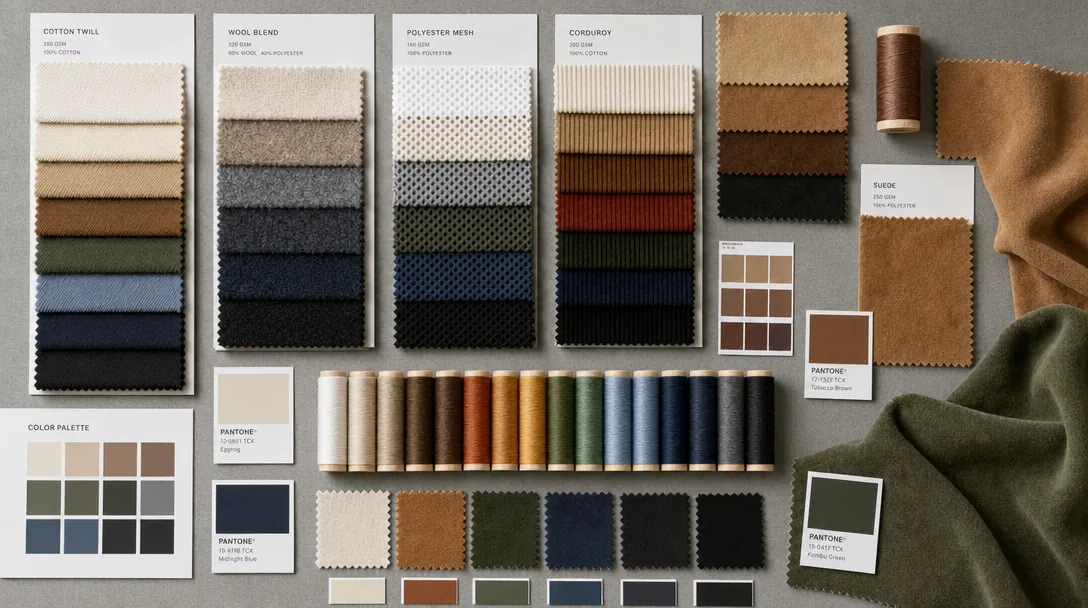
Every week, our sales team answers detailed questions about bucket hat corduroy reorder planning guide for custom hat buyers. We wrote this guide so that wholesalers, streetwear brands, corporate buyers and promotional resellers can compare options with full information, and avoid the traps that show up only after production has started.
Why bucket hat corduroy reorder planning guide needs a separate sourcing plan
A bucket hat corduroy reorder planning guide needs its own sourcing plan because corduroy is not just another cotton shell fabric. The buyer usually already has sales data, a proven shape, and a target gross margin; the risk is losing continuity between the first bulk run and the reorder. A 21-wale lightweight corduroy at 180–220 gsm behaves very differently from an 8-wale heavy corduroy at 280–330 gsm when washed, steamed, and topstitched around a bucket crown. If the first order used reactive-dyed organic cotton hat fabric in Pantone 19-1116 TCX and the reorder mill switches to sulfur dye, the Delta-E can drift above 2.0 and your “same brown” corduroy hat brown SKU will look like a new product on the shelf. Generic hat sourcing treats fabric as interchangeable; corduroy bucket hat sourcing has to lock wale count, pile height, shrinkage tolerance, shade band, and handfeel before price negotiation even starts.
Reorder timing also differs because corduroy has a slower material pipeline than twill, chino cotton, or polyester performance fabric. For a normal 6-panel cap, we can often use stock 16x12 cotton twill and cut within 3–5 days. For bucket hat corduroy, especially seasonal colors like olive, rust, cream, or brown, greige booking and piece dyeing can add 12–18 days before production begins. A realistic reorder calendar is 7–10 days for lab dips and approval, 15–25 days for fabric dyeing and finishing, 12–20 days for cutting, sewing, embroidery, washing, and packing, then 25–35 days ocean freight to the U.S. West Coast under FOB Ningbo or Shanghai. If the buyer wants DDP air for a missed drop, the freight can jump from about $0.35–$0.70 per hat by sea to $2.80–$5.50 by air, which can destroy margin on a mid-price streetwear bucket.
The biggest cost and compliance decisions sit in the details buyers often leave too late: fabric certification, decoration method, lining, size grading, and inspection standard. Organic cotton corduroy requires GOTS or OCS transaction certificates if the claim appears on hangtags; without chain-of-custody paperwork, it should be sold as cotton, not organic. Embroidery on pile fabric needs stronger backing and slower Tajima, Barudan, or ZSK machine speeds, usually adding $0.20–$0.60 per logo versus flat twill. AQL 2.5 inspection should check seam puckering, brim symmetry, color shading panel-to-panel, needle cuts, and pile crushing after carton pressure, not only loose threads. Our standard practice at CrownsForge is to treat a corduroy bucket hat reorder more like a fabric-controlled apparel program than a promo cap repeat order. That is different from quick replenishment items such as cotton beanie men SKUs, where yarn lot variation is easier to average across production.
Factory capability checks before quoting
Capability checks should happen before price negotiation, not after the salesman sends a pretty mockup. For a bucket hat corduroy reorder planning guide, I first ask whether the factory can control wale direction, panel symmetry, and shrinkage on the actual corduroy, not just “similar fabric.” A 14-wale cotton corduroy at 260–300 gsm behaves very differently from 8-wale chunky corduroy at 330 gsm, especially after enzyme wash or steam blocking. Ask for photos of cut panels before sewing, finished crown measurements, brim drop tolerance, and color control against Pantone TCX or lab dip with Delta-E under 1.5–2.0. If you are ordering a corduroy hat brown, check that the mill can repeat the shade across lots; browns drift red or olive easily under D65 light. Organic cotton hat claims need transaction certificates or GOTS/OCS chain documentation, not just a hangtag promise.
Decoration capacity is where many bucket programs fail quietly. A real factory should confirm whether it runs Tajima, Barudan, or ZSK heads in-house, and whether the sample room can digitize embroidery for low-pile and high-wale corduroy without thread sinking into the ribs. For a corduroy bucket hat, flat embroidery under 6,000 stitches is usually clean; dense 3D puff on corduroy often looks swollen and uneven unless the logo is large and simple. Woven patches, felt appliqué, faux leather patches, and silicone labels all need different attachment settings, especially on curved bucket panels. Ask for stitch count pricing, patch MOQ, backing type, thread brand, and one photographed strike-off before bulk approval. If the supplier also offers cotton beanie men styles, do not assume the same embroidery setup works; beanie rib knit stretches, while bucket hat corduroy fights needle deflection and seam bulk.
Audit readiness and communication discipline are as important as machines. Before quoting, verify whether the factory can provide a current sedex-audit-cap-supplier-guide.html">BSCI 2.0 report, Sedex SMETA 4-Pillar audit, payroll records, needle control logs, and an AQL 2.5 final inspection workflow. Our standard practice at CrownsForge is to quote only after confirming panel construction, brim rows, lining option, size grading, label placement, polybag rules, and packing ratio, because a “cheap” quote without these details usually becomes a surcharge later. Closure options are limited on bucket hats compared with caps, but chin cords, metal eyelets, elastic sweatbands, toggle stoppers, reversible construction, and hidden size tape all affect labor minutes. In a practical bucket hat corduroy reorder planning guide, I would also test supplier response time: a capable team answers with measurements, fabric specs, sample lead time, and FOB/DDP assumptions within 24–48 hours, not vague messages like “quality is good.”
MOQ, pricing and sample approval
MOQ is where most custom buyers miscalculate the first reorder. For a bucket hat corduroy program, the practical factory MOQ is usually 300 pcs per color when using stocked 8-wale or 11-wale cotton corduroy, and 500–1,000 pcs per color if you need custom dyed fabric to a Pantone TCX reference. Below 300 pcs, the unit price jumps because cutting, sewing line changeover, embroidery digitizing, and shade segregation still take the same labor. A realistic FOB Ningbo range is USD 3.20–4.80 for a plain corduroy bucket hat, USD 4.30–6.20 with front embroidery, woven label, sweatband branding, and individual polybag. Organic cotton hat versions add about USD 0.35–0.75 per piece depending on GOTS transaction documents, fabric gsm, and whether the corduroy is truly organic or only the lining is organic. Do not compare a 160 gsm promo bucket hat against a 260–300 gsm corduroy hat brown retail style; they are different products.
Decoration setup should be quoted separately so reorder math stays clean. Embroidery digitizing is normally USD 30–80 per logo, with Tajima, Barudan, or ZSK heads running best when stitch density stays around 0.35–0.45 mm spacing for filled areas. A small 3D puff logo on bucket hat corduroy is risky because the wale texture fights the foam edge; flat embroidery, felt appliqué, woven patches, or silicone badges are more stable. PPS approval should include one full construction sample, not just a logo strike-off: check brim drop, crown height, top panel diameter, sweatband tension, label placement, drawcord if used, and seam puckering after steam. Pantone matching is not the same as lab-dip approval. Corduroy nap direction can create a Delta-E reading under 1.5 in the lightbox but still look darker when panels are sewn against the wale, so approve under D65 and TL84 before bulk cutting.
Lead time for a reorder depends on whether the fabric and trims are already locked. Our standard practice at CrownsForge is 5–7 days for embroidery strike-off, 10–14 days for PPS if stocked fabric is available, and 25–35 days for bulk after written sample approval; custom dyed corduroy pushes bulk production to 40–55 days because lab dips, dyeing, shrinkage testing, and shade banding add real calendar time. Trims are small but can stop shipment: branded sweatbands, metal eyelets, woven labels, care labels, barcode stickers, and retail cartons should be confirmed before PPS, not after. Packaging also affects cost and inspection: individual OPP bag is about USD 0.03–0.06, biodegradable bag USD 0.08–0.15, and custom hangtag with string USD 0.06–0.12. For this bucket hat corduroy reorder planning guide, I would book AQL 2.5 final inspection once 80% is packed, especially if the same supplier also makes cotton beanie men styles and switches machines frequently.
Quality inspection and shipping risk
For a corduroy bucket hat reorder, the inspection plan matters more than the sales sample because pile direction, panel shrinkage, and embroidery pull can drift between dye lots. I use AQL 2.5 for major defects and AQL 4.0 for minor defects on finished hats, with a tighter internal screen on measurements before packing. Crown height and brim width should normally hold within ±5 mm, head circumference within ±8 mm after steam shaping, and seam alignment within 3 mm from center. For bucket hat corduroy, inspectors must check nap direction under side light; mixed wale direction across panels makes a hat look like two different colors even when the Pantone TCX lab dip passed Delta-E under 1.5. Colorfastness should be tested for rubbing and perspiration, especially on dark shades like corduroy hat brown, black, bottle green, and navy. AATCC crocking Grade 4 dry and Grade 3-4 wet is a realistic target for cotton corduroy; anything lower will stain hangtags, sweatbands, or white embroidery during ocean transit.
Embroidery defects are common on corduroy because the raised wale pushes thread unevenly if the digitizing was made for twill. On Tajima, Barudan, or ZSK heads, we normally raise density only where needed, add pull compensation around 0.2–0.4 mm, and use a water-soluble topping for small lettering under 5 mm. Inspectors should reject broken satin columns, bird-nesting, visible backing edges, hoop burns, needle cuts, skipped stitches, and logo placement outside ±3 mm from the approved placement sheet. If the reorder includes an organic cotton hat story, the buyer should keep GOTS or OCS transaction certificates tied to the fabric lot, not just the first bulk order. Reorder documentation should include the approved spec sheet, Pantone TCX references, fabric gsm, wale count, thread color codes, embroidery DST file version, care label artwork, carton dimensions, and the signed golden sample photos. This bucket hat corduroy reorder planning guide should treat those files as production controls, not office paperwork.
Shipping risk is mostly created before the truck leaves Yiwu: weak cartons, vague marks, and unclear Incoterms cause more claims than sewing defects. Cartons for corduroy bucket hat orders should use 5-ply export cartons around 58 x 42 x 48 cm, with polybagged hats packed crown-up or nested with tissue to avoid crushed brims. Markings need PO number, style number, color, size, quantity, net/gross weight, carton count, country of origin, and any FBA or retailer routing label if applicable. FOB Ningbo or Shanghai gives the buyer control over freight and insurance, usually better for repeat importers moving several SKUs such as cotton beanie men, caps, and bucket hats together. DDP is cleaner for small brands, but the supplier’s quote must spell out duty, VAT, last-mile delivery, and who pays storage if customs asks for fiber content proof. Our standard practice at CrownsForge is to attach packing photos, final AQL report, carton mark photos, and booking details to the reorder folder before balance payment approval.
Buyer checklist for the next RFQ
Commercial terms belong in the first RFQ email because they affect unit price as much as fabric. State target quantity by color and size, reorder cadence, required delivery date, Incoterm such as FOB Ningbo, FOB Shanghai, CIF, or DDP, and packing method: individual polybag, recycled bag, or 25/50 pcs per export carton. Add your inspection standard, usually AQL 2.5 major and 4.0 minor, plus whether you require BSCI 2.0, Sedex SMETA 4-Pillar, or brand-specific compliance documents. If your line also includes adjacent products like cotton beanie men styles, separate them into another RFQ; mixing knitted beanies and bucket hat corduroy pricing creates confusion because yarn loss, knitting minutes, and blocking are costed differently. A complete bucket hat corduroy reorder planning guide should also ask for mold, label, and carton mark continuity so the second order matches the first at retail shelf level.
Working with CrownsForge
Reorder planning for a bucket hat corduroy program has to start from the approved counter sample, not from last season’s invoice. Corduroy pile height, wale count, and shrinkage move more than buyers expect, especially between 8-wale and 14-wale cotton corduroy. Our standard practice at CrownsForge is to lock a physical golden sample, Pantone TCX reference, embroidery tape, carton mark, and measurement spec before the first bulk run ships, then use that packet for every reorder. For a corduroy hat brown shade, we normally require lab dip approval under D65 light with Delta-E under 1.5; brown is unforgiving because pile direction changes the visual tone. If the buyer is also running an organic cotton hat capsule, we separate GOTS or OCS-certified fabric lots from conventional cotton in cutting and storage, because mixed rolls create audit and claim problems later.
Decoration capacity is the second piece of a practical bucket hat corduroy reorder planning guide. Corduroy bucket hat panels do not behave like twill: the ribs can swallow fine satin stitches, and thick pile can make small lettering look dirty after pressing. For front embroidery, we usually test on Tajima or Barudan heads with 75/11 needles, 40-weight rayon or polyester thread, and water-soluble topping for cleaner edges. Dense 3D puff is risky on curved bucket panels; a flat fill at 0.38–0.45 mm stitch spacing is more stable. If the same buyer also sources cotton beanie men styles, we do not copy the embroidery file directly from knitwear to corduroy. Knit files often need lower density and different underlay, while corduroy needs stronger edge-run control to keep ribs from distorting the logo.
QC and export coordination should be built into the reorder calendar, not treated as the final week’s problem. For repeat bucket hat corduroy orders, we normally plan fabric booking 25–35 days before cutting, embroidery setup 7–10 days before line loading, and final inspection at AQL 2.5 major / 4.0 minor unless the buyer’s manual is stricter. Common failure points are brim waviness over 5 mm, crown height drift over ±0.5 cm, uneven pile direction, off-center embroidery over 2 mm, and metal eyelet oxidation after humidity testing. For FOB Ningbo or Shanghai, carton cube and HS code confirmation are routine; for DDP U.S. or EU shipments, we also check labeling, fiber content, importer details, and Sedex SMETA 4-Pillar or BSCI 2.0 documentation if the retailer requires social compliance evidence before release.
Frequently Asked Questions
What is the minimum order quantity (MOQ) for custom hats?
Our standard MOQ is 100 pieces per design and color, with sampling available from 1 piece. For complex multi-color logos or premium fabric upgrades, the MOQ can be lowered with a small per-piece surcharge.
Do you support sustainability certifications?
Yes. We work with GOTS organic cotton, GRS-certified recycled polyester, OEKO-TEX Standard 100 fabrics, and are BSCI and Sedex audited. Certification documentation can be provided per order.
How long does production take?
Sampling takes 7 to 12 days. Bulk production runs 20 to 30 days depending on quantity, fabric availability and decoration complexity. Inspection and packing adds another 3 to 5 days before shipment.
What logo decoration techniques do you offer?
3D puff embroidery, flat embroidery, woven patch, leather patch, PVC patch, screen printing, sublimation, applique and laser etching, all in-house with no subcontracting.
Can I order a sample before bulk production?
Yes. We strongly recommend approving a pre-production sample before mass production. Samples are charged at 35 to 60 USD each plus express shipping, fully refundable against confirmed bulk orders over 500 pieces.
What should buyers know about organic cotton bucket hat?
When evaluating organic cotton bucket hat, the key considerations are construction quality, decoration capability, MOQ flexibility and lead time. Explain the buyer intent behind bucket hat corduroy reorder planning guide, when it differs from generic hat sourcing, and what decisions affect cost, lead time and compliance. Describe how CrownsForge manages bucket hat corduroy reorder planning guide programs with sampling, decoration, QC and export coordination.
What should buyers know about brown corduroy bucket hat?
When evaluating brown corduroy bucket hat, the key considerations are construction quality, decoration capability, MOQ flexibility and lead time. Explain the buyer intent behind bucket hat corduroy reorder planning guide, when it differs from generic hat sourcing, and what decisions affect cost, lead time and compliance. Describe how CrownsForge manages bucket hat corduroy reorder planning guide programs with sampling, decoration, QC and export coordination.
What should buyers know about bucket hat men nike?
When evaluating bucket hat men nike, the key considerations are construction quality, decoration capability, MOQ flexibility and lead time. Explain the buyer intent behind bucket hat corduroy reorder planning guide, when it differs from generic hat sourcing, and what decisions affect cost, lead time and compliance. Describe how CrownsForge manages bucket hat corduroy reorder planning guide programs with sampling, decoration, QC and export coordination.
What should buyers know about acrylic beanie hat?
When evaluating acrylic beanie hat, the key considerations are construction quality, decoration capability, MOQ flexibility and lead time. Explain the buyer intent behind bucket hat corduroy reorder planning guide, when it differs from generic hat sourcing, and what decisions affect cost, lead time and compliance. Describe how CrownsForge manages bucket hat corduroy reorder planning guide programs with sampling, decoration, QC and export coordination.
Ready to start your custom hat project?
Send us your tech-pack, sketch or even just an inspiration photo. We will respond with a detailed quotation and digital mock-up within 24 hours.
Request a free quoteRelated guides
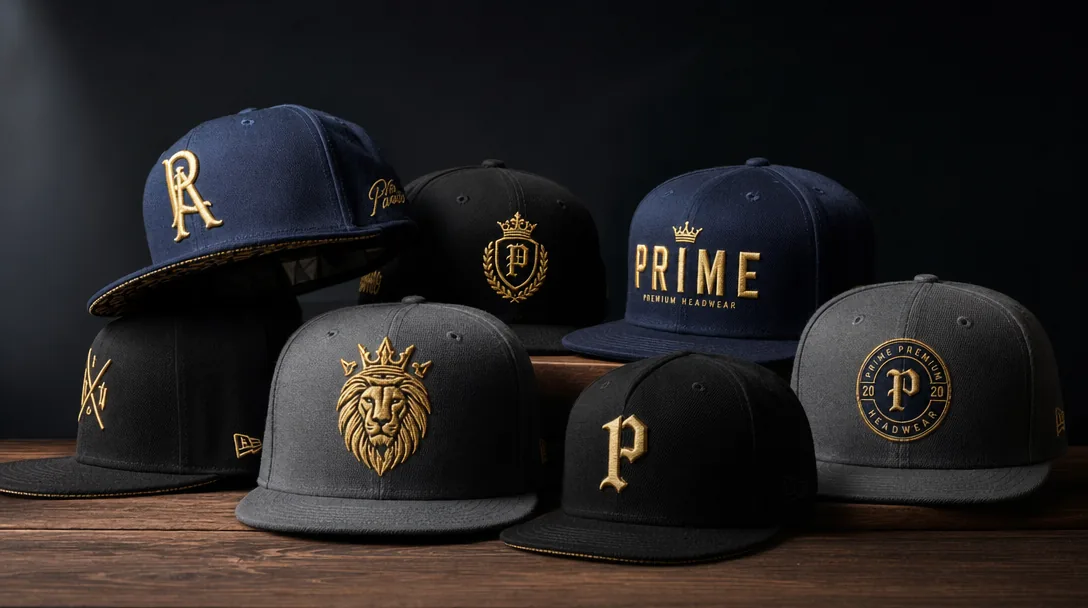
Custom Embroidered Hat: The 2026 Sourcing & Manufacturing Playbook
Read article →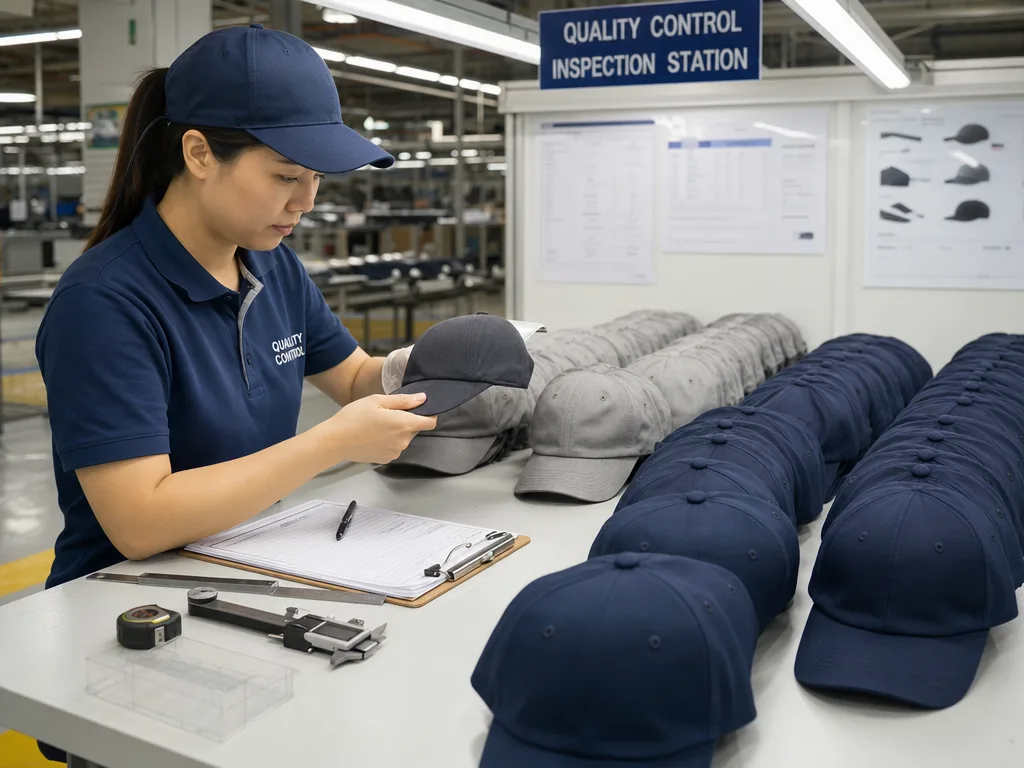
Custom Cap PP Sample Approval: What to Freeze Before Production
Read article →Cotton Twill Baseball Cap: Properties, Costs and How to Spec It Right
Read article →We hope this guide demystifies bucket hat corduroy reorder planning guide for custom hat buyers and helps you move forward with confidence. If you have questions specific to your project, our English-speaking sales engineers are one message away.