
Negotiating with a China Hat Manufacturer: 12 Tactics That Actually Work - 2026 Buyer's Guide - 2026 Buyer's Guide (2026 Update)
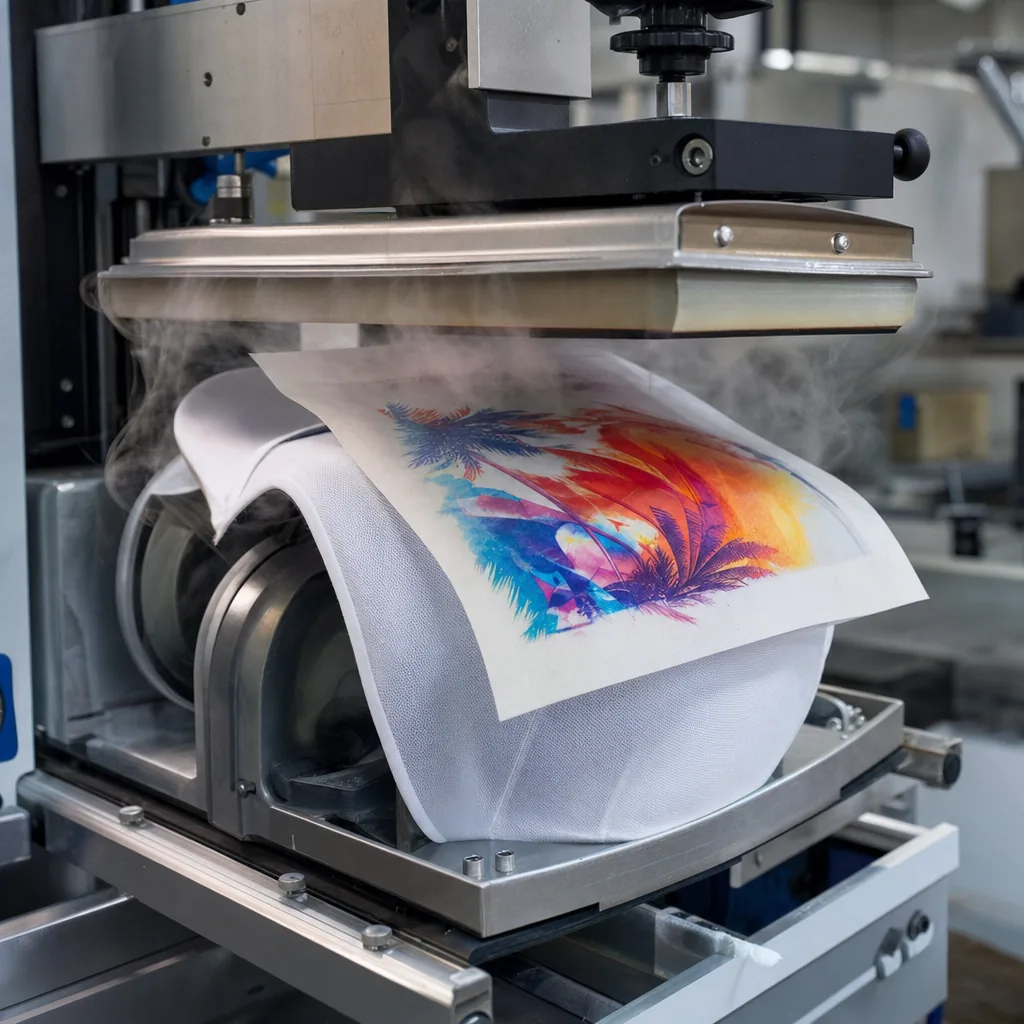
Every week, our sales team answers detailed questions about negotiating with a china hat manufacturer: 12 tactics that actually work - 2026 buyer's guide - 2026 buyer's guide (2026 update). We wrote this guide so that wholesalers, streetwear brands, corporate buyers and promotional resellers can compare options with full information, and avoid the traps that show up only after production has started.
The negotiating dynamic factories actually see
Most buyers misread the first quote. In custom headwear, a Chinese factory’s opening price is usually a risk-loaded working number, not bare CM cost. On orders below 500 pieces, it is normal to see 12% to 25% padding; on repeat programs at 2,000 to 5,000 pieces, that usually compresses to 5% to 12% because the factory already knows the stitch count, fabric consumption, packing ratio, and likely defect rate. That buffer is not imaginary profit. It covers things that are genuinely unstable at quotation stage: extra machine time on Tajima or Barudan embroidery heads, a second Pantone TCX lab dip after a failed shade approval, carton dimensional-weight overruns, and fallout at final inspection against AQL 2.5. If you want to negotiate with Chinese hat manufacturer teams effectively, treat the quote as a provisional risk model. The faster you remove uncertainty, the faster the price gets real. The factory’s actual floor is driven less by stated volume than by how cleanly the order can run. A 300-piece cap in stock 260 gsm cotton twill with one flat embroidery position can carry more negotiating room than a 1,200-piece order in recycled brushed canvas with 3D puff embroidery, custom seam tape, woven flag labels, and four color-matched SKUs. Complexity destroys margin through setup loss, machine stoppage, extra inline QC, and higher reject exposure. The parts that usually move are trims, packing, and freight assumptions: a closure change or standard buckle can save $0.10 to $0.30 per cap, simplifying inner packaging can save another $0.05 to $0.12, and shipment consolidation often matters more than squeezing sewing margin. By contrast, low-yield appliqué, imported moisture-wicking sweatbands, and custom-dyed components held to Delta-E below 1.5 leave almost no room.
MOQ fights usually happen because buyers attack the number instead of the cost drivers under it. A 300-piece MOQ per color per style is often protecting fabric minimums, cutting efficiency, embroidery setup, and accessory procurement rather than serving as a bluff. A mill may require 60 to 100 yards for a custom shade, a woven-label vendor may quote at 1,000-piece breaks, and every change of visor, closure, or colorway costs line time the buyer never sees. Repeating “can you do better?” rarely changes that math. Standardizing components does. One shell fabric across multiple SKUs, one 12 mm strap-and-buckle set, shared seam tape artwork, or a common export carton spec removes real cost and creates real negotiating room. The buyers who get meaningful concessions usually trade certainty for price. The practical ask is not a vague 15% discount; it is a structured offer such as keeping the sample charge credited, holding digitizing, and committing to a repeat within 60 days. That lets the factory amortize setup across two runs and buy fabric with less exposure. In real cap negotiations, that is where you see credible wins: 3% to 8% unit-price improvement, sample fee offset, deposit reduced from 50% to 30%, or a waived digitizing charge of $35 to $80. When you negotiate with Chinese hat manufacturer suppliers this way, the discussion stops being haggling and starts becoming cost engineering, which is where durable concessions actually come from.
Tactic 1-3: MOQ and quantity flexibility
The cleanest way to negotiate with chinese hat manufacturer on MOQ is to ask for a quantity ladder against one frozen tech pack on day one, not a vague request for a “best price.” Quote the same cap at 144, 300, and 1,000 pieces with every variable locked: 6-panel or 5-panel construction, fabric at 260-280 gsm, closure type, PE or EVA visor insert, sweatband quality, eyelet finish, stitch count, inner taping, packing method, and Incoterm. On a standard brushed cotton twill baseball cap with 8,000-10,000 front-logo stitches, a realistic range is about $4.60-$5.10 FOB Ningbo at 144 pieces, $3.40-$3.90 at 300, and $2.70-$3.05 at 1,000. If the 300-to-1,000 drop is modest but the sub-300 premium spikes, that usually reflects trim MOQs, marker loss, embroidery setup on Tajima or Barudan heads, and carton utilization—not sewing labor. Any factory worth taking seriously should explain where fabric yield moves past roughly 85% and why 144 pieces cannot be costed like a 1,000-piece run.
The most practical MOQ concession is color splitting, but only when the production inputs stay genuinely shared. A 300-piece order can often run as 100 black, 100 navy, and 100 khaki if all three use the same 12 oz cotton twill, identical buckram, the same hook-and-loop or metal buckle closure, one visor board specification, one woven label, and one embroidery file with only thread-color swaps. In that case, the cutting room keeps one marker, the sewing line keeps one operation flow, and the embroidery department avoids fresh digitizing or machine rebalancing. Once you change fabric base, closure hardware, logo size, or side embroidery placement, you are no longer negotiating one MOQ; you are asking the factory to absorb three separate small-lot risks.
A better 2026 lever is dead-stock and partial-roll conversion. Many cap factories carry leftover fabric lots in the 20-80 meter range from canceled repeats or overbought mill programs, enough for roughly 144-300 caps depending on crown profile, marker efficiency, and whether you add contrast binding or sandwich brim details. If that stock already passed shrinkage, crocking, and colorfastness testing, and the shade sits within an agreed tolerance—typically Delta-E below 1.5-2.0 against the approved Pantone TCX reference—you can sometimes reduce MOQ and save $0.20-$0.60 per cap FOB. The right question is not “Can you lower MOQ?” but “What existing fabric or trim inventory can be converted without creating shade-band exposure or mixed-lot failures at final inspection under AQL 2.5?”
Tactic 4-6: Sample fee and setup cost
Treat sample fees as recoverable development cost, not a symbolic concession. In Yiwu, a first proto for a stock-fabric 6-panel baseball cap usually runs $35 to $70 if you use an existing block, standard PE sweatband, and flat embroidery on a Tajima or Barudan head. Once you move into 3D puff, molded TPU patches, woven inside taping, custom metal buckle, 14-wale corduroy, or 300 gsm brushed cotton twill, the real sample range is closer to $85 to $160 because the factory is paying for pattern adjustment, machine time, and low-yield trimming. The smart move when you negotiate with chinese hat manufacturer teams is to write the refund trigger directly into the PI: 100% sample fee credited at 300 pcs for simple builds using existing patterns is realistic, while 500 pcs is more typical if the cap needs custom fabric booking, multiple decoration placements, or a new crown shape. That gets you a measurable commercial term instead of a vague promise to “support later.” Push even harder on what counts as reusable development. If the bulk order keeps the same crown pattern, visor curve, closure, embroidery file, and fabric spec, most of the risky setup work has already been absorbed during sampling, so the credit should be automatic rather than subject to a sales rep’s approval. Our standard practice is to separate sample making from true non-recurring engineering: a sewn proto is one cost, but a new mold for a metal badge or custom silicone patch tool is another and may not be refundable below 1,000 to 3,000 pcs. Buyers lose margin when they argue blindly over $10 or $15 on the sample but never define refund conditions, validity period, or whether the credit applies per SKU or per PO. Lock those points early, or the sample fee comes back later as a hidden bulk markup.
Never accept a single line called “sample and setup.” That wording lets a supplier bury margin in charges you cannot audit. Break setup into technical buckets. Embroidery digitizing for a clean flat logo usually costs $20 to $50; 3D puff with foam channels, extra underlay, and pull compensation for a curved front panel is more like $45 to $80, especially if the file will run on ZSK or Barudan machines at production speed without thread breaks. Ask for first-time punch work to be waived on the opening bulk order, and make later art charges billable only when they change stitch path, satin column width, logo geometry, applique cutline, or patch mold dimensions. A thread-color swap, minor text cleanup, or size reduction within the same sew field should not trigger a fresh setup fee. Color matching needs the same discipline. One physical color confirmation in the first round is reasonable, but extra matches across multiple colorways should be quoted separately because they involve thread sourcing, lab-dip comparison for fabric, and visual checks under D65 lighting. Put the reference system in writing: Pantone TCX for textile body fabric, Pantone Solid Coated for print or packaging, plus an agreed tolerance such as Delta-E below 1.5 for critical branded shades or a sealed approval sample as the control standard. Also define whether matching covers shell fabric only or includes visor sandwich, top button, eyelets, and embroidery thread. That language stops the common factory move of waiving digitizing up front, then clawing the money back later through a fuzzy “special color” surcharge or an inflated trim setup fee.
Tactic 7-9: Payment terms and currency
Do not ask for open credit on a first PO unless you want to look naive. In custom cap production, the standard for a new account is still 30% deposit and 70% before shipment; 50/50 shows up when the order carries unusual exposure, such as licensed logos, custom zinc-alloy trims, enzyme washes, or low-MOQ styles that block sewing capacity. Better terms come only after the factory sees evidence: two or three clean orders, no delayed wires, no opportunistic claims, and a reorder cadence it can load into capacity planning. If you want to negotiate with chinese hat manufacturer teams intelligently, ask for a specific step-up path instead of vague “better terms later.” A realistic ladder is 30/70 on orders one to three, then Net-15 on the balance once annual spend reaches about USD 80,000 to 120,000 and all prior invoices were paid within three banking days of due date. Net-30 usually takes either USD 200,000-plus annual volume, a rolling 90-day forecast, or a master purchase agreement the factory actually trusts.
Keep payment terms separate from ex-works price. A 2% to 4% discount for 100% prepayment is often just the supplier monetizing your cash, not giving you a real sourcing advantage. The better trade is operational: fewer SKU splits, repeat Pantone TCX color standards, frozen embroidery files, and faster approvals in exchange for written terms on the PI. Write the trigger with zero ambiguity: “Net-15 from on-board date after the third completed order, subject to prior invoices paid on time and final inspection passed at AQL 2.5.” That sentence is worth more than a friendly sales promise. Currency also needs to be locked down. Above roughly USD 20,000 per order, quote in USD and state the FX basis on the proforma invoice—for example, USD/CNY 7.18 valid for 21 calendar days. Over a 35- to 60-day production cycle, RMB movement can easily wipe out 1.5% to 3% of the savings you thought you negotiated because twill, acrylic yarn, sweatband tape, labor, and trucking are paid in CNY.
For initial orders, use Trade Assurance, an escrow structure, or at minimum a milestone schedule tied to production facts rather than goodwill. A workable split is 30% deposit, 40% after in-line approval or finished-goods photos, and 30% against passed final inspection plus copy B/L and packing list. If a factory resists basic buyer protection on a first run, that usually points to cash stress or weak process control. A compliant supplier familiar with sedex-audit-cap-supplier-guide.html">BSCI 2.0 or Sedex SMETA 4-Pillar audits will not treat milestone payments as offensive; it will treat them as normal risk allocation. Also pin down whether artwork revisions, lab-dip changes, carton-mark updates, or shipment rebooking reopen pricing or FX. If that clause is left soft, the factory will almost always interpret it in its own favor once goods are on the floor. Payment language should be as measurable as the embroidery sew-out, carton count, and shipping marks, because ambiguity is where commercial leakage starts.
Tactic 10-12: Long-term commitment leverage
The cleanest leverage is a written annual volume commitment with scheduled call-offs, not the usual "we’ll grow together" language buyers throw around. If you can guarantee 24,000 caps a year with a hard floor of 6,000 per quarter, a factory can lock labor loading, reserve Tajima or Barudan embroidery heads, and buy shell fabric by the roll instead of piecing together small-lot cuts. That is where the real savings show up. On stable programs like 6-panel 100% cotton twill snapbacks, brushed chino dad hats, or polyester-spandex 110 profiles using the same crown pattern, trims, and Pantone TCX standards, contracted volume usually trims FOB pricing by 4% to 8% versus spot POs. Waste also falls because the line runs one approved tech pack, one PP sample benchmark, one embroidery file, and fewer label, sweatband, or hangtag changeovers. If you want to negotiate with chinese hat manufacturer partners without turning the first order into a knife fight, ask for tiered pricing tied to actual annual pulls: for example, $2.78 at 25,000 units, $2.63 at 50,000, and $2.49 at 100,000 on the same cap spec. Most factories will respect that logic far more than a buyer demanding a rock-bottom quote on a 1,200-piece trial.
Exclusivity only works when it is narrow enough to price. No serious factory will accept a vague restriction like "no other U.S. streetwear brands" unless your run rate covers the lost capacity, and in real negotiations that discussion rarely starts below 5,000 to 10,000 pieces per SKU family per year. Define the restriction by exact construction: same silhouette, same panel count, same fabric composition and gsm, same closure, same visor shape, same embroidery placement, and same artwork scale. If you try to lock up a generic 5-panel taslan nylon cap, the supplier will either refuse or quietly load opportunity cost into the unit price. Keep the term to 12 months, renew only if volume targets are hit, and rely on commercial remedies that can actually be enforced in a supply agreement, such as rebate credits, tooling reimbursement, or cancellation rights on future call-offs. The overlooked lever is forecast discipline. A rolling 6- to 12-month forecast with quarterly true-ups inside a plus/minus 15% band lets the factory reserve cutting slots, pre-book trims, and hold core materials like 10x10 cotton canvas, buckram, woven labels, poly snaps, and 40 wt embroidery thread. Buyers who forecast accurately usually get better ex-factory date protection, fewer substitutions, and less risk of rush dye lots drifting beyond Delta-E 1.5 to 2.0.
What NOT to negotiate
Do not trade away `AQL 2.5`, third-party inspection access, or written tolerances just to shave a few cents. On a `5,000`-piece cap order, relaxing final inspection from `AQL 2.5` to `AQL 4.0` usually saves only about `$0.03-$0.08` per cap, which is meaningless next to one retailer chargeback or a failed Amazon FBA inbound check. In caps, the expensive defects are rarely dramatic; they are repeatable line issues such as front embroidery running more than `2 mm` off center, crown-panel mismatch above `3 mm`, visor curve inconsistency versus the sealed sample, sweatband roping, top-button wrap exposure, or thread shade drifting beyond `Delta-E 1.5` from the approved `Pantone TCX`. If a supplier tries to replace a formal sampling plan with “100% internal check,” read that correctly: they are usually cutting inline QC, rushing thread trimming, or knowingly packing borderline units. That is exactly the wrong concession when you negotiate with chinese hat manufacturer partners.
Hold firm on independent inspection rights and audit transparency, because your leverage collapses once cartons leave `Yiwu`, `Ningbo`, or `Shanghai`. A capable factory should accept `SGS`, `Intertek`, or `QIMA` for PSI and be able to show carton pull ratios, measurement tolerances, needle-control logs, and metal-detection records where the program requires it, especially for kids’ headwear or licensed retail. The same goes for compliance documents: if they will not share `BSCI 2.0` or `Sedex SMETA 4-Pillar` reports under NDA, assume there is a labor, subcontracting, or overtime issue behind the delay. Deposit structure is another place buyers often negotiate badly. For custom hats using `260-280 gsm` dyed twill, woven labels, molded `TPU` or `PVC` patches, custom buckles, and embroidery already digitized for `Tajima`, `Barudan`, or `ZSK` heads, `30/70` is still the practical baseline. Pushing for `10%` down on a small or mid-size run does not create leverage; it usually delays fabric booking, trim purchasing, and sampling, then shows up later as missed ex-factory dates, unauthorized material substitutions, or sudden MOQ rigidity.
How factories signal genuine vs. fake price drops
Real price cuts in cap manufacturing come from a measurable change in material, labor, or logistics; they do not appear by magic because a buyer asked twice. If a 2,000-piece 6-panel snapback moves from FOB Ningbo $4.85 to $4.28, ask the factory to tie every cent to a revised BOM and routing sheet. Common legitimate levers are easy to quantify: 270 gsm brushed cotton twill changed to 220 gsm saves roughly $0.11-$0.16 per cap, flat embroidery reduced from 12,000 stitches to 8,500 stitches cuts machine time on Tajima or Barudan heads by about $0.07-$0.10, and swapping a metal buckle for a PP single-row snap can trim another $0.05-$0.08. Packing is another real lever: moving from individual polybags to bulk pack, or increasing master carton density from 72 to 96 pcs, often saves $0.06-$0.12 per cap once carton count, CBM, and handling are recalculated. When you negotiate with chinese hat manufacturer teams, a serious concession should be backed by fabric code, consumption per cap, visor insert spec, sweatband composition, stitch count, carton dimensions, and loading plan—not just a cheaper headline number.
The quote to distrust is the one that drops immediately while the specification supposedly stays identical. If you ask for $0.40 off and the supplier agrees in one email without changing fabric gsm, buckram grade, closure type, embroidery coverage, inner taping, label package, or carton standard, assume the margin will be recovered somewhere harder to spot. On bulk production, that usually means lower embroidery density on ZSK runs, lighter front buckram, visor board substitution from virgin HDPE to recycled insert, less consistent fabric lots, or subcontracting to a smaller workshop with weaker in-line QC and no disciplined final inspection at AQL 2.5. The damage appears after cutting starts, not at the photo sample stage: crown shade drifting beyond agreed Pantone TCX tolerance, Delta-E climbing above 2.0, eyelet spacing wandering, top buttons off-center, or mixed-carton assortments failing count verification. The practical test is simple: require a cost-down note and revised spec sheet for every discount. At CrownsForge, no price reduction is treated as approved unless it matches a documented BOM or process revision record.
Frequently Asked Questions
How long does production take?
Sampling takes 7 to 12 days. Bulk production runs 20 to 30 days depending on quantity, fabric availability and decoration complexity. Inspection and packing adds another 3 to 5 days before shipment.
Do you support sustainability certifications?
Yes. We work with GOTS organic cotton, GRS-certified recycled polyester, OEKO-TEX Standard 100 fabrics, and are BSCI and Sedex audited. Certification documentation can be provided per order.
What is the minimum order quantity (MOQ) for custom hats?
Our standard MOQ is 100 pieces per design and color, with sampling available from 1 piece. For complex multi-color logos or premium fabric upgrades, the MOQ can be lowered with a small per-piece surcharge.
What logo decoration techniques do you offer?
3D puff embroidery, flat embroidery, woven patch, leather patch, PVC patch, screen printing, sublimation, applique and laser etching, all in-house with no subcontracting.
Can I order a sample before bulk production?
Yes. We strongly recommend approving a pre-production sample before mass production. Samples are charged at 35 to 60 USD each plus express shipping, fully refundable against confirmed bulk orders over 500 pieces.
How does ordering baseball cap custom embroidery work?
When evaluating baseball cap custom embroidery, the key considerations are construction quality, decoration capability, MOQ flexibility and lead time. (4) Sample fee refundable against orders above a threshold (500 pieces typical, ask for 300). (5) Embroidery digitizing free on first design, paid only on revisions. (6) Free physical Pantone matching for first colorway, paid for additional Pantones. Factories quote with margin to absorb negotiation. First quote typically includes 15-25% margin headroom on smaller orders,…
What should buyers know about best hat embroidery machine?
When evaluating best hat embroidery machine, the key considerations are construction quality, decoration capability, MOQ flexibility and lead time. (4) Sample fee refundable against orders above a threshold (500 pieces typical, ask for 300). (5) Embroidery digitizing free on first design, paid only on revisions. (6) Free physical Pantone matching for first colorway, paid for additional Pantones. Factories quote with margin to absorb negotiation. First quote typically includes 15-25% margin headroom on smaller orders,…
How does ordering custom dad hat embroidery work?
When evaluating custom dad hat embroidery, the key considerations are construction quality, decoration capability, MOQ flexibility and lead time. (4) Sample fee refundable against orders above a threshold (500 pieces typical, ask for 300). (5) Embroidery digitizing free on first design, paid only on revisions. (6) Free physical Pantone matching for first colorway, paid for additional Pantones. Factories quote with margin to absorb negotiation. First quote typically includes 15-25% margin headroom on smaller orders,…
What should buyers know about best baseball caps for men?
When evaluating best baseball caps for men, the key considerations are construction quality, decoration capability, MOQ flexibility and lead time. Factories quote with margin to absorb negotiation. First quote typically includes 15-25% margin headroom on smaller orders, 8-15% on larger orders. Knowing this changes how you approach the conversation — you're not asking for a discount, you're testing whether the deal fits both sides. (1) Ask for tier pricing at multiple quantities (100, 300, 1000) up front; reveals real…
How to negotiate prices with a Chinese manufacturer?
Identify your ideal price range and walk-away point. Determine which terms (e.g., payment terms, lead time, or quality standards) you are willing to negotiate. Have alternative suppliers as backups in case negotiations don't go as planned.
Is it common to haggle in China?
In China, it's a tradition to ask for (and mostly give) a discount. Shopping in China requires haggling but have fun with it. If this is fun for you then it's probably fun for them too. As soon as it becomes nasty or, if you insult the vendor or their products, then you've lost and you're not going to get a deal.
How to negotiate price with Chinese suppliers?
Understand and respect Chinese business culture. Research suppliers and develop a negotiation strategy. Set clear goals and maintain flexibility. Leverage long-term commitments for better pricing. Confirm all agreements in writing and implement quality control measures.
How to negotiate price with manufacturer?
Get Multiple Quotes and Use Them Strategically. ... Negotiate Total Landed Cost, Not Just Unit Price. ... Negotiate Payment Terms That Protect Both Sides. ... Negotiate Quality Standards, Not Just Price. ... Build the Relationship and Negotiate Better Over Time.
Ready to start your custom hat project?
Send us your tech-pack, sketch or even just an inspiration photo. We will respond with a detailed quotation and digital mock-up within 24 hours.
Request a free quoteRelated guides
Custom Leather Patch Hat Low Minimum: A 2026 B2B Sourcing Guide
Read article →
Mens Beanies: Properties, Costs and How to Spec It Right
Read article →
Custom Rope Hats: Manufacturing, Materials and Bulk Pricing (2026 Update)
Read article →Sourcing custom hats does not have to be complicated. With the right manufacturing partner, clear specifications and a small upfront investment in sampling, you can launch a retail-quality product in 30 to 45 days.