
Mens Beanies: Properties, Costs and How to Spec It Right - 2026 Buyer's Guide
Every week, our sales team answers detailed questions about mens beanies: properties, costs and how to spec it right - 2026 buyer's guide. We wrote this guide so that wholesalers, streetwear brands, corporate buyers and promotional resellers can compare options with full information, and avoid the traps that show up only after production has started.
Beanies for Men
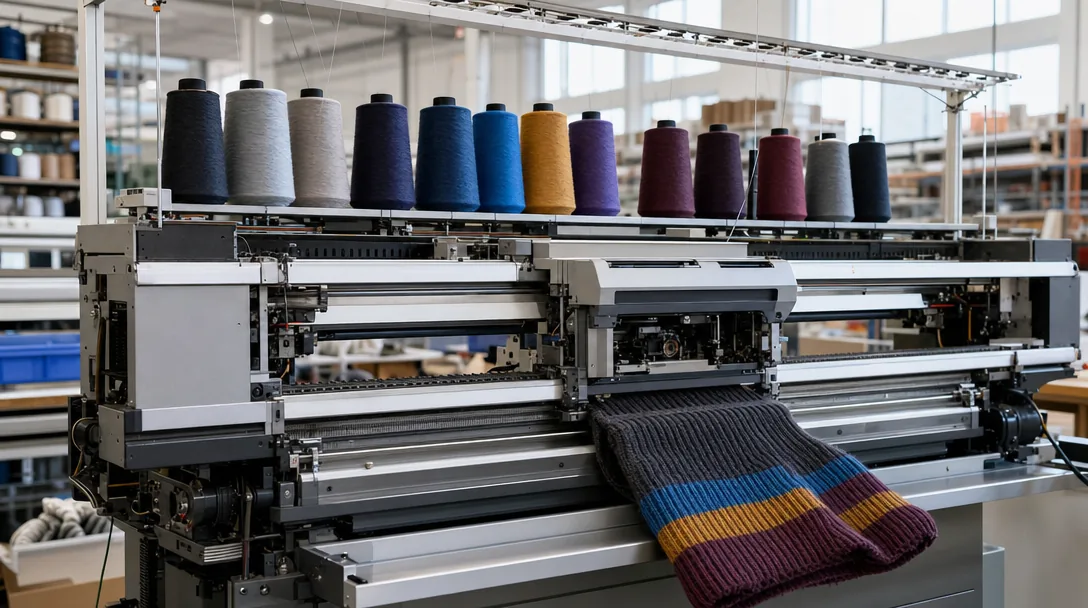
The fastest way to overpay for mens beanies is to treat every knit cap as the same product. They are not. Construction changes labor time, fit retention, and returns almost immediately. The main factory routes are circular-knit cuff beanies, fully fashioned flat-knit beanies, and cheaper cut-and-sew jersey styles made from tubular knit fabric. A basic promotional spec is usually 100% acrylic, 7GG to 9GG, 1x1 or 2x2 rib, 65 to 90 grams per piece, with a 7 to 8 cm cuff and linked crown decreases. Retail programs move tighter: merino blends commonly run 50/50 or 70/30 merino/nylon for recovery, usually at 9GG to 12GG, with stricter post-wash tolerances because wool shifts more than acrylic. On the production floor, most serious suppliers in Zhejiang and Jiangsu are using Stoll or Shima Seiki flat machines for fashioned bodies, then linking, steam setting, badge application, trim inspection, and final packing. Once you move into jacquards, marl yarns, or wool-rich blends, the knitting route and finishing sequence matter more than the yarn label itself. If you want clean pricing on mens beanies, lock the technical spec before RFQ. Fiber content alone is useless without yarn count, gauge, finished weight, cuff height, relaxed opening, recovery target, branding method, wash standard, and whether the body is fully fashioned or cut-and-sew. Color control is where many programs go wrong, especially on black heather, olive, and wool melange shades, so approvals should reference Pantone TCX with an agreed Delta-E target: under 1.5 for solid shades is realistic, under 2.0 for heathers is acceptable. MOQ for stock-color acrylic is typically 300 to 500 pieces per color, but custom-dyed yarns, jacquard logos, or merino-heavy programs usually start around 800 to 1,200 because dye-lot and spinning minimums set the floor. In 2026 terms, a 500-piece acrylic cuff beanie is usually around FOB China $1.35 to $2.20; a merino-dominant style is more often $3.80 to $7.50, depending on micron grade, yarn origin, gauge, and trim count. Inspection should target wear failures, not just what looks neat in the polybag. The defects that come back from market are predictable: uneven crown shaping, weak top linking, needle lines, seam torque on cut-and-sew bodies, poor rib recovery, oil marks, and shade mismatch between the cuff exterior and the exposed inside after turnover. A practical bulk standard is AQL 2.5 with measurement checks on relaxed width, stretched width, cuff height, and piece weight, normally within plus or minus 5%, plus wash testing for shrinkage, spirality, colorfastness, and pilling. For wool blends, I would also require post-wash handfeel approval, because a beanie can pass measurement and still feel harsh if the steam set or finishing temperature was wrong. That is the real commercial decision with mens beanies: not chasing the cheapest FOB, but matching yarn composition, gauge, and decoration method to the sales channel, whether the target is promo volume, streetwear retail, or licensed winter merch.
Corduroy Cap Mens
Corduroy headwear goes wrong fast: if wale count, nap direction, or crown support is off, the cap reads defective before it even reaches packing. For cap-grade cotton corduroy, 10 to 12 wale at roughly 240 to 300 gsm is the safest working range; 8 wale can look too coarse on smaller crowns, while 14 wale tends to flatten out after washing and repeated handling. On a 6-panel dad cap or soft-structured snapback, every panel has to be cut in the same nap direction. If two panels get flipped, the fabric reflects light differently and the crown looks like a shade mismatch even when the lab dip is still within Delta-E 1.0 to 1.5. That matters when the style is presented next to mens beanies in the same delivery, because buyers judge color continuity across the whole headwear program, not item by item. A real spec sheet needs to lock the construction before sampling starts: fabric composition, wale count, finished gsm, buckram requirement, visor insert, sweatband material, closure, and top button all affect the final silhouette. “100% cotton corduroy” is not a usable instruction. Color should be approved against Pantone TCX or TPX with a signed swatch under D65 light, and embroidery has to be engineered for ribs, not flat twill. On Tajima, Barudan, or ZSK heads, small text and satin borders need heavier underlay, lower density, and added pull compensation or the stitches sink into the channels and edges fuzz out. In normal buying terms, MOQ is usually 144 to 300 pieces per color in stock fabric; custom-dyed corduroy with matched trims more often starts at 500. FOB China for a clean basic style is typically $2.80 to $4.90, with metal clasp hardware, enzyme wash, woven labels, or higher stitch counts pushing it higher.
Most bulk failures on corduroy caps are predictable, which means they should be written into pre-production QC instead of argued over after shipment. The repeat problems are nap shading between panels, crushed wale lines from over-pressing, seam grin on the front crown, visor twist after carton compression, and embroidery registration drift caused by unstable hooping on ribbed fabric. AQL 2.5 is still the sensible inspection level for most programs, but corduroy needs an extra visual check under angled light because flat overhead lighting hides nap reversal and pressure marks. Dark pigment washes also need crocking checks, especially if the order sits beside light-color mens beanies in a mixed retail set where transfer complaints show up immediately. Factory capability matters more here than buyers like to admit. A supplier can hit the target Pantone and still fail the order if pressing temperature, packing density, or hooping method is wrong. The QC checklist should call out logo placement tolerance within plus or minus 3 mm, bill curve consistency, needle damage, loose thread, top button centering, and carton compression resistance after stacking. Our standard practice is to review nap markers at cutting, run embroidery strike-offs on actual corduroy panels, and verify that the crown recovers after packing pressure before bulk release. Buyers who chase a $0.20 savings on piece price usually lose that margin later through replacements, airfreight, or markdowns when the caps arrive looking uneven on the shelf.
100 Cotton Beanie Mens
A reliable 100% cotton program for mens beanies is decided by yarn count and knit structure long before you sketch the silhouette. I would not approve open-end cotton or low-twist single yarn for retail unless the target is strictly promotional; it pills faster, bags at the crown, and loses cuff rebound after washing. For stable body, spec 2/32s or 2/21s combed cotton, knitted in 1x1 or 2x2 rib at 7GG to 12GG, with a finished weight of 220 to 280 gsm. Below 200 gsm, cotton mens beanies start feeling flat and the cuff memory gets noticeably weaker. A workable adult spec is 24 to 26 cm body height, 7 to 8 cm cuff depth, 21 to 23 cm opening width laid flat, and 85 to 110 g per piece depending on gauge, rib density, and fold depth. If the top is linked or fashion-finished instead of sewn, crown grin drops sharply and the beanie sits cleaner on head. Color and wash control are where many mens beanies programs drift off spec. Cotton takes dye inconsistently from lot to lot, especially on black, navy, forest, and other deep shades, so the PO should lock Pantone TCX reference, acceptable Delta-E, and a mandatory washed approval sample. In practice, Delta-E under 1.5 is achievable on core shades if the dyer is disciplined, but only if you approve a lab dip, bulk yarn shade band, and post-wash standard before knitting runs full volume. Finished cotton beanies commonly shrink 3% to 5% after first wash if steaming, relaxation, or compacting is rushed. If you add front embroidery, test the logo on the actual rib construction: a dense design run on Tajima or Barudan heads can tunnel or pucker lighter knits unless the base weight, backing, and stitch density are balanced.
Clean execution costs more than buyers expect because cotton is less forgiving than acrylic when you push custom details. In Zhejiang, a plain solid-color cuff style with a woven label usually lands around $1.60 to $2.40 FOB at 500 to 1,000 pieces. Add flat embroidery, jacquard branding, contrast tipping, custom inside tape, or retail packaging and the realistic range moves to $2.30 to $3.80 FOB. Organic or BCI-sourced yarn typically adds 8% to 15%, and low MOQ shade matching can push cost again because knitting efficiency drops and yarn loss rises. The supplier should confirm yarn origin, gauge, piece-weight tolerance, azo-free dye compliance, needle-detection standard, carton packout, and whether the factory is current on sedex-audit-cap-supplier-guide.html">BSCI 2.0 or Sedex SMETA 4-Pillar if the order is for chain retail. Inspection is where 100% cotton mens beanies quietly fail if the buyer only checks appearance. The repeat defects are spiraling after wash, uneven rib tension, skewed cuffs, crown seam grin on sewn-top builds, crocking on dark shades, and carton-to-carton measurement drift. I would hold bulk at AQL 2.5 and split inspection into appearance, measurement, and wash-performance checkpoints rather than treating it as one pass. Record body height, cuff depth, opening width, and net weight per dozen; then run a 30°C wash test and a simple stretch-recovery check on the cuff. Cotton beats merino on care simplicity and raw-material stability, and it usually feels drier on skin than low-grade acrylic, but it will not match wool for thermal insulation or acrylic for rebound after repeated stretch. That is why 100% cotton works best for everyday lifestyle mens beanies, not true winter-performance headwear.
Corduroy Bucket Hat Mens
Corduroy bucket hats are won or lost on fabric spec and cutting discipline, not on the color card. Wale count is the first real decision: 8W gives a coarse, workwear look, 11W is the safest commercial middle ground, and 14W reads cleaner but can look too dressy for mass men’s retail. For a stable silhouette, I’d spec 240 to 300 gsm finished weight; once you drop under 200 gsm, the side band starts to collapse and the brim usually needs added structure just to hold shape on shelf. Fiber content changes performance more than most buyers expect. A 100% cotton corduroy gives the driest hand and takes pigment or enzyme wash well, but a 97/3 cotton-spandex or 65/35 cotton-poly blend recovers better at seam joins and reduces torque after wash. The biggest factory mistake is inconsistent nap direction. If the crown, side wall, and brim are not all cut on the same grain and pile orientation, black, olive, and camel will show obvious shade flip under retail lighting even when lab dips are within Delta-E 1.0 to 1.5. A workable tech pack needs construction details, not just logo placement. Call out wale count, finished gsm, composition, crown height, brim width after wash, sweatband material, seam binding, eyelet method, SPI target, and brim reinforcement—soft stitched only, 120 to 160 gsm nonwoven, or 0.8 to 1.2 mm PE board depending on the hand you want. Standard men’s sizing is usually 58 cm, with 60 cm as a practical XL; crown height should finish around 8.5 to 9.0 cm and brim width around 5.5 to 6.0 cm. Embroidery on corduroy also needs its own spec. Dense artwork will sink into the ribs unless the file is digitized with proper underlay, pull compensation, and lower stitch density around 0.38 to 0.42 mm for Tajima, Barudan, or ZSK heads. Buyers used to sourcing mens beanies often miss this because knit headwear hides a lot of engineering that corduroy does not.
Bulk failures show up in brim control and measurement consistency long before they show up in branding. The first defects I reject are twisted brim topstitch rows, row-spacing drift over 2 mm, crushed wale lines at seam intersections, needle-cutting on finer wales, and puckering caused by excessive upper-thread tension. Circumference tolerance should stay within plus or minus 0.5 cm, and brim symmetry needs to be checked flat and worn because a hat can pass table measurement but still cant to one side on head. Interlining quality is another common cost-down trap. Low-grade glue-fused interlining can bubble after container exposure above 45°C, especially on dark colors packed tight in summer export lanes. On load-bearing seams, I want at least 8 to 10 SPI with balanced tension; corduroy lint hides weak sewing surprisingly well until the side band is stress-tested. Inspection should be run like structured cut-and-sew headwear, not like commodity knit caps. AQL 2.5 is still the normal shipment standard, but premium retail programs should tighten measurement and appearance on the first packed cartons and add a simple wear and wash verification before ex-factory release. In Yiwu, MOQ is typically 300 to 500 pieces per colorway if you use stock greige corduroy, while custom Pantone TCX dyeing usually pushes the true floor to 800 to 1,000 pieces because the mill will not run short lots efficiently. Real 2026 FOB pricing is about $2.30 to $3.70 for a plain bucket hat at 500 pieces, then $3.90 to $5.60 once you add embroidery, woven labels, printed seam tape, and individual retail packing. Our standard practice at CrownsForge is to check nap direction during cutting, not after sewing, because by QC stage the cost of getting it wrong is already on the table.
Mens Corduroy Bucket Hat
Wale count, nap direction, and brim build are what separate a premium corduroy bucket hat from a bargain-bin one. The safe commercial window is 8-wale to 12-wale cotton corduroy at roughly 240 to 300 gsm; below that, the ribs look washed out on shelf, and above 320 gsm the brim gets bulky and starts collapsing unevenly after washing or steam shaping. Most factories stabilize the brim with 120 to 150 gsm nonwoven fusible, sometimes doubled at the front quadrant, but over-fusing creates a sharp rim that feels cheap in hand. Compared with mens beanies, the production risk is completely different: beanies are controlled by yarn count, gauge, and stitch structure, while corduroy hats live or die on fabric behavior, especially pile direction, shrinkage after fusing, and panel-to-panel shading. The biggest avoidable mistake is mixed nap cutting. One crown panel flipped the wrong way will read half a shade lighter under retail lighting even if the dye lot passes lab dip. For piece-dyed corduroy, color should be approved to Pantone TCX under D65, with a bulk tolerance of Delta-E 1.5 to 2.0; black, camel, olive, and navy need extra caution because pile reflection exaggerates mismatch. A usable tech pack should lock crown height, head opening, brim width, stitch rows, eyelet finish, sweatband spec, and carton packout. If the decoration is embroidery, digitizing has to compensate for rib texture: on Tajima or Barudan heads, satin text below 2.0 mm usually needs reduced density, heavier underlay, or a twill appliqué base to stop the wale from swallowing detail.
Pricing moves more on specification discipline than on the shell fabric alone. In Zhejiang, a plain men’s corduroy bucket hat with woven label, cotton sweatband, and basic front embroidery usually lands around $2.90 to $4.50 FOB China at 300 to 500 pieces per colorway. Once you add printed lining, custom seam tape, metal eyelets, higher stitch-count embroidery, or branded inner labels, the realistic range shifts to about $5.30 to $6.70. MOQ is commonly 300 to 500 pieces per color, but 800 to 1,000 pieces usually improves marker efficiency and trim utilization enough to shave meaningful cents off unit cost. That is the opposite of many mens beanies programs, where cost is more sensitive to yarn blend, gauge, and cuff construction than to cutting yield. Inspection should target the failures buyers actually get charged back for: brim twist after steaming, uneven topstitch spacing, pile bruising from overpacked export cartons, skipped stitches at side seams, and crocking on dark shades. Head opening tolerance should stay within plus or minus 0.5 cm, brim symmetry should be checked flat across opposing quadrants, and final inspection should run to AQL 2.5. Our standard practice is to check nap direction panel by panel before sewing starts, because once the hat is closed and topstitched, shade inconsistency cannot be corrected without full remake. If this style sits in the same seasonal assortment as mens beanies, it needs its own technical spec discipline; treating it like a generic fashion add-on is how margin disappears.
Working with CrownsForge for mens beanies programs
The biggest cost in mens beanies programs is usually calendar loss, not a few cents on FOB. If the first sample is approved against a vague brief, buyers often burn 3 to 4 weeks on preventable corrections. The workflow that actually holds up is three gates: tech-pack review in 24 to 48 hours, yarn-color confirmation or lab dip in 3 to 5 days, then a wearable prototype in 7 to 10 working days for a standard 100% acrylic cuff beanie. Merino-blend, fleece-lined, or patch-applied styles typically need 10 to 14 working days because crown linking, lining attachment, and trim placement add real sewing time. On jacquard mens beanies, I would not skip a rib strike-off in 1x1 or 2x2 before the full sample. That small step exposes stitch clarity, stretch recovery, and logo distortion under tension, which is exactly where a Pantone TCX match can drift beyond Delta-E 1.5 after knitting, steaming, and wash testing. MOQ only works when it matches yarn economics. For stock acrylic shades, 144 to 300 pieces per color is usually workable for a trial order; for custom-dyed yarn, 300 to 500 pieces per color is the safer floor if you want usable dye lots and controlled waste. At 500 pieces, a plain knit cuff beanie with a woven loop label typically lands around $2.10 to $3.40 FOB Ningbo; merino or merino-acrylic mens beanies with 3D embroidery, custom pom, fleece lining, and individual polybag packing are more often $4.80 to $7.50. That spread is driven less by the silhouette than by gauge, yarn count, trim method, and pack-out. A 7-gauge body in 28Nm/2 acrylic behaves very differently from a finer merino blend, and once you add custom dyeing, woven labels, barcode stickers, and export carton rules, the “same beanie” is no longer the same cost structure.
Decoration and QC are where weak suppliers lose control of mens beanies and then blame the artwork. Knit fabric moves; that is the problem. Serif text below 3 mm height almost always degrades once the cuff is worn and stretched, so direct embroidery is usually the wrong method. A high-density woven label, silicone patch, or merrow-edge emblem will hold edge definition better in wear testing. If embroidery is mandatory, machine stability matters: Tajima or Barudan heads generally hold registration better than low-end multi-head setups, especially on 5-gauge and 7-gauge ribs where the knit surface pulls under needle penetration. CrownsForge’s standard practice is to lock the decoration method at sample stage, because changing from embroidery to patch after bulk knitting starts shifts placement, hand feel, and unit cost. Bulk control needs to live in the paperwork, not in a line supervisor’s memory. Before production, the PO should freeze BOM, fiber content, needle gauge, folded-cuff height, pom diameter, approved shade band, carton ratio, and barcode requirements. Inline checks should cover stitch consistency, top closure, cuff depth, trim placement, oil contamination, dropped stitches, and needle damage; final inspection at AQL 2.5 is standard unless the buyer specifies tighter limits. Practical tolerances for mens beanies are body height +/-1.0 cm, cuff height +/-0.5 cm, and logo placement within 3 mm. Lead time is usually 25 to 35 days after sample approval for stock-yarn programs, and 35 to 50 days when custom dyeing, garment washing, or retail-ready packaging is involved. That discipline matters because two black lots can look identical in photos and still fail side-by-side on hand feel, recovery, and shade consistency under store lighting.
Frequently Asked Questions
How long does production take?
Sampling takes 7 to 12 days. Bulk production runs 20 to 30 days depending on quantity, fabric availability and decoration complexity. Inspection and packing adds another 3 to 5 days before shipment.
Do you support sustainability certifications?
Yes. We work with GOTS organic cotton, GRS-certified recycled polyester, OEKO-TEX Standard 100 fabrics, and are BSCI and Sedex audited. Certification documentation can be provided per order.
What file format should I send for my logo?
Vector files (AI, EPS, PDF) are ideal. High-resolution PNG or JPG at 300 dpi on transparent background works as a fallback. Provide Pantone color references for accurate reproduction.
What is the minimum order quantity (MOQ) for custom hats?
Our standard MOQ is 100 pieces per design and color, with sampling available from 1 piece. For complex multi-color logos or premium fabric upgrades, the MOQ can be lowered with a small per-piece surcharge.
Can I order a sample before bulk production?
Yes. We strongly recommend approving a pre-production sample before mass production. Samples are charged at 35 to 60 USD each plus express shipping, fully refundable against confirmed bulk orders over 500 pieces.
What should buyers know about kangol bucket hat mens?
When evaluating kangol bucket hat mens, the key considerations are construction quality, decoration capability, MOQ flexibility and lead time. Cover everything buyers ask about corduroy bucket hat mens: how it's manufactured, what specs to request from a factory, typical MOQ and pricing, common quality issues to inspect for, and how this ties back to the broader mens beanies sourcing decision. Cover everything buyers ask about mens corduroy bucket hat: how it's manufactured, what specs to request from a factory,…
What should buyers know about corduroy hat vintage?
When evaluating corduroy hat vintage, the key considerations are construction quality, decoration capability, MOQ flexibility and lead time. Cover everything buyers ask about corduroy bucket hat mens: how it's manufactured, what specs to request from a factory, typical MOQ and pricing, common quality issues to inspect for, and how this ties back to the broader mens beanies sourcing decision. Cover everything buyers ask about mens corduroy bucket hat: how it's manufactured, what specs to request from a factory,…
What should buyers know about cotton beanie women?
When evaluating cotton beanie women, the key considerations are construction quality, decoration capability, MOQ flexibility and lead time. Cover everything buyers ask about 100 cotton beanie mens: how it's manufactured, what specs to request from a factory, typical MOQ and pricing, common quality issues to inspect for, and how this ties back to the broader mens beanies sourcing decision. Cover everything buyers ask about beanies for men: how it's manufactured, what specs to request from a factory, typical MOQ…
What should buyers know about black bucket hat men?
When evaluating black bucket hat men, the key considerations are construction quality, decoration capability, MOQ flexibility and lead time. Cover everything buyers ask about corduroy bucket hat mens: how it's manufactured, what specs to request from a factory, typical MOQ and pricing, common quality issues to inspect for, and how this ties back to the broader mens beanies sourcing decision. Cover everything buyers ask about mens corduroy bucket hat: how it's manufactured, what specs to request from a factory,…
What beanies are in style now?
Right now, the most popular beanie style is the cuffed, rib-knit “fisherman” beanie (also called a watch cap). It sits higher on the head than a slouchy beanie, usually has a clean folded cuff, and looks intentional with everything from puffers to wool coats.
Looking for a reliable hat manufacturer in China?
CrownsForge has produced custom hats for 800+ brands across 40 countries. From 100-piece launches to 100,000-piece retail programs, we deliver on time and on spec.
Get in touchRelated guides
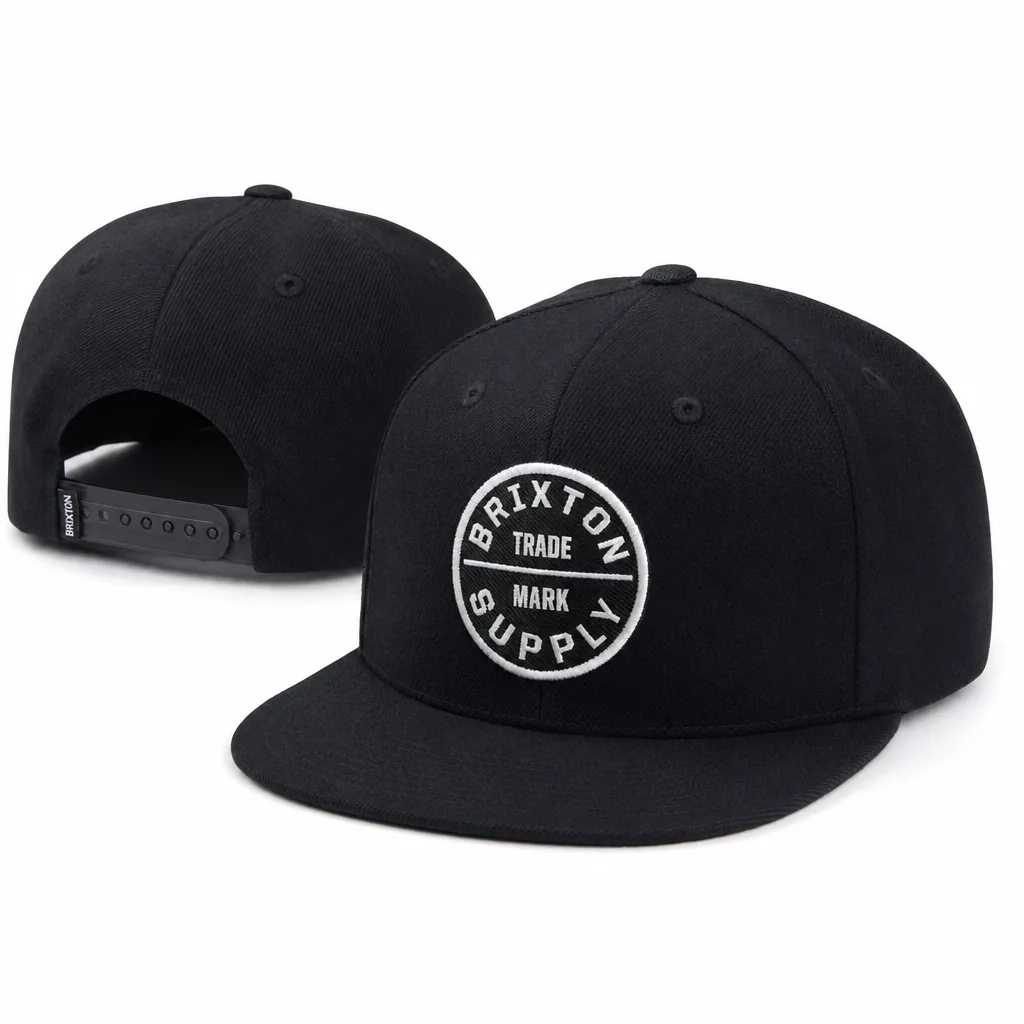
Snapback vs Fitted vs Adjustable: Cap Closure Systems Compared
Read article →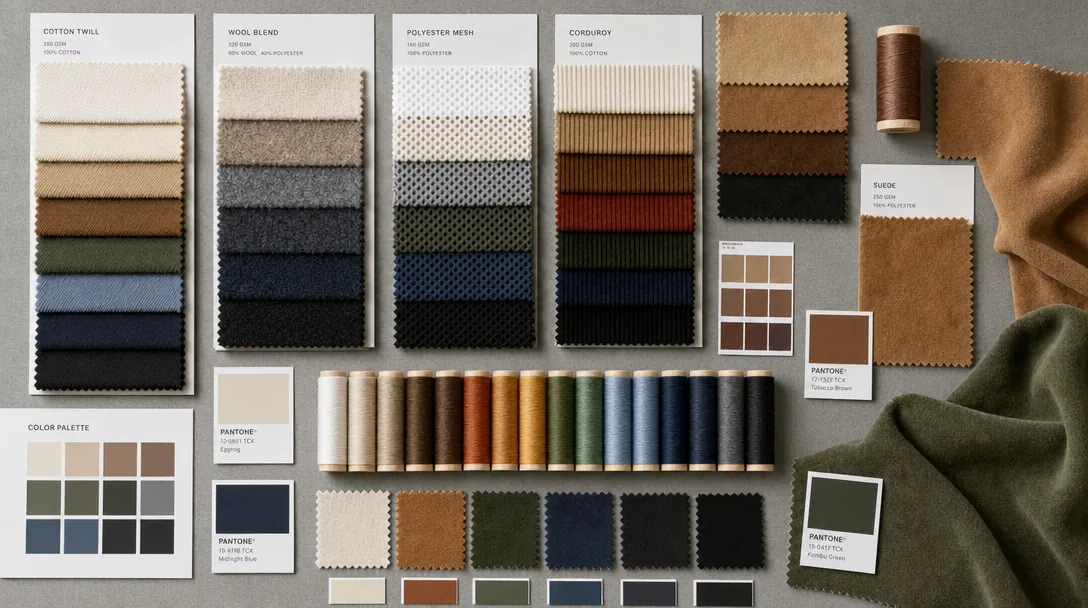
Sustainable Custom Hats: Eco-Friendly Materials, Recycled Fabrics & Certifications
Read article →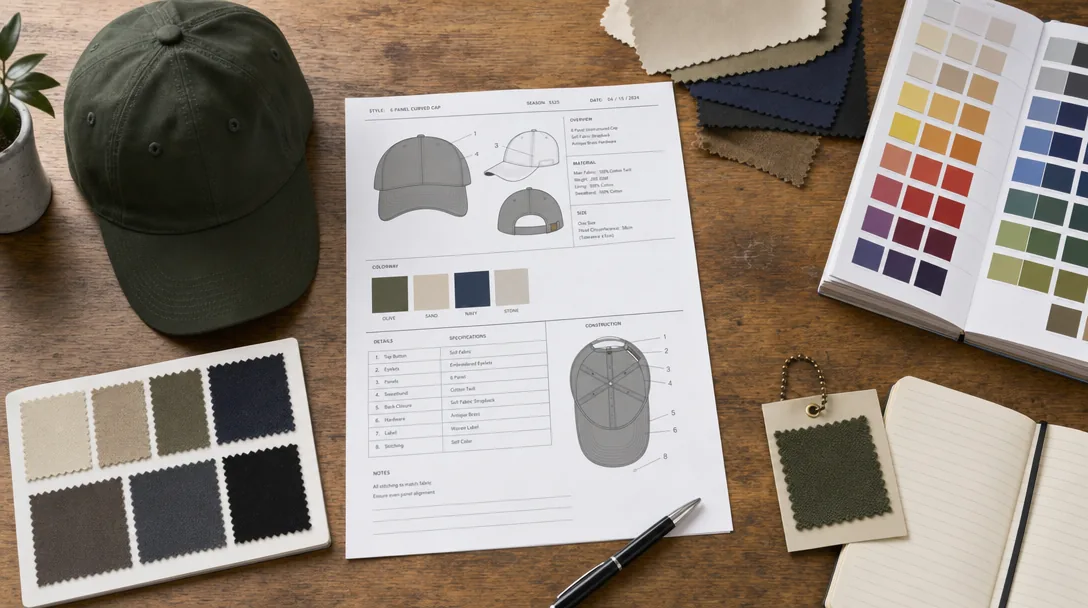
Switching Hat Manufacturers Mid-Program Without Losing Quality - Supplier Checklist
Read article →We hope this guide demystifies mens beanies: properties, costs and how to spec it right - 2026 buyer's guide and helps you move forward with confidence. If you have questions specific to your project, our English-speaking sales engineers are one message away.