
Custom Rope Hats: Manufacturing, Materials and Bulk Pricing
Custom Rope Hats: Manufacturing, Materials and Bulk Pricing is one of the most-asked questions we receive from international buyers, and for good reason. With dozens of factories competing for your order and an alphabet soup of technical terms in every supplier quote, even experienced importers can feel lost. This guide consolidates what we have learned producing custom hats for clients in 40+ countries.
What a rope hat actually is (and isn't)
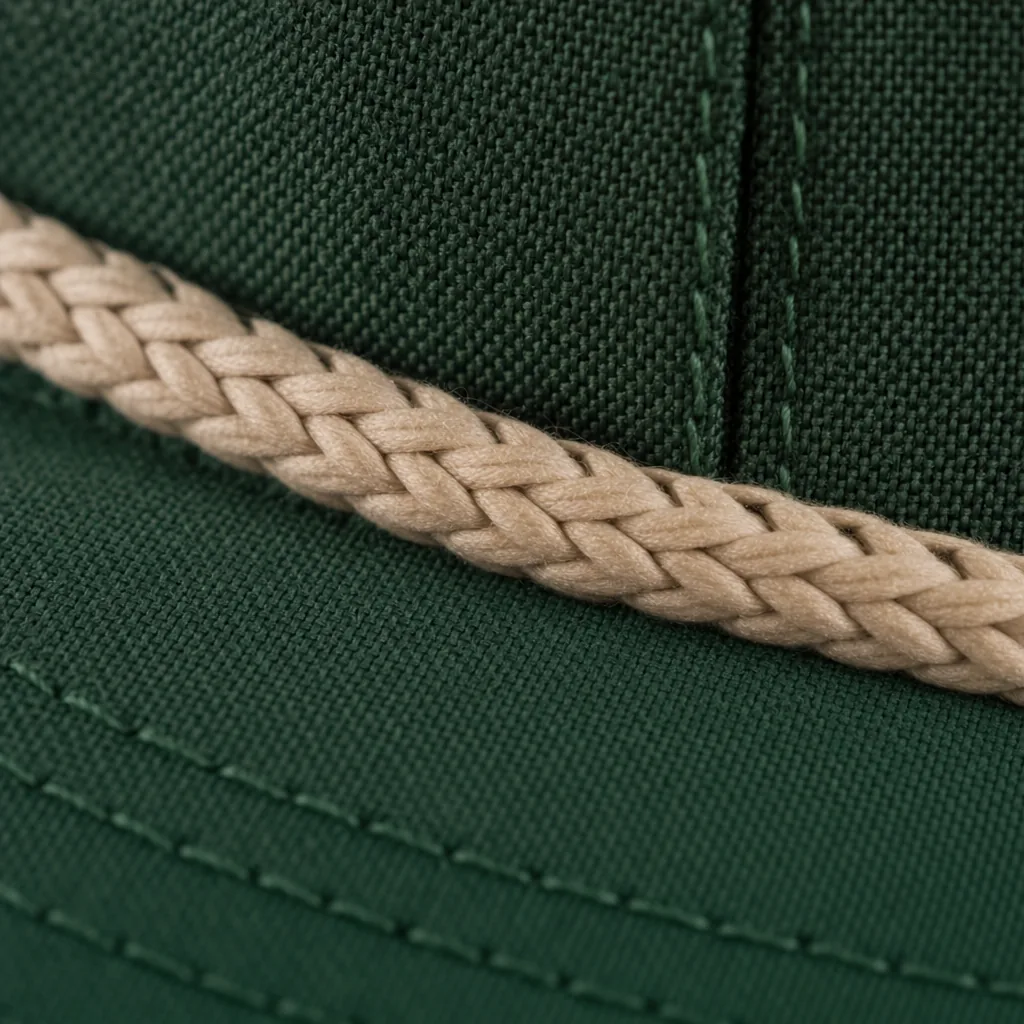
A rope hat is not a separate cap category so much as a trim detail applied to a familiar silhouette. The defining feature is the cord, usually 2 mm to 4 mm polyester or nylon rope, stitched along the seam where the crown meets the visor. On most custom rope hats, that cord is a contrast color and sits slightly proud of the surface, which is why it reads so clearly in photos and on the shelf. The base cap can be a 5-panel low-profile camper style, a shallow 5-panel with a foam front, or a structured 6-panel with buckram support; the rope does not change the core pattern, only the visual language. In production, the rope is normally set before the visor topstitch, so if the spacing is off by even 2 mm the whole front looks crooked.
What rope hats custom buyers are usually buying is a mix of retro outdoor styling and clean logo placement. The format started in fishing and boating retail in the 1990s, where rope trim read as sporty and a little nautical, then got pulled into golf, resort, and streetwear assortments in the 2020s because it photographs well and feels less generic than a plain dad cap. A custom rope hat can be made from cotton twill, brushed cotton, polyester, nylon, or recycled PET blends, but the rope itself is usually the cheapest part; the real cost driver is crown structure, front panel reinforcement, and decoration method. For a rope hat manufacturer, the main risk is not the cord, it is matching the rope color, topstitch tension, and brim curve so the sample does not look like a low-grade souvenir cap.
Wholesale rope hats are best treated as a decorated base style, not a premium construction class. A decent rope cap factory can build them on standard cap lines using 5-panel or 6-panel tooling, then switch the detail package to include rope insertion, custom woven labels, printed sweatbands, and flat embroidery or 3D puff logos. For bulk programs, buyers usually care more about consistency than novelty: yarn-dyed fabric shade control to Delta-E under 1.5, stable brim board, and stitch density that holds after laundering. If the spec is loose, the same custom rope hats order can arrive with three different rope diameters and visibly different crown heights, which is exactly how a retail line starts looking cheap even when the materials are acceptable.
Rope material and attachment construction
For most custom rope hats, the rope itself is usually 4 mm braided polyester or twisted nylon cord, because both hold shape better than soft cotton and do not fuzz up as fast in wash testing. I prefer polyester for promotional and retail programs when the buyer wants a clean matte look and better color consistency against the crown fabric; nylon has a slightly tighter hand and a bit more snap, but it can look too glossy on some styles. A proper rope hat manufacturer will match the cord color to a Pantone reference if the design calls for it, but in practice the biggest failure is not color drift — it is poor placement and weak anchoring at the seam.
The attachment point matters more than the rope spec. On a decent rope cap factory line, the cord is caught in the seam between the crown and brim with a dedicated topstitch so the rope sits perfectly parallel to the brim curve from front panel to side seam. If the operator feeds it even 2 to 3 mm off line, you get a visible drift that makes the cap look cheap immediately. On wholesale rope hats, we also check stitch density at the rope channel; anything too loose will let the cord twist, and the first sign is edge fray or exposed backing after 10 to 20 wash cycles.
Cheap rope hats custom programs fail because the rope is treated like decoration instead of a structural trim. If the crown/brim join is not reinforced with consistent seam allowance and a tight lockstitch, the cord starts lifting at the front center, especially on caps with a curved visor and heavier 260 to 280 gsm cotton twill or brushed polyester. Our standard practice is to inspect for parallelism against the brim edge and pull-test the rope ends before bulk packing, because once the rope starts unraveling or drifting, there is no easy repair in the field. For a custom rope hat sold into retail, that detail is visible from three feet away, and buyers usually spot the difference before they even check the embroidery.
Rope color strategy for retail aesthetics
Tonal rope is the cleanest option when you want custom rope hats to read as premium without shouting. If the rope matches the crown fabric, you get a restrained, expensive look that works well on brushed cotton twill, heavy brushed canvas, and 100% cotton chino, especially in muted colors like navy, olive, stone, and black. In production, tonal work is easy only if the dye lots are controlled; a mismatch of even Delta-E 1.5 to 2.0 is visible under retail lighting. On a rope hat manufacturer line, this style is usually the safest for first-time programs because it reduces complaint risk and avoids the color-break issue you get when rope and crown sit next to each other in the same visual plane.
Contrast rope is the standard retail-merchandising move for wholesale rope hats because it creates instant shelf read. A white rope on a navy crown, red rope on forest green, or gold rope on black makes the hat more legible from 3 to 5 meters away, which matters in pop-up shops and team-store displays. For a custom rope hat, the contrast color should usually tie to the logo embroidery, not the panel fabric, or the design starts looking random. From a factory point of view, this is still straightforward, but you need tighter QC on rope length, stitching tension, and color consistency across repeat orders, because any shade drift is obvious. At a rope cap factory, we typically treat this as a moderate-complexity style, not a basic one.
Multi-color twisted rope is where rope hats custom move from merchandising into fashion territory. A two-color braid, such as navy/white or black/gold, adds texture and depth, but it also raises the chance of twisting irregularity, fraying at the ends, and uneven dye saturation along the strand. This is the most expensive of the three approaches because the rope itself costs more, the application step takes longer, and the reject rate is higher if the braid does not sit flat on the crown seam. For custom rope hats, I usually recommend multi-color only when the buyer wants a premium streetwear or golf-retail position and is willing to pay for tighter incoming-material inspection and slower line speed.
5-panel vs 6-panel rope hat construction
A 5-panel rope hat is still the default for golf, sailing, and outdoor programs because the front panel is one clean piece, so embroidery, woven patches, and heat-transfer branding land without a center seam breaking the artwork. That matters more than most buyers think. On a custom rope hat, the uninterrupted face also makes the crown sit lower and flatter, which keeps the profile stable in wind and under a visor or helmet. We usually spec a slightly lighter crown build here — 100% cotton twill or nylon taslon around 125 to 150 gsm — because the shape comes from the pattern and seam placement, not heavy interfacing. For wholesale rope hats, that gives you a functional cap that packs well and doesn’t fight the wearer’s head shape.
A 6-panel rope hat is a different product. The seams create a more engineered crown, so it reads better for streetwear capsules, team merchandise, and premium brand drops where structure matters as much as decoration. A rope hats custom order in six panels can take a higher front buckram, firmer crown, and a more pronounced pinch or curved bill, which gives a retail-like silhouette closer to a classic dad cap or elevated camp cap. The tradeoff is obvious: the center front seam can interrupt large logos, so if the artwork has fine detail or a wide wordmark, you need to digitize around that seam or move to a smaller left-chest-style placement. From a rope hat manufacturer standpoint, 6-panel construction also tolerates heavier fabrics like 16 oz cotton canvas or brushed cotton better than a soft 5-panel body.
For bulk buyers, the choice usually comes down to usage, not taste. If the line is outdoor-focused and price-sensitive, custom rope hats in 5-panel construction are easier to produce consistently and usually land lower on labor because the panel count is simpler and the front decoration is less demanding. If the program is fashion-led, 6-panel builds justify the extra sewing and blocking time because the silhouette sells at a higher retail point. On factory quotes, the gap is often modest — roughly $0.25 to $0.60 per piece at 1,000 to 3,000 units — but that can swing if you add contrast rope, sandwich bill, complex piping, or custom sweatbands. A serious rope cap factory should quote both constructions side by side so you can compare fit, artwork area, and AQL 2.5 tolerance before locking the spec.
Fabric choices for rope hat programs
Fabric choice drives the whole feel of custom rope hats more than the rope itself. On a performance polyester program, I usually spec 100% polyester in the 110–160 gsm range with a smooth finish, because it holds sharp front panels, dries fast, and survives golf sweat, travel, and repeat laundering better than cotton. For outdoor buyers, a structured crown with buckram and a pre-curved visor keeps the silhouette clean, and the rope line reads crisp against matte or lightly peach-brushed surfaces. This is the safest starting point for custom rope hats when the buyer wants a sport-forward look with low shrinkage and stable color across bulk production. A rope cap factory can run the same rope construction across several fabric families, but the hand-feel and perceived price change immediately once you switch the shell fabric.
Cotton twill is the workhorse for casual lifestyle programs because it ages well and feels familiar at retail. I typically see 100% cotton twill at 230–280 gsm for a cleaner, more substantial crown, though some rope hat manufacturer specs go lighter if the buyer wants a softer, broken-in hand. The downside is dimensional change: untreated cotton can shrink 3% to 5% after washing, so you need to control wash tests and advise the client on finish expectations. For premium retail, wool blend caps usually mean 80/20 or 90/10 wool-poly blends with tighter weave density, deeper color saturation, and a more elevated drape; they cost more, but they justify a higher FOB because the fabric itself carries the story. In rope hats custom, wool blend and cotton twill both accept the rope detail well, but the rope feels more heritage on wool and more everyday on twill.
Corduroy is the best seasonal option when the buyer wants texture to do the selling. I’ve seen strong results with 8-wale or 11-wale corduroy for fall/winter capsules, especially in earthy Pantone TCX shades like 19-1218 TCX brown or 18-1018 TCX olive tones, because the ribbing adds depth that plain twill cannot match. The rope still works on corduroy, but the visual balance changes: the hat looks more tactile and less athletic, which is exactly why it performs well in fashion and campus programs. For wholesale rope hats, the practical point is that corduroy needs tighter cut control on the front panel and visor edge to avoid pile crush and mismatched sheen under store lights. At CrownsForge, our standard practice is to sample each fabric family with the same rope construction before bulk, because a custom rope hat can look like four different products depending on whether you choose polyester, cotton, wool blend, or corduroy.
MOQ, lead time and pricing tiers
For custom rope hats, the practical MOQ is usually 100 pieces per design and colorway, the same floor most factories use for a standard 5-panel or baseball cap. If you need multiple Pantone TCX shades, heat-transfer logos, or different rope colors on the same base style, expect each variation to count as its own line item for cutting and embroidery scheduling. A serious rope hat manufacturer will quote by construction first: crown type, brim shape, rope width, and decoration method. On the shop floor, that matters more than the marketing description, because a 3mm cotton rope sewn into a flat brim is not processed like a molded EVA visor or a pre-curved sandwich brim.
Sample development is usually 7-10 days once artwork, panel measurements, and logo placement are confirmed. Bulk production runs 22-28 days for a normal order, assuming the fabric is in stock and the decoration is straightforward. If the order includes 3D puff embroidery, woven patch application, or a special wash on twill or corduroy, add a few days for curing and QC. For wholesale rope hats, the bottleneck is rarely stitching speed; it is approval delay on strike-offs, thread matching, and BOM sign-off. CrownsForge’s standard practice is to lock the sample before cutting bulk, because changing rope diameter or crown height after sampling creates avoidable waste and rework.
FOB pricing for custom rope hats typically lands between $3.80 and $6.80 per piece, depending on fabric weight, panel count, liner or no liner, and decoration complexity. A plain cotton twill cap with one flat embroidery hit may sit near the low end, while heavy brushed twill, structured front panels, woven labels, and multi-location embroidery push it upward. The rope detail itself usually adds $0.30-$0.50 per cap versus a plain brim with the same construction, because you are paying for extra sewing, alignment control, and a separate finishing step. A rope cap factory quoting far below that range is usually cutting corners on fabric gsm, stitching density, or inspection.
At scale, rope hats custom orders are priced less by the hat and more by the risk profile: tight thread-match tolerance, mixed color cartons, and low-AQL defect tolerance all add labor. For buyers comparing wholesale rope hats across suppliers, ask for a full cost breakdown by fabric, decoration, packing, and carton configuration, then compare on the same FOB port basis. If you need DDP, add roughly $0.60-$1.40 per piece for basic U.S. forwarding, depending on volume and destination. A clean quote should also state whether the price includes digitizing, woven label setup, and carton marks; those fees are where many low quotes quietly climb after PO confirmation.
Working with CrownsForge on rope hat programs
CrownsForge keeps rope tooling on file for the two constructions that matter most in production: 4 mm braided polyester and 5 mm twisted nylon. Those are not interchangeable in the sewing room. Braided polyester holds a cleaner round profile and usually sits better on a flatter visor edge, while twisted nylon has more body and a slightly more vintage look once it is stitched down. For custom rope hats, we can match rope color from our stock library or run a custom dye lot at 500+ pieces, which is the point where the setup and color matching cost stop being wasteful. On production floors, I care more about edge consistency and stitch bite than sales language; if the rope shifts even 2 to 3 mm during attachment, the front panel looks crooked under normal retail lighting.
Decoration on these styles is optimized for the single front panel of 5-panel rope variants because that is the only surface that gives you reliable embroidery placement without fighting seam breaks. A clean custom rope hat usually means a left-chest-sized logo scaled up for cap real estate, with stitch density kept in the 0.35 to 0.45 mm range so the panel does not pucker. For rope hats custom, we usually recommend flat embroidery or a small woven patch rather than overbuilt 3D foam, because the rope visually crowds the crown and makes bulky builds look amateur. On a rope hat manufacturer line, the real skill is keeping the front panel stiff enough to hold shape but not so stiff that the visor and rope fight each other during wear.
For first orders, the practical move is sampling both 5-panel and 6-panel constructions so the buyer can compare silhouette, crown height, and how the rope sits above the brim before committing to a bulk run. Five-panel tends to read more streetwear and promotional, with a cleaner front field for logos; 6-panel often feels more structured and familiar to buyers who want a classic cap body. That matters when you are ordering wholesale rope hats for different channels, because a team dealer, a golf account, and a streetwear brand will not tolerate the same profile. As a rope cap factory, our standard practice is to sample both constructions in the same size block and same fabric spec, then let the buyer choose after fit review and decoration test stitching.
Frequently Asked Questions
Do you support sustainability certifications?
Yes. We work with GOTS organic cotton, GRS-certified recycled polyester, OEKO-TEX Standard 100 fabrics, and are BSCI and Sedex audited. Certification documentation can be provided per order.
Which shipping methods do you support?
We support FOB, CIF and DDP shipping. Air express for samples and small orders, sea LCL for 100 to 500 pieces, sea FCL for 5,000+ pieces. Door-to-door DDP available for US, EU, UK, Canada and Australia.
Can I order a sample before bulk production?
Yes. We strongly recommend approving a pre-production sample before mass production. Samples are charged at 35 to 60 USD each plus express shipping, fully refundable against confirmed bulk orders over 500 pieces.
What file format should I send for my logo?
Vector files (AI, EPS, PDF) are ideal. High-resolution PNG or JPG at 300 dpi on transparent background works as a fallback. Provide Pantone color references for accurate reproduction.
How long does production take?
Sampling takes 7 to 12 days. Bulk production runs 20 to 30 days depending on quantity, fabric availability and decoration complexity. Inspection and packing adds another 3 to 5 days before shipment.
What's the MOQ for custom leather patch hats no minimum?
When evaluating custom leather patch hats no minimum, the key considerations are construction quality, decoration capability, MOQ flexibility and lead time. Most ropes use 4mm braided polyester or twisted nylon cord, sewn into the seam between the crown and brim. The detail must be perfectly parallel to the brim curve and tightly stitched to prevent unraveling. Cheaply-made rope hats show the rope drift or fray after 10-20 washes. Rope tooling on file for 4mm braided polyester and 5mm twisted nylon. Custom rope colors available…
How does ordering custom hat embroidery near me work?
When evaluating custom hat embroidery near me, the key considerations are construction quality, decoration capability, MOQ flexibility and lead time. 5-panel rope hat is the golf and outdoor standard — single-panel front gives uninterrupted canvas for decoration, low-profile crown stays put under helmets or visors. 6-panel rope hat is more structured, used for streetwear capsules and premium brand drops. Rope hat MOQ 100 pieces per design/color (same as baseball cap). Sample 7-10 days, bulk 22-28 days. FOB pricing…
How does ordering custom embroidery patches for hats work?
When evaluating custom embroidery patches for hats, the key considerations are construction quality, decoration capability, MOQ flexibility and lead time. Most ropes use 4mm braided polyester or twisted nylon cord, sewn into the seam between the crown and brim. The detail must be perfectly parallel to the brim curve and tightly stitched to prevent unraveling. Cheaply-made rope hats show the rope drift or fray after 10-20 washes. Rope tooling on file for 4mm braided polyester and 5mm twisted nylon. Custom rope colors available…
How do I find a reliable custom hat manufacturer usa?
When evaluating custom hat manufacturer usa, the key considerations are construction quality, decoration capability, MOQ flexibility and lead time. 5-panel rope hat is the golf and outdoor standard — single-panel front gives uninterrupted canvas for decoration, low-profile crown stays put under helmets or visors. 6-panel rope hat is more structured, used for streetwear capsules and premium brand drops. Rope hat MOQ 100 pieces per design/color (same as baseball cap). Sample 7-10 days, bulk 22-28 days. FOB pricing…
Looking for a reliable hat manufacturer in China?
CrownsForge has produced custom hats for 800+ brands across 40 countries. From 100-piece launches to 100,000-piece retail programs, we deliver on time and on spec.
Get in touchRelated guides
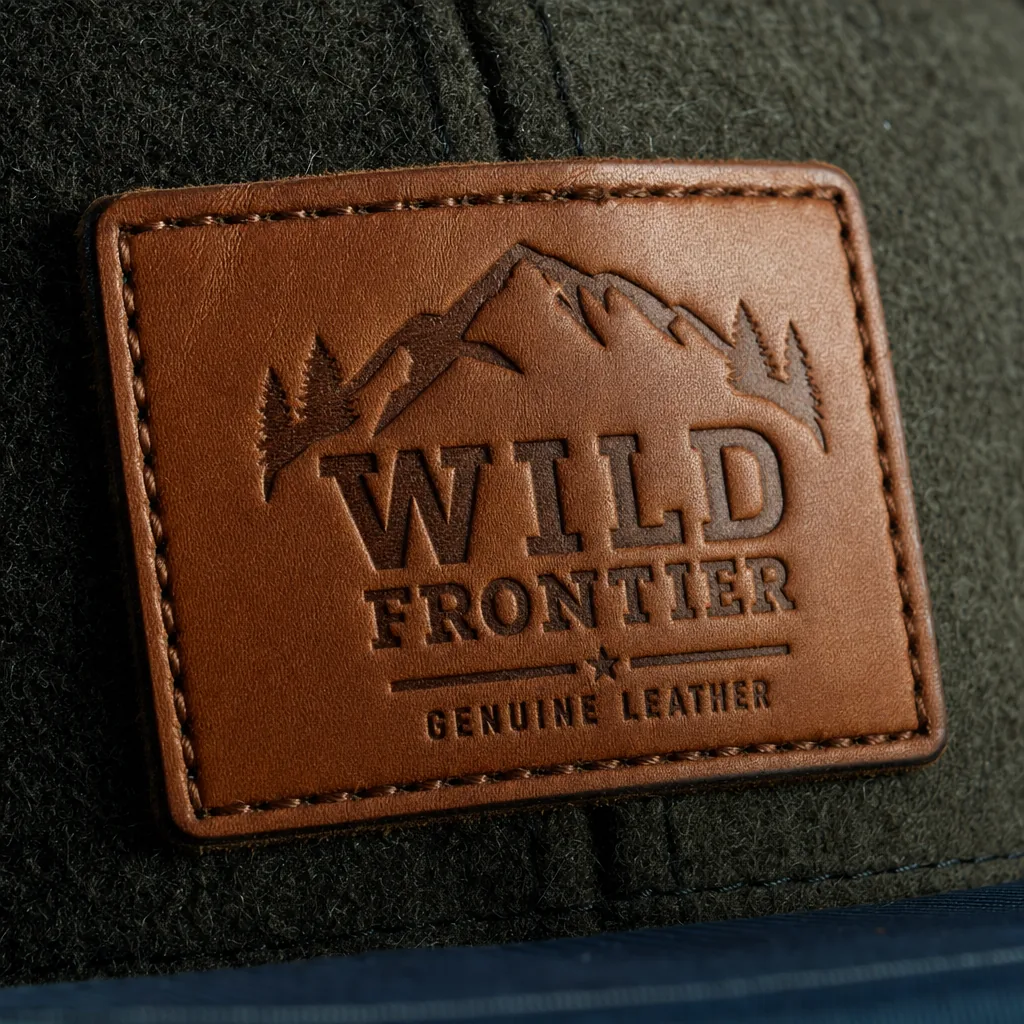
Custom Hat Patch: When to Use It, Costs, and What to Ask Your Factory
Read article →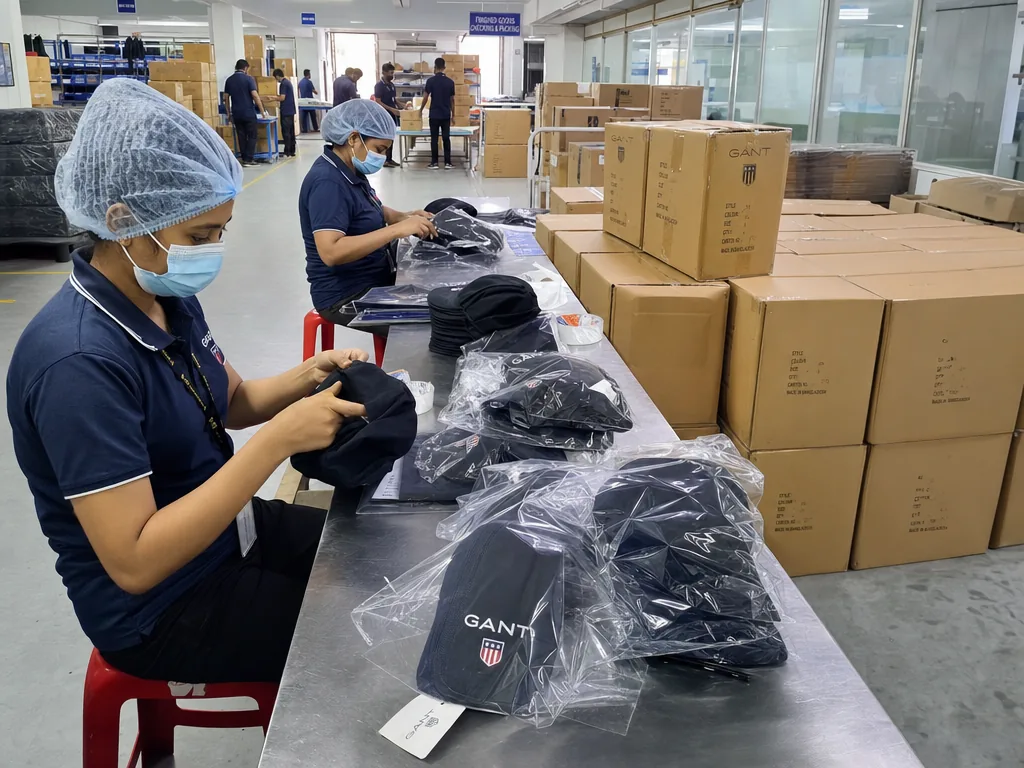
Building a Repeat-Order Workflow with Your Hat Factory
Read article →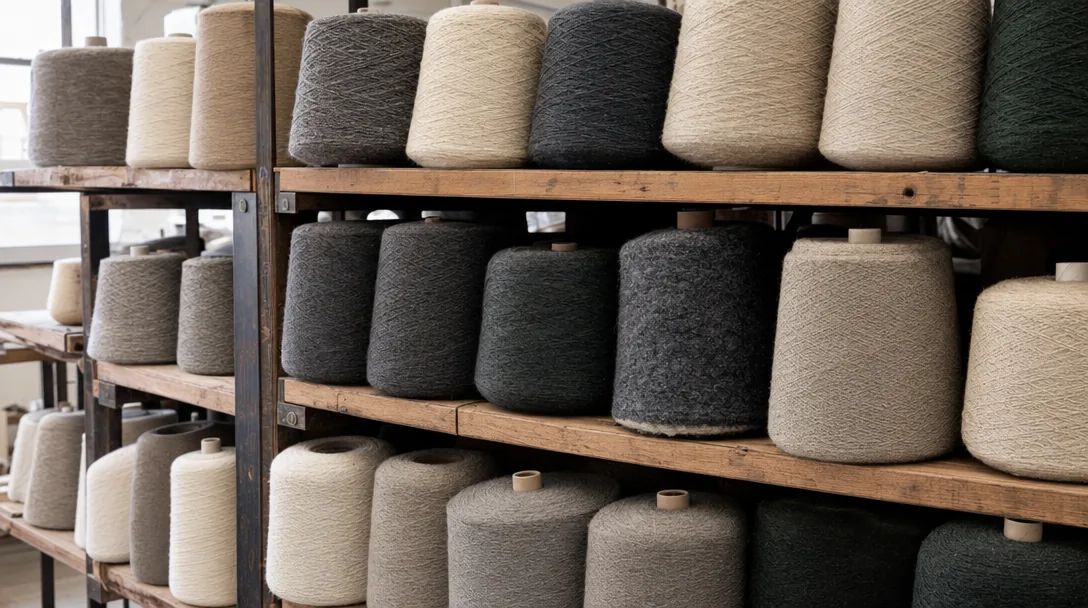
Wool Blend Caps: Manufacturing, Sourcing and Buyer Specifications
Read article →If you are ready to take the next step on custom rope hats: manufacturing, materials and bulk pricing, our team can put a tailored quotation and digital mock-up in your inbox within 24 hours. Send the inquiry form on our contact page or message us directly on WhatsApp.