
Building a Repeat-Order Workflow with Your Hat Factory
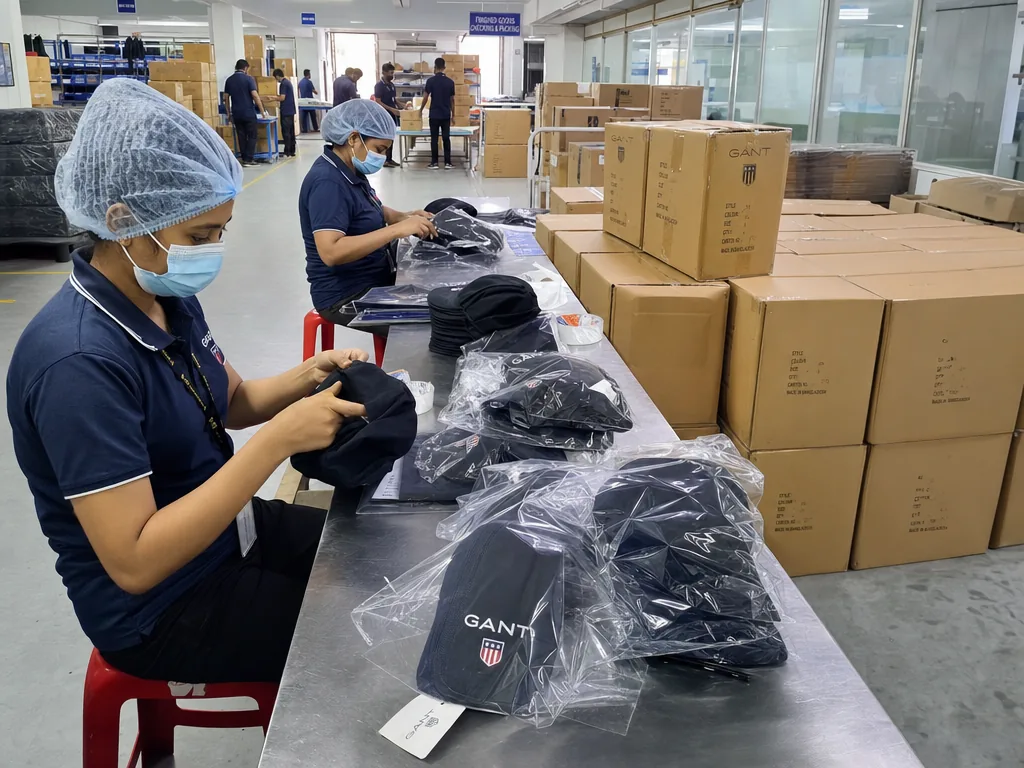
Building a Repeat-Order Workflow with Your Hat Factory is one of the most-asked questions we receive from international buyers, and for good reason. With dozens of factories competing for your order and an alphabet soup of technical terms in every supplier quote, even experienced importers can feel lost. This guide consolidates what we have learned producing custom hats for clients in 40+ countries.
Why repeat orders are cheaper than first orders
The first order is where the factory pays to learn your job. For embroidery, that means digitizing at about $30-$80 per logo, plus stitch corrections if the file was rushed or the fabric is too light. If you add screen print, expect $30-$60 per color for plates or screens, and another $40-$100 per Pantone TCX match when the buyer wants a specific navy, olive, or stone instead of “close enough.” Sample fees are usually another $40-$80 per colorway, and the PP sample / PPS approval cycle can burn a week or two if trim, thread sheen, or crown structure is off. That is why a repeat order hat factory can quote better on the second run: the expensive setup work is already done, and the production team is not starting from zero.
For reorder custom hats, the real savings come from assets the factory keeps on file: digitized embroidery programs, screen data, approved lab dips, fabric references, and the physical golden sample. If the bill of materials stays the same, there is no reason to pay for repeated development work. On a 500- to 1,000-piece run, that can cut the effective unit cost by $0.80 to $2.50 depending on logo complexity and number of colorways. A good custom hat manufacturer will also keep notes on panel shrinkage, crown height, visor curve, and thread tension, which reduces remake risk and avoids the hidden cost of late approvals.
This is why an ongoing production hat manufacturer is valuable for an annual hat program or scheduled hat production. Once the factory has the style spec, approved colors, and fit standard, the job becomes a re-run, not a new project. CrownsForge’s standard practice is to archive the sample, artwork, and production settings so the next PO can move straight into cutting and embroidery instead of another round of quoting and approval. For buyers managing multiple drops, that predictability matters more than chasing a slightly lower first-order quote, because the repeat order hat factory should be optimizing lead time and consistency, not charging you again for work that was already approved.
Locking in pricing for 12 months
By the second or third repeat order, a serious buyer should stop treating each PO like a fresh quote and move to a 12-month pricing agreement. In a repeat order hat factory relationship, that means the FOB unit price is held within about ±2-3% of the agreed baseline even if yarn, labor, or carton costs move mid-year. That kind of lock only works when the buyer gives a real quarterly volume forecast, not a vague annual target, because the factory has to reserve twill, acrylic, mesh, seam tape, and thread in advance instead of buying spot every time. For reorder custom hats, this matters more than people admit: a 40-cent swing on a 5,000-piece run is real money, and it usually comes from poor planning, not factory greed.
The best structure is simple: base price, approved artwork, approved BOM, and a volume band tied to each quarter. If the buyer stays inside that band, the ongoing production hat manufacturer keeps the price stable and allocates capacity; if volume drops sharply, the protection disappears because the factory is left holding fabric and labor commitments. On an annual hat program, I like to see forecast updates 60 to 90 days before each quarter so procurement can confirm dye lots, trim availability, and carton specs. CrownsForge’s standard practice is to treat the forecast as a production planning document, not a sales promise, because that is what actually protects lead time and pricing.
This is also where a custom hat manufacturer separates from a trading operation. A factory that controls sewing, embroidery, and packing can price scheduled hat production more accurately because it knows its real machine loading, trimming loss, and reject rate; a middleman usually pads the quote and then renegs when fabric moves. Buyers should ask for a clear clause on what is fixed for 12 months—FOB price, carton size, logo placement, and color approvals—and what can float, such as freight or urgent air shipment. If you are serious about a repeat order hat factory relationship, the goal is not a fantasy of permanent pricing; it is predictable cost, predictable allocation, and fewer surprises when the next season’s reorder custom hats hit the line.
Fabric reservation and dye-lot consistency
For any repeat order hat factory setup, the biggest mistake is treating fabric like a one-time purchase instead of a reserved production asset. On the first order, most factories will dye to your exact spec, then push leftover rolls back into general inventory once the run closes. That works fine for a one-off campaign, but it is a bad habit if you plan to reorder custom hats every season. Once the cloth gets broken into mixed stock, you lose control of shade continuity, and the next run starts depending on whatever lot happens to be on hand. If you are building an annual hat program, you want the factory to reserve a future quantity up front, usually 2 to 3 quarters ahead, with the cost locked before the next dye-house price move.
The practical reason is dye-lot drift. Even when the Pantone TCX match looks correct on day one, reactive dye can move slightly across separate batches because of water chemistry, dye concentration, steam time, and fabric absorbency. In a scheduled hat production program, that drift shows up as visible panel mismatch when Q2 caps are compared with Q4 caps under daylight. A serious custom hat manufacturer should target Delta-E 1.0 or better between reserve lots, and that means controlling the same greige fabric source, dye recipe, and finishing line settings. If the factory cannot reserve dye-lot continuity, you may save a small amount on purchase price and lose more in rejected stock or customer complaints.
Our standard practice is to treat fabric reservation as part of the commercial agreement, not an informal favor. For a stable ongoing production hat manufacturer workflow, the PO should specify fabric code, reserved meterage, release window, and acceptable shade tolerance, then tie that to batch retention and cut allocation. That matters even more when the style uses brushed cotton twill, heavy canvas, or polyester blend fabrics where color uptake varies by fiber content. A clean reservation plan also helps with MOQ planning: you can hold 3,000 to 10,000 meters in a controlled lot instead of gambling on spot availability. In practice, that is what keeps a repeat order hat factory from turning a consistent program into a patchwork of slightly different hats.
Sample-on-file matching for every repeat
A repeat-order hat factory only works if the approved PPS sample is treated like a physical contract, not a photo in someone’s inbox. We keep the actual sample on file and use it as the master reference for every reorder custom hats run. When the PO comes back six months later, the first QC check is against that sample: crown height, brim curvature, panel symmetry, topstitch count, embroidery placement, and fabric hand. If the original was a 260 gsm brushed cotton twill with a slightly dry hand and a low-profile 7-panel crown, the repeat has to hit those same points, not just “look close.”
This is where most disputes die early. Buyers remember color as “navy,” but we compare against the retained sample and, if needed, measure against a Pantone TCX target and a Delta-E tolerance that’s actually realistic for dyed fabric, not perfect on paper. Stitch density gets checked by count per inch, thread shade is matched to the original cone lot, and the bill shape is compared on the block, not eyeballed by a merchandiser. In an ongoing production hat manufacturer setup, that sample-on-file process eliminates most of the “is this the same as last time?” arguments because the factory is no longer guessing what version the buyer approved.
For an annual hat program or any scheduled hat production, this method is what keeps reorders from drifting over time. Fabrics change lot to lot, sweatbands age differently, and even the same trim supplier may shift slightly between runs, so the retained PPS sample becomes the control point for every batch. At CrownsForge, our standard practice is to pull the physical approved sample before production starts, then compare the first pieces from the line against it before bulk sewing is released. That one step usually removes 90% of repeat-order friction and makes a custom hat manufacturer behave more like a true long-term production partner than a one-off vendor.
Replenishment cycle: how often to reorder
A repeat order hat factory works best when you stop thinking in “when we run out” terms and start using sell-through triggers. For a retail program with steady velocity, I tell buyers to reorder custom hats when 60–70% of the last shipment has moved, not at 90%. That usually puts you on a 3–4 month cycle, which is enough time for fabric booking, embroidery digitizing updates, bulk thread approval, and carton planning without paying air freight to save a bad forecast. If you wait until stock is nearly gone, you lose your best sizes, best colors, and often the exact Pantone TCX lot you matched last time.
For seasonal lines, the replenishment logic is different. A custom hat manufacturer should be locking production slots 6–9 months ahead if the program is tied to a spring launch, holiday drop, or sports season. That lead time matters because mills work on MOQ and dye-lot availability, and embroidery heads like Tajima, Barudan, and ZSK still need test runs whenever you change crown fabric, patch backing, or stitch density. In my experience, an annual hat program only stays clean when the buyer confirms artwork, trims, and target ship windows early enough for scheduled hat production rather than treating it like an emergency reorder.
Promotional and event accounts should reorder on trigger, not on calendar. If the use case is a conference giveaway, retail launch, team activation, or named event, the reorder custom hats decision should be tied to registration pace, booth count, or confirmed guest list, because those numbers move faster than warehouse stock. Our standard practice is to keep the repeat order hat factory file set open with the approved spec sheet, so the next PO only needs quantity, date, and destination changes. That keeps an ongoing production hat manufacturer from re-quoting every detail, and it also reduces mistakes when you need the same construction, same patch size, and same carton labeling under AQL 2.5 on a short timeline.
Annual contract vs. spot-buy economics
Annual contract pricing usually beats spot buying once you commit to a clean forecast. For a repeat order hat factory, the normal structure is four quarterly drops of 500–1,000 pieces each, which typically lands 8–12% below list price versus the same annual volume bought in scattered one-off POs. The savings come from fewer setup disruptions: one digitizing review, one PP sample approval, one shade-band approval for the fabric, then repeat production on the same spec. If you are buying 2,000–4,000 units a year, the math is straightforward — you pay less for labor churn, fewer material touchpoints, and less internal admin on both sides.
The bigger benefit is not just price; it is production priority. In Q4, every custom hat manufacturer is fighting for machine time, especially on embroidered programs where Tajima, Barudan, or ZSK heads are already loaded with holiday and team orders. An annual hat program gives you scheduled hat production and a reserved slot, so you are not scrambling in November with an urgent delivery and paying for overtime, air freight, and rushed carton packing. On the factory side, your spec stays live in the system, which means the next reorder custom hats can move straight to cutting and embroidery instead of reopening the whole quoting cycle.
Contract buyers also get first look at fabric upgrades, which matters more than people think. If a mill comes in with a better 280 gsm brushed cotton twill, a cleaner 100% nylon with tighter denier control, or a new recycled polyester that holds Pantone TCX dye better, the ongoing production hat manufacturer will usually show those options to annual accounts first. That can tighten Delta-E on repeated colors, improve hand feel, or shave a few cents off BOM cost without changing the silhouette. For a repeat order hat factory relationship to work, the buyer needs to lock the core spec and allow controlled substitutions only on approved materials, not improvise every quarter because one PO was cheap and the next one was urgent.
When to add a second supplier (dual-sourcing)
At around 5,000 pieces a year, dual-sourcing stops being a theoretical risk plan and becomes a normal purchasing decision. If your repeat order hat factory is carrying all of your volume, you are exposed to one factory’s machine downtime, dye-lot mistakes, labor swings, and export delays. A 70/30 split is usually the cleanest start: the primary factory keeps the main production rhythm, while the backup factory gets enough volume to stay familiar with your blocks, trims, and packing spec. That matters because hats are not generic items; crown height, visor curve, stitch density, and panel tension all shift when a new team tries to “copy” your sample without a written production memory. The economics are straightforward. Two factories quoting the same PO will usually keep each other honest on labor and material assumptions, especially for a reorder custom hats program with stable artwork, same base fabric, and recurring trims. You will also get better attention on urgent scheduling if the supplier knows they are not the only option. On the factory side, an ongoing production hat manufacturer can hold your spec sheet, trim card, and QC photos in a repeatable format so the second source is not starting from zero each season. That is the real value: not just backup capacity, but a second production file that can be activated without a three-week relearning curve.
A 60/40 split makes sense once the annual hat program is larger, the style is mature, and your sell-through is predictable. At that point, the backup factory should receive enough scheduled hat production to keep the construction details current: same Pantone TCX targets, same thread charts, same closure setup, same wash behavior if the fabric is garment-dyed or enzyme-washed. If the backup only sees one emergency order a year, they are not a true second source; they are an expensive last-minute guess. In practice, I want both factories running approved pre-production samples, testing the same AQL 2.5 standard, and keeping a shared defect log so the buyer can compare panel alignment, embroidery registration, and sweatband attachment across suppliers. Dual-sourcing also gives leverage on lead time and pricing without turning the relationship into a race to the bottom. A custom hat manufacturer that knows you have a qualified second source is less likely to stretch terms, hide fabric shortages, or treat your order as low priority during peak season. It also reduces country-specific exposure: freight disruptions, customs holds, and policy shifts hit different factories differently, even inside the same region. CrownsForge’s standard practice is to keep the backup source close enough on specs that they can take over a reorder custom hats run with minimal disruption, but not so close that both factories are learning from scratch every season. The goal is controlled redundancy, not duplication for its own sake.
Frequently Asked Questions
Which shipping methods do you support?
We support FOB, CIF and DDP shipping. Air express for samples and small orders, sea LCL for 100 to 500 pieces, sea FCL for 5,000+ pieces. Door-to-door DDP available for US, EU, UK, Canada and Australia.
Do you support sustainability certifications?
Yes. We work with GOTS organic cotton, GRS-certified recycled polyester, OEKO-TEX Standard 100 fabrics, and are BSCI and Sedex audited. Certification documentation can be provided per order.
What is the minimum order quantity (MOQ) for custom hats?
Our standard MOQ is 100 pieces per design and color, with sampling available from 1 piece. For complex multi-color logos or premium fabric upgrades, the MOQ can be lowered with a small per-piece surcharge.
Can I order a sample before bulk production?
Yes. We strongly recommend approving a pre-production sample before mass production. Samples are charged at 35 to 60 USD each plus express shipping, fully refundable against confirmed bulk orders over 500 pieces.
How long does production take?
Sampling takes 7 to 12 days. Bulk production runs 20 to 30 days depending on quantity, fabric availability and decoration complexity. Inspection and packing adds another 3 to 5 days before shipment.
What's the MOQ for custom bucket hat no minimum?
When evaluating custom bucket hat no minimum, the key considerations are construction quality, decoration capability, MOQ flexibility and lead time. First order absorbs digitizing setup ($30-$80), screen-print plate ($30-$60 per color), fabric color matching ($40-$100 per Pantone), sample fees ($40-$80 per colorway), and PPS approval cycle. Repeat orders amortize none of this — factory has all the files, tooling and samples on hand. Smart buyers sign 12-month pricing agreements with their factory at the second or third…
How does ordering custom hats near me work?
When evaluating custom hats near me, the key considerations are construction quality, decoration capability, MOQ flexibility and lead time. First order absorbs digitizing setup ($30-$80), screen-print plate ($30-$60 per color), fabric color matching ($40-$100 per Pantone), sample fees ($40-$80 per colorway), and PPS approval cycle. Repeat orders amortize none of this — factory has all the files, tooling and samples on hand. Smart buyers sign 12-month pricing agreements with their factory at the second or third…
How does ordering custom hat embroidery near me work?
When evaluating custom hat embroidery near me, the key considerations are construction quality, decoration capability, MOQ flexibility and lead time. First order absorbs digitizing setup ($30-$80), screen-print plate ($30-$60 per color), fabric color matching ($40-$100 per Pantone), sample fees ($40-$80 per colorway), and PPS approval cycle. Repeat orders amortize none of this — factory has all the files, tooling and samples on hand. Smart buyers sign 12-month pricing agreements with their factory at the second or third…
What's the MOQ for custom embroidered hats no minimum?
When evaluating custom embroidered hats no minimum, the key considerations are construction quality, decoration capability, MOQ flexibility and lead time. First order absorbs digitizing setup ($30-$80), screen-print plate ($30-$60 per color), fabric color matching ($40-$100 per Pantone), sample fees ($40-$80 per colorway), and PPS approval cycle. Repeat orders amortize none of this — factory has all the files, tooling and samples on hand. Smart buyers sign 12-month pricing agreements with their factory at the second or third…
Need a low-MOQ test order?
We help emerging brands launch with as few as 100 pieces. Premium fabric, in-house embroidery, retail-ready packaging.
Start a small orderRelated guides
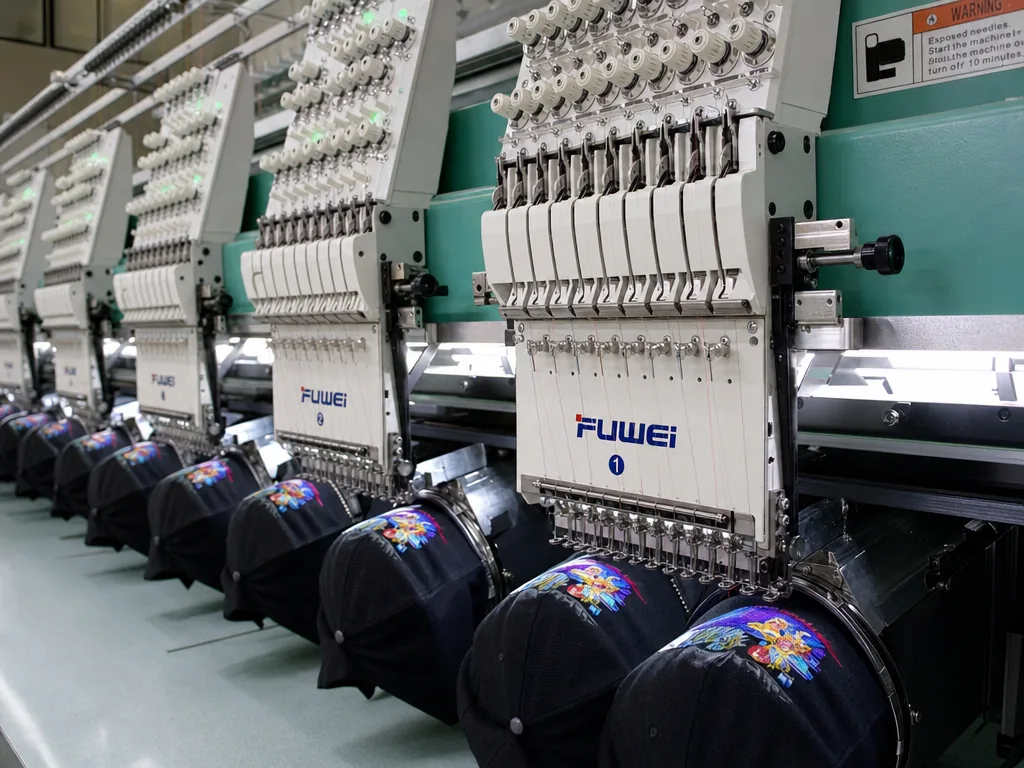
Embroidery Stitch Count & Thread Density: A Cost-and-Quality Reference
Read article →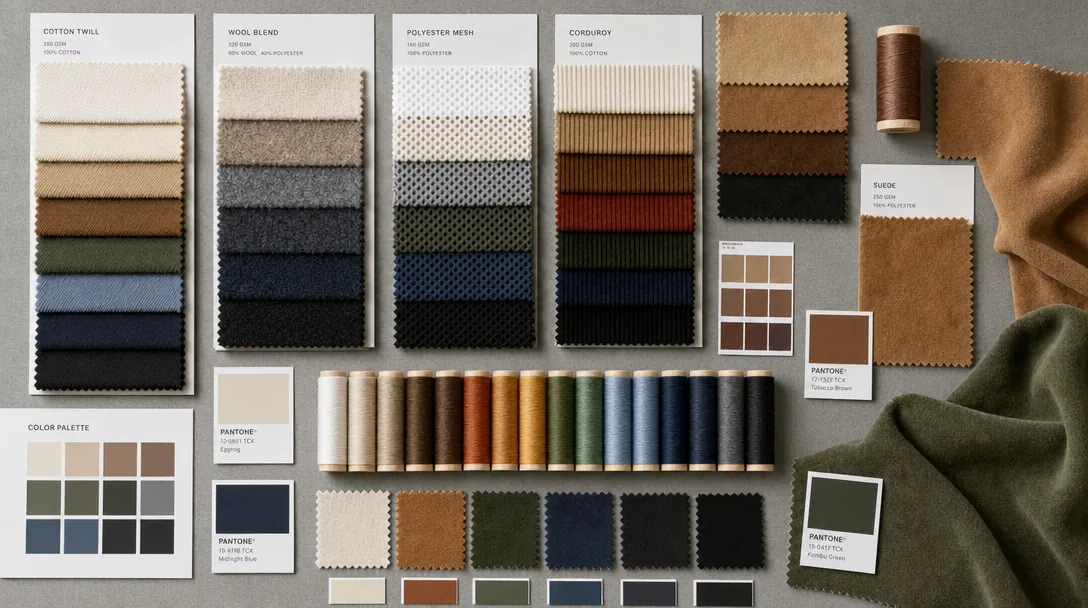
Cotton Beanie: Properties, Costs and How to Spec It Right
Read article →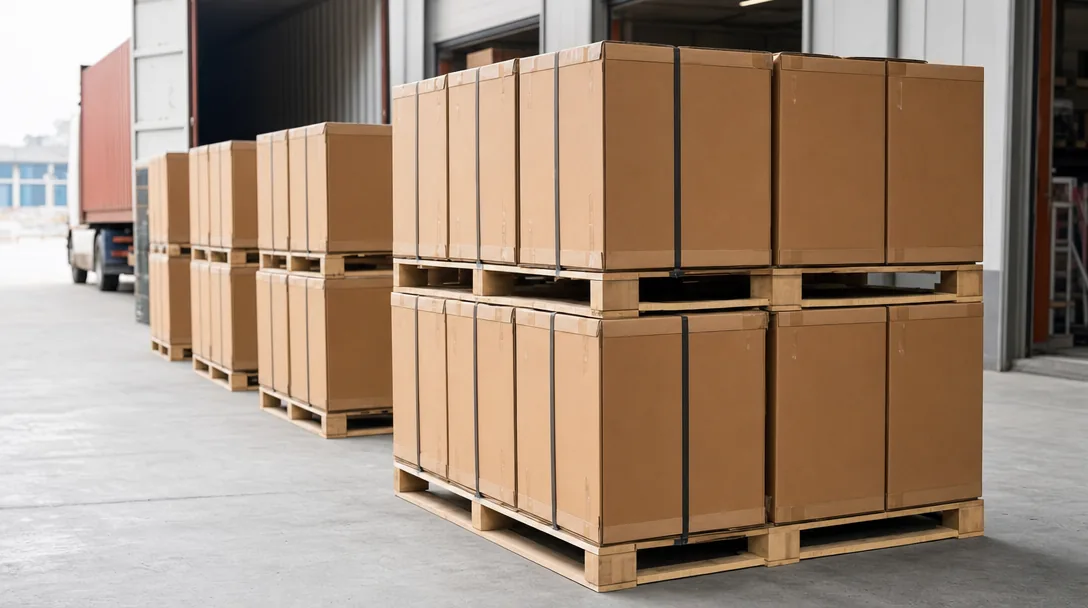
Custom Cap MOQ Explained: How Small Brands Can Order in Bulk Without Wasting Capital
Read article →Sourcing custom hats does not have to be complicated. With the right manufacturing partner, clear specifications and a small upfront investment in sampling, you can launch a retail-quality product in 30 to 45 days.