
Custom Made Trucker Hat: The 2026 Sourcing & Manufacturing Playbook - Supplier Checklist - Supplier Checklist
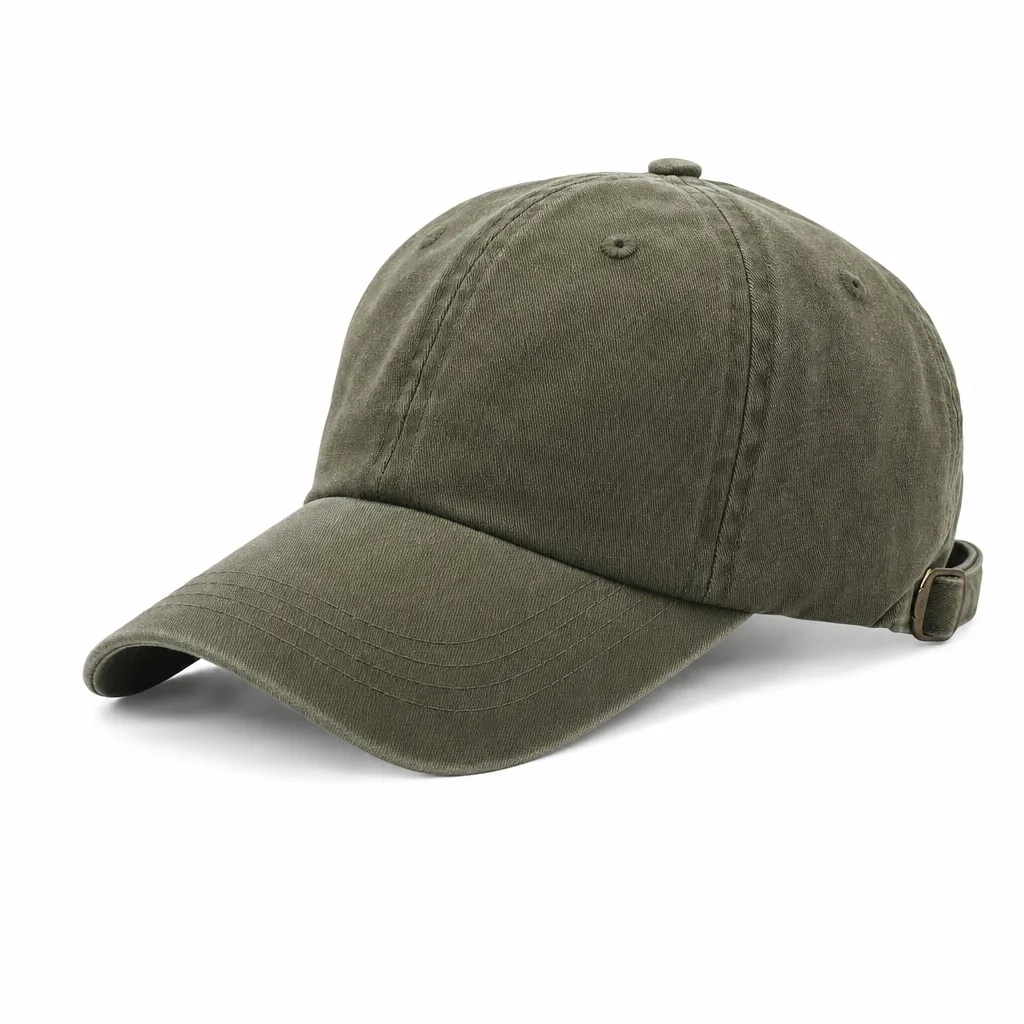
For brand owners, wholesalers and procurement teams entering the custom headwear category, custom made trucker hat: the 2026 sourcing & manufacturing playbook - supplier checklist - supplier checklist is one of the highest-leverage decisions you will make. Get it right and your unit economics, retail story and reorder cycle all improve. Get it wrong and you carry the cost for years.
Custom Embroidered Hats
A custom embroidered hat starts with the blank, not the logo. For a custom made trucker hat, the factory should specify crown fabric, mesh denier, buckram stiffness, sweatband construction, visor board, and closure style, because those variables move fit and landed cost more than the embroidery itself. A standard 5-panel or 6-panel build with cotton twill front panels, 100 percent polyester mesh, and a pre-curved PE or recycled PP visor usually lands around $1.35 to $2.80 FOB at 300 to 1,000 pieces, depending on stitch count, applique, 3D puff, foam backing, and whether the front panel is structured. A competent supplier will ask for Pantone TCX or PMS targets, crown depth, panel height, seam placement, and vector artwork before quoting, then run a strike-off on Tajima, Barudan, or ZSK heads for approval. If they describe every custom trucker hat as the same product, they are hiding the variables that control fit, handfeel, and repeatability.
MOQ is lower than many buyers expect, but the cost curve still bites. For a custom made trucker hat, 100 to 300 pieces is common for decorated samples or short runs, while 500 pieces and up is where factories can hold labor rates without constant rethreading, hoop swaps, and machine changeovers. Digitizing is usually charged once per logo, often $20 to $60 depending on stitch count, with dense fills, satin borders, and 3D puff driving the price up. Ask for needle density, stitch type, underlay, and thread brand, not just the decoration fee; 40s/2 or 75D polyester embroidery thread behaves differently from rayon, and low-grade thread will fuzz, loosen, or bleed after washing and heat exposure. A serious quote for custom trucker hats should also spell out woven labels, inner taping, hangtags, and carton packing, because those are the line items that get quietly rebuilt into margin later.
The failures are predictable if you know where to look. On a custom made trucker hat, inspect logo registration, bobbin show-through, puckering around dense fills, mesh distortion near seams, and color drift against the approved standard; on dark panels, Delta-E above 2.0 is already visible. Check the sweatband for odor-free foam or cotton, verify the snapback closes cleanly through at least 20 cycles, and measure crown symmetry so the visor does not sit twisted after pressing. For production control, require a pre-production sample, inline photos at the embroidery stage, and final inspection at AQL 2.5, with separate checks for stitching, trim, and carton count. Our standard practice is to lock the sample against a written spec sheet before bulk cutting starts. That is the practical difference between a usable custom made trucker hat program and a cheap order that looks fine in one product photo but fails when you open the carton.
Custom Hat Embroidery
Embroidery on a custom made trucker hat starts with digitizing, not the machine. A real factory turns the artwork into a DST or EMB file for Tajima, Barudan, or ZSK heads, then sets stitch angle, underlay, pull compensation, density, and sequence so the logo lands cleanly on a structured front panel. Foam-front caps are a different animal: the file has to account for a compressible crown and a raised surface, which usually means larger lettering, looser fills, fewer tight corners, and no tiny serif details. Ask for the exact stitch count, finished size in millimeters, backing type, thread brand, and whether the sewout came from production equipment or a lone sample head. For a retail custom made trucker hat, I care most about the first 30-second sewout reading: registration, edge finish, trimming quality, and whether the border stays sharp after the thread settles.
MOQ and pricing are usually predictable if the quote is real. A flat embroidery logo on a custom made trucker hat typically starts around 100 to 300 pieces per colorway, with FOB pricing around $2.20 to $4.50 depending on mesh grade, front-panel fabric, embroidery area, and logo complexity. 3D puff adds foam insert, slower machine time, and more trimming, so $0.40 to $1.20 per piece is normal. Side hits, back embroidery, woven labels, and multi-thread logos all add labor. A one-time digitizing fee of $15 to $40 is standard and should be shown separately from unit price, along with sampling and any rework allowance. If the quote is suspiciously low, the factory is usually burying those costs or planning to use a generic file that will not hold up in production.
The common failures are obvious if you know what to look for. Skipped stitches, thread breaks, puckering around dense fills, loose jump threads, and off-center placement show up fast on a pre-production sample under strong light. On foam-front custom made trucker hat programs, over-dense embroidery crushes the insert and leaves a hard ring around the logo; too little density makes the art look washed out and cheap. Color needs a real reference, not a sales description, so match thread against Pantone TCX or a physical chip card before approval. For bulk inspection, AQL 2.5 is fine for general cosmetic defects, but embroidery needs its own reject limits for legibility, outline quality, and placement tolerance, usually within 2 to 3 mm on front logos. In practice, embroidery changes the whole program: panel construction, material choice, lead time, and whether the supplier understands production control instead of only sample making.
Custom Trucker Hat
A custom made trucker hat is rarely just “a mesh cap.” In practice it is a 5-panel or 6-panel build with a foam or buckram front, 100% polyester mesh rear panels, a PE or cardboard visor board around 2.5 to 3.0 mm thick, and a plastic snapback, Velcro, or metal buckle closure. Lock down panel count, crown height, mesh denier, sweatband fabric, visor curve, and seam tape before you ask for pricing, because those inputs change both hand feel and labor minutes. For decoration, tell the factory whether the art is embroidery, woven patch, PVC patch, chenille, or 3D puff, and ask for the digitizing target if they are running Tajima, Barudan, or ZSK heads. If color consistency matters, specify Pantone TCX, not “close enough blue,” and give a Delta-E target of under 2.0 for repeat orders. A real custom made trucker hat spec sheet should also state stitch count, thread brand, and label method, or your approval sample will not match the bulk run.
The numbers are not abstract. A workable MOQ for a custom made trucker hat is usually 300 to 500 pieces per colorway, with sample fees in the $30 to $80 range depending on patch type, embroidery complexity, and whether the factory has to build a new foam front block. In China, a 500-piece order with flat embroidery or screen print often lands around $2.20 to $4.80 FOB per piece, while a better-structured build with matched trim, woven labels, and tighter color control is more often $5.00 to $7.00 before freight, duty, and domestic delivery. CrownsForge’s standard practice is to quote by exact construction, not by a generic trucker-cap label, because a 200 gsm foam-front cap with a 60 mm crown and premium snap hardware is a different cost structure from a lightweight promotional run. If a supplier cannot break out shell fabric, mesh, closure, and decoration separately, the quote is too loose to manage.
The failures are usually basic and expensive: mesh that collapses after packing, off-center embroidery, crown panels that do not mirror, weak snap teeth, and color drift beyond Delta-E 2 to 3 from the approved strike-off. Require a pre-production sample, a sealed golden sample, and in-line inspection at AQL 2.5 for critical defects such as skipped stitches, torn seams, crooked bills, loose threads, and broken closure tabs. For repeat programs, freeze the bill curve, front-panel height, label placement, and sewing allowance, because factories will otherwise shave seconds wherever they can. On a replenishment order, that is where the quality swings happen: the first lot matches the photo sample, then the second lot comes back with a flatter visor or a different mesh weight. A custom made trucker hat that survives season-to-season production needs a locked spec, not just an approved image.
Custom Trucker Hats
A custom made trucker hat is usually built in five controlled steps: cut and stitch the front crown, insert the visor board, join the mesh back, apply decoration, then block, trim, and inspect. For a clean spec, the front panel is typically 6-panel cotton twill, polyester twill, or foam-backed foam front when the buyer wants a flatter embroidery field; the back is usually 100% polyester mesh around 180-220 gsm, with mesh openness and denier chosen to balance airflow and shape retention. Before sampling, I want the full spec sheet: fabric composition, mesh denier, sweatband material, visor board thickness, closure type, seam tape, thread brand, and the decoration method. If a supplier cannot state blank weight, stitch density, and color-control method in writing, they are not controlling production. They are assembling parts and hoping the first sample survives approval.
For a straightforward custom made trucker hat run, MOQ is commonly 300-500 pieces per colorway, lower when the factory can stay on stock mesh colors, standard plastic snapbacks, and off-the-shelf labels, and higher when the job needs custom dyeing, woven side labels, or retail packaging. Basic 1-color embroidery often lands around $2.10-$3.20 EXW at 500 pieces, while a build with 3D puff embroidery, printed undervisor, and custom inner taping usually moves into the $3.80-$5.50 range before freight and duty. Keep decoration cost separate from blank cost. A properly digitized file on a 12-head Tajima or Barudan line runs cleanly; a dense, badly packed stitch path slows production, distorts the crown, and wipes out any savings. Ask whether the quote is FOB Ningbo or DDP, because freight assumptions can move landed cost more than a 20-cent fabric upgrade.
The recurring failures are predictable: mesh twists after washing, front panels collapse because the buckram is too soft, visor curvature varies piece to piece, sweatband topstitching loosens, and embroidery that looked fine in photo approval blows out in bulk because the digitizing was overpacked. For every trucker hat custom order, I check seam symmetry, crown height, panel alignment, Pantone TCX match, logo repeatability, and how the closure sits across the size range; those items belong on AQL 2.5 inspection lots, not in a one-piece pre-production sample review. A factory worth using can repeat the same construction on reorder, hold Delta-E color control, and provide sedex-audit-cap-supplier-guide.html">BSCI 2.0 or Sedex SMETA 4-Pillar paperwork without scrambling. That matters more than shaving a few cents off the quote, because a custom made trucker hat program usually fails on reorder consistency, not on the first sample round.
Hat Trucker Custom
A custom made trucker hat is controlled by five variables that need to be locked before sample approval: front panel fabric, mesh weight, visor board, closure type, and decoration method. A buyer should specify panel count, crown height, front-panel backing, foam thickness if it is a foam-front build, mesh denier, sweatband material, visor insert thickness, stitch density, and whether the closure is plastic snapback, hook-and-loop, or metal buckle. Production is mechanical and predictable: panels are cut and fused or stitched, logos are embroidered or patched, the crown is joined to the mesh, the visor is sandwiched and curved, then the cap is blocked and steamed. The decoration method changes the result more than most buyers expect. A 3D puff run on Tajima, Barudan, or ZSK heads needs denser digitizing and higher stitch pull compensation than flat satin stitch or a woven patch. For color control, specify Pantone TCX and a Delta-E target under 2.0 for core brand colors; “close match” is not a usable spec in a factory that runs multiple dye lots.
MOQ and pricing move with setup complexity, not just the logo. For a straightforward custom made trucker hat in one colorway, 300 to 500 pieces is normal at small to mid-volume factories; once you add custom mesh colors, contrast stitching, molded patches, or mixed closures, 1,000 pieces is common because the mill and trim supplier both want commitment. Real FOB pricing for basic embroidered truckers usually lands around $2.20 to $3.50 at volume, while patch-heavy or multi-location builds are more often $3.80 to $6.50 FOB. Ask for a line-item cost build-up that separates sampling, digitizing, patch mold fees, packaging, and inland freight assumptions. FOB, CIF, and DDP are not interchangeable, and a cheap unit quote can hide a bad logistics structure or a minimum that only works after you absorb excess trim and freight.
The defects that drive returns are structural: crooked visor stitching, crown-height drift, mesh distortion, loose thread tails, weak sweatband bonding, and logo placement that walks outside tolerance across the batch. Use AQL 2.5 for major defects and 4.0 for minor defects, then require a pre-production sample, a sealed spec sheet, and stage photos after embroidery, patch application, and final blocking. Check closure tension, visor curve repeatability, and placement on every size run, especially on contrast-stitch builds where a 2 to 3 mm shift is obvious on shelf. CrownsForge’s standard practice is to freeze the bill of materials before bulk cutting, because late material swaps are where most failures start. A factory that can show repeatability with batch records, shade approvals, and inspection photos is worth more than one that only quotes the lowest FOB. A custom made trucker hat gets expensive fast when 10 percent of the lot is reworked or downgraded at final inspection.
Trucker Custom Hat
A custom made trucker hat is built from three separate operations: crown fabrication, front-panel decoration, and back-closure assembly. In practice, the front panel is usually foam-backed structured cotton twill or polyester, the side and rear panels are polyester mesh in the 75D to 100D range, and the visor insert is either molded PE board or cardboard depending on target price. The order matters. Embroidery, woven patch sewing, or heat-seal application should happen before final closing and topstitching, because once the crown is set, panel tension changes and logos can drift 2 to 4 mm. A supplier worth quoting should state crown height, panel count, mesh gsm, visor curve, sweatband build, and closure type in writing, not just in a render. Ask whether the front panel uses 3 to 4 mm foam lamination, whether the mesh is one-piece or cut-and-sewn, and which embroidery platform they run, usually Tajima, Barudan, or ZSK heads for production work.
Typical MOQ for a custom made trucker hat is 100 to 300 pieces per design when you stay on stock fabrics and standard snapback hardware. Once you ask for matched fabric dyeing, custom taping, or private-label trims, 500 pieces is a more realistic starting point because setup cost has to be spread across fewer units. Pricing moves fast with decoration method and construction. A basic 1-color embroidered cap can land around USD 2.20 to 3.80 FOB Yiwu at 300 to 500 pieces, while a build with woven patch, custom sweatband, branded under-visor print, and full color matching can reach USD 4.50 to 7.50 before freight. If a quote comes in far below that, inspect what was stripped out: mesh density, reinforcement, stitch count, sweatband quality, or pre-production sampling. For sourcing, unit price matters less than whether the factory includes mockup revisions, thread matching, and trim control in the base offer.
The failures that show up most often are small and expensive: uneven crown symmetry, embroidery puckering on the front panel, mesh fraying at the seam, crooked snap placement, and logo drift beyond 2 to 3 mm across a run. Specify Pantone TCX for fabric and PMS for thread where applicable, then set a Delta-E target under 2.0 for approved bulk lots if color consistency matters. For inspection, AQL 2.5 is the normal baseline for apparel, with extra checks on panel alignment, stitch density, sweatband attachment, visor shape, and glue odor from low-grade foam. A factory should be able to show you a complete pre-production sample stack, not just a finished sample photo, because a custom made trucker hat can pass visual review and still fail once mesh tension, visor curve, and embroidery backing are combined. The supplier that explains process control in measurable terms is usually the one that can hold a stable run.
Working with CrownsForge for custom made trucker hat programs
A custom made trucker hat program lives or dies on sample discipline. Our standard practice is a first sample in 5 to 7 working days for a straightforward 5-panel or 6-panel build, and 10 to 14 days when the brief adds color-matched mesh, enzyme wash, silicone patches, or multi-location embroidery that needs digitizing cleanup. That timing matters more than shaving a few cents off the unit price, because hat construction exposes defects immediately: crown depth, front-panel buckling, stitch density, visor curve, and mesh tension are all visible at arm’s length. We start with a tech pack review, Pantone TCX confirmation, and a physical pre-production strike-off, so the buyer approves an actual custom made trucker hat instead of a render. MOQ is practical, not theatrical: 300 to 500 pieces per colorway is the normal production lane, although lower starts are possible when fabric is in stock and the decoration spec stays fixed.
Decoration is where a custom made trucker hat either looks retail-ready or cheap. We run embroidery on Tajima, Barudan, and ZSK heads, which gives enough control to keep small text readable at 9 to 11 mm cap height and avoid dense fills sinking into foam-backed fronts or cotton twill. Flat embroidery is usually the cleanest option for structured crowns; 3D puff only works when the logo has enough open space and the build height does not distort the panel or crush the mesh back. If the program needs print, woven labels, merrowed patches, or mixed decoration on one trucker hat custom, the sequence has to be locked before bulk so thread lots, patch dies, and placement do not drift between sample and production. The important part is not the decoration list itself, but controlling needle count, backing, and placement tolerance across every size and colorway.
Compliance and order control are what make a custom made trucker hat program repeatable instead of fragile. We work to BSCI 2.0 and Sedex SMETA 4-Pillar expectations, and we keep fabric and trim traceability on bulk lot codes, in-line checks, and final AQL 2.5 inspection before carton close. For export programs, FOB and DDP both need clean handoff logic, which means carton markings, packing ratio, HS code alignment, and commercial invoice data have to be settled before booking. The real failure mode is version drift: sales, merch, and production each holding a different brief for the same trucker hat custom. One owner from sample through shipment, plus revision control on artwork, size specs, and packaging notes, removes most of that risk. The result is fewer inspection rejects, fewer last-minute relabels, and a production file that can be reordered without rebuilding it from scratch.
Frequently Asked Questions
Do you support sustainability certifications?
Yes. We work with GOTS organic cotton, GRS-certified recycled polyester, OEKO-TEX Standard 100 fabrics, and are BSCI and Sedex audited. Certification documentation can be provided per order.
What is the minimum order quantity (MOQ) for custom hats?
Our standard MOQ is 100 pieces per design and color, with sampling available from 1 piece. For complex multi-color logos or premium fabric upgrades, the MOQ can be lowered with a small per-piece surcharge.
How long does production take?
Sampling takes 7 to 12 days. Bulk production runs 20 to 30 days depending on quantity, fabric availability and decoration complexity. Inspection and packing adds another 3 to 5 days before shipment.
What logo decoration techniques do you offer?
3D puff embroidery, flat embroidery, woven patch, leather patch, PVC patch, screen printing, sublimation, applique and laser etching, all in-house with no subcontracting.
Can I order a sample before bulk production?
Yes. We strongly recommend approving a pre-production sample before mass production. Samples are charged at 35 to 60 USD each plus express shipping, fully refundable against confirmed bulk orders over 500 pieces.
How does ordering custom hat trucker work?
When evaluating custom hat trucker, the key considerations are construction quality, decoration capability, MOQ flexibility and lead time. Cover everything buyers ask about custom embroidered hats: how it's manufactured, what specs to request from a factory, typical MOQ and pricing, common quality issues to inspect for, and how this ties back to the broader custom made trucker hat sourcing decision. Cover everything buyers ask about custom hat embroidery: how it's manufactured, what specs to request from a…
How does ordering custom embroidered trucker hats work?
When evaluating custom embroidered trucker hats, the key considerations are construction quality, decoration capability, MOQ flexibility and lead time. Cover everything buyers ask about custom embroidered hats: how it's manufactured, what specs to request from a factory, typical MOQ and pricing, common quality issues to inspect for, and how this ties back to the broader custom made trucker hat sourcing decision. Cover everything buyers ask about custom trucker hats: how it's manufactured, what specs to request from a…
How does ordering custom made hats for men work?
When evaluating custom made hats for men, the key considerations are construction quality, decoration capability, MOQ flexibility and lead time. Cover everything buyers ask about custom embroidered hats: how it's manufactured, what specs to request from a factory, typical MOQ and pricing, common quality issues to inspect for, and how this ties back to the broader custom made trucker hat sourcing decision. Cover everything buyers ask about custom trucker hats: how it's manufactured, what specs to request from a…
How does ordering high quality custom trucker hats work?
When evaluating high quality custom trucker hats, the key considerations are construction quality, decoration capability, MOQ flexibility and lead time. Cover everything buyers ask about custom embroidered hats: how it's manufactured, what specs to request from a factory, typical MOQ and pricing, common quality issues to inspect for, and how this ties back to the broader custom made trucker hat sourcing decision. Cover everything buyers ask about custom trucker hats: how it's manufactured, what specs to request from a…
Ready to start your custom hat project?
Send us your tech-pack, sketch or even just an inspiration photo. We will respond with a detailed quotation and digital mock-up within 24 hours.
Request a free quoteRelated guides
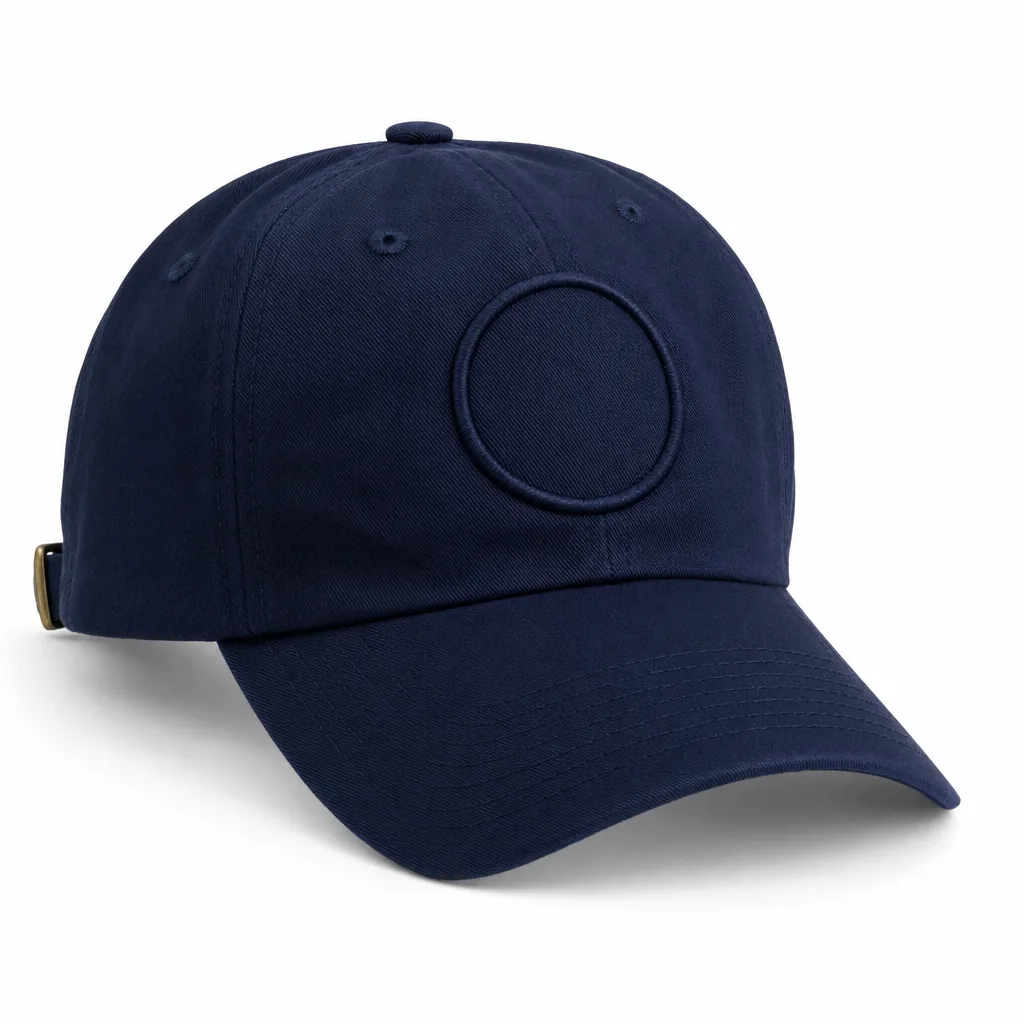
Custom Made Trucker Hat: The 2026 Sourcing & Manufacturing Playbook - Supplier Checklist (2026 Update)
Read article →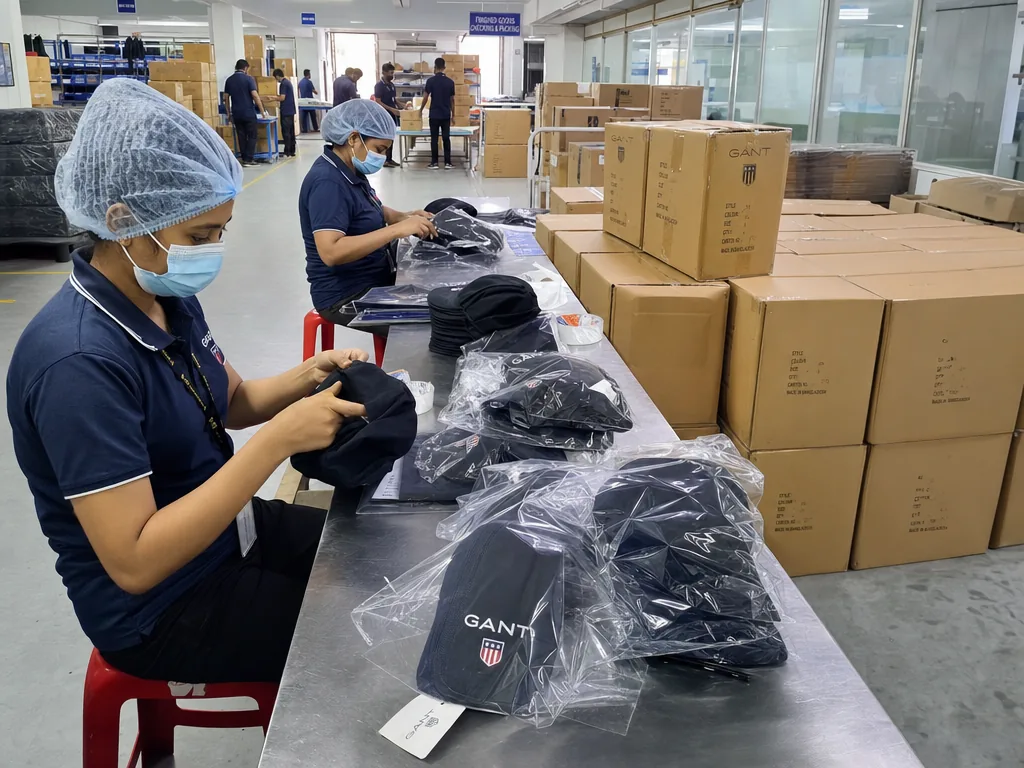
Cap Packaging Options: Retail-Ready, Hangtag, Polybag & Custom Boxes (2026 Update)
Read article →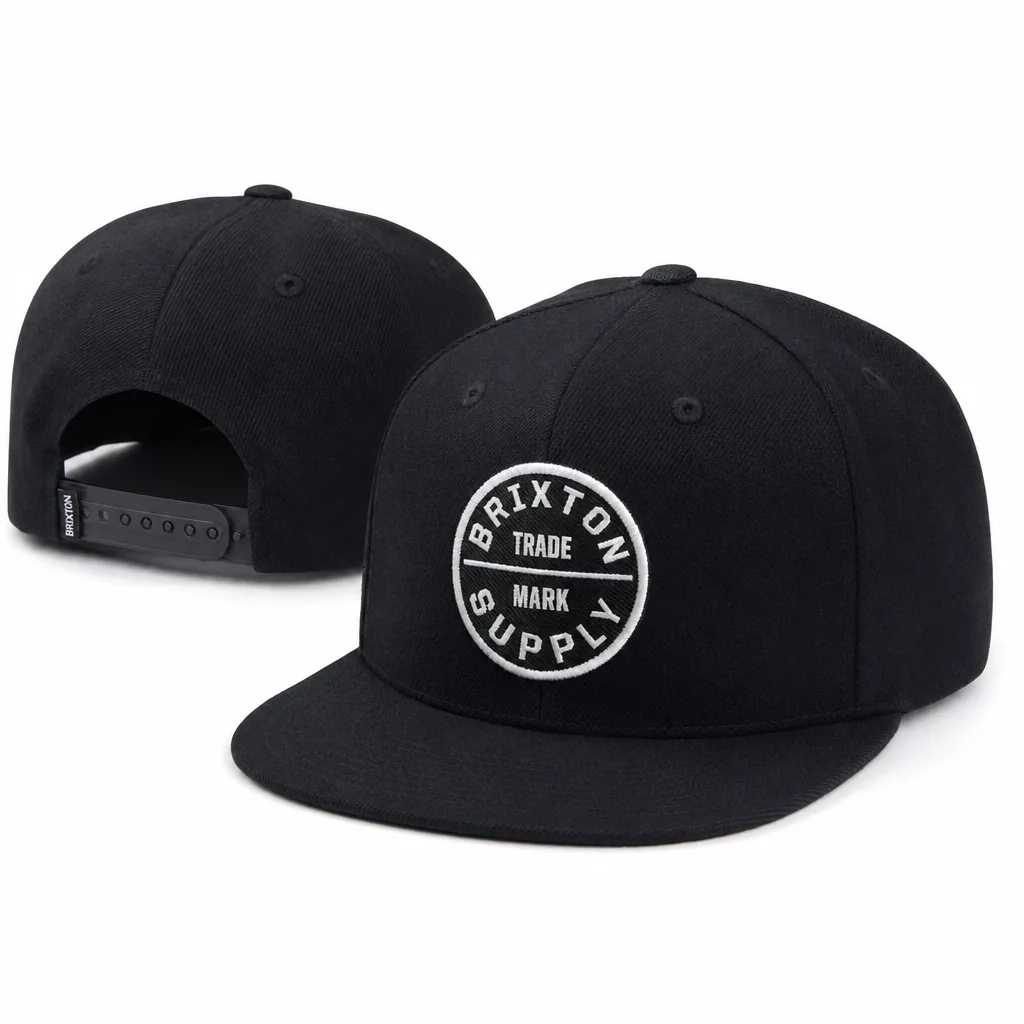
Cool Bucket Hats for Guys: A Vertical-Specific Sourcing Guide
Read article →Sourcing custom hats does not have to be complicated. With the right manufacturing partner, clear specifications and a small upfront investment in sampling, you can launch a retail-quality product in 30 to 45 days.