
Cool Bucket Hats for Guys: A Vertical-Specific Sourcing Guide
Every week, our sales team answers detailed questions about cool bucket hats for guys: a vertical-specific sourcing guide. We wrote this guide so that wholesalers, streetwear brands, corporate buyers and promotional resellers can compare options with full information, and avoid the traps that show up only after production has started.
Baseball Hats for Men
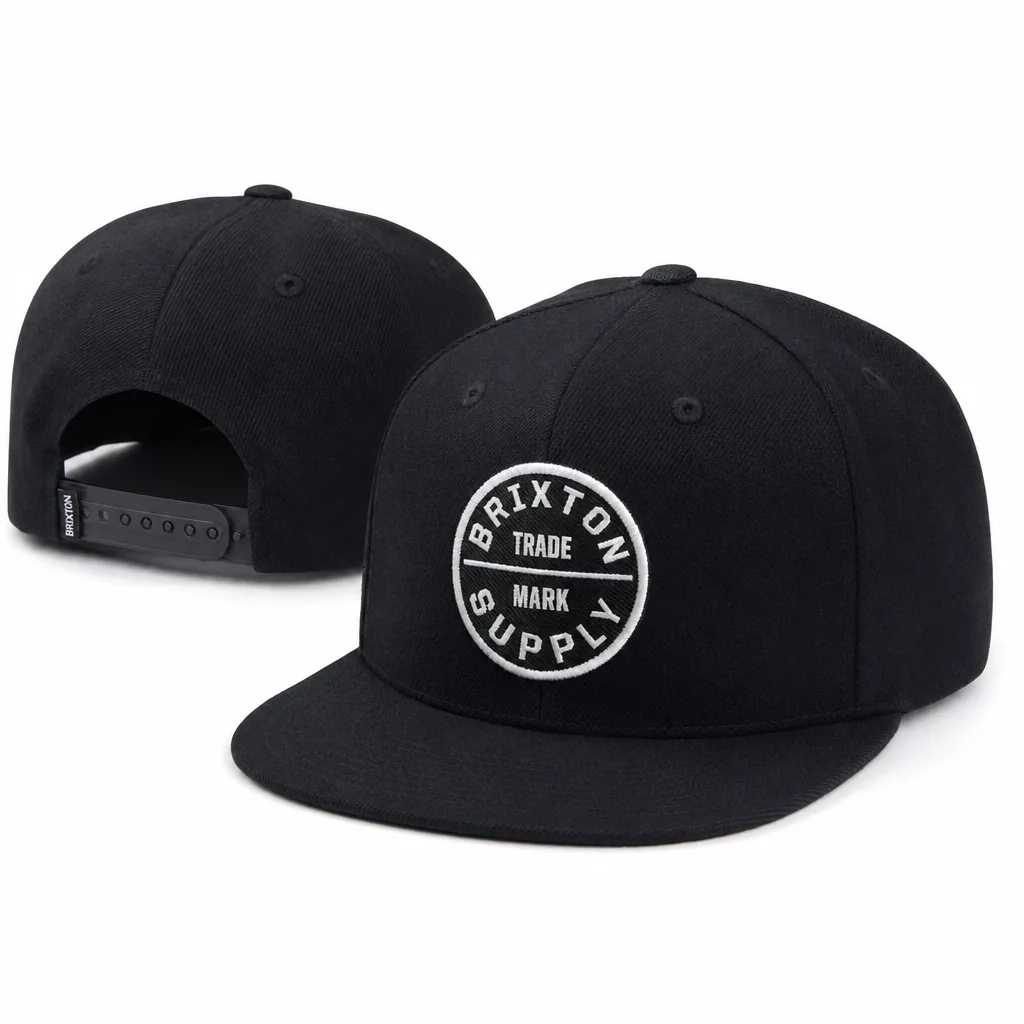
Baseball hats for men are usually the cleanest benchmark for a headwear program because the build is simple but unforgiving: crown panels, structured or unstructured buckram, curved or flat brim, sweatband, closure, then decoration. A decent factory should be able to explain whether the cap is cut-and-sewn from 100% cotton twill, washed chino, polyester ripstop, or a wool-blend shell, and what the fabric weight is in gsm; for a streetwear program I usually want 260 to 320 gsm cotton twill, 10 to 12 rows of visor stitching, and a sweatband with at least 0.5 mm thickness so it does not collapse after one wash. If you are sourcing fitted hats with patches, ask for patch material, edge finishing, and attachment method up front, because TPU, woven, felt, and leatherette all age differently and price very differently. For color work, specify Pantone TCX targets and acceptable Delta-E, because “navy” is not a spec.
On the factory side, the process is straightforward but quality depends on discipline: panel cutting, embroidery or patch application, front buckram insertion, peak board forming, crown sewing, eyelet punching, sweatband sewing, finishing, then metal detection and final pressing. Tajima, Barudan, and ZSK heads are all common for logos, but the machine brand matters less than digitizing density, stitch direction, and underlay; bad digitizing will make a logo pucker even on premium fabric. For buyers comparing baseball hats canada and baseball caps canada supply, the important request is not just MOQ, but packing standard, carton drop-test requirement, and whether the factory can keep shade consistency across a reorder. Typical MOQ for a custom 6-panel cap is 300 to 500 pieces per colorway, with blank hats lower and embroidered caps higher; pricing often lands around $2.20 to $4.80 FOB for basic cotton twill, then climbs to $5.50 to $8.50 once you add appliqué, complex patchwork, or washed finishes.
The defects that actually show up in inspection are almost always the same: crooked center seams, uneven brim curve, loose topstitching, mismatched panel shades, off-center patches, and closure hardware that scratches or rusts. For AQL 2.5, I would inspect seam allowance, crown symmetry, visor stiffness, sweatband stitch count, and logo placement against a measured template, not by eye alone. This is where buyers often realize the crossover with cool bucket hats for guys: the same factory that handles baseball hats well can usually execute bucket hats festival runs, but only if it can control wash, shrinkage, and brim memory on lightweight fabric. If you also want funny bucket hats or seasonal promo pieces, ask the factory to quote both styles together; combined sourcing usually reduces sampling cost and lets you compare stitch quality, fabric handfeel, and trim consistency before you lock the main assortment of cool bucket hats for guys.
Custom Baseball Team Hats
Custom baseball team hats are usually built from a 6-panel crown, structured with buckram, then finished with embroidery, woven patches, or a mix of both. If you want a product that holds up in retail, request a 100% cotton twill or poly-cotton blend in the 220–280 gsm range, pre-curved or flat visor by market, and a sweatband that is at least 1.5 inches wide. For baseball caps canada and baseball hats canada programs, I usually tell buyers to lock down Pantone TCX for the fabric and thread chart, then specify embroidery density, stitch count, and backing type. If the hat carries fitted looks or fitted hats with patches styling, the crown height and panel shape matter more than people think; a sloppy mold makes the front panel collapse and the patch look crooked even when the artwork is correct.
Factory buyers should ask for a full tech pack: flat sketch, panel measurements, visor curve, closure type, logo placement in millimeters, and target size range. The common production path is fabric cutting, panel stitching, buckram insertion, visor sandwiching, embroidery on Tajima, Barudan, or ZSK heads, then washing, trimming, shaping, and final QC. Typical MOQ is 144–300 pieces per design for standard construction, though complex applique or mixed-material builds can push that higher. Pricing is usually around $2.10–$3.80 FOB for basic embroidered hats, $3.90–$6.50 for multi-patch or 3D puff styles, and more if you want premium twill, contrast undervisor, or custom taping. For buyers comparing cool bucket hats for guys with team headwear, the key is to separate fashion detail from production complexity: a clean, well-built team cap often sells better than a novelty style that looks good online but fails in hand.
The quality issues I see most often are crooked center seams, inconsistent crown symmetry, thread tension problems, patch edge lift, and visor boards that crack after low-cost shaping. Ask for AQL 2.5 inspection, color tolerance within Delta-E 1.5 to 2.0 for main panels, and wash testing if the cap will be sold as a seasonless retail item. If the supplier is using adhesives for patches, require peel-strength confirmation; if the embroidery is dense, check for puckering at the front seam and under the visor. The same discipline applies when sourcing cool bucket hats for guys or funny bucket hats for promotions, and it matters even more for bucket hats festival drops where buyers want quick style but still expect decent construction. In practice, the factories that can do stable baseball caps can usually handle broader headwear programs without drama, which is why one clean spec sheet is better than chasing five different trend products at once.
Baseball Hats Canada
If you are sourcing baseball hats canada for a retail line or a promo drop, start with construction, not color. A proper six-panel cap usually uses 100% cotton twill at 280-320 gsm or a polyester-cotton blend around 260 gsm, with buckram in the front two panels, 8-10 rows of stitching on the visor, and a sweatband that is at least 35 mm wide. For embroidered styles, ask for digitizing files, stitch count targets, and thread brands like Madeira or Gunold; for fitted hats with patches, request PU or genuine leather patch thickness, edge finish, and application method, because heat-press patches fail faster than sewn or stitched-down patches. On the factory floor, we also check eyelet alignment, crown symmetry, and visor curvature against a reference sample, since a 2-3 mm drift becomes obvious in retail photos.
Typical MOQ for decent baseball hats canada pricing is 300-500 pieces per colorway if you want standard fabric and a simple logo; custom panels, woven labels, and specialty washes push that higher. At factory level, blank caps can land around USD 2.20-3.20 FOB Yiwu, standard embroidery adds USD 0.35-0.90 per cap depending on stitch count, and a patch build can add USD 0.60-1.50. Canadian buyers often care about landed cost more than unit cost, so you should ask for DDP estimates with carton dimensions, CBM, and duty assumptions up front. If the order is tied to cool bucket hats for guys or funny bucket hats for a summer program, the factory should quote both silhouettes together so you can compare trim, decoration, and packaging choices instead of treating them as separate sourcing problems.
The defects that hurt baseball caps fastest are boring but expensive: twisted top buttons, uneven brim inserts, loose thread tails, crooked front panels, and inconsistent crown depth across a production run. Ask for AQL 2.5 inspection on appearance, sizing, and workmanship, plus a pre-shipment report with photos of the worst defects, not just the pass rate. If your cap line includes bucket hats festival styles, check whether the same trim supplier can hold color consistency across cotton twill, canvas, and washed twill; Delta-E above 2.0 is visible under store lighting. The broader buying lesson is simple: if a supplier can control baseball hats canada at that level, they usually handle cool bucket hats for guys better too, because both categories punish weak stitching, sloppy pattern grading, and bad trim sourcing in different ways rather than forgiving them.
Fitted Hats with Patches
Fitted hats with patches are usually built on a structured six-panel crown, not the softer low-profile bodies people associate with funny bucket hats. The patch itself is the make-or-break detail: leather, woven twill, PVC, or felt, then stitched, heat-pressed, or debossed onto the front panel before final shaping. If you want consistent results, ask for the exact patch construction, edge finish, backing type, and attachment method. For embroidered patches, I usually specify 0.8 to 1.2 mm stitch density on the border and a minimum 0.6 mm merrow or laser-cut edge tolerance, because sloppy die-cutting shows up immediately on darker fabrics. If the hat is meant for baseball caps Canada or baseball hats Canada programs, request a winter-friendly sweatband and a firmer buckram so the front keeps its shape in transit and on shelf.
Factory specs should include crown height, visor curve, panel fabric, and closure details, plus the patch art file in AI or layered PDF with Pantone TCX callouts and stitch direction notes. For wool-blend or cotton twill fitted hats, I’d ask for 260 to 300 gsm fabric, fused front panels, and size sets in 7 to 7 3/4 with a tolerance of plus or minus 1/8 inch on circumference. Typical MOQ lands around 300 to 500 pieces per colorway when the patch is custom, and basic factory pricing is often USD 3.20 to 5.80 FOB depending on patch complexity, embroidery count, and inner taping. CrownsForge’s standard practice is to sample at least one pre-production cap with the exact patch placement, because shifting the patch by even 3 to 5 mm changes the whole look.
The common defects are obvious if you know where to look: patch puckering, glue bleed, crooked front panels, visor asymmetry, and loose stitching at the side seams where the crown is stretched during blocking. On leather patches, check for edge curl and oil transfer; on woven patches, inspect small-letter legibility under 5x magnification; on PVC, verify hardness so it does not crack in cold-weather shipments. AQL 2.5 is fine for general apparel, but for premium fitted hats with patches I prefer a tightened visual check on logo position and stitch defects, because those are what buyers notice first. For cool bucket hats for guys, the same sourcing logic applies: choose the silhouette for the channel, then force the factory to prove the decoration method and dimensional control before you commit to volume.
Funny Bucket Hats
Funny bucket hats are usually simple on paper and annoying in production because the humor lives or dies on print placement, panel alignment, and brim memory. Most buyers want one of three constructions: all-over printed cotton twill, cut-and-sew with woven labels and embroidered slogans, or 3D appliqué on a washed cotton body. For cool bucket hats for guys, the factory spec should start with the fabric weight, usually 220 to 280 gsm for cotton twill, plus the brim width, crown height, and stitch density on the sweatband and topstitching. If the artwork includes text or novelty graphics, ask for a Pantone TCX match on the body and a Delta-E tolerance under 2.0 on print runs; otherwise, “funny” turns into cheap-looking fast. Our standard practice is to request a full size set from head circumference 56 to 60 cm, because bucket hats that fit like a beanie are dead on arrival.
For MOQs, most factories will quote 300 to 500 pieces per colorway for printed cotton buckets, while embroidered or appliqué versions usually need 500 to 1,000 pieces to stay sane on labor cost. Typical FOB China pricing for a decent funny bucket hat lands around USD 2.20 to 4.80 depending on fabric, embroidery stitches, and lining; add 15 to 30 cents for custom woven labels, and another 20 to 40 cents if you want a reversible build. If you’re comparing this category against baseball caps canada or baseball hats canada, the bucket hat is usually less expensive on structure but more sensitive to print waste and approval delays. Buyers who source fitted hats with patches often underestimate this: a patch can hide small stitch drift on a cap, but on a bucket hat the flat crown and brim expose every misalignment.
The defects to inspect are boring but expensive: crooked panel seams, waviness at the brim edge, color migration after washing, weak topstitch tension, and print cracking on brushed cotton after flexing. For bucket hats festival use, insist on a 24-hour colorfastness test, shrinkage under 3 percent after one wash, and an AQL 2.5 inspection with special attention to the brim shape after packing; crushed brims are the fastest way to make a “funny” hat look like factory reject stock. If the buyer wants cool bucket hats for guys as a broader assortment, the sourcing decision should balance novelty styles with repeatable basics, because the same vendor that can do clean funny bucket hats may also handle better-selling neutral colorways with lower defect rates and tighter size consistency.
Bucket Hats Festival
Festival-grade bucket hats are not a simple cut-and-sew item; the difference between a sellable piece and a return pile is in the fabric, brim build, and stitching density. For bucket hats festival orders, I’d ask for 100 percent cotton twill at 220–260 gsm or washed nylon at 110–140 gsm if you want quicker dry time and a sportier hand feel. The brim should be 5.5–7 cm with two rows of topstitching, and the crown height usually lands around 8–9.5 cm depending on head size grading. If you want printed panels, specify reactive or pigment print with a Delta-E target under 3 against the approved Pantone TCX, because “close enough” looks cheap under sunlight and stage lighting.
Typical factory MOQ is 300–500 pcs per colorway for a basic twill bucket hat, with sample charges around USD 35–80 depending on whether the pattern is new or you’re just changing trims. In China, ex-factory pricing for a decent bucket hat usually sits around USD 2.10–4.80 at 1,000 pcs, and you can add USD 0.35–0.90 for woven labels, side embroidery, or custom sweatband tape. If a buyer is comparing cool bucket hats for guys against baseball hats canada or baseball caps canada, the bucket often wins on decoration area and lower structured component cost, while fitted hats with patches tend to need more exact sizing and a higher labor hit. Our standard practice is to confirm grading on at least 3 sizes if the buyer wants a relaxed streetwear fit instead of one generic circumference.
The inspection points are boring but decisive: check brim symmetry, stitch skip at the side seams, puckering around the sweatband, and whether the crown collapses after steaming. A lot of funny bucket hats fail because the print placement drifts 8–12 mm off-center, which is obvious once the hat is worn; for logo work, I’d hold the tolerance to ±3 mm on front placement and insist on AQL 2.5 for final inspection. Also verify color fastness to rubbing at 4 dry / 3 wet minimum, because festival sweat and sunscreen will expose weak dye immediately. If the buyer wants cool bucket hats for guys as a broader program, the best sourcing decision is usually to keep one core silhouette, then vary fabric weight, print, and trim so the same factory setup can also handle adjacent programs like funny bucket hats and seasonal baseball-style headwear without resetting the whole line every time.
Working with CrownsForge for cool bucket hats for guys programs
For cool bucket hats for guys programs, the biggest risk is not the silhouette — it is the sample loop. Our standard path is 5 to 7 working days for proto samples after artwork confirmation, then 10 to 14 days for a corrected pre-production sample if the crown shape, brim stitch density, or patch placement needs adjustment. We keep MOQ flexible because first-time buyers usually do not know whether they need 300 pieces for a capsule drop or 2,000 pieces for retail replenishment; for woven labels, silicone patches, and embroidered runs, starting quantities can often be held around 300 to 500 pcs per colorway depending on fabric and trim availability. If you are comparing bucket hats festival stock against baseball hats Canada or fitted hats with patches, the same rule applies: speed matters, but only if the sample matches production specs, including Pantone TCX matching and a realistic Delta-E tolerance under 2.0.
Decoration is where a lot of cheap suppliers fall apart, especially on funny bucket hats and streetwear-style pieces with dense graphics. We run embroidery on Tajima, Barudan, and ZSK heads, plus heat-transfer, woven labels, PVC patches, silicone badges, and TPU appliqué when the artwork calls for a flatter hand feel than direct stitching can deliver. For tighter logos, we normally digitize to keep satin columns under control and avoid puckering on 100 percent cotton twill or 360 gsm brushed canvas; on bucket hats festival orders, we also test sweatband seam bulk so the inside does not feel like a cardboard ring. CrownsForge handles order tracking with a PO-by-PO production sheet, so buyers get confirmation on fabric lot, trim lot, inspection checkpoint, and ship date instead of chasing updates across WeChat screenshots.
Compliance and release control are what make a small order scalable. We do not treat sedex-audit-cap-supplier-guide.html">BSCI 2.0 or Sedex SMETA 4-Pillar as window dressing; they matter when a brand starts moving from test drops into wholesale, especially if the same account later wants baseball caps canada or broader headwear assortments. For inspection, our standard is AQL 2.5 for general defects and 4.0 for critical points like seam opening, patch lift, and misaligned brim topstitching, with final carton checks before booking. On DDP or FOB shipments, we confirm carton count, gross/net weight, and HS code before handoff, because a 20-foot container can get delayed by something as basic as inconsistent pack ratios. That is the part that de-risks cool bucket hats for guys sourcing: fewer surprises after approval, and a cleaner path from sample to repeat order.
Frequently Asked Questions
How long does production take?
Sampling takes 7 to 12 days. Bulk production runs 20 to 30 days depending on quantity, fabric availability and decoration complexity. Inspection and packing adds another 3 to 5 days before shipment.
Do you support sustainability certifications?
Yes. We work with GOTS organic cotton, GRS-certified recycled polyester, OEKO-TEX Standard 100 fabrics, and are BSCI and Sedex audited. Certification documentation can be provided per order.
What is the minimum order quantity (MOQ) for custom hats?
Our standard MOQ is 100 pieces per design and color, with sampling available from 1 piece. For complex multi-color logos or premium fabric upgrades, the MOQ can be lowered with a small per-piece surcharge.
What logo decoration techniques do you offer?
3D puff embroidery, flat embroidery, woven patch, leather patch, PVC patch, screen printing, sublimation, applique and laser etching, all in-house with no subcontracting.
Can I order a sample before bulk production?
Yes. We strongly recommend approving a pre-production sample before mass production. Samples are charged at 35 to 60 USD each plus express shipping, fully refundable against confirmed bulk orders over 500 pieces.
What should buyers know about baseball hats fitted?
When evaluating baseball hats fitted, the key considerations are construction quality, decoration capability, MOQ flexibility and lead time. Cover everything buyers ask about baseball hats for men: how it's manufactured, what specs to request from a factory, typical MOQ and pricing, common quality issues to inspect for, and how this ties back to the broader cool bucket hats for guys sourcing decision. Cover everything buyers ask about custom baseball team hats: how it's manufactured, what specs to request from a…
What should buyers know about trendy baseball hats for guys?
When evaluating trendy baseball hats for guys, the key considerations are construction quality, decoration capability, MOQ flexibility and lead time. Cover everything buyers ask about baseball hats for men: how it's manufactured, what specs to request from a factory, typical MOQ and pricing, common quality issues to inspect for, and how this ties back to the broader cool bucket hats for guys sourcing decision. Cover everything buyers ask about custom baseball team hats: how it's manufactured, what specs to request from a…
What should buyers know about cool flat bill hats for guys?
When evaluating cool flat bill hats for guys, the key considerations are construction quality, decoration capability, MOQ flexibility and lead time. Cover everything buyers ask about baseball hats for men: how it's manufactured, what specs to request from a factory, typical MOQ and pricing, common quality issues to inspect for, and how this ties back to the broader cool bucket hats for guys sourcing decision. Cover everything buyers ask about custom baseball team hats: how it's manufactured, what specs to request from a…
What should buyers know about festival bucket hats?
When evaluating festival bucket hats, the key considerations are construction quality, decoration capability, MOQ flexibility and lead time. Cover everything buyers ask about bucket hats festival: how it's manufactured, what specs to request from a factory, typical MOQ and pricing, common quality issues to inspect for, and how this ties back to the broader cool bucket hats for guys sourcing decision. Cover everything buyers ask about baseball hats for men: how it's manufactured, what specs to request from a…
Ready to start your custom hat project?
Send us your tech-pack, sketch or even just an inspiration photo. We will respond with a detailed quotation and digital mock-up within 24 hours.
Request a free quoteRelated guides
Shipping Custom Hats from China: FOB, EXW, DDP & Incoterms Decoded
Read article →
Wholesale Trucker Hats with Custom Logo: A Complete Bulk Sourcing Playbook
Read article →
Launching a Hat Brand: Marketing Playbook for the First 12 Months
Read article →Sourcing custom hats does not have to be complicated. With the right manufacturing partner, clear specifications and a small upfront investment in sampling, you can launch a retail-quality product in 30 to 45 days.